Last month concluded with a period of significant introspection, not only in personal spheres as individuals reflected on successes and challenges, but also within the professional photography and videography industry, where data from rental and purchase trends for 2025 was meticulously analyzed. As the calendar turns to a new year, the focus invariably shifts from past performance to future aspirations. For LensRentals.com, 2026 marks an ambitious year with specific strategic objectives. Beyond internal goals, this period offers a prime opportunity to examine recent technological advancements and articulate a comprehensive outlook on the innovations anticipated in the photographic and videographic landscape. This analysis delves into five pivotal areas poised for substantial evolution, shaping the tools and workflows of creative professionals in the coming year.
The Resurgence of Third-Party Lenses for Emerging Mirrorless Systems
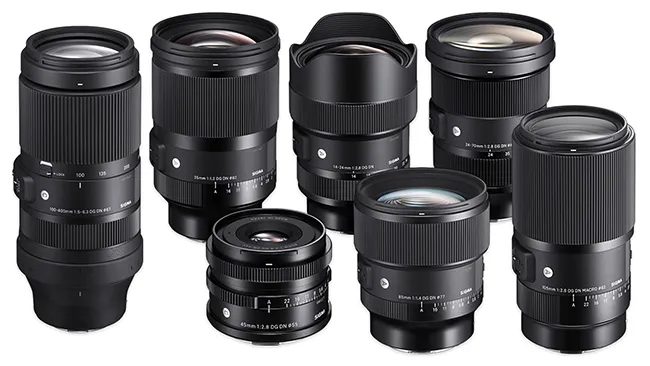
The landscape of lens options for photographers and videographers has undergone a dramatic transformation over the past decade, largely driven by the industry’s wholesale shift from DSLR to mirrorless camera systems. In the era preceding mirrorless dominance, users of Canon, Nikon, and even early Sony DSLRs benefited from an expansive and competitive ecosystem of third-party lenses. Manufacturers like Sigma, Tamron, and Tokina offered a diverse array of high-quality, often more affordable alternatives to proprietary lenses across various focal lengths and apertures. These lenses were critical in democratizing access to specialized optics and fostering a vibrant market. However, the advent of mirrorless cameras introduced entirely new, proprietary lens mounts – notably Canon’s RF mount, Nikon’s Z mount, and Sony’s E-mount. This transition initially created a significant hurdle for third-party manufacturers, requiring substantial investment in research and development to reverse-engineer or license these new mount specifications.
Sony’s E-mount was comparatively more open from its inception, leading to a relatively swift proliferation of third-party options from companies like Sigma, Tamron, and Samyang, enriching the system’s appeal. In stark contrast, Canon’s RF and Nikon’s Z mounts remained largely closed off to third-party autofocus lens development for several years, frustrating users seeking more affordable or specialized alternatives. This period saw a noticeable gap in the market, where photographers accustomed to a broad choice found their options limited to first-party offerings. However, recent developments suggest a thawing of this restrictive environment. Reports and product announcements from late 2024 and early 2025 indicate a renewed commitment from major third-party players like Sigma and Tamron to produce lenses specifically for the RF and Z mounts. This includes a growing number of prime and zoom lenses designed to take full advantage of the mirrorless architecture, including advanced autofocus capabilities and optical performance. Industry analysts suggest that this shift could be a result of either improved technical collaboration between camera manufacturers and third-party brands, or simply the maturation of reverse-engineering efforts reaching a critical mass. The implications for 2026 are profound: a wider array of third-party lenses promises increased competition, potentially driving down prices for consumers, fostering greater innovation in lens design, and expanding the creative possibilities for photographers and videographers committed to these leading mirrorless platforms. This development is crucial for rental companies like LensRentals.com, as it broadens their inventory and caters to a more diverse clientele seeking specific optical characteristics without the prohibitive cost of exclusively first-party glass.
The Democratization of Fast, Affordable Prime Lenses
The pursuit of "fast glass"—lenses with very wide maximum apertures—has long been a hallmark of serious photography and videography, prized for their ability to isolate subjects with shallow depth of field, excel in low-light conditions, and produce distinctive aesthetic qualities. Historically, lenses boasting apertures of f/1.4, f/1.2, or even wider have commanded premium price tags, often placing them beyond the reach of many enthusiasts and even some working professionals. This high cost is largely attributable to the inherent optical and manufacturing complexities involved: designing and producing large, precisely ground glass elements that can resolve sharp images across a wide aperture requires advanced materials, sophisticated optical formulas, and rigorous quality control. Legendary lenses like the Leica Noctilux-M 50mm f/1.2 ASPH, first introduced in the 1960s, or even Canon’s early EF f/1.2 lenses from the 1980s, were technological marvels that consistently carried luxury pricing.
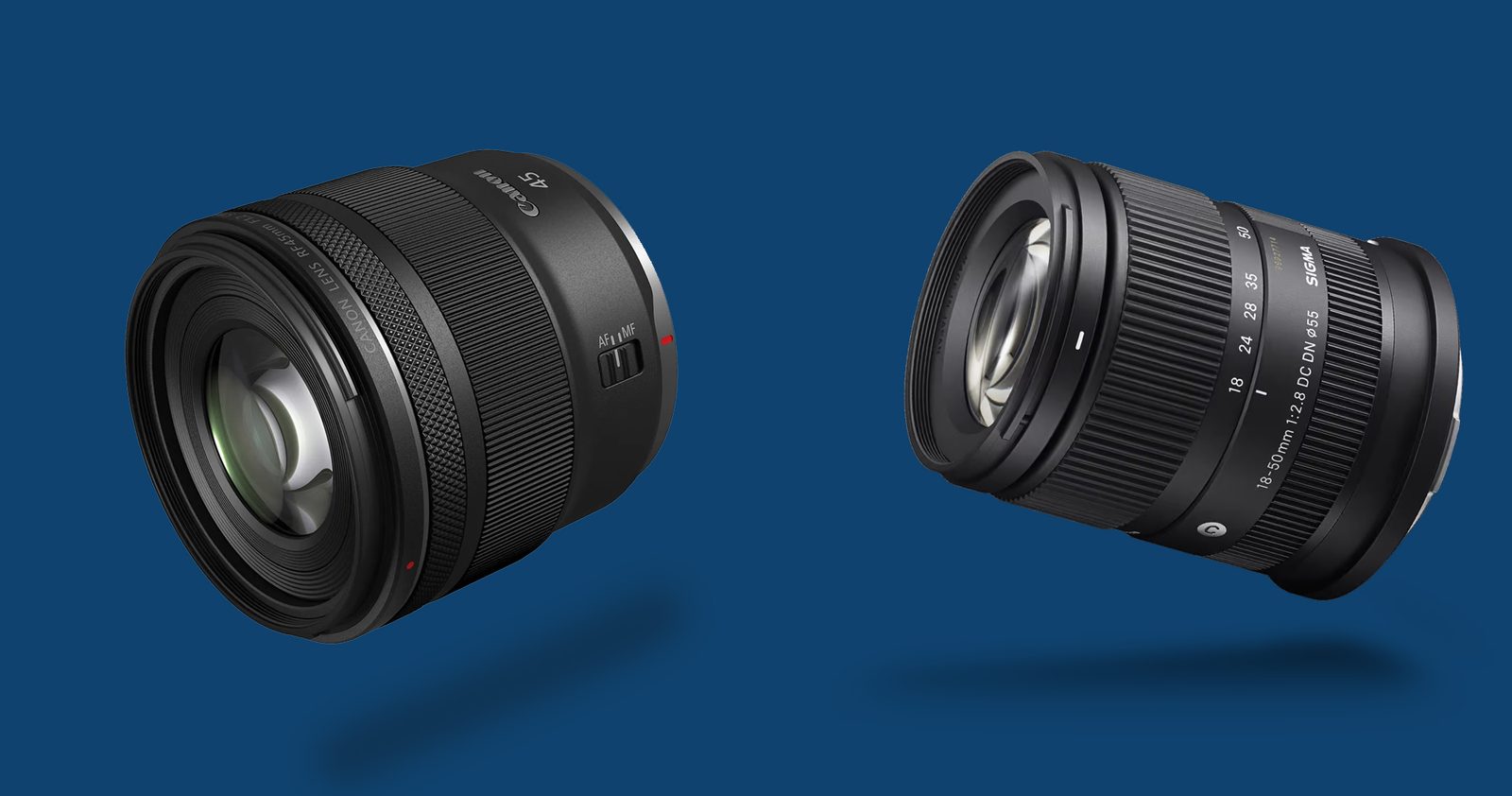
However, a significant shift occurred approximately six months prior to this report, when Canon introduced its RF 45mm f/1.2 STM lens at an unprecedented sub-$500 price point. This release was groundbreaking because it defied established market expectations for such a fast aperture. While not a direct competitor to Canon’s professional-grade RF 50mm f/1.2L USM, which retails for significantly more, the 45mm f/1.2 STM offers remarkable performance for its cost, making extreme shallow depth of field and superior low-light capability accessible to a much broader audience. This development is a strong indicator of advancements in lens manufacturing processes, potentially leveraging more cost-effective materials, advanced computational design techniques, and efficient stepper motor (STM) autofocus systems that balance performance with affordability. For 2026, the hope is that this trend is not an isolated incident but rather a harbinger of a broader industry movement. If other manufacturers, including Nikon, Sony, and even third-party lens makers, follow suit, the market could see a proliferation of fast, affordable primes across various focal lengths. This would significantly empower portrait photographers, event shooters, and filmmakers, allowing them to achieve cinematic looks and versatile low-light performance without having to compromise on other essential gear or exceed tight budgets. The implications for creative expression and market accessibility are substantial, potentially redefining entry points into high-performance optics.
Shifting AI Focus: From Generative Art to Workflow Efficiency
The past few years have undeniably been dominated by the rapid ascent of Artificial Intelligence (AI), permeating nearly every sector, and the photography and videography industry is no exception. While early discussions and market releases heavily centered on generative AI—systems capable of creating photorealistic images, corporate headshots, and even video sequences from simple text prompts—the practical utility for the working professional has often felt tangential to core workflows. While impressive in their capability, these generative tools have primarily been seen as creative supplements or experimental playgrounds, with some raising ethical concerns regarding authenticity and intellectual property. The broader sentiment among many creatives is a desire for AI to act as an assistant, not a replacement for the fundamental creative process.
For 2026, a significant shift in AI application is anticipated and desired: a move away from purely generative functions towards more workflow-centric automation. This involves AI tools designed to streamline the often tedious and repetitive tasks that consume a significant portion of a professional’s time, thereby allowing them to dedicate more energy to the artistic and strategic aspects of their craft. Current iterations of AI in photo editing software, such as Adobe Lightroom’s content-aware fill, automatic subject selection, and intelligent noise reduction, provide a glimpse into this potential. However, the aspiration for 2026 is for these capabilities to become more pervasive, sophisticated, and integrated. Imagine advanced AI algorithms that can, with a single click, intelligently identify and remove distracting elements like trash bins, telephone poles, or power lines from complex images, far exceeding current content-aware fill capabilities. Beyond image manipulation, AI could revolutionize business management for freelancers and small studios. This includes more affordable and robust studio management software powered by AI that automates invoice reminders, personalizes client communications, and proactively identifies potential leads. Furthermore, AI could assist in the pre-production phase by cataloging and cross-referencing creative inspirations, mood boards, and client briefs into coherent, shareable documents, reducing administrative overhead. The overarching goal is for AI to serve as an intelligent, invisible assistant, amplifying human creativity and efficiency rather than attempting to replicate it. This strategic realignment of AI development promises to transform the operational aspects of photography and videography, making professional practices more sustainable and creatively rewarding.
The Unfulfilled Promise: Demanding Improved Camera App Support
The advent of mirrorless camera systems was not merely about technological advancements in sensors and autofocus; it also came with a compelling promise of seamless integration with the ubiquitous smartphone. The vision was clear: camera manufacturers would provide robust mobile applications that would allow photographers and videographers to instantly review, edit, and publish their high-quality images and videos directly from their phones, bypassing the need for a computer in many scenarios. This promised to revolutionize on-the-go workflows, particularly for social media sharing and rapid client previews. However, the reality has, for the most part, fallen significantly short of this ambitious ideal. Users across various brands—Canon Camera Connect, Nikon SnapBridge, Sony Imaging Edge Mobile, and even the relatively better-regarded Fujifilm Cam Remote—have consistently reported a litany of frustrations.
Common complaints include frequent app freezes, unexpected crashes, sluggish performance, unreliable connectivity via Wi-Fi and Bluetooth, and unintuitive user interfaces. Transferring files, especially larger RAW images or video clips, often proves to be an exercise in patience, with dropped connections and slow speeds being prevalent issues. While some progress has been made, the fundamental user experience often remains clunky and unreliable, undermining the very convenience it aimed to deliver. This persistent underperformance is particularly baffling given the sophistication of modern smartphones and the general expectation of seamless digital integration in contemporary technology. The contrast with the intuitive and powerful photo editing and sharing capabilities natively available on smartphones highlights the gap. For 2026, there is a strong call for camera manufacturers to prioritize and substantially invest in their mobile application development. This means not just incremental updates, but a fundamental re-architecture and user experience overhaul. A truly effective camera app would offer stable, fast wireless transfers, responsive remote control functionality, reliable live view, and perhaps even basic on-device RAW editing capabilities. The ability to quickly cull, tag, and share images directly from the camera via a smartphone would be invaluable for photojournalists, event photographers, and content creators. While acknowledging the significant resources required for such development, the long-term benefit of a truly functional and user-friendly app ecosystem is immense. It would enhance the overall value proposition of dedicated cameras, making them more competitive against the ever-improving capabilities of smartphone photography and fostering a more integrated, efficient workflow for professionals and enthusiasts alike.
The Game-Changing Potential of More Electronic Global Shutters
The final, and perhaps most revolutionary, technological advancement eagerly anticipated for 2026 is the wider adoption of electronic global shutters in professional cameras. This technology, first prominently featured in Sony’s groundbreaking a9 III camera, represents a paradigm shift from traditional rolling shutters, which have long been a fundamental limitation in both still photography and videography. A rolling shutter captures an image sequentially, line by line, from top to bottom. While imperceptible in most static scenarios, this sequential capture leads to the infamous "jello effect" or "rolling shutter distortion" when the camera or subject moves rapidly, causing skewing, wobbling, or partial capture artifacts. The video world, in particular, has grappled with this issue for decades, impacting the professional quality of fast-panning shots and action sequences.
On the photography front, the global shutter offers equally compelling advantages, primarily by eliminating the long-standing limitation of flash sync speed. Most traditional cameras, whether crop-sensor (typically limited to 1/250s) or full-frame (often 1/200s), rely on a mechanical focal plane shutter. This shutter operates as two curtains passing across the sensor, and the flash can only fire when the entire sensor is exposed, limiting the maximum shutter speed at which flash can synchronize. While workarounds exist—such as High-Speed Sync (HSS) which pulses the flash, or leaf shutters built into certain lenses—these often come with their own limitations, including reduced flash power, increased heat, or higher equipment costs. An electronic global shutter, by contrast, exposes all pixels on the sensor simultaneously. This means it can theoretically synchronize with flash at any shutter speed, even extremely fast ones like 1/16000s or faster. The implications are profound: photographers could use off-camera flash in bright ambient conditions to overpower the sun, freeze ultra-fast motion with flash without motion blur, and achieve unprecedented control over light and shadow. For sports photographers, this means sharper images of rapidly moving subjects. For studio and portrait photographers, it offers unparalleled flexibility in balancing ambient light with strobe. The Sony a9 III’s introduction demonstrated the feasibility and immense benefits of this technology, showcasing artifact-free video, zero blackout in the viewfinder, and full flash sync at its maximum electronic shutter speed. While the initial implementation may come with trade-offs, such as potential impacts on dynamic range or sensor noise at the bleeding edge of the technology’s development, the potential for a global shutter to redefine camera performance standards and unlock new creative possibilities is immense. Widespread adoption in 2026 would mark a pivotal moment for the industry, pushing the boundaries of what is technically achievable in image capture.

As the industry moves forward into 2026, the convergence of these anticipated developments—the expansion of third-party lens ecosystems, the democratization of high-performance optics, the intelligent integration of workflow-enhancing AI, the long-overdue refinement of camera-to-app connectivity, and the revolutionary spread of global shutter technology—promises a landscape of unprecedented innovation and user empowerment. These advancements collectively underscore a period where technological prowess is increasingly aligned with practical, creative needs, shaping a more efficient, accessible, and creatively stimulating future for photography and videography professionals worldwide.