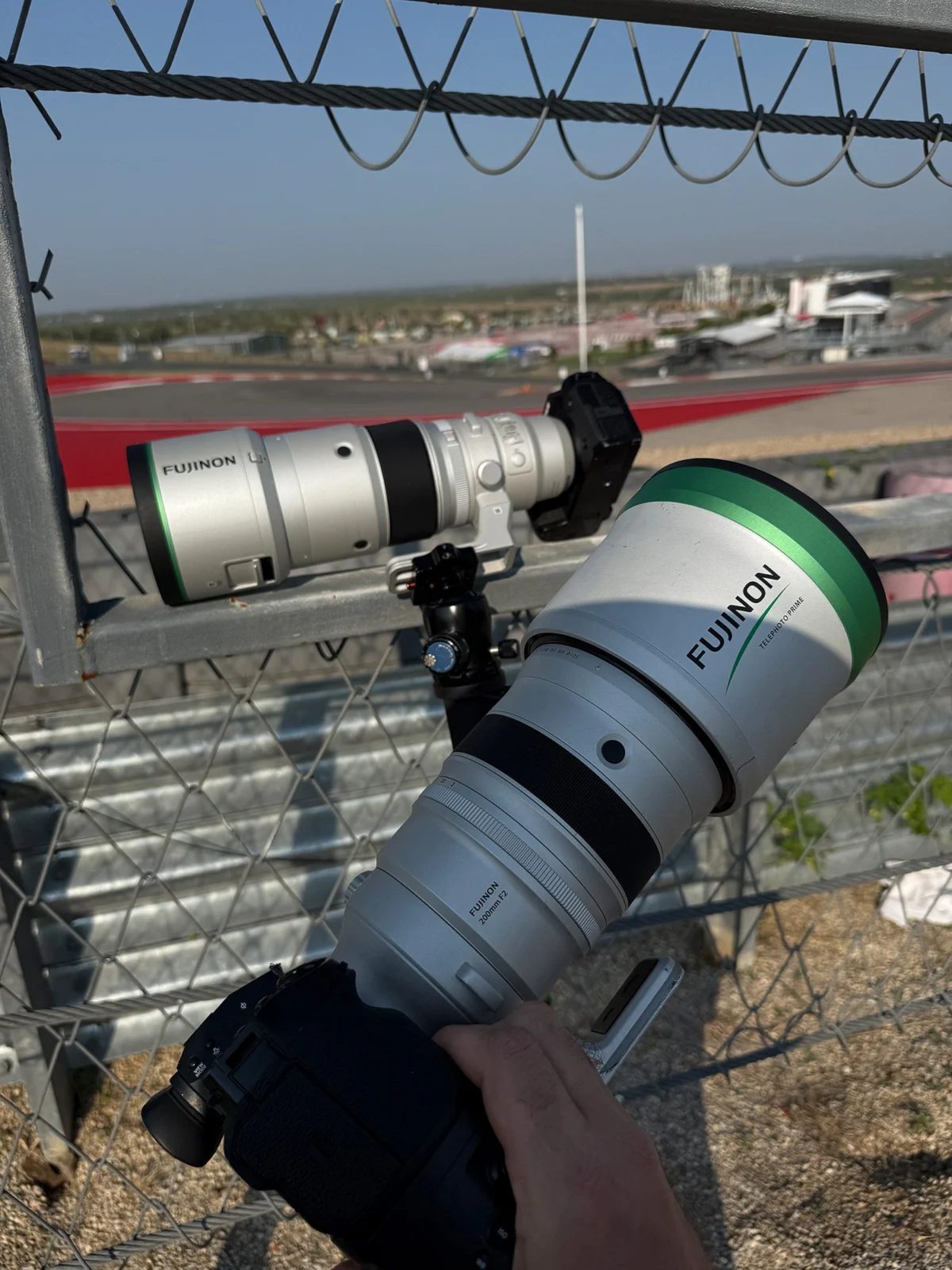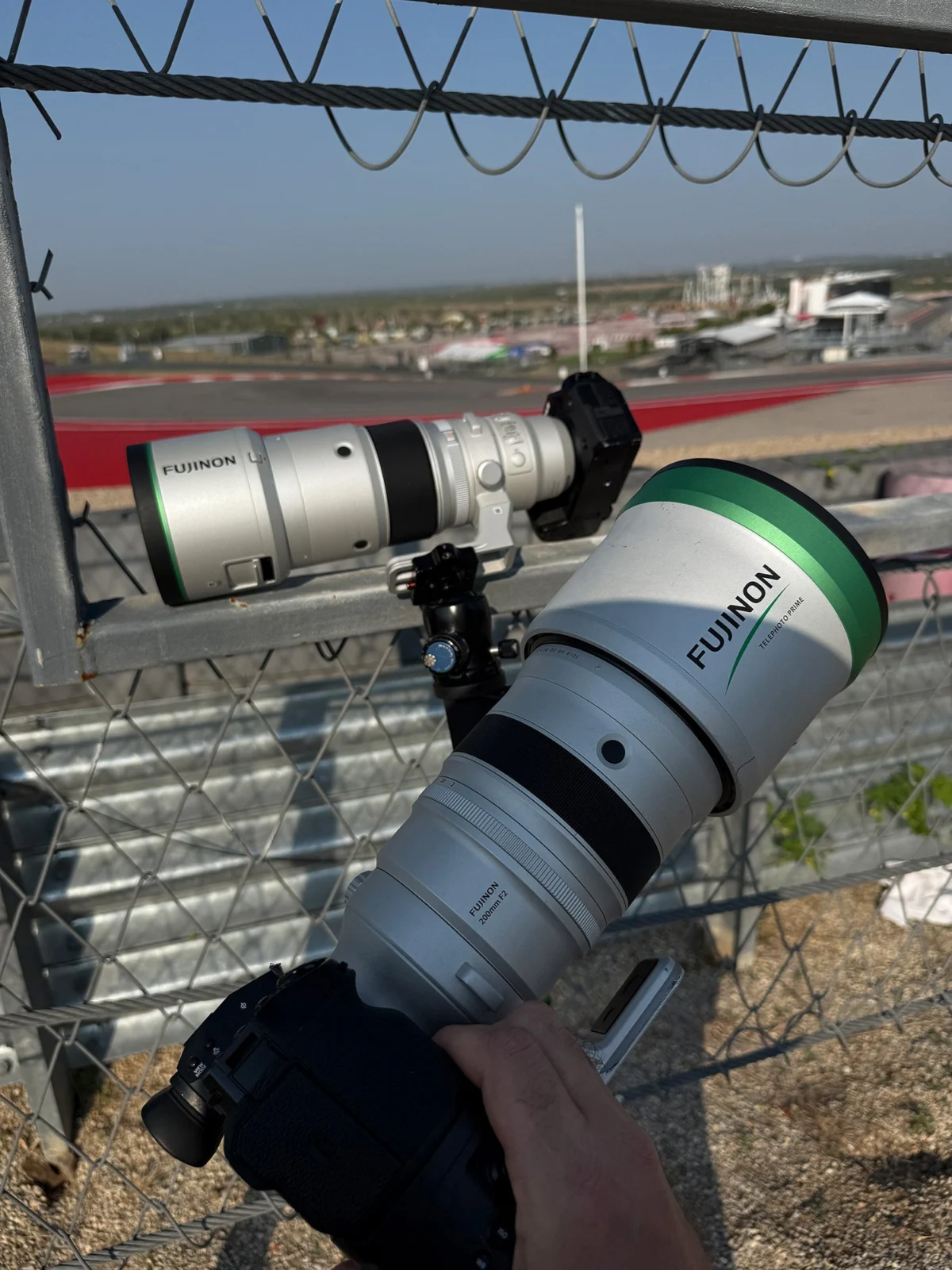
Over the past four years, the field of motorsport photography has seen a notable shift towards specialized long lenses capable of capturing subjects at extreme speeds, varying distances, and under rapidly changing light conditions. While versatile zoom lenses such as the Fujifilm XF100-400mm f/4.5-5.6 have proven indispensable for their broad coverage and adaptability, a growing demand for uncompromising optical performance has led professionals to explore dedicated prime lenses. This article examines the Fujifilm XF200mm f/2, a lens that has emerged as a formidable tool, setting new benchmarks for image quality and performance within the Fujifilm X Series, particularly in the demanding arena of professional motorsport. It represents not merely a piece of equipment but a strategic commitment to capturing critical moments with unparalleled precision and aesthetic distinction.
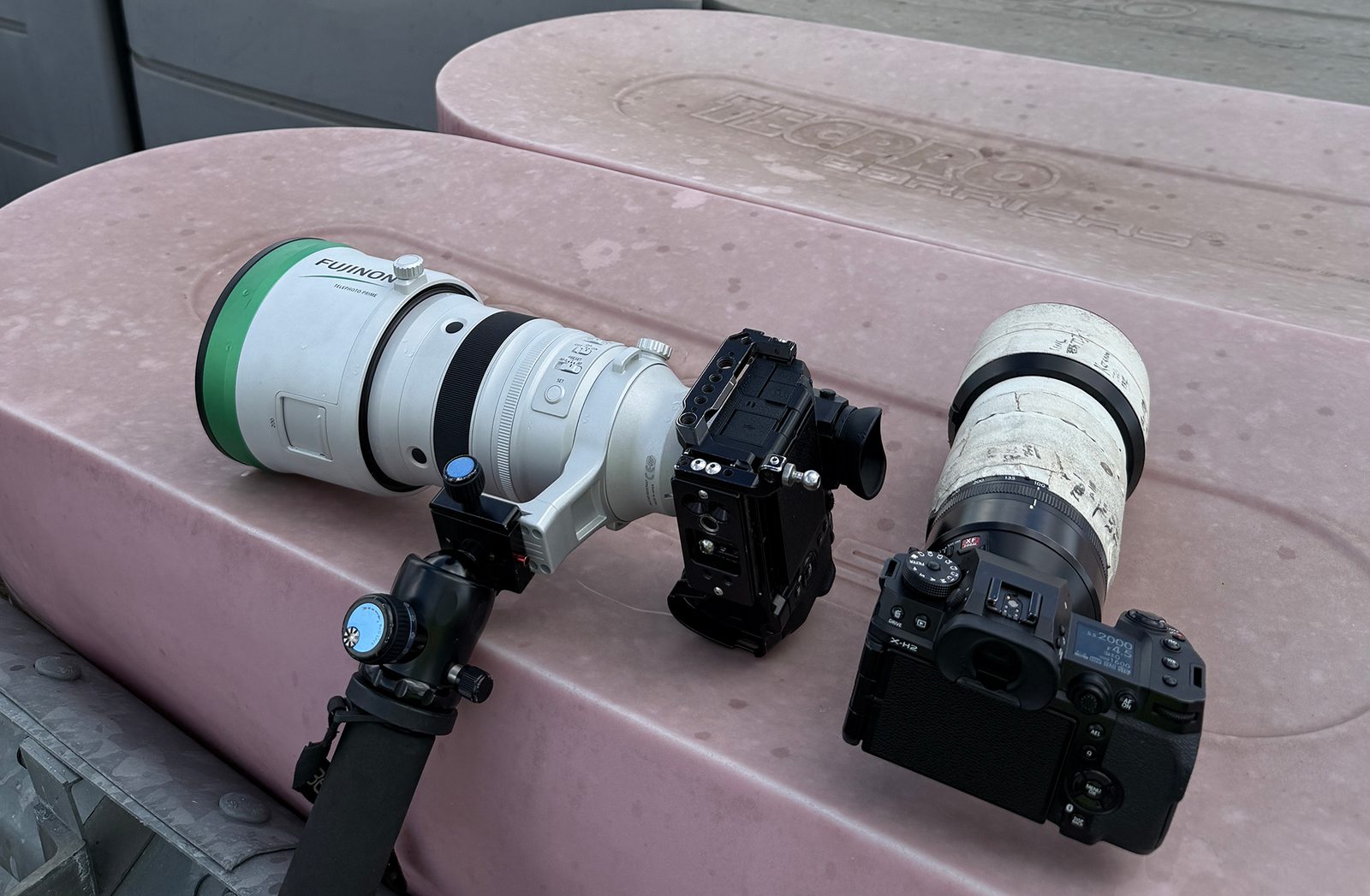
The Evolution of Professional Motorsport Photography and Fujifilm’s Response
The dynamic nature of motorsport photography dictates an unrelenting need for equipment that can keep pace with its challenges. Photographers are tasked with freezing fractions of a second, isolating fast-moving vehicles from complex backgrounds, and delivering images that convey both speed and artistic flair. This has historically placed significant demands on lens design, pushing manufacturers to develop optics that combine long focal lengths with wide apertures and robust construction.
Fujifilm’s X Series, initially celebrated for its compact form factor and excellent image quality in diverse genres, has progressively expanded its capabilities to cater to professional sports and action photographers. The introduction of high-performance bodies like the X-H2S, with its stacked sensor and advanced autofocus system, signaled Fujifilm’s serious intent to compete in this high-stakes segment. The Fujifilm XF200mm f/2 OIS WR, launched in July 2018, stands as a cornerstone of this strategy, designed from the ground up to deliver a flagship telephoto prime experience. Its development addressed the specific requirements of professionals seeking absolute clarity, superior low-light performance, and exquisite subject separation—qualities often paramount in high-level sports coverage. This lens, therefore, is not an isolated offering but a critical component in Fujifilm’s ecosystem for demanding professional applications, complementing the system’s ability to offer a comprehensive solution for various photographic needs. The journey of many motorsport photographers, including those working trackside at iconic venues like the Circuit of the Americas, often begins with the versatility of lenses like the XF100-400mm, which provides broad coverage. However, the consistent need for faster apertures and ultimate image fidelity eventually points towards specialized prime lenses, leading to the adoption of tools like the XF200mm f/2.
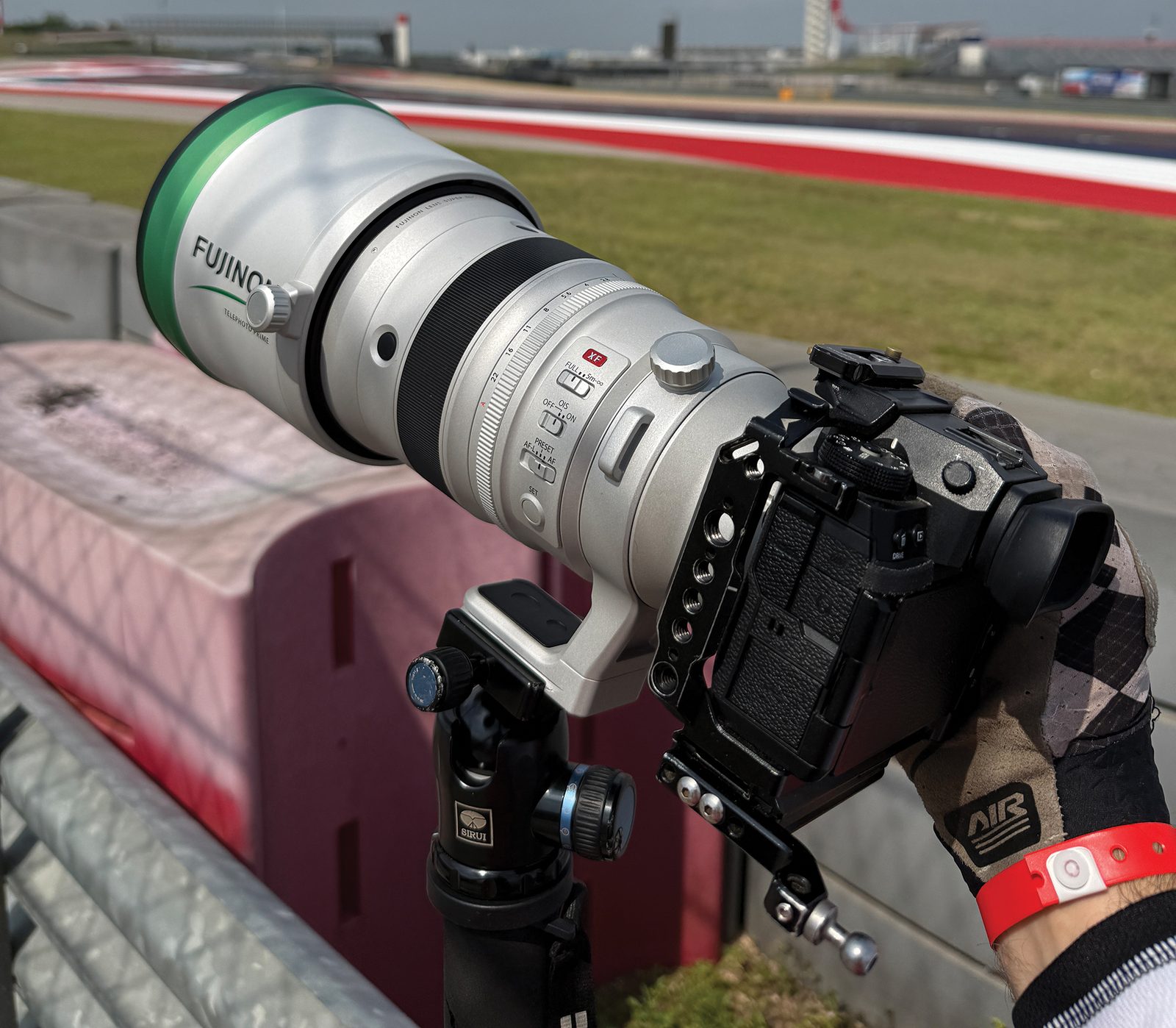
Unpacking the Technical Prowess: Design and Specifications
The Fujifilm XF200mm f/2 OIS WR makes an immediate statement through its formidable technical specifications and physical design, reflecting a no-compromise engineering philosophy. At its core, the lens provides a fixed focal length of 200mm, which, when mounted on an APS-C X-Series camera, yields an angle of view equivalent to approximately 305mm on a full-frame system. This telephoto reach is further extended by the inclusion of a dedicated XF 1.4x TC WR teleconverter, which seamlessly integrates with the lens to provide an effective full-frame equivalent focal length of approximately 427mm. Crucially, the maximum aperture shifts from f/2 to f/2.8 when the teleconverter is engaged, a minor trade-off that is largely mitigated by the teleconverter’s exceptional optical performance and the host camera’s autofocus capabilities. Independent testing and field reports consistently indicate no noticeable degradation in optical sharpness or autofocus speed when utilizing this teleconverter, underscoring Fujifilm’s meticulous design and manufacturing standards.
Physically, the XF200mm f/2 is built to endure the rigors of professional use. It features a robust, full-metal construction that instills confidence in its durability. A distinctive matte silver coating, a first for a Fujinon lens of this caliber, serves a practical purpose: it minimizes heat absorption during prolonged exposure to direct sunlight, a common scenario at outdoor racing circuits. This thermal management is vital in maintaining optical stability and preventing heat-induced image degradation over long shooting sessions, ensuring consistent performance throughout an event.
The autofocus system is powered by a sophisticated twin linear motor, engineered for both remarkable speed and near-silent operation. This motor system ensures rapid and precise focus acquisition and tracking, a non-negotiable requirement for subjects moving at triple-digit speeds. Its efficiency allows photographers to maintain focus on rapidly approaching or receding vehicles without hesitation. Complementing this is a highly effective 5-stop optical image stabilization (OIS) system. This OIS is a critical asset for handheld shooting, allowing photographers to achieve sharp images at slower shutter speeds than would otherwise be possible, thereby enhancing versatility in varying light conditions and reducing operator fatigue during extended shooting periods.
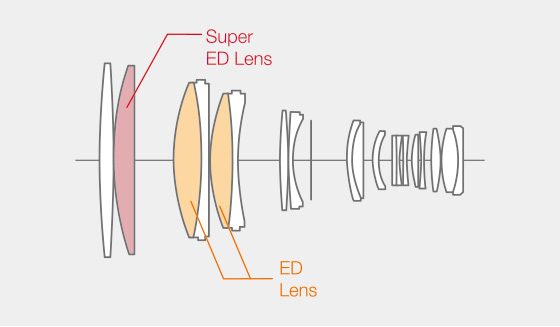
Optically, the XF200mm f/2 exemplifies advanced lens design. It comprises 19 elements arranged in 14 groups, incorporating specialized glass to address common optical aberrations. Specifically, one Super ED (Extra-low Dispersion) element and two ED elements are strategically placed to suppress chromatic aberration, ensuring images are rendered with exceptional color fidelity and contrast, even at wide apertures. The front element is treated with a fluorine coating, providing an essential protective layer that repels water, dirt, and smudges, simplifying cleaning and maintenance in challenging environments such as dusty tracks or rainy conditions. The lens also features nine rounded aperture blades, meticulously designed to produce smooth, aesthetically pleasing circular bokeh, which is crucial for creating stunning subject isolation and artistic depth in motorsport imagery. Further contributing to its professional appeal are the tactile one-third EV step aperture ring for precise exposure control and an integrated rotating tripod collar, complete with strap attachment points, signaling its readiness for serious fieldwork.

In-Field Performance: Synergy with the X-H2S and Unforgettable Results
The true measure of a professional lens lies in its real-world performance, and the Fujifilm XF200mm f/2 distinguishes itself, particularly when paired with high-performance camera bodies. For motorsport photography, the synergy between this lens and the Fujifilm X-H2S body is often cited as a pinnacle within the X Series. The X-H2S, with its advanced stacked BSI CMOS sensor, rapid processing power, and refined autofocus algorithms, unlocks the full potential of the XF200mm f/2, creating a combination where speed, autofocus reliability, clarity, and sharpness operate at an almost effortless level. This formidable pairing ensures that even the most fleeting and unpredictable moments of high-speed action are captured with unwavering precision, a critical factor for professional assignments.
Experiences from the trackside at venues like the Circuit of the Americas underscore this synergy. When vehicles approach at speeds exceeding 150 mph, the margin for error is virtually nonexistent. The XF200mm f/2, combined with the X-H2S’s rapid processing power and subject tracking capabilities, delivers consistent, tack-sharp results, frame after frame. While the lens is also compatible with other X-Series bodies, such as the X-H2, field reports indicate a noticeable enhancement in autofocus acquisition speed and overall consistency when utilizing the X-H2S. This difference, though subtle in isolation, becomes critical in the fast-paced and unpredictable environment of professional motorsport, where the ability to consistently nail focus can define the success of an entire shoot. The X-H2S’s ability to maintain focus on subjects moving erratically or against complex backgrounds provides a distinct advantage, maximizing the optical brilliance of the prime lens.

Adapting to a dedicated long prime lens like the XF200mm f/2 requires an initial acclimation period. Unlike versatile zooms, primes demand a more deliberate approach to composition and a keen understanding of optimal vantage points. However, once photographers internalize this discipline, the experience transforms into an "addictive" pursuit of unparalleled image quality. Reviewing images captured with this lens often elicits audible reactions from photographers, a testament to the stunning separation achieved between the subject and background. The wide-open f/2 aperture, in particular, renders bokeh that is consistently described as rich, creamy, and beautifully smooth, all while maintaining critical sharpness on the primary subject. This aesthetic quality allows photographers to craft images that are not only technically excellent but also deeply artistic, drawing the viewer’s eye directly to the action.
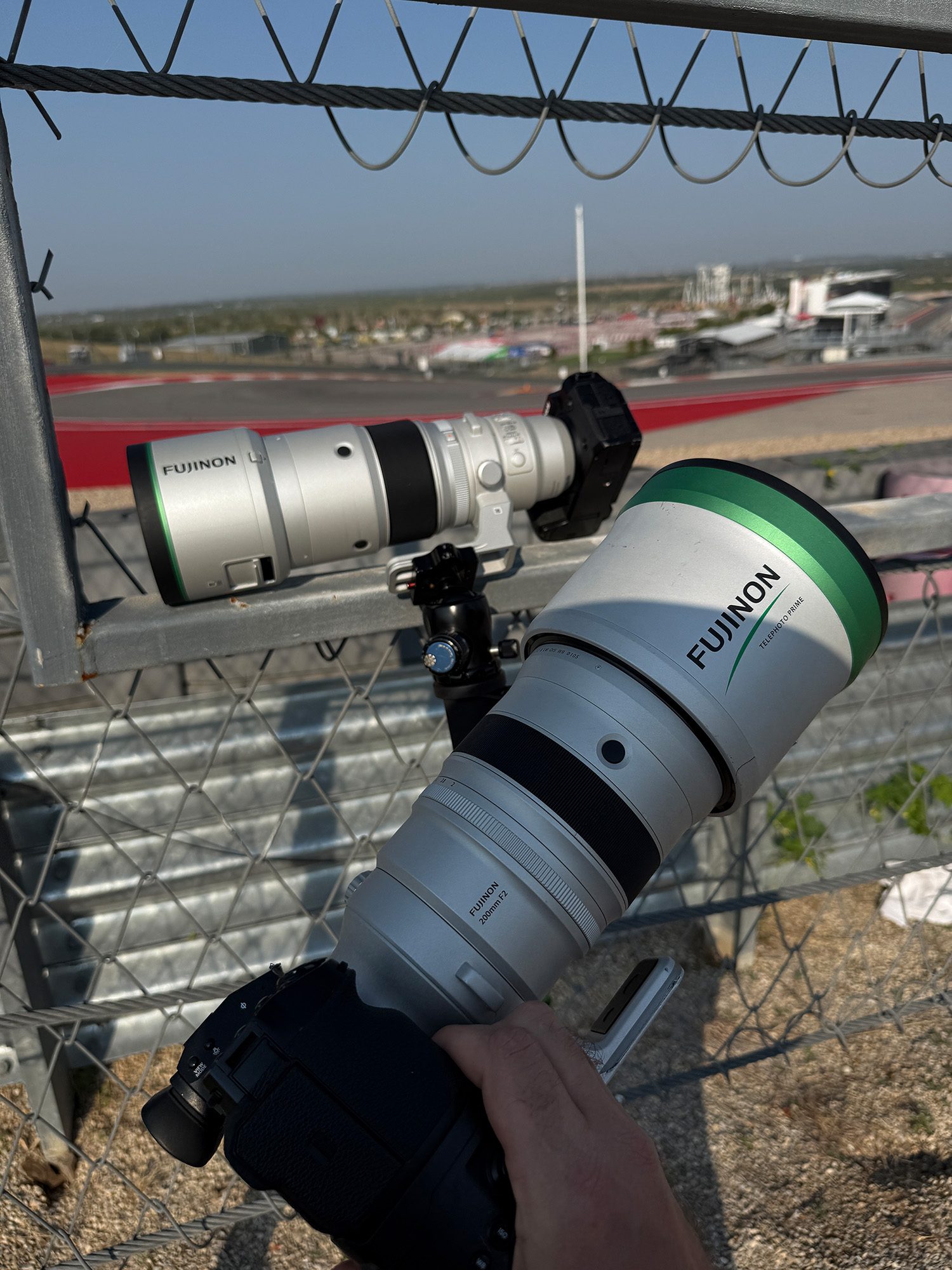
Practical design elements further enhance the in-field experience. The programmable autofocus buttons strategically placed on the lens barrel provide an additional point of stable interaction, particularly beneficial during handheld shooting, allowing for quick focus adjustments without disrupting composition. The lens hood, a critical accessory for managing flare and protecting the front element, is equally impressive. Its large, rigid construction, secured by a pressure screw, provides robust protection and stability. Many professional motorsport photographers adopt a technique of "cupping" the edge of the hood when shooting with a monopod, using it as an additional point of leverage and stability, a testament to its thoughtful design and robust build in a dynamic environment.
Practical Considerations and Strategic Investment
While the performance benefits of the Fujifilm XF200mm f/2 are undeniable, its professional-grade capabilities come with practical considerations that prospective users must factor into their decision-making. The lens weighs approximately 2,265 grams (just under 5 pounds). While manageable for short periods, prolonged handheld shooting, especially when combined with dynamic techniques like speed panning, can lead to significant physical strain. For long shooting days at the track, a monopod transitions from a luxury to a near necessity, providing essential support and mitigating fatigue, allowing photographers to maintain peak performance throughout an event. This weight, however, is a common characteristic of high-performance super-telephoto primes across all camera systems, indicative of the substantial glass elements and robust construction required.
Another significant consideration is the financial investment. Retailing around $6,000 new, the XF200mm f/2 represents a substantial commitment. This pricing positions it firmly within the professional segment, competing with similar high-performance telephoto primes from other camera systems. Beyond the initial purchase, the lens’s massive front element necessitates dedicated 105mm filters. These larger filters carry a higher price point compared to their smaller counterparts. A comprehensive filter kit, typically including a UV filter for constant protection, a circular polarizer for managing reflections and enhancing contrast in bright trackside conditions, and a variable neutral density (ND) filter for achieving wide-open apertures in intense daylight, constitutes a not-insignificant additional investment. However, these accessories are crucial for maximizing the lens’s versatility and protecting its pristine optics in diverse shooting scenarios, safeguarding the initial investment.

Strategic Positioning: Who Benefits Most from the XF200mm f/2?
The Fujifilm XF200mm f/2 occupies a unique and powerful niche within the photographic landscape. While many reviews may touch upon its applicability in commercial and wildlife photography, its particular strengths shine brightest in the realm of motorsport. It is not intended to be a photographer’s first telephoto lens, nor is it the most flexible in terms of zoom range. Instead, it serves as a specialized instrument, a "commitment" lens that delivers a distinctive "umami flavor" to images—an unparalleled aesthetic quality that is difficult to replicate with other optics in the Fujifilm lineup. This refers to a depth and richness in image rendition that goes beyond mere technical sharpness.
For professional Fujifilm shooters, particularly those specializing in sports and action, the XF200mm f/2 often becomes the third essential lens in their kit. It complements the more versatile zoom options like the XF50-140mm f/2.8 and the XF100-400mm f/4.5-5.6, which capably handle the bulk of general coverage in the paddock or trackside when flexibility in focal length is paramount. However, when specific conditions arise—such as diminishing light, a critical need for extreme subject-background separation, or an absolute priority on clarity and sharpness—the XF200mm f/2 steps forward as the undisputed heavyweight champion. Its wide f/2 aperture becomes invaluable in low-light scenarios, allowing for faster shutter speeds and lower ISO settings, while its prime optical design ensures maximum resolution and minimal aberrations. The lens provides a distinct artistic advantage, allowing photographers to craft images with incredible depth and dimensionality, which is highly valued in editorial and commercial motorsport photography.

This lens represents Fujifilm’s strong statement about its capability to provide professional-grade tools that not only meet but exceed the expectations of demanding photographers. Its existence and performance validate the X Series as a viable and highly competitive system for professional applications that require ultimate image quality and robust performance. For those who have integrated it into their workflow, the XF200mm f/2 often becomes an indispensable asset. While it may not be a necessity for every photographer, for the dedicated professional in motorsport who demands the absolute best, the regret of not owning it would likely be far greater than the initial investment. It truly signifies the pinnacle of what the Fujifilm X System can offer in specialized, high-performance telephoto photography. Its ongoing utility and the consistent, breathtaking results it produces cement its place as a revered piece of glass within the professional community.
Broader Implications for the Fujifilm X System
The success and critical acclaim of the Fujifilm XF200mm f/2 extend beyond its individual performance, carrying broader implications for the Fujifilm X System as a whole. Its presence in the lineup, alongside high-performance bodies like the X-H2S, signals a maturation of the X Series into a comprehensive professional ecosystem capable of tackling the most challenging photographic genres. This strategic positioning allows Fujifilm to attract and retain professional photographers who might otherwise consider only full-frame systems for their demanding work. By offering a lens with such specialized performance, Fujifilm demonstrates its commitment to innovation and its understanding of the nuanced needs of various professional segments. This commitment fosters greater confidence among users and strengthens the brand’s reputation for producing high-quality, purpose-built tools. The XF200mm f/2 serves as a beacon, illustrating that an APS-C system, when engineered with precision and supported by advanced sensor technology, can deliver results that rival or even surpass those of larger sensor formats in specific applications, particularly where lens speed, optical perfection, and system agility are paramount. The continued integration of such flagship optics into the X-mount roadmap reinforces Fujifilm’s trajectory as a significant player in the professional photography market.