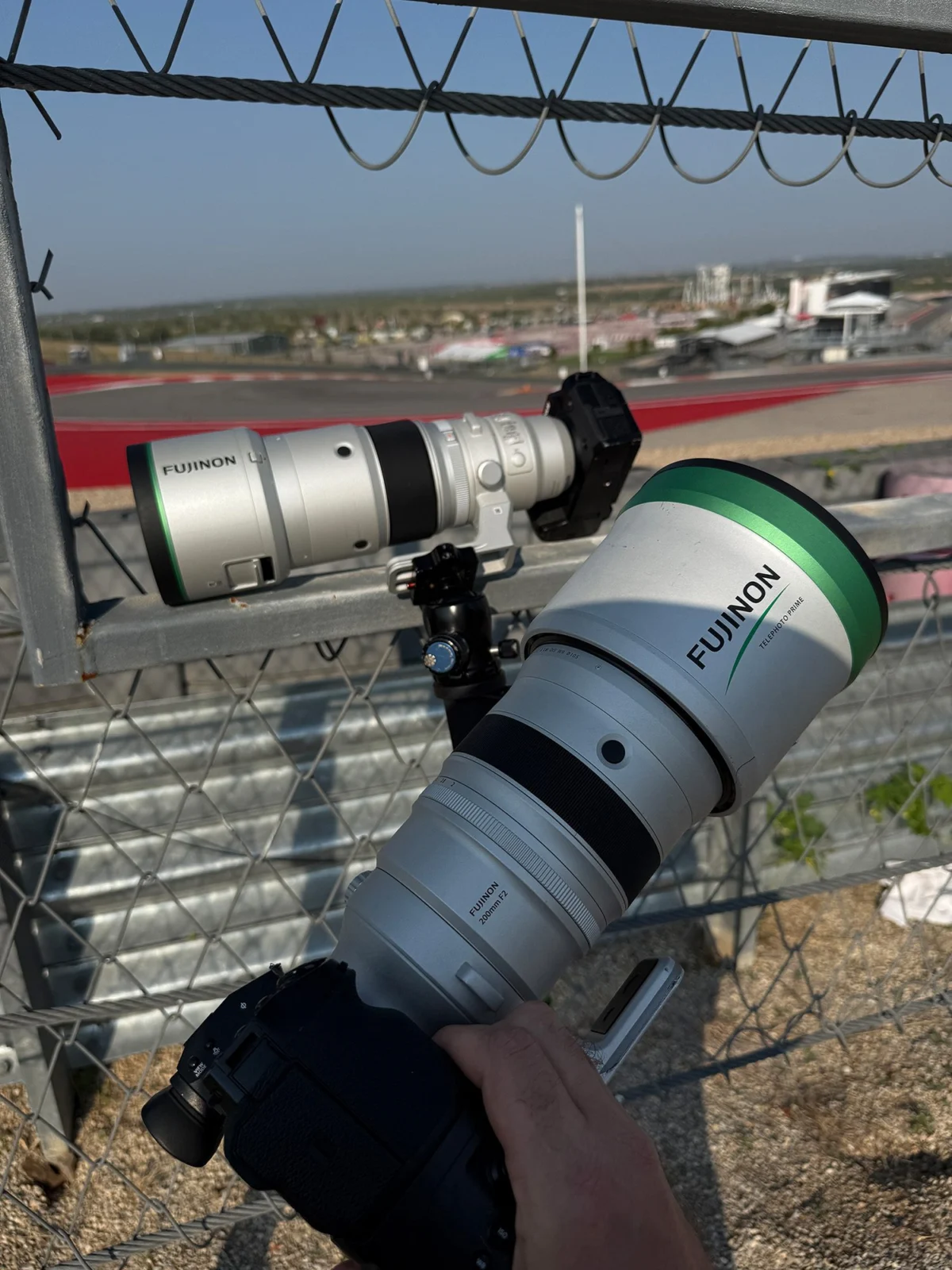
Over the past four years, the landscape of professional photography, particularly within the demanding realm of motorsports, has witnessed a notable shift towards specialized long lenses capable of managing extreme speed, considerable distances, and rapidly fluctuating light conditions. For many Fujifilm X-Series professionals, the Fujifilm XF100-400mm f/4.5-5.6 R LM OIS WR has served as an indispensable early solution, offering versatile coverage and robust performance at venues like the Circuit of the Americas. While that zoom lens remains a foundational tool for its adaptability, the conversation among dedicated motorsport photographers has increasingly turned to a lens that represents not just versatility, but an uncompromising commitment to optical excellence: the Fujifilm XF200mm f/2 OIS WR. This telephoto prime has rapidly distinguished itself as a paramount piece of glass, praised across systems for its exceptional performance.
The Evolving Demands of Motorsport Photography
Motorsport photography is one of the most challenging genres, requiring equipment that can deliver precision, speed, and durability under often harsh conditions. Photographers must capture fleeting moments of high-speed action, often from significant distances, with subjects moving at triple-digit velocities. This necessitates lenses with superior autofocus capabilities, robust optical image stabilization, and the ability to render subjects with absolute sharpness while managing complex backgrounds and varying light. Historically, this domain was largely dominated by full-frame DSLR systems and their accompanying large, fast telephoto primes. However, Fujifilm’s X-Series, with its APS-C sensor, has steadily eroded this perception, demonstrating that a well-engineered mirrorless system can not only keep pace but offer distinct advantages. The development of bodies like the Fujifilm X-H2S, specifically designed for high-speed performance, has been pivotal in enabling lenses like the XF200mm f/2 to truly shine in this demanding environment.
Technical Prowess and Engineering Philosophy
The Fujifilm XF200mm f/2 OIS WR is a testament to Fujifilm’s commitment to high-performance optics. On the APS-C X-Series platform, its 200mm focal length provides an angle of view equivalent to approximately 305mm on a full-frame system. This native focal length offers a compelling balance of reach and brightness, crucial for isolating subjects on sprawling race tracks. Furthermore, the lens is designed to integrate seamlessly with the included XF 1.4x TC WR teleconverter, extending its reach to a full-frame equivalent of roughly 427mm. Critically, this extension comes with a minimal compromise, as the maximum aperture only shifts from f/2 to f/2.8, with no perceptible degradation in optical performance or autofocus speed—a significant achievement in teleconverter design. This flexibility allows photographers to adapt quickly to varying track positions and subject distances without sacrificing image quality or responsiveness.
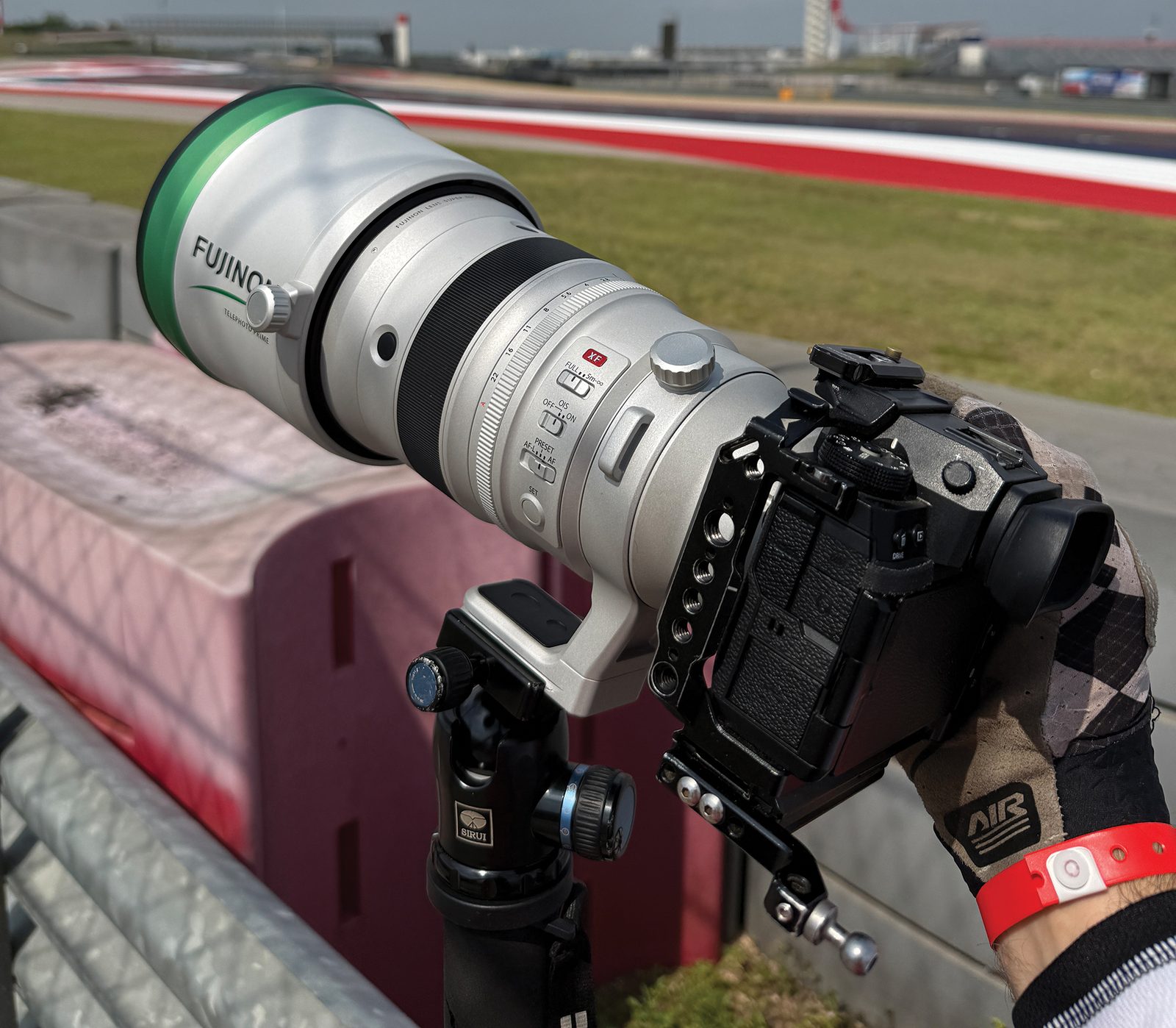
The physical construction of the XF200mm f/2 immediately communicates its professional-grade status. Featuring a robust, full-metal construction, it is engineered for resilience in the field. A distinctive matte silver coating, a first for a Fujinon lens of this caliber, serves a practical purpose beyond aesthetics: it significantly minimizes heat absorption. In environments like sun-drenched racetracks, where equipment can overheat rapidly, this design choice helps maintain stable internal temperatures, reducing the risk of thermal expansion effects that could subtly degrade image quality over extended shooting sessions.
Autofocus performance is paramount for motorsport, and the XF200mm f/2 delivers with a sophisticated twin linear motor system. This advanced mechanism drives the focusing elements with exceptional speed and precision, while operating in near-silent fashion—a boon for discreet shooting in other genres like wildlife, but equally valuable in preventing distractions during intense trackside focus. Complementing the autofocus system is a highly effective optical image stabilization (OIS) system, rated at five stops. This stabilization is indispensable for handheld shooting, particularly when executing panning shots to convey a sense of speed, or in challenging low-light scenarios where slower shutter speeds might be necessary.
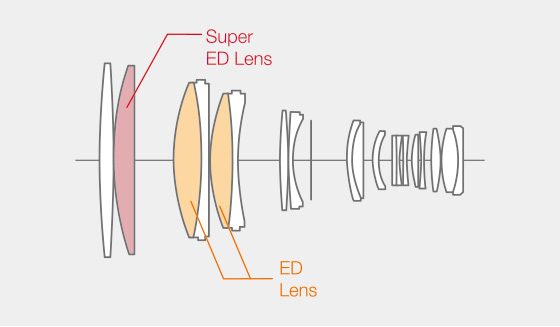
Optically, the XF200mm f/2 embodies a "no-compromise" design philosophy. Its complex optical formula comprises 19 elements arranged in 14 groups, a configuration that includes one Super ED element and two ED (Extra-low Dispersion) elements. These specialized glass types are meticulously incorporated to combat chromatic aberration, a common optical flaw in fast telephoto lenses that manifests as color fringing around high-contrast edges. The result is images with exceptional clarity, true-to-life color reproduction, and remarkable micro-contrast. The lens is also fully weather-sealed at numerous points throughout its barrel, providing critical protection against dust and moisture, essential for outdoor professional work. The front element features a fluorine coating, which repels water, dirt, and grease, making it easier to clean and maintain optimal image quality in adverse conditions. Furthermore, its nine rounded aperture blades produce exceptionally smooth and circular bokeh, rendering out-of-focus areas with an appealing creaminess that enhances subject isolation and adds an artistic dimension to photographs. Fine-tuned exposure control is facilitated by a one-third EV step aperture ring, offering granular adjustments, while an integrated rotating tripod collar with multiple strap attachment points underscores the lens’s professional intent, allowing for stable mounting and easy transitions between horizontal and vertical orientations.
Performance in the Field: A Symphony of Speed and Clarity
In practical application, the synergy between the XF200mm f/2 and Fujifilm’s high-performance X-H2S camera bodies creates a formidable photographic system. The X-H2S, with its stacked sensor and advanced processing capabilities, unlocks the full potential of the lens, delivering a level of speed, autofocus reliability, clarity, and sharpness that feels remarkably effortless. For a motorsport photographer tasked with capturing subjects hurtling past at speeds exceeding 150 mph, the margin for error is virtually nonexistent. The XF200mm f/2, when paired with the X-H2S’s rapid subject tracking and acquisition capabilities, provides the confidence that critical moments will be consistently sharp and perfectly focused.

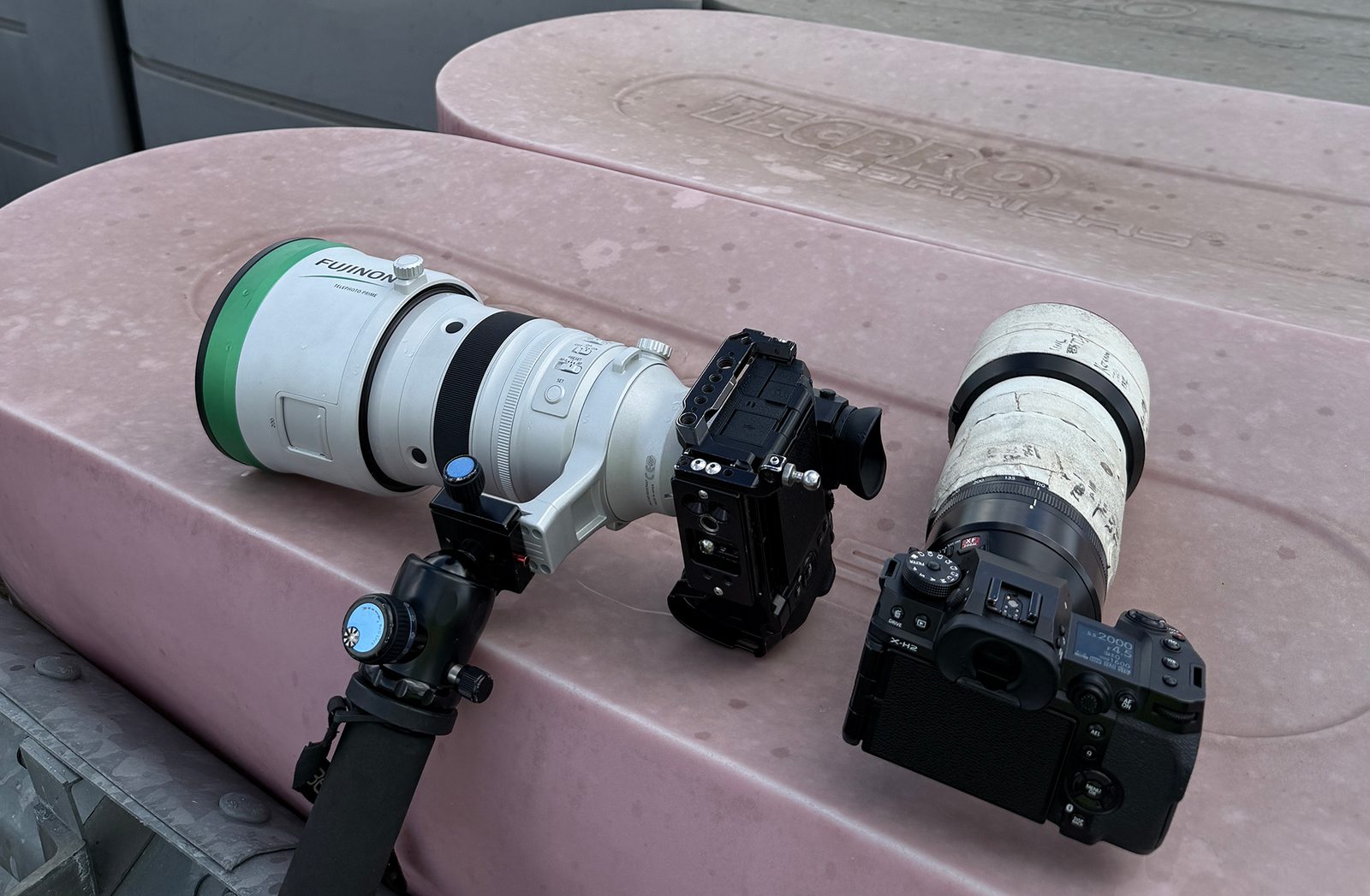
While the lens performs commendably on the Fujifilm X-H2, offering highly usable results, professional feedback indicates that the X-H2S provides a noticeable enhancement in autofocus acquisition speed and consistency, particularly when dealing with the unpredictable and rapid movements inherent to motorsports. This incremental difference can be the deciding factor between a missed opportunity and a gallery-worthy image, making the X-H2S the preferred pairing for this specialized lens in action-heavy scenarios.
For photographers accustomed to the flexibility of zoom lenses, there is an initial acclimation period with a dedicated telephoto prime like the XF200mm f/2. It requires a more deliberate approach to composition, demanding that the photographer anticipate action and choose vantage points with greater precision. However, once this rhythm is established, the experience becomes profoundly rewarding. Reviewing images captured with this lens often elicits audible reactions from photographers, attesting to the stunning image quality. The separation between the sharp subject and the beautifully rendered background is consistently exceptional. Even wide open at f/2, the bokeh is rich and creamy, providing a distinct visual signature that elevates the aesthetic appeal of the photographs, while the subject retains an astonishing level of critical sharpness.

Ergonomically, several design elements enhance the in-field experience. The programmable autofocus buttons strategically placed on the lens barrel offer genuinely useful tactile control, especially when shooting handheld. These buttons provide an additional stable point of interaction, allowing photographers to maintain a firm grip while executing focus commands. The lens hood is another noteworthy feature: it is robust, generously sized, and securely fastened with a pressure screw, ensuring it remains in place even during rapid movements or accidental bumps. Many professional motorsport photographers employ a technique of "cupping" the edge of the lens hood when working with a monopod, using it as an additional point of stability and control, a practice made comfortable by the hood’s sturdy design.
Practical Considerations and Investment
While the XF200mm f/2 offers unparalleled optical performance, its physical attributes necessitate practical considerations for professional use. Weighing approximately 2,265 grams (just under 5 pounds), the lens is substantial. While manageable for shorter periods of handheld shooting, a monopod quickly becomes a welcome and often necessary companion during extended shooting days. After hours of tracking fast-moving vehicles and executing speed pans, the cumulative strain on the photographer’s shoulder can be significant, making support equipment a wise investment for comfort and stability.
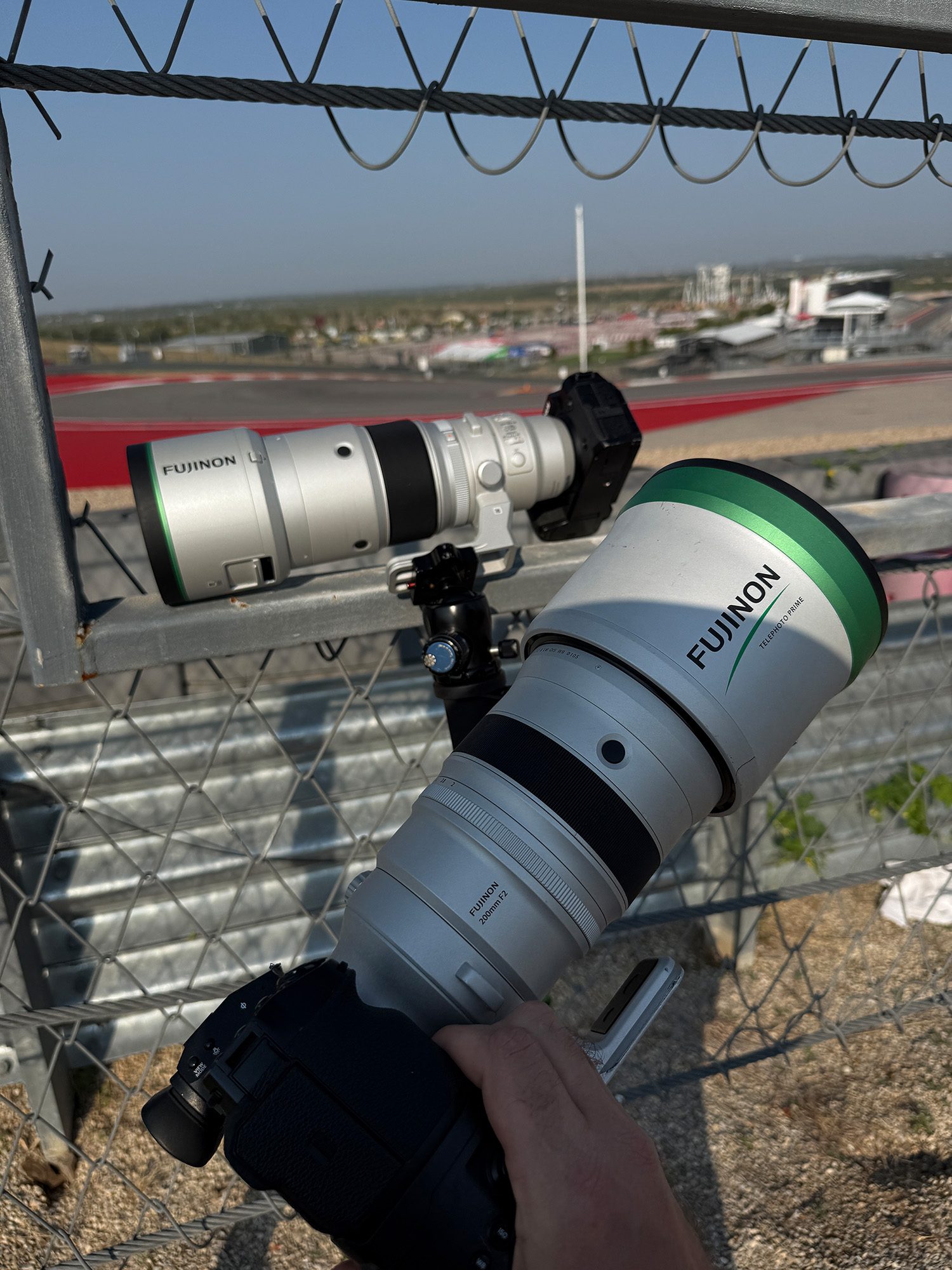
Another practical consideration is the lens’s imposing front element, which requires dedicated 105mm filters. Given the XF200mm f/2’s retail price point of approximately $6,000, the additional investment in a comprehensive filter kit is not insignificant. Professional photographers typically build a small collection tailored to their needs, which might include a UV filter for constant protection against dust and accidental impact, a circular polarizer (CPL) for managing glare and enhancing color saturation in bright trackside conditions, and a variable neutral density (ND) filter. A high-stop ND filter, such as a 32-stop variant, is particularly useful for allowing wide-open shooting at f/2 even in intense daylight, enabling creative control over depth of field and motion blur that would otherwise be impossible without overexposing the image.
Implications and Professional Adoption
The Fujifilm XF200mm f/2 OIS WR occupies a unique niche in the Fujifilm X-Series lineup. While many lens reviews often highlight its suitability for commercial or wildlife photography, its application in motorsports is perhaps where its strengths are most profoundly realized. This is what some might term an "umami lens"—it offers a distinctive, unparalleled flavor to images that cannot be replicated by other lenses within the Fujifilm ecosystem. It is not typically the first lens a photographer purchases, nor is it designed for maximum versatility across all situations. Instead, it emerges as a third, essential lens in a professional kit, one that is specifically chosen when conditions demand absolute clarity, exquisite background separation, and exceptional low-light performance.

For general flexibility in areas like the paddock or for broader trackside coverage, workhorse zooms such as the Fujifilm XF50-140mm f/2.8 R LM OIS WR or the XF100-400mm f/4.5-5.6 R LM OIS WR ably handle the bulk of assignments. However, when the light begins to fade, when the creative imperative is to render backgrounds into a painterly blur, or when uncompromising sharpness is the absolute priority, the XF200mm f/2 asserts itself as the heavyweight champion.
The introduction and strong performance of the XF200mm f/2 signals Fujifilm’s clear intent to solidify its position in the high-end professional photography market, directly challenging the long-held dominance of full-frame systems in sports and wildlife. It demonstrates Fujifilm’s optical engineering prowess and its commitment to providing X-Series users with tools that meet the most stringent professional demands. For many professional photographers, the debate between prime speed/quality versus zoom versatility is ongoing, but the XF200mm f/2 offers a compelling argument for the former, particularly when combined with the advanced autofocus capabilities of bodies like the X-H2S. Its availability, even through lens rental services, allows photographers to experience its unique capabilities without the full purchase commitment, fostering broader adoption and appreciation within the professional community.

Ultimately, while the Fujifilm XF200mm f/2 OIS WR may not be a lens that every photographer "needs," its ownership is unequivocally devoid of regret for those who invest in it. For dedicated Fujifilm shooters working in motorsports, its performance renders it indispensable. It represents the pinnacle of what the X-Series system can offer in terms of specialized, high-performance telephoto imaging, cementing its place as a critical component in the professional photographer’s arsenal.