In the verdant embrace of Hawaii, where the Pacific Ocean whispers ancient secrets and volcanic peaks kiss the sky, lies a profound cultural tapestry often overlooked by the casual observer. The island of Oahu, a destination synonymous with sun-drenched beaches and iconic surf breaks, harbors pockets of tradition and resilience that defy the encroaching tide of modernity. This is the story of one such place, the "end of the road" on Oahu’s west side, a region that, despite warnings of inhospitality, revealed a depth of generosity and an unwavering spirit of Aloha.
The Hawaiian proverb, "E hele me ka puʻolo," meaning "Make every person, place, or condition better than before, always," serves as an enduring ethos for the indigenous people of Hawaii. It encapsulates a philosophy of stewardship, community, and continuous improvement that is deeply embedded in the cultural DNA of the islands. This principle was profoundly experienced by photographer Paul Nicklen and his partner Cristina Mittermeier during their sojourn to the western shores of Oahu, a region often shrouded in apprehension for outsiders.
A Forbidden Frontier: The Allure of the Uncharted
Nicklen, an acclaimed photographer and storyteller with a National Geographic deadline looming, along with Mittermeier, a renowned conservation photographer and co-founder of SeaLegacy, were advised against venturing to the "end of the road" on Oahu’s west side. This counsel, a common refrain, suggested a landscape and community resistant to external intrusion. However, for those who seek the authentic narratives that often lie beyond the well-trodden tourist paths, such warnings often act as an irresistible magnet. The conviction that "almost always, the gold lies at the end of forbidden locations" propelled their journey.
Equipped with high-value camera gear and a mandate to capture the essence of one of the last significant strongholds of Hawaiian culture, Nicklen and Mittermeier prepared for a reception potentially marked by suspicion, wariness, and even hostility. What they encountered, however, defied these expectations, forging connections that would blossom into lifelong bonds of "ohana," or family.
Where the Tourists Dare Not Go: Life on the Western Shores
The western shores of Oahu awaken before dawn. As the first hints of light paint the horizon, surfers, drawn by the promise of legendary waves, converge on the beaches. This predawn ritual is a stark contrast to the island’s gradual awakening. As the sun ascends, coffee brews, music fills the air, and the single, often poorly maintained road becomes a conduit for locals commuting to work and children to school. Makeshift tent communities stir to life, and the distinctive crowing of roosters announces the day. It was amidst this vibrant, yet understated, daily rhythm that Nicklen and Mittermeier found themselves, seated in the shade with Brian Keaulana.
Brian Keaulana is more than just a surfer; he is a celebrity in the surfing world, a seasoned stuntman, and a scion of one of Hawaii’s most esteemed families. His presence signifies a deep-rooted connection to the land and sea, a lineage that embodies the very essence of Hawaiian identity. Makaha, the community they were exploring, is a place where ancient traditions are not merely remembered but actively practiced and passed down.

The Enduring Craftsmanship of Surfboard Shapers
In Makaha, the art of surfboard shaping remains a sacred tradition, a deliberate defiance against the mass production that churns out identical boards from factories. Here, shapers meticulously craft each board by hand, imbuing them with the spirit of the ocean and the legacy of generations. This dedication to artisanal craftsmanship is a tangible representation of a community’s commitment to preserving its cultural heritage.
Navigators of the Stars and the Sea
The practice of wayfinding, the ancient Polynesian art of celestial navigation, is also being revitalized in these communities. Learners are once again studying the stars, the currents, and the winds to navigate the vast Pacific, mirroring the journeys of their ancestors. This revival is not merely an academic pursuit; it is a reclamation of ancestral knowledge and a reaffirmation of their deep connection to the ocean.
Surfing: More Than a Sport, It’s in the Blood
For the inhabitants of Makaha, surfing transcends mere sport or lifestyle; it is an intrinsic part of their being, "in your blood." The community is largely comprised of Polynesian descendants and highly respected watermen and women whose ancestral ties to the land and sea are immeasurable, extending beyond the capacity of mere words.
Encounters with the Guardians of Tradition
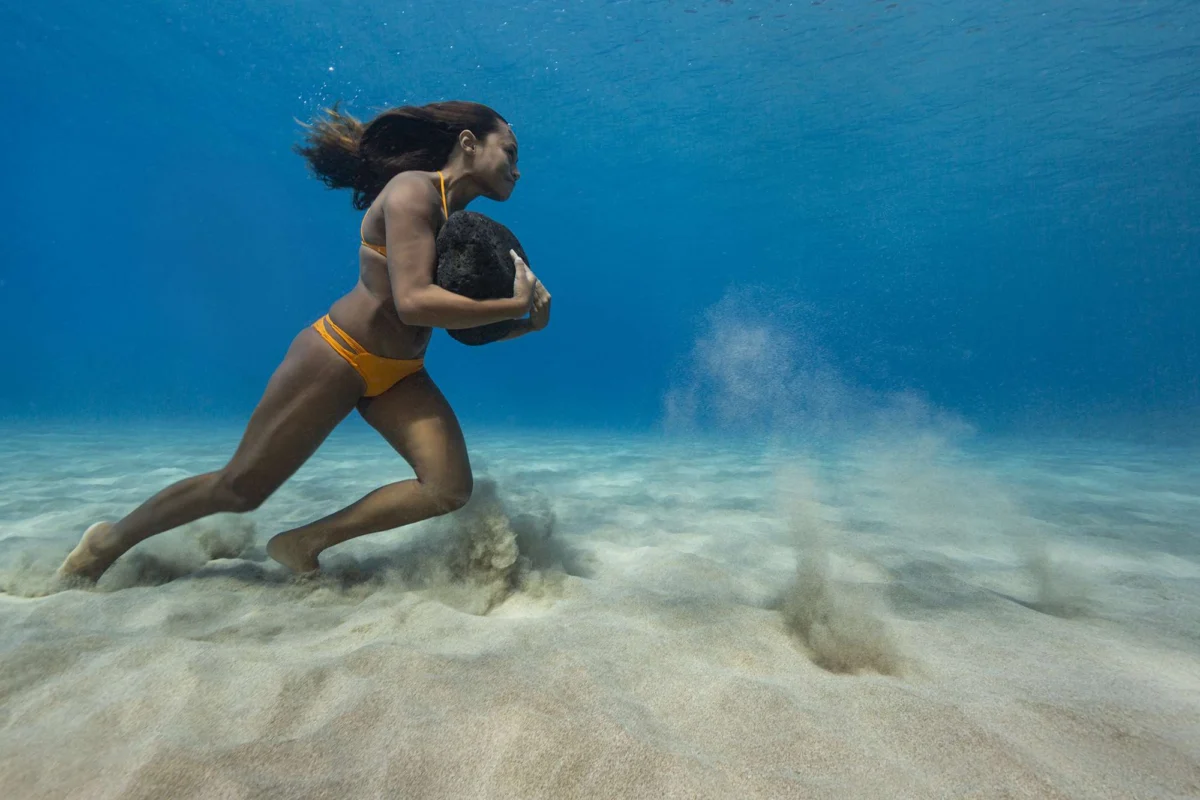
With Brian Keaulana’s invaluable assistance, Nicklen and Mittermeier were granted access to the heart of this community, meeting individuals who personify its enduring spirit. Among these were Haʻa Keaulana, Brian’s daughter, a prodigious surfer and granddaughter of the legendary Buffalo Keaulana. Haʻa’s training regimen exemplifies the extreme dedication and strength inherent in this culture. She was observed carrying a 50-pound boulder underwater for extended periods, with fellow surfers clinging to her waist in a "train," a testament to the rigorous physical and mental discipline cultivated from a young age.
Their encounters also extended to Suluʻape Keone Nunes, a master traditional tattoo artist. Nunes shared the profound symbolism embedded in each design, illustrating how Hawaiians proudly adorn their skin with their personal histories, ancestral lineage, and cultural narratives. These tattoos are not merely decorative; they are living chronicles, etched onto the body as a permanent testament to identity and heritage.
The Weight of History: Protecting a Fragile Legacy
The deeper Nicklen and Mittermeier delved into the community’s history, the more they understood the fierce protectiveness that guarded it against outsiders. The annexation of Hawaii in 1898 marked a devastating turning point for the indigenous population. By that year, their numbers had dwindled to approximately 40,000, largely due to the introduction of foreign diseases and the ravages of conflict. For over a century, these communities have painstakingly preserved the fragile threads connecting them to their ancestors and their ancestral lands, diligently passing these traditions to each subsequent generation.
The Makaha communities, in particular, have faced immense challenges. Addiction, violence, and homelessness have inflicted deep wounds, tearing at the fabric of many families. Yet, at the core of their narrative lies an unyielding connection to the rhythms of the sea. Their guarded demeanor, Nicklen observed, is not born of animosity but from a profound understanding that what they possess is invaluable and warrants vigilant protection.

A Decade Later: The Unwavering Spirit of Aloha
Weeks later, when Nicklen and Mittermeier departed the island, they did so with heavy hearts, promising their newfound family that they would return. It was nearly ten years later that this promise was fulfilled.
As their car crossed the bridge and approached the familiar coastline, it felt like traversing a temporal portal. The beach was alive with local surfers and beachgoers, the air alive with music that drifted across the golden sands. Nicklen recalled a recent conversation with Mittermeier about how, in their previous visit, locals seemed to possess an uncanny ability to anticipate their arrival, always reserving a parking spot.
As if on cue, Moki, a cherished friend and local resident, emerged from the roadside and gestured towards his baby stroller, which was strategically positioned to reserve a parking space for their vehicle. Ten years had passed, yet the ingrained hospitality remained. Alighting from their car, they were enveloped in a cascade of "Alohas," warm embraces, laughter, and genuine smiles, all beneath the iconic lifeguard station marked 47B.
This enduring generosity, even in the face of historical hardships and ongoing challenges, is the quintessential manifestation of the Aloha spirit. It is a spirit that imbues the people with the courage and strength to remain compassionate, to ensure that every visitor feels welcomed, and that a shady place to sit and a parking spot are readily available.
Data and Context: The Socio-Economic Landscape of West Oahu
The narrative of resilience in Makaha is underscored by a complex socio-economic reality. West Oahu, including areas like Makaha, has historically faced significant challenges related to poverty, unemployment, and access to resources. According to data from the U.S. Census Bureau, certain census tracts within West Oahu have consistently reported poverty rates higher than the state average. For instance, data from the American Community Survey often indicates higher percentages of households with incomes below the poverty line compared to more affluent areas of Oahu.
This economic vulnerability can exacerbate social issues such as homelessness and substance abuse, which have been acknowledged as persistent challenges within some West Oahu communities. The efforts to preserve cultural traditions and foster community cohesion in the face of these adversibilities highlight the profound strength and adaptive capacity of the local population.
The practice of traditional Hawaiian crafts, such as surfboard shaping and wayfinding, not only serves as a cultural anchor but can also provide economic opportunities. These skills, when nurtured and supported, can contribute to a more sustainable local economy, fostering pride and self-sufficiency within the community.

The Broader Implications: Cultural Preservation in a Globalized World
The story of Makaha is a microcosm of a larger global phenomenon: the struggle for cultural preservation in an era of rapid globalization. As international tourism and economic development continue to expand their reach, indigenous and local cultures face increasing pressure to adapt or risk assimilation. The success of communities like Makaha in maintaining their unique identities and traditions, while embracing elements of modernity, offers valuable lessons.
The principle of "E hele me ka puʻolo" serves as a powerful framework for sustainable development and community engagement. By prioritizing the well-being of individuals and the environment, and by continuously striving to improve conditions, these communities demonstrate a model for how cultural heritage can be not only preserved but also revitalized and leveraged for the betterment of all. The enduring hospitality and deep-seated sense of community encountered by Nicklen and Mittermeier underscore the profound human capacity for kindness and resilience, even in the face of adversity. Their experience serves as a potent reminder that true understanding and connection often lie beyond the superficial allure of popular destinations, in the heart of communities that fiercely protect their heritage and generously share their spirit.
Mahalo,
Paul Nicklen