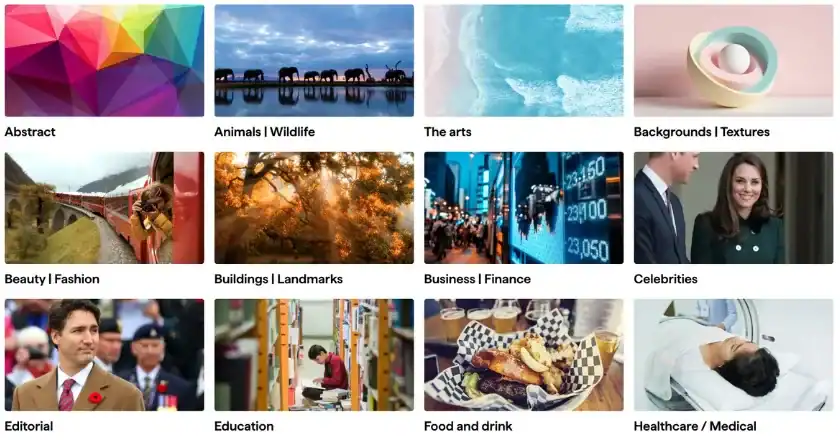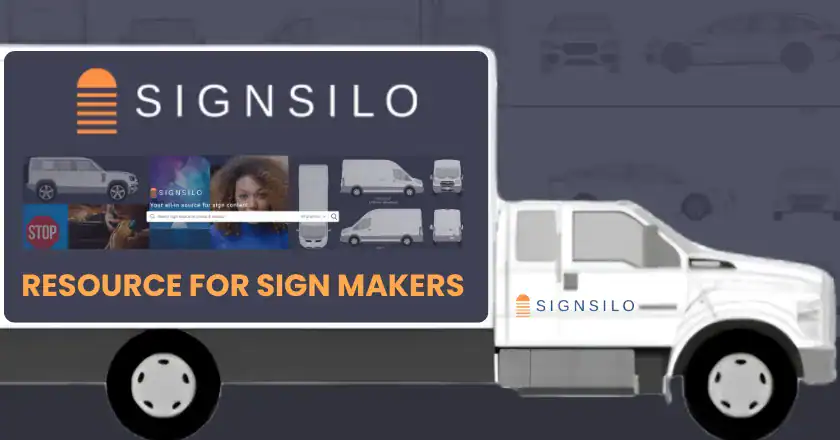
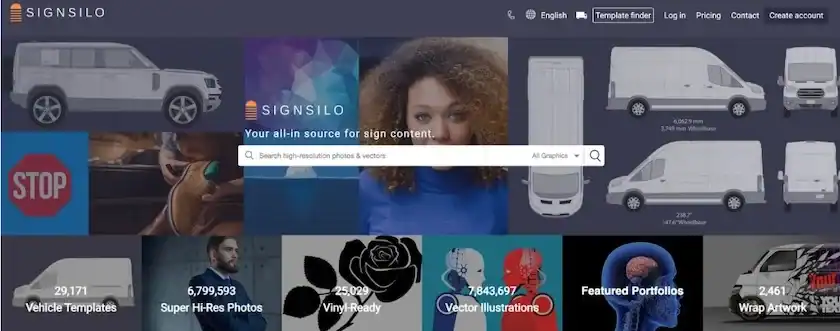
The rapid expansion of the global vehicle wrap market, which was valued at approximately USD 5.8 billion in 2023 and is projected to reach nearly USD 18 billion by 2030, has created an unprecedented demand for high-quality, technically accurate design assets. In an industry where precision is the difference between a seamless installation and a costly reprint, SignSilo has emerged as a specialized digital clearinghouse. By consolidating vehicle templates, wrap designs, premium typography, and high-resolution imagery into a single ecosystem, the platform addresses the logistical bottlenecks that have historically plagued sign shops and print service providers.
The Shift Toward Digital Asset Consolidation
For decades, sign makers operated in a fragmented digital landscape. A designer might source a vehicle’s dimensions from one manufacturer-specific manual, purchase stock photography from a general-purpose agency, and hunt for specialized "speed" fonts on third-party forums. This workflow was not only inefficient but prone to error. The emergence of SignSilo represents a strategic pivot toward "all-in-one" resource management.
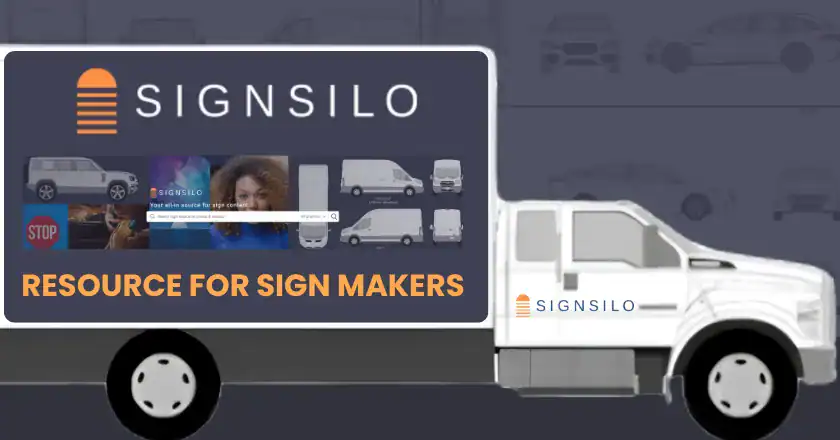
Industry analysts note that the modern sign shop’s profitability is increasingly tied to "uptime"—the amount of time spent on active production versus administrative or preparatory tasks. By providing a centralized library, SignSilo effectively reduces the pre-production phase of a wrap project by an estimated 30% to 50%. This efficiency is critical for small-to-medium enterprises (SMEs) that must compete with larger fleet branding agencies on both speed and price.
Technical Precision in Vehicle Templates
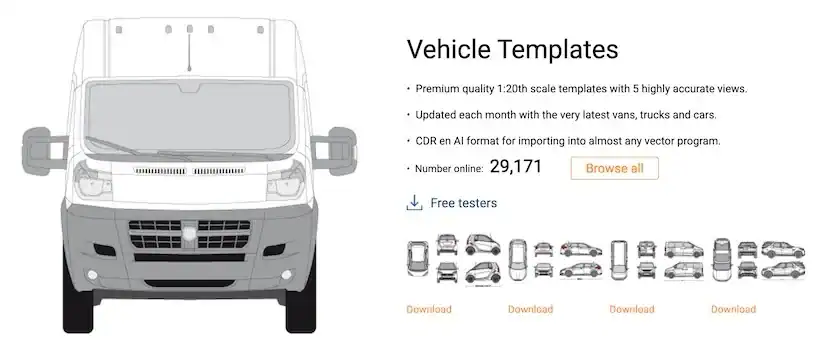
The core of the SignSilo value proposition is its extensive database of vehicle templates. Unlike standard vector illustrations, these templates are engineered specifically for the wrap industry. They provide multi-view perspectives—front, back, left, right, and roof—often scaled at 1:20 or 1:10 to ensure that designs can be translated into large-format prints without loss of detail.
The library encompasses thousands of models, including:

- Commercial Vans and Trucks: Essential for the "service vehicle" sector (plumbers, electricians, and delivery fleets).
- Passenger Cars: Catering to the growing "color change" and personal customization market.
- Specialty Vehicles: Including buses, trailers, and even emergency service vehicles.
The technical accuracy of these templates allows designers to account for complex curves, door handles, fuel caps, and body moldings. When a wrap professional can visualize exactly where a logo will be bisected by a door seam before the first inch of vinyl is cut, the risk of material waste is significantly mitigated.
The Creative Layer: Beyond Basic Geometry
While templates provide the "bones" of a project, the creative assets within SignSilo—ready-to-use wrap designs, professional fonts, and high-resolution images—provide the "skin."
Typography and Branding
In vehicle branding, legibility is paramount. A font must be readable at highway speeds and from varying distances. SignSilo’s curated font collection focuses on high-impact, clean-lined typography that avoids the pitfalls of generic system fonts. These are assets designed to withstand the visual "noise" of traffic environments.

Wrap Artwork and Inspiration
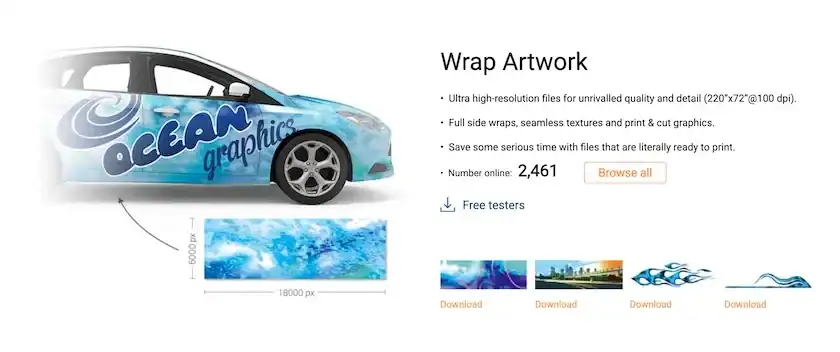
For shops without a dedicated full-time illustrator, the platform’s library of wrap designs serves as a vital starting point. These are not static files but customizable templates that allow for the integration of client-specific logos and color schemes. This "hybrid" design approach—using a professional base and adding custom elements—allows smaller shops to offer high-end aesthetic results that would otherwise require days of custom illustration work.
The Evolution of the Sign-Making Workflow: A Chronology
The transition from traditional sign painting to modern digital wrapping has occurred in distinct phases, with SignSilo occupying the most recent evolutionary tier:
- The Analog Era (Pre-1990s): Hand-painted lettering and basic vinyl cutouts. Accuracy depended entirely on manual measurements of each individual vehicle.
- The Digital Dawn (1990s–2005): The introduction of wide-format inkjet printers. Templates began to appear in basic CAD formats, but they were often expensive and sold on physical discs.
- The Fragmentation Period (2005–2018): High-speed internet allowed for the rise of digital stock sites. However, most were "generalist" platforms that lacked the technical specificity required for complex vehicle contours.
- The Integrated Resource Era (2019–Present): Platforms like SignSilo emerge to provide a subscription-based, cloud-access model that combines technical templates with creative assets, specifically tailored for the signage industry’s unique file format requirements (AI, EPS, CDR, and high-res TIFF).
Economic Analysis of the Subscription Model
SignSilo’s pricing structure reflects a move toward the "Software as a Service" (SaaS) economic model, which favors predictable operational expenses over high capital outlays.
| Plan | Price (Monthly) | Target Demographic |
|---|---|---|
| Vehicle Only | $19 | Independent installers and wrap-only studios. |
| Images Only | $33 | Web designers and marketing agencies focusing on automotive content. |
| Full Membership | $39 | Full-service sign shops and fleet branding companies. |
From a financial perspective, the "Full Membership" at $39 per month offers significant ROI. In the traditional "pay-per-asset" model, a single high-quality vehicle template can cost between $25 and $60. A professional font license can exceed $100. By providing unlimited or high-volume access for a flat monthly fee, SignSilo allows shops to experiment with multiple design iterations without escalating their project costs.
Industry Implications and Market Reactions
The response from the print and signage community has highlighted a shift in how value is perceived. Professionals are no longer just looking for "images"; they are looking for "production-ready files."
"The bottleneck in the wrap industry has shifted from the printer to the computer," says one industry consultant. "Printers are faster than ever, but if the design is delayed because the template is inaccurate, the printer sits idle. SignSilo addresses the idle-time problem."
Furthermore, the inclusion of high-resolution photography has broader implications for the marketing of sign shops themselves. Many professionals use SignSilo’s assets to create "mock-ups" for their social media and portfolios, allowing them to showcase potential designs to prospective clients before a single roll of vinyl is even ordered. This serves as a powerful sales tool in an industry where "visual proof of concept" is the primary driver of customer conversions.
Broader Impact on Mobile Advertising
The rise of accessible design resources like SignSilo is also democratizing mobile advertising. Small local businesses can now afford vehicle branding that rivals national corporations in quality. This has led to an increase in "fleet consistency," where even a two-vehicle business can maintain a cohesive brand identity across different makes and models of cars and vans.
As cities become more crowded and traditional billboard space becomes more expensive, the "mobile billboard" represented by a wrapped vehicle offers one of the lowest costs-per-impression in the advertising world. SignSilo acts as the infrastructure that makes this advertising medium accessible to the masses.
Future Outlook and Conclusion
Looking ahead, the integration of AI-assisted design and 3D rendering is expected to be the next frontier for platforms like SignSilo. As vehicle designs become more aerodynamic and complex (particularly with the rise of electric vehicles and their unique body shapes), the need for hyper-accurate, updated templates will only grow.
SignSilo has positioned itself as more than a mere repository; it is a specialized utility for the sign and wrap industry. By merging the technical requirements of vehicle geometry with the aesthetic demands of modern branding, the platform enables professionals to focus on craftsmanship rather than file searching. For the sign maker of 2024, such a resource is no longer a luxury but a fundamental component of the production pipeline, ensuring that the booming vehicle wrap market continues to be driven by precision, creativity, and operational efficiency.