The landscape of digital imaging has undergone a seismic shift over the last decade, transitioning from the exclusive domain of high-end Digital Single-Lens Reflex (DSLR) cameras to the pocket-sized ubiquity of the smartphone. Central to this revolution is the iPhone, a device that has consistently pushed the boundaries of mobile optics and computational photography. As mobile sensors become more sophisticated, the focus for many enthusiasts has shifted from mere technical acquisition to the mastery of creative portraiture. Industry experts and professional mobile photographers, including Aeriel Orndorff, have identified a suite of accessible techniques that allow users to transcend the "snapshot" aesthetic, moving instead toward compelling, narrative-driven portraiture. This report examines the technical methodologies, historical context, and broader industry implications of these evolving iPhone photography standards.
The Technical Evolution of Mobile Portraiture
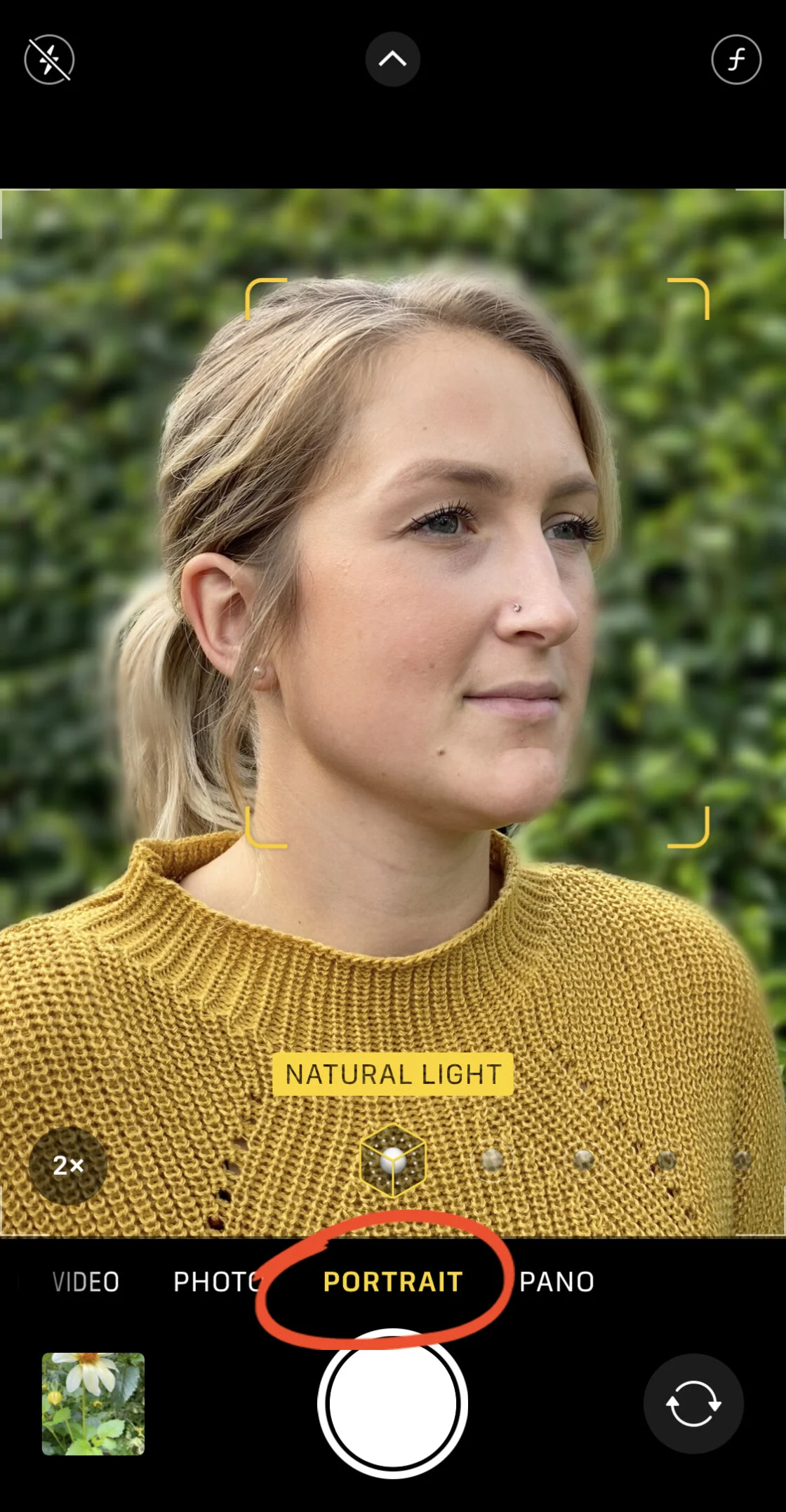
The ability to capture professional-grade portraits on a mobile device is the result of a multi-year chronological progression in hardware and software. In 2016, the introduction of the iPhone 7 Plus marked a pivotal moment with the debut of "Portrait Mode," which utilized dual-lens technology to simulate a shallow depth of field, or "bokeh." Since then, the integration of the Apple Neural Engine and LiDAR (Light Detection and Ranging) scanners has further refined the device’s ability to distinguish between subjects and backgrounds.
However, hardware alone does not constitute a "compelling" portrait. The distinction between a standard photo and a work of art lies in the intentional application of lighting, composition, and subject interaction. Current industry standards suggest that the most effective iPhone portraits utilize high-contrast lighting, creative shadow patterns, and deliberate posing to evoke emotional responses from the viewer.
Strategic Utilization of High-Contrast Lighting
One of the most effective ways to introduce drama into a portrait is through the use of high-contrast lighting, often referred to in classical art as chiaroscuro. This technique involves the strategic placement of bright highlights and deep shadows within the frame to create a sense of three-dimensionality and mood.
In practice, photographers are encouraged to seek out environments where harsh light meets deep shade, such as the edge of a building on a sunny day. By positioning a subject at this junction, the photographer can use the iPhone’s manual exposure tools—specifically the "tap-to-focus" and "swipe-to-expose" functions—to underexpose the image. This ensures that the highlights remain detailed while the shadows drop into a deep, dramatic black. Technical analysis indicates that this method is particularly effective for black-and-white conversions, as it emphasizes form and texture over color information.
Furthermore, high-contrast lighting is not limited to outdoor environments. Indoor settings with single, soft light sources—such as a window in a dimly lit room—provide an ideal "Rembrandt lighting" scenario. By illuminating only half of the subject’s face, the photographer creates a moody, introspective atmosphere that is a staple of professional studio portraiture.
The Role of Light Patterns and Optical Textures
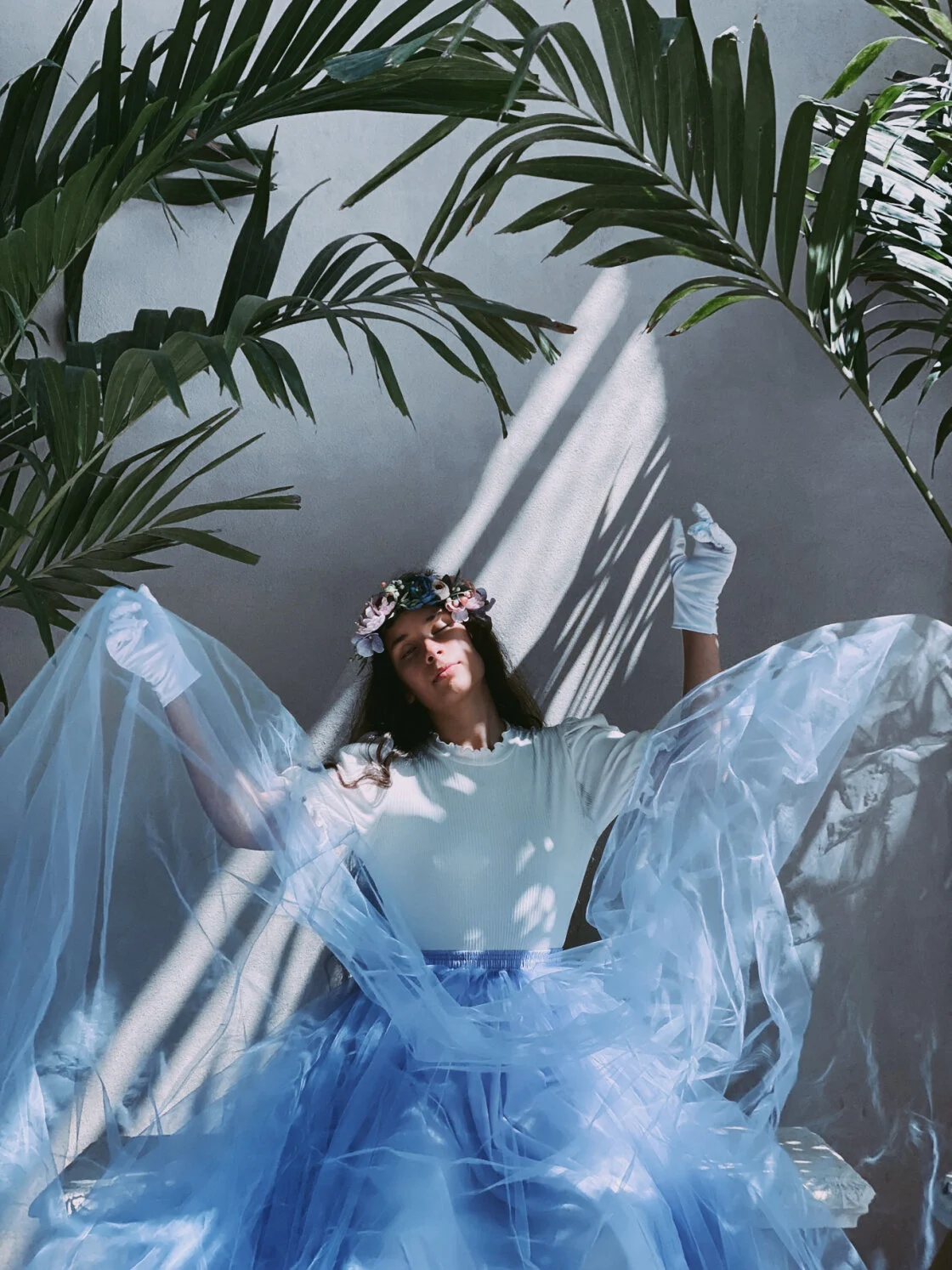
Beyond simple contrast, the introduction of light patterns adds a layer of complexity to mobile portraits. These patterns can be found naturally (light through window blinds or foliage) or created artificially using "gobos" (objects placed between the light source and the subject).
The use of everyday objects, such as kitchen strainers or fences, to cast geometric shadows across a subject’s face is a technique increasingly seen in high-fashion mobile photography. This approach disrupts the traditional smoothness of the skin and adds visual interest that leads the eye across the frame. From a technical perspective, this requires precise focus on the subject’s eyes to maintain clarity amidst the intersecting lines of light and shadow.
Posing Dynamics and Perspective Shifts
The interaction between the photographer and the subject is perhaps the most critical element of a successful portrait. Traditional, static poses often result in "lifeless" images. To counter this, experts suggest three specific posing categories:
- Natural Framing: Utilizing the subject’s hands to frame the face. This not only provides a focal point but also helps the subject feel more comfortable by giving them a physical task.
- Sensual and Emotional Poses: Asking a subject to tilt their head back or place a hand on their neck can shift the vibe of a photo from casual to sophisticated.
- Low-Angle Perspective: By shooting from a "worm’s-eye view," photographers can create a sense of power and scale. Using the iPhone’s wide-angle lens (typically the 1x or 0.5x setting) while getting close to the ground can distort perspective in a way that feels modern and dynamic.
Evoking Dreamy Moods through Computational Tools
A significant advantage of the iPhone is its ability to handle high-speed data through "Burst Mode." This is particularly useful for creating "dreamy" or ethereal portraits that involve movement. When a subject wears flowing fabric or moves through a scene, the photographer can capture a sequence of images at a rate of 10 frames per second.
This allows for the selection of the "perfect" moment of motion—where fabric falls in a certain way or an expression is at its most authentic. This technique, combined with relaxed facial expressions (such as closed eyes), transforms a standard portrait into a peaceful, atmospheric composition. Data from social media engagement studies suggests that these "ethereal" images often perform better in terms of user retention and aesthetic appeal than traditional headshots.
Narrative Storytelling through Props and Styling
The final pillars of compelling iPhone portraiture are props and wardrobe styling. In professional journalism and commercial photography, every element within the frame must serve the narrative.
Props such as flowers, vintage books, or even blindfolds serve as semiotic cues that tell a story of love, nostalgia, or internal conflict. Wardrobe choices also play a vital role; a floral pattern in a natural setting creates harmony, while a bright, contrasting color in an urban environment creates a "pop" that draws immediate attention.
Market analysis of the "influencer economy" shows a high correlation between carefully styled shoots and brand engagement. The ability to coordinate the subject’s outfit with the environment is no longer just a hobbyist’s concern but a fundamental skill for anyone using the iPhone as a professional tool.
Broader Impact and Industry Implications
The democratization of these techniques has profound implications for the professional photography industry. As the barrier to entry—specifically the cost of equipment—continues to lower, the value of a photographer is increasingly measured by their creative vision rather than their gear.
"The iPhone has become the ‘street camera’ of the 21st century," notes one industry analyst. "It allows for an intimacy between the photographer and subject that a large DSLR often disrupts. When people see a phone, they are less intimidated, leading to more authentic expressions."
Furthermore, the rise of "mobile-first" content creation has forced traditional camera manufacturers to integrate more "smart" features into their hardware. The techniques discussed—from high-contrast lighting to the use of props—are now being taught in digital media curricula globally, signaling a shift in how we define "professional" photography.
Summary of Best Practices for iPhone Portraits
To achieve the results discussed in this report, users should adhere to the following chronological workflow during a shoot:
- Pre-Shoot: Define a theme (e.g., cozy, dramatic, or vintage) and select a location and wardrobe that align with that theme.
- Lighting Setup: Identify the primary light source. Determine if the goal is high-contrast drama or soft, dreamy illumination.
- Subject Interaction: Direct the subject into poses that feel natural yet intentional. Use low angles for power and hand-framing for focus.
- Technical Execution: Use the iPhone’s focus and exposure locks (long-press on the screen) to maintain consistent settings. Utilize Burst Mode for any action or movement.
- Post-Processing: Use mobile editing applications to refine contrast or convert images to black and white to emphasize the lighting patterns captured during the shoot.
The ongoing evolution of the iPhone camera ensures that the potential for creative expression will only expand. By mastering these seven easy yet effective techniques, photographers can turn a ubiquitous communication device into a powerful tool for artistic storytelling. As Aeriel Orndorff and other pioneers demonstrate, the future of portraiture is not just about the number of megapixels, but the creative freedom found in the palm of one’s hand.