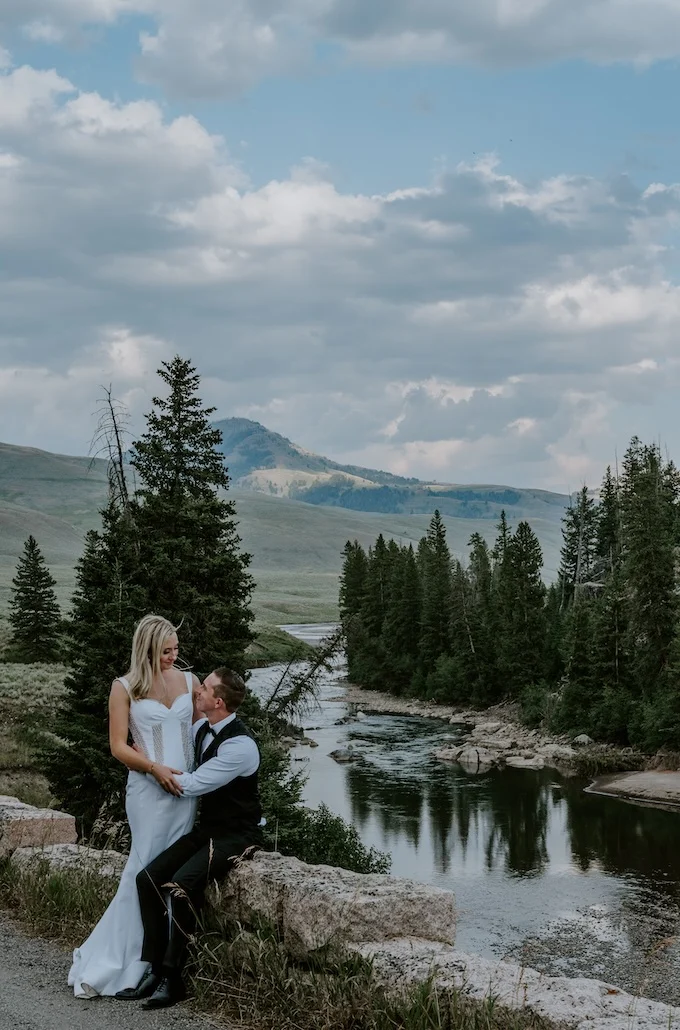
The allure of national parks as wedding and elopement destinations has surged in recent years, a trend potentially fueled by popular culture, landmark anniversaries, and evolving post-pandemic travel preferences. With 63 diverse parks across the United States, each offering unique vistas, natural amenities, and accessible pathways, the appeal of exchanging vows amidst breathtaking scenery is undeniable. This growing interest poses a unique opportunity for photographers specializing in wedding and elopement services, prompting a closer examination of the advantages and challenges inherent in national park wedding and elopement photography.

The Rise of National Park Nuptials
Over the past five years, national parks, particularly Yellowstone, have witnessed a significant increase in wedding and elopement activity. This phenomenon is multifaceted, with several contributing factors. The widespread popularity of television series set in these iconic landscapes has undoubtedly introduced them to a broader audience, sparking romantic notions of exchanging vows in such dramatic settings. Furthermore, the 150th anniversary of the National Park Service in 2016 may have also contributed to a renewed appreciation and focus on these protected natural treasures. Perhaps most significantly, the period following the initial COVID-19 lockdowns saw a surge in visitation to many national parks as they reopened, with Yellowstone National Park reporting record-breaking tourist numbers. This pent-up demand for travel and unique experiences likely translated into an increased interest in unconventional wedding venues, with national parks emerging as prime contenders.
A Photographer’s Perspective: From Joshua Tree to Yellowstone
Photographer Heather Woolery, a seasoned documentarian of destination weddings and elopements, first ventured into the realm of national park photography in 2018, capturing a micro-wedding in Joshua Tree National Park. Since then, her portfolio has expanded to include eleven different national parks, with Yellowstone consistently ranking as the most sought-after location for her clients.

Woolery’s personal connection to Yellowstone, having visited since childhood, has provided a unique foundation for her professional work. "I never thought I would be trekking all over the park in some of the most beautiful and enigmatic locations for couples on their wedding day," she reflects. Her first Yellowstone elopement in 2020 marked a turning point, initiating a meticulous process of cataloging locations. This involved creating a detailed map of the park, noting crucial variables such as the optimal time of day for photography at specific sites, the typical visitor density, and the seasonal variations. This deep dive allowed Woolery to transition from a tourist’s perspective to a professional understanding of the park’s potential for intimate celebrations, enabling her to serve her Yellowstone-based couples with an enhanced level of expertise.
Navigating the Intricacies of Park Permits and Planning
While wedding and elopement photographers are not typically expected to function as full-service wedding planners or day-of coordinators, their role often expands significantly when working within national parks. The unique environment of these protected areas necessitates a level of planning assistance that goes beyond standard venue coordination.

"National park wedding and elopement photography, though gaining popularity, is still a fairly new concept and couples are struggling to plan not only a wedding but also navigate the intricate details of park permits, transportation, experiences, and more to make their national park wedding visions a reality," Woolery observes. This is where photographers with specialized knowledge of these locations can provide invaluable support, elevating their service beyond mere image capture.
Unlike traditional wedding venues or established destination wedding hotspots such as Italy or Iceland, national parks generally do not offer on-site officiants or pre-vetted vendor lists. This absence of readily available services places a greater onus on the couple and, by extension, their photographer. While some couples may engage park-based wedding planners, it is more common for them to hire only a photographer for their elopement or micro-wedding. Consequently, the photographer often becomes the primary point of contact for navigating the park’s regulations and logistical complexities. Their responsibility extends to researching and understanding the specific requirements of each park, enabling them to curate a bespoke and feasible experience for their clients that adheres to all park guidelines.

Evolving Regulations and the Yellowstone Example
The regulatory landscape for commercial activities within national parks is subject to change, impacting photographers and their clients. Historically, Yellowstone National Park required photographers to obtain a Commercial Use Authorization (CUA), a process that was often extensive and costly. However, in a move to streamline the process for smaller events, Yellowstone has recently shifted its requirements. Now, for elopements, couples are typically required to obtain a Special Use Permit (SUP), which effectively serves as both the couple’s permit and the photographer’s photo permit. This adjustment aims to make national park elopements more accessible while still ensuring proper oversight and management of park resources.
The Challenge of Crowds and Location Scouting
Yellowstone’s status as a premier wedding destination is amplified by its position as one of the most visited national parks in the United States. This popularity presents a significant challenge for couples and their photographers aiming for intimate and exclusive celebrations. Strategic planning regarding the time of year for the wedding is paramount, as is the identification of alternative ceremony and photography locations within the park. Popular tourist hotspots such as Old Faithful, Grand Prismatic Spring, and Mammoth Hot Springs can become exceptionally crowded, potentially detracting from the desired ambiance of a wedding day.

Woolery’s detailed mapping and observational approach to location scouting are crucial in mitigating these challenges. By understanding visitor patterns and identifying less frequented but equally stunning areas, photographers can help couples achieve their vision while minimizing disruption and maximizing the sense of privacy. This often involves early morning or late afternoon sessions, exploring lesser-known trails, or utilizing overlooks that offer breathtaking views without the immediate proximity of large crowds.
Weighing the Pros and Cons of National Park Elopement Photography
The decision to specialize in national park wedding and elopement photography involves a careful consideration of both the rewards and the inherent difficulties.

Potential Advantages:
- Unique and Awe-Inspiring Backdrops: National parks offer unparalleled natural beauty, providing a dramatic and memorable setting for wedding photography that cannot be replicated in traditional venues.
- Growing Market Demand: The increasing popularity of national park weddings signifies a growing market for photographers who can cater to this niche.
- Opportunity for Deeper Client Connection: The collaborative planning process often required for national park weddings can foster a stronger bond between photographer and client, leading to more authentic and personalized imagery.
- Adventure and Exploration: For photographers who enjoy the outdoors and a sense of adventure, national park assignments can be incredibly fulfilling and provide unique photographic challenges.
- Potential for Higher Earning Potential: The specialized nature of the service and the often extensive planning involved can justify higher pricing for photographers.
Considerations and Potential Drawbacks:

- Permitting and Regulations: Navigating the complex and often changing permit systems of various national parks can be time-consuming and require significant research.
- Logistical Challenges: Transportation within parks, weather unpredictability, limited access to amenities, and the need for specialized gear for remote locations can add layers of complexity.
- Crowd Management: Popular parks can be heavily populated, requiring strategic planning to ensure privacy and avoid distractions during ceremonies and photoshoots.
- Environmental Sensitivity: Photographers must be acutely aware of and adhere to Leave No Trace principles, ensuring their activities do not negatively impact the delicate park ecosystems.
- Variable Accessibility: While many parks offer paved pathways, some of the most dramatic locations may require hiking or off-road travel, which can be a limiting factor for guests with mobility issues.
- Weather Dependency: Outdoor ceremonies and photoshoots are inherently subject to the whims of nature, requiring flexibility and contingency plans for inclement weather.
- Limited Vendor Infrastructure: Unlike established wedding destinations, finding readily available local vendors (officiants, florists, caterers) within or near national parks can be challenging.
The Enduring Appeal of a Natural Vow Exchange
Despite the inherent challenges, the consensus among photographers like Heather Woolery and couples who have chosen this path is that a national park wedding offers an unparalleled experience. The opportunity to exchange vows against a backdrop of majestic mountains, serene lakes, or vast deserts creates a deeply personal and unforgettable event. The inherent beauty of these landscapes provides a natural canvas that requires little embellishment, allowing the couple’s love and the grandeur of nature to take center stage.
The planning process, while demanding, can also be a rewarding aspect of the journey. Working closely with a photographer who understands the nuances of national park logistics can transform potential hurdles into opportunities for creative problem-solving and unique storytelling. Ultimately, for couples seeking an authentic, adventurous, and visually spectacular wedding day, the rewards of a national park elopement or micro-wedding far outweigh the complexities, offering a once-in-a-lifetime experience amidst some of the most stunning and diverse landscapes the United States has to offer.

Heather Woolery is a Northwest-based photojournalist recognized for her evocative and nostalgic style in capturing weddings and elopements globally, utilizing both digital and analog film. She is currently developing a series of digital guides for engaged couples, scheduled for release in early 2025. Woolery can be followed on Instagram, YouTube, Patreon, and Pinterest.