Developing Grassroots Sports Media through Mentorship at Worcester City Womens Football Club took center stage at the beginning of August as a collaborative effort between local business sponsors and emerging media talent highlighted the growing importance of high-quality visual documentation in non-league women’s sports. The initiative, facilitated by the creative hub The Kiln and Worcester City Women’s Football Club (WCWFC), served as both a professional media assignment and a structured mentorship program for aspiring sports photographers. By utilizing advanced optical technology, including the Tamron 50-400mm ultra-telephoto zoom lens and the Nikon Z50 II, the project aimed to bridge the gap between amateur enthusiasm and professional sports journalism standards.
The event took place during a scheduled match against Portishead, providing a real-world environment for testing equipment and developing the technical skills necessary for fast-paced athletic coverage. The collaboration underscores a broader trend within the United Kingdom’s sports landscape: the professionalization of media assets for regional women’s teams to drive engagement, sponsorship value, and community visibility.

The Context of Women’s Football in Regional Markets
The rise of Worcester City Women’s Football Club occurs within the context of a transformative era for women’s sports in the United Kingdom. Following the success of the national team in international competitions, interest in grassroots and regional leagues has seen a measurable uptick. However, for teams operating at the regional level, maintaining a consistent professional image is often a logistical challenge. Clubs frequently rely on local partnerships to secure the media coverage necessary for digital marketing and press releases.

The Kiln, a co-working space and business incubator in Worcester, has maintained a long-standing sponsorship with WCWFC. This relationship provided the foundation for the August media session. Nicole, the owner and director of WCWFC, has frequently emphasized the necessity of professional-grade photography in securing the club’s future. In a landscape where social media presence dictates ticket sales and brand partnerships, the role of the pitch-side photographer has evolved from a luxury to a functional requirement for club operations.
Chronology of the Matchday Media Initiative
The preparation for the August shoot began weeks in advance with the procurement of specialized equipment. Recognizing the demands of sports photography—which requires both long-range reach for cross-pitch action and fast autofocus for player movement—the team secured a Tamron 50-400mm lens, a versatile tool designed for mirrorless systems. This was paired with a Nikon Z50 II, a camera chosen for its balance of portability and high-speed burst capabilities, making it an ideal entry point for a trainee photographer.

Pre-Match Preparations and Accreditation
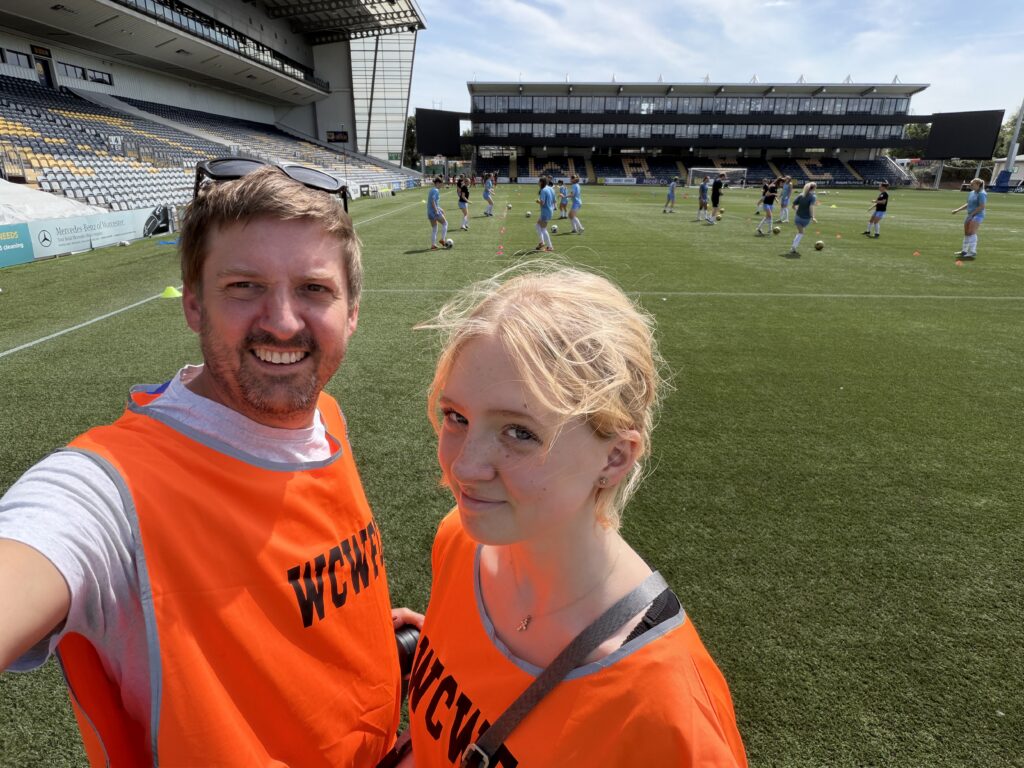
Upon arrival at the stadium, the media team underwent standard accreditation procedures. This included the issuance of official "media" bibs, which grant access to restricted areas such as the pitch perimeter and team-only zones. These protocols are essential for maintaining safety and order during a match, ensuring that photographers do not interfere with play or the technical areas reserved for coaching staff.
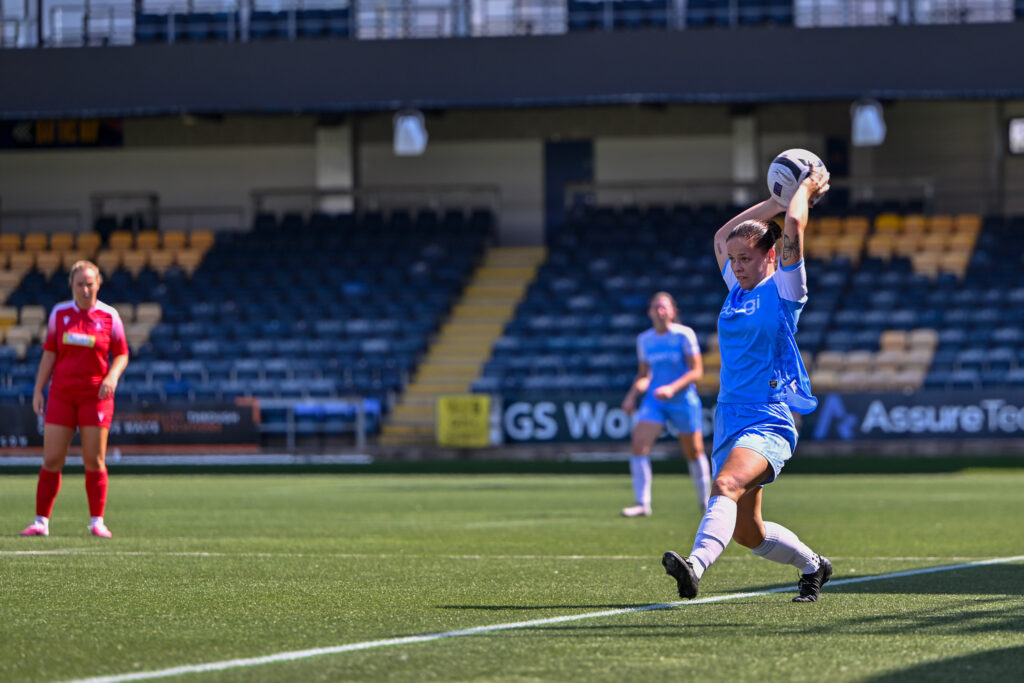
The pre-match phase involved a walkthrough of the facility and introductions to the club’s wider support staff. This period allowed the photographers to scout locations and assess lighting conditions. For the trainee, Connie, this served as an introduction to the "tangential aspects" of the profession—managing credentials, respecting boundaries, and coordinating with club officials.
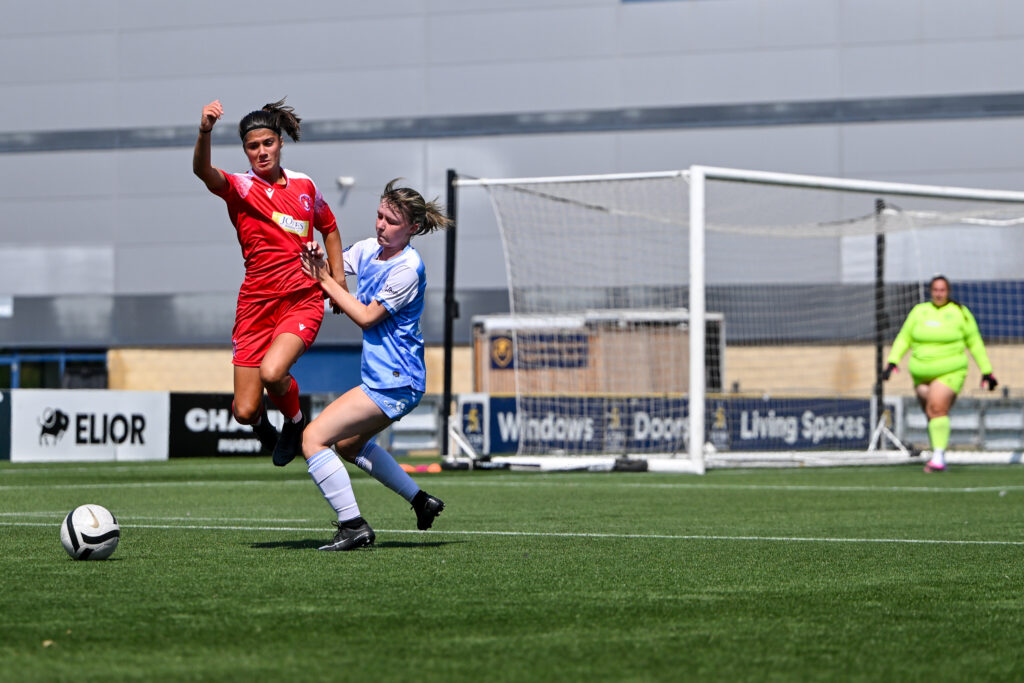
The Warm-Up Phase
The thirty minutes prior to kickoff served as a critical "warm-up" for the photographers. During the players’ drills, the photographers calibrated their settings, focusing on shutter speeds (typically 1/1000s or faster) to freeze motion. This phase is vital for capturing "environmental portraits" of athletes in a controlled yet active state, providing the club with versatile imagery that can be used for player profiles and promotional banners.

First Half: Strategic Positioning
As the game commenced, the photographers adopted a strategic position near the Portishead (opposing team) goal. In sports journalism, positioning behind the opposing team’s goal line is a standard tactic when shooting for a specific club. This angle ensures that the photographer captures the home team’s offensive drives, goal celebrations, and facial expressions as they move toward the camera.
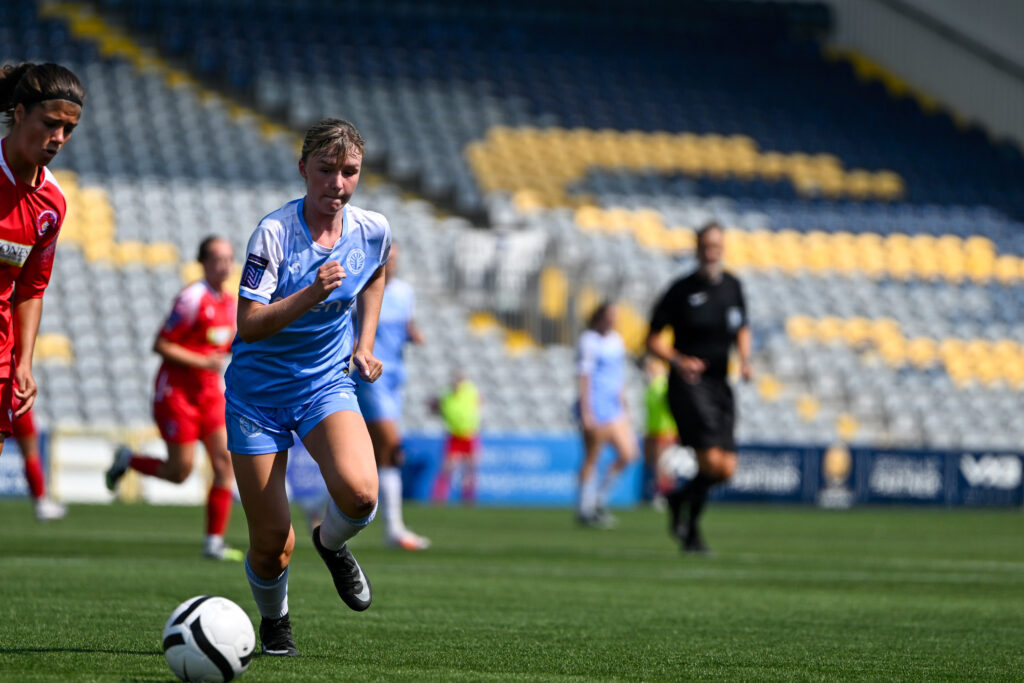
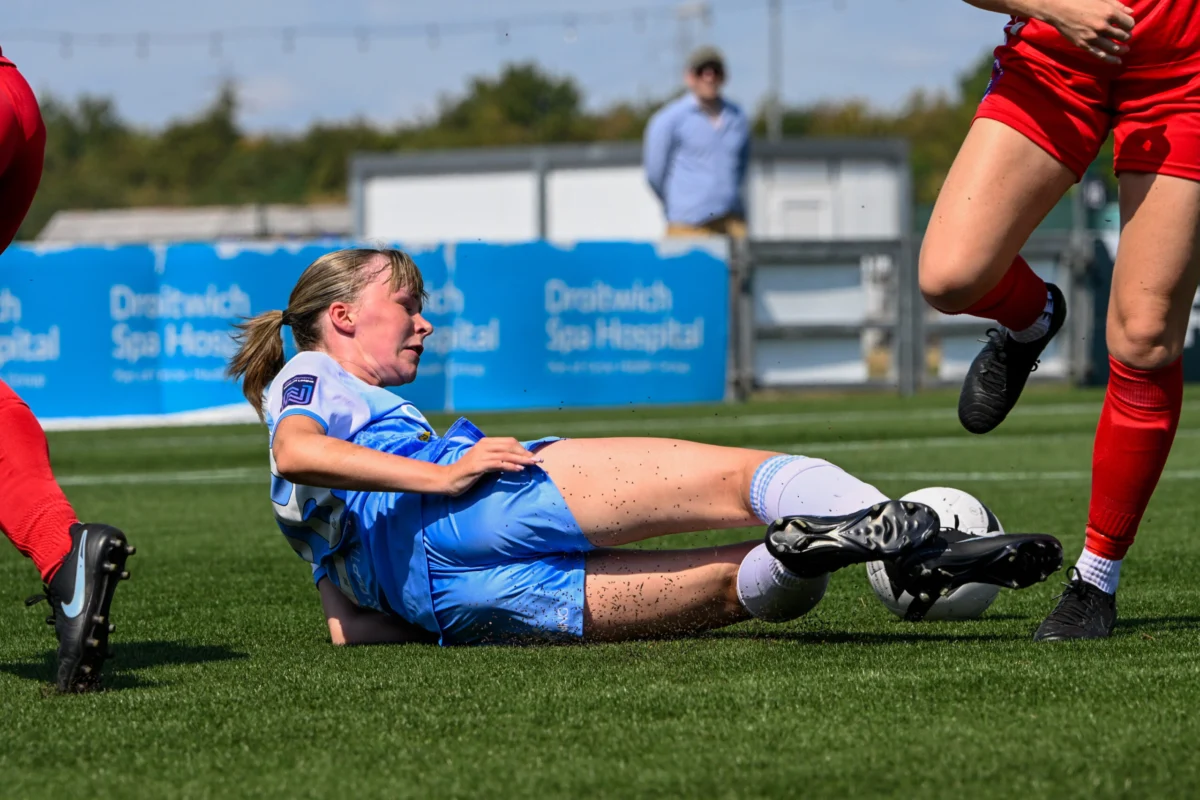
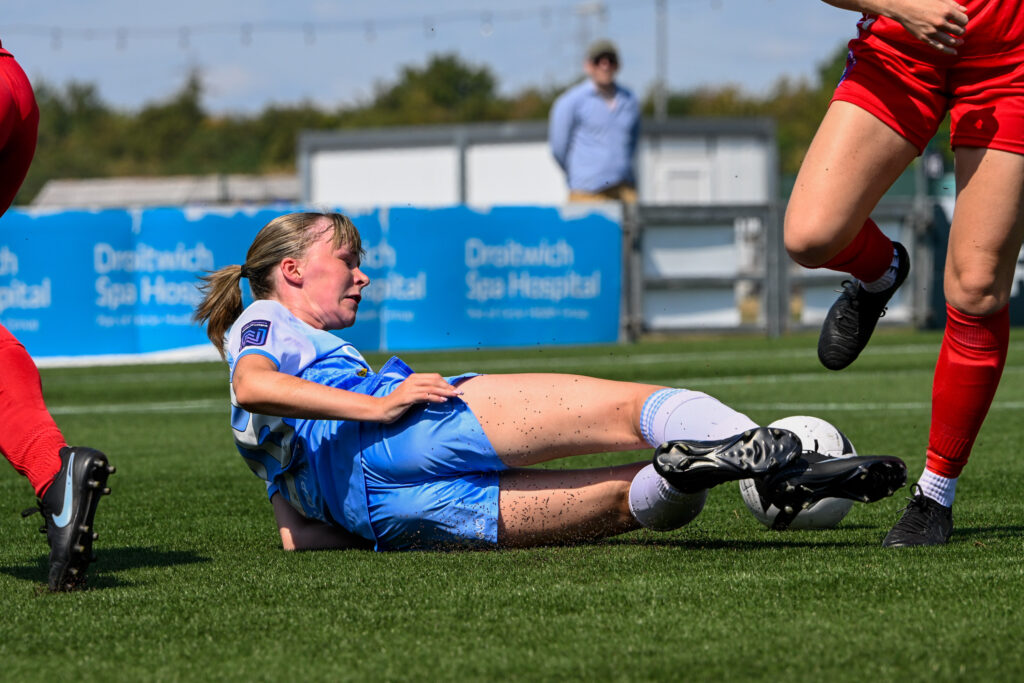
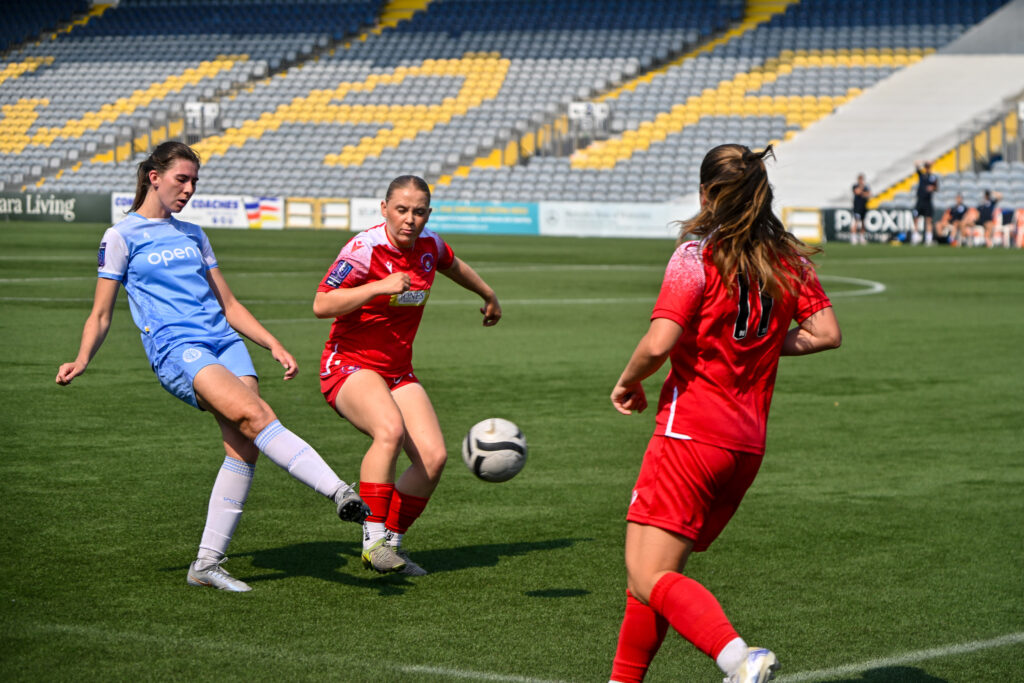
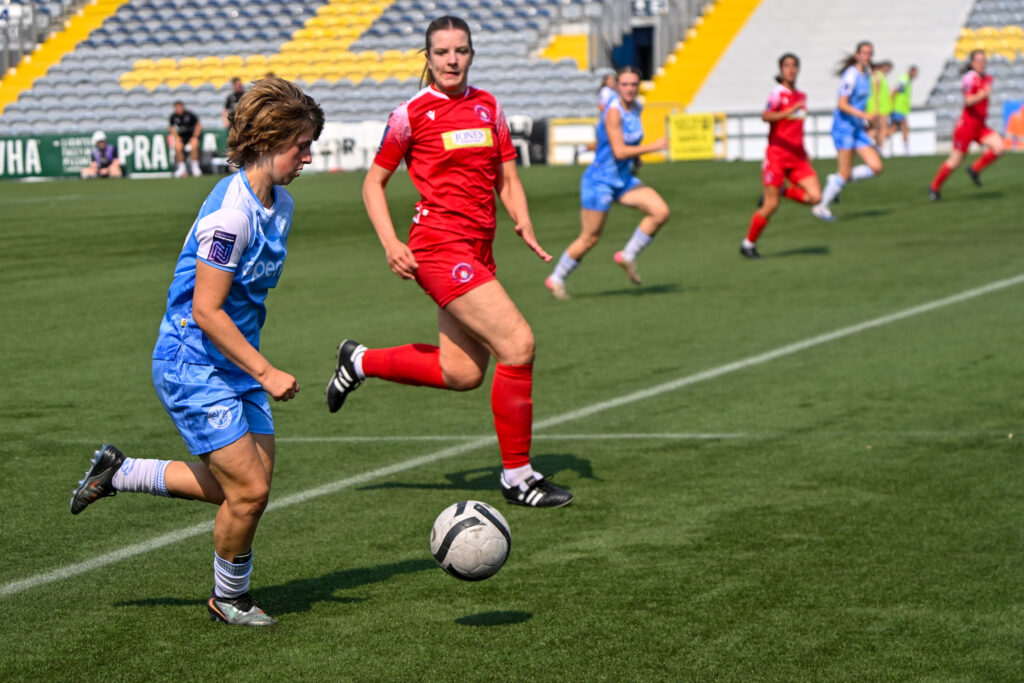
During the first half, the technical challenges of sports photography became apparent. The speed of play in the regional league is often unpredictable, requiring the photographer to maintain a "rhythm" with the ball’s movement. While the lead photographer focused on technical consistency, the trainee, Connie, began capturing high-action sequences, eventually producing what would be recognized as the "shot of the day"—a perfectly timed capture of an mid-air challenge.
Second Half: Refinement and Delivery
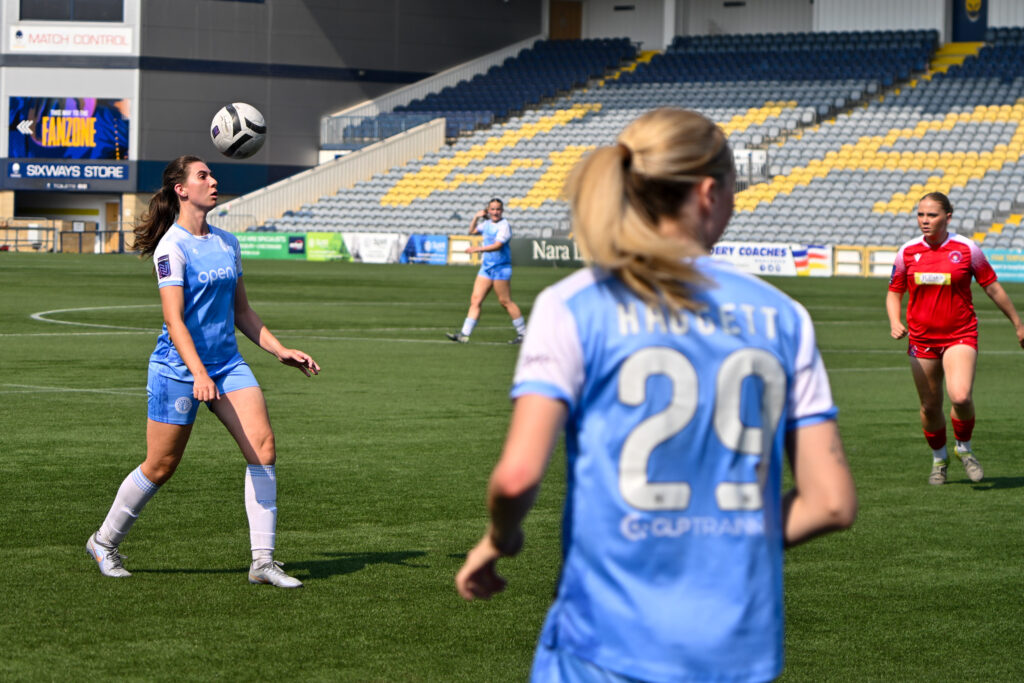
The second half saw a shift in focus toward capturing the emotional narrative of the game. With the "rhythm" of the match established, the photographers were able to anticipate plays rather than merely reacting to them. This phase of the day was particularly significant as the club’s regular professional photographer was unavailable, placing the responsibility of delivering the "official" match gallery on the visiting team. The pressure of delivery turned the mentorship exercise into a high-stakes professional assignment.
Technical Analysis: Equipment Performance in Sports Environments
The success of the August shoot was largely attributed to the choice of focal lengths. The Tamron 50-400mm lens offered a unique advantage in a grassroots setting. Unlike traditional 70-200mm lenses, which may fall short when action is at the far end of the pitch, the 400mm reach allowed for tight framing of individual player battles. Conversely, the ability to zoom back to 50mm was essential for capturing wider shots of team huddles or celebrations that occurred closer to the touchline.
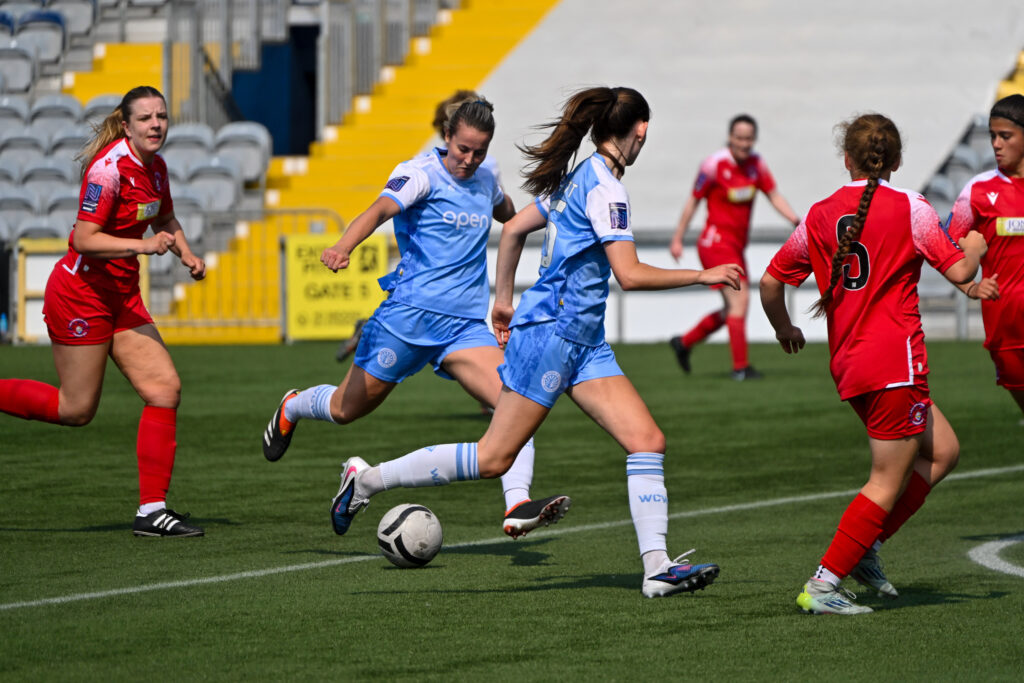
The Nikon Z50 II’s autofocus tracking was another critical factor. In women’s football, where the pace can transition rapidly from midfield skirmishes to long-ball attacks, the camera’s ability to "lock" onto a player’s face or torso is the difference between a usable image and a blurred frame. The data gathered from the shoot suggests that for regional clubs, investing in or borrowing mid-to-high-tier mirrorless systems significantly improves the quality of their digital archives compared to standard consumer-grade equipment.

Supporting Data and Official Reactions
Data from the Football Association (FA) indicates that visibility is the primary driver for growth in the women’s game. Clubs that post high-quality match galleries within 24 hours of a fixture see a 30-40% higher engagement rate on digital platforms compared to those using smartphone photography.

Nicole, representing WCWFC, noted that the presence of "media bibs" and professional equipment also has a psychological impact on the players and fans. "Having a dedicated media presence makes the event feel more significant," a club representative stated during the debrief. "It validates the hard work of the athletes and provides them with a professional portfolio that can help them as they progress in their careers."
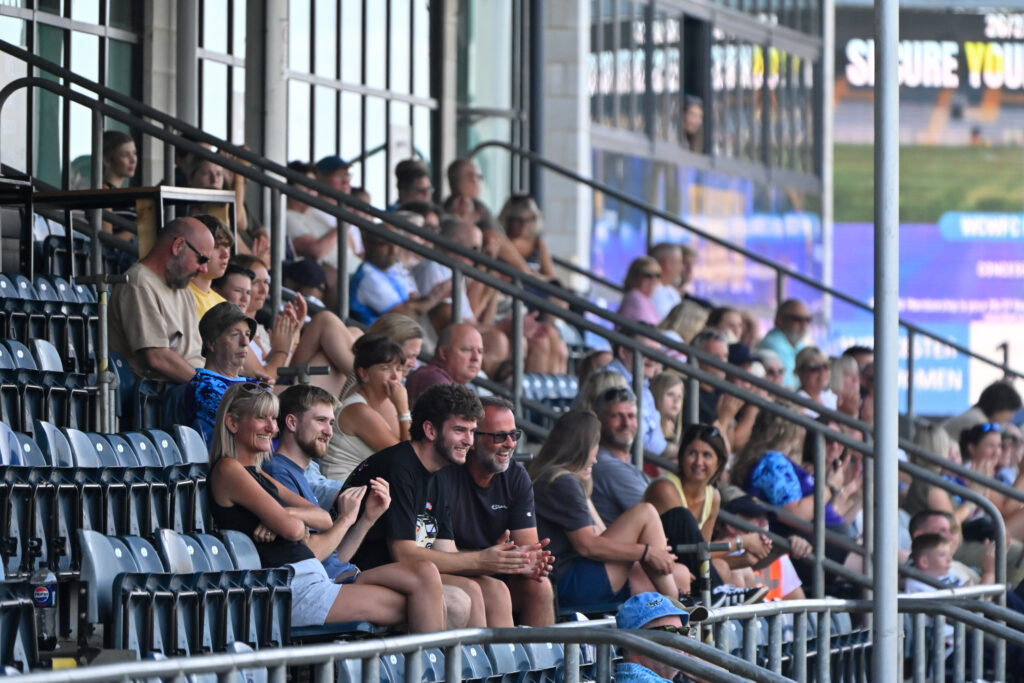
The photographers also reflected on the importance of the mentorship aspect. The lead photographer observed that the trainee’s lack of "conventional expectations" allowed for a more creative approach. While the professional focused on the "standard" shots—the kick, the tackle, the goal—the trainee captured the "in-between" moments, such as the tension on the sidelines and the candid interactions between teammates.
Broader Impact and Implications for Local Sports
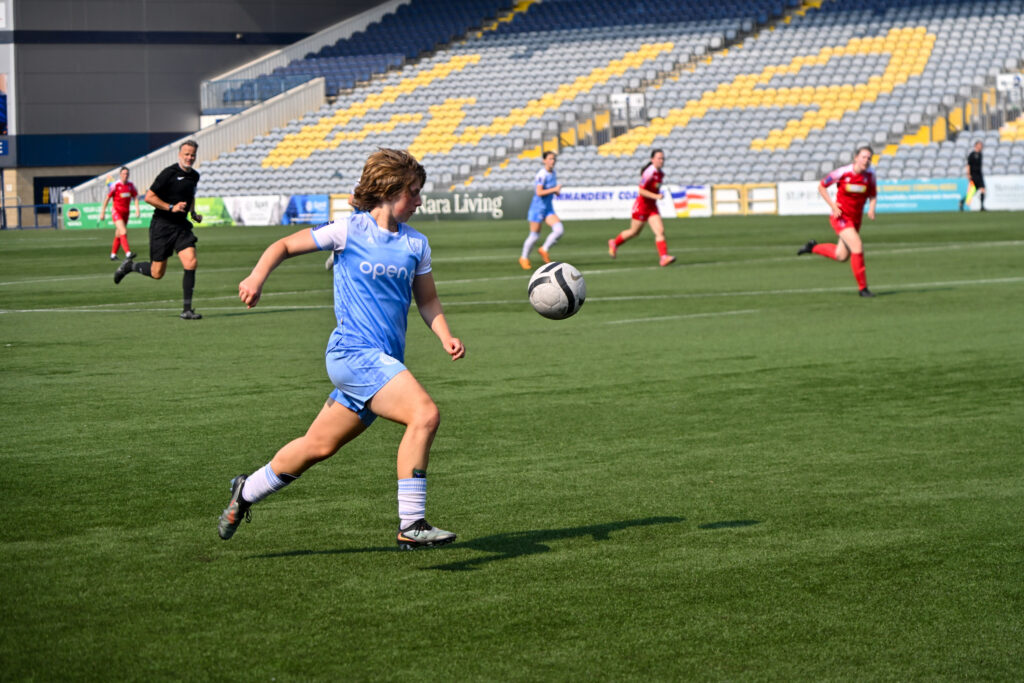
The August initiative at Worcester City Women’s FC serves as a blueprint for how local businesses and sports teams can collaborate to foster talent and improve community assets. The implications of this event extend beyond a single matchday:
- Talent Pipeline: By involving young photographers like Connie in official matchday operations, the industry builds a pipeline of talent familiar with the specific demands of sports journalism.
- Economic Value for Clubs: High-quality imagery increases the "sponsorship inventory" of a club. Sponsors like The Kiln receive better ROI when their logos are captured in crisp, professional photos that are shared across news outlets and social media.
- Community Engagement: Professional documentation of local sports fosters a sense of pride within the city. It elevates the status of the women’s team to a level comparable with established men’s sides, challenging long-standing disparities in media representation.
- Technological Accessibility: The project demonstrated that modern mirrorless technology has lowered the barrier to entry for high-quality sports photography, allowing smaller teams to achieve "World Cup level" imagery with the right equipment and basic training.
In conclusion, the media session at the beginning of August was more than a routine photography assignment. It was a successful exercise in mentorship, technical application, and community partnership. As Worcester City Women’s Football Club continues its season, the images captured during this session will serve as the visual backbone of its marketing efforts, proving that even in the grassroots tiers of the sport, professional standards are both achievable and essential.