The close of 2025 brings with it a comprehensive data release from Lensrentals, a prominent equipment rental service, offering a unique look into the purchasing habits of professionals and enthusiasts in the photography and videography industries. While the company’s primary business revolves around rentals, its "Keeper program" – which allows customers to purchase rented gear, often with rental costs refunded – provides an invaluable supplementary dataset to its widely anticipated annual rental report. This year’s purchase data, released on December 31, 2025, reveals significant shifts in market dynamics, brand loyalty, and technological priorities, painting a nuanced picture of where the industry is heading.
Understanding the Dual Perspective: Rentals vs. Purchases
Lensrentals’ annual data is consistently one of the most comprehensive sources of information regarding gear utilization and market trends. Their earlier report for 2025 detailed the most popular rented equipment, growing brands, and shrinking market shares based on temporary usage. However, purchasing data offers a distinct, often more telling, insight into long-term investment decisions. Rentals often reflect project-specific needs, experimentation, or access to high-value equipment for short durations. Purchases, conversely, signify a commitment, an integration into a professional’s permanent toolkit, or an investment in foundational equipment. The confluence of these two datasets—rentals and purchases—provides a holistic view of the professional imaging landscape.
Top Purchased Items: Beyond the High-Value Lenses
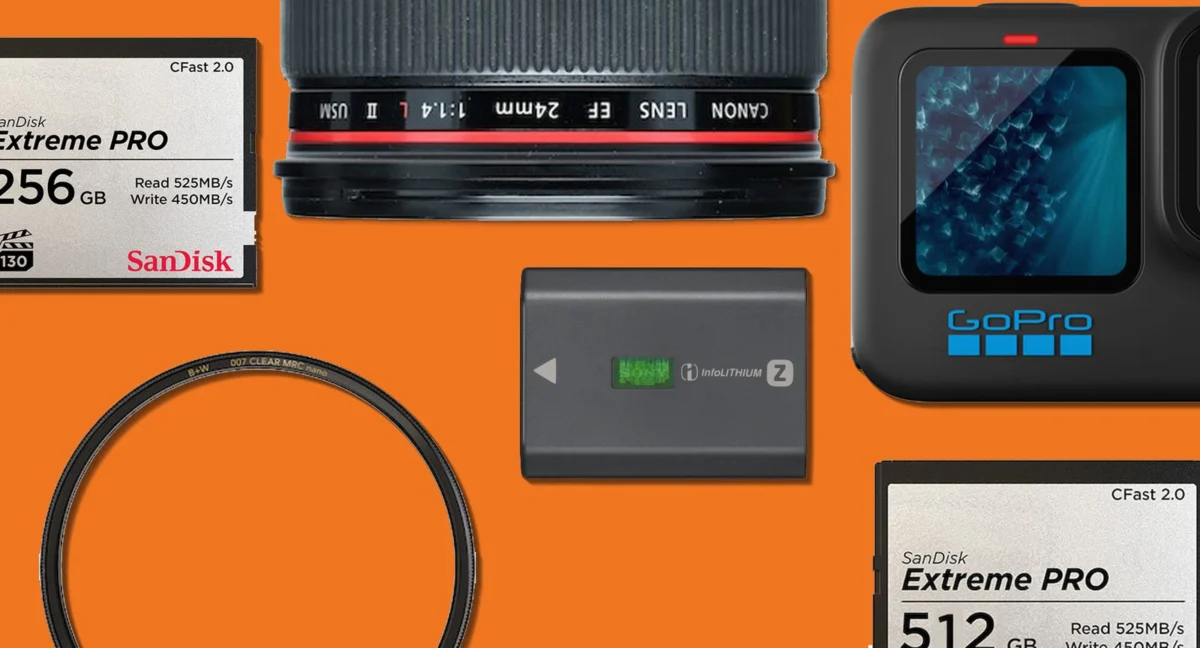
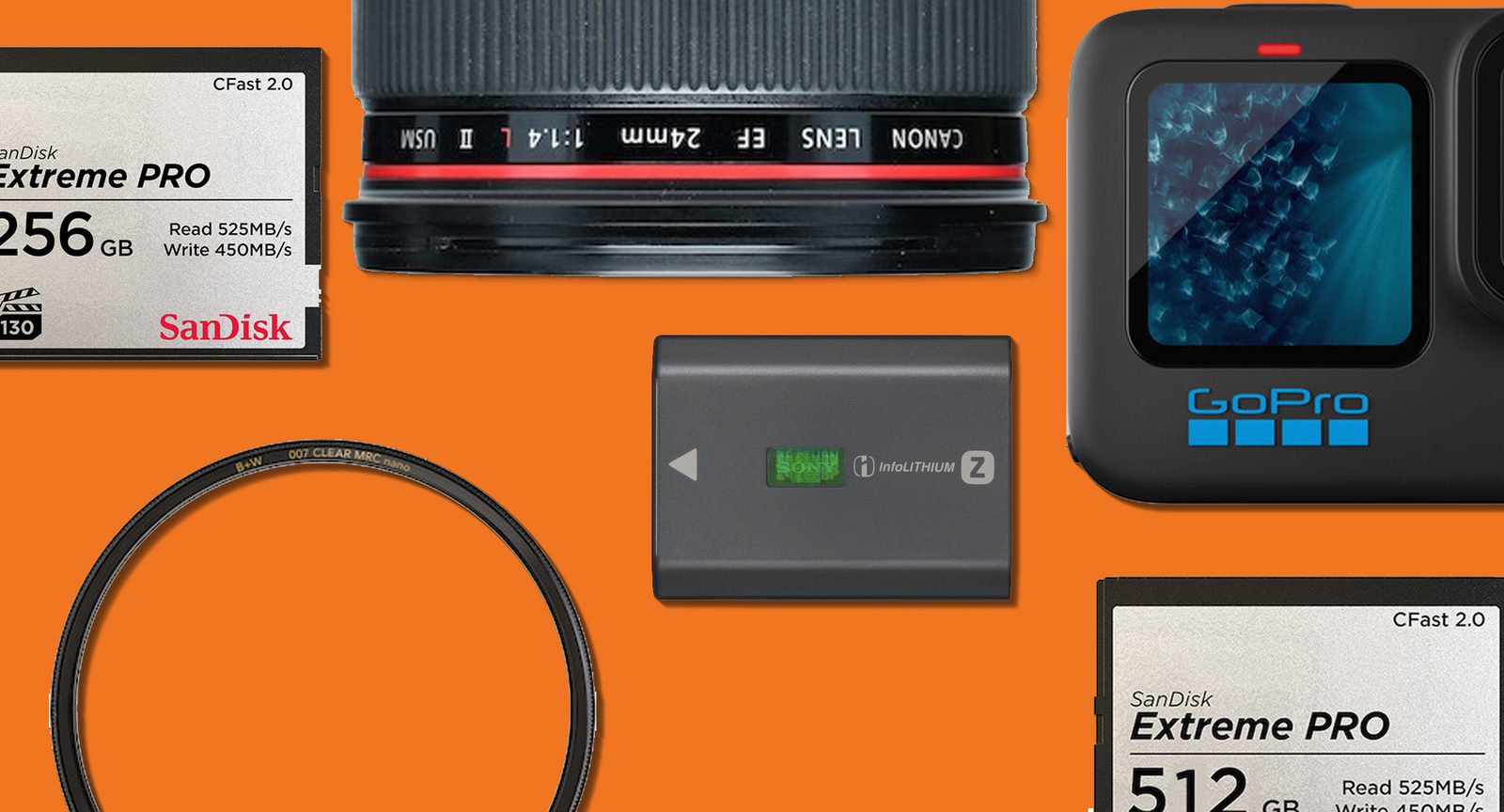
A granular look at the most common customer purchases by quantity reveals a practical, workflow-oriented trend. The top spots are overwhelmingly occupied by complementary products essential for daily operations. CFast cards, camera batteries, and UV filters consistently lead this category. This pattern underscores the critical role of reliable accessories and consumables in professional workflows. While perhaps less glamorous than new cameras or lenses, these items represent foundational necessities that professionals frequently acquire to ensure seamless operation, redundancy, and protection of their primary gear. The high purchase rate of these items suggests that professionals prefer to own these crucial components rather than rent them, prioritizing immediate availability and control over their essential kit.
Diving deeper into the list, however, the most-purchased high-value item stands out: the Canon EF 24-70mm f/2.8L II. This lens has long been a workhorse for photographers and videographers, renowned for its versatility, optical quality, and robust build. Its consistent appearance on both rental and purchase lists highlights its enduring appeal. The current market context further amplifies its attractiveness as a purchase. With Canon’s strategic shift and increasing focus on its mirrorless RF lens lineup, EF lenses, while still highly capable, are often available at more competitive prices on the secondary market or through programs like Lensrentals’ Keeper program. This makes the EF 24-70mm f/2.8L II a compelling "bargain" for high-quality glass, particularly for professionals still operating with Canon’s extensive EF-mount DSLR ecosystem or those utilizing adapters on mirrorless bodies. This trend indicates a strong demand for proven, high-performance optics, especially when coupled with favorable pricing, allowing professionals to invest in reliable tools without necessarily adopting the very latest, often more expensive, mirrorless native glass.
The stability of this particular high-value purchase, showing little deviation from previous years, suggests a consistent market segment valuing established performance and cost-effectiveness. Industry analysts often point to such trends as indicators of economic prudence among professionals, who balance the allure of cutting-edge technology with the practicalities of budget and proven reliability.
Brand Market Share by Revenue for 2025: A Detailed Analysis
The market share data, organized by revenue from purchases, offers a fascinating contrast and continuation of trends observed in rental data. This section provides a detailed breakdown of brand performance over the past three years (2023, 2024, 2025), revealing significant shifts and consolidations.
| Brand | 2023 Market Share | 2024 Market Share | 2025 Market Share |
|---|---|---|---|
| Canon | 28.43% | 22.99% | 23.55% |
| Sony | 28.83% | 21.60% | 16.60% |
| DJI | 7.22% | 10.04% | 9.95% |
| Nikon | 3.93% | 4.69% | 4.90% |
| Blackmagic | 2.41% | 2.58% | 3.43% |
| Leica | 1.63% | 2.39% | 3.25% |
| Fuji | 1.29% | 2.80% | 3.24% |
| Aputure | 2.38% | 2.33% | 3.01% |
| SmallHD | 1.58% | 2.32% | 2.83% |
| Panasonic | 2.05% | 2.20% | 2.76% |
| Sigma | 3.09% | 2.50% | 2.42% |
| Teradek | 1.02% | 0.92% | 2.83% |
Canon’s Resurgent Dominance:
For 2025, Canon solidified its position as the leading brand in terms of purchase revenue, capturing 23.55% of the market. This represents a modest rebound from its 2024 share of 22.99%, though still below its 2023 peak of 28.43%. Canon’s consistent leadership in both rental and purchase metrics underscores its deep entrenchment in the professional imaging community. Market observers attribute this enduring strength to a combination of factors: a vast and loyal user base, a comprehensive ecosystem of cameras and lenses (both EF and RF), and a strategic approach to product development that caters to diverse professional needs. The continued popularity of EF lenses, as evidenced by the EF 24-70mm f/2.8L II, suggests that Canon’s legacy glass remains a powerful draw, offering a compelling blend of performance and value in an evolving market.
Sony’s Significant Retreat:
In stark contrast to Canon’s stability, Sony experienced a notable decline in market share by purchase revenue. From a leading position of 28.83% in 2023, Sony’s share dropped to 21.60% in 2024, further plummeting to 16.60% in 2025 – a substantial 5% loss in a single year. This trajectory is particularly striking given Sony’s aggressive innovation and rapid expansion in the mirrorless market over the past decade. Industry analysts suggest several potential contributing factors to this decline in outright purchases. One theory posits that Sony’s rapid product refresh cycles, while appealing for early adopters and renters, might lead to a perception of faster obsolescence for buyers looking for long-term investments. Another perspective is that the increasingly competitive landscape, with Canon and Nikon significantly strengthening their mirrorless offerings, has diluted Sony’s previous dominance, particularly among professionals making long-term purchase decisions. Additionally, the premium pricing of Sony’s latest bodies and native lenses might encourage more professionals to rent for specific projects rather than commit to a full system purchase, especially when alternative high-quality options exist at various price points.
DJI’s Unexpected Ascent:
Perhaps the most surprising revelation from the 2025 purchase data is DJI’s robust performance, securing the third-highest market share at 9.95%, maintaining its strong growth from 7.22% in 2023 and 10.04% in 2024. This places DJI ahead of traditional camera and lens manufacturers like Nikon, Fuji, and Panasonic. DJI’s success is a clear indicator of the expanding definition of "photography and videography equipment" in the professional sphere. The growing adoption of drones for aerial cinematography, gimbals for stabilized ground shots, and other integrated creative tools has significantly diversified the professional toolkit. This trend reflects a broader industry shift where content creators are increasingly investing in comprehensive solutions that extend beyond traditional cameras and lenses, embracing specialized platforms for dynamic storytelling. DJI’s consistent innovation in aerial and stabilization technology has clearly resonated with professionals seeking to enhance their production capabilities and deliver unique perspectives.
Nikon’s Steady Progress:
Nikon has shown consistent, albeit modest, growth in purchase market share, moving from 3.93% in 2023 to 4.90% in 2025. This steady upward trend suggests a gradual rebuilding of market confidence, likely fueled by its increasingly competitive Z-mount mirrorless system. While still trailing Canon and Sony significantly, Nikon’s progress indicates that its recent product releases and strategic positioning are beginning to translate into long-term customer investment, particularly among its loyal user base and new adopters attracted by its evolving ecosystem.
Growth in Niche and Specialized Markets:
Several other brands demonstrated notable gains, highlighting the diversification and specialization within the industry:
- Blackmagic Design saw its market share climb from 2.41% in 2023 to 3.43% in 2025. This growth underscores the increasing popularity of Blackmagic’s cinema cameras and production tools, particularly within independent filmmaking and broadcast segments, where their high-quality, feature-rich, and often more accessible solutions are highly valued.
- Leica also experienced significant growth, from 1.63% to 3.25%. While a niche luxury brand, Leica’s increase suggests a continued investment by discerning professionals and serious enthusiasts in its iconic optical quality and distinctive aesthetic, often for specific high-end projects or personal preference.
- Fujifilm maintained a positive trajectory, growing from 1.29% to 3.24%, indicating a strong appeal among photographers and videographers who value its unique color science, retro aesthetics, and robust APS-C and medium format mirrorless systems.
- Aputure (lighting) and SmallHD (monitors) both saw healthy increases, reaching 3.01% and 2.83% respectively. Their growth reflects the critical importance of professional-grade lighting and monitoring solutions in modern production workflows. As visual quality standards continue to rise, investing in reliable support gear becomes as crucial as the camera itself.
- Panasonic showed modest but consistent growth, reaching 2.76%, affirming its position in the hybrid photo/video market, particularly with its strong video-centric mirrorless offerings.
- Teradek demonstrated a remarkable surge, from 1.02% in 2023 to 2.83% in 2025, signaling a significant trend towards wireless video transmission solutions.
Sigma’s Slight Retreat:
In contrast to the growth seen by many, Sigma experienced a slight decrease in market share, from 3.09% in 2023 to 2.42% in 2025. While Sigma remains a respected third-party lens manufacturer, this dip could be attributed to increased competition from native lens offerings by camera manufacturers and other third-party lens makers, or a shift in focus within the market towards specialized cinema glass or more compact mirrorless options.
Emerging Technologies: The Rise of Wireless Production
The final table of interest from Lensrentals’ 2025 purchase data highlights the most common purchases of gear that entered their inventory within the year. At the top of this list is the Teradek 6G V Antenna, closely followed by the Teradek Wireless Antenna for Bolt 500/1000. This is a profound indicator of a significant and accelerating trend within the film and video production industry: the increasing mainstream adoption of fast, reliable wireless transfer solutions.
The prominence of Teradek antennas among new product purchases underscores a fundamental shift in production workflows. Modern film sets and video shoots demand efficiency, flexibility, and real-time monitoring capabilities. Wireless video transmission systems allow directors, cinematographers, focus pullers, and other crew members to view camera feeds remotely, without the constraints of cables. This facilitates faster setups, more dynamic camera movements, and improved communication and collaboration on set. The investment in high-bandwidth (6G) and robust wireless solutions like those offered by Teradek signals that professionals are prioritizing seamless, low-latency video monitoring and control as a core component of their permanent production kit. This trend is not merely a convenience; it is becoming a necessity for optimizing complex productions, enhancing creative freedom, and meeting tight deadlines.
This emphasis on wireless technology represents a broadening of professional investment beyond traditional capture devices. It highlights that the "gear" professionals are buying increasingly includes sophisticated infrastructure that supports and enhances the entire production ecosystem, rather than solely focusing on the camera and lens itself.
Broader Implications for the Industry
The 2025 Lensrentals purchase data offers several crucial insights for manufacturers, retailers, and professionals alike:
- Strategic Brand Positioning: Canon’s sustained performance underscores the value of a comprehensive ecosystem and strategic pricing on legacy systems. Sony’s decline suggests that rapid innovation alone may not guarantee purchase loyalty if not coupled with perceived long-term value and stability.
- Diversification of Professional Tools: DJI’s strong showing emphasizes that the professional imaging market is no longer solely defined by traditional cameras. Drones, gimbals, and other specialized creative tools are now essential components of many professionals’ permanent arsenals.
- The "Workflow First" Mentality: The high purchase rates of complementary products (batteries, cards, filters) and the surge in wireless transmission technology demonstrate that professionals are increasingly investing in tools that optimize their workflow, enhance efficiency, and ensure operational reliability. The focus is shifting from merely capturing images to managing the entire production pipeline.
- Rental as a Gateway to Purchase: The "Keeper program" model validates the "try before you buy" approach, allowing professionals to thoroughly test equipment in real-world scenarios before making a significant investment. This benefits both consumers, who make more informed decisions, and manufacturers, who gain deeper market insights.
- Market Adaptability: The industry is dynamic. While core photographic principles remain, the tools and technologies used to achieve them are constantly evolving. Brands that adapt to these evolving needs – whether through new product categories (DJI), advanced workflow solutions (Teradek), or by offering compelling value in established categories (Canon EF lenses) – are the ones poised for long-term success in the purchase market.
As the industry continues its rapid evolution, driven by technological advancements and shifting content creation demands, data like that provided by Lensrentals becomes an indispensable compass. The 2025 purchase trends reveal a market that values proven performance, embraces new workflow efficiencies, and diversifies its investments to meet the multifaceted challenges of modern visual storytelling.