The mastery of light stands as the undisputed cornerstone of compelling visual storytelling, transcending mere technical proficiency to become an art form in itself within the realms of photography and videography. While technological advancements continuously reshape the tools available to visual artists, the fundamental principles governing the manipulation of light remain constant, serving as the bedrock upon which all sophisticated imagery is built. Industry experts and educators consistently emphasize three core tenets—Intensity, Quality, and Direction—as the essential framework for understanding and effectively utilizing light, whether from artificial sources or the ever-changing natural environment. These principles empower practitioners to move beyond simply capturing an image to actively crafting it, imbuing scenes and subjects with depth, mood, and narrative power.
Historical Context and Evolution of Lighting Principles
The deliberate control of light in visual arts is not a modern phenomenon. From the chiaroscuro techniques of Renaissance painters like Caravaggio, which dramatically contrasted light and shadow to create volume and emotional intensity, to the pioneering efforts of early photographers and filmmakers, artists have always sought to harness light’s transformative power. The advent of artificial lighting, particularly with the introduction of incandescent bulbs and later powerful strobes and continuous LEDs, significantly expanded the creative palette. Early cinema, in particular, saw rapid innovation in lighting design, with figures like D.W. Griffith and Gregg Toland pushing boundaries to sculpt cinematic space and character. Despite the myriad tools that have emerged over centuries—from simple reflectors to sophisticated computer-controlled lighting arrays—the underlying physics and perceptual effects of light have remained consistent, necessitating a deep understanding of Intensity, Quality, and Direction. Educational institutions worldwide, from the American Film Institute to leading photography academies, integrate these principles as foundational curriculum, underscoring their timeless relevance.
Intensity of Light: The Volume Control of Visuals
The Intensity of light, often likened to the "volume knob" of a light source, refers to the sheer quantity of light reaching the subject. This principle directly dictates the exposure settings of a camera, influencing the brightness or darkness of an image. While seemingly the most straightforward of the three, its precise control is critical for achieving desired visual outcomes.
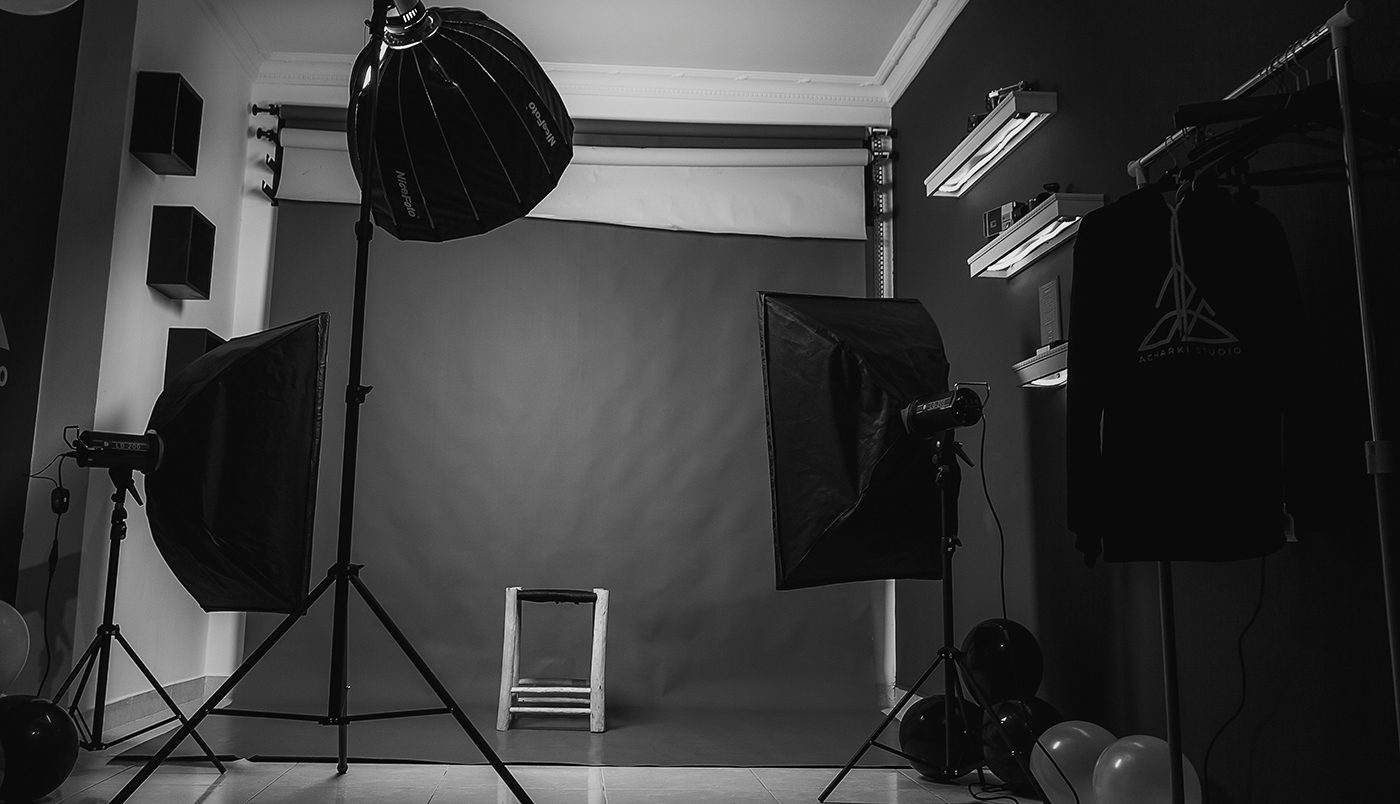
In controlled studio environments, intensity is typically adjusted via physical dials or digital controls on strobes and continuous lights. Modern LED panels, for instance, often offer granular control, allowing for adjustments in single-stop increments or even finer percentages. For natural light scenarios, photographers and videographers employ tools such as Neutral Density (ND) filters, which reduce the amount of light entering the lens without altering color, or adjust camera settings like ISO sensitivity and aperture. An increase in ISO makes the sensor more sensitive to light, effectively brightening the image without increasing the light source’s output.
While fundamental to exposure, the nuanced application of intensity extends beyond mere brightness. Subtle variations can define mood, highlight key elements, or recede others into shadow, guiding the viewer’s eye. According to a 2023 survey conducted by the Visual Arts Education Council, approximately 78% of emerging photographers initially struggle with consistent exposure, often underestimating the precise control required for intensity management. Mastery here is not just about avoiding under or overexposure, but about using intensity as a deliberate artistic choice. For example, a low-intensity, dramatic light can create a sense of mystery or intimacy, while high-intensity, even illumination might convey openness or clarity. The inverse square law, a fundamental principle of physics, dictates that the intensity of light diminishes rapidly with distance from its source, a crucial consideration for precise intensity control in any setup.
Quality of Light: Shaping Character and Mood
The Quality of light is arguably the most complex and nuanced of the three principles, encompassing characteristics that profoundly affect the mood, texture, and overall aesthetic of an image. This broad category includes factors such as the hardness or softness of light, its color temperature, and the specular properties introduced by various light modifiers.
-
Hard vs. Soft Light: This is perhaps the most discussed aspect of light quality. Hard light originates from a relatively small light source in relation to the subject (e.g., direct sunlight, a bare bulb). It produces sharp, well-defined shadows and high contrast, often used to emphasize texture, drama, or power. Conversely, soft light emanates from a large light source (e.g., an overcast sky, a large softbox). It creates gradual transitions between light and shadow, resulting in diffused, flattering illumination and reduced contrast, commonly favored for portraits or scenes requiring a gentle, ethereal feel. The perceived size of a light source is relative to its distance from the subject; a small light placed very close can become a soft source.
-
Color Temperature: Measured in Kelvin (K), color temperature describes the color cast of light. Daylight typically hovers around 5500K (neutral white), while tungsten bulbs emit a warmer, orange hue (around 3200K), and shade can lean cooler (bluish, around 6500K). Modern RGB LEDs offer unprecedented control, allowing artists to dial in virtually any color, opening vast creative avenues for mood-setting and stylized effects. Mismatching color temperatures without intention can lead to undesirable color casts, while intentional use can evoke specific emotions or surreal atmospheres. For instance, a cool blue light might suggest coldness or melancholy, whereas warm amber tones can evoke comfort or romance.

-
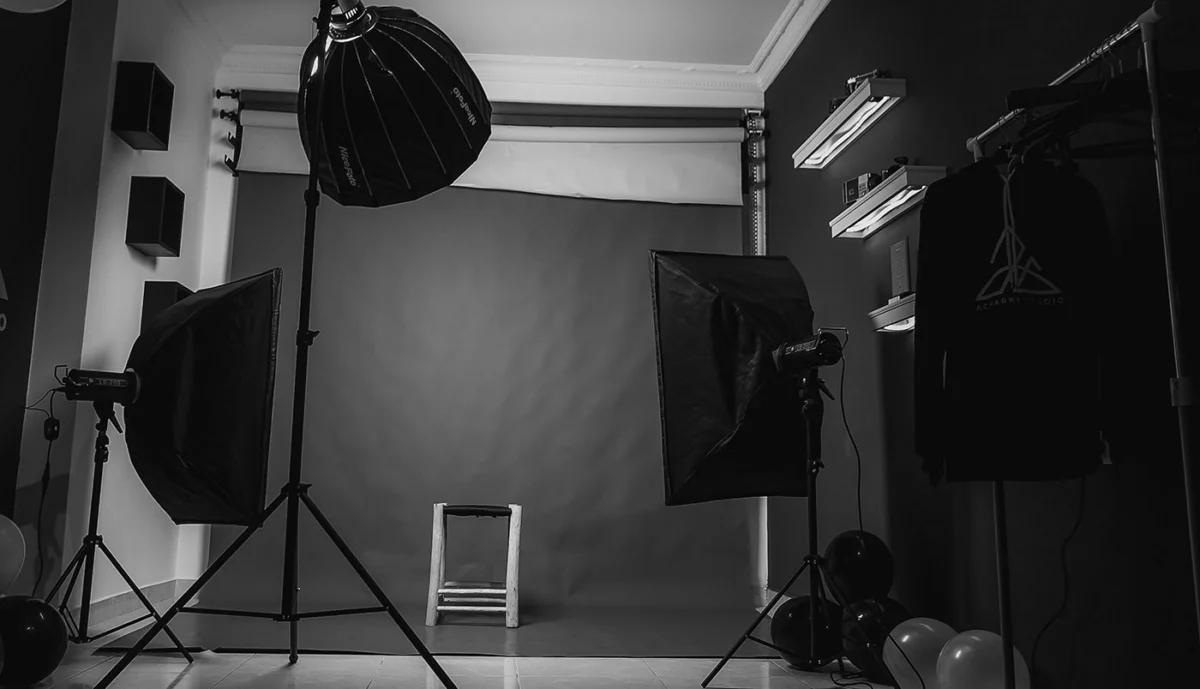
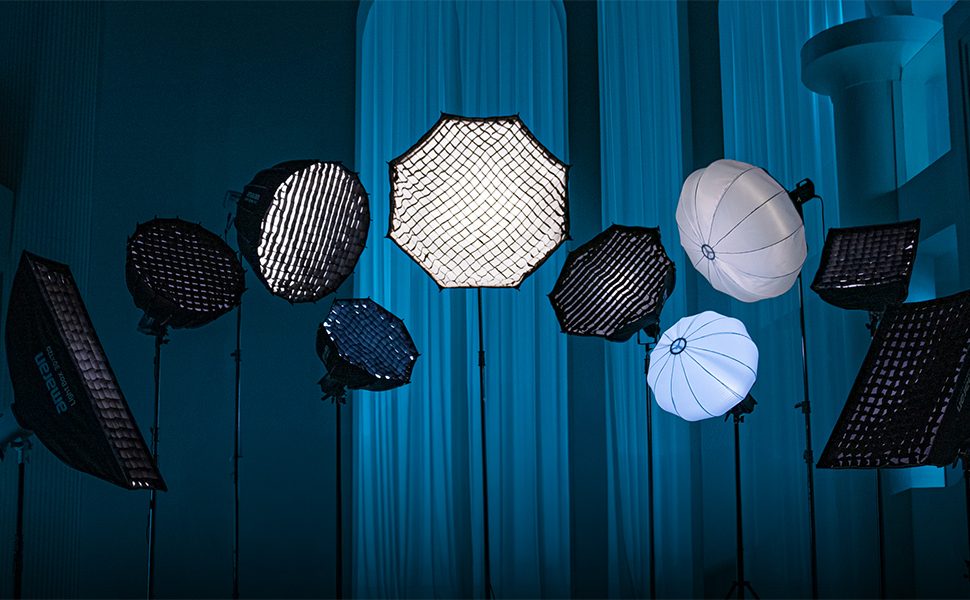
Light Modifiers: The choice of light modifier plays a pivotal role in shaping light quality. Highly reflective silver umbrellas or parabolic reflectors produce more specular, contrasty light, emphasizing highlights and punch. Diffusers, softboxes, and shoot-through umbrellas, on the other hand, spread and soften the light, reducing harsh shadows and creating a more even illumination. Each modifier has a unique "throw pattern" and light quality signature. The discontinuation of beloved modifiers or changes in manufacturing processes often elicits strong reactions from professionals, highlighting the critical role these tools play in achieving consistent and desired light quality. Leading manufacturers continually innovate in this space, introducing new designs that promise greater control, efficiency, and versatility. The pursuit of the "perfect" light quality for a specific vision drives significant research and development within the lighting industry.
Direction of Light: Sculpting Form and Depth
The Direction of light, the third foundational principle, refers to the spatial relationship between the light source, the subject, and the camera. This is arguably the most potent tool for creating a sense of three-dimensionality, depth, and emotional impact within a two-dimensional image or screen. It dictates how shadows fall, how textures are revealed, and how the subject’s form is perceived.
Conventional wisdom often suggests lighting subjects from above, mimicking natural overhead light sources like the sun. This "natural" direction tends to be universally appealing and grounding. However, intentionally deviating from this norm can yield powerful and distinctive results. Lighting from below, for instance, can create an "uncanny valley" effect, distorting features and evoking feelings of unease or horror, a technique frequently employed in suspenseful cinema. Side lighting emphasizes texture and contours, revealing the form of a subject more dramatically. Backlighting can create striking silhouettes, separate the subject from the background, and add a luminous rim of light, often used for dramatic effect or to convey a sense of hope or importance.
In detailed lighting breakdowns, the direction of light is frequently described in terms of degrees relative to the subject and camera axis. For example, a "key light" positioned at 45 degrees to the subject and 45 degrees above, creates a classic lighting pattern often seen in portraiture (e.g., Rembrandt lighting, which leaves a distinct triangle of light on the shadowed side of the face). Understanding these spatial relationships is crucial for precise replication of lighting setups and for communicating artistic intent effectively. Educational resources, including visual diagrams and interactive simulations, are widely used to illustrate the profound impact of even slight shifts in light direction.
A 2024 study on visual perception published in the Journal of Applied Aesthetics noted that images with well-defined light directionality were rated 65% more engaging and memorable than those with flat or ambiguous lighting, emphasizing its role in cognitive processing of visual information. This underscores that light direction is not merely a technical choice but a fundamental element of visual communication, guiding the viewer’s perception and emotional response.
Implications and Future Outlook
The comprehensive understanding and skillful application of Intensity, Quality, and Direction are not just academic exercises; they are indispensable skills for professionals across the visual media landscape. From commercial photographers creating captivating product shots to cinematographers crafting immersive film narratives and videographers producing engaging online content, mastery of these principles directly translates into higher quality output and greater artistic control.
The economic implications are significant. Professionals adept at manipulating light are highly sought after, commanding premium rates for their ability to elevate projects. Educational programs focusing on advanced lighting techniques continue to see strong enrollment, reflecting the industry’s demand for skilled practitioners. As technologies like virtual production (VP) and AI-driven lighting systems become more prevalent, the foundational understanding of these principles will remain paramount. While AI might automate some aspects of lighting setup, the artistic vision and problem-solving capabilities derived from a deep grasp of intensity, quality, and direction will continue to be human-centric.
Furthermore, the growing democratization of content creation through accessible cameras and editing software means that more individuals are engaging with visual media. Equipping these emerging creators with a strong theoretical and practical understanding of lighting fundamentals is crucial for fostering a higher standard of visual literacy and artistic expression across the board.
In conclusion, while the tools and techniques for manipulating light will undoubtedly continue to evolve, the three immutable principles of Intensity, Quality, and Direction will forever remain the bedrock of impactful visual communication. Their mastery distinguishes the casual capture from the meticulously crafted image, empowering artists to sculpt light not merely as illumination, but as a powerful narrative force. The ongoing dialogue and innovation within the lighting community underscore the enduring relevance of these principles, solidifying their position as essential pillars for anyone serious about the art and craft of photography and videography.