The integration of artificial intelligence (AI) into creative workflows is no longer a hypothetical future but a present reality, profoundly impacting various artistic disciplines, including photography. Street photography, a genre deeply rooted in capturing authentic moments and human experience, now finds itself at a critical juncture as AI tools become increasingly sophisticated and accessible. This evolution is prompting a significant debate within the photography community regarding the ethical boundaries and definition of AI’s role in what has traditionally been considered a purely human endeavor. The discussion centers on whether AI assistance should be embraced, regulated, or outright rejected within the context of street photography, a practice inherently tied to documentary traditions and the spontaneous capture of reality.
The core of the debate lies in the fundamental principles of street photography, which historically emphasizes the photographer’s direct engagement with a physical moment, often under challenging or unpredictable conditions. This genre relies on an unadulterated connection between the observer, the observed, and the captured image, forming an authentic link to a specific point in time. The introduction of AI, which can influence image selection, metadata tagging, retouching, and even generative content, raises questions about the integrity of this link. As AI tools move beyond simple post-processing enhancements to actively participate in the creation or curation of photographic work, the very definition of authorship and authenticity comes into question. This has led some to ponder if a new term, such as "promptography," might be necessary to distinguish AI-assisted or AI-generated imagery from traditional photography. The community is grappling with whether to allow a fluid overlap between human-made and machine-made art or to maintain strict distinctions between these emerging categories.
The Historical Context of Technological Adoption in Art
To understand the current apprehension surrounding AI in photography, it is beneficial to examine historical precedents of technological disruption in creative fields. The introduction of the printing press revolutionized the dissemination of written works, while the advent of the camera fundamentally altered the landscape of visual representation. In the realm of writing, the typewriter and later the computer were met with skepticism, with some questioning whether the resulting prose could still be considered "hand-crafted." Similarly, early photographic processes were scrutinized for their perceived mechanical nature, with critics debating their artistic merit compared to painting.
More recently, the digital revolution in photography, including the widespread adoption of digital cameras, advanced editing software, and even in-camera AI-driven features like autofocus and scene recognition, has already introduced computational assistance. Modern cameras, for instance, employ complex algorithms to optimize exposure, focus, and color balance, effectively incorporating a degree of machine intelligence into the capture process. Automated metadata tagging, while highly practical for organization, also represents a form of machine-driven analysis. These existing integrations highlight that the interaction with artificial intelligence, in some form, is already an established, albeit often unacknowledged, aspect of contemporary photography.
AI in the Creative Workflow: Beyond Simple Enhancement
The debate intensifies when AI moves beyond basic enhancements and into more generative or selective roles. AI algorithms can now analyze vast libraries of images to identify the strongest compositions, the most compelling moments, or even suggest edits that align with specific aesthetic styles. Furthermore, generative AI tools can create entirely new imagery or modify existing photographs in ways that were previously unimaginable, raising profound questions about artistic intent and originality.
In the literary world, this debate has already taken shape. Many publications have begun to reject submissions that have been generated or significantly assisted by AI, reflecting a desire to preserve human authorship. However, this stance prompts further questions: should dictionaries, thesauruses, or grammar-checking software, which are all AI-powered tools that aid writers, also be banned? The internet itself, a vast repository of information and inspiration that writers invariably draw upon, could also be seen as a form of collaborative or derivative creation. When AI-powered editing tools become indistinguishable from or superior to traditional ones, the line between assistance and authorship becomes increasingly blurred.
Navigating the Ethical Landscape: Towards a Framework for Transparency
The core challenge lies in establishing clear guidelines for the use of AI in street photography. The author’s initial stance, which views AI as a tool that can be both used and misused, suggests a pragmatic approach rather than outright prohibition. The critical question is not whether AI should be used, but rather how its use should be understood and contextualized within the photographic tradition.
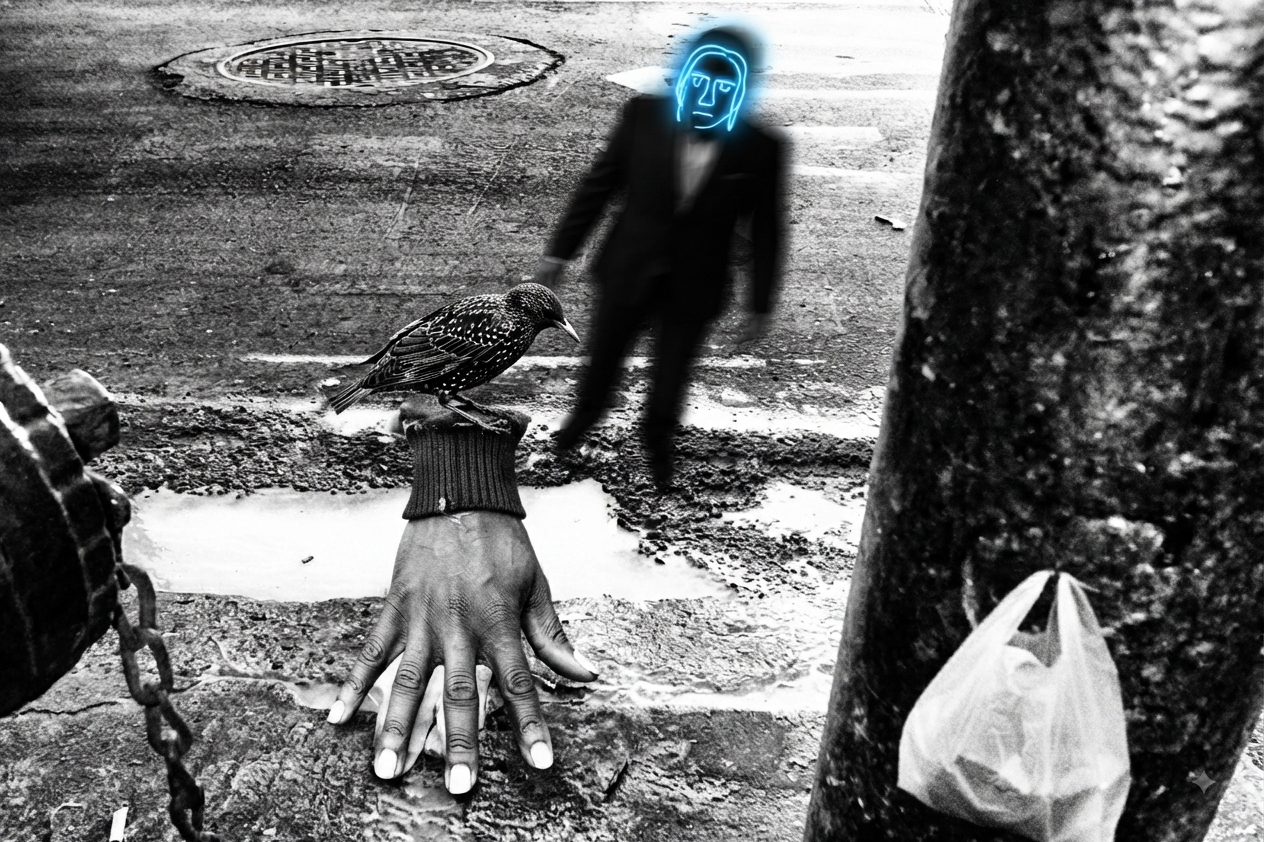
One proposed solution is to create distinct categories for AI-assisted or AI-generated work, similar to how different genres of art are recognized. This would allow for the continued exploration of AI’s creative potential while maintaining a clear distinction for work that adheres to traditional photographic principles. The difficulty lies in precisely delineating the boundary between human effort and machine generation. If modern cameras already employ AI for autofocus, and automated metadata tagging is a common practice, then the "purest" forms of documentary work are already indirectly influenced by artificial intelligence.
The Crucial Role of Disclosure and Transparency
This leads to a broader and perhaps more contentious issue: the demand for transparency in photographic workflows. In the analog era, contact sheets provided a tangible record of a photographer’s process, revealing the number of frames taken, the choices made, and the relative success rate of capturing a desired moment. While many photographers did not readily share their contact sheets, they offered an implicit understanding of the effort and selection involved.
In the digital age, this transparency has largely diminished. Photographers often possess hundreds or even thousands of "failed" frames on their hard drives, with only a select few making it to public display. If the community is to demand transparency regarding AI usage, then a compelling argument can be made for also demanding transparency about other aspects of the capture and selection process. For example, should the evaluation of a photograph differ if it was the result of a single, decisive shot versus being selected from a burst sequence of a hundred frames? The author’s personal approach of shooting only a single frame for each subject highlights the variation in creative methodologies. Understanding the full context behind an image, including the technical choices and selection processes, can profoundly alter our perception and evaluation of its merit.
The Inevitable Evolution: AI as an Enduring Tool
Attempting to ban AI from street photography is widely considered an impractical and ultimately futile endeavor. Artificial intelligence is an evolving technology that is poised to become even more integrated into various aspects of photography. The real challenge for the street photography community is not to resist this evolution but to proactively define its terms.
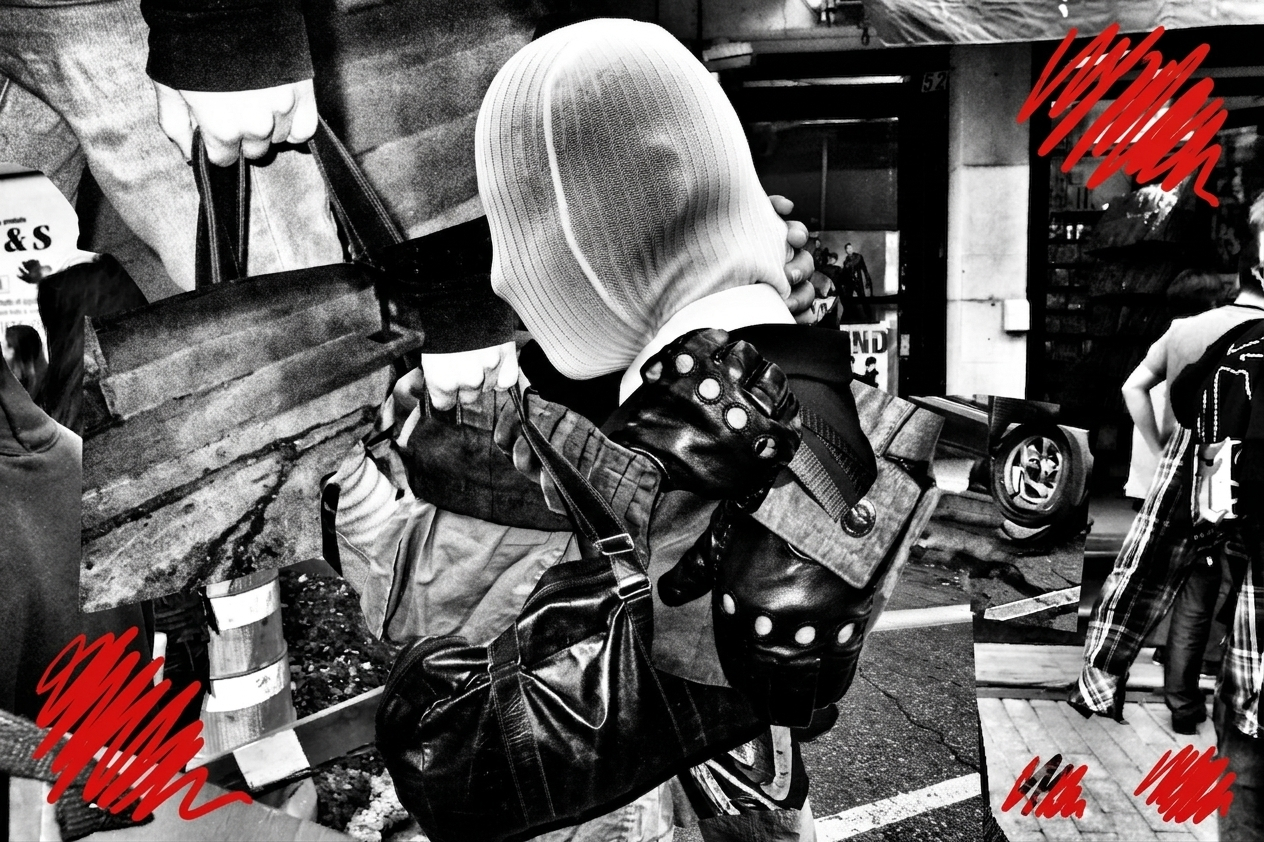
The decision facing street photographers and their audience is whether to embrace radical transparency. If this path is chosen, it should extend beyond just AI integration. A comprehensive approach to transparency would necessitate full disclosure of the entire workflow that contributed to the final photograph, from the initial capture to the final edits. This inclusive approach, often summarized by the adage "what’s good for the goose is good for the gander," would ensure a more equitable and informed discourse surrounding the creation and appreciation of photographic art in the age of artificial intelligence. The implications of this shift are far-reaching, potentially redefining our understanding of authorship, authenticity, and artistic value in the 21st century.
Expert Perspectives and Community Reactions
While the original article presents the author’s personal thoughts, a comprehensive journalistic approach would involve gathering reactions from a wider spectrum of stakeholders. Representatives from prominent street photography organizations, galleries, and educational institutions have voiced varied opinions on the matter. Some express concern that AI could dilute the authenticity and human connection inherent in street photography, potentially leading to a proliferation of sterile, algorithmically optimized images. They emphasize the value of the photographer’s lived experience, intuition, and ability to connect with subjects in real-time, elements that AI currently struggles to replicate.
Conversely, other voices within the photographic community see AI as a powerful new tool that can democratize image creation, assist photographers with disabilities, or enable new forms of artistic expression. They argue that just as Photoshop revolutionized post-processing, AI will simply be another evolution in the photographer’s toolkit. The key, for them, lies in responsible and ethical use, with clear disclosure being paramount.
Gallery curators and critics are also beginning to establish criteria for evaluating AI-assisted art. Some are actively seeking out artists who are pushing the boundaries of AI in photography, while others maintain a preference for traditional methods. This divergence in critical reception suggests that the art market and public perception will likely evolve alongside the technology itself.
Data and Statistics on AI Adoption in Creative Fields
While precise data on AI adoption specifically within street photography is nascent, broader trends in creative industries provide context. A 2023 report by Statista indicated that the global AI in creative tools market was valued at approximately $1.5 billion and is projected to grow significantly in the coming years, driven by advancements in generative AI and machine learning. Surveys of creative professionals reveal a growing interest in AI tools, with many experimenting with them for tasks such as image generation, video editing, and content ideation. For instance, Adobe’s integration of AI features into its Creative Cloud suite has seen widespread adoption, demonstrating a clear demand for AI-powered assistance among photographers and designers. This growing integration across the industry suggests that street photographers will increasingly encounter and potentially utilize these technologies, making the debate over their ethical application all the more urgent.
The Future of Street Photography: A Hybrid Landscape?
The ongoing dialogue surrounding AI in street photography points towards a future that is likely to be a hybrid landscape. It is improbable that AI will be entirely eradicated from the creative process, nor is it likely to completely replace human photographers. Instead, the community is in the process of defining new norms and ethical considerations. The emphasis on transparency, whether through disclosure of AI use or broader workflow details, appears to be a central theme in navigating this evolving terrain.
As AI technology continues to advance, its capabilities will expand, presenting both new opportunities and challenges. The street photography community’s ability to adapt, engage in critical discourse, and establish clear ethical frameworks will be crucial in preserving the genre’s core values while embracing the innovative potential of artificial intelligence. The conversation is not about whether AI can be used, but rather how it should be used to ensure the integrity and continued relevance of street photography as an art form.
Michael Ernest Sweet is an award-winning Canadian photographer and writer. He is the author of two books of street photography, The Human Fragment and Michael Sweet’s Coney Island, both from Brooklyn Arts Press. A recipient of both a Prime Minister’s Award and a Queen’s Medal from Canada, Michael currently lives and teaches in New York City.