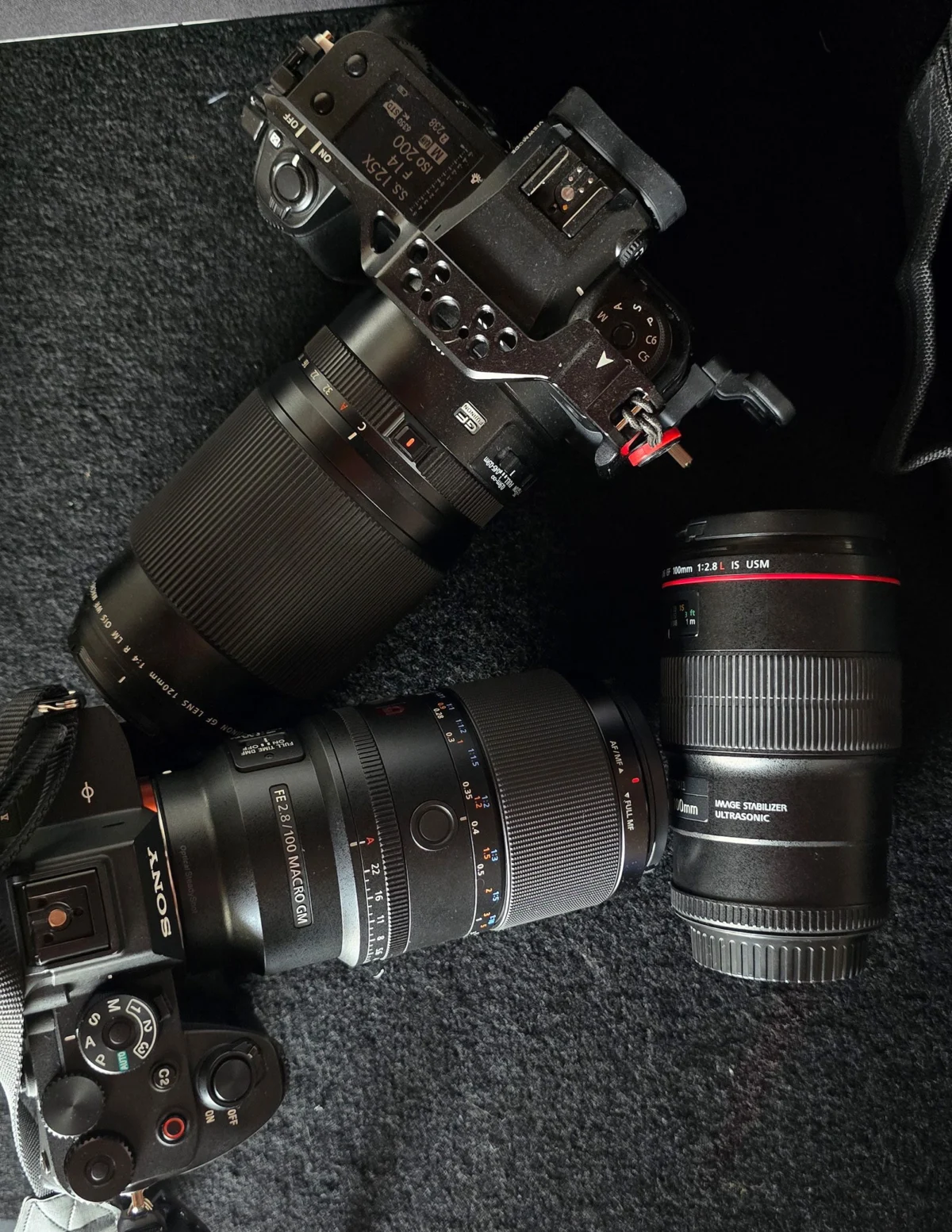
The photographic community is abuzz with the recent unveiling of the Sony FE 100mm f/2.8 Macro GM lens, a development poised to significantly impact the specialized field of macro photography. An experienced macro lens user, who has personally owned and regularly utilized over a dozen macro lenses across various systems for more than a decade, including the Fujifilm GFX100S medium format camera, was among the first to receive pre-release access to this highly anticipated optic. The engagement began with Sony’s PR team extending an invitation to sign a Non-Disclosure Agreement (NDA) concerning an unannounced lens. Given the reviewer’s known expertise and dedication to close-up photography—to the extent that a macro lens is their sole personal lens for their high-resolution GFX100S—it was swiftly surmised that the new product would be a macro lens. Upon formal agreement, the identity of the new lens was revealed: the Sony FE 100mm f/2.8 Macro GM.
The Unveiling and Initial Impressions
The introduction of another 100mm f/2.8 macro lens might, at first glance, appear incremental to the general photography enthusiast. The market has seen a consistent stream of such lenses over the past decade, typically adhering to a focal length around 100mm, featuring f/2.8 apertures, and often incorporating some form of image stabilization. However, Sony’s latest G Master offering, the FE 100mm f/2.8 Macro GM, distinguishes itself with a suite of advanced features and performance enhancements that position it as a formidable contender, if not a new benchmark, in its category. This article will delve into the intricacies that set this lens apart, beginning with a foundational understanding of macro photography and the inherent qualities of macro lenses.
Understanding Macro Photography: Beyond the Close-Up
Macro photography, by definition, involves capturing extreme close-up images of small subjects, revealing details imperceptible to the naked eye. The defining characteristic of a true macro lens is its ability to achieve a magnification ratio of at least 1:1 (or 1.0x), meaning the subject is projected onto the camera sensor at life-size or greater. This capability is crucial for rendering intricate textures, delicate structures, and the vibrant minutiae of subjects like insects, flora, and product details.
Beyond their primary function, macro lenses are celebrated within the photographic industry for several key attributes. Historically, they are among the sharpest lenses produced by any manufacturer. This exceptional resolving power stems from their complex optical designs, optimized for close-focusing distances where aberrations must be meticulously corrected. Furthermore, macro lenses are often lauded for their autofocus accuracy, a critical factor when dealing with the extremely shallow depth of field inherent in macro work. While this precision sometimes comes at the expense of outright speed compared to, for instance, a sports telephoto lens, the emphasis remains on pinpoint focus. The practical benefits extend beyond specialized macro shooting; these lenses often feature remarkably short minimum focusing distances and, due to their optical excellence, perform exceptionally well as general-purpose prime lenses for portraits, still life, and even landscapes, offering superior sharpness and detail rendition across various applications.
Sony FE 100mm f/2.8 Macro GM: A Deep Dive into Innovation
The Sony FE 100mm f/2.8 Macro GM, while sharing superficial similarities with its counterparts, incorporates several significant advancements that elevate its performance. One of its most striking features is its impressive 1.4x magnification ratio, surpassing the standard 1:1 offered by many competing 100mm macro lenses. This increased magnification allows photographers to capture even finer details and larger-than-life representations of their subjects without additional accessories.
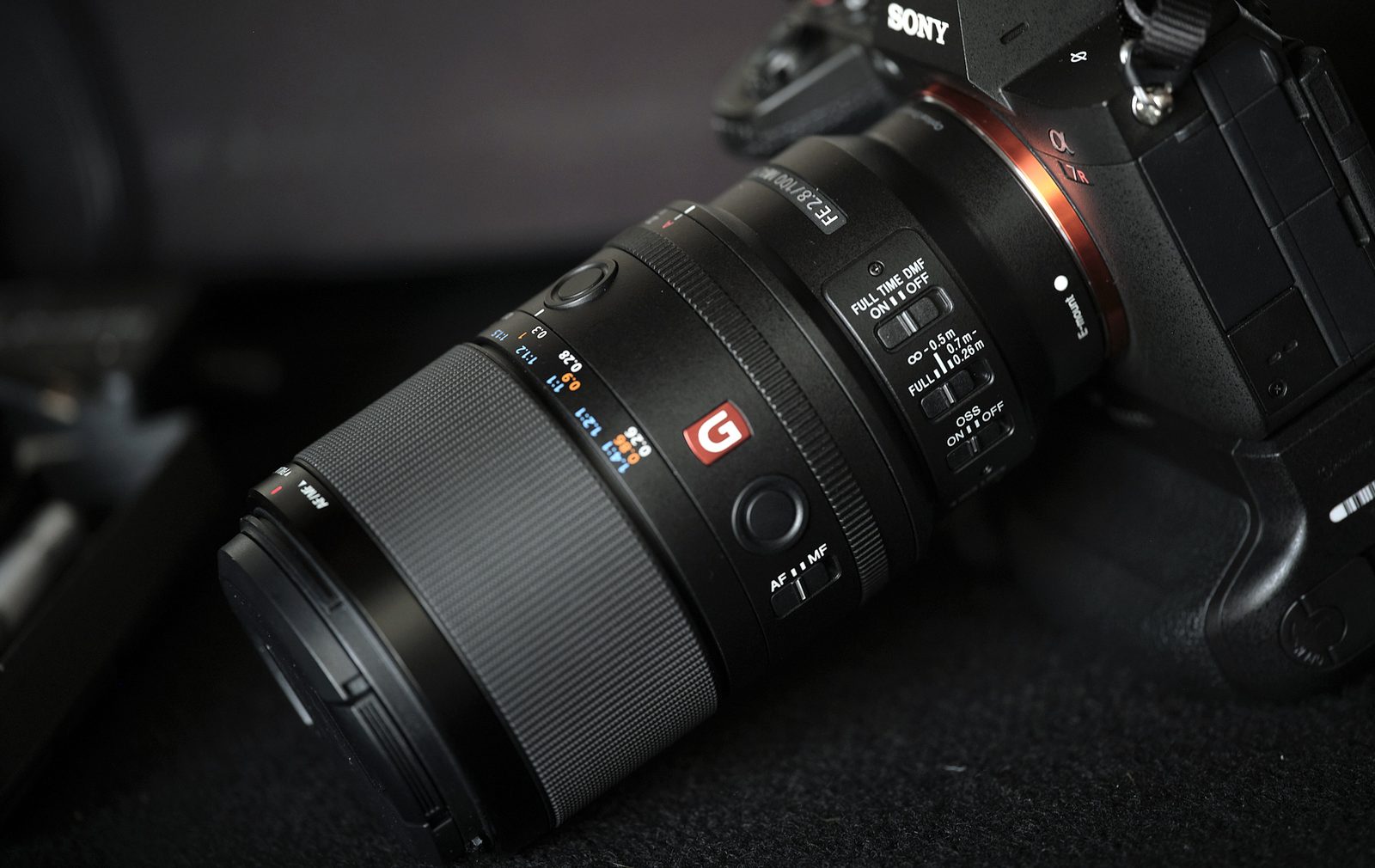
The optical design of the lens is a testament to Sony’s G Master philosophy, featuring 17 elements arranged in 13 groups. This sophisticated configuration is engineered to deliver best-in-class optical resolution, ensuring sharpness and clarity from the center to the edges of the frame. The inclusion of Sony’s advanced Nano AR coating further enhances image quality by effectively suppressing internal reflections, ghosting, and flare, even in challenging lighting conditions. This contributes to images with superior contrast and color fidelity.
A notable technical triumph in the Sony FE 100mm f/2.8 Macro GM is its autofocus system. Macro lenses have traditionally been associated with slower autofocus mechanisms, prioritizing accuracy over speed due to the precise nature of close-up focusing. Sony has directly addressed this historical compromise by integrating four XD (Extreme Dynamic) linear motors. This advanced motor system provides an unprecedented level of speed and responsiveness for a macro lens, enabling rapid and precise focusing. This innovation is particularly beneficial for capturing moving subjects in macro photography, such as insects, or for situations where quick adjustments are necessary, thereby expanding the creative possibilities for photographers.
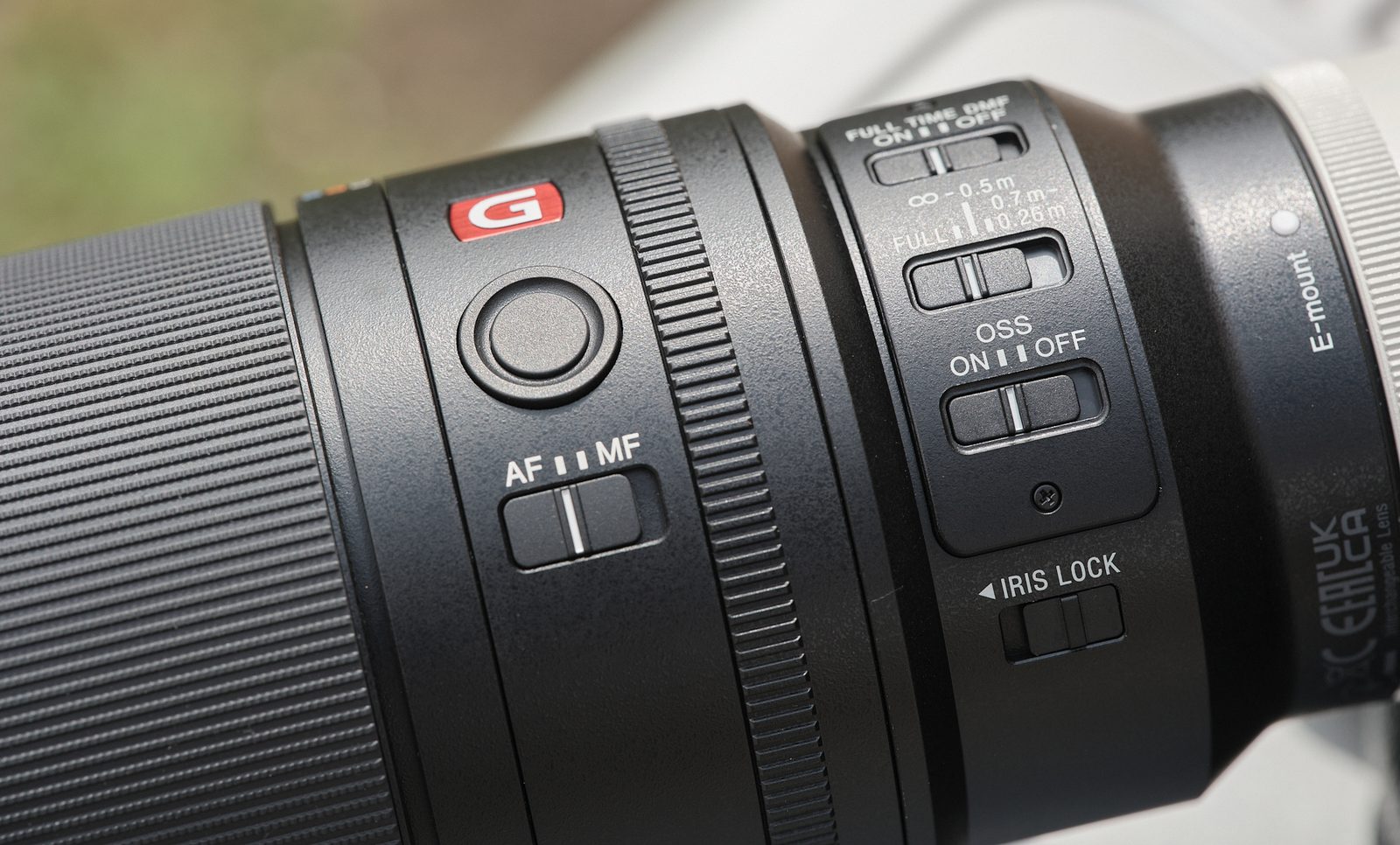
Furthermore, the lens incorporates a robust five-stop image stabilization system, a crucial feature for handheld macro photography where even the slightest camera movement can lead to blur at high magnifications. This stabilization works in conjunction with in-body image stabilization (IBIS) found in many Sony Alpha cameras, offering even greater stability and allowing for sharper images at slower shutter speeds.
Teleconverter Compatibility: Expanding Horizons
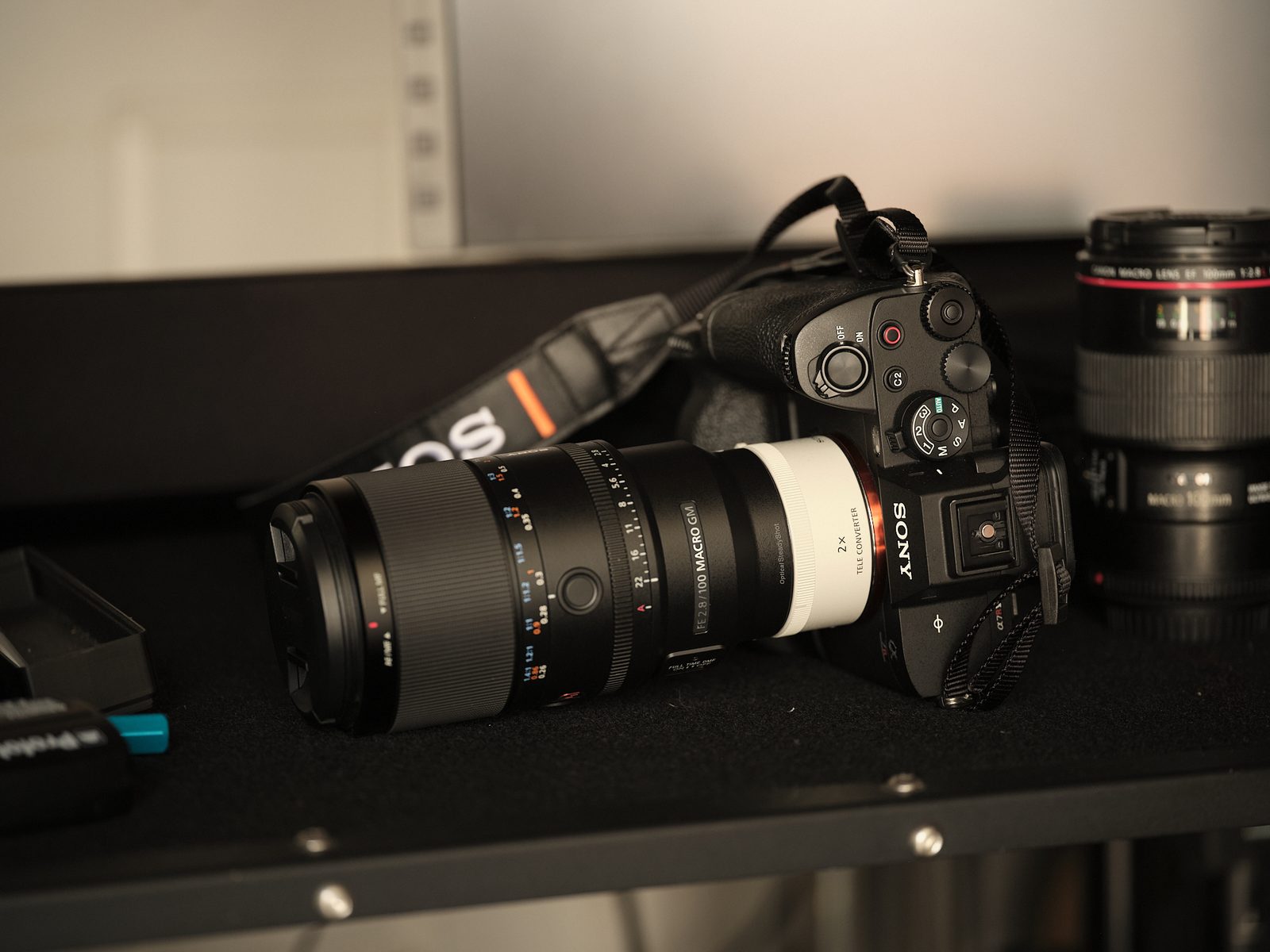
One of the most exciting aspects of the Sony FE 100mm f/2.8 Macro GM, particularly for specialized macro applications, is its compatibility with the Sony FE 2.0x teleconverter. This feature significantly enhances the lens’s versatility, especially for beauty macro photography, where photographers often struggle to achieve sufficient working distance without obstructing their carefully arranged lighting setups.
By attaching the Sony FE 2.0x teleconverter, the effective focal length of the lens is doubled to 200mm, providing a more comfortable working distance from the subject. Crucially, it also doubles the magnification level, increasing it from 1.4x to an extraordinary 2.8x. This level of magnification allows for unprecedented detail capture, enabling extreme close-ups of subjects like human eyes, intricate jewelry, or the delicate structures of tiny organisms, all while maintaining a practical distance. While teleconverters typically introduce some optical compromises, the G Master design of the 100mm macro lens is engineered to minimize these effects, aiming to preserve as much image quality as possible even with the teleconverter attached. The ability to achieve such high magnification without resorting to cumbersome extension tubes or specialized bellows systems represents a significant advantage for professional macro photographers.

Hands-On Evaluation and Performance Benchmarks
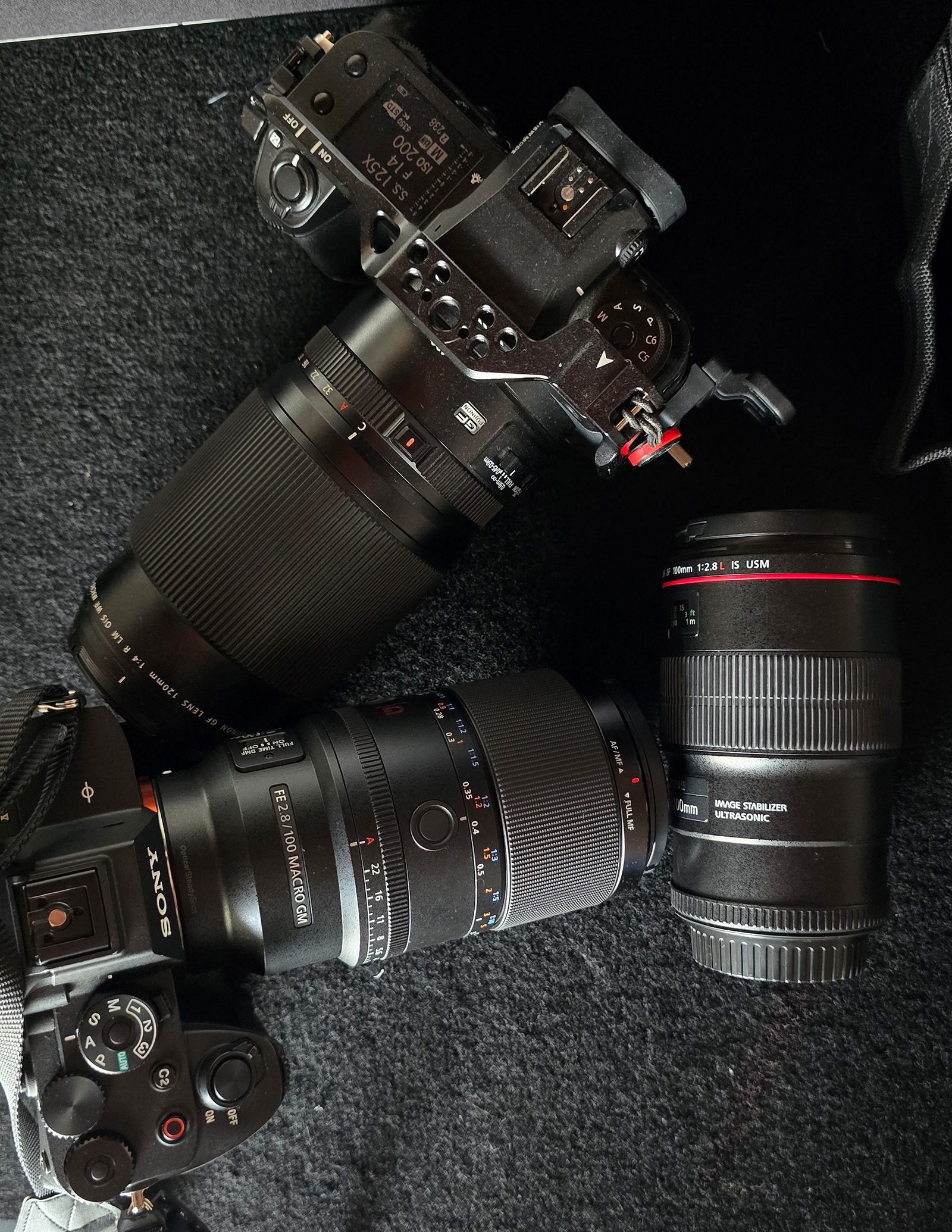
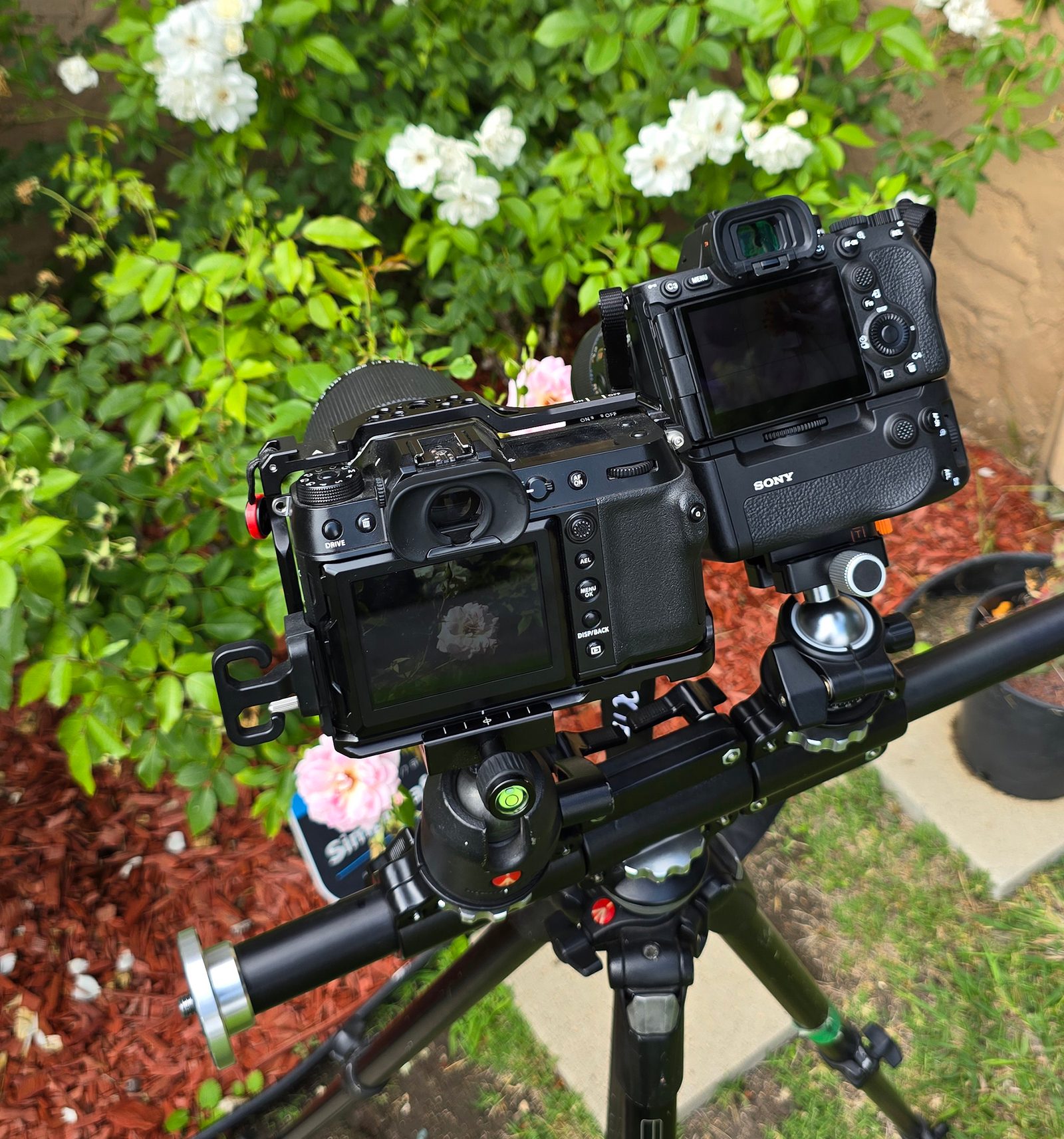
In an exclusive pre-release testing opportunity, the Sony FE 100mm f/2.8 Macro GM was put through its paces in a studio environment. This evaluation aimed to objectively assess its performance against established high-end macro solutions. The reviewer, known for a discerning eye and a pragmatic view on lens capabilities, typically relies on a Fujifilm GFX 100s medium format camera paired with the Fujifilm GF 120mm f/4 Macro lens. This Fujifilm setup is highly regarded for its exceptional close-focusing capabilities and unparalleled sharpness, despite its 0.5x magnification ratio technically falling short of true 1:1 macro.
The results of the comparison were notably compelling. When the Sony FE 100mm GM lens was mounted on a Sony a7R V full-frame camera, it delivered a performance that, surprisingly, eclipsed the medium-format Fujifilm kit in several key areas. The Sony lens demonstrated faster autofocus acquisition and produced images with superior sharpness, all while offering a significantly higher magnification level (1.4x natively, and up to 2.8x with the 2.0x teleconverter) compared to the Fujifilm’s 0.5x. This outcome is particularly remarkable considering the inherent resolution advantage of the 100-megapixel medium format sensor over the full-frame a7R V. The ability of the Sony lens to outperform such a high-caliber system underscores its advanced optical design and the efficiency of its XD linear motors.

Competitive Landscape: A Detailed Comparison
To fully appreciate the Sony FE 100mm f/2.8 Macro GM’s position in the market, a detailed comparison with its closest competitors is essential. While the Fujifilm GF 120mm f/4 Macro represents a different camera system (medium format), its premium status and the reviewer’s personal experience make it a crucial benchmark. Other significant contenders include Canon’s offerings, such as the venerable Canon EF 100mm f/2.8L IS Macro and its more modern mirrorless counterpart, the Canon RF 100mm f/2.8L IS Macro.
| Feature | Sony FE 100mm f/2.8 GM | Fujifilm GF 120mm f/4 | Canon EF 100mm f/2.8L IS | Canon RF 100mm f/2.8L IS |
|---|---|---|---|---|
| Lens Design | 17 Elements in 13 Groups | 14 Elements in 9 Groups | 15 Elements in 12 Groups | 17 Elements in 13 Groups |
| Stabilization | Yes, five-stop | Yes, five-stop | Yes, two-stop | Yes, five-stop |
| Magnification Level | 1.4x Magnification | 0.5x Magnification | 1x Magnification | 1.4x Magnification |
| Minimum Focus Distance | 0.26m | 0.45m | 0.30m | 0.26m |
| Size Dimensions | 81.4 x L: 147.6 mm | 89.2 x L: 152.5 mm | 77.7 x L: 123 mm | 81.5 x L: 148 mm |
| Weight | 646 g | 980 g | 625 g | 730 g |
| Price (Estimated) | $1399 – $1,699 (TBD) | $3,099 | $1,399 | $1,199 |
The comparison highlights Sony’s strategic positioning. While the Fujifilm GF 120mm f/4 operates on a medium format system with nearly double the resolution of a Sony a7RV, its magnification level is significantly lower, and its minimum focusing distance is longer. To create a more equitable comparison in terms of magnification, the Sony system with the 2x teleconverter effectively becomes a 200mm lens with a 2.8x magnification. This allows for a direct assessment of sharpness at extreme close-ups, where the Sony system, even with a teleconverter, demonstrates a remarkable ability to resolve fine detail.

Against its full-frame mirrorless rival, the Canon RF 100mm f/2.8L IS Macro, the Sony FE 100mm f/2.8 GM stands out with comparable magnification (both at 1.4x) and minimum focus distance. However, Sony’s integration of four XD linear motors for autofocus speed could be a significant differentiator in practical use, particularly for photographers capturing dynamic subjects. The G Master designation also suggests a commitment to superior optical performance and build quality. In terms of price, Sony is positioning its new lens competitively within the premium macro segment.
Implications for the Photography Market
The introduction of the Sony FE 100mm f/2.8 Macro GM carries significant implications for the broader photography market. For Sony, it reinforces its commitment to developing class-leading optics for its E-mount system, particularly in specialized fields. The G Master line is synonymous with uncompromising image quality and advanced features, and this new macro lens appears to uphold that reputation, potentially setting new standards for sharpness, autofocus speed, and magnification in a production macro lens.

For professional photographers, especially those in beauty, product, scientific, and nature photography, this lens offers a powerful tool. The enhanced magnification, combined with a fast and accurate autofocus system, promises to streamline workflows and open new creative avenues. The ability to work at greater distances with the teleconverter is a practical advantage that can improve lighting control and subject interaction.
For enthusiasts, the lens represents an aspirational yet attainable option, offering professional-grade performance that can elevate their macro work. The robust build quality and advanced stabilization features also make it a versatile prime lens for a wide range of photographic disciplines, extending its value beyond strict macro applications.
Availability and Future Outlook
The Sony FE 100mm f/2.8 Macro GM is now available for pre-order, with an anticipated release date in the coming weeks. Early impressions from limited testing suggest that Sony has indeed managed to engineer one of the sharpest and most technologically advanced macro lenses currently on the market. The blend of a high magnification ratio, rapid autofocus, advanced optical design, and teleconverter compatibility positions it as a compelling choice for photographers seeking uncompromised performance in close-up imaging. The photographic community eagerly awaits comprehensive reviews and widespread user experiences to fully assess its long-term impact and capabilities. This lens marks a significant moment in the evolution of macro optics, potentially influencing future designs across the industry.