The recent conclusion of the 2026 FIFA World Cup, a tournament that spanned three nations and showcased an expanded 48-team format, delivered not only a series of unforgettable matches but also a profound leap forward in sports broadcasting and fan engagement through cutting-edge technological implementation. From dynamic aerial camera systems to referee-mounted perspectives and advanced real-time data analytics, the tournament redefined how audiences worldwide experienced the beautiful game, pushing the boundaries of immersion and analytical depth. This technological revolution, spearheaded by FIFA and its broadcast partners, aimed to provide unparalleled access to every moment of the action, transforming a global sporting event into a cinematic and data-rich spectacle.
The Evolution of Visual Storytelling: Beyond Traditional Broadcast
The 2026 World Cup marked a pivotal moment in the history of sports broadcasting, moving beyond static camera positions and traditional commentary to embrace a multi-faceted approach to visual storytelling. This shift was driven by a desire to bring fans closer to the action, enhance tactical understanding, and capture the raw emotion of the tournament with unprecedented intimacy.
Spidercam: Elevating the Aerial Perspective
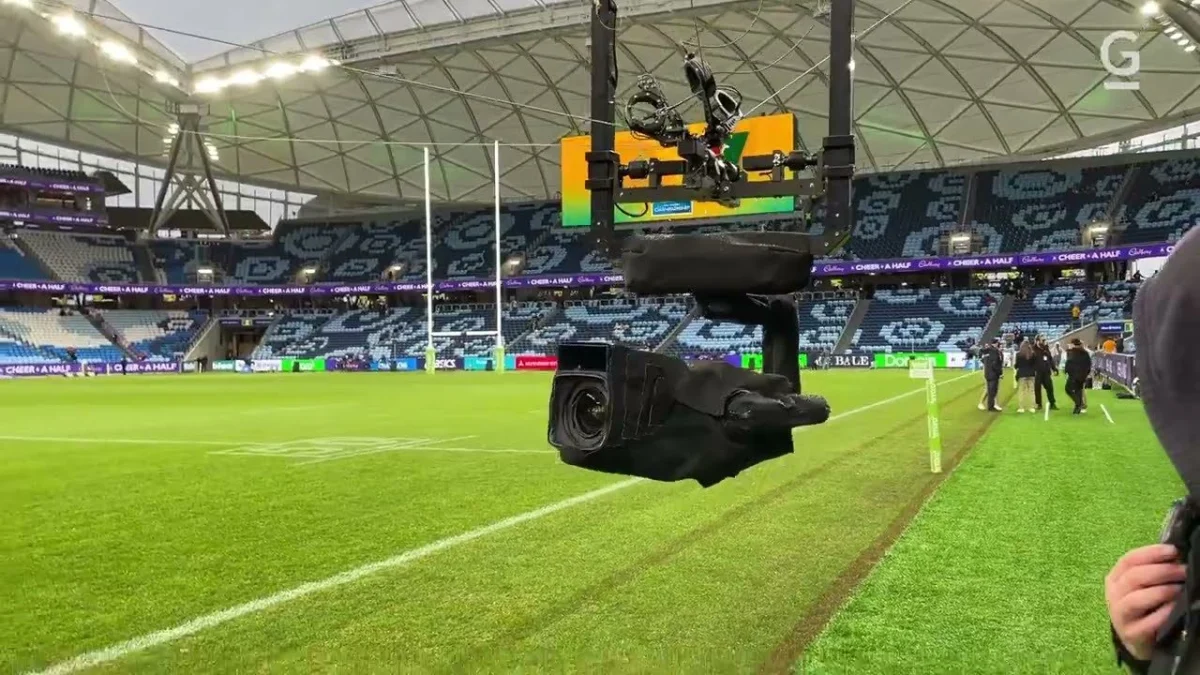
The sight of a camera gracefully gliding above the pitch has become a familiar staple in major sporting events, but the 2026 World Cup saw the Spidercam system deployed with an intensity and versatility never before witnessed. What began as a novelty for pre-match flyovers and goal celebrations has evolved into an integral part of live match coverage. These sophisticated camera rigs, suspended by an intricate web of motorized Kevlar cables, offer a unique three-dimensional perspective of the game.
For the 2026 tournament, Host Broadcast Services (HBS), FIFA’s long-standing broadcast production arm, significantly expanded the application of Spidercam technology. Rather than being restricted to breaks in play, advanced software zoning and real-time trajectory prediction allowed these rigs to be actively integrated into live gameplay. This meant viewers were treated to sweeping, tactical angles of unfolding attacks, tracking ball movement and player positioning from an overhead vantage point that provided a clearer understanding of formations and strategies. Crucially, strict safety protocols and automated altitude controls ensured the camera rig maintained a safe distance above the field, mitigating any risk of player distraction or interference.
A broadcast first for the World Cup in 2026 was the dynamic deployment of Spidercams during penalty shootouts. Positioned strategically behind or slightly above the kicker, these cameras delivered an unparalleled view of the immense psychological tension, the subtle movements of the goalkeeper, and the precise trajectory of the ball. This intimate perspective allowed fans to feel the pressure of the moment, creating a dramatic experience previously unattainable.
To achieve this heightened level of immersion and flexibility, HBS introduced multiple cablecam systems per venue, a strategy successfully piloted at the 2025 Club World Cup Final. Beyond the traditional four-point Spidercam, select marquee stadiums were outfitted with secondary, high-speed point-to-point cable cameras running parallel to the touchline. This innovative dual-system approach enabled simultaneous, multi-angle aerial tracking of fast-break counters and intricate midfield battles, offering directors a richer palette of visual options. These next-generation rigs were equipped with ultra-lightweight 4K HDR broadcast cameras, delivering stunning visual fidelity. Furthermore, real-time augmented reality (AR) graphics tracking allowed live statistics, player speeds, and tactical grids to be overlaid seamlessly onto the aerial feed with virtually no latency, blurring the lines between live sports and interactive data visualization. The result was a viewing experience that transcended traditional sports broadcasting, blending the tactical clarity of a video game with the high-stakes drama of a cinematic blockbuster.
RefCam: The Referee’s Perspective
Perhaps the most revolutionary and widely discussed innovation of the 2026 World Cup was the official global deployment of the RefCam. This small, high-definition camera, mounted discreetly onto each referee’s headset, offered viewers an unprecedented, first-person perspective of the match from the official’s literal point of view.
Developed through a collaborative effort between FIFA’s football technology team and its refereeing department, with advanced AI stabilization technology provided by Lenovo, the RefCam delivered footage unlike anything fans had ever witnessed. It plunged viewers directly into the heart of the action, showcasing the blistering speed at which players close space, the chaotic intensity of a crowded penalty box scramble, and the demanding, split-second nature of officiating decisions. This technology had undergone rigorous testing, notably at the 2025 Club World Cup and in the Premier League, where Australian referee Jarred Gillett famously became the first to wear one in a competitive match in 2024. Its successful trials paved the way for its official rollout across all 104 matches of the 2026 tournament, fundamentally redefining how audiences understood the game and the immense challenges faced by referees.

The introduction of RefCam was not without its considerations, primarily regarding privacy, player safety, and the potential for distraction. However, careful design and stringent protocols ensured its seamless integration. The camera’s lightweight and aerodynamic profile minimized any impact on the referee’s movement or comfort, while its unobtrusive placement ensured it did not interfere with player interactions. The footage, typically shown during replays or specific moments of interest rather than continuously live, provided invaluable insight into contentious decisions, enhancing transparency and fostering a deeper appreciation for the referee’s role.
Cinematic Cameras: Bringing Hollywood to the Pitch
Building on a trend initiated at the 2022 World Cup in Qatar, FIFA further integrated high-end cinema cameras into its live broadcasts for the 2026 tournament. These are the same sophisticated cameras used in Hollywood film productions, high-budget commercials, and music videos, renowned for their superior image quality and creative flexibility.
The primary advantage of these cinematic cameras over traditional broadcast cameras lies in their ability to achieve a shallow depth of field. This allows for stunning, artistic shots where a player’s face is rendered with razor-sharp focus against a beautifully blurred background, or dramatic close-ups of a coach’s anxious expressions on the sideline, and the raw emotion of fans in the stands. For the 2026 World Cup, these rigs became a permanent fixture at every match, capturing the intimate moments of pre-game tunnel walks, the visceral reactions of supporters, and the moody, emotive close-ups that elevate the broadcast beyond mere sports coverage into a truly cinematic experience.
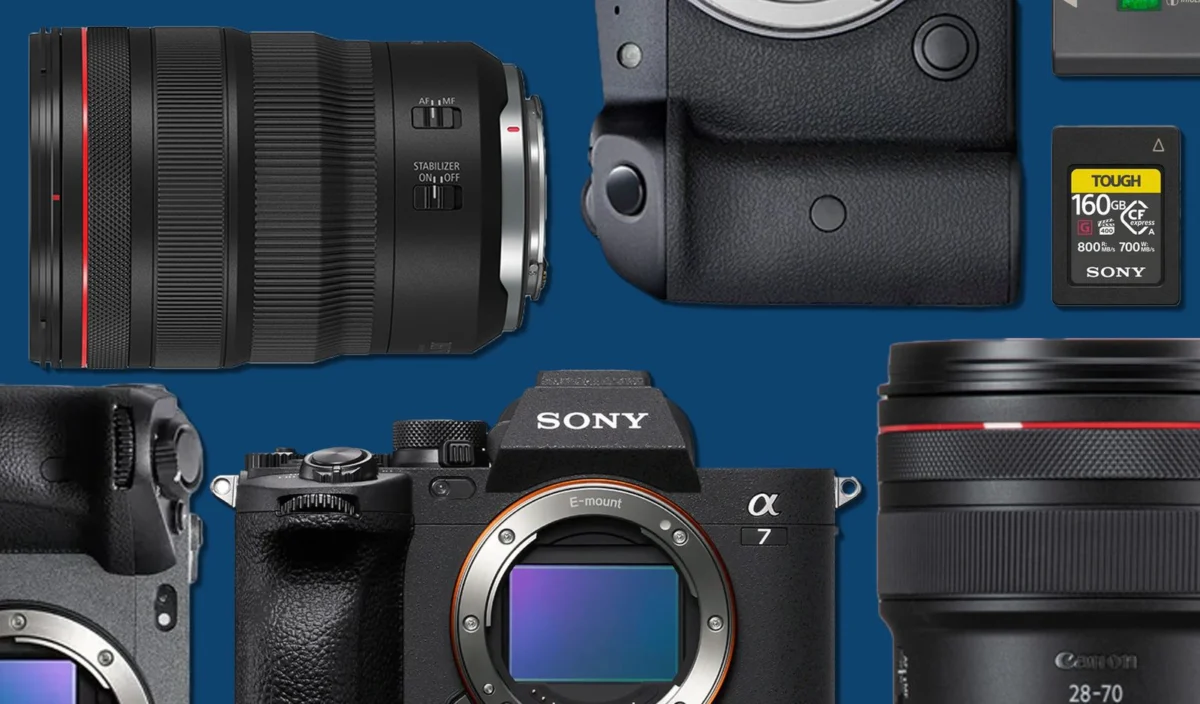
Companies like Lensrentals, a key partner for professional production crews, noted the extensive use of gear typically reserved for blockbuster film sets. Specifically, FIFA and the US Soccer team heavily relied on RED Komodo-X 6K cameras, paired with high-performance lenses such as the Canon RF 24-105mm f/2.8L IS USM Z. These cameras are chosen for their exceptional dynamic range, superior color science, and the ability to capture detail even in challenging lighting conditions, enabling directors to craft a visual narrative that felt both immediate and artistically profound. This integration of cinematic aesthetics fundamentally altered the viewing experience, transforming the entire tournament into a blockbuster event.
Semi-Automated Offside Technology and Smart Balls: Precision and Transparency
Beyond visual enhancements, the 2026 World Cup continued to champion technological advancements aimed at increasing the accuracy and transparency of officiating. The semi-automated offside technology (SAOT), first introduced at the 2022 World Cup, saw significant refinement and played a crucial role in critical decision-making.
SAOT operates by utilizing 12 dedicated tracking cameras strategically mounted underneath the stadium roof. These cameras track 29 data points on each player’s body, 50 times per second, providing highly accurate positional data. Combined with an Inertial Measurement Unit (IMU) sensor placed inside the official match ball, which sends ball data 500 times per second, a sophisticated AI system can instantly determine when an offside offense has occurred. When a potential offside situation arises, the system generates a 3D visualization of the play, complete with limb-tracking data, allowing Video Assistant Referees (VARs) to review the incident with unprecedented speed and precision. This near-immediate playback, offering interactive play deduction and replay options with 3D visualizations, significantly reduced the time taken for offside decisions and minimized controversial calls.
The smart ball, a key component of SAOT, was more than just a tracking device. Its embedded sensors allowed for real-time data collection on various metrics, including kick speed, spin, and precise impact points. This data was not only crucial for offside detection but also fed into live broadcast graphics, providing fans with instant statistics and deeper insights into player performance and game dynamics. For instance, viewers could see the exact speed of a thunderous shot, the spin rate on a curling free-kick, or the precise moment a ball left a player’s foot, enhancing both the understanding and enjoyment of the game.
Behind the Scenes: The Broadcast Nerve Center
Bringing the technological marvels of the 2026 World Cup to billions of screens required an incredibly robust and sophisticated broadcast infrastructure. Host Broadcast Services (HBS), working in conjunction with FIFA and numerous technology partners, managed an operation of immense scale and complexity.
The "rental order" provided a glimpse into the sheer volume and type of equipment necessary to capture, process, and transmit the vast amounts of data and high-definition video. Beyond the RED Komodo-X 6K cameras and Canon RF lenses, the production side heavily utilized systems like the BlackMagic Design HyperDeck Studio 4K Pro. These advanced recorders and playback devices were critical for ingesting, managing, and distributing the myriad video feeds from various cameras, ensuring seamless production workflows. The backbone of this system included extensive cabling, such as Belden 12G-SDI BNC cables, some extending up to 150 feet, essential for connecting cameras to control rooms and broadcast trucks, maintaining signal integrity over long distances, and handling the high bandwidth required for 4K HDR content. Supporting these core systems was an array of complementary gear, from camera cages and robust tripods to an "army" of RED Digital Cinema REDVOLT Micro-V batteries, ensuring continuous power for demanding live operations.
This infrastructure was designed to handle a monumental data flow. Each match generated terabytes of video, audio, and statistical data that needed to be processed, synchronized, and distributed globally with minimal latency. Cloud-based infrastructure played an increasingly vital role, enabling remote production capabilities and efficient asset management, allowing teams located anywhere in the world to collaborate on the broadcast. AI algorithms were also deployed to assist with tasks such as automated highlight generation, content tagging, and even real-time analysis of player movements for tactical insights, further enriching the broadcast content.
Reactions, Implications, and the Future of Sports
The technological advancements at the 2026 World Cup elicited a range of reactions and carry significant implications for the future of sports broadcasting and the sport itself.
For Fans: The overwhelming sentiment was one of heightened immersion and engagement. The cinematic camera angles, the referee’s-eye view, and the data-rich overlays provided a multi-layered viewing experience. Fans gained a deeper appreciation for the tactical nuances of the game and the human element of officiating. The ability to revisit contentious moments with 3D visualizations from SAOT also fostered greater trust in decision-making.
For Officiating: RefCam and SAOT aimed to provide referees with additional tools for review and to enhance transparency. While some purists argued that excessive technology could detract from the "flow" of the game, the consensus among FIFA officials and refereeing bodies was that these tools significantly improved accuracy and reduced the potential for human error in high-stakes situations. This, in turn, could lead to fewer controversies and a fairer game.
For Broadcasters: The 2026 World Cup presented both opportunities and challenges. The new technologies offered unprecedented creative freedom and new storytelling avenues, allowing broadcasters to differentiate their coverage. However, they also demanded substantial investment in infrastructure, skilled personnel, and complex integration, pushing the boundaries of live production.
Broader Impact and Implications:
The 2026 World Cup solidified a trend: technology is no longer an optional add-on but a fundamental component of major sporting events. This paradigm shift has several long-term implications:
- Enhanced Commercial Value: The enriched viewing experience attracts larger audiences, increases sponsorship appeal, and opens new revenue streams through interactive content and data licensing.
- Evolution of Fan Expectation: As these technologies become standard, fans will come to expect similar levels of immersion and data in other sports and future tournaments, driving further innovation.
- Data-Driven Sports Analysis: The sheer volume of real-time data collected from smart balls and player tracking systems will continue to revolutionize coaching, scouting, and sports analytics, offering unparalleled insights into performance.
- The Purity vs. Progress Debate: While largely positive, a debate persists among some traditionalists who feel that technology, particularly in officiating, can compromise the organic nature and human element of the sport. However, the benefits in terms of fairness and entertainment value appear to outweigh these concerns for the majority.
The 2026 FIFA World Cup served as a powerful demonstration of how technology, when thoughtfully applied, can transform a global sporting event into an unprecedented spectacle. From the soaring perspectives of Spidercam to the intimate insights of RefCam, and the precision of semi-automated offside calls, the tournament delivered a viewing experience that was both deeply immersive and analytically rich. As technology continues its relentless march forward, we can anticipate even more sophisticated integrations in future sporting events, promising an ever-evolving and increasingly captivating experience for fans worldwide.