The digital age has democratized photography to an unprecedented degree, leading to an explosion of images. With an estimated 5 billion photographs taken daily, the sheer volume has inevitably prompted discussions and debates within photographic communities about categorization and definition. Nowhere is this more evident than in the ongoing discourse surrounding street photography, a genre that, according to many practitioners and critics, is suffering from an excess of rigid interpretation, leading to a stagnation of creativity and a predictable output. This article explores the arguments that street photography has become overly defined by restrictive rules, hindering its potential and ultimately calling for a renewed focus on photographic quality over adherence to strict genre conventions.
The Paradox of Definition in a Digital Deluge
The proliferation of digital cameras and smartphones has made image-making accessible to billions. This democratization, while a positive development in many respects, has also created a complex landscape where the sheer volume of photographs makes broad categorization challenging. As the lines between casual snapshots and intentional artistic expression blur, photographers and enthusiasts alike find themselves attempting to define distinct genres like street photography, landscape photography, and portraiture. While this endeavor can offer a framework for understanding and appreciation, it also carries inherent risks.
One of the most significant criticisms leveled against the overly prescriptive definition of street photography is its tendency to foster a "recipe" approach to image-making. Photographers, eager to fit their work into a recognized category, may begin to prioritize adherence to perceived rules over genuine artistic exploration. This can result in a deluge of photographs that, while technically competent, lack originality and evoke a sense of déjà vu. The online photographic sphere, particularly platforms like Instagram, often becomes a showcase for this phenomenon.
The Specter of Repetition: Common Tropes in Modern Street Photography
A scroll through popular street photography feeds reveals a recurring set of visual tropes that have become almost cliché. These include the ubiquitous umbrella in a rain-soaked urban setting, the silhouette of a lone figure against a dramatic backdrop, the stylized portrait of an elderly individual in a fedora, or young subjects positioned against vibrant graffiti. These motifs, once perhaps novel or evocative, have been replicated so frequently that they risk becoming visual shorthand rather than compelling photographic statements.
The "decisive moment," a concept popularized by Henri Cartier-Bresson, which emphasizes capturing a fleeting, perfectly composed instant, has also become a target of this repetitive trend. While the pursuit of such moments is a cornerstone of traditional street photography, its repeated imitation, often lacking genuine spontaneity or profound observation, can lead to predictable and uninspired results. This irony is not lost on critics: a genre dedicated to capturing the unexpected has, in some instances, become painfully predictable.
The "Oprah Effect" and the Stifling of Creativity
The author draws a parallel between the current state of street photography and the unintended consequences of the Oprah Book Club. In its early days, the club’s selections, while popular, inadvertently created a formula for authors seeking literary success. This led to a wave of books that, while fitting a certain mold, often lacked the unique voice and artistic risk-taking that characterized truly groundbreaking literature. Similarly, rigid definitions of street photography can encourage a backward approach to the creative process. Instead of allowing photographs to emerge organically and define themselves, photographers may feel compelled to construct images that satisfy an external checklist of genre requirements.
This adherence to pre-defined parameters can stifle creativity entirely. The author expresses a weariness with judging street photography competitions, noting that a significant portion of submissions often feels like it originates from a single, undifferentiated source. This suggests that the emphasis on conforming to established norms is overshadowing individual vision and innovative expression. The drive to be recognized within a genre, rather than to create compelling work, appears to be a significant impediment to artistic growth.
Rethinking the Core: What Truly Constitutes a Street Photograph?
The ongoing debates within the street photography community often revolve around fundamental questions: Does a street photograph necessarily require a human subject? Must it be set in an urban landscape? While these questions are valid inquiries into the nature of the genre, they are perhaps best approached as prompts for contemplation rather than definitive problems requiring absolute answers.
The attempt to rigidly define street photography often leads to complications and exclusions. For instance, if an urban setting is a prerequisite, does this effectively disqualify photographers working in rural or remote areas who capture compelling human interactions and everyday life? The work of photographers like Martin Parr, whose iconic images often capture the essence of seaside resorts, or William Eggleston, whose celebrated tricycle photograph features neither a person nor an obvious urban backdrop, challenges such narrow definitions. Both are widely recognized within street photography circles, demonstrating the inherent flexibility and exceptions that arise when attempting to fence in the genre with strict rules.
A Case Study: Challenging Preconceptions
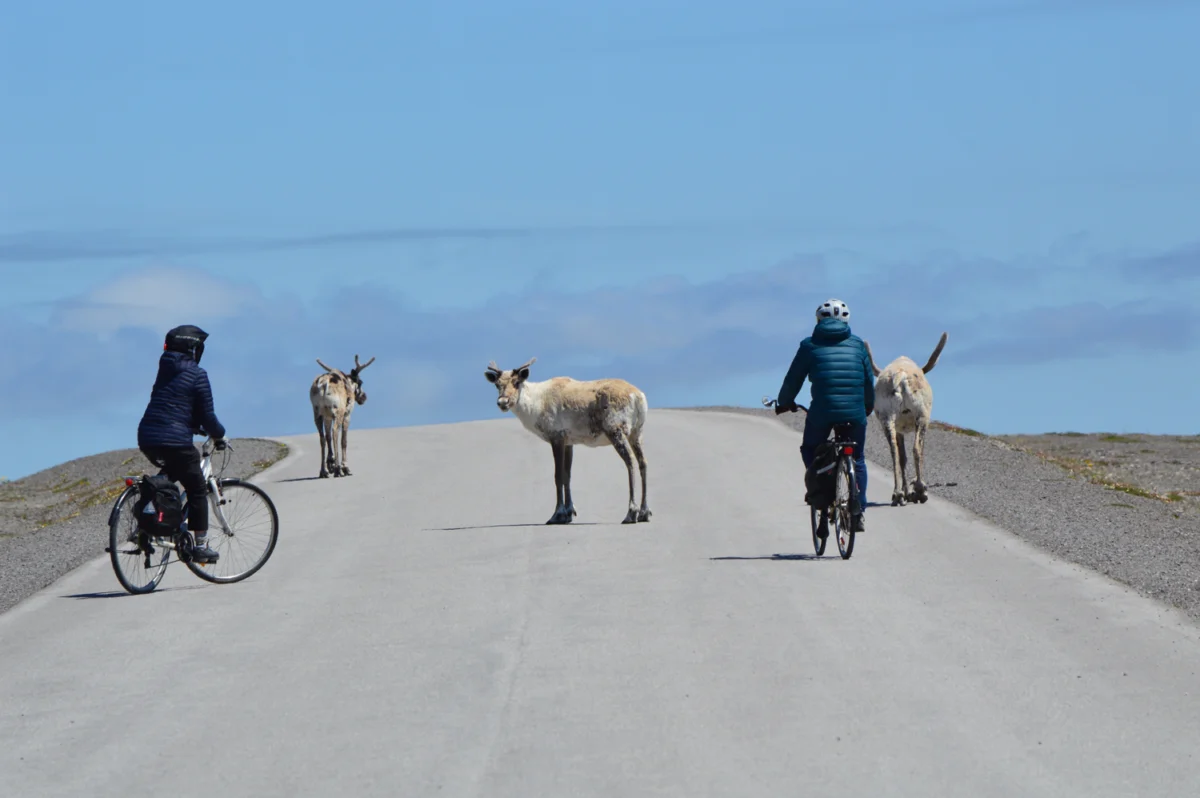
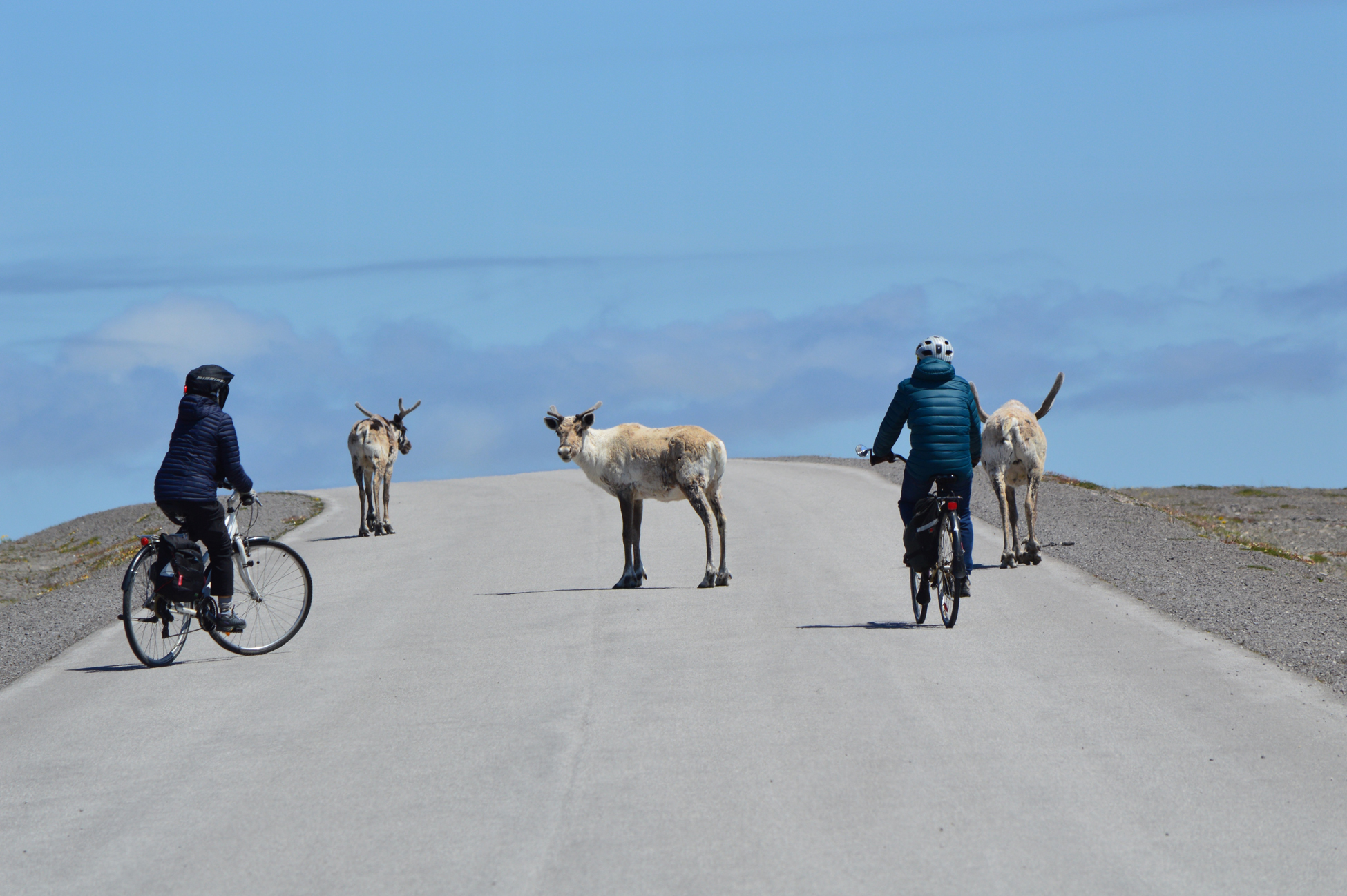
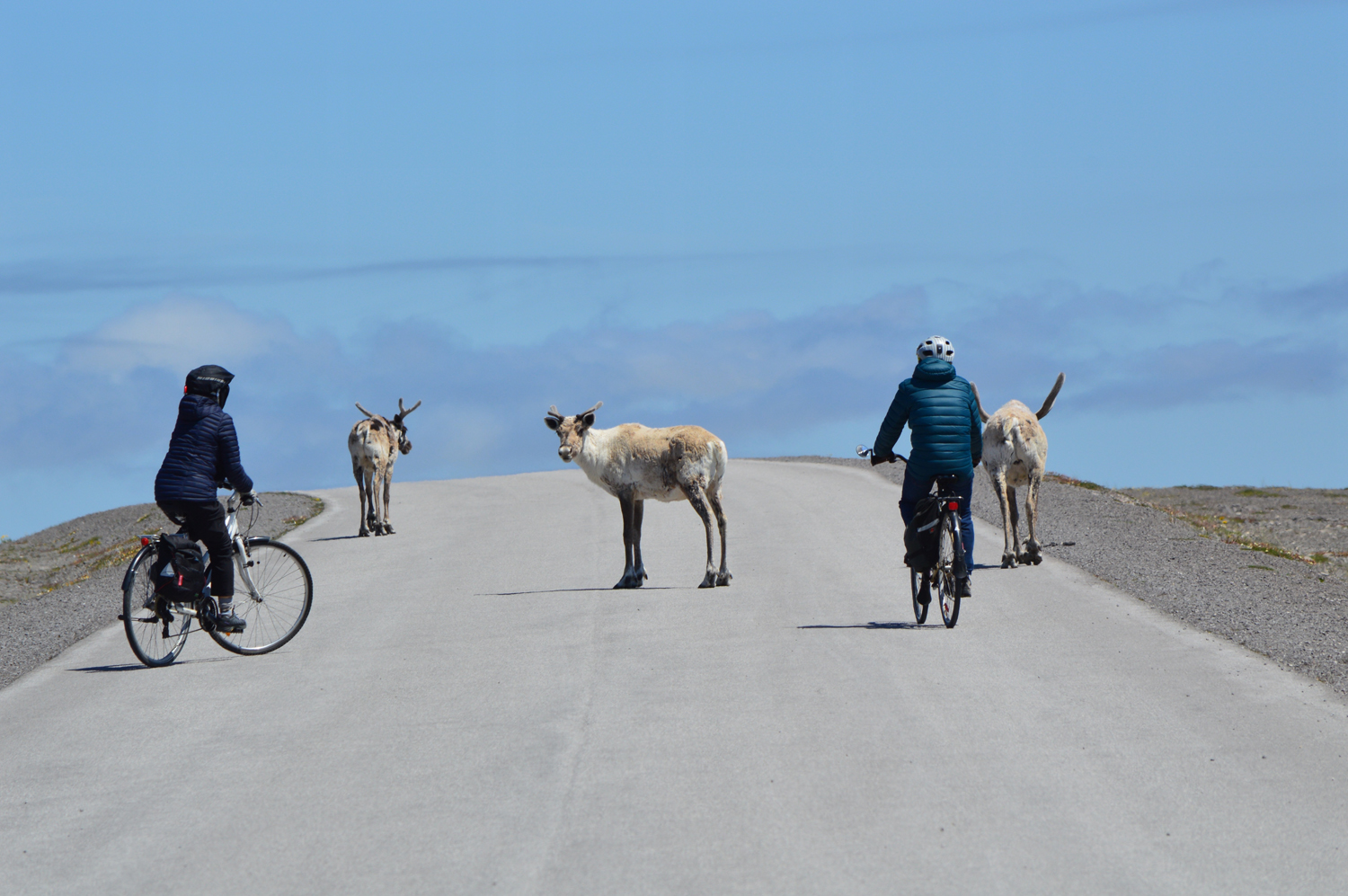
The author presents a photograph taken by his aunt, Susan N. Sweet, a Canadian painter, in Newfoundland. The image, captured during the summer, prompts a critical examination of what constitutes a street photograph. The author invites the reader to consider whether this particular image fits the established criteria, acknowledging that any answer will inevitably be subjective. This photograph serves as a catalyst for the author’s broader reflections on the necessity of genre itself.
The fundamental question then emerges: Does street photography even need to exist as a distinct genre? The author expresses a long-held preference for allowing photographs to communicate on their own terms, without the need for explanatory labels or rigid categorization. This perspective extends to a growing comfort with photographs simply being accepted as photographs, open to individual interpretation and subjective experience.
The Primacy of the Photograph: Great Work Creates Genres
A core tenet of the author’s argument is that "Great photographs create genres. Genres have never created great photographs." This statement emphasizes the organic evolution of artistic movements, suggesting that groundbreaking work often precedes and informs the establishment of categories. While acknowledging that genres will continue to exist across various art forms, including photography, music, cinema, and painting, the author advocates for a broader perspective on what can be accepted as street photography.
The proposal is not to abandon categorization altogether, but rather to widen the lens through which street photography is viewed. The focus should shift from appeasing social media algorithms and adhering to labels that gain traction to concentrating on the content and impact of the images themselves. The author urges photographers to embrace the freedom to create before they feel compelled to categorize.
The Impact of a Compelling Image
Ultimately, the author posits that the true measure of a photograph lies in its ability to engage the viewer. If an image can captivate, challenge, or alter one’s perception, it is, by this definition, a good photograph. For the author, the existence of a good photograph is often sufficient, transcending the need for strict genre adherence.
The moment a definition transforms into a rigid checklist, creativity begins to diminish. Communities that spend an inordinate amount of time debating definitions often dedicate less energy to producing memorable and impactful work. History, the author suggests, seldom celebrates artists who meticulously followed the rules; instead, it remembers those who dared to redefine them. The enduring legacy in the arts is typically forged by those who push boundaries and inspire new ways of seeing, rather than by those who simply replicate existing paradigms. Ultimately, genres tend to follow great artistic achievements, not the other way around.