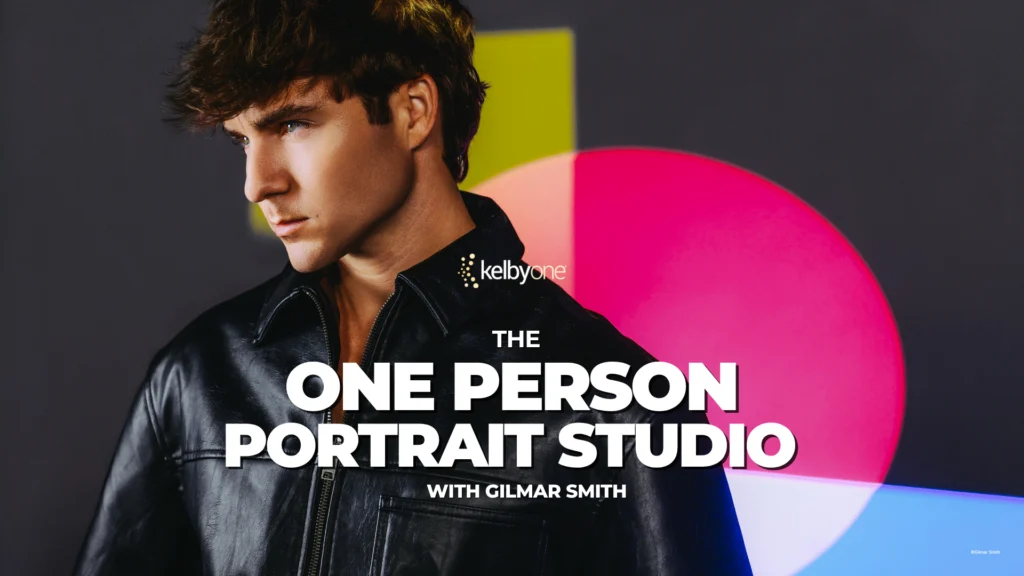
In a significant development for independent creative professionals, renowned photographer and educator Gilmar Smith has launched her latest comprehensive course, "The One-Person Portrait Studio," through the acclaimed online learning platform KelbyOne. This new offering directly addresses a growing demand within the photography community for practical, actionable strategies to execute professional-grade portrait shoots without the traditional reliance on a full crew. Smith’s class meticulously details every facet of the solo workflow, from initial client engagement and meticulous pre-production planning to efficient on-set execution, sophisticated lighting techniques, and streamlined delivery processes, all designed for the individual practitioner.
The Shifting Landscape of Professional Photography
The release of "The One-Person Portrait Studio" comes at a time when the professional photography industry is undergoing a profound transformation. The rise of the gig economy, coupled with advancements in camera technology and portable lighting solutions, has empowered an increasing number of photographers to establish independent practices. According to recent industry analyses, the freelance creative sector has seen consistent growth, with photographers forming a significant portion of this independent workforce. This shift is driven by a desire for greater creative control, reduced overhead costs, and the flexibility to manage personal schedules. However, operating as a sole proprietor often means wearing multiple hats—creative director, technical assistant, lighting designer, client manager, and even grip. This multidisciplinary demand can be daunting, leading many aspiring solo photographers to seek specialized training that bridges the gap between artistic vision and practical, logistical execution.
Data from organizations tracking the creative economy consistently point to an expansion in the number of self-employed artists and creative professionals. For instance, a report by the Freelancers Union in collaboration with Upwork indicated that freelance workers contribute billions to the U.S. economy annually, with creative services being a dominant category. This economic context underscores the immediate relevance and utility of a course specifically tailored to the unique challenges and opportunities faced by the solo photographic entrepreneur.
Gilmar Smith: A Champion for Independent Creatives
Gilmar Smith, a highly respected figure in the photography world, brings a wealth of experience and a distinctive, pragmatic approach to her teaching. Known for her vibrant portraiture and ability to connect with subjects, Smith has built a career by mastering the art of efficient, high-quality production, often without the luxury of a large team. Her expertise is particularly valued for its emphasis on problem-solving and maximizing resources, a philosophy deeply embedded in her new KelbyOne class. Smith has been a prominent instructor on KelbyOne for several years, contributing numerous popular courses covering a range of topics from creative portraiture to workflow optimization. Her instructional style is characterized by clarity, encouragement, and an unwavering focus on practical application, making complex concepts accessible to a broad audience.
Her background includes extensive work in diverse photographic genres, where she has consistently demonstrated the capability to deliver exceptional results under varying conditions, often with limited assistance. This real-world experience forms the bedrock of "The One-Person Portrait Studio," ensuring that the strategies and techniques shared are not merely theoretical but tried-and-tested methods applicable in actual professional scenarios. Smith’s reputation as an innovator in solo photography positions her uniquely to guide others through the intricacies of building and maintaining a successful one-person studio.
Mastering the Solo Workflow: A Deep Dive into the Curriculum
The "One-Person Portrait Studio" course is structured to provide a holistic understanding of managing a professional portrait session autonomously. It is divided into key modules that mirror the typical lifecycle of a photography project, ensuring a logical and comprehensive learning path.
-
Strategic Pre-Production and Client Management: Smith emphasizes that a successful solo shoot begins long before the camera is even uncapped. The course delves into critical pre-production questions designed to set clear expectations with clients. This includes detailed discussions on understanding client needs, usage rights, location scouting considerations, wardrobe advice, and the creation of mood boards. By meticulously outlining these steps, Smith demonstrates how thorough planning minimizes potential issues on set, streamlines communication, and ultimately enhances client satisfaction. For a solo photographer, having a detailed roadmap is paramount, as there is no assistant to fill in gaps or handle unforeseen challenges. The module likely covers client onboarding, contract essentials, and strategies for managing expectations regarding deliverables and turnaround times.
-
Optimizing Gear and On-Set Efficiency: A cornerstone of solo photography is an organized and efficient gear system. Smith meticulously walks students through her packing philosophy, highlighting the importance of portability, versatility, and redundancy. This section covers selecting essential equipment—from camera bodies and lenses to lighting kits and accessories—that are both powerful and manageable for one person. It also addresses practical considerations like battery management, memory card protocols, and efficient transport solutions. The objective is to ensure that a solo photographer can quickly set up, break down, and troubleshoot without external help, thereby maximizing shooting time and minimizing logistical friction. Strategies for quick adjustments and maintaining a fluid workflow are also explored.
-
Advanced Lighting Techniques for Single-Handed Operation: Achieving professional-grade lighting without an assistant is often perceived as a major hurdle for solo photographers. Smith demystifies this process by showcasing various lighting setups that are effective and manageable for one person. This includes mastering natural light, utilizing single-light setups with reflectors and diffusers, and employing remote triggers for off-camera flashes. The course likely covers the strategic placement of light stands, the use of sandbags for stability, and techniques for shaping light to create specific moods and effects. Emphasis is placed on pre-visualizing lighting scenarios and making quick, informed decisions on location, a critical skill when working alone. Understanding light modifiers that are easy to deploy and adjust also forms a key part of this module.
-
High-Volume Solo Shoots: The Realtor Case Study: A standout feature of the course is Smith’s detailed breakdown of how she successfully photographed 50 realtors in just two days, entirely solo. This real-world case study provides invaluable insights into managing high-volume assignments with limited resources. It covers strategies for rapid client turnover, standardized posing and lighting setups, efficient data management, and maintaining consistent quality across a large number of subjects. This segment is particularly relevant for photographers looking to expand into corporate headshots, event photography, or other scenarios requiring speed and consistency. Smith’s approach likely involves pre-determined shot lists, clear verbal cues for subjects, and a highly optimized workflow to ensure each session flows seamlessly into the next. This also touches upon the business aspect of scheduling and client communication for such large-scale projects.
-
Post-Production and Delivery Streamlining: While not explicitly detailed in the original summary, a comprehensive solo workflow course would inherently touch upon efficient post-production and client delivery. This would likely involve techniques for rapid culling, batch editing in software like Adobe Lightroom or Photoshop, color correction, retouching strategies, and the use of online galleries for client proofing and final image delivery. For a solo photographer, optimizing these backend processes is crucial for maintaining profitability and managing workload effectively.
Broader Implications for the Creative Economy
"The One-Person Portrait Studio" has significant implications for the broader creative economy. By equipping photographers with the skills to operate independently and efficiently, the course contributes to the democratization of professional photography. It lowers the barrier to entry for aspiring photographers, allowing them to establish sustainable businesses with reduced initial investment in crew and equipment. This fosters greater diversity and innovation within the industry, enabling more unique voices and perspectives to emerge.
Furthermore, the emphasis on versatility and self-sufficiency aligns with the evolving demands of the modern market. Clients increasingly seek nimble, adaptable creatives who can deliver high-quality results without extensive logistical overhead. Photographers who master the "one-person studio" model are better positioned to meet these demands, offering competitive services and greater flexibility. The course underscores that success in contemporary photography is not solely about technical prowess but also about business acumen, client relations, and operational efficiency. Industry analysts frequently highlight the need for creative professionals to cultivate a hybrid skill set, blending artistic talent with entrepreneurial capabilities. Smith’s course directly addresses this critical need, preparing photographers not just to take pictures, but to run a lean, effective, and profitable business.
KelbyOne’s Commitment to Practical Education
KelbyOne, a leading online platform for photography, Photoshop, and Lightroom education, continues its mission to provide world-class, practical training with the launch of Smith’s latest course. Known for its extensive library of tutorials taught by industry luminaries, KelbyOne consistently focuses on content that offers immediate, tangible value to its subscribers. The platform’s commitment to delivering actionable insights is evident in the depth and specificity of "The One-Person Portrait Studio," which exemplifies KelbyOne’s educational philosophy of empowering creatives with the skills needed to succeed in a dynamic professional landscape.
A spokesperson for KelbyOne stated, "Gilmar Smith’s ‘The One-Person Portrait Studio’ is a testament to our ongoing commitment to providing cutting-edge education that directly addresses the needs of our global community of photographers. In an era where independence and efficiency are paramount, Gilmar’s expertise offers invaluable guidance, reinforcing our belief that professional excellence is attainable for every dedicated creative." The platform’s broad reach and diverse course offerings, which span various genres and skill levels, ensure that photographers at every stage of their career can find relevant and impactful learning opportunities.
Accessibility and Investment in Professional Development
"The One-Person Portrait Studio" is available for purchase as a standalone class for $39. Alternatively, photographers can subscribe to KelbyOne for $19.99 per month, which grants access to this course along with the platform’s entire expansive library of photography and creative software tutorials. KelbyOne sweetens this offering with a 100% money-back guarantee, allowing aspiring students to try the subscription risk-free. This flexible pricing structure makes high-quality professional development accessible to a wide audience, reflecting an understanding of varying budget constraints within the freelance community. Investing in such specialized training can yield significant returns, enhancing skill sets, improving workflow efficiency, and ultimately boosting earning potential for independent photographers. The comprehensive nature of the course, combined with KelbyOne’s robust educational ecosystem, positions this offering as a vital resource for any photographer aspiring to master the art and business of solo portraiture.