The rapidly evolving fields of photography and videography continually present professionals and enthusiasts with an expanding array of tools designed to enhance creative output and streamline workflows. As the holiday season approaches, the focus often shifts from generic novelty items to genuinely impactful equipment that addresses the practical and artistic demands of visual storytelling. This analysis delves into critical gear categories, examining technological advancements, market significance, and the practical utility of various items, moving beyond mere recommendations to offer a journalistic perspective on the current state of essential equipment for today’s content creators.
The Foundational Pillars: Indispensable Essentials for Modern Production
In an industry driven by technological progress, certain fundamental accessories remain cornerstones of any photographer’s or videographer’s kit. These items, often overlooked in the pursuit of high-profile camera bodies or lenses, form the bedrock of reliable and efficient production. Their significance has only grown with the increasing sophistication of modern equipment.
Powering the Vision: The Critical Role of Batteries
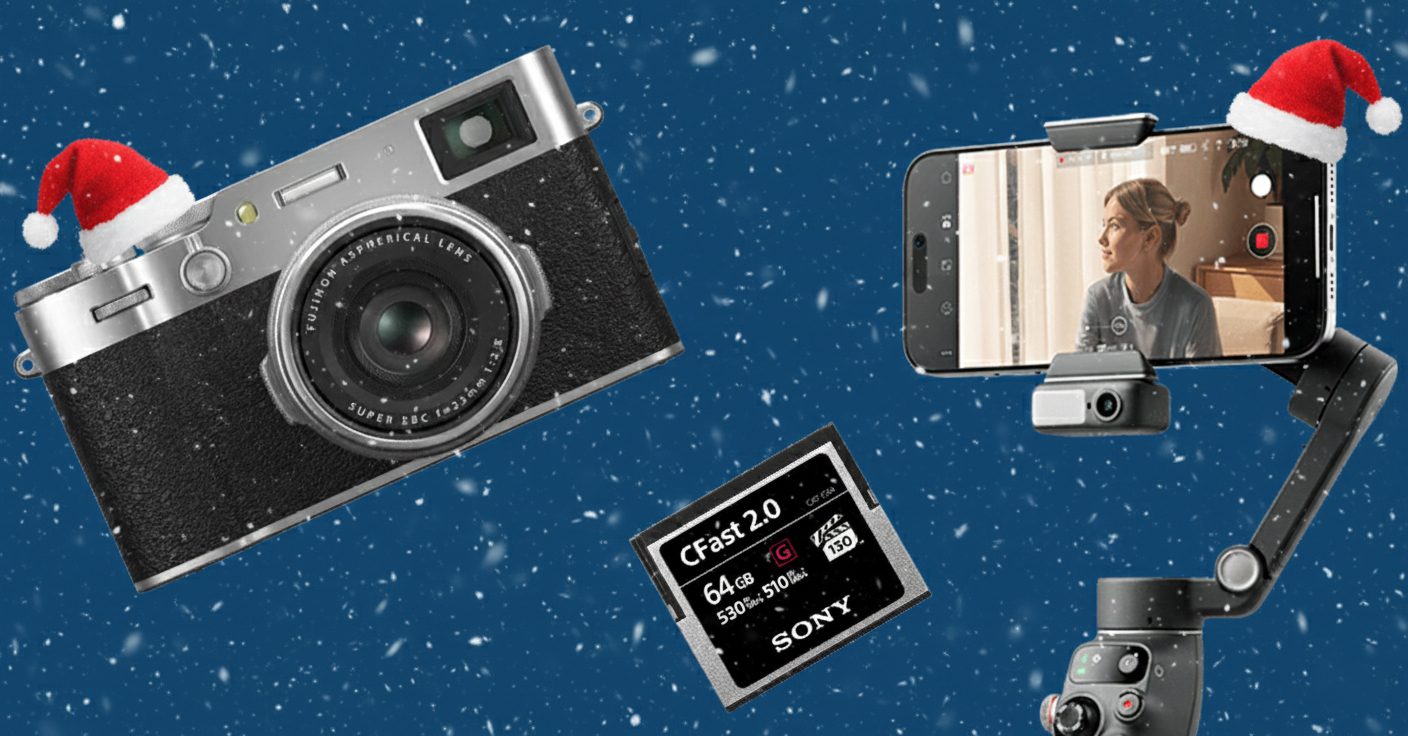
The transition to mirrorless camera systems, which now dominate the professional and prosumer markets, has profoundly impacted power consumption dynamics. Unlike their DSLR predecessors, mirrorless cameras employ always-on electronic viewfinders and rear LCD screens, along with advanced in-body image stabilization (IBIS) and high-resolution video capabilities, all of which demand significantly more power. Industry analysts from reputable photography trade publications estimate that professional mirrorless cameras often consume 1.5 to 2 times more power than comparable DSLRs, necessitating a robust supply of spare batteries. This demand extends beyond camera bodies to modern lighting solutions; many photography strobes and continuous LED lights, once tethered to wall outlets or heavy battery packs, are now highly portable and battery-powered, requiring high-capacity lithium-ion cells. For instance, a typical professional shoot involving multiple camera bodies and several battery-powered lights can easily deplete a dozen batteries over a full day, underscoring their irreplaceable value. Photographers and videographers consistently report a perennial shortage of reliable power sources, making high-quality, manufacturer-compatible batteries an exceptionally practical and appreciated gift. The market has responded with increased battery capacities and faster charging technologies, but the fundamental need for sufficient reserves remains paramount for uninterrupted creative flow.
Capturing the Moment: The Imperative of Digital Memory
Parallel to the escalating power demands is the exponential growth in digital data generated by contemporary imaging devices. The widespread adoption of 4K and increasingly 8K video recording, coupled with high-resolution still photography (often exceeding 40-50 megapixels per image), means that storage requirements are continually expanding. A single minute of 4K ProRes RAW video can consume gigabytes of data, while an uncompressed RAW image file from a high-end mirrorless camera can easily exceed 50-100MB. Consequently, high-capacity, high-speed memory cards are no longer a luxury but a fundamental necessity. The market offers a diverse range of formats, including SD cards (UHS-II and SD Express for faster speeds), CFast cards, and the rapidly emerging CFexpress Type A and Type B cards, which offer unparalleled read/write speeds crucial for sustained burst shooting and high-bitrate video. External solid-state drives (SSDs) and traditional hard drives also play a vital role in offloading and archiving vast amounts of footage and imagery post-shoot. A recent survey among professional videographers indicated that inadequate storage capacity or slow card speeds were among the top five causes of workflow interruptions and missed shots, highlighting the operational risks. Providing additional, reliable digital memory directly translates into greater creative freedom and operational efficiency for visual professionals.
The Art of Adaptation: Essential Mounting and Rigging Solutions
Creative problem-solving is an inherent aspect of on-set production. While improvised solutions involving gaffer tape might occasionally appear on viral social media accounts like @shittyrigs, professional workflows demand robust, reliable rigging. Tools such as the SmallRig Magic Arm and Manfrotto Super Clamp represent foundational elements in achieving versatile mounting options. The Magic Arm, an articulating arm typically featuring 1/4"-20 screws, allows for precise positioning of monitors, microphones, small lights, or wireless transmitters in almost any orientation. Its utility is particularly pronounced in videography, where intricate camera setups often require attaching multiple accessories to a rig. Conversely, the Manfrotto Super Clamp, renowned for its industrial-grade strength and adaptability, can securely attach to poles, tables, or other fixtures, providing a stable anchor point for lighting stands, backdrops, or even additional cameras. While historically, Magic Arms were more prevalent in video production and Super Clamps in still photography for light and backdrop support, modern hybrid workflows have blurred these distinctions. Both tools empower creators to rapidly adapt to diverse shooting environments, ensuring equipment stability and optimizing composition, thereby significantly enhancing on-set efficiency and safety. According to a representative from a leading grip equipment supplier, the demand for modular rigging solutions has seen a 20% year-over-year increase, reflecting a growing need for adaptable tools.
Elevating Creative Expression: Tools for Enhanced Visual Output
Beyond the basic necessities, a second tier of equipment focuses on directly improving the aesthetic and technical quality of the visual output, enabling creators to achieve specific looks and expand their creative repertoire.
Illuminating Possibilities: The Rise of Portable LED Lighting
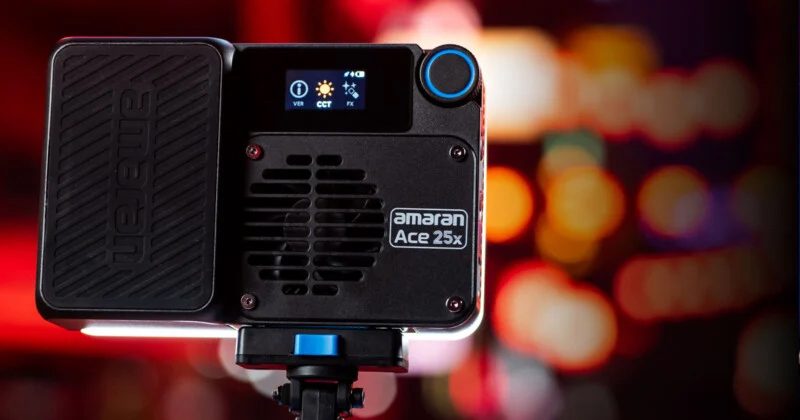
The advent of compact, powerful, and color-accurate LED lighting has democratized professional illumination, making sophisticated lighting setups accessible to a broader range of creators. The Amaran Ace 25c exemplifies this trend. As a 32-watt RGB LED light, it offers full-spectrum color control, allowing for precise color matching, creative accent lighting, or special effects. Its key feature, heavy-duty magnetic mounting, facilitates rapid deployment in unconventional locations, adhering to metal surfaces for quick, versatile placement without additional rigging. This portability and flexibility make it invaluable for everything from product photography and interview lighting to background washes and practical effects. The color accuracy, often measured by metrics like CRI (Color Rendering Index) and TLCI (Television Lighting Consistency Index), is crucial for professional applications, ensuring that colors are rendered faithfully. Amaran, a sub-brand of Aputure, has built a reputation for delivering professional-grade color science in more budget-friendly packages. Such lights are not merely production tools; their versatility extends to practical uses, from a high-CRI vanity light to an emergency work light, demonstrating a breadth of application that transcends its primary photographic purpose. The rapid advancements in LED technology continue to provide more power, better color, and increased portability at increasingly competitive price points, driven by the expansion of the creator economy.
Stabilizing Narratives: The Power of Smartphone Gimbals
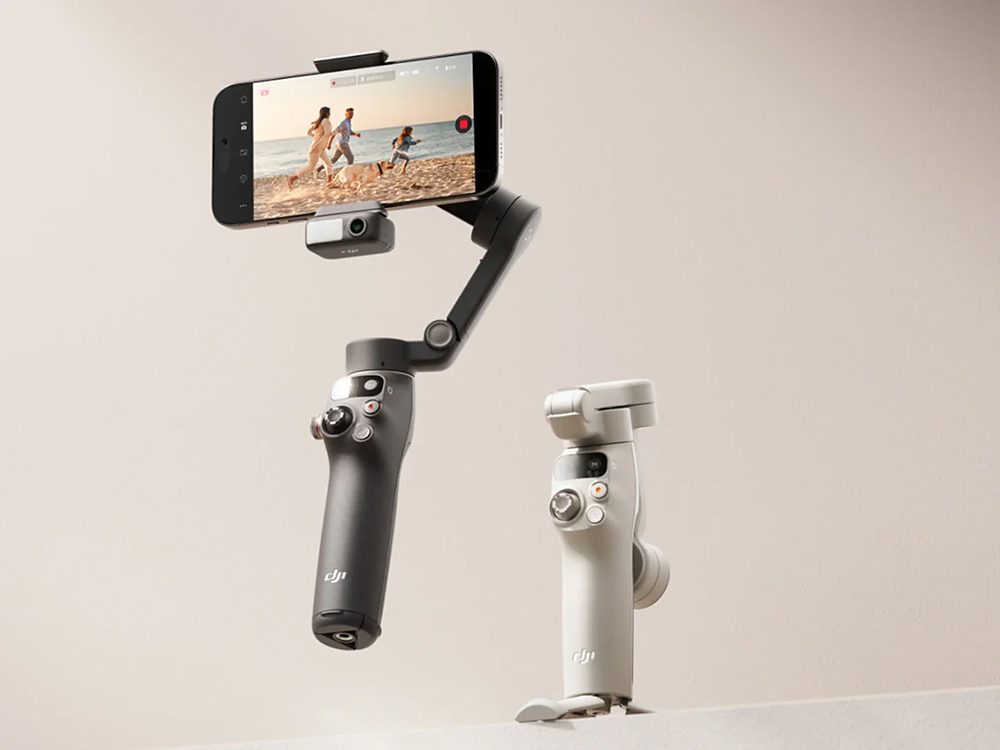
In an era where smartphones have become incredibly capable pocket cameras, the demand for high-quality mobile video content has surged. Platforms like Instagram Reels, TikTok, and YouTube Shorts have propelled mobile videography into a central role for many content creators and businesses. While smartphone cameras boast impressive resolution and computational photography features, their inherent lack of optical stability for dynamic movement often necessitates external assistance. This is where smartphone gimbals like the DJI Mobile 7p or 8 become indispensable. These motorized stabilizers counteract unwanted camera shake across three axes, transforming shaky handheld footage into smooth, cinematic sequences. Beyond stabilization, many gimbals integrate advanced features such as active tracking (following a subject automatically), gesture control, and creative shooting modes (e.g., panorama, timelapse, hyperlapse), leveraging the smartphone’s camera capabilities to their fullest. The integrated tripod often found in these devices further enhances their utility, serving as a stable base for interviews, vlogging, or hands-free video calls. Professional videographers, even those working with high-end cinema cameras, increasingly rely on these gimbals for quick B-roll, social media content, or behind-the-scenes footage, recognizing the unparalleled convenience and quality they offer for mobile capture. Market research indicates a steady growth in the mobile accessory segment, driven by the expanding creator economy and the continuous improvement of smartphone imaging capabilities. A recent report by Statista projects the global smartphone gimbal market to grow at a compound annual growth rate (CAGR) of over 7% through 2028.
Crafting Atmosphere: The Artistic Impact of Creative Lens Filters
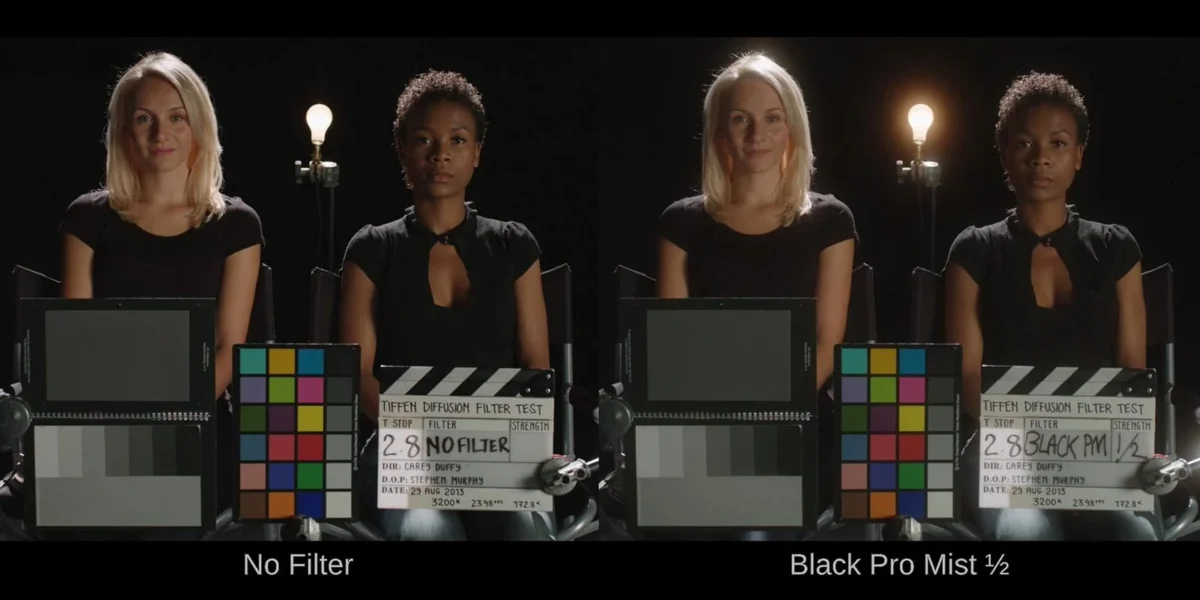
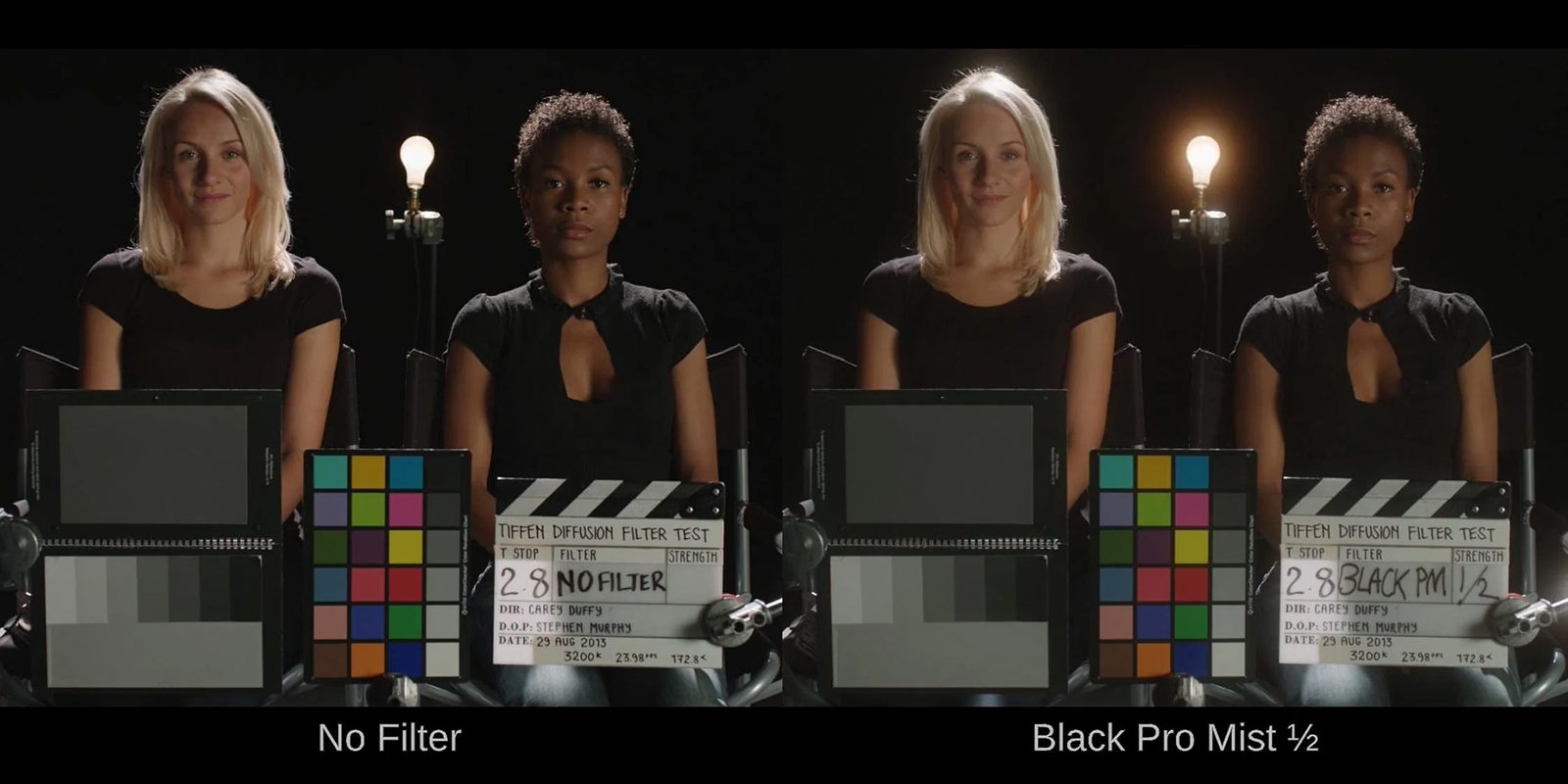
In an increasingly digital post-production landscape, practical lens filters offer a distinct advantage by shaping light at the point of capture, imbuing images and videos with unique aesthetic qualities that are difficult or impossible to replicate digitally. The Pro Black Mist filter is a prime example of this trend. By subtly diffusing light, it softens harsh highlights, reduces overall contrast, and creates a delicate "blooming" effect around light sources, imparting a dreamy, ethereal, or cinematic quality. This effect has seen a resurgence in popularity, particularly in portraiture, narrative filmmaking, and music videos, where a slightly softened, more organic look is desired over clinical sharpness. Its ability to create a "film-like" aesthetic directly in-camera reduces the need for extensive post-processing.
Further pushing the boundaries of in-camera effects are specialized filters from companies like SZ Filters. Moving beyond traditional UV, ND, or polarizers, SZ Filters offers a range of experimental options, from standard star filters that create radiating light patterns around bright points, to more unconventional designs incorporating glitter, prisms, or multi-faceted elements encased in glass. These filters encourage playful experimentation and allow creators to achieve surreal, abstract, or highly stylized visuals directly through the lens. The appeal lies in their tangible, optical nature, which creates unique light interactions that often possess a distinct character compared to purely digital manipulations. The growing interest in practical effects reflects a broader artistic movement among visual creatives to distinguish their work with unique, non-digital signatures. Rental services have reported a significant uptick in inquiries for these specialized filters, allowing creators to experiment before committing to a purchase, underscoring their growing role in creative exploration.
Unlocking Peak Performance: High-End Investments for Discerning Professionals
For those with a more substantial budget, or for professionals seeking to significantly upgrade their capabilities, several high-value items represent pinnacle achievements in their respective categories, offering unparalleled performance and features.
The Powerhouse: Amaran Ray 660c
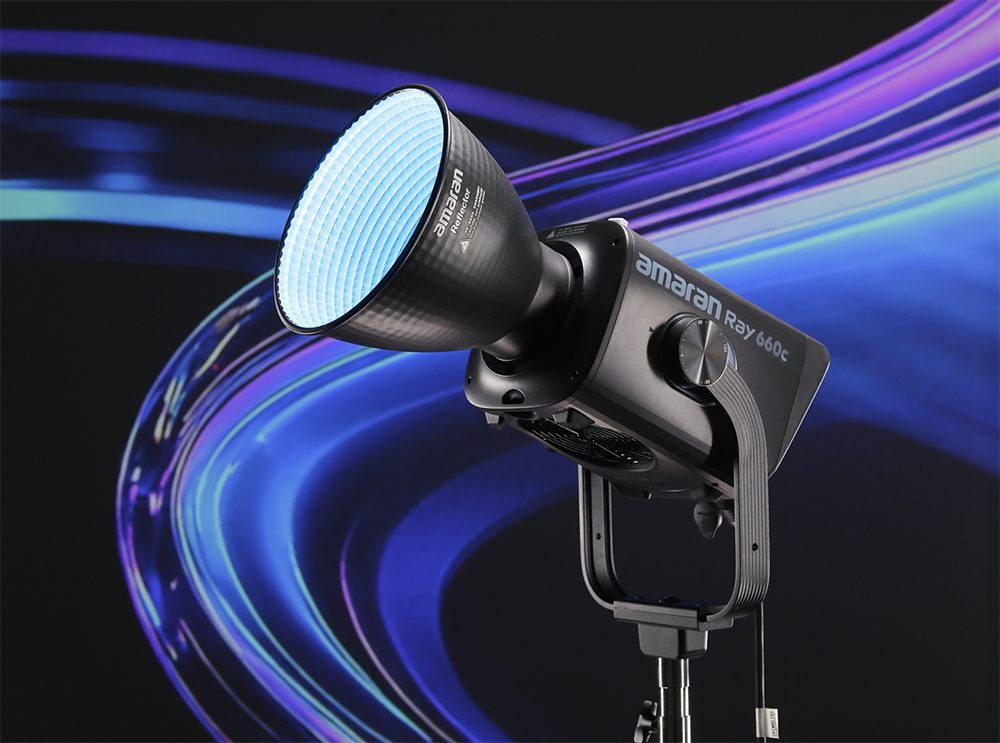
Aputure’s Amaran line has historically served as a more accessible entry point to professional lighting, offering robust performance at competitive prices. However, the recent introduction of the Amaran Ray 660c signifies a blurring of lines between the budget-friendly and high-end segments. This 660-watt COB (Chip-on-Board) LED light delivers immense output, boasting lumens exceeding 45,000, making it suitable for illuminating large sets or overpowering ambient light outdoors. Crucially, it integrates full RGBWW (Red, Green, Blue, Warm White, Cool White) functionality, providing granular control over color temperature and hue, enabling creators to dial in virtually any color imaginable. DMX capabilities ensure seamless integration into professional lighting control systems for complex setups, while a high CRI of 95+ guarantees excellent color fidelity. Priced at a highly competitive $699, the Amaran Ray 660c offers a compelling feature set that was once exclusive to lights costing several times more. This innovation reflects a broader industry trend towards democratizing high-performance tools, making sophisticated lighting more accessible to independent filmmakers, large production houses, and event photographers alike. Its introduction significantly raises the bar for what is considered "budget-friendly" professional lighting, empowering creators to achieve cinematic results without prohibitive financial investment.
The Iconic Companion: Fujifilm X100 VI
Few cameras have generated as much fervent demand and cult following as Fujifilm’s X100 series. The latest iteration, the Fujifilm X100 VI, released in February 2024, continues this legacy, embodying a perfect synergy of retro aesthetics, tactile controls, compact form factor, and cutting-edge imaging technology. Featuring a 40.2-megapixel APS-C X-Trans CMOS 5 HR sensor and the X-Processor 5, it delivers exceptional image quality, dynamic range, and low-light performance. Its fixed 23mm f/2 lens (equivalent to 35mm full-frame) is renowned for its sharpness and character, making it an ideal "walkaround" or "everyday carry" camera for street photography, travel, and casual shooting. The hybrid optical/electronic viewfinder provides a unique shooting experience, blending traditional rangefinder aesthetics with modern digital convenience. The X100 VI also introduces in-body image stabilization (IBIS), a significant upgrade that enhances its versatility in various lighting conditions and for handheld video. Despite its premium price point and persistent scarcity (often being backordered for months due to overwhelming demand), its appeal lies in its ability to inspire a more deliberate and enjoyable photographic process. It’s not merely a tool but a statement, cherished by those who appreciate its blend of heritage and innovation, offering a unique photographic experience that transcends mere technical specifications. Its market impact demonstrates a strong demand for cameras that foster creativity through intuitive design and exceptional image quality, moving beyond the megapixel wars.
The Strategic Advantage: Gift Cards for Gear Exploration
In an industry where high-end cameras, lenses, and specialized equipment can represent significant financial investments, the concept of "try before you buy" is paramount. Professional photographers and videographers are inherently gearheads, constantly researching the latest innovations and dreaming of acquiring new tools. However, the prohibitive cost of many professional items often creates a barrier to experimentation and acquisition. This is where specialized rental services, such as Lensrentals.com, offer a strategic advantage. A gift card from such a platform is not merely a monetary present; it represents access to a vast catalog of professional-grade equipment, enabling recipients to test new camera bodies, lenses, lighting, and accessories in real-world scenarios without the commitment of a full purchase. This service allows creators to evaluate whether a particular piece of gear truly integrates into their workflow, meets their performance expectations, and justifies a future investment. Furthermore, many rental companies also offer used equipment for sale, providing an avenue for purchasing well-maintained gear at a reduced cost after a successful rental experience. Industry trends indicate a growing reliance on rental services for specialized projects, testing new technologies, or simply expanding creative options without the burden of ownership. Therefore, a gift card is an investment in a creative’s professional development and experimental capacity, offering unparalleled flexibility in navigating the ever-changing landscape of photographic and videographic technology.
Conclusion: Navigating the Dynamic Landscape of Visual Production Gear
The landscape of photography and videography gear is characterized by continuous innovation, driven by the demands of an increasingly sophisticated visual culture. From the foundational essentials like reliable power and ample storage to advanced creative tools such as versatile LED lights, stabilizing gimbals, and artistic lens filters, and finally to aspirational professional-grade equipment, each category plays a vital role in empowering visual creatives. The items discussed reflect not just individual product merits but broader market trends: the democratization of high-quality tools, the integration of traditional and mobile workflows, and a renewed appreciation for practical, in-camera effects. For those seeking to support the visual artist in their life, understanding these trends and focusing on genuinely useful, high-impact tools—whether a small, indispensable accessory or a significant investment in a professional system—ensures that the gift truly enriches their craft and contributes to their ongoing creative journey. The industry continues to push boundaries, making informed decisions about gear more crucial than ever for both seasoned professionals and emerging talents.