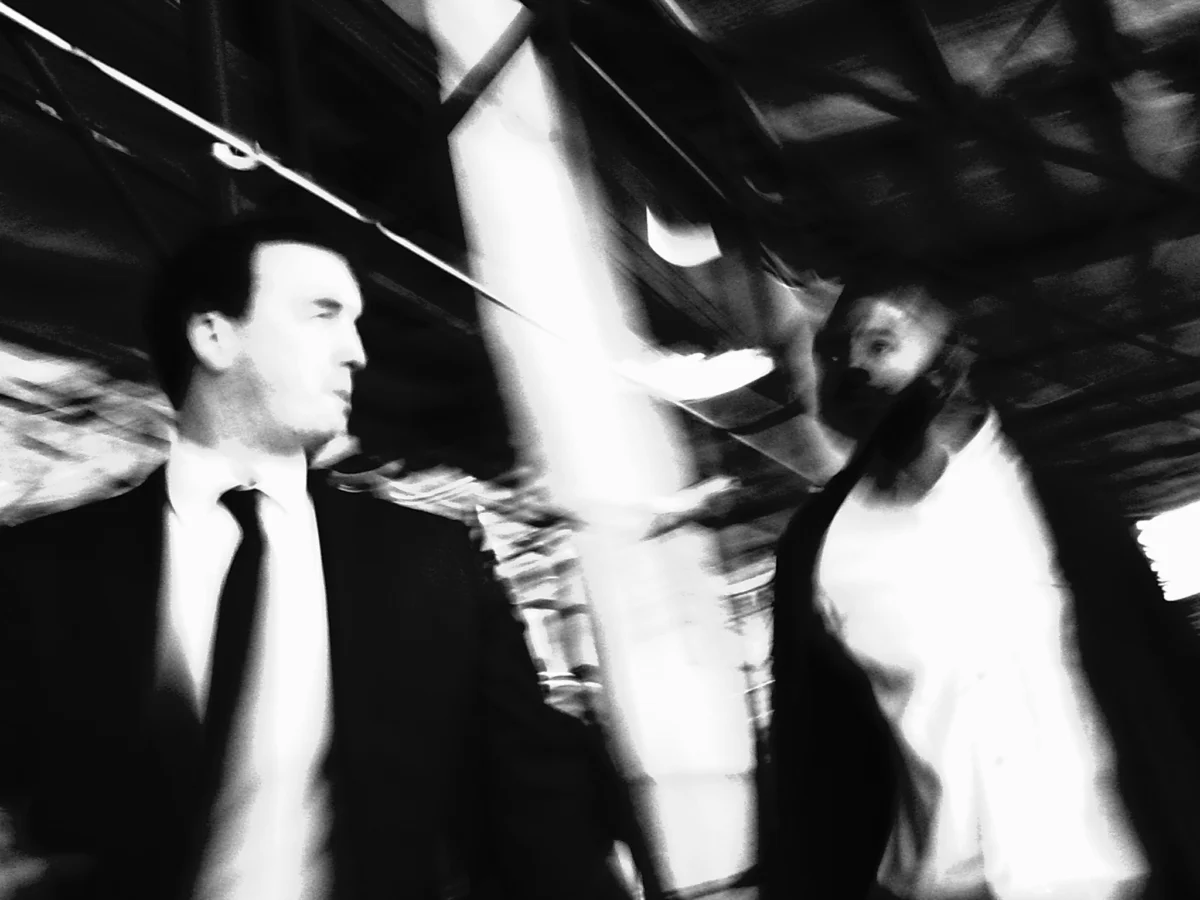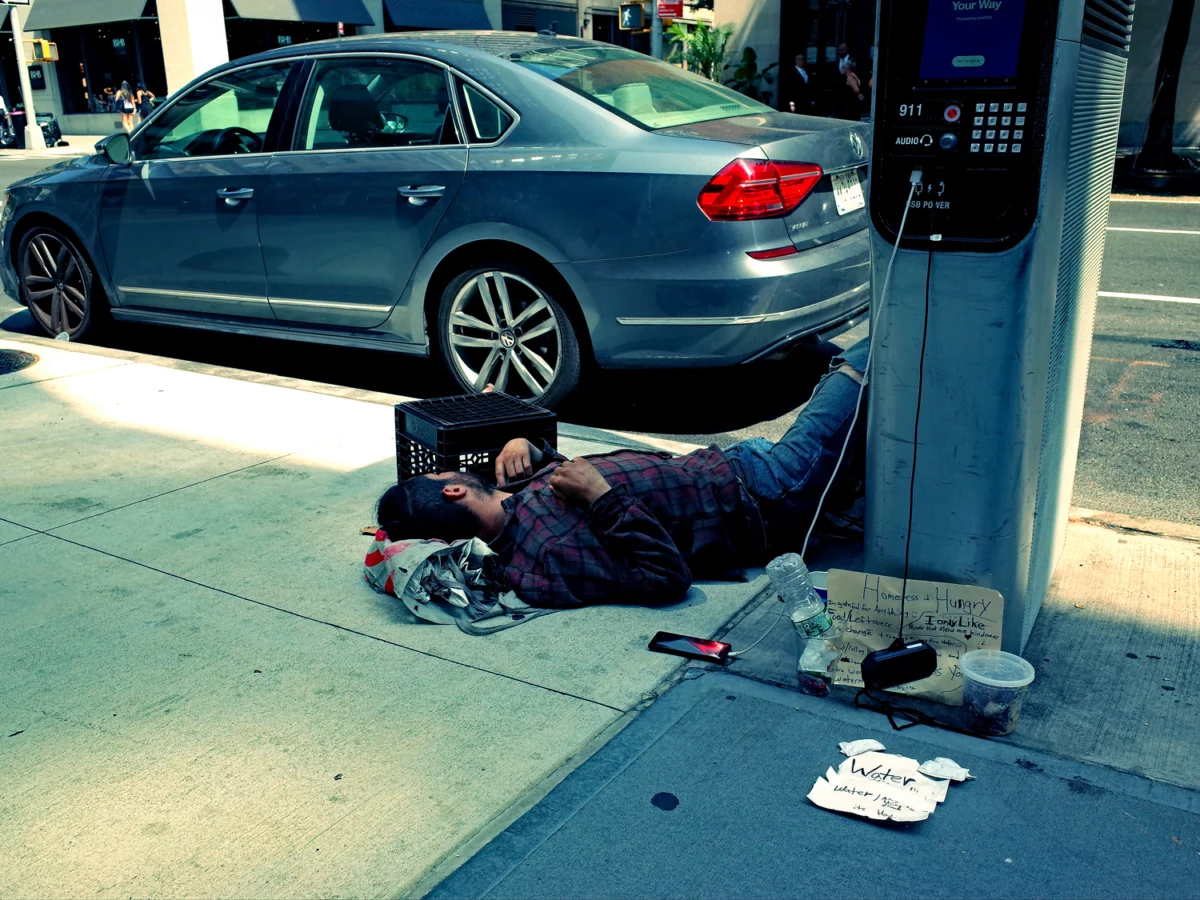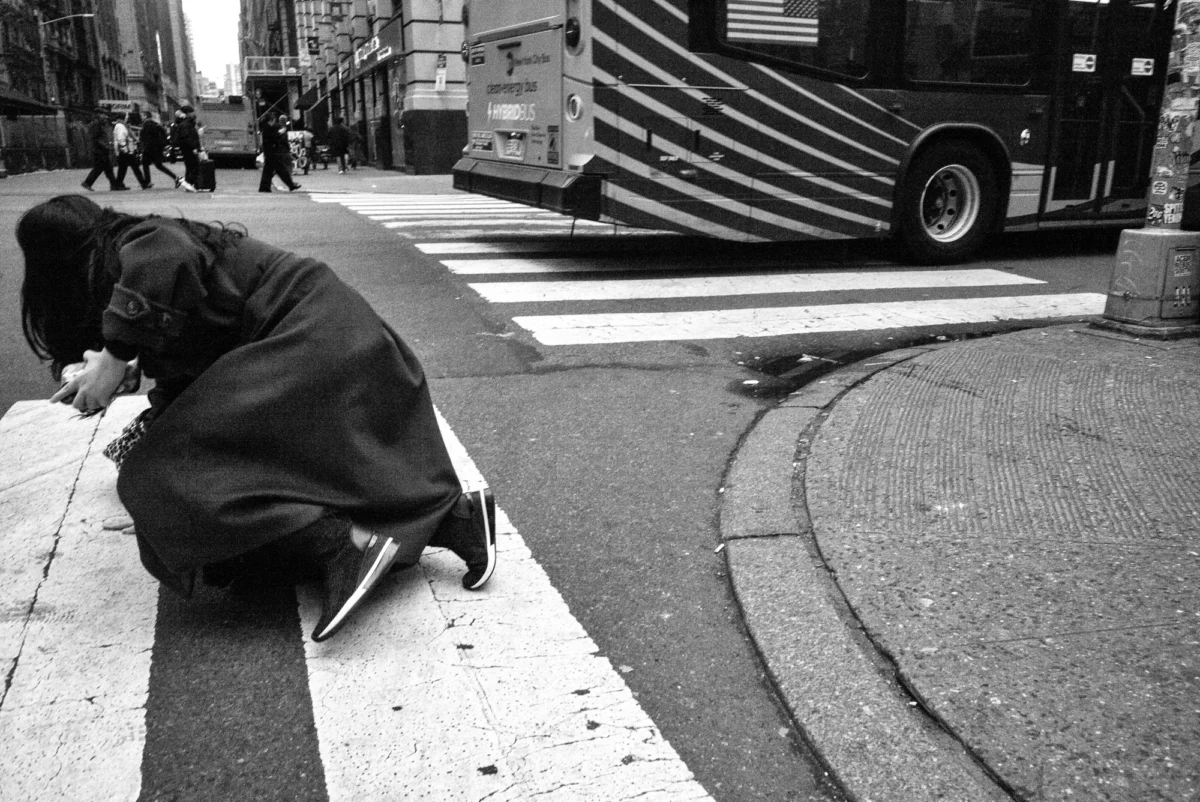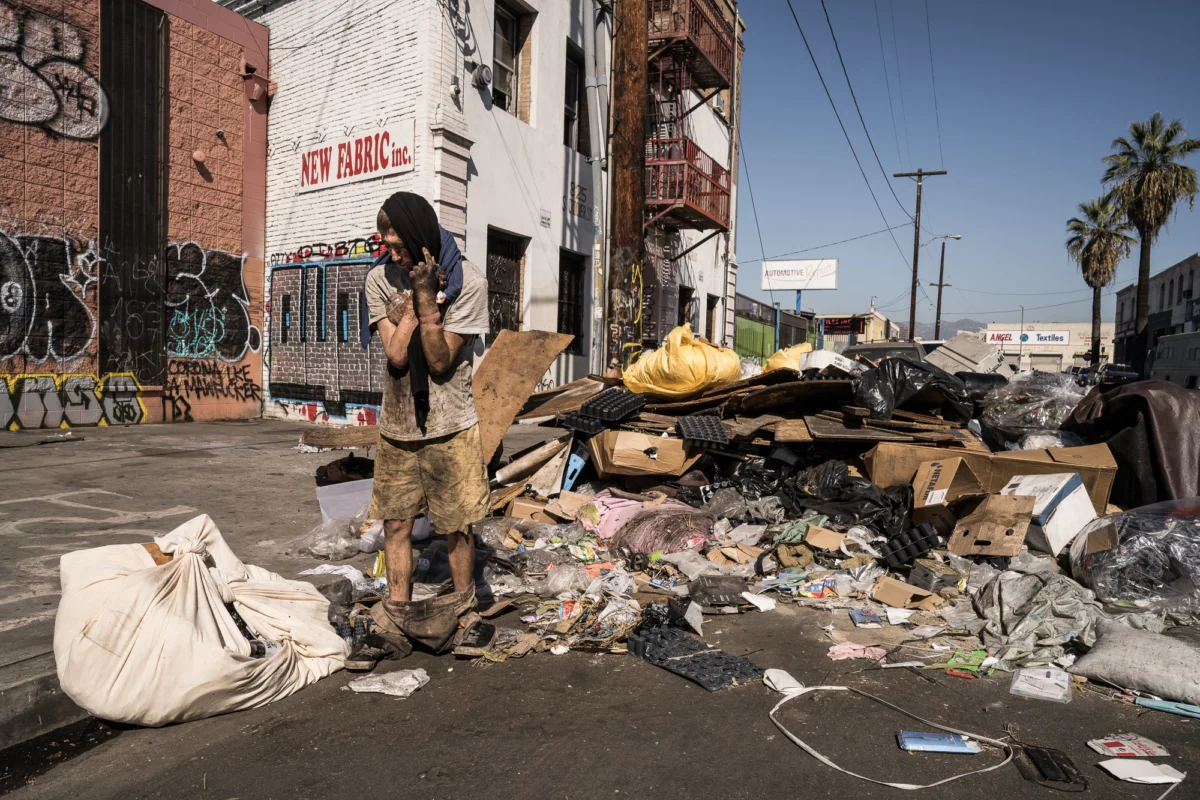
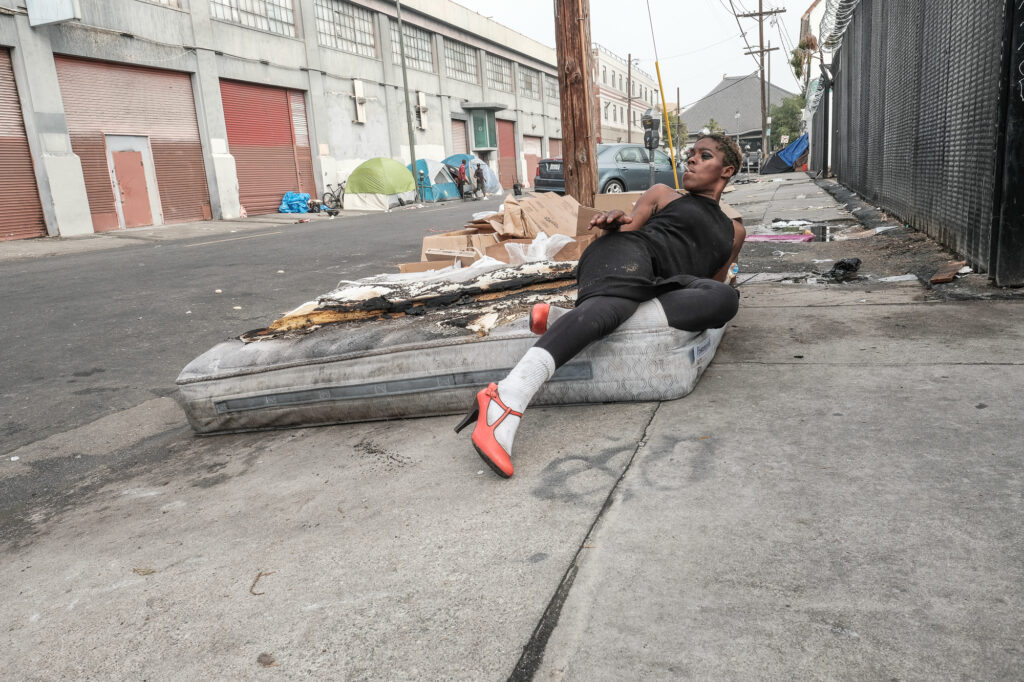
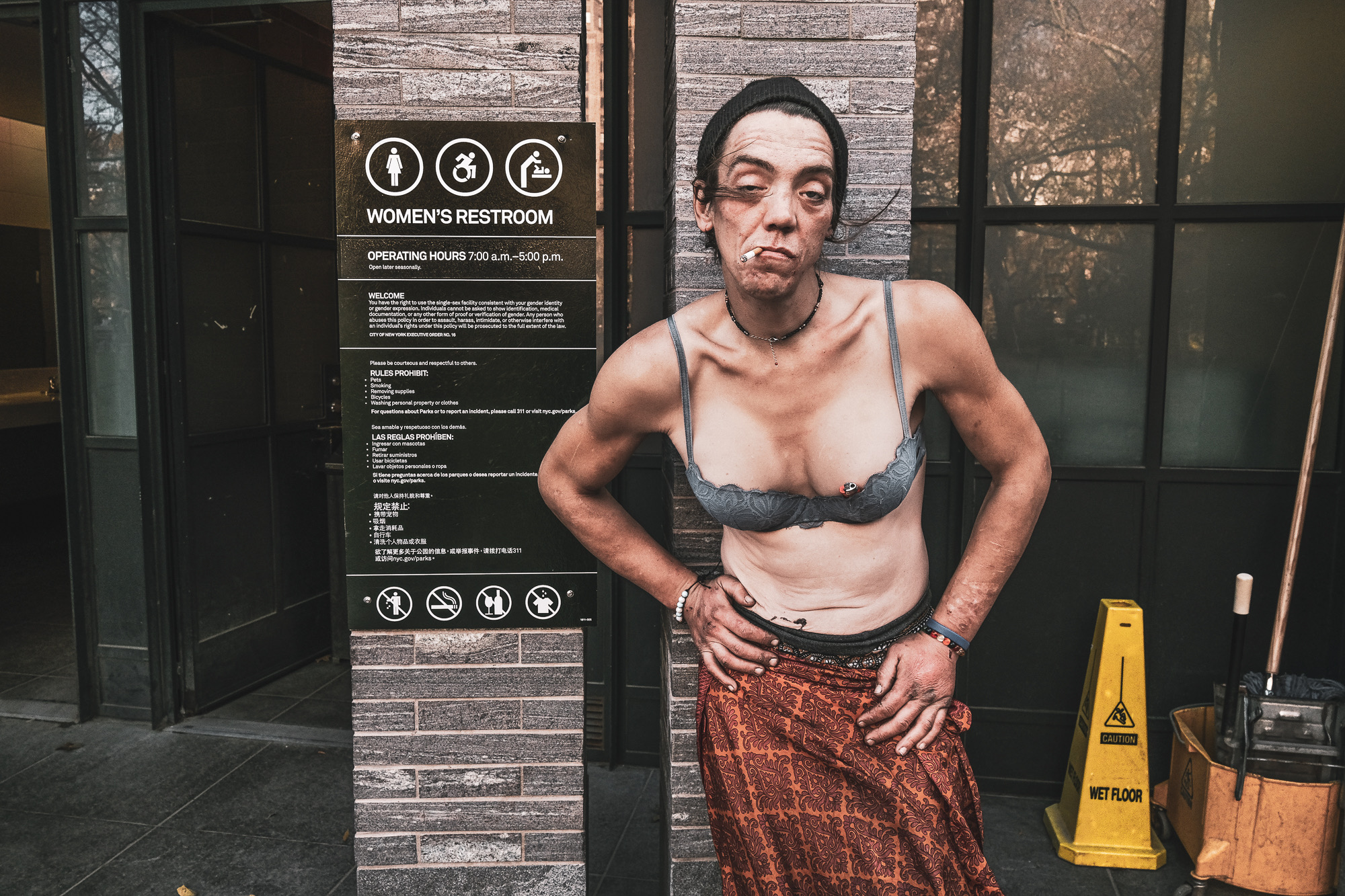
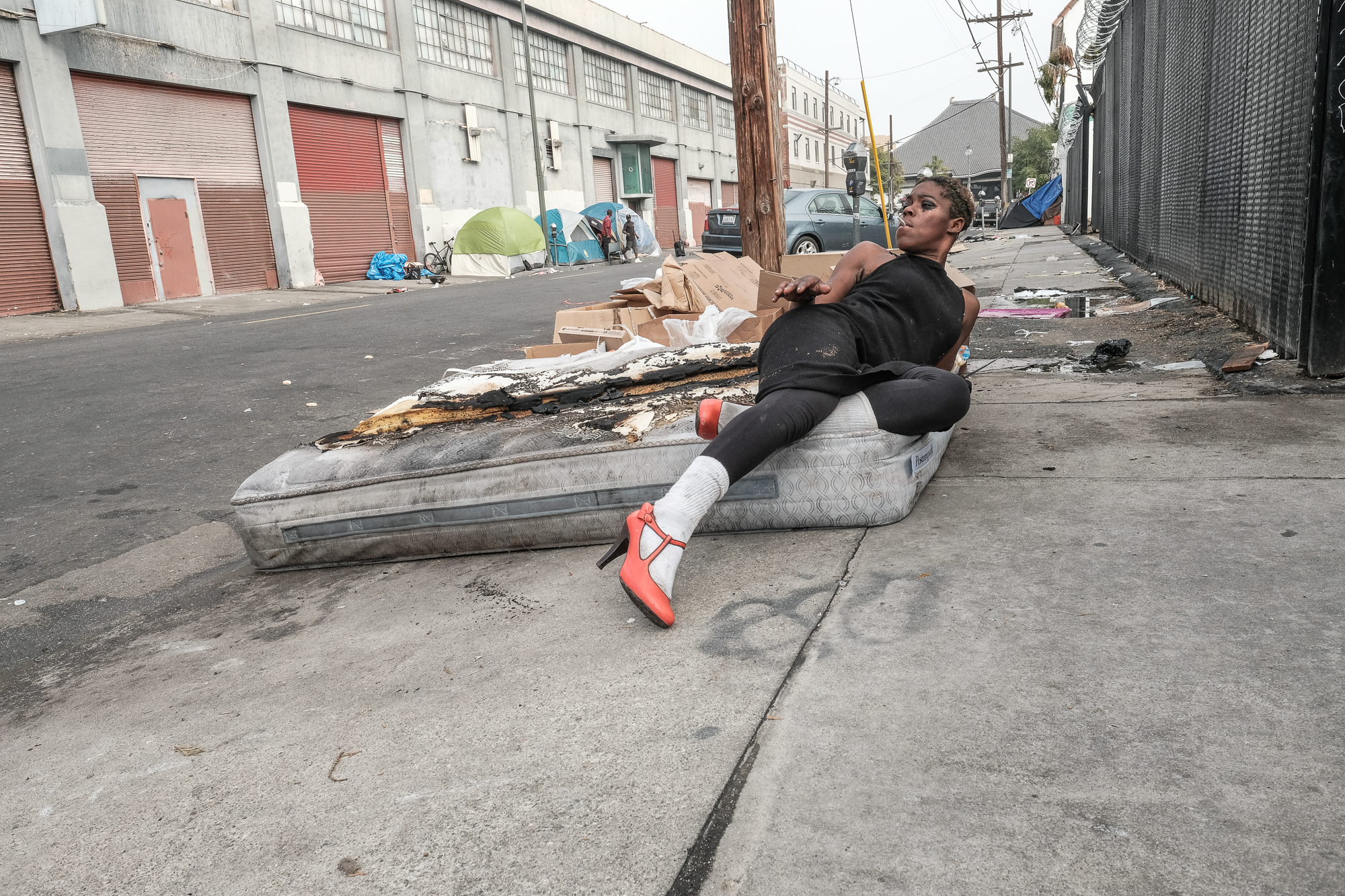
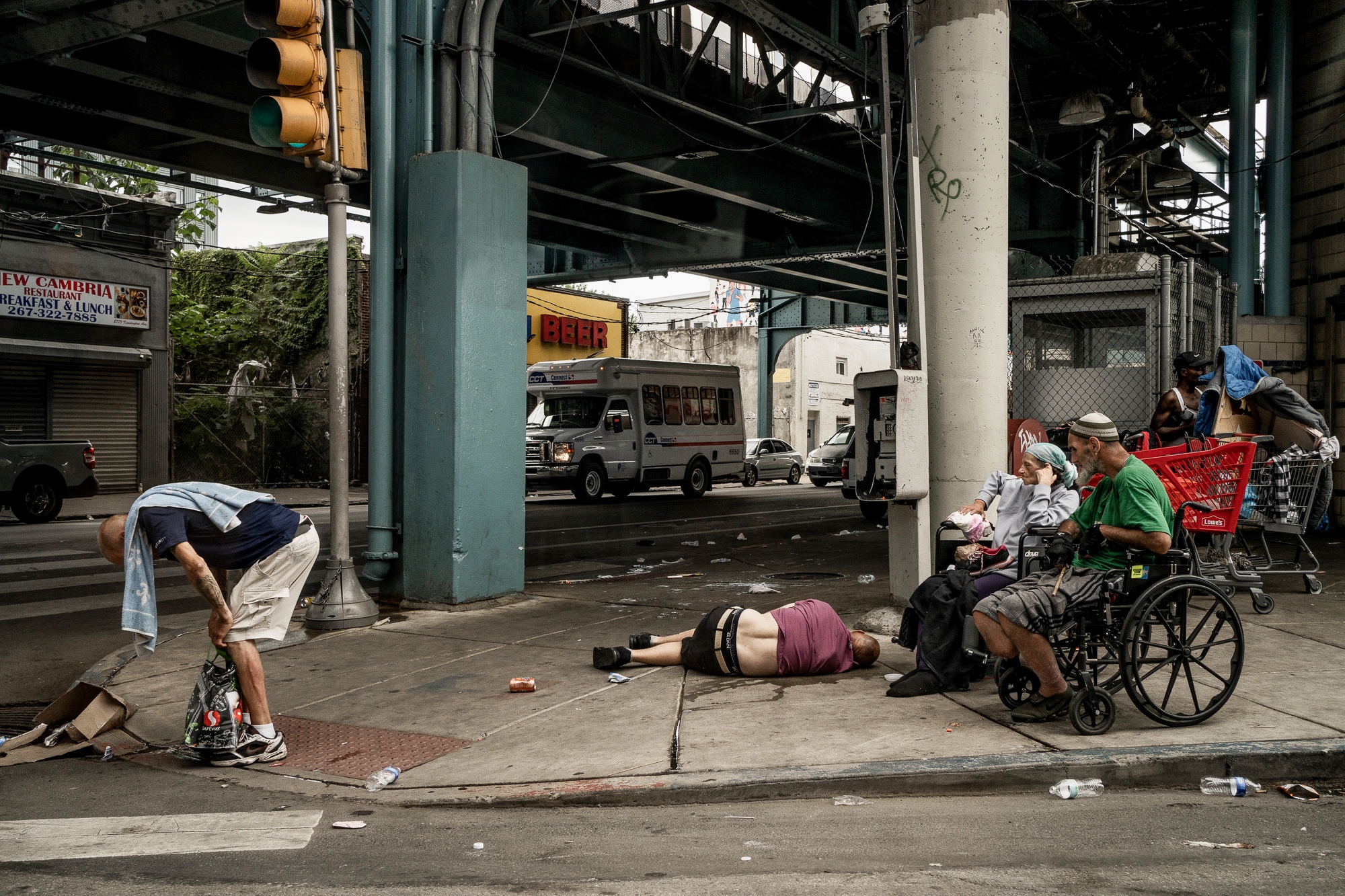
Eight years ago, street photographer Suzanne Stein’s unflinching lens captured the stark realities of Skid Row, juxtaposing moments of profound tenderness against a backdrop of pervasive hardship. This early work hinted at a larger artistic mission: to bring attention to overlooked narratives and communities often relegated to the fringes of societal consciousness. Stein’s subsequent projects have continued this exploration, with her most extensive and sustained body of work focusing on Kensington, Philadelphia. Here, she meticulously documented the devastating impact of the opioid epidemic, and later, the severe physical and psychological toll wrought by the xylazine crisis.
Stein’s commitment to Kensington transcended a singular focus on addiction. She aimed to portray the neighborhood as a living, breathing entity, rather than a mere symbol of societal ills. "I photographed the entire neighborhood," Stein explained, "the families who live there, the streets, the memorials to gunshot victims and overdose victims, the storefronts, the corners, the ordinary moments, and the broader atmosphere of a community under enormous pressure. The people suffering on the street are part of the story, but they are not the whole story." This holistic approach, seeking to understand the intricate tapestry of a community grappling with immense challenges, has garnered international recognition.
Verena Kerfin Gallery Exhibition: "US: Slow Code"
The Berlin-based Verena Kerfin Gallery recognized the profound impact and artistic merit of Stein’s Kensington work, showcasing a curated selection in a recently concluded exhibition titled US: Slow Code. The gallery’s introduction to the exhibition articulated Stein’s distinctive approach: "She does not work on images that soothe. She works on images that unsettle." This sentiment powerfully captures the essence of Stein’s photographic practice, which deliberately provokes thought and challenges viewers to confront uncomfortable truths.
The gallery’s description of Kensington mirrored Stein’s observations, offering a stark analysis: "the form misery takes when it is organized inside a wealthy state: visible enough to serve as a deterrent, invisible enough to remain politically consequence-free." This framing suggests that in Kensington, poverty is not merely an absence of wealth, but a deliberately constructed environment where its inhabitants endure profound suffering while the outside world continues its routines. The exhibition thus served as a critical examination of how systemic issues manifest and are perceived within affluent societies.
A Courageous Selection: Unveiling a Public Emergency
Stein described the exhibition’s selection of images as "very specific and courageous." While she provided a shortlist, Verena Kerfin’s final edit, aligned with her own artistic vision, created a powerful narrative arc. The exhibit revealed a "gradual deterioration happening in plain sight," which Stein characterizes as a form of "slow public emergency." This framing highlights the insidious nature of societal neglect, where crises unfold incrementally, often escaping widespread notice until their consequences are irreversible.
The gallery’s chosen photographs, focusing on individuals incapacitated or physically overcome, were used to construct a broader statement about abandonment in the United States. Stein noted that such images would likely face significant obstacles to exhibition or publication within the U.S., suggesting a cultural reluctance to confront these harsh realities directly.
Although unable to attend the exhibition in person due to geographical constraints, Stein engaged with attendees through a video installation. Her direct communication about her work, process, and artistic intentions resonated deeply with the audience. Reports indicated significant interest, with visitors spending considerable time with the images, a testament to the work’s power and its ability to elicit a profound viewer response, particularly given its challenging subject matter.
The Emotional and Psychological Toll of Kensington
Stein’s immersion in Kensington for three years, while producing a significant body of work, also led to a profound personal reckoning. The experience of documenting the opioid and xylazine crises, characterized by constant exposure to physical danger, aggression, and overwhelming negativity, significantly impacted her emotional and psychological well-being.
"I met people and witnessed situations that did not reinforce positive feelings about humanity," Stein admitted. "That is difficult to say, but it’s true. The work took a long time to recover from emotionally and physically… When you are surrounded by trauma, decay, violence, addiction, strong odors, disturbing sights, and constant emotional intensity, it seeps into you." This candid reflection underscores the deep personal cost of bearing witness to such pervasive suffering.

While she has moved away from directly documenting addiction in the same manner, Stein remains committed to addressing significant social issues. However, she expresses a desire to broaden her focus beyond solely addiction, poverty, and homelessness. "I don’t really want to keep photographing people on the street suffering from addiction in the same way. If I do, it would have to be very different, or it would have to be part of a specific assignment with a clear purpose."
Her current interest lies in documenting the aftermath of the Kensington crisis: the profound grief of parents who have lost children to overdose, families striving for recovery and rebuilding, and parents navigating the challenges of caring for children who have survived but are left with permanent disabilities. This shift in focus allows her to remain connected to the narrative while exploring its long-term human consequences with a renewed perspective.
Stein observes a significant societal resistance to confronting these realities, noting that "photographers who look at it honestly are often vilified. There is a deep resistance to seeing what is actually happening on American streets," contrasting this with the "much more sanitized version" often presented by mainstream media.
Personal Imprints and the Weight of Experience
The profound impact of Stein’s work in Kensington extends beyond its documentary value to its indelible mark on her personal life. The constant exposure to distress necessitated a degree of emotional hardening to remain functional. "You have to be able to function in situations that are painful, ugly, dangerous, and overwhelming," she stated. This capacity, however, stems from her own history of personal hardship, including financial instability, single parenthood of a child on the autism spectrum, navigating the competitive photography world, and a family history marked by alcoholism and addiction. Her personal experiences created an empathetic bridge, drawing her deeper into documentary and street photography as a means of understanding and processing these difficult realities, rather than avoiding them.
The immersion in perilous environments like Kensington came at a considerable cost. "Even if you are there to tell a story, and even if you understand what you are doing intellectually, it still affects your nervous system and your outlook," Stein reflected. She acknowledged that the work had, at times, made her more negative and perhaps more difficult to be around, a self-awareness crucial for maintaining personal integrity. This emotional toll is compounded by the frustration of witnessing ongoing crises with what she perceives as a woefully inadequate societal response.
A significant distinction emerged for Stein between her Skid Row and Kensington experiences. While Skid Row also presented profound challenges, including witnessing severe forms of exploitation, she found a greater capacity for forming meaningful connections with her subjects. These individuals often displayed remarkable spirit, humor, and character, fostering a sense of attachment that endures.
Kensington, however, presented a different dynamic. "To be perfectly honest, I don’t feel that I came away from Kensington with many meaningful relationships," Stein confessed. She attributes this to the profound impact of the drugs and the conditions on the streets, which seemed to "hollow people out in a different way." The pervasive criminality, exploitation, and desperation made it difficult to maintain hope and faith in humanity. This experience has undeniably shaped her outlook, and she is still actively working to "regain some sense of hope, purpose, and belief in people."
Reframing "Poverty Porn" in Street Photography
The discourse surrounding "poverty porn" in documentary and street photography is often contentious, with established notions of what constitutes acceptable subject matter. Photographing homelessness, for instance, is frequently discouraged within certain street photography circles. Stein, however, strongly rejects the term "poverty porn," viewing it as a dismissive label that prematurely shuts down critical dialogue.
She argues that the term, and the framing of discussions around marginalized communities, can be used to shame photographers who aim to raise awareness about difficult realities. Stein is quick to emphasize that this does not exempt photographers from criticism, acknowledging the fine line between exploitation and information, particularly in conflict zones and areas of intense social distress. She notes that "many of us step over it at some point," and while most photographers engaged in this work have good intentions, some may be motivated by notoriety or career advancement.
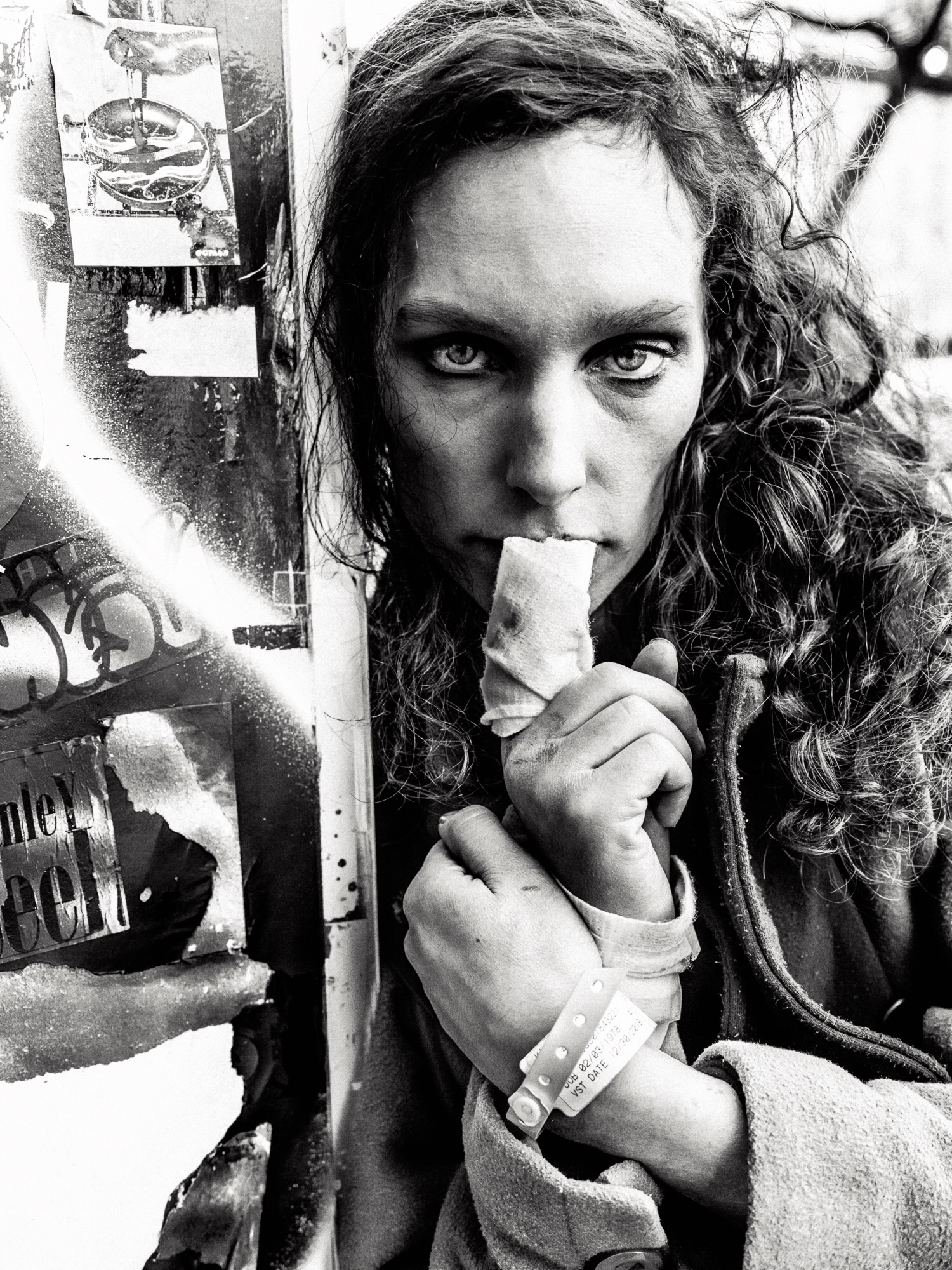
Stein advocates for a more rigorous and consistent approach to documenting crises within the United States, drawing a parallel to the attention given to international conflict zones. "We need to apply the same rigorous photographic attention to the streets of the United States that we apply to places like Ukraine or Gaza," she asserts. "These crises are here too, and they deserve to be seen with the same seriousness."
An Unsettling Moment of Tenderness: The Story Behind the Image
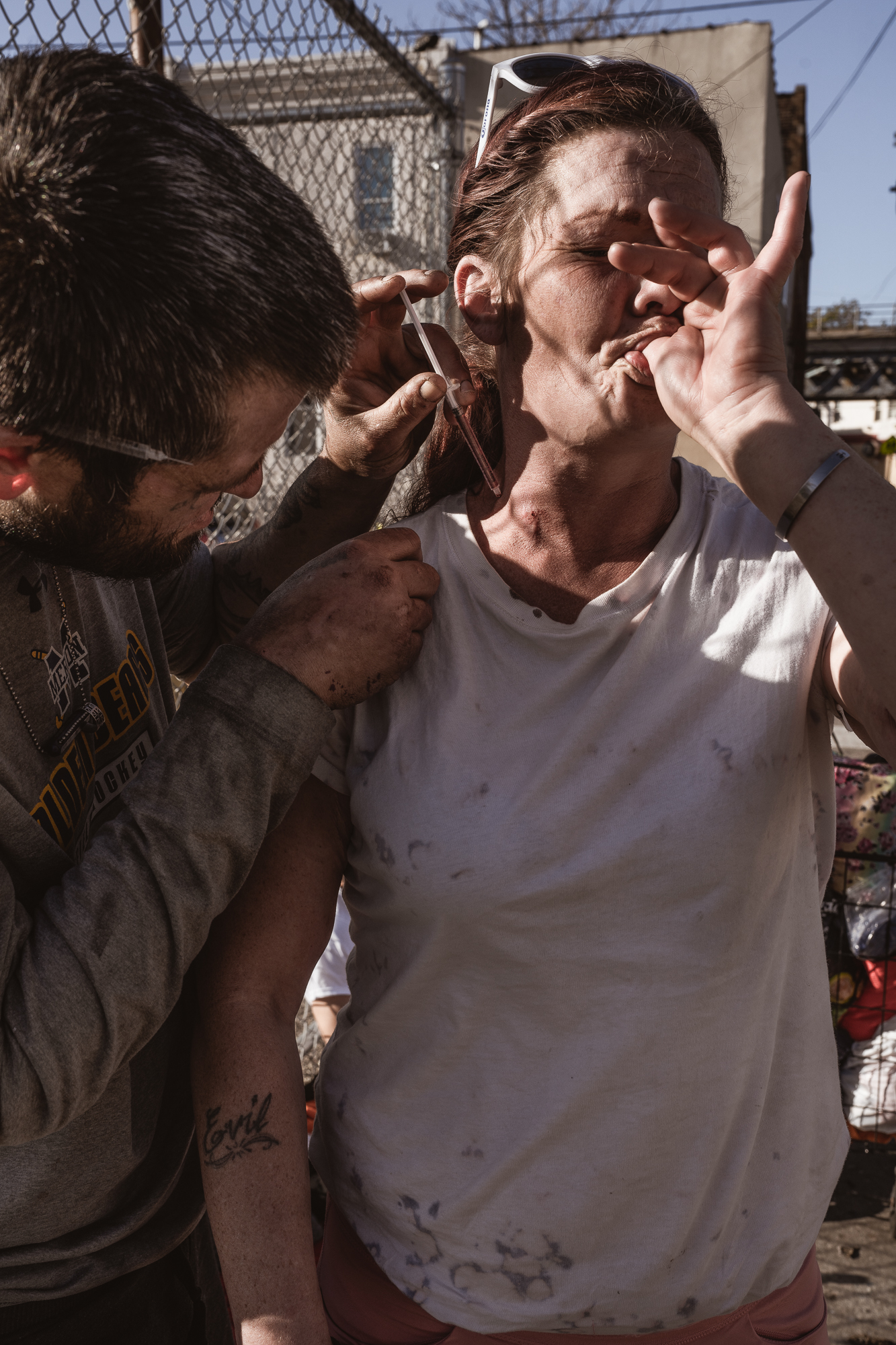
One of the most poignant and impactful photographs featured in the US: Slow Code exhibition is Stein’s image of Mike injecting Crystal in the neck with fentanyl and xylazine. This image holds particular significance for Stein, representing a complex interplay of vulnerability, trust, and the brutal realities of addiction.
Stein recounts her initial shock upon witnessing neck injections in Kensington in 2022. This practice, often employed when veins in the arms become unusable, carries immense danger, and she has witnessed individuals collapse or require emergency medical intervention. Furthermore, it has given rise to a transactional aspect, where individuals charge others for injections, creating a form of "cottage industry." This underscores a disturbing dependency, where individuals not only rely on drugs but also on others to administer them.
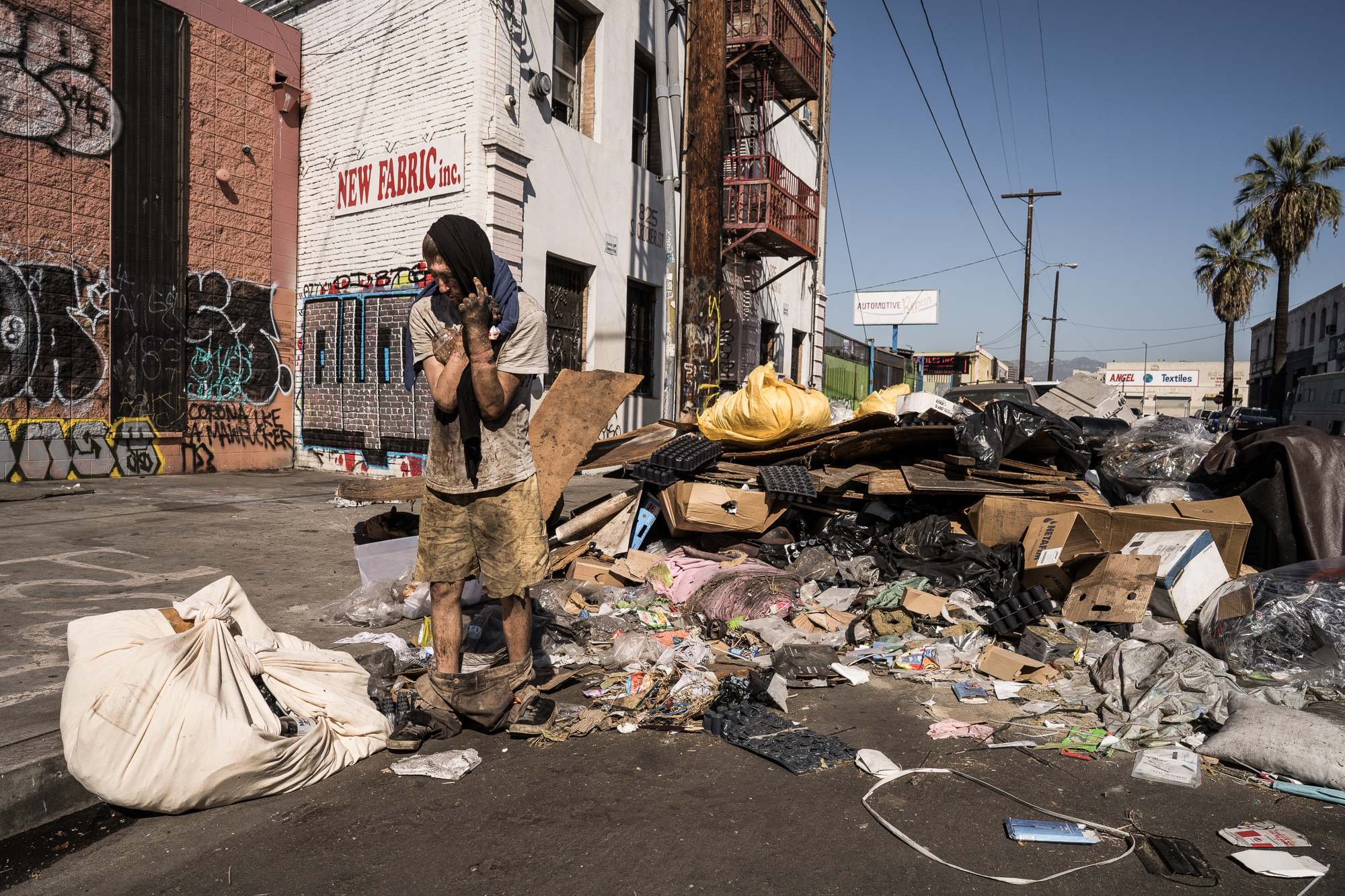
In the photographed moment, Crystal was experiencing severe withdrawal symptoms due to her inability to find a usable vein or inject herself effectively. Mike’s intervention prevented her from descending further into sickness. Stein describes this as a "brutal situation," yet one imbued with an "intimacy and trust" that creates a profound contradiction at the heart of the image. This juxtaposition of danger and human connection is what makes the photograph so compelling.
The photograph’s power also lies in the access Stein achieved. The trust she cultivated allowed her to document such a private and precarious moment. This level of access, she emphasizes, is not a result of opportunistic "parachuting in," but of sustained presence, genuine engagement, and a commitment to not treating subjects as mere spectacles.
A subtle yet significant detail in the image is Crystal’s thumb in her mouth. Initially perceived as a self-soothing gesture akin to a child sucking their thumb, Stein later understood its functional role: it helped to make the neck vein more visible for the injector. This seemingly small gesture transforms the image, imbuing it with a childlike vulnerability that is simultaneously intertwined with the mechanics of addiction. The photograph, therefore, encapsulates a complex emotional landscape: "tenderness, danger, dependence, trust, and horror all at once."
Taking Art Where Others Refuse to Look
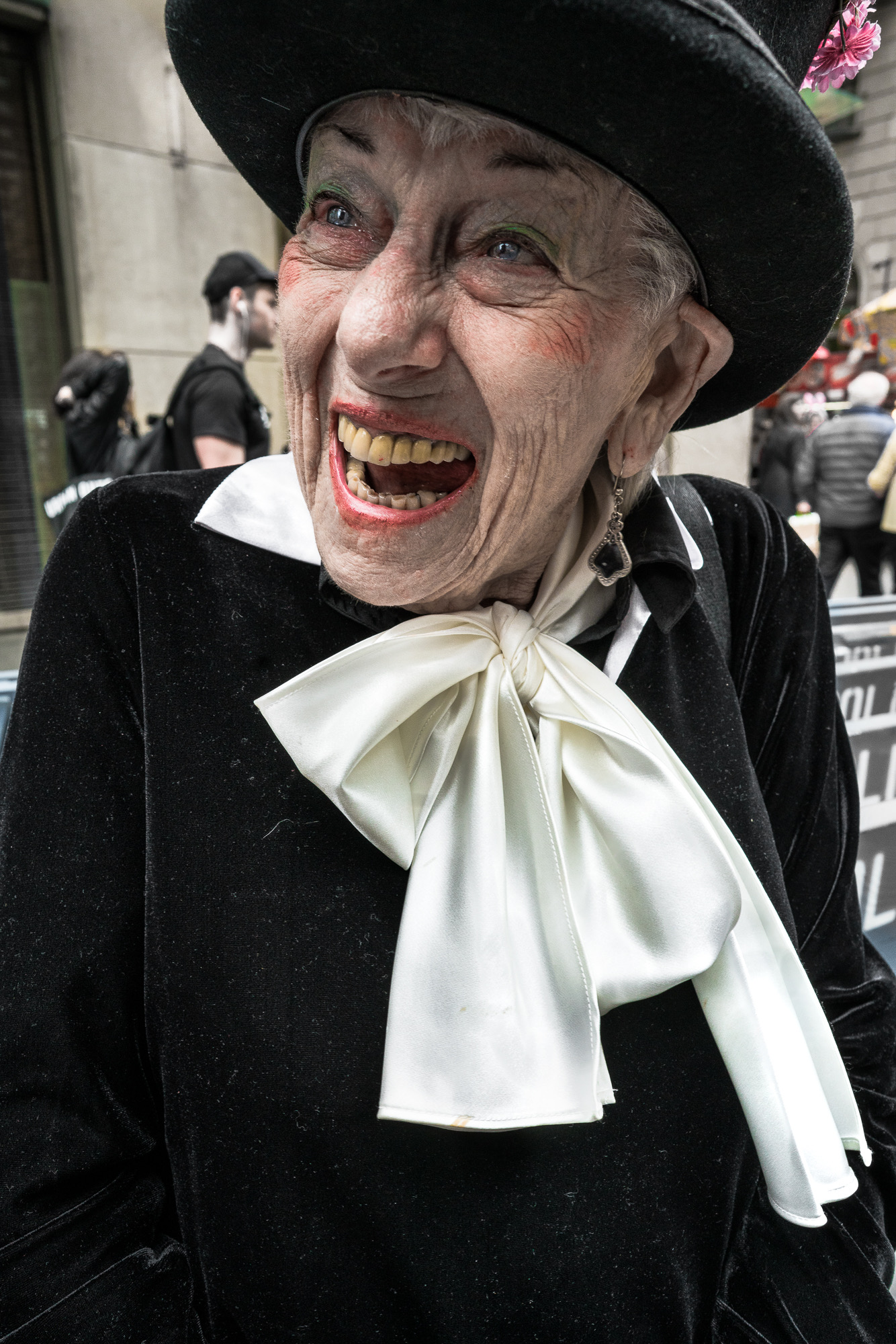
The Verena Kerfin Gallery exhibition reinforces Stein’s core artistic philosophy: that art emerges from the spaces where others choose not to look, or are unable to look. However, Stein also acknowledges that the genesis of art is deeply personal, shaped by individual experiences, advantages, wounds, and unique perspectives. She recognizes that while her life has steered her towards unflinching social commentary, other artists may find their creative impulse directed towards lighter, more decorative forms, and that all are valid expressions of art.
For her own practice, Stein believes she synthesizes art with a documentary sensibility to dismantle existing biases. She observes that many forms of photography, including war photography and popular street photography, can reinforce pre-existing biases or rely on superficial tropes. "War photography often reinforces a particular political position. Popular street photography often relies on visual puns, gimmicks, light and shadow, and repeated tropes. It can be clever, but it often doesn’t challenge the viewer very much."
Her aim in photographing places like Kensington and Skid Row, and individuals living on the margins, is to "look past the attractive narrative, past the acceptable narrative, and show what is actually there."
While acknowledging the value of gallery representation, Stein expresses a desire for her work to be more accessible to a wider public, envisioning it displayed in more public spaces rather than solely within gallery settings. "I don’t always know where the work belongs. I just know that I keep making it," she states. Her hope is that her work can reach young people and those who are seeking a more authentic understanding of reality, a goal made increasingly challenging by a culture shaped by censorship, algorithms, social gatekeeping, and media institutions that often operate within rigid parameters.
Stein’s artistic process is largely intuitive. She follows her instincts, often stumbling upon individuals or situations with significant social, emotional, or personal intensity, and then pursuing those narratives. While addiction will likely remain a theme in her work, Stein is also exploring other, less heavy subjects through street photography. She finds renewed engagement with street photography because it allows her to "disengage somewhat from the heaviest subjects." This lighter approach still enables her to tell serious stories, but also incorporates elements of humor, strangeness, beauty, and the observation of everyday life. This evolution reflects her ongoing journey to process difficult experiences and find new avenues for artistic expression and connection.