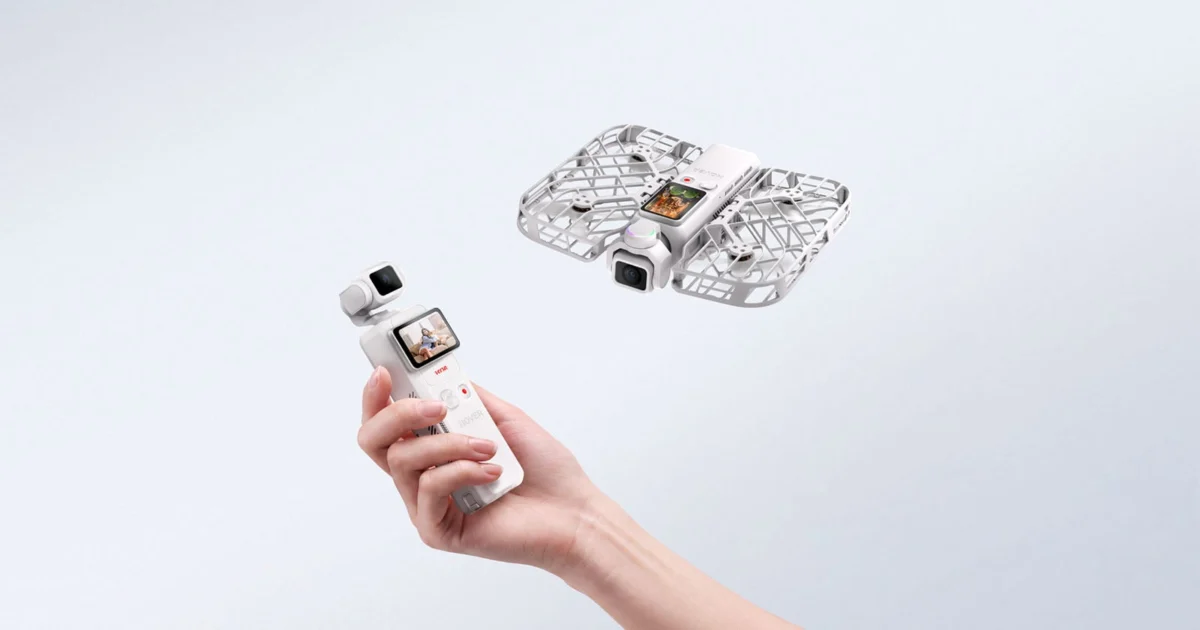
HoverAir, a company that has consistently pushed the boundaries of accessible aerial photography with its self-flying drones and innovative waterborne cameras, has officially announced the HoverAir Versa, a groundbreaking device poised to redefine the content creation landscape. The Versa introduces a novel concept: a compact, pocket-sized camera that seamlessly transitions into an autonomous aerial camera, offering creators unprecedented flexibility and dynamic capture capabilities from a single device. This latest offering builds upon HoverAir’s established reputation for user-friendly, intelligent flying camera systems, aiming to democratize complex videography techniques for a broader audience.
The Versa’s Dual Modality: Handheld and Aerial Mastery
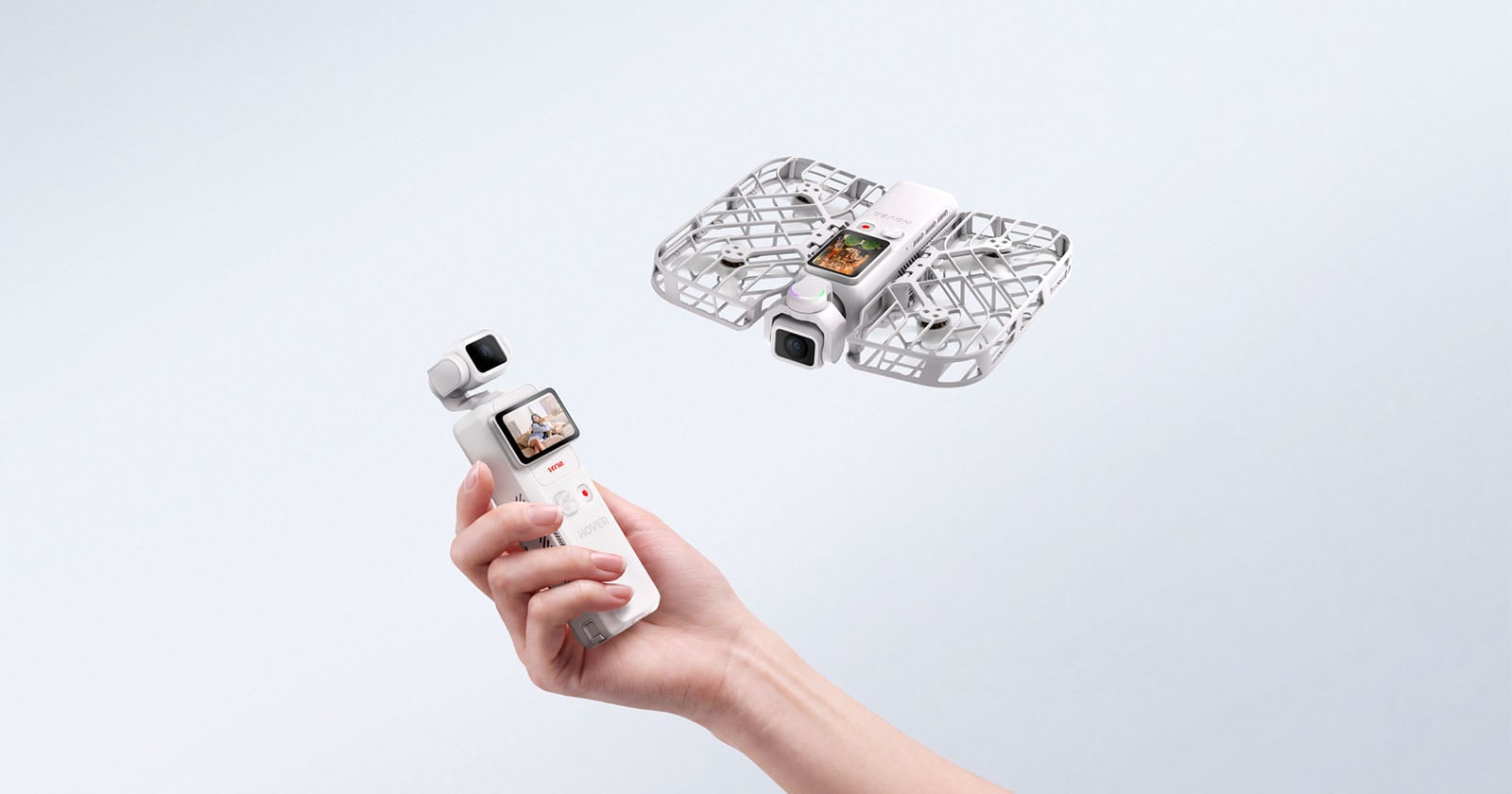
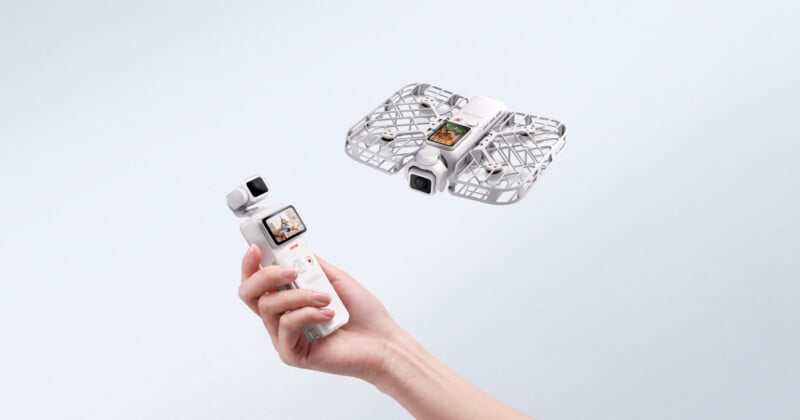
At its core, the HoverAir Versa distinguishes itself through its innovative dual functionality. In its primary, handheld configuration, the Versa presents itself as a sophisticated content creator-friendly camera, designed to compete directly with established players in the portable gimbal camera market. Its sleek, ergonomic design incorporates a high-precision, three-axis stabilized gimbal camera, ensuring buttery-smooth footage even during dynamic handheld movements. Complementing this is a small, integrated screen for live preview and playback, alongside intuitive physical controls that allow for quick adjustments to camera settings and shooting modes. This handheld form factor places it in direct contention with popular devices such as the DJI Osmo Pocket series or the Insta360 Luna, offering a compelling alternative for vloggers, travelers, and everyday users seeking professional-grade stabilization in a compact package.
However, the true innovation of the Versa emerges with its transformative capability. Unlike its handheld-only competitors, the HoverAir Versa is engineered with a modular design that allows users to swiftly attach a set of proprietary wings, instantly converting the device into a fully functional, self-flying aerial camera. This conversion is designed to be quick and effortless, embodying the company’s philosophy of "hand to hover in a matter of seconds." Once the wings are deployed, the Versa sheds its handheld identity to become a dedicated drone, capable of autonomous flight and intelligent subject tracking. This hybrid approach promises to eliminate the need for carrying multiple specialized devices, streamlining the creative workflow for dynamic content creators.
Empowering Creators with Autonomous Intelligence
HoverAir’s commitment to user accessibility and advanced automation is clearly reflected in the Versa’s operational philosophy. The company emphasizes a "no learning curve, no pilot skills, no controller" approach, echoing the success seen with its previous models like the HoverAir X1. This means that users are not required to possess traditional drone piloting expertise; instead, they can simply "launch and go." This ease of use is largely facilitated by an advanced AI tracking engine, which is central to the Versa’s autonomous capabilities. This engine is designed to accurately and smoothly track subjects, whether they are individuals, vehicles, or dynamic scenes, ensuring the camera remains locked onto the desired focal point throughout its flight path.
The Versa integrates a comprehensive suite of intelligent flight modes, a hallmark of HoverAir’s product line. These modes are engineered to add cinematic flair and dynamic camera movements to video capture without requiring manual piloting. While specific modes have yet to be fully detailed, based on industry standards and HoverAir’s previous offerings, these likely include:
- Follow Me: The drone autonomously tracks and follows the user, maintaining a set distance and altitude, ideal for capturing activities like cycling, hiking, or running.
- Orbit: The Versa circles a designated subject or point of interest, capturing a smooth, revolving shot.
- Dronie: The drone flies backwards and upwards, revealing the surrounding landscape while keeping the subject in frame, perfect for dramatic reveals.
- Rocket: The drone ascends vertically with the camera pointed downwards, creating an overhead reveal shot.
- Bird’s Eye: The drone flies directly overhead, capturing a top-down perspective.
- Gesture Control: Allowing users to initiate commands or flight patterns with simple hand gestures, further enhancing the controller-free experience.
These intelligent modes empower creators to achieve complex, professional-looking shots that would typically require a skilled pilot and extensive practice, significantly lowering the barrier to entry for high-quality aerial videography.
Unanswered Questions and Ambitious Imaging Claims
Despite the exciting announcement, HoverAir has yet to release a comprehensive list of technical specifications, leaving several critical questions unanswered for prospective users and industry analysts. Key details concerning the imaging capabilities, such as sensor size, maximum video resolution (e.g., 4K, 5.7K), frame rates, lens specifications (aperture, focal length), and photo resolution, remain undisclosed. Similarly, vital operational metrics like battery life in both handheld and aerial modes, maximum flight time, operational range, wind resistance, and internal storage capacity are yet to be revealed. The absence of these details makes a direct performance comparison with existing market leaders challenging at this stage.
Nevertheless, HoverAir has made bold claims regarding the Versa’s imaging prowess. The company states that the Versa features an "industry-leading image processor" and is poised to "set the standard" for dynamic range within the pocket camera segment. These assertions suggest a strong focus on image quality, particularly in challenging lighting conditions. HoverAir promises "pure, uncompromised clarity and incredible low-light footage that remains clean and true to life." If these claims hold true, the Versa could offer a significant advantage over competitors, as robust low-light performance and wide dynamic range are crucial for capturing professional-grade content in diverse environments, from dimly lit indoor settings to high-contrast outdoor landscapes. The inclusion of a 3-axis gimbal, a standard feature in high-end portable cameras, further underscores the commitment to stable, high-quality video output, minimizing shakes and jitters that can plague less advanced systems.
The Innovative 3D Worlds Feature: A Glimpse into the Future
Beyond its core handheld and aerial functionalities, the HoverAir Versa introduces a truly innovative feature called "3D Worlds." This unique capability leverages the Versa’s autonomous flight and imaging systems to create immersive, explorable three-dimensional reconstructions of environments. The feature works by sending the Versa on a precise 360-degree flight pattern, during which it captures a series of photos from various angles. These images are then processed to reconstruct the scene in three dimensions, generating an explorable 3D file.
The implications of the 3D Worlds feature are vast and exciting. For personal use, it could allow individuals to create interactive, digital memories of special places, events, or travel destinations. Imagine being able to virtually "re-enter" a wedding venue, a scenic viewpoint from a hike, or a family gathering, exploring the scene from any angle. For content creators, this opens up new avenues for engaging storytelling, particularly in real estate, tourism, architectural documentation, or even virtual reality content creation. Real estate agents could offer immersive 3D tours of properties, travel vloggers could present destinations in a more interactive format, and artists could capture their installations with unprecedented spatial detail. This feature positions the Versa not just as a camera, but as a tool for digital preservation and immersive media creation, further solidifying HoverAir’s vision of an "ultimate, all-in-one creative companion."
HoverAir’s Legacy: A Chronology of Innovation
The HoverAir Versa is not an isolated innovation but rather the latest evolution in a series of products that demonstrate the company’s strategic focus on accessible, autonomous camera technology. Understanding HoverAir’s journey provides crucial context for the Versa’s potential impact.
- HoverAir X1 (Released 2023): This was HoverAir’s breakout product, establishing the brand’s reputation for self-flying drones designed for everyone. The X1 emphasized extreme portability (folding design), ease of use (no controller needed, gesture control), and intelligent flight modes. It was marketed as a personal aerial photographer that could follow users automatically, making aerial videography simple and accessible to a mass market previously intimidated by complex drone operation. Its success validated the market demand for truly autonomous, user-friendly aerial cameras.
- HoverAir Aqua (Announced 2025): Building on the X1’s success, the Aqua pushed boundaries by becoming the world’s first self-flying drone camera capable of taking off and landing on water. This innovation addressed a niche but significant demand for capturing content in aquatic environments, such as boating, watersports, or coastal adventures, without the risk of water damage typically associated with standard drones. The Aqua further demonstrated HoverAir’s commitment to specialized, yet equally accessible, aerial solutions.
- HoverAir Versa (Announced 2026): The Versa represents a convergence and expansion of HoverAir’s previous innovations. It combines the portability and user-friendliness of the X1 with an added handheld functionality, effectively merging the best aspects of a pocket gimbal camera and an autonomous drone. This dual-purpose design is a natural progression, aiming to offer an even more versatile tool for creators who operate across various environments and require both stable ground-level shots and dynamic aerial perspectives. The Versa capitalizes on HoverAir’s established expertise in AI tracking and intelligent flight, while introducing a new form factor that promises unparalleled adaptability.
This chronological development highlights HoverAir’s consistent strategy: to remove technical barriers to advanced photography and videography, making sophisticated tools intuitive and accessible. The Versa is a culmination of this philosophy, pushing the envelope for integrated creative solutions.
Market Implications and Competitive Landscape
The introduction of the HoverAir Versa is poised to disrupt multiple segments of the imaging market. In the pocket gimbal camera market, dominated by devices like the DJI Osmo Pocket series and Insta360’s offerings, the Versa’s unique ability to transform into an aerial camera provides a significant competitive edge. While the Osmo Pocket is renowned for its excellent stabilization and image quality, it remains firmly ground-bound. The Versa offers creators the flexibility to capture both close-up, stable shots and expansive aerial perspectives with a single device, potentially consolidating the gear required for many content creators.
In the mini-drone market, where DJI’s Mini series holds a dominant position, the Versa competes with its emphasis on autonomy and ease of use. While DJI Mini drones offer manual control and advanced features for pilots, the Versa targets users who prioritize simplicity and automatic tracking over manual flight control. The Versa’s "no pilot skills" approach could attract a new demographic of users who want aerial footage but are intimidated by traditional drone operation. Moreover, its integrated handheld camera functionality differentiates it from dedicated mini-drones.
The Versa also positions itself in the nascent but growing market for hybrid imaging devices. By merging the functionalities of a handheld gimbal camera and an autonomous drone, HoverAir is carving out a new niche. This hybrid approach caters to the evolving needs of modern content creators, who often require versatility across different shooting scenarios without the burden of carrying multiple pieces of equipment. The success of the Versa will largely depend on its ability to deliver on its promises of image quality, battery life, and seamless transition between modes, all while maintaining an attractive price point.
Broader Impact and The Future of Content Creation
The HoverAir Versa has the potential to significantly impact how individuals and professionals approach content creation. For vloggers and social media influencers, the Versa could become an indispensable tool, enabling them to produce highly dynamic and engaging content with minimal effort. Imagine a travel vlogger seamlessly transitioning from a stable walking shot through a bustling market to an epic aerial reveal of a landmark, all with one device.
For travelers and adventurers, the Versa offers an unparalleled way to document their journeys. Its compact size makes it ideal for packing, and its dual functionality ensures that no shot – whether a close-up detail or a sweeping landscape – is out of reach. The "3D Worlds" feature further enhances this by allowing for truly immersive digital souvenirs.
Beyond individual creators, the Versa’s autonomous capabilities could find applications in small businesses and niche industries. Real estate agents could use it for property tours, small event organizers for dynamic coverage, and even educators for capturing unique perspectives in outdoor learning environments. The emphasis on ease of use means these tools become accessible to those without specialized training.
Furthermore, the Versa fits into a broader trend of personal robotics and intelligent devices. As AI and automation become more sophisticated, we are seeing a proliferation of devices designed to augment human capabilities and simplify complex tasks. The Versa embodies this trend by making advanced aerial photography as simple as launching an app, hinting at a future where personal robotic companions assist in various aspects of daily life, from documentation to utility.
While specific regulatory implications would depend on its final weight and operational parameters, compact, lightweight drones often face fewer restrictions under drone regulations (such as those from the FAA in the US or EASA in Europe) compared to larger, heavier drones. This could be another advantage for the Versa, allowing for greater freedom of use in various locations.
Awaiting Further Details
HoverAir has indicated that more detailed information regarding the Versa’s specifications, pricing, and availability will be "coming soon." Interested customers are encouraged to sign up for notifications on the company’s official website to receive updates. The anticipation surrounding these details is high, as they will ultimately determine the Versa’s competitive standing and its ability to live up to the ambitious promises made by HoverAir. If the Versa can deliver on its claims of industry-leading imaging, seamless transformation, and intuitive autonomous flight, it could indeed set a new standard for portable cameras and redefine what creators expect from a single device, truly unlocking endless perspectives.
Image credits: HoverAir