In the highly dynamic landscape of professional photography and videography, understanding market trends requires a multifaceted approach. Following its comprehensive report on the most frequently rented gear of 2025, Lensrentals, a leading provider in the equipment rental sector, has now released its annual analysis of customer purchases from its inventory. This granular data, spanning from high-value cameras and lenses to essential accessories, offers unique insights into the long-term investment decisions made by professionals and serious enthusiasts, complementing the short-term rental trends previously highlighted. The 2025 purchase figures underscore Canon’s persistent market leadership, a notable decline in Sony’s market share, and the remarkable surge of DJI into the top three, signalling significant shifts in consumer buying patterns within the industry.
Understanding the Lensrentals Sales Ecosystem
While Lensrentals primarily operates as a rental service, its sales data provides a distinctive window into the market. Unlike traditional retail figures that capture initial purchases, Lensrentals’ sales often represent a culmination of a user’s experience with a piece of equipment. A cornerstone of this model is the "Keeper Program," which allows customers to purchase rented gear they’ve grown to appreciate. This program frequently offers a refund of rental costs, making it an attractive option for users to transition from temporary use to permanent ownership. This unique sales channel means the purchase data reflects not just perceived value, but proven utility and satisfaction derived from real-world testing. The company’s comprehensive inventory, regularly updated with the latest innovations, positions it as a microcosm of the broader photography and videography market, with its purchase trends often foreshadowing wider industry movements. The data provides a robust indication of which products professionals and serious hobbyists deem worthy of a long-term commitment, distinguishing fleeting interests from enduring essentials.
The Landscape of Most Purchased Items by Quantity
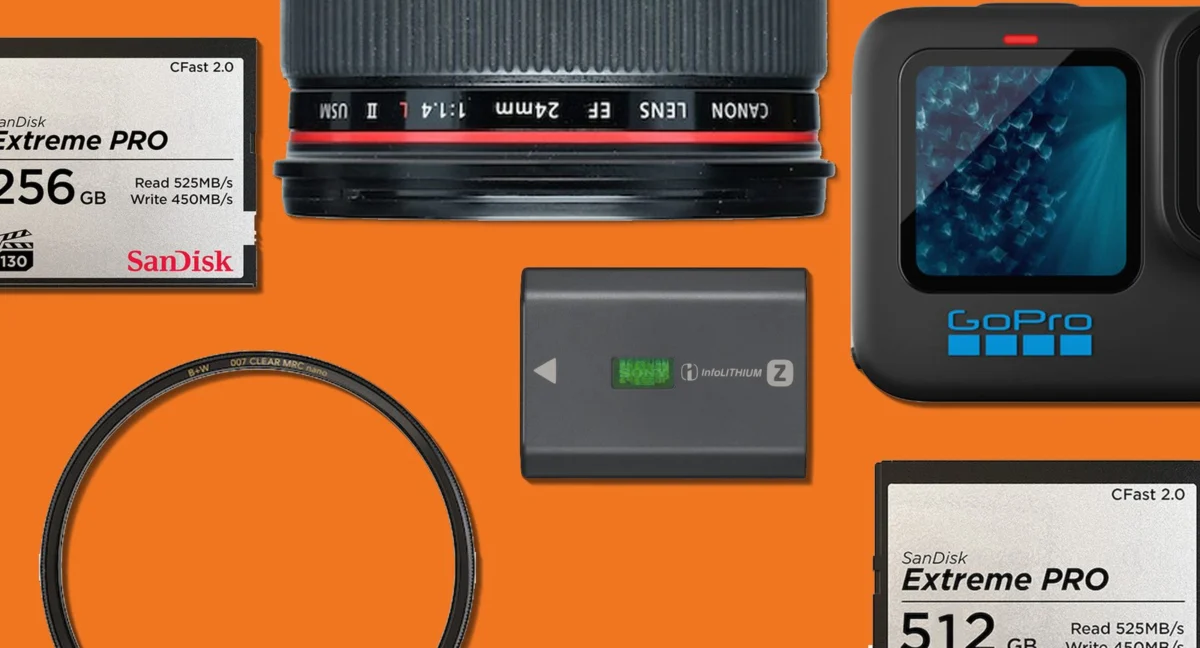
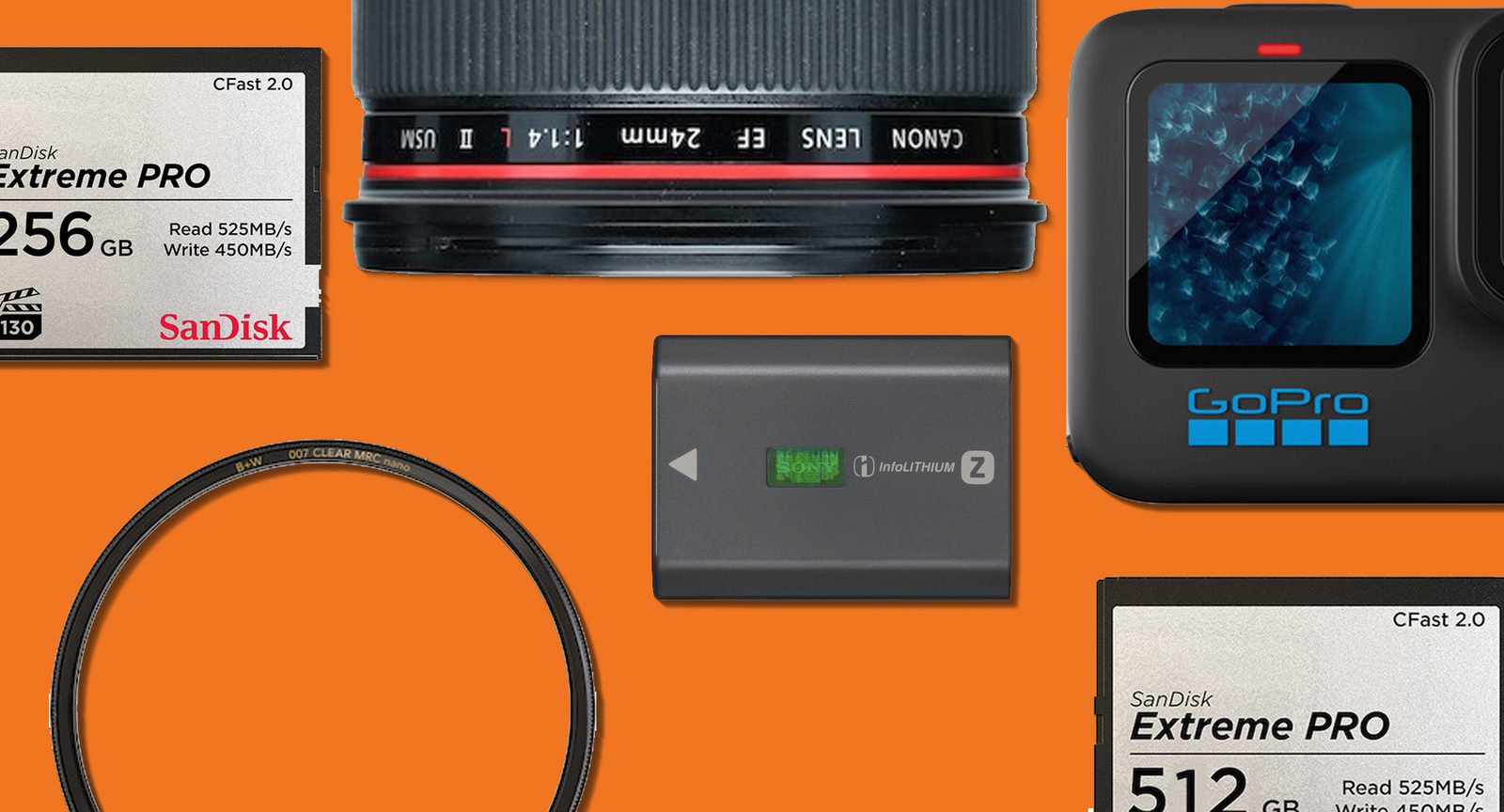
A closer examination of the most frequently purchased items by sheer quantity reveals a pragmatic focus on essential, complementary products. CFast cards, critical for high-bitrate video recording and rapid-fire photography, consistently top the list. This trend highlights the professional user’s need for reliable, high-performance storage solutions that are often considered consumable or personal to a workflow. Similarly, camera batteries and UV filters rank highly, underscoring the necessity of power management and lens protection in any serious kit. These items, while not always high-ticket, are indispensable for seamless production, and their frequent purchase indicates that users prefer to own these ancillary components rather than rent them repeatedly. This pattern suggests a strategic investment in the foundational elements that support core camera and lens systems, ensuring operational efficiency and safeguarding valuable equipment. The data here reinforces the idea that professionals often rent the high-value core components but prefer to permanently acquire the supporting infrastructure.
The Enduring Appeal of High-Value Gear: The Canon EF 24-70mm f/2.8L II
Beyond the realm of essential accessories, the Canon EF 24-70mm f/2.8L II stands out as the most-purchased high-value item in 2025. This lens’s continued popularity in the purchase segment is significant, especially given Canon’s strategic pivot towards its mirrorless RF mount system. The 24-70mm f/2.8 zoom has long been considered a workhorse lens, a staple in many professional kits due to its versatile focal range, fast aperture, and exceptional optical quality. Its consistent appearance on both rental and purchase lists speaks volumes about its enduring utility and reliability across various photographic and videographic disciplines.
The "great bargain" aspect mentioned in the original analysis is a key driver for its sales. As Canon actively promotes its newer RF mirrorless system, the market for its older, albeit still highly capable, EF DSLR lenses has seen price adjustments. This creates a compelling value proposition for users who may be looking to invest in top-tier glass without the premium price tag of the latest mirrorless equivalents. Many photographers and videographers who have transitioned to Canon’s mirrorless R-series bodies can seamlessly adapt EF lenses, thereby extending the utility and lifespan of these proven optics. This trend suggests that while technological advancement drives innovation, economic realities and the availability of high-quality, value-driven alternatives heavily influence purchasing decisions, particularly for professionals building out their long-term gear arsenals. The EF 24-70mm f/2.8L II exemplifies a product that has achieved legendary status and continues to offer exceptional performance, making it a sound investment even in an evolving technological landscape.
Brand Purchase Market Share for 2025: A Detailed Examination
The 2025 market share data, organized by revenue from customer purchases, provides a compelling snapshot of the industry’s competitive dynamics. This data, offering a three-year comparative view (2023, 2024, 2025), highlights both enduring leadership and notable shifts.
| Brand | 2023 Market Share | 2024 Market Share | 2025 Market Share |
|---|---|---|---|
| Canon | 28.43% | 22.99% | 23.55% |
| Sony | 28.83% | 21.60% | 16.60% |
| DJI | 7.22% | 10.04% | 9.95% |
| Nikon | 3.93% | 4.69% | 4.90% |
| Blackmagic | 2.41% | 2.58% | 3.43% |
| Leica | 1.63% | 2.39% | 3.25% |
| Fuji | 1.29% | 2.80% | 3.24% |
| Aputure | 2.38% | 2.33% | 3.01% |
| SmallHD | 1.58% | 2.32% | 2.83% |
| Panasonic | 2.05% | 2.20% | 2.76% |
| Sigma | 3.09% | 2.50% | 2.42% |
| Teradek | 1.02% | 0.92% | 2.83% |
Canon’s Unwavering Dominance: For 2025, Canon reclaims the top spot, securing 23.55% of the purchase market share by revenue, a slight increase from its 2024 position. This consistent leadership in both rental and purchase categories underscores the brand’s deep-rooted presence and trust within the professional community. Canon’s long history of producing robust, reliable, and optically excellent gear, coupled with its extensive ecosystem of lenses and accessories, continues to resonate with users making long-term investments. Despite the aggressive push towards mirrorless systems by competitors, Canon’s strategic transition and the continued value offered by its EF lineup ensure its enduring relevance. Its ability to maintain a strong market share suggests that many professionals remain committed to the Canon ecosystem, valuing its established performance and widespread industry support.
Sony’s Significant Decline: In stark contrast, Sony experienced a substantial drop in market share, falling to 16.60% in 2025 from 21.60% in 2024 and 28.83% in 2023. This 5% year-over-year decrease is the most significant shift among the top brands. Industry analysts suggest several factors could contribute to this trend. While Sony pioneered the full-frame mirrorless revolution and enjoyed a period of rapid growth, the market has become increasingly competitive. Canon and Nikon have significantly advanced their mirrorless offerings, providing compelling alternatives that may be drawing users away or slowing Sony’s expansion. Furthermore, a maturation of Sony’s product cycle in certain segments, or users potentially delaying upgrades in anticipation of new models, could also play a role. This dip warrants close observation in future reports, as it could indicate a recalibration of market preferences or a response to intensified competition.
DJI’s Ascendancy: A New Paradigm: Perhaps the most surprising development is DJI’s emergence as the third-most-popular purchase brand for 2025, commanding 9.95% of the market share. This places the drone and gimbal giant ahead of traditional camera and lens manufacturers like Nikon and Fujifilm. DJI’s consistent growth, from 7.22% in 2023 to nearly 10% in 2025, reflects the increasing integration of drone technology and advanced stabilization systems into professional workflows. The widespread adoption of DJI’s Mavic, Air, and Inspire series drones, alongside its Ronin gimbals and Osmo handheld cameras, signifies a fundamental shift in how content is created. This trend highlights the growing importance of aerial cinematography and stabilized ground footage, establishing DJI as an indispensable brand for modern visual storytellers. Its strong performance underscores the diversification of professional gear kits beyond traditional camera bodies and lenses.
Nikon and Other Key Players: Nikon, while still behind the top three, showed a steady, albeit modest, increase in market share, reaching 4.90% in 2025. This suggests a gradual regaining of traction as its Z-series mirrorless ecosystem matures and gains broader acceptance among professionals. Blackmagic Design continues its upward trajectory, reaching 3.43%, indicating a strong preference for its cinema cameras and post-production solutions, particularly among independent filmmakers and studios seeking high-quality, cost-effective alternatives. Leica, known for its premium optics, also saw a notable increase to 3.25%, demonstrating the continued appeal of its niche luxury market. Fujifilm, growing to 3.24%, maintains a loyal following, particularly for its distinct color science and retro-inspired designs. Brands like Aputure (lighting), SmallHD (monitors), Panasonic (cameras and video), and Teradek (wireless video) also show consistent presence, reflecting the specialized needs of the videography and filmmaking sectors. Sigma, a third-party lens manufacturer, saw a slight decrease to 2.42%, indicating the strong competition from first-party lens offerings.
Emerging Technologies and New Product Purchases: The Wireless Frontier
The analysis of purchases made from gear introduced into Lensrentals’ inventory in 2025 offers a glimpse into the cutting edge of professional tools. Topping this specific list is the Teradek 6G V Antenna. This acquisition trend is not isolated; the Teradek Wireless Antenna for Bolt 500/1000 Tx & Rx, 3000 Rx also ranks highly among overall purchases, securing the second spot. This strong showing for wireless video transmission technology emphatically underscores a critical and accelerating trend in modern film and video production: the imperative for fast, reliable, and untethered workflows.
The widespread adoption of wireless video solutions on set allows for greater creative freedom, enhanced mobility for camera operators, and real-time monitoring for directors, producers, and clients, regardless of their physical proximity to the camera. The demand for robust wireless systems like those offered by Teradek reflects the industry’s continuous drive for efficiency, flexibility, and collaboration in increasingly complex production environments. This isn’t merely a convenience; it’s a foundational element of contemporary filmmaking, enabling rapid decision-making and streamlining communication across a set. The consistent investment in these technologies signals that wireless connectivity is no longer a luxury but an essential component of professional videography infrastructure.
Broader Market Implications and Future Outlook
The 2025 purchase data from Lensrentals provides a rich tapestry of insights into the evolving professional photography and videography market. Canon’s sustained leadership, even as it navigates a technological transition, speaks to the strength of its brand loyalty and the enduring value of its established ecosystem. Sony’s market share dip, while notable, may prompt a strategic re-evaluation from the brand, potentially leading to new product cycles or market approaches designed to reinvigorate its position. The meteoric rise of DJI into the top three is perhaps the most compelling narrative, highlighting the irreversible integration of drone and stabilization technology into mainstream content creation. This signifies a broadening definition of what constitutes a "camera kit" in the modern era, extending far beyond traditional handheld devices.
A spokesperson for Lensrentals, commenting on the findings, stated, "Our purchase data offers a unique complement to our rental trends, providing a deeper understanding of long-term investment decisions. It reveals not just what professionals are experimenting with, but what they ultimately choose to integrate into their permanent workflows. The continued strength of brands like Canon, the dynamic shifts seen with Sony, and the groundbreaking impact of DJI, all paint a clear picture of an industry in constant evolution, driven by both established excellence and innovative new technologies."
The interplay between rental and purchase markets is also crucial. Rentals often serve as a sophisticated "try-before-you-buy" program for professionals, allowing them to thoroughly test gear in real-world scenarios before committing to a significant investment. This informed purchasing behavior contributes to the stability of certain product categories and brands in the sales data. Looking ahead to 2026, industry observers will be keen to see if Sony can reverse its trend, how Canon’s RF ecosystem continues to mature and influence EF sales, and if DJI can further solidify its top-tier position or if new competitors will emerge in the aerial and stabilization segments. The continuous evolution of technology, combined with economic factors and changing creative demands, ensures that the professional gear market remains a fascinating and dynamic space.