
Bringing a large-format camera to a MotoGP weekend is, on paper, an unconventional choice, often perceived as a fool’s errand. The Fujifilm GFX system, renowned for its exceptional image fidelity, was historically not engineered for the relentless demands of high-speed action photography, despite Fujifilm’s assertions of its growing versatility. Its design ethos prioritizes maximum image quality over rapid frames per second, a stark contrast to the requirements of capturing elite motorcycle racing. Yet, the pursuit of artistic and technical mastery often involves embracing such challenges, leveraging a photographer’s skill to adapt unconventional tools to exacting environments. This report delves into an extensive real-world test of the Fujifilm GFX100S II at the Circuit of the Americas (COTA) during a MotoGP event, examining its performance alongside Fujifilm’s dedicated action camera, the X-H2S, and analyzing the implications for professional motorsport photography.
The Pinnacle of Two-Wheeled Racing and Its Photographic Demands
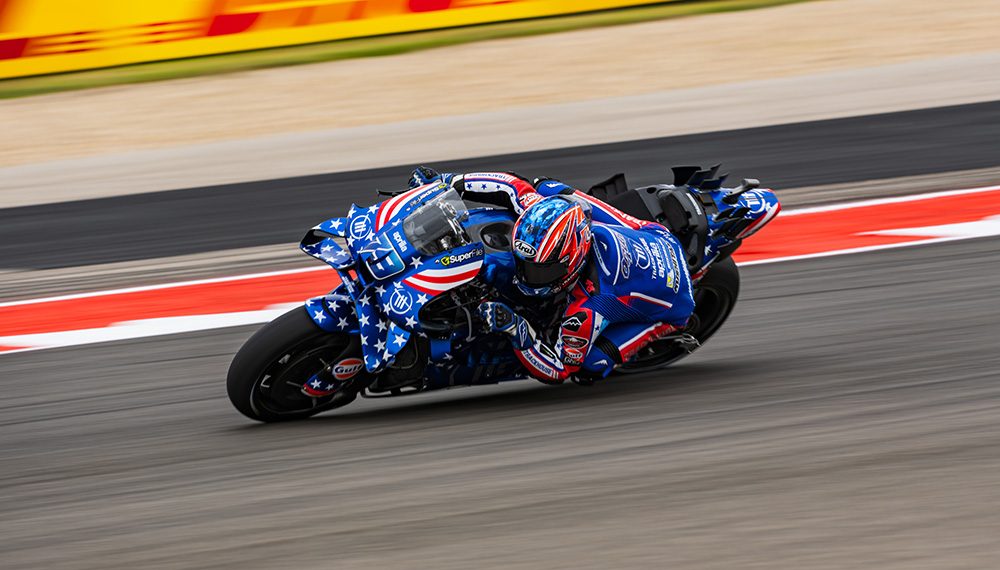
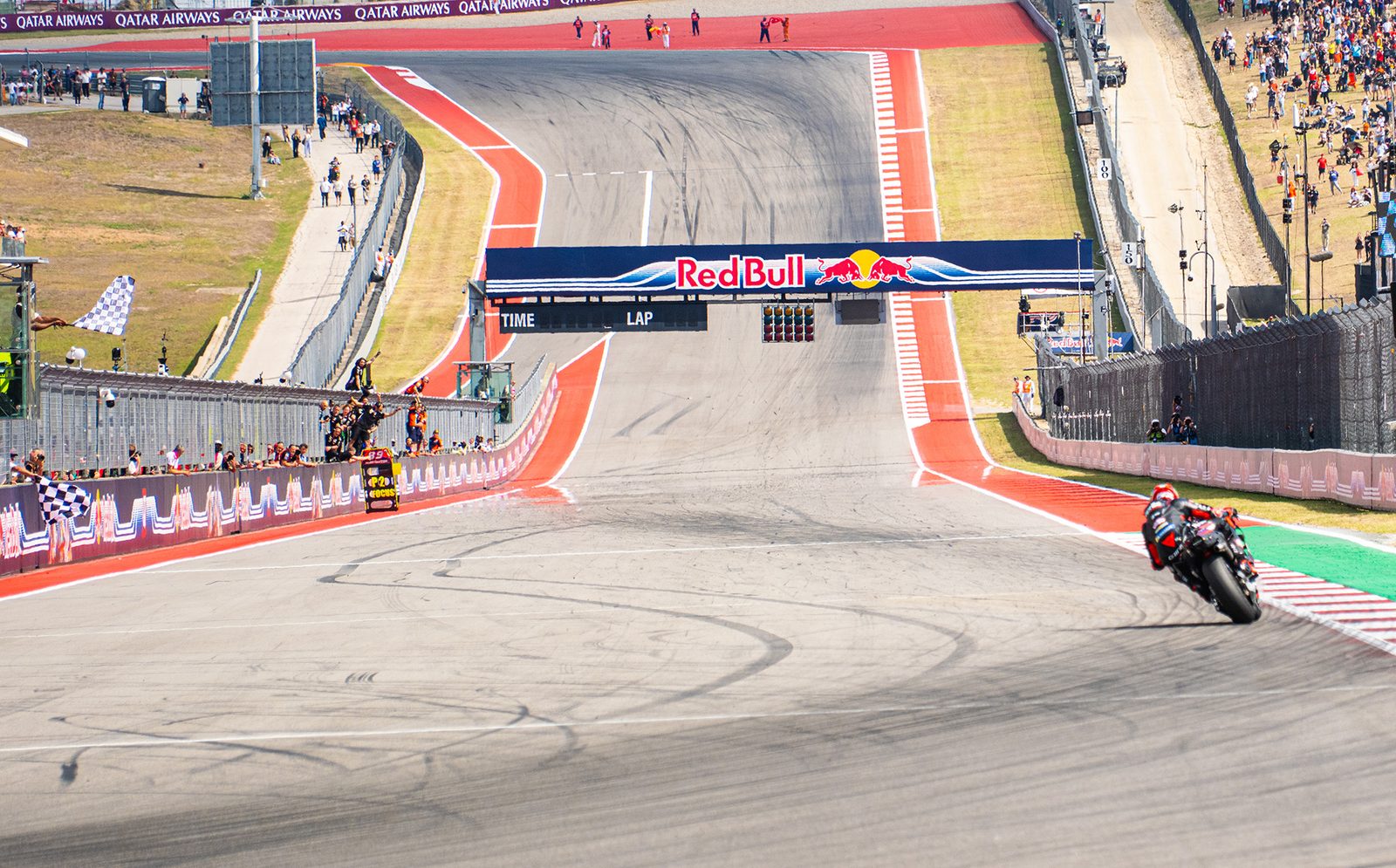
MotoGP represents the apex of global motorcycle racing, a high-octane spectacle where riders push physics to their limits at speeds exceeding 200 mph. The sport’s dynamic nature, characterized by lightning-fast turns, sudden braking zones, and intense rider-machine interaction, places immense pressure on photographic equipment. Capturing these fleeting moments requires cameras with blistering autofocus speeds, high continuous shooting rates, and robust subject tracking capabilities. Typically, professional photographers deploy full-frame or APS-C mirrorless systems optimized for speed, featuring advanced phase-detection autofocus, large buffers, and rapid processing engines. The Circuit of the Americas (COTA) in Austin, Texas, serves as a formidable testbed. As a purpose-built FIM and FIA Grade 1 circuit, COTA is celebrated for its challenging elevation changes, including a dramatic uphill Turn 1, and a diverse layout of high-speed straights and intricate corner sequences. For a photographer intimately familiar with COTA’s every corner, marshal post, and optimal shooting angle – a "home court advantage" – this familiarity becomes crucial when attempting the deliberate, considered shots that a camera like the Fujifilm GFX100S II demands.
Technical Contenders: Fidelity vs. Velocity
The core of this photographic experiment lay in comparing two distinct philosophies embodied by Fujifilm’s advanced mirrorless offerings.
The Fujifilm GFX100S II: The Medium Format Maestro
At the heart of the GFX100S II is a colossal 102-megapixel, 43.8×32.9mm large-format sensor, significantly larger than any full-frame sensor. This sensor, paired with the powerful X-Processor 5, is designed to deliver unparalleled image fidelity. Key specifications include:
- Sensor: 102-megapixel BSI CMOS, 55mm diagonal.
- Image Quality: Capable of producing 16-bit images with exceptional dynamic range, particularly at its base ISO of 80.
- Stabilization: Features a class-leading 5-axis in-body image stabilization (IBIS) system, rated at up to 8.0 stops, making handheld shooting viable even with longer lenses.
- Burst Rate: Maximum mechanical shutter speed of 7 frames per second (fps).
- Weight: Remarkably lightweight for its class at 883g (with battery and card), enhancing portability.
- Autofocus: Equipped with an improved AF algorithm, featuring deep-learning AI for subject detection, including motorcycles.
The Fujifilm X-H2S: The Speed Demon
In stark contrast, the Fujifilm X-H2S is engineered for uncompromised speed and action. As Fujifilm’s flagship X-series camera, it boasts:
- Sensor: 26.1-megapixel APS-C stacked BSI CMOS sensor.
- Processor: X-Processor 5, optimized for rapid data handling.
- Burst Rate: Up to 40 fps with the electronic shutter and 15 fps with the mechanical shutter.
- Autofocus: Advanced subject-detection autofocus, specifically tuned to lock onto fast-moving subjects like motorcycles and riders with impressive tenacity.
- Target Audience: Widely adopted by sports, wildlife, and photojournalism professionals for its ability to capture decisive moments.
The lens chosen for the GFX100S II test was the Fujifilm GF 100-200mm F5.6 R LM OIS WR. Given the GFX system’s 0.79x crop factor relative to a 35mm full-frame equivalent, this lens provided an effective field of view of approximately 79-158mm. This range proved remarkably versatile, akin to the Fujifilm XF 50-140mm F2.8 on an APS-C X-H2S body, and was suitable for a variety of scenarios from the main straight to the bustling paddock. The choice of a single, versatile lens minimized variables, allowing for a focused assessment of the camera body’s capabilities.
An Integrated Workflow: Customization and Ergonomics
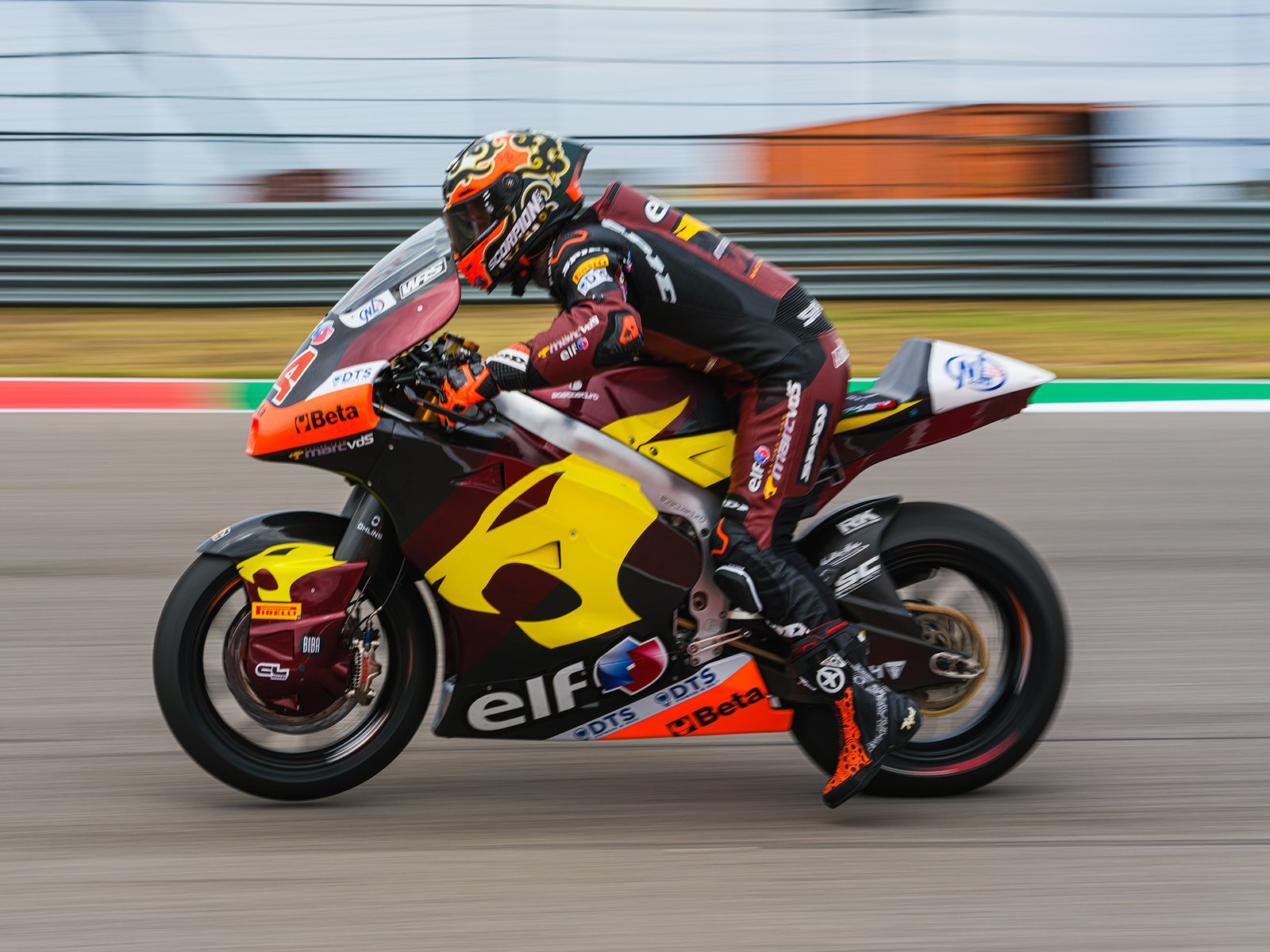
One significant advantage for photographers already invested in the Fujifilm ecosystem is the shared menu logic and ergonomic philosophy across its X-series and GFX systems. This consistency allowed for a relatively straightforward setup of the GFX100S II to mirror the photographer’s X-H2S configuration. Custom settings, such as C1 and C2 for shutter priority (for sharp freezes and motion pans) and C3 for aperture priority (for paddock and grid work), were easily replicated. The GFX100S II accommodates six custom positions on its mode dial, facilitating a clean and intuitive workflow. While the FN (Function) button layout differed slightly – with two on top compared to the X-H2S’s additional body-side button typically mapped to subject-detection AF – the overall transition was smooth, underscoring Fujifilm’s commitment to user experience across its diverse camera lines. The video capabilities of the GFX100S II, while present, were intentionally excluded from this high-speed action assignment, reserving their evaluation for a more appropriate context.
Navigating the MotoGP Weekend: A Chronological Assessment
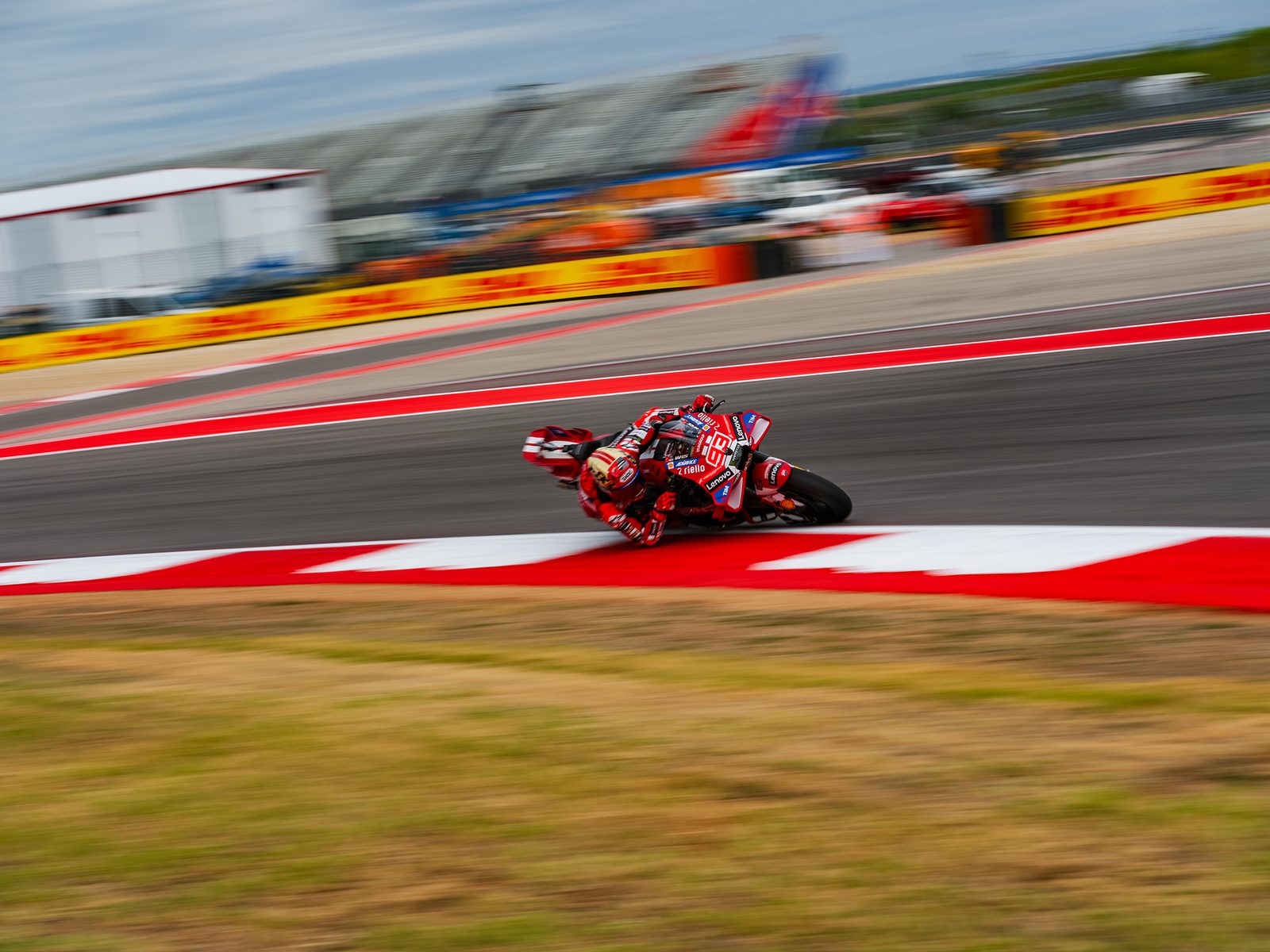
The MotoGP weekend unfolded as a series of distinct photographic opportunities, each testing the GFX100S II in different capacities.
Friday: Practice Sessions – Initial Encounters with Speed
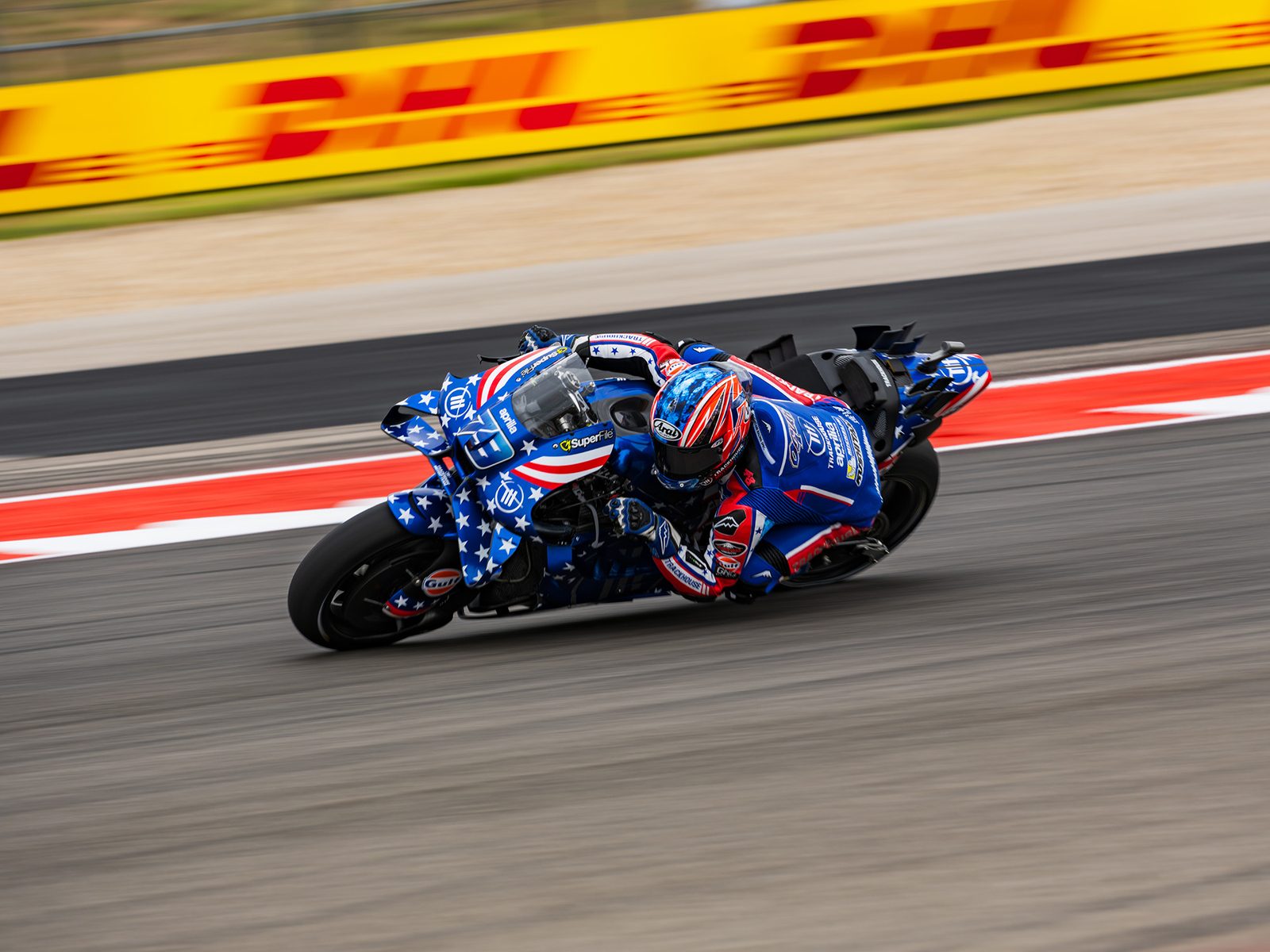
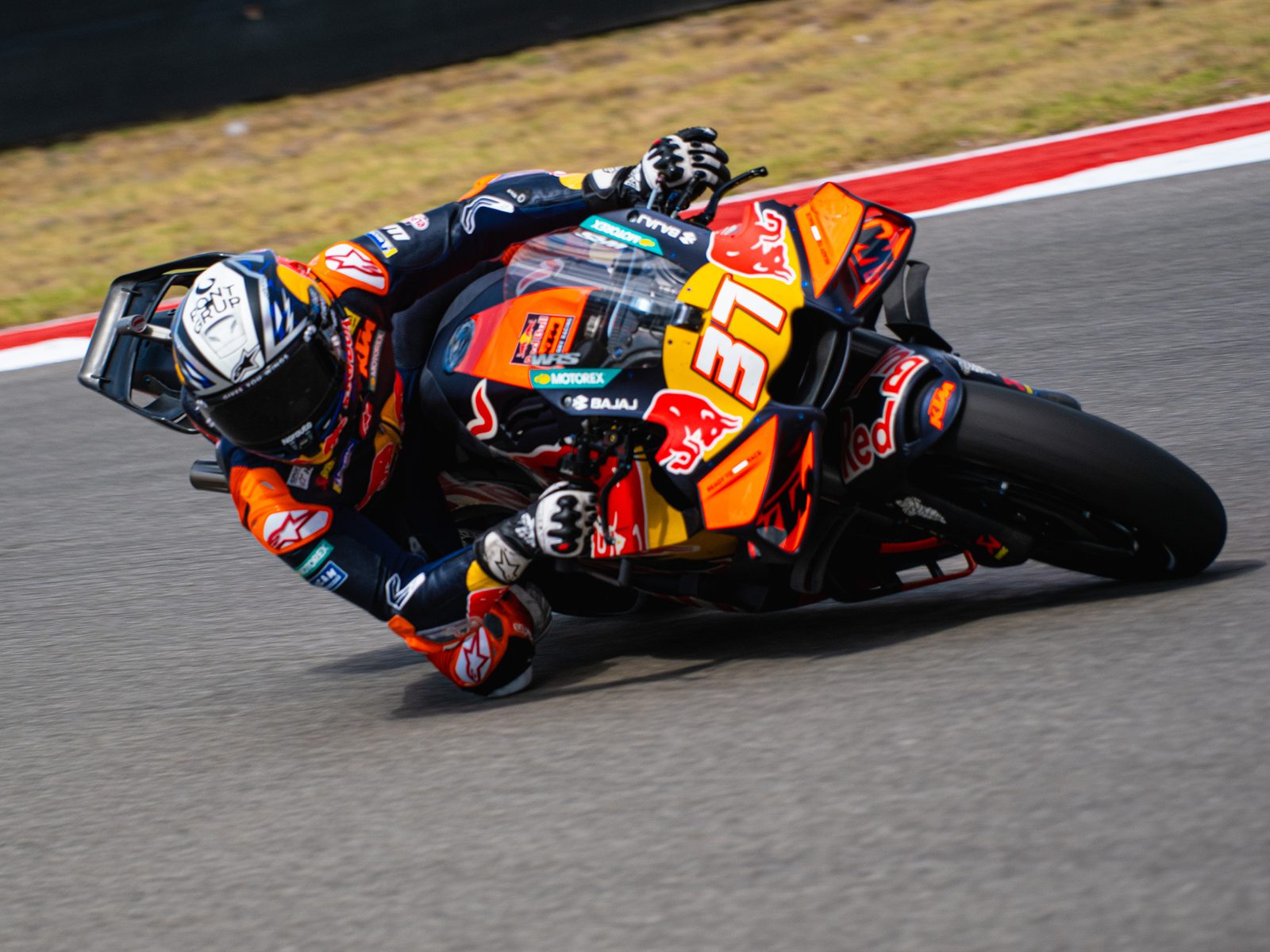
The initial practice sessions on Friday provided the first real challenge. As motorcycles roared around COTA’s demanding layout, the GFX100S II was deployed trackside. The goal was to assess its autofocus capabilities in live, high-speed scenarios. Despite its medium format heritage, the GFX100S II’s subject-detection AF, powered by deep-learning AI and specifically trained for motorcycles, performed better than anticipated. It managed to track riders through corners and across varied backgrounds with reasonable reliability. However, the contrast with the X-H2S was immediately apparent. The GFX, while capable, exhibited a noticeable lag in response time and subject retention, particularly during rapid changes in direction or when subjects entered the frame at high velocity. The X-H2S, with its stacked sensor and optimized processor, maintained a "stickier" lock, delivering a higher hit rate in the most demanding sequences, such as high-speed braking zones into tight hairpins.
Saturday: Qualifying and Sprint Race – The Buffer Barrier
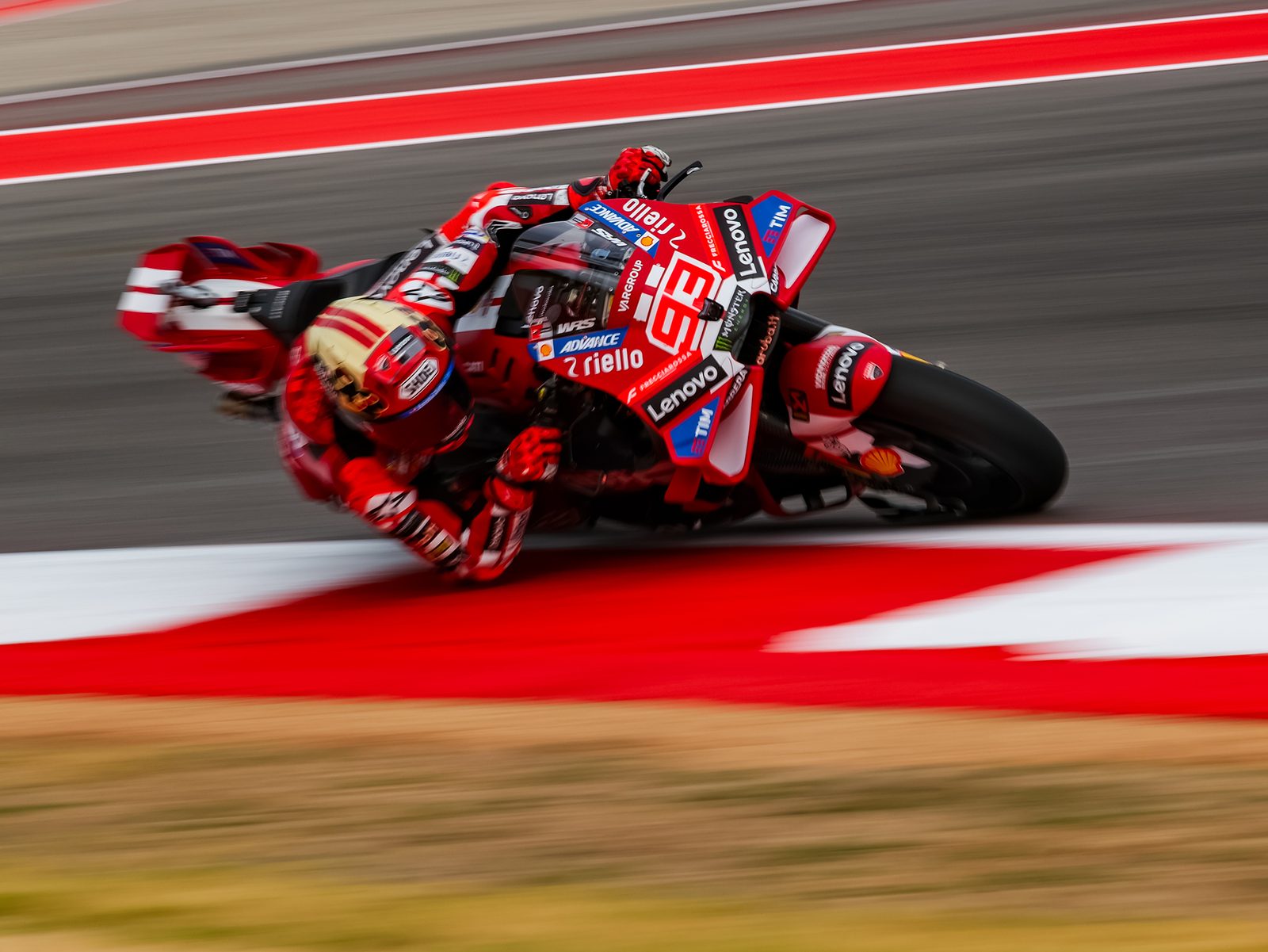
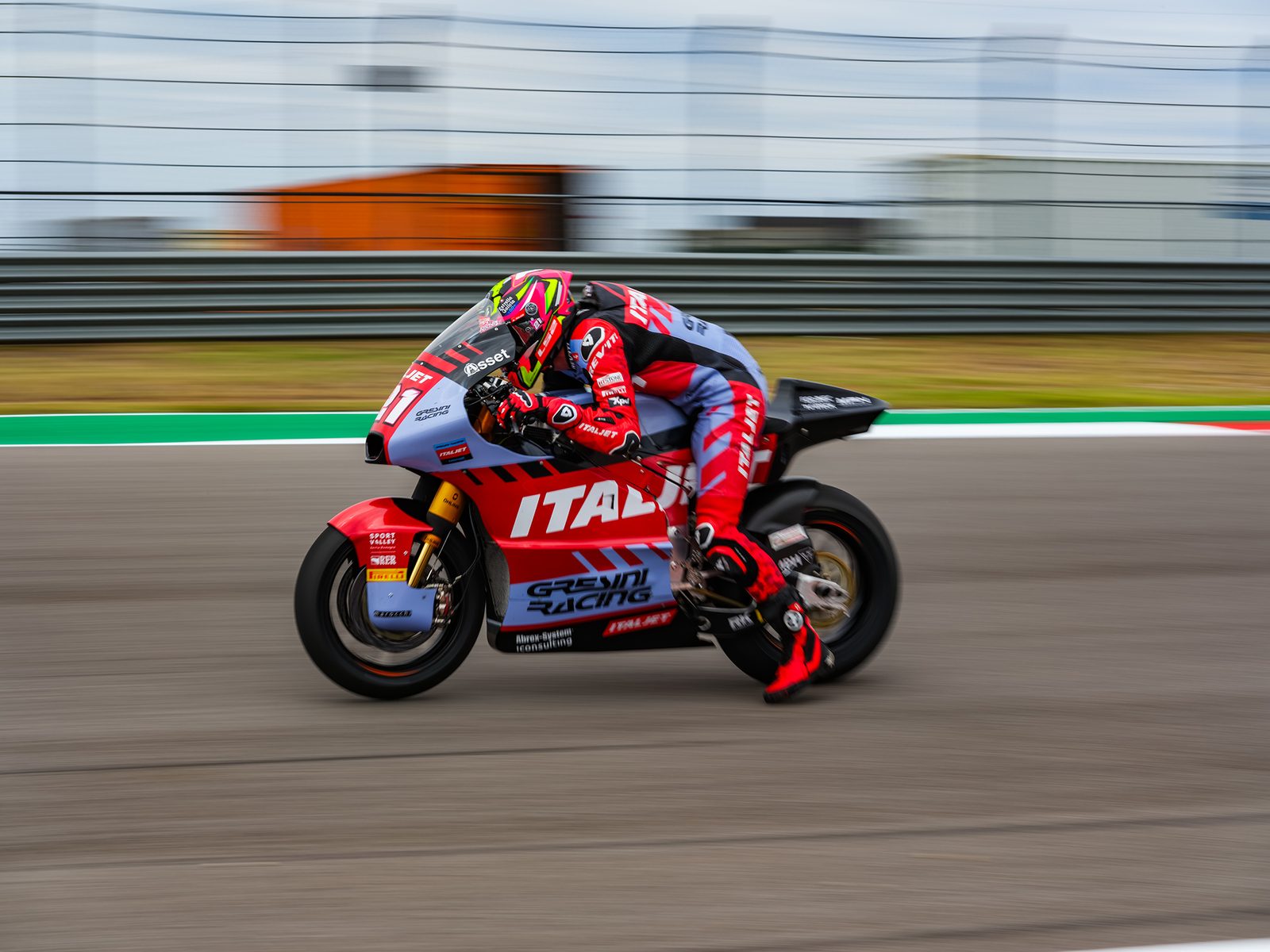
Saturday brought qualifying sessions and the intense Sprint Race, pushing the GFX100S II to its limits regarding continuous shooting. This is where the camera’s inherent design for image fidelity, rather than speed, became a tangible operational constraint. Shooting enormous 14-bit or 16-bit RAW files from a 102-megapixel sensor at 7 frames per second (the mechanical shutter maximum) quickly saturated the buffer. Even with fast UHS-II media, the buffer filled after approximately 19 frames when shooting lossless-compressed RAW, and around 16 frames for uncompressed RAW. While compressed RAW offered a more generous 30 frames, this still translated to less than five seconds of sustained burst before the camera paused to process the data. This limitation necessitated a significant shift in shooting strategy. The typical "spray and pray" approach common in high-speed sports photography was untenable. Instead, the photographer was forced to anticipate moments more acutely, reading the race flow, pre-visualizing the decisive apex, and committing to fewer, more deliberate bursts. This discipline, while not a flaw in itself, presented a real operational challenge in an environment where a perfect moment can last a mere fraction of a second.
Sunday: Race Day – Strategic Deployment and Unmatched Fidelity
Race day, the climax of the weekend, saw a strategic deployment of the GFX100S II. While the X-H2S bodies handled the majority of the continuous action, the GFX was reserved for specific, high-impact shots where ultimate image quality was paramount. This included moments in the paddock before the race, capturing intricate details of the bikes and riders, the grid walk where deliberate portraits could be framed, and the post-race podium celebrations.
Performance Analysis: Where the GFX100S II Truly Shines and Where it Yields
Autofocus: A Leap Forward, Yet Not a Replacement
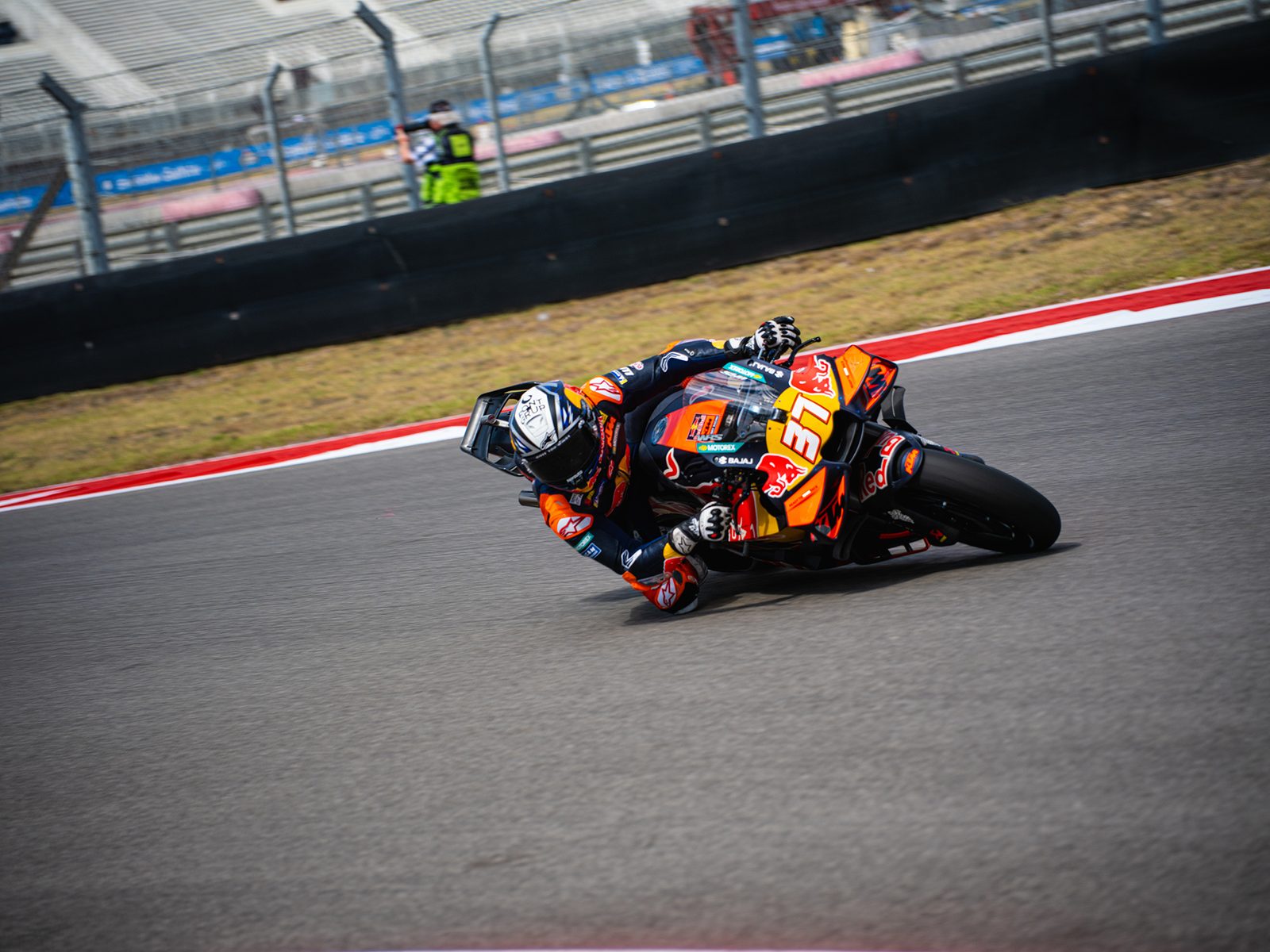
The Fujifilm GFX100S II’s autofocus system represents a significant advancement over its predecessors. The integration of the X-Processor 5 and deep-learning AI for subject detection, including motorcycles, makes it surprisingly competent for a medium-format camera in action scenarios. Its ability to track subjects through corners and across complex backgrounds with reasonable reliability is commendable. However, direct comparison with the X-H2S reveals a performance gap. The X-H2S benefits from its stacked APS-C sensor, which allows for much faster readout speeds, and its processor is specifically optimized for rapid subject acquisition and retention in high-speed environments. This results in the X-H2S delivering a higher percentage of critically sharp images in the most challenging, unpredictable sequences. While the GFX100S II is not disqualifyingly slow, its slightly slower response time and subject retention make it a tool for considered action, not spontaneous, continuous bursts.
The Buffer Wall: A Paradigm Shift in Shooting Strategy
The physical reality of handling massive 102-megapixel RAW files dictates the GFX100S II’s buffer performance. At its maximum mechanical shutter speed of 7 fps, the buffer fills rapidly. For professional motorsport photographers accustomed to lengthy bursts from cameras like the X-H2S (which can sustain 15 fps mechanically or 40 fps electronically for significantly longer durations), this demands a fundamental change in approach. It forces a return to a more traditional, deliberate style of sports photography, emphasizing anticipation, timing, and precision over sheer volume. This constraint underscores the camera’s primary purpose: delivering exceptional image quality, even if it means sacrificing continuous high-speed capture.
Unmatched Image Quality: The GFX’s Irrefutable Dominance
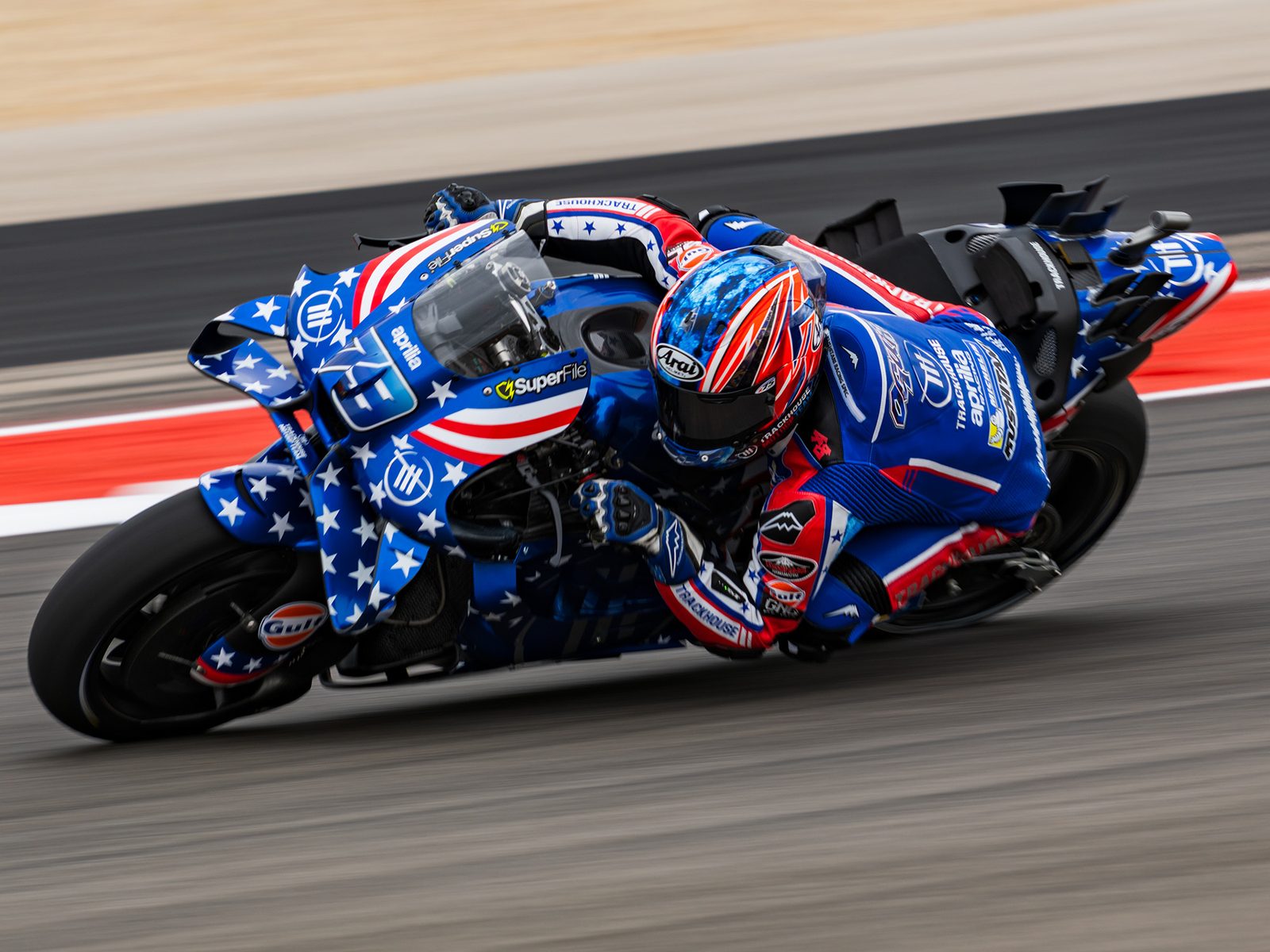
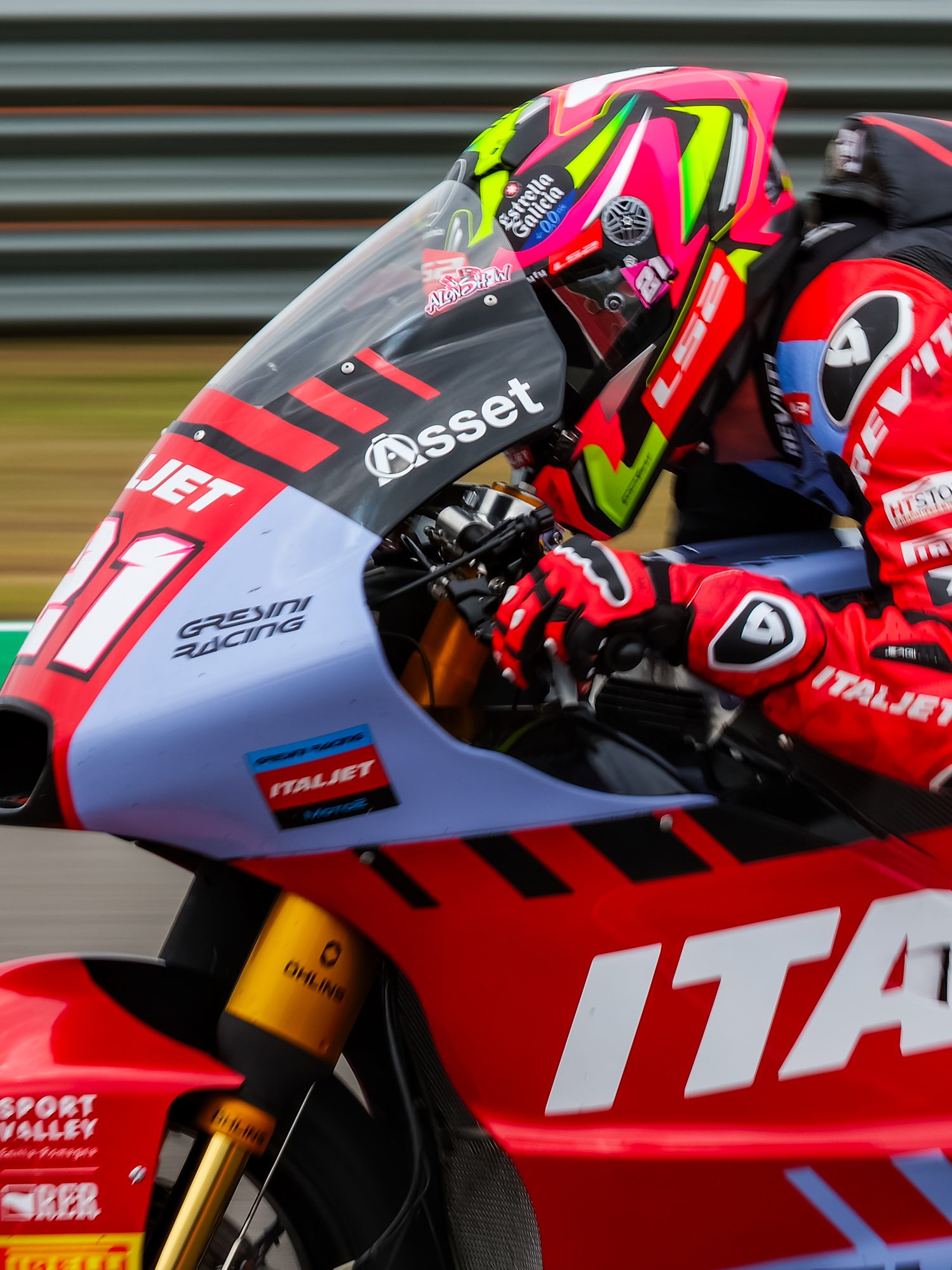
Where the GFX100S II unequivocally outshines its speed-focused counterparts is in its unparalleled image quality. The 102-megapixel large-format sensor, combined with redesigned microlenses, produces files with an extraordinary depth of tone, tridimensionality in color gradation, and resolving power that is genuinely in a different league. The sheer physical size of the sensor (55mm diagonally) enables a tonality and micro-contrast that smaller formats simply cannot replicate.
The difference, often subtle on the camera’s rear screen, becomes breathtaking when viewed on a high-resolution display. Textures in rider leathers, the shimmering heat emanating from exhaust pipes, and individual crowd members in backgrounds that might otherwise appear as mush, all resolve with stunning clarity and detail. The sensor’s base ISO of 80, coupled with its 16-bit image capture, provides an incredibly wide dynamic range, allowing for extensive recovery of highlight and shadow detail even in the high-contrast lighting typical of a bright race circuit. Furthermore, the 8.0-stop in-body image stabilization (IBIS) proved invaluable, enabling confident handheld shooting in conditions that would typically demand a monopod or faster shutter speeds, particularly in the more static environments of the paddock and grid.

The Paddock: The GFX100S II’s Natural Habitat
Away from the frenetic pace of the track, in the paddock, on the starting grid, and during post-race celebrations, the Fujifilm GFX100S II truly found its stride. In these environments, where the rhythm of photography shifts from capturing peak action to documenting atmosphere, emotion, and intricate details, the GFX was an absolute joy to operate. The ability to frame deliberately, trust the autofocus on static or slow-moving subjects, and know that the captured images possessed immense resolution for dramatic cropping in post-production was profoundly liberating. A tight portrait of a rider on the grid, cropped to reveal only their intense eyes above the visor, retains astounding detail and print-ready quality. This post-production flexibility is a game-changer for editorial and commercial assignments, offering creative latitude that smaller sensors cannot match.
Broader Implications and Final Verdict
The experiment with the Fujifilm GFX100S II at MotoGP provides crucial insights into the evolving landscape of professional photography tools. It demonstrates that while the GFX system may not be the primary choice for continuous, high-speed action, its advancements in autofocus and portability are making it increasingly versatile.
Market Positioning and Fujifilm’s Strategy:
This test reinforces Fujifilm’s dual-pronged strategy: catering to the speed-and-action segment with its X-H series (like the X-H2S) and providing unparalleled image fidelity with its GFX medium format line. The GFX100S II, with its improved AF and lighter body, is slowly blurring the lines, making medium format more accessible and capable in previously niche applications. It positions the GFX not as a competitor to dedicated sports cameras but as a specialized, premium tool for photographers who demand the absolute highest image quality for specific, deliberate shots.
Photographer’s Workflow:
The experience highlights a growing trend among professional photographers: building a complementary kit rather than relying on a single "do-it-all" camera. For motorsport photography, this means a primary system like the X-H2S for the critical, unmissable action, complemented by a camera like the GFX100S II for moments where artistic intent and supreme image quality take precedence. This approach maximizes both speed and fidelity, allowing photographers to adapt their tools precisely to the demands of each photographic scenario within a complex event.
Technological Trends:
The inclusion of deep-learning AI for subject detection in a medium-format camera signals a broader industry trend towards intelligent autofocus systems becoming standard across all formats. While the GFX100S II’s AF may not match the X-H2S, its capability to track motorcycles effectively demonstrates how computational photography is enhancing even high-resolution, slower-burst systems, expanding their potential applications.

In conclusion, the Fujifilm GFX100S II is a truly special camera, and its performance at COTA during MotoGP was a compelling demonstration of its capabilities. While it will not replace the X-H2S as the go-to body for continuous high-speed action, it undeniably earns its place as a deliberate complement. For landscape, portraiture, studio, fashion, and editorial work, its capabilities are formidable. At the track, it functions as a strategic "secret weapon" – a third body reserved for those critical moments where speed is secondary to the pursuit of ultimate image quality. Whether it’s the intimate details of a grid walk, the triumph of a podium celebration, or the solitary, perfectly timed shot in a quiet corner, nothing else in the Fujifilm system comes close to the tonality, detail, and sheer impact this large-format sensor produces. However, when the starting lights extinguish and the field hurtles into Turn 1, the instantaneous response and relentless tracking of the X-H2S will remain the indispensable choice for capturing the heart of the race. The GFX100S II, then, is not about speed; it is about elevating moments into masterpieces.