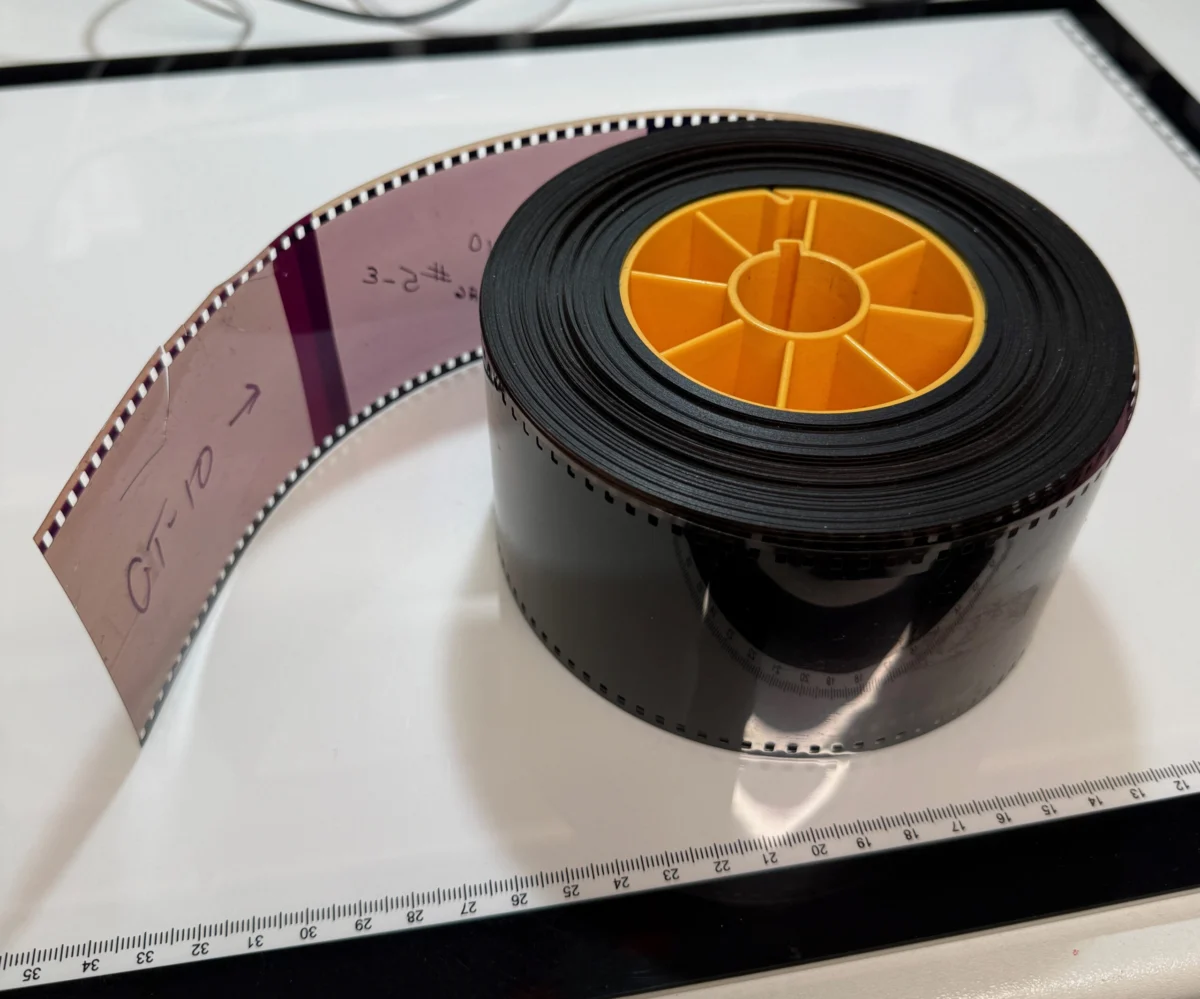
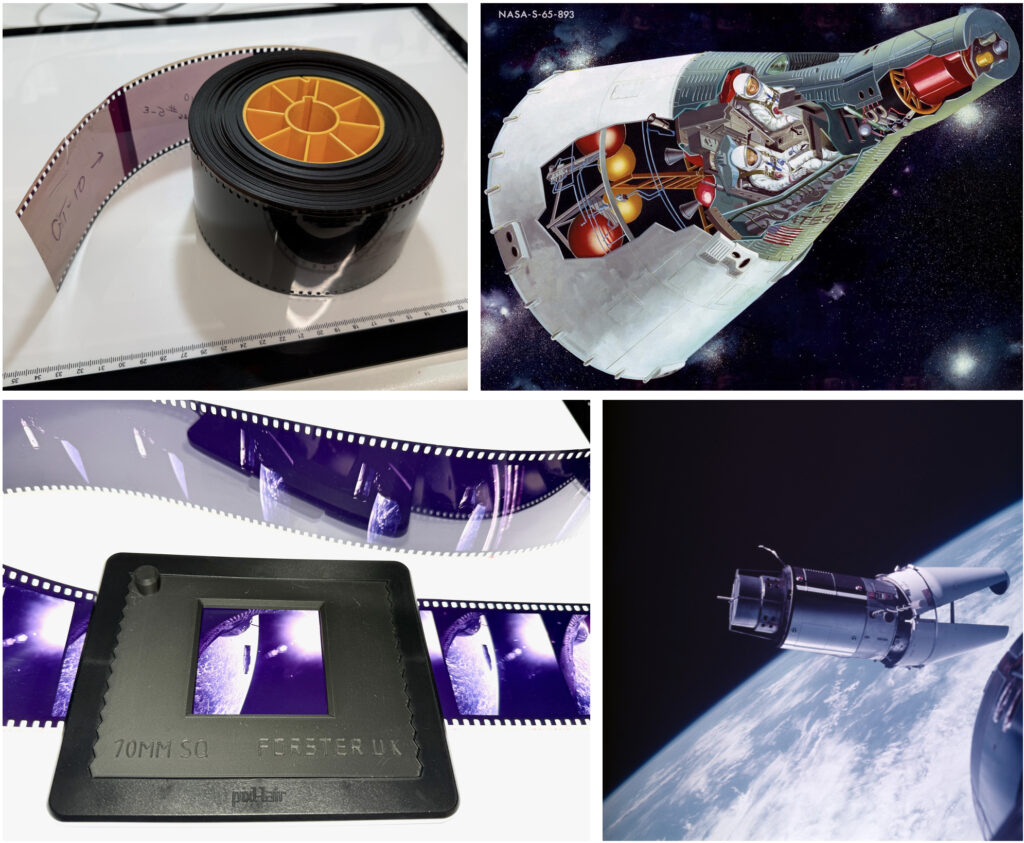
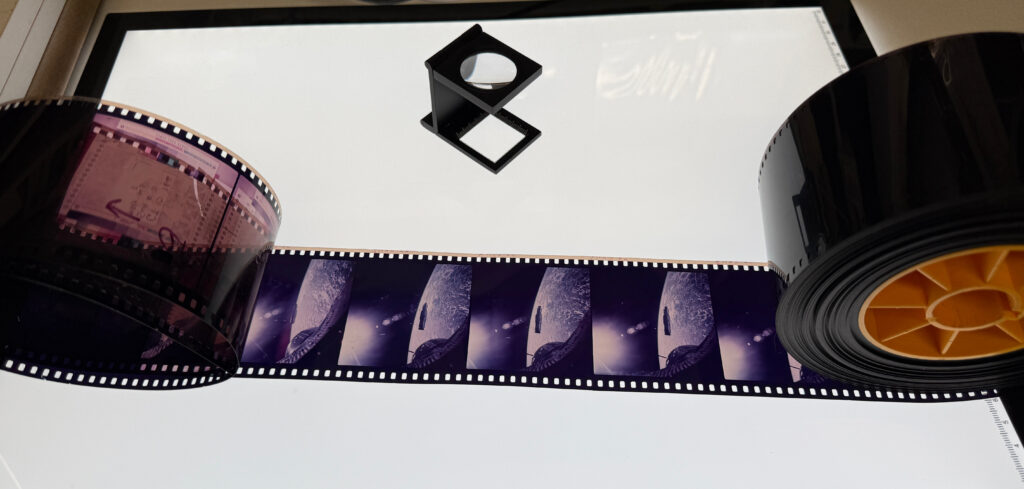
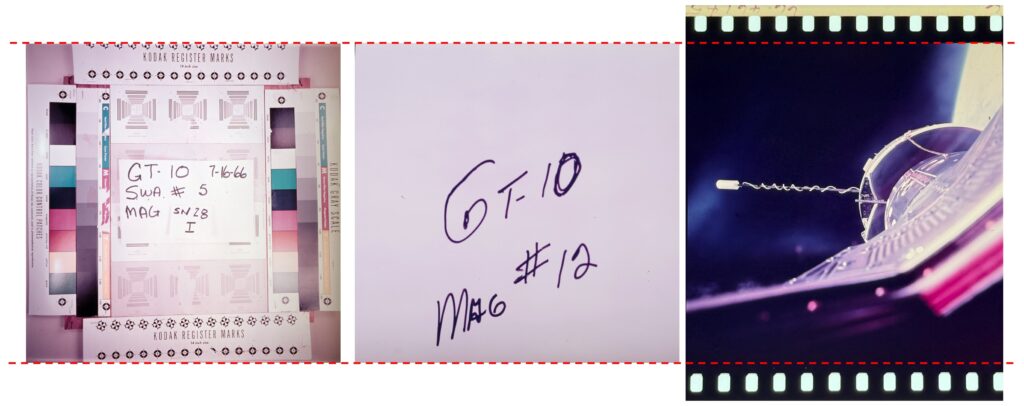
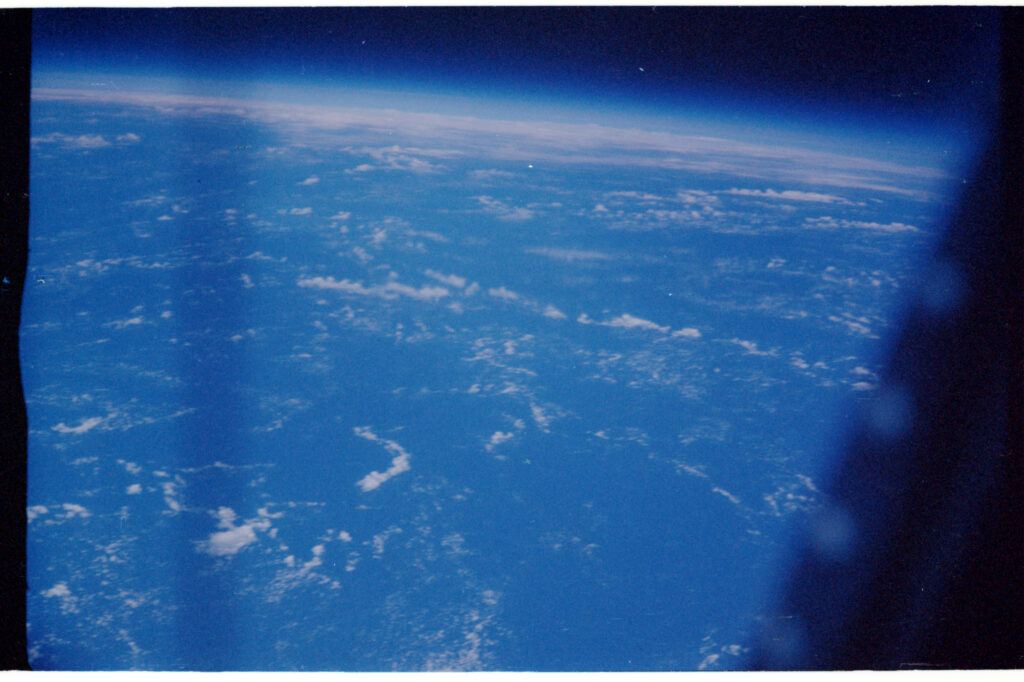
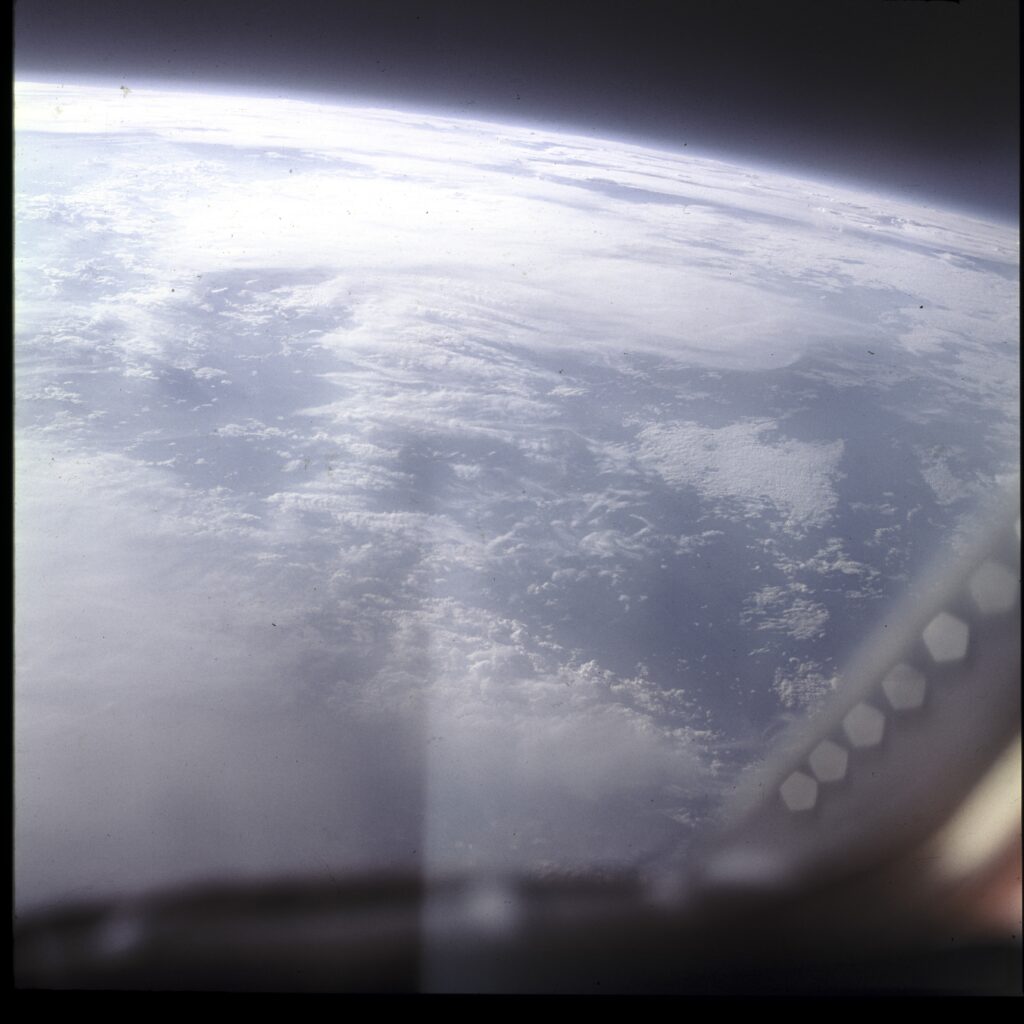
The recent discovery and analysis of a 70mm color transparency reel from the July 1966 Gemini X mission has brought renewed attention to the pivotal role photography played during the early years of the United States space program. This artifact, once part of the estate of a NASA photographic technician at the Manned Spacecraft Center in Houston, Texas, serves as a high-fidelity record of the technical and scientific transition between the survival-focused Mercury missions and the complex lunar preparations of the Apollo era. As the 60th anniversary of the Gemini program approaches, these first- and second-generation copies of orbital images underscore the systematic rigor applied by NASA’s Photographic Technology Laboratory (PTL) to document the final frontier.
The Genesis of Spaceborne Photography
In the early 1960s, NASA’s primary objective was the survival of the human occupant and the engineering integrity of the spacecraft. Photography was initially viewed by some flight directors as a secondary concern, if not a potential distraction from critical flight tasks. However, the need for scientific data and the public’s growing "space fever" eventually necessitated a formal photographic program.
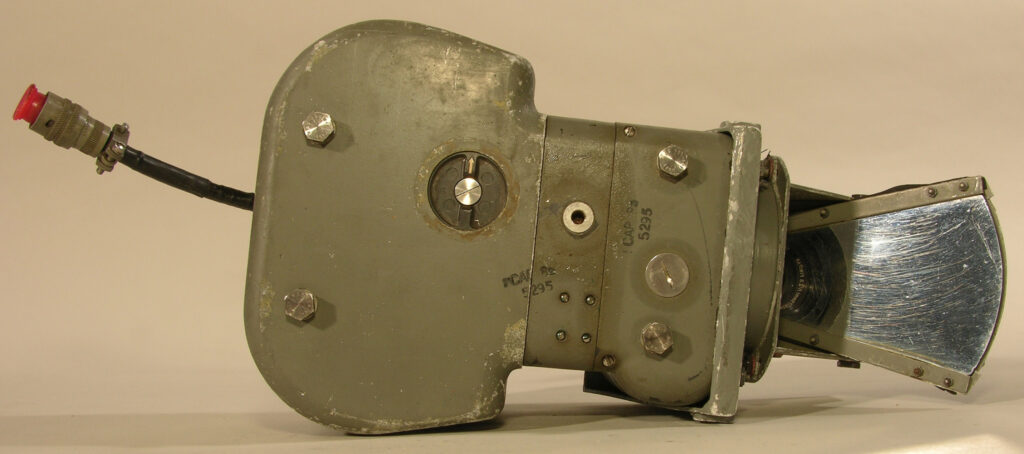
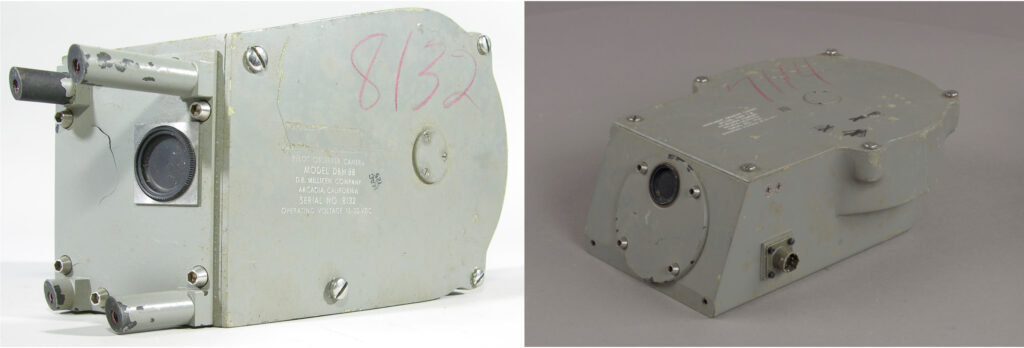
The earliest cameras utilized in space were passive, automatic "sequence" cameras designed to record telemetry and pilot behavior without astronaut intervention. During the Mercury program, NASA employed 16mm DBM 7A and 8B cameras manufactured by the D.B. Milliken Company. These units were positioned to monitor the instrument panel and the astronaut’s physical reactions. For external views, a 70mm 220G Earth/Sky Observer camera by J.A. Maurer Inc. was used, capturing images through a small porthole via a mirror system at six-second intervals. These early systems documented historic moments, such as the suborbital flight of the chimpanzee Ham on Mercury-Redstone 2 and Alan Shepard’s pioneering Mercury-Redstone 3 mission in May 1961.
The Transition to Astronaut-Operated Systems
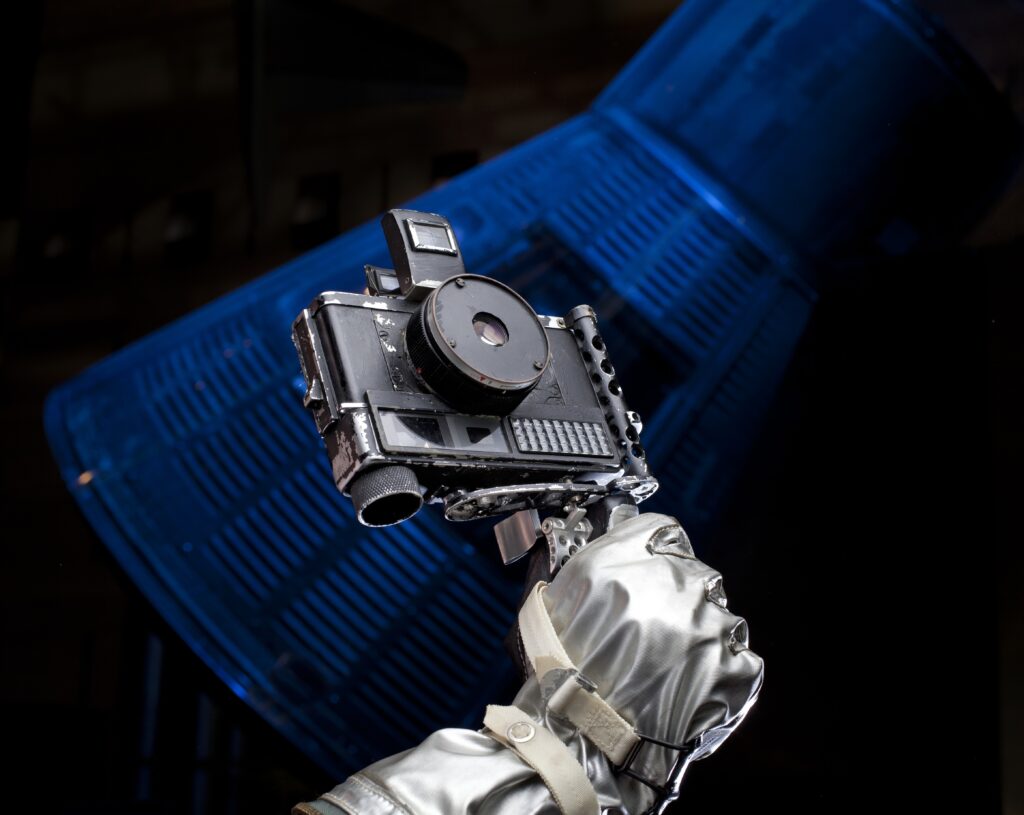
The shift toward manual, astronaut-led photography began in a surprisingly ad hoc manner. Ahead of the Mercury-Atlas 6 mission in February 1962, Astronaut John Glenn purchased a $45 Ansco Autoset 35mm rangefinder—a rebadged Minolta Hi-Matic—from a local pharmacy in Florida. Modified by an RCA contractor with a pistol grip and an oversized shutter trigger to accommodate pressurized gloves, this "drugstore camera" produced the first human-captured orbital photographs. While the image quality was limited by the consumer-grade optics, the mission proved that astronauts could effectively operate photographic equipment in microgravity.
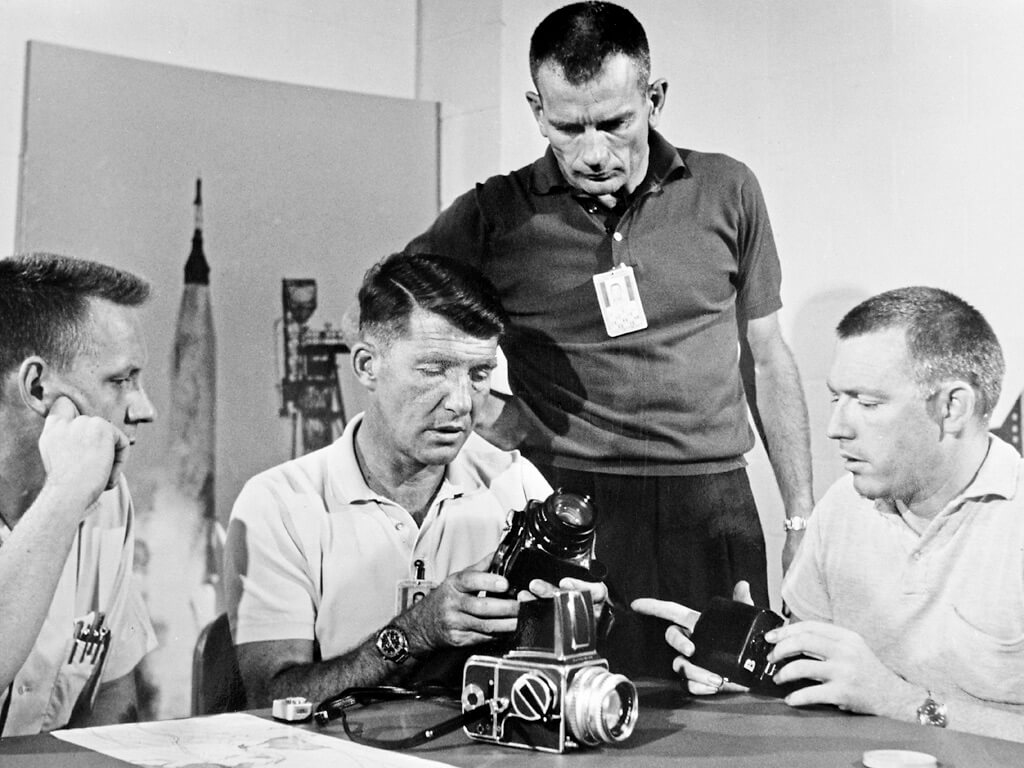
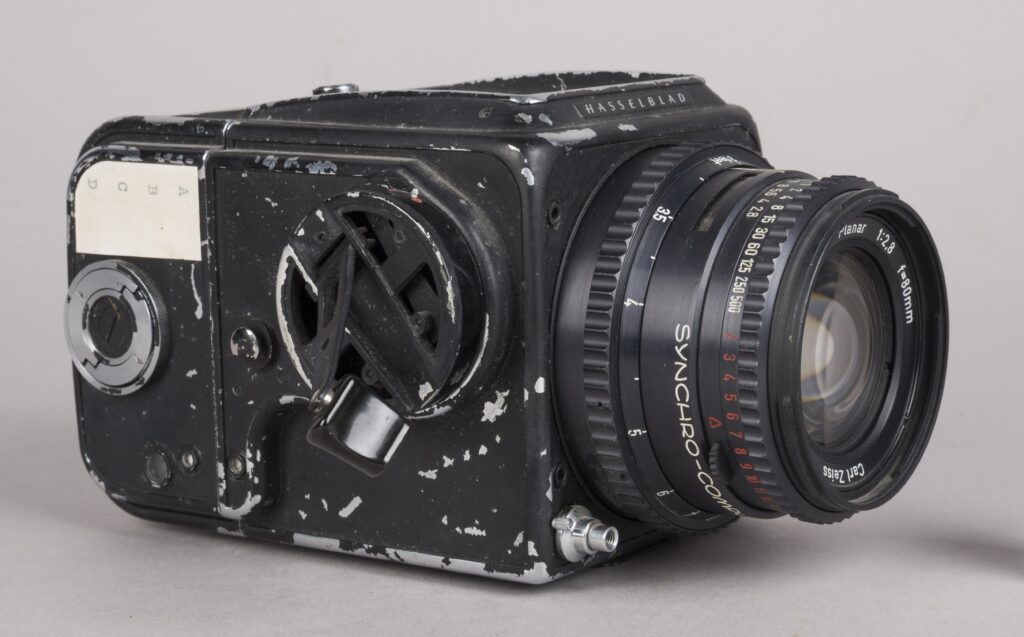
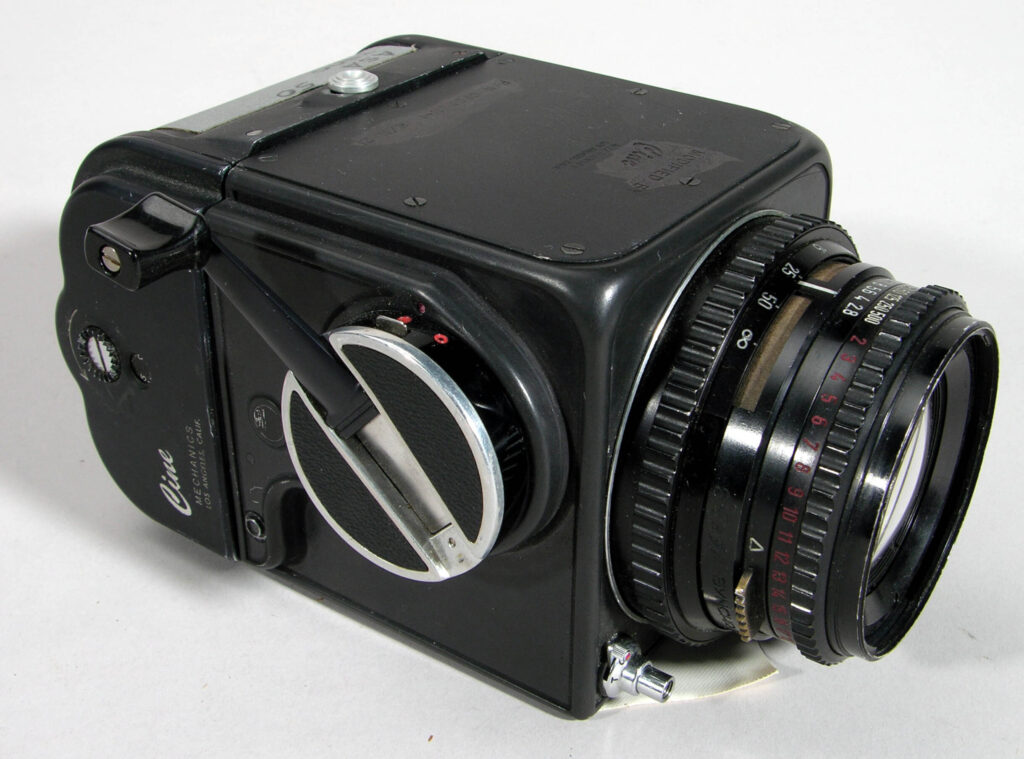
Subsequent Mercury missions saw the introduction of more sophisticated hardware. Scott Carpenter utilized a modified Robot Recorder 36, a German-made clockwork camera known for its robust film advance mechanism. However, the most significant leap occurred when Astronaut Walter Schirra, an amateur photography enthusiast, suggested the use of the Hasselblad 500C. The Swedish-made medium-format camera offered interchangeable lenses and film backs, providing a level of resolution previously unattainable in orbit.
NASA technicians extensively modified the Hasselblad 500C for spaceflight. To reduce weight, the internal mirror and leather coverings were removed. The camera was painted matte black to minimize reflections against the spacecraft windows, and the waist-level viewfinder was replaced with a simple sighting reticle that could be used while wearing a helmet. The transition to 70mm film provided 3.6 times the "real estate" of 35mm negatives, offering approximately 3,136mm² of sensitized material per frame.
The Gemini Program: Engineering the Perfect Shot
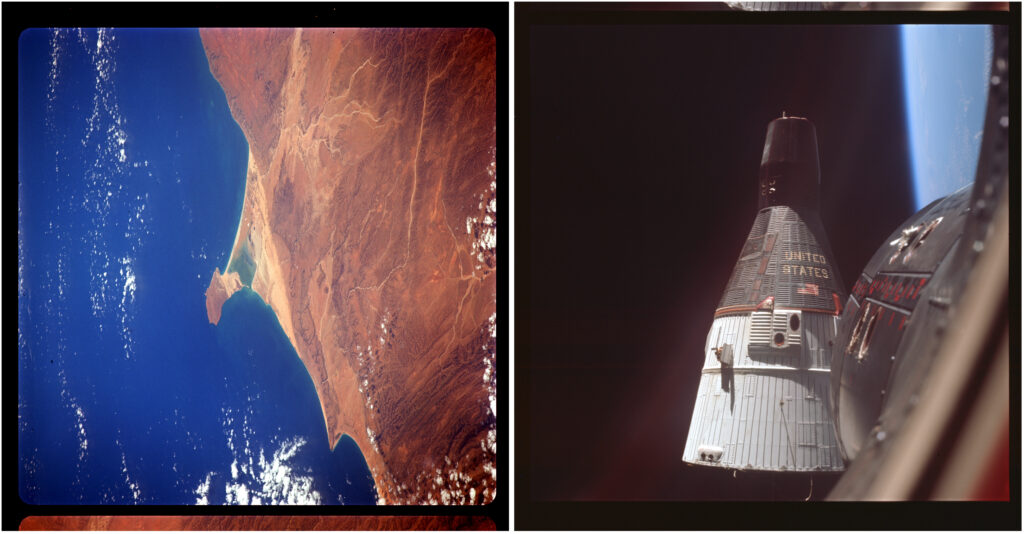
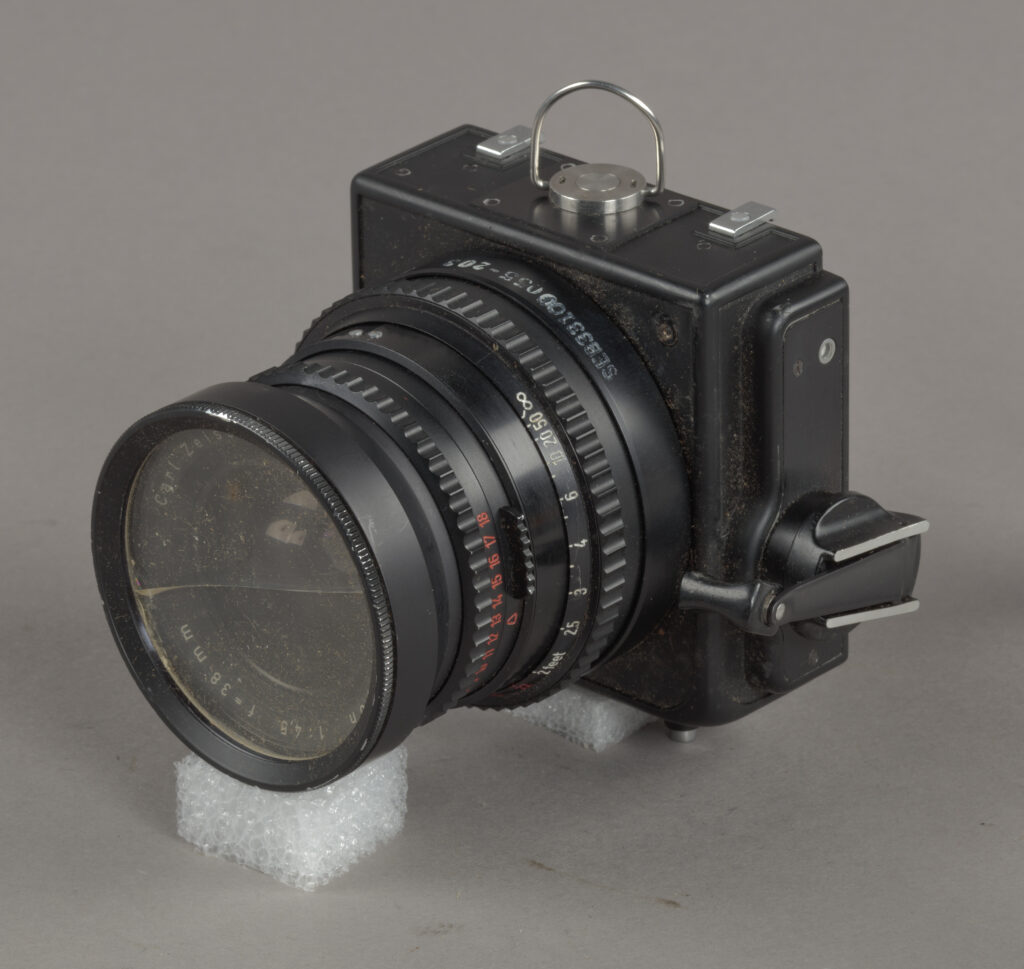
The Gemini program (1964–1966) served as the laboratory for the maneuvers required to reach the Moon: rendezvous, docking, and extravehicular activity (EVA). Photography became central to documenting these milestones. By the time Gemini X launched in July 1966, the photographic kit had expanded to include the Hasselblad Super Wide C (SWC), which featured a fixed 38mm Zeiss Biogon lens. This wide-angle optic was essential for capturing the vastness of the Earth’s curvature and the proximity of docking targets like the Agena Target Vehicle (GATV).
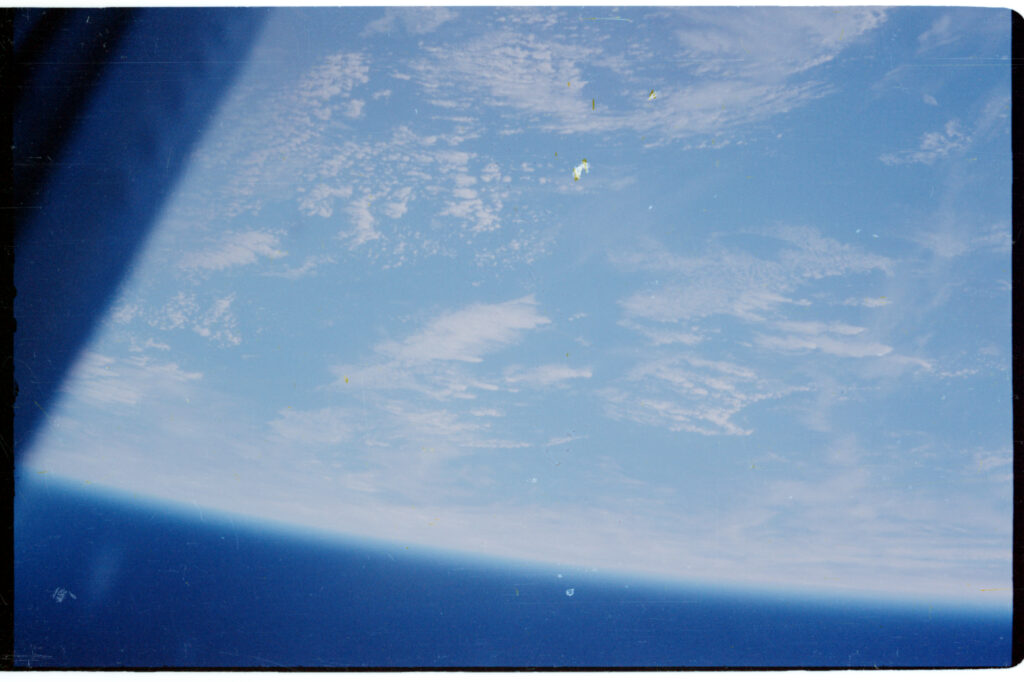
The Gemini missions also integrated the Maurer 70mm "Space Camera." While the Hasselblad was the preferred tool for its elegance and optical superiority, the Maurer was utilized for specific scientific experiments and to satisfy the political necessity of using American-manufactured equipment. This camera was often used with specialized filters to study atmospheric contrast and color patches, helping NASA scientists understand how to accurately represent the lunar surface in future missions.
Operational Challenges in the Gemini Capsule
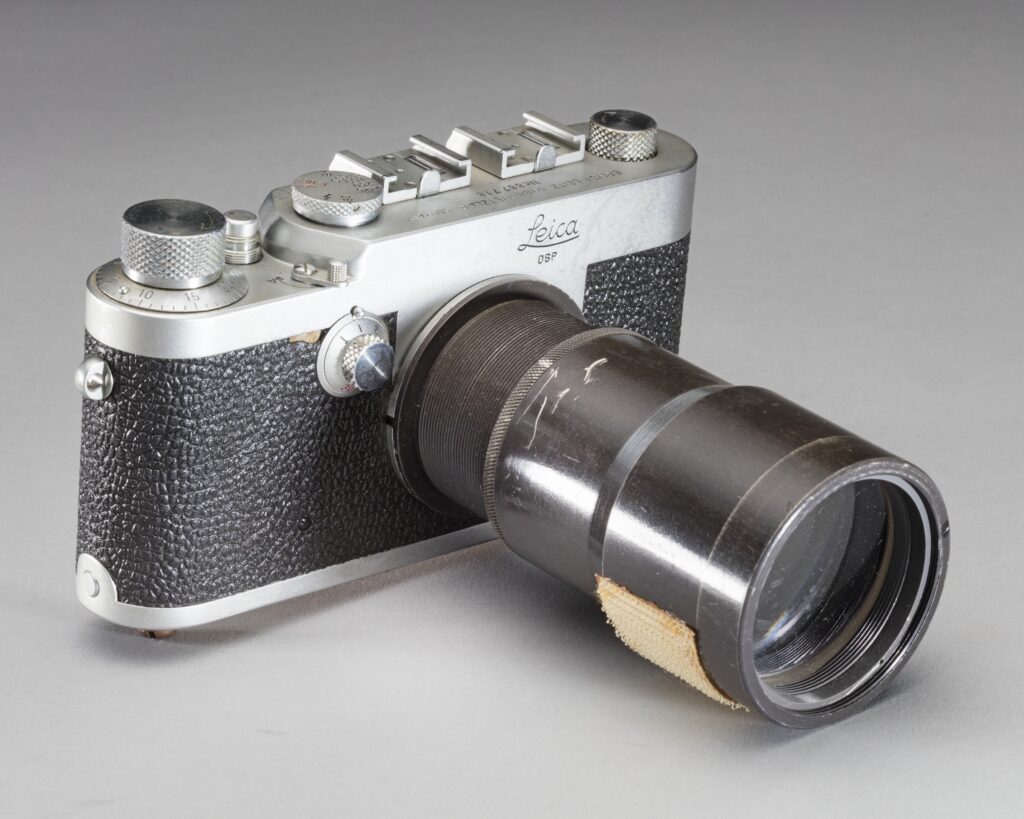
The technical achievements of Gemini photography are highlighted by the extreme conditions under which the images were produced. The Gemini capsule provided a habitable volume of only 55 cubic feet (1.56 cubic meters)—roughly equivalent to the front seat of a compact car. Within this cramped space, two astronauts had to manage bulky cameras, interchangeable film magazines, and scientific instruments while wearing pressurized suits.
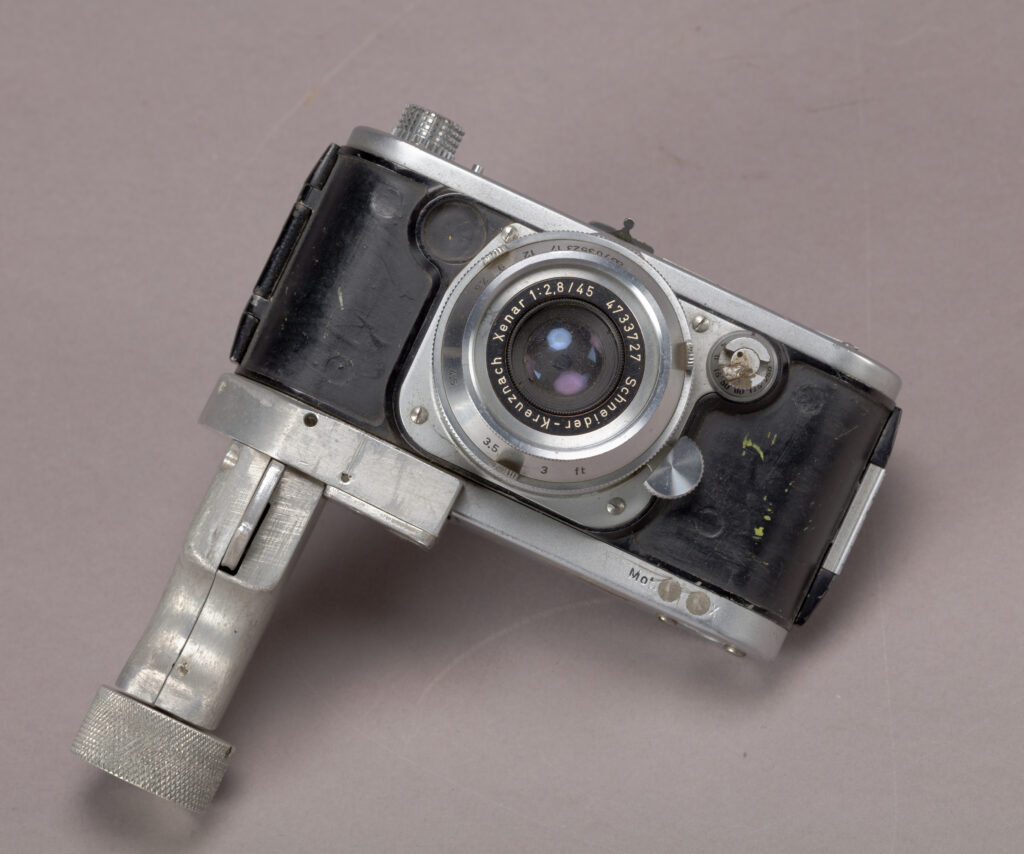
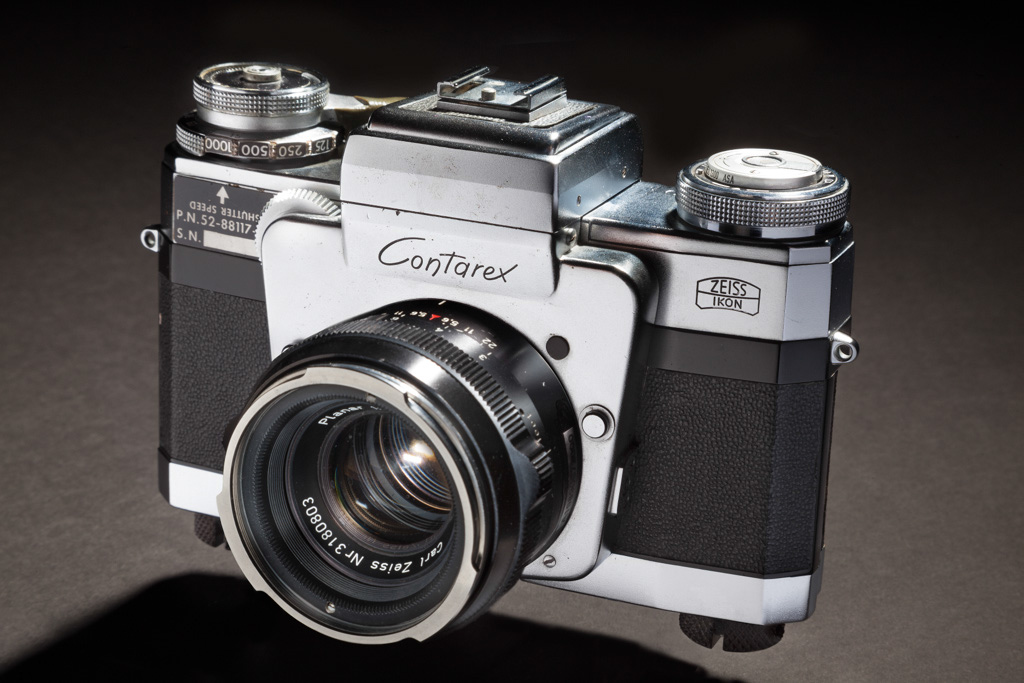
On missions such as Gemini VII, where Frank Borman and Jim Lovell spent 14 days in orbit, the astronauts were required to conduct hundreds of experiments and document their progress through windows measuring only 6 by 8 inches. The logistical complexity was further exacerbated during EVAs. For instance, on Gemini IV, James McDivitt photographed Ed White’s historic spacewalk using a Hasselblad, while White himself operated a Zeiss Ikon Contarex 35mm SLR mounted to a handheld gas-powered propulsion gun.
Technical Specifications of Space-Rated Film
The collaboration between NASA and the Eastman Kodak Company in Rochester, New York, led to the development of specialized film stocks tailored for the vacuum of space. Most Gemini missions utilized Kodak Ektachrome SO-217 color reversal film. The "SO" designation indicated a "Special Order" emulsion created for the U.S. government.
These films featured an extra-thin base, allowing more frames to be loaded into a standard magazine—a critical requirement when storage space was at a premium. SO-217 had a medium speed of ASA 64 and included a built-in ultraviolet-absorbing layer to combat the heavy UV radiation present above the atmosphere, which would otherwise cause a severe blue cast in the images. Later missions transitioned to Ektachrome MS SO-368, which incorporated a yellow dye layer to block haze and improve clarity during aerial reconnaissance of Earth.
In addition to color reversal film, NASA utilized a variety of specialized stocks:
- Kodak 3400 Panatomic-X: A fine-grained black and white aerial film.
- Kodak 8443 Ektachrome Infrared: Used for multispectral analysis of Earth’s vegetation and weather patterns.
- Kodak 2475: A high-speed (ASA 1200) black and white recording film for low-light conditions.
To ensure film remained flat against the focal plane in microgravity, the Maurer 70mm cameras utilized a small CO2 bottle system that released a precise burst of gas to press the film against the pressure plate at the moment of exposure.
Official Responses and Historical Impact
The impact of these images was immediate and profound. The photographs of Ed White’s EVA on Gemini IV and the rendezvous of Gemini VI and VII provided the public with a tangible connection to the space program. NASA leadership quickly recognized that high-quality imagery was their most effective tool for maintaining congressional and public support for the Apollo program.
Christopher Kraft, the legendary NASA Flight Director, noted the distractions cameras could pose, famously attributing a landing error on Mercury-Atlas 7 to Scott Carpenter’s focus on photography. However, by the conclusion of the Gemini program, the "science of the shot" had been fully integrated into astronaut training. Pilots were given intensive briefings on f-stops, shutter speeds, and composition, transforming them into some of the most proficient technical photographers in history.
Broader Implications and Digital Preservation
The legacy of Gemini photography extends beyond the 1960s. The procedures established during these missions—the use of 70mm formats, the partnership with Hasselblad and Zeiss, and the development of thin-base films—paved the way for the iconic images of the Apollo 11 moon landing and the "Blue Marble" photograph of Apollo 17.
Today, the original master reels are preserved in climate-controlled vaults at the Smithsonian Institution and the Lyndon B. Johnson Space Center. Organizations such as the "March to the Moon" digital image archive and Arizona State University have undertaken massive efforts to digitize these transparencies at high resolutions. These archives allow modern researchers to apply contemporary image-processing techniques to 60-year-old data, revealing new details about Earth’s historical climate and the mechanical state of early spacecraft.
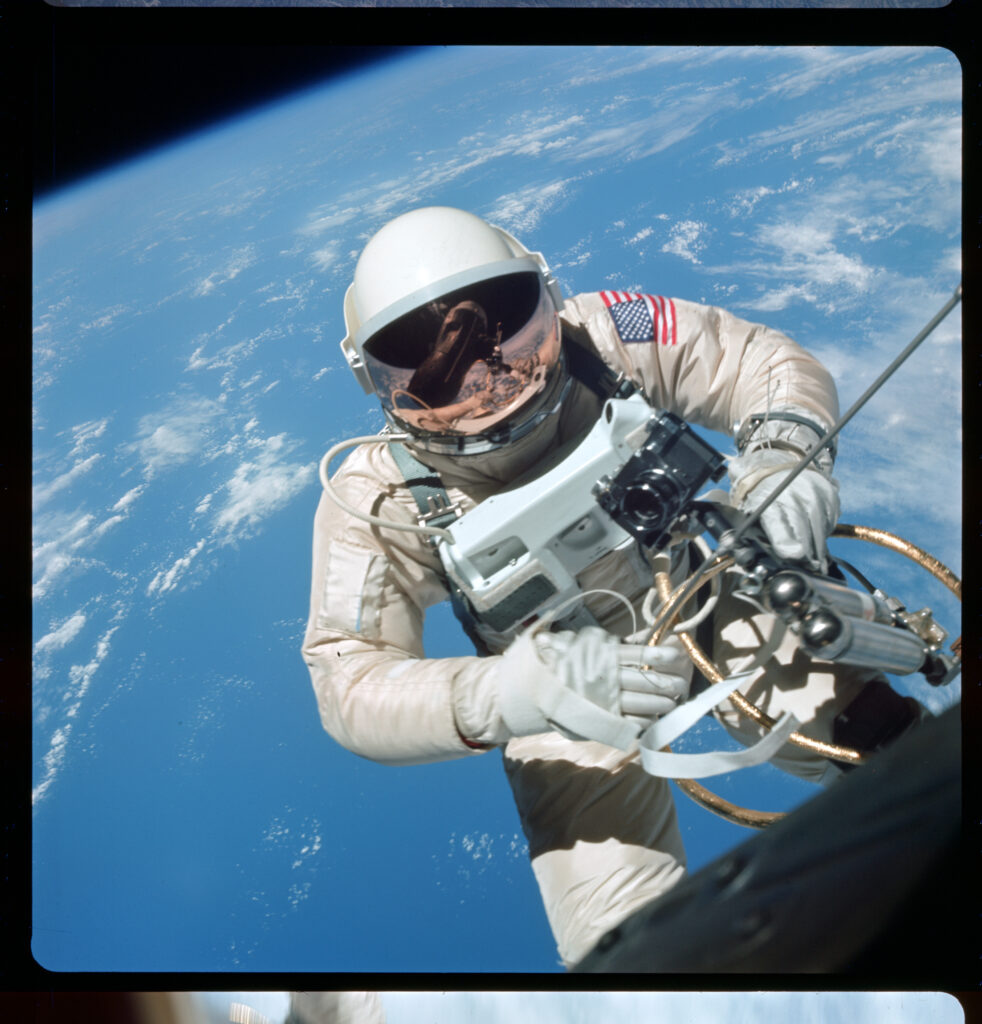
The discovery of the Gemini X reel reminds us that the conquest of space was as much a photographic achievement as it was a ballistic one. Each frame on the 860-gram roll of 70mm film represents a calculated effort to document the unknown, ensuring that the milestones of the 1960s were not merely experienced by two men in a tin box, but shared with the entirety of humankind.