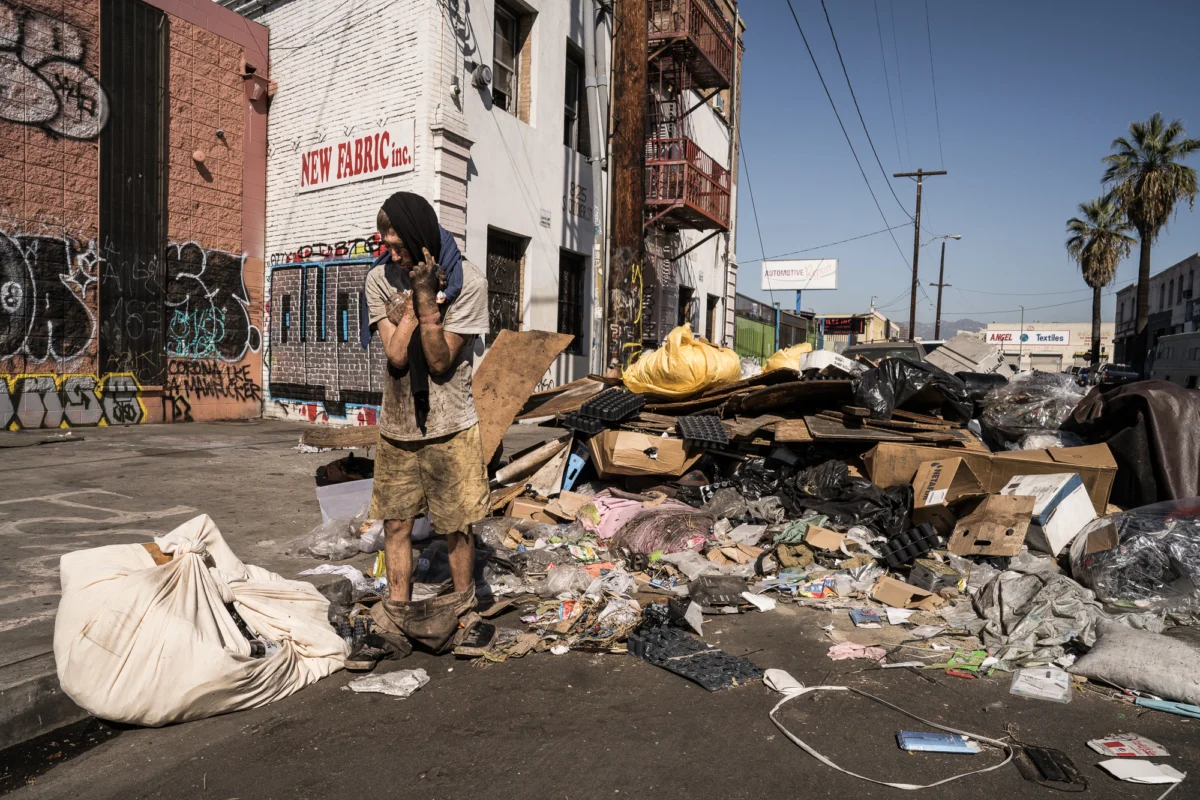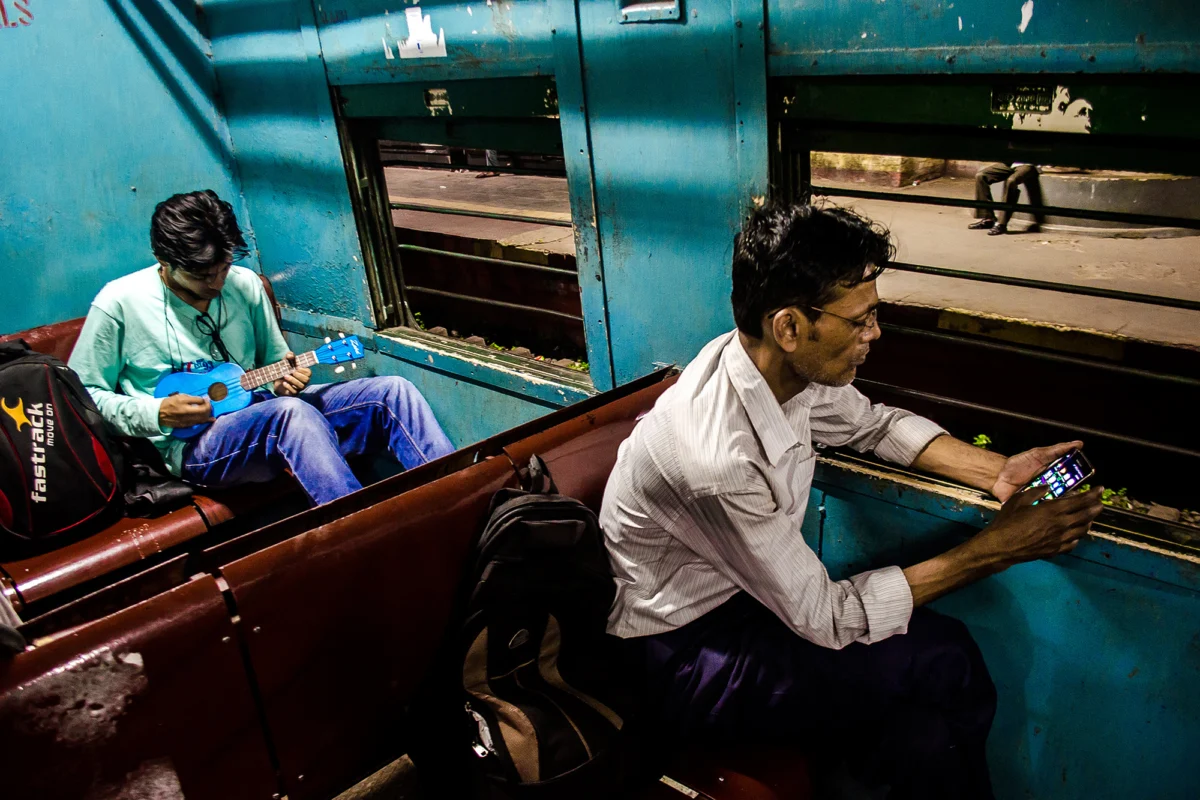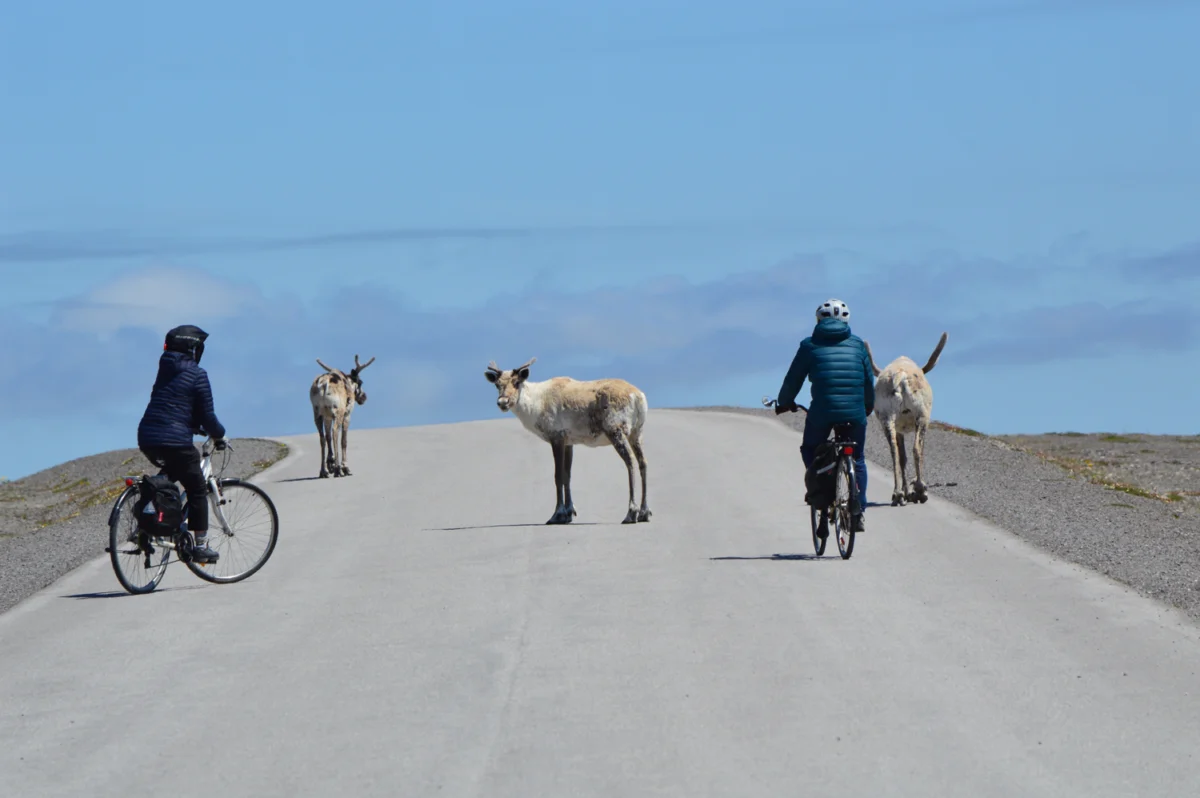
The digital age has ushered in an era of unprecedented photographic output, with an estimated five billion photographs now captured daily. This explosion of imagery has, paradoxically, led to an intense focus on defining photographic genres, particularly street photography. Online forums and photography publications frequently engage in debates about what constitutes a street photograph, a practice the author argues is ultimately misdirected. Instead of refining restrictive definitions, the focus should shift towards cultivating the creation of compelling and impactful images.
The Peril of Prescriptive Definitions
The drive to categorize street photography, according to Michael Ernest Sweet, author of "The Human Fragment" and "Michael Sweet’s Coney Island," stems from the unwieldy nature of photography in the digital age. As the sheer volume of images escalates, there’s a perceived need to create boundaries and clear distinctions between genres like street, landscape, and portraiture. However, Sweet contends that this pursuit of definition is not only challenging but also detrimental to artistic evolution.
"When photographers begin trying to follow the recipe, which leads to repetitious, boring, hackneyed images," Sweet observes. "We see the same photograph again and again. And again." This adherence to perceived rules, he suggests, results in a predictable aesthetic, often characterized by well-worn tropes.
The Ubiquitous Tropes of Predictable Street Photography
Sweet points to a recurring visual language that has become oversaturated on platforms like Instagram. These predictable elements include the classic umbrella-in-the-rain motif, the silhouette of an individual against a stark urban backdrop, and the ubiquitous fedora-wearing gentleman bathed in dramatic light and shadow. The "decisive moment," a concept popularized by Henri Cartier-Bresson, is frequently emulated, leading to countless staged or re-enacted scenarios that lack genuine spontaneity.
This homogenization is not merely an aesthetic concern; it has tangible implications for the commercial viability of modern street photography. The repetitive nature of these images can alienate broader audiences who may not connect with the formulaic approach. The author likens this phenomenon to the Oprah Book Club’s unintentional creation of an authorial "recipe," which subsequently led to formulaic novels. Similarly, rigid adherence to street photography "rules" can stifle genuine creativity, encouraging photographers to satisfy external expectations rather than explore their unique vision. The author’s personal experience of judging street photography competitions reinforces this point, with many submissions feeling indistinguishable.
Challenging the Core Tenets of Street Photography
The ongoing debate often centers on fundamental questions: Does a street photograph necessitate the presence of a human subject? Must it feature an urban landscape? While these questions are valid starting points for discussion, Sweet argues they are best treated as rhetorical devices—prompts for contemplation rather than prescriptive mandates.
The complexity of applying rigid definitions quickly becomes apparent when considering exceptions. For instance, if an urban setting is a prerequisite, how does this classification apply to photographers working in rural or remote areas? Martin Parr’s renowned photographs of seaside resorts, which often feature distinct social dynamics and environments, would seemingly fall outside a strictly urban definition. Similarly, William Eggleston’s iconic photograph of a tricycle, which lacks both a human subject and an obvious urban backdrop, is widely accepted within the street photography canon. These contradictions highlight the limitations of imposing strict boundaries.
The Unfolding Narrative of Susan N. Sweet’s Newfoundland Image
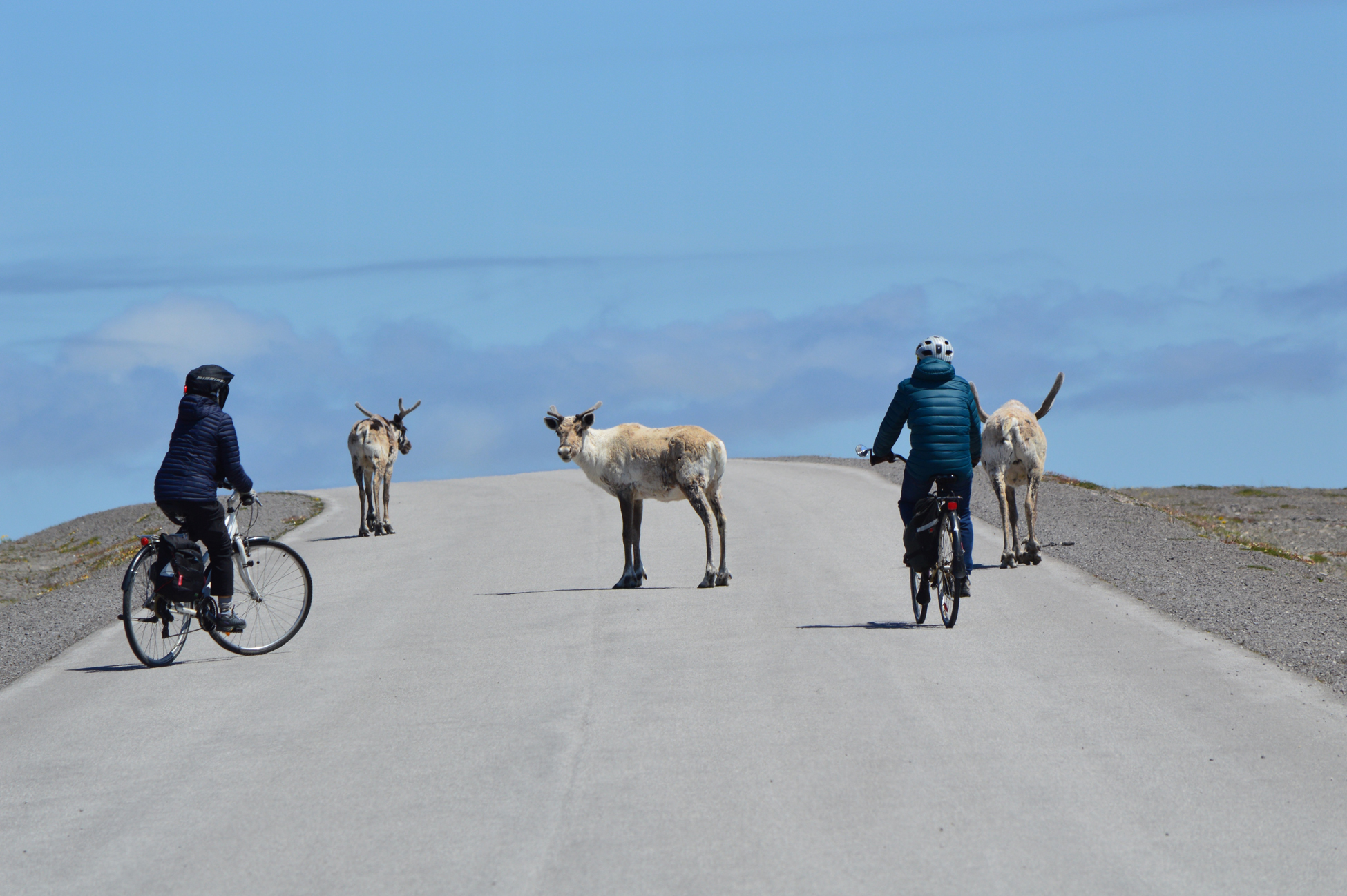
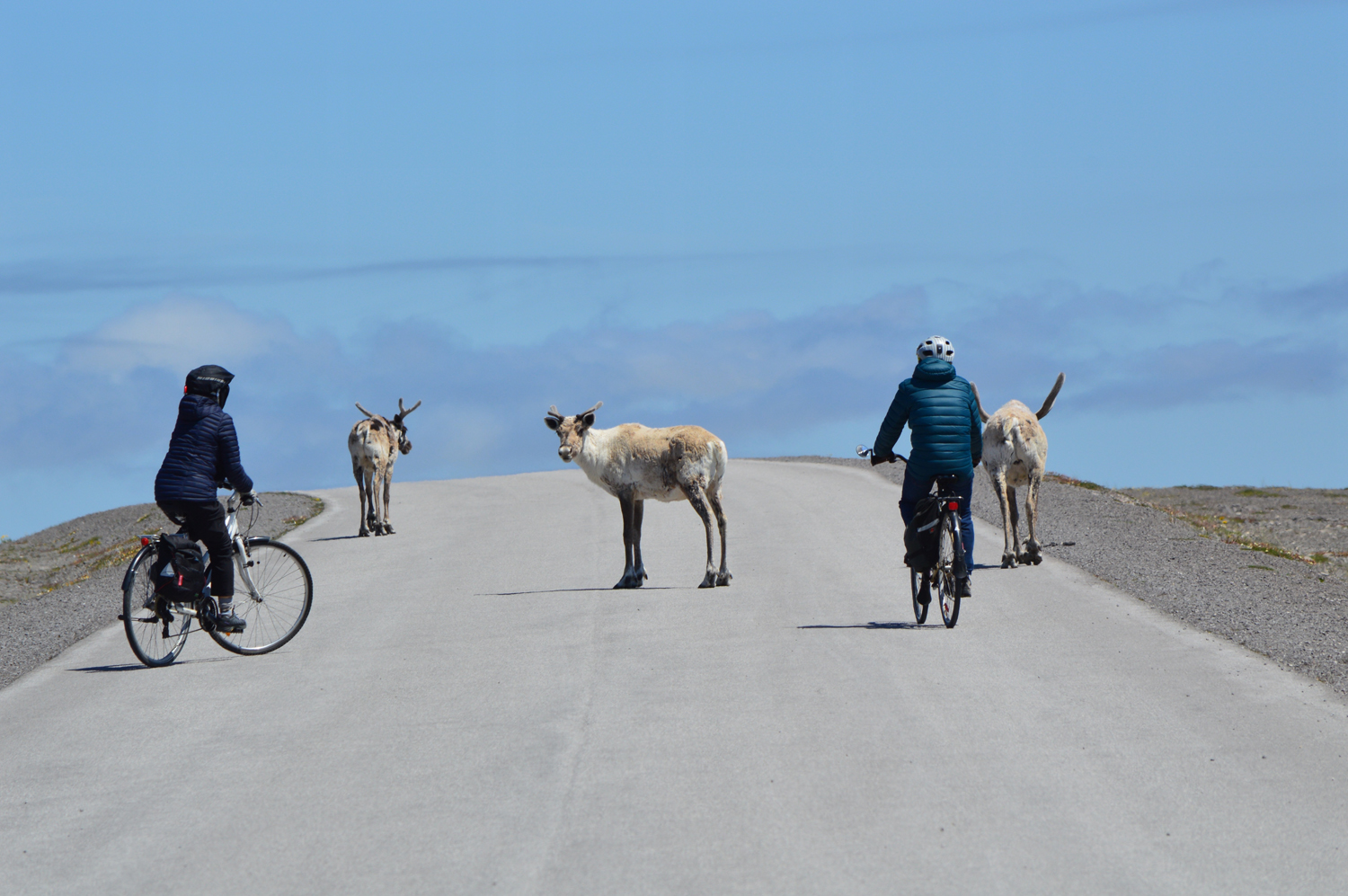
The author introduces a photograph taken by his aunt, Canadian painter Susan N. Sweet, in Newfoundland during the summer. This image, a departure from traditional street photography aesthetics, prompted Sweet’s deeper reflection on the genre’s boundaries. Whether this particular photograph is definitively classified as "street" is secondary to the conversation it ignites about the nature of the genre itself. The image serves as a tangible example of how photographic work can provoke thought and challenge preconceived notions, regardless of its label.
The Question of Genre Necessity
Given these definitional complexities and the creative constraints they can impose, Sweet poses a more fundamental question: Does street photography even need to exist as a distinct genre? He advocates for an approach where photographs are allowed to speak for themselves, fostering individual interpretation rather than relying on predetermined classifications.
"Great photographs create genres. Genres have never created great photographs," Sweet asserts, emphasizing the primacy of artistic output over categorization. While acknowledging the continued existence and utility of genres across various art forms—including music, cinema, and painting—Sweet calls for a broader and more inclusive perspective when considering street photography.
Reclaiming Creative Freedom
The author’s proposal is not to abandon categorization entirely but to widen the lens through which street photography is accepted. He urges photographers and enthusiasts alike to shift their focus away from the pursuit of social media algorithms and the labels they favor, and instead concentrate on the content and impact of the images themselves. This shift would empower photographers to create freely before feeling compelled to categorize their work.
Sweet defines a "good photograph" by its ability to captivate, challenge, or alter one’s perspective. For him, the intrinsic quality of an image is often sufficient, obviating the need for strict adherence to genre conventions.
The Stifling Effect of Checklists and Debates
The core argument against overly rigid definitions is their detrimental effect on creativity. "The moment a definition becomes a checklist, creativity starts to die," Sweet states. The time spent debating the nuances of what constitutes street photography detracts from the essential act of creating memorable work. History, he notes, seldom remembers artists who meticulously followed rules; it celebrates those who dared to redefine them. Ultimately, genres tend to emerge in the wake of groundbreaking artistic achievements, not the other way around. The focus on definition, therefore, risks prioritizing process over product, hindering the very innovation that drives artistic progress.
The implications of this perspective extend beyond individual photographers. A community that invests heavily in defining its boundaries risks becoming insular and less receptive to new ideas and diverse expressions. The risk is that by rigidly adhering to past understandings, the genre may fail to evolve and capture the complexities of contemporary life. The digital age, with its democratizing influence on image-making, presents an opportunity for street photography to embrace a wider array of visual languages and thematic explorations, unburdened by outdated or overly restrictive definitions. The true measure of street photography, then, should be its capacity to resonate with viewers on an emotional and intellectual level, reflecting the ever-changing tapestry of human experience in public spaces, regardless of the stylistic conventions it employs.