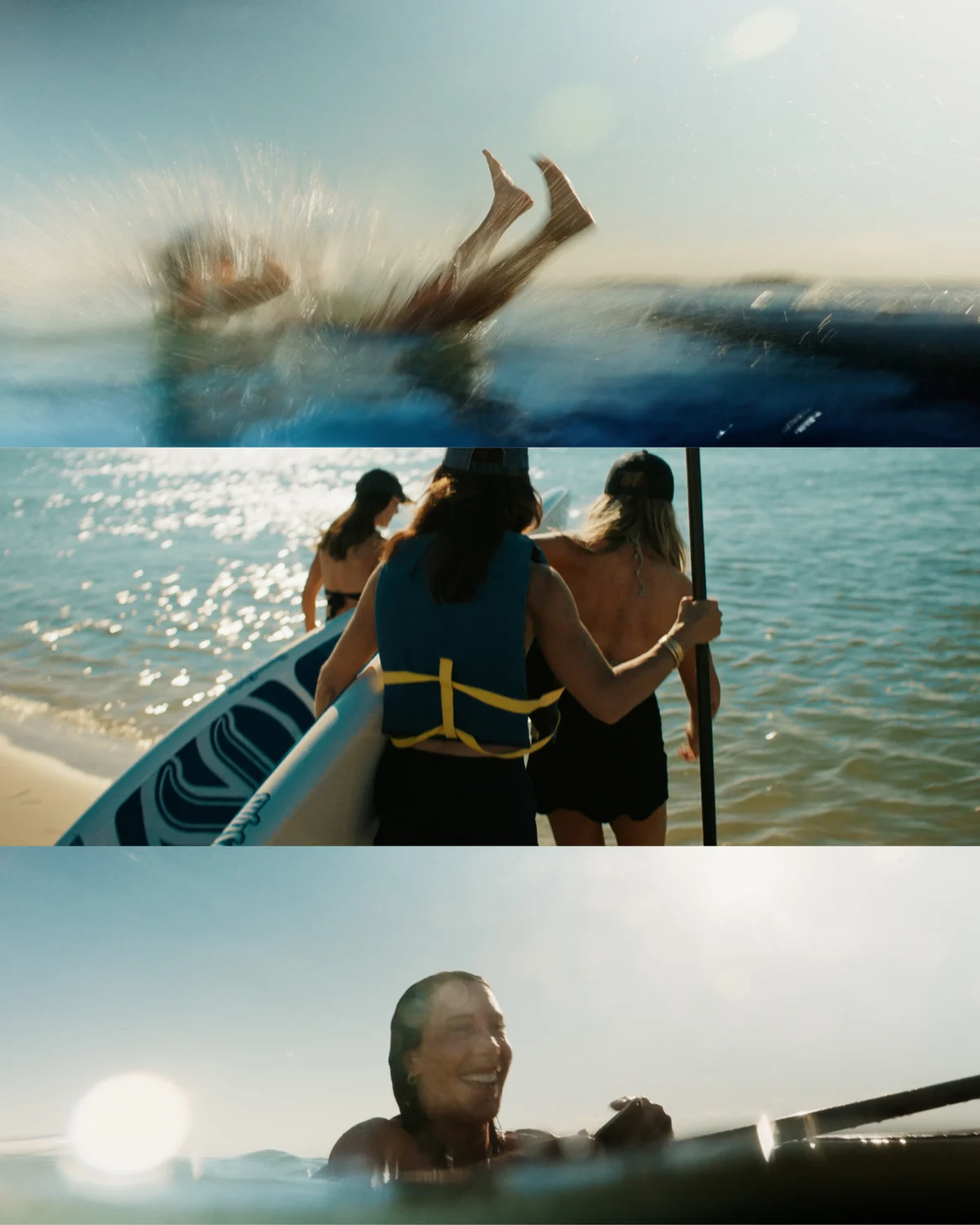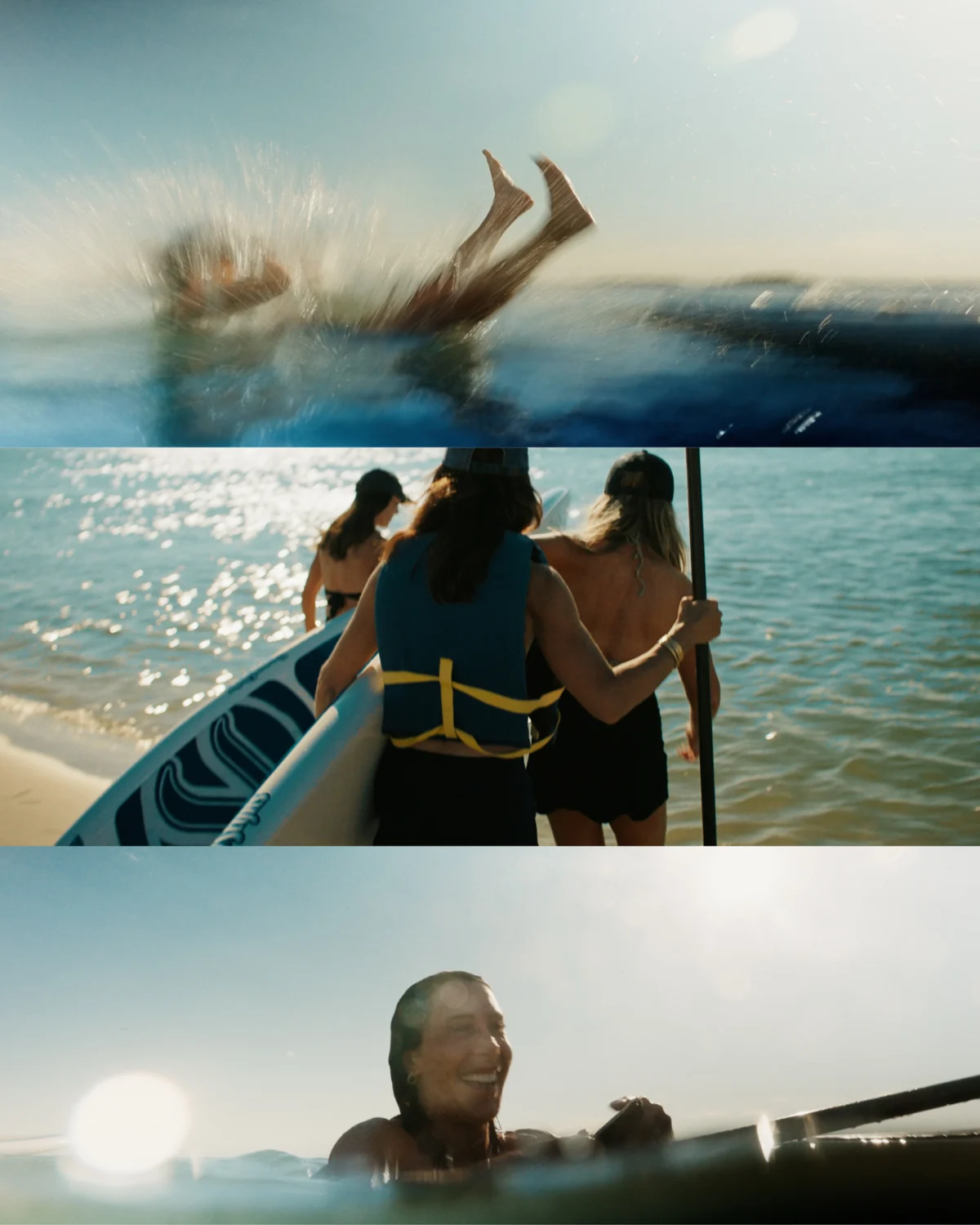
Denver-based commercial director Jill Coats has emerged as a significant force in the advertising landscape, championing a philosophy that transforms traditional brand messaging into evocative, short-form cinematic experiences. Over the past decade, Coats has meticulously cultivated a career centered on what she terms "short films disguised as ads," moving beyond conventional promotional techniques to craft narratives deeply rooted in nostalgia, human connection, and raw emotion. Her work bypasses overt sales pitches, instead focusing on creating genuine, resonant feelings that engage audiences on a deeper, more personal level. This innovative approach reflects a broader industry shift towards authentic storytelling and immersive content, positioning Coats at the forefront of modern commercial production.
The Evolution of a Vision: From Solo Creator to Orchestrator
Jill Coats’s journey into commercial directing began with a childhood camcorder, evolving from a self-reliant "one-woman-band" videographer to the leader of large-scale production crews. This transition, while successful, presented considerable challenges, particularly in translating her vivid internal creative worlds into a shared, actionable language for a diverse team. The shift from individual execution to collaborative direction demanded a profound evolution in her workflow and communication strategies.

Initially, working alone allowed Coats to instinctively translate her mental images, emotions, and pacing directly into her work. "When you’re working alone, the images, emotions, pacing, and overall feel already exist so clearly in your head that you can simply execute them instinctively," she has stated. However, as her business scaled and projects grew in complexity, necessitating larger crews, this intuitive process proved insufficient. The hardest aspect of this growth, she explains, wasn’t logistical management but rather the critical skill of relinquishing direct control of the camera and effectively communicating her vision to others.
This learning curve forced Coats to develop an exceptionally intentional pre-production process. She began to rely heavily on detailed reference images, mood boards, and a precise vocabulary to articulate nuanced elements such as tone, movement, texture, and emotional tenor to her cinematographers, art directors, and other department heads. This meticulous planning became the cornerstone of her ability to consistently deliver on her artistic vision, even with a large team executing various components.
Moreover, Coats identifies a crucial leadership principle in scaling her operations: the strategic hiring of individuals who possess superior expertise in their specific roles. "When I know the people around me are incredibly talented, it becomes much easier to let go of control and allow them to elevate the vision beyond what I could have achieved on my own," she explains. This collaborative philosophy, rooted in trust and empowering skilled professionals, has been instrumental in her success, allowing her to focus on overarching creative direction while ensuring each technical and artistic facet of a production is handled with excellence.
The Shifting Landscape of Commercial Content
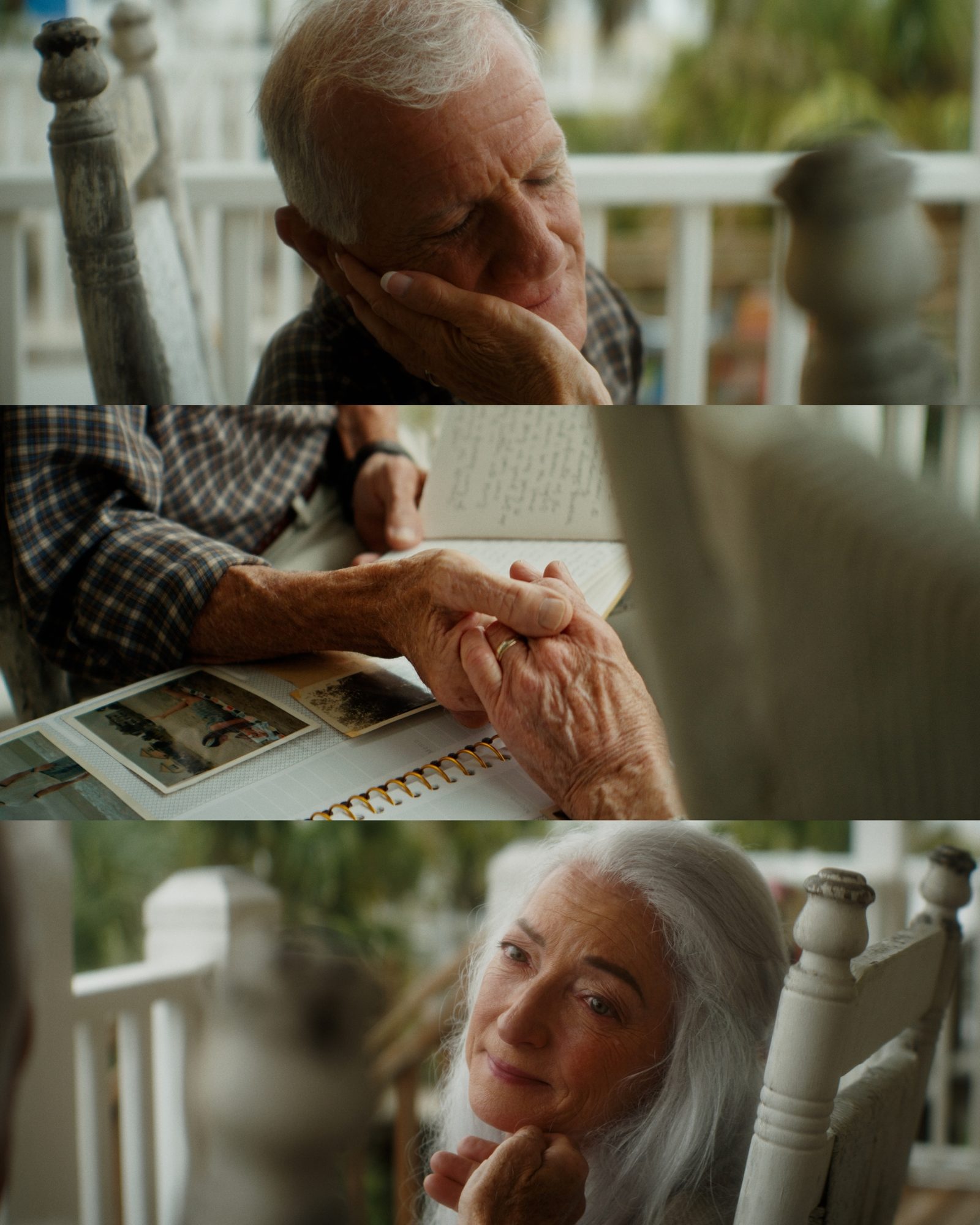
Coats’s directorial philosophy aligns seamlessly with significant trends observed across the advertising and media industries. For years, marketers have recognized a growing consumer fatigue with traditional, interruptive advertising. Data from numerous market research firms, such as Nielsen and Statista, consistently indicates that consumers are increasingly seeking authentic, engaging content that provides value beyond a direct sales pitch. A 2023 report by HubSpot, for instance, highlighted that over 70% of consumers prefer to learn about a company through articles and content rather than traditional advertisements.
This shift has given rise to "branded content" and "content marketing," where brands invest in producing high-quality, narrative-driven pieces that entertain, educate, or inspire, fostering a deeper emotional connection with their audience. Jill Coats’s "short films disguised as ads" are a direct manifestation of this evolution. By prioritizing human connection and raw emotion, her work resonates more deeply, creating memorable experiences that subtly build brand affinity rather than aggressively pushing products.
"Coats’s approach exemplifies a growing trend where brands seek deeper connections with consumers, moving beyond product features to shared values and experiences," observes Dr. Evelyn Reed, a media studies professor specializing in advertising psychology. "In an increasingly fragmented and ad-saturated media environment, authentic storytelling stands out, fostering trust and loyalty in ways that traditional advertising struggles to achieve." This strategic pivot ensures that her campaigns not only capture attention but also leave a lasting emotional imprint, transforming passive viewers into engaged participants.
The Craft of Emotion: Tailoring Visual Tools for Narrative Impact
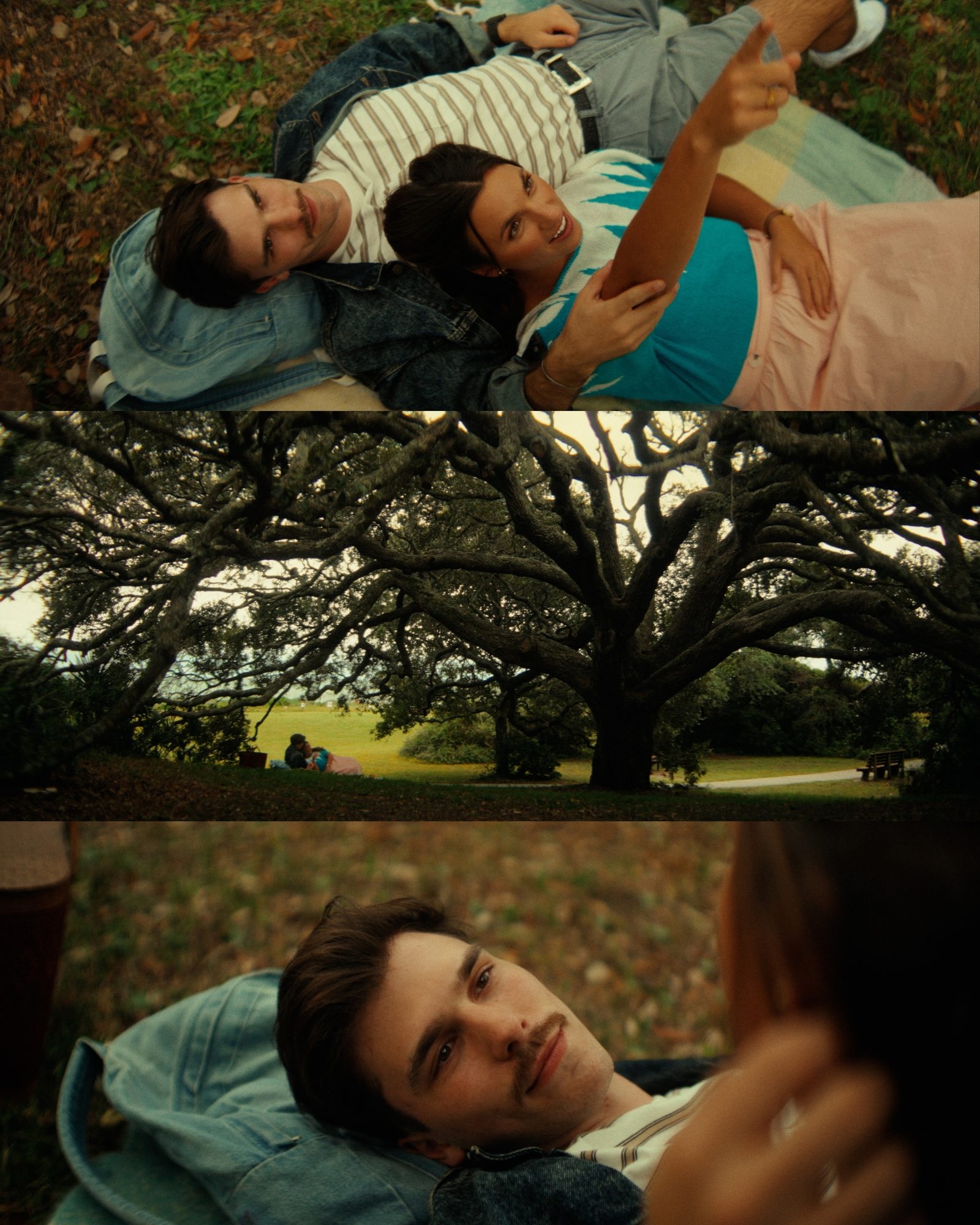
A cornerstone of Coats’s distinctive visual language is her deliberate and meticulous approach to gear selection, particularly her choice of lenses. Far from a mere technical detail, she views the technical setup as a blank canvas, tailored entirely to the emotional requirements of the story at hand. This collaborative philosophy takes center stage during pre-production discussions with her Director of Photography, where equipment is chosen to serve the narrative, rather than forcing the narrative to conform to available gear.
"I’ve realized just how much glass can shape emotion, and every project calls for something different," Coats states. "Different lenses carry different textures, imperfections, and characteristics, and those subtle choices can transform the emotional language of a film." This insight underscores a sophisticated understanding of cinematography, recognizing that optics are not merely tools for capturing an image but instruments for sculpting mood, atmosphere, and subjective experience.
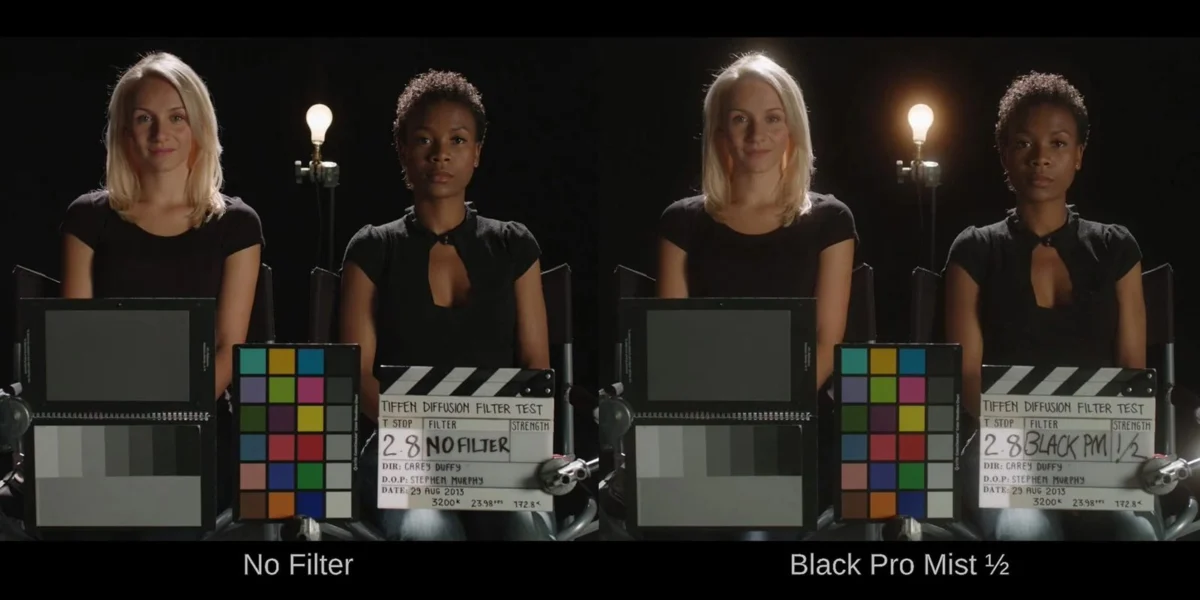
For example, in her acclaimed branded film, Remember How to Play, which chronicles a group of friends rekindling their childhood sense of freedom on a bicycle trip, Coats sought a specific visual texture. She aimed for visuals that eschewed clinical perfection and overly polished aesthetics, instead desiring a warm, fleeting, and deeply nostalgic feel. Working alongside cinematographer Josh Bernales, they opted to rent a set of DZO Vespid lenses, paired strategically with Pearlescent and Black Pro-Mist filters.
This combination was chosen for its specific optical characteristics. The DZO Vespids are known for their softer, more organic rendering compared to the often ultra-sharp, pristine look of modern commercial lenses. When combined with Pearlescent and Black Pro-Mist filters, the image was further softened, highlights bloomed gently, contrast was subtly lifted, and a dreamy glow enveloped sources of light. "Altogether, the image started to feel less digital and more nostalgic," Coats elaborates, highlighting how these deliberate technical choices directly contributed to the film’s emotional resonance and thematic integrity. The resulting visual style imbued the film with a timeless quality, evoking a sense of cherished memories and youthful exuberance.

Strategic Partnerships: Empowering Creative Freedom Through Equipment Access
Achieving such highly customized visual languages on a project-by-project basis often demands access to a vast array of specialized and often expensive equipment. For many production companies, acquiring every niche lens or camera body required for diverse projects is financially prohibitive. This is where strategic partnerships become invaluable. For the past five to six years, Jill Coats has relied heavily on Lensrentals.com, a leading provider of professional camera, lens, and grip equipment.
This partnership has been a game-changer for her production company, One Forty Films. Having access to a massive and diverse inventory means Coats never has to compromise her creative vision due to equipment limitations. Whether a commercial calls for the distinctive, stylized cinematic look of anamorphic primes, or a fast-moving documentary requires lightweight, versatile zoom lenses for run-and-gun shooting, Lensrentals.com provides the necessary flexibility.
"Lensrentals has allowed me to say ‘yes’ to bigger, more specific creative ideas without being limited by the gear I personally own," Coats affirms. This access not only expands her creative palette but also offers significant logistical and financial advantages. Instead of investing substantial capital in equipment that might only be used for a few specific projects, she can rent precisely what is needed, when it is needed, optimizing budget allocation and operational efficiency.
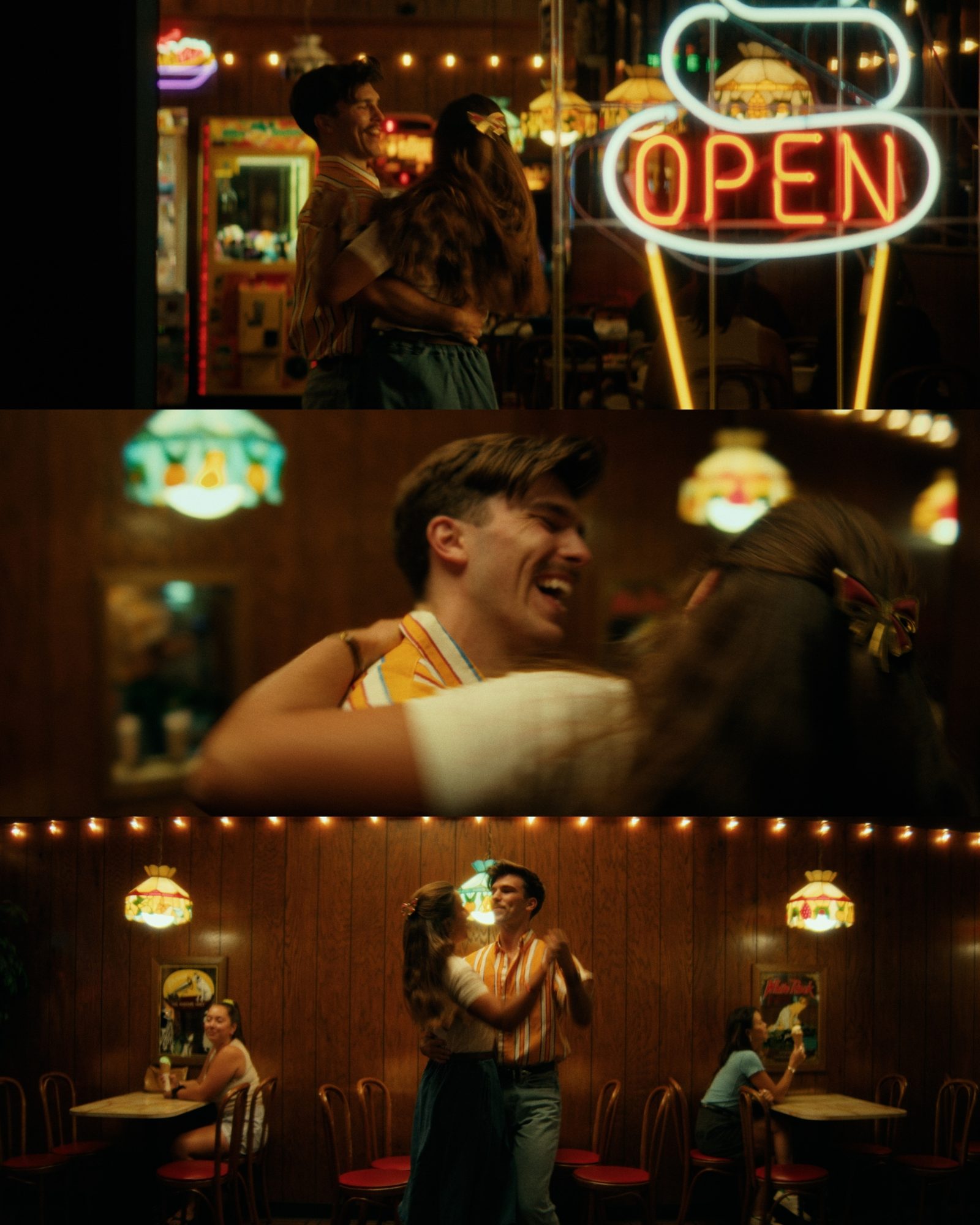
Industry experts recognize the critical role of equipment rental services in fostering creative innovation. "The accessibility provided by rental houses like Lensrentals.com is vital for independent directors and growing production companies," notes Mr. David Chen, CEO of a prominent film equipment supplier. "It democratizes access to high-end cinematic tools, allowing filmmakers to experiment with different visual styles and push artistic boundaries without the immense capital investment typically required." This flexibility ensures that Coats’s work continuously stands out, allowing her to build a unique and intentional visual language for every story, brand, and desired emotional outcome.
Broader Impact and Future Implications
Jill Coats’s methodology represents a significant blueprint for the future of commercial filmmaking. By prioritizing narrative depth and emotional authenticity over overt product placement, she elevates commercial content from mere advertisement to compelling art form. This approach is increasingly sought after by brands that understand the value of long-term customer relationships built on shared values and emotional resonance, rather than fleeting transactional interactions.
Her success also offers valuable lessons for aspiring directors and production companies. The journey from a solo operator to a leader of large crews highlights the importance of not just technical skill but also strong communication, effective delegation, and strategic team building. Her emphasis on meticulous pre-production and the judicious selection of equipment underscores that creative vision must be supported by rigorous planning and informed technical choices.
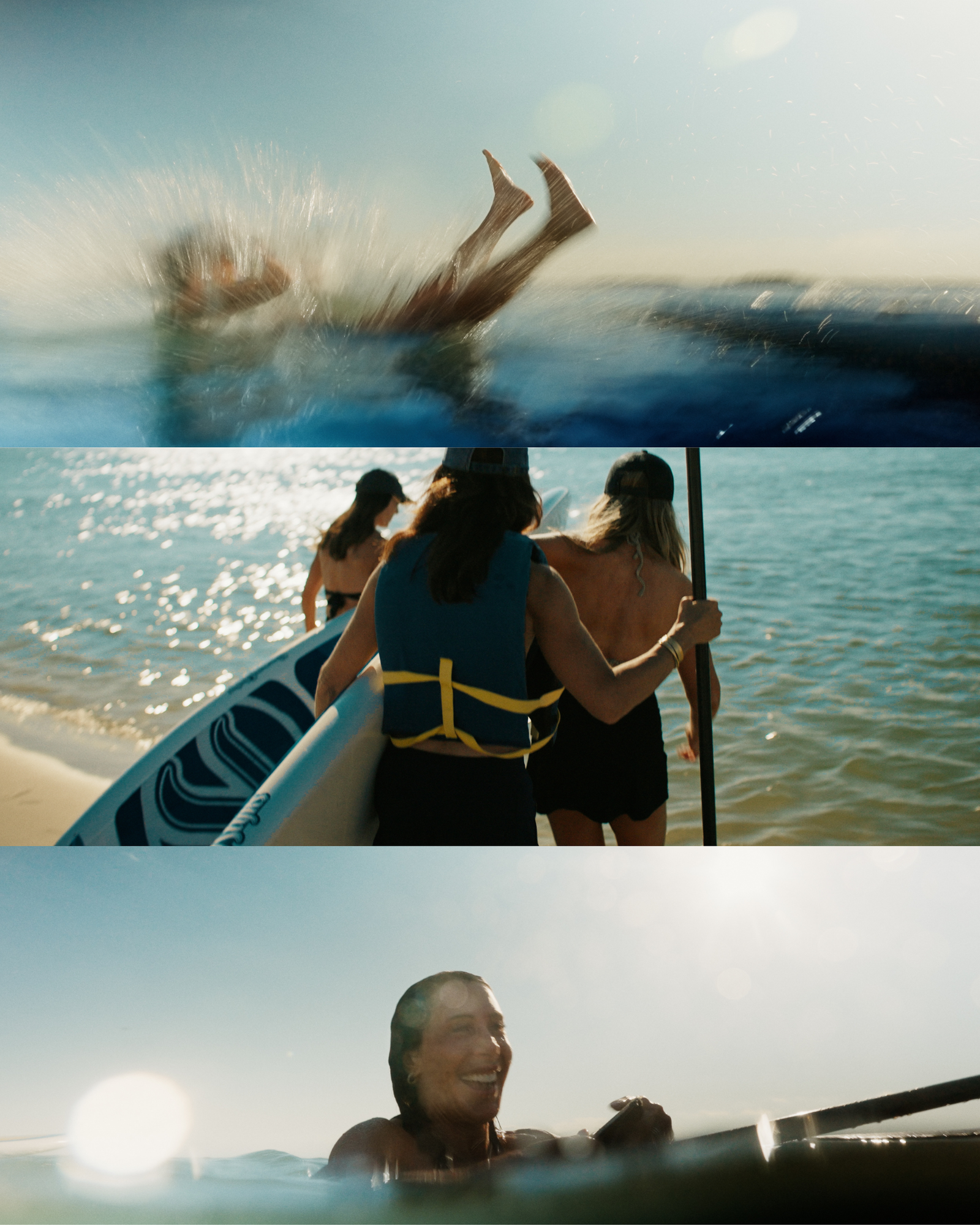
As the digital media landscape continues to evolve, the demand for sophisticated, engaging branded content is only projected to grow. Reports from Statista predict continued expansion in the global content marketing market, reaching an estimated $600 billion by 2024. Directors like Jill Coats, who possess the unique ability to merge commercial objectives with genuine artistic expression, are exceptionally well-positioned to thrive in this environment. Her work challenges the traditional dichotomy between commerce and art, proving that advertisements can indeed be memorable films that resonate long after the viewing experience.
Ultimately, Coats’s commitment to creative freedom and tailored storytelling ensures that her work remains deeply authentic and responsive to the unique pulse of every brand she partners with. It’s an approach that transforms passive viewership into an emotionally connected experience, fostering genuine engagement. As One Forty Films continues to scale and undertake even larger commercial endeavors, Coats’s foundational enthusiasm, born from those early days with a tape-based camcorder, remains unwavering. Armed with an elite crew, a deeply collaborative spirit, and the exact right technical tools for each narrative, she is poised to continue pushing the boundaries of what brand storytelling can achieve. For this visionary Denver director, the overarching goal remains elegantly simple: to create fewer ads and more films, crafting stories that endure in the hearts and minds of audiences long after the screen fades to black.
We extend our gratitude to Jill Coats for sharing her insights and her journey, and for being a valued partner in the creative community. Her contributions continue to inspire and redefine the art of commercial storytelling.