The allure of the Lençóis Maranhenses National Park, a vast expanse of undulating sand dunes interspersed with vibrant lagoons, recently captivated a renowned nature photographer, drawing him away from his customary focus on wildlife close-ups to explore a landscape of unparalleled scale and dynamism. What began as a planned detour en route to Patagonia transformed into an immersive artistic exploration of one of the planet’s most extraordinary ecosystems, highlighting the profound connection between art, nature, and human perception. The photographer’s aerial perspective, enabled by advanced drone technology, revealed the intricate, ever-shifting tapestry of this unique Brazilian landscape, prompting reflections on the enduring human impulse to capture and understand the natural world.
A World Heritage Site Unveiled
Located in the northeastern corner of Brazil, the Lençóis Maranhenses National Park, officially recognized as a UNESCO World Heritage Site, presents a breathtaking geological and ecological spectacle. Spanning approximately 600 square miles, the park is characterized by an arresting contrast of pristine white sand dunes that, during the rainy season, become dotted with thousands of crystal-clear lagoons. This seasonal inundation creates a dynamic, ephemeral environment where freshwater bodies emerge and recede, painting the desert-like landscape with vivid blues and greens.
The park’s eastern boundary is defined by over 40 miles of coastline, punctuated by small fishing villages that serve as gateways to the open Atlantic Ocean. The transition from the dunes to the sea is marked by the gradual slope of the sandy terrain, where the white sands meet the deep blue of the ocean. Intriguing tannin-colored river systems snake their way through the dunes, carrying waters dyed from decaying vegetation, and eventually merge with the Parnaíba River before emptying into the Atlantic. To the west, the park’s unique desert-wetland mosaic gradually gives way to the cerrado (Brazilian savanna) and then to more densely forested areas, before finally yielding to agricultural lands. This ecological gradient underscores the park’s biodiversity and its significance as a transition zone.
The Dawn of Aerial Perspective
Historically, capturing expansive landscapes from an aerial viewpoint was a complex undertaking, often involving precarious flights in cramped Ultralight aircraft or Cessnas with doors removed. However, the advent of sophisticated drone technology and Unmanned Aerial Vehicles (UAVs) has revolutionized the field of aerial photography, democratizing access to these elevated perspectives and unlocking unprecedented creative possibilities.
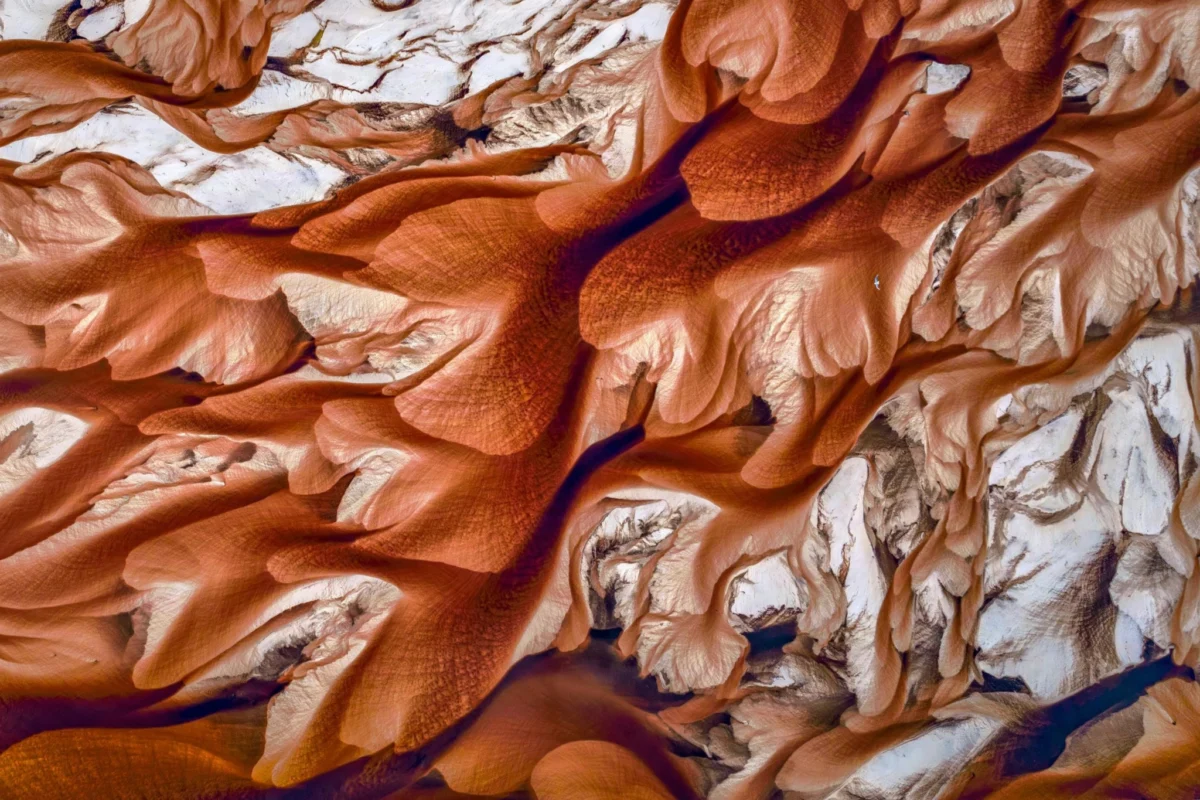
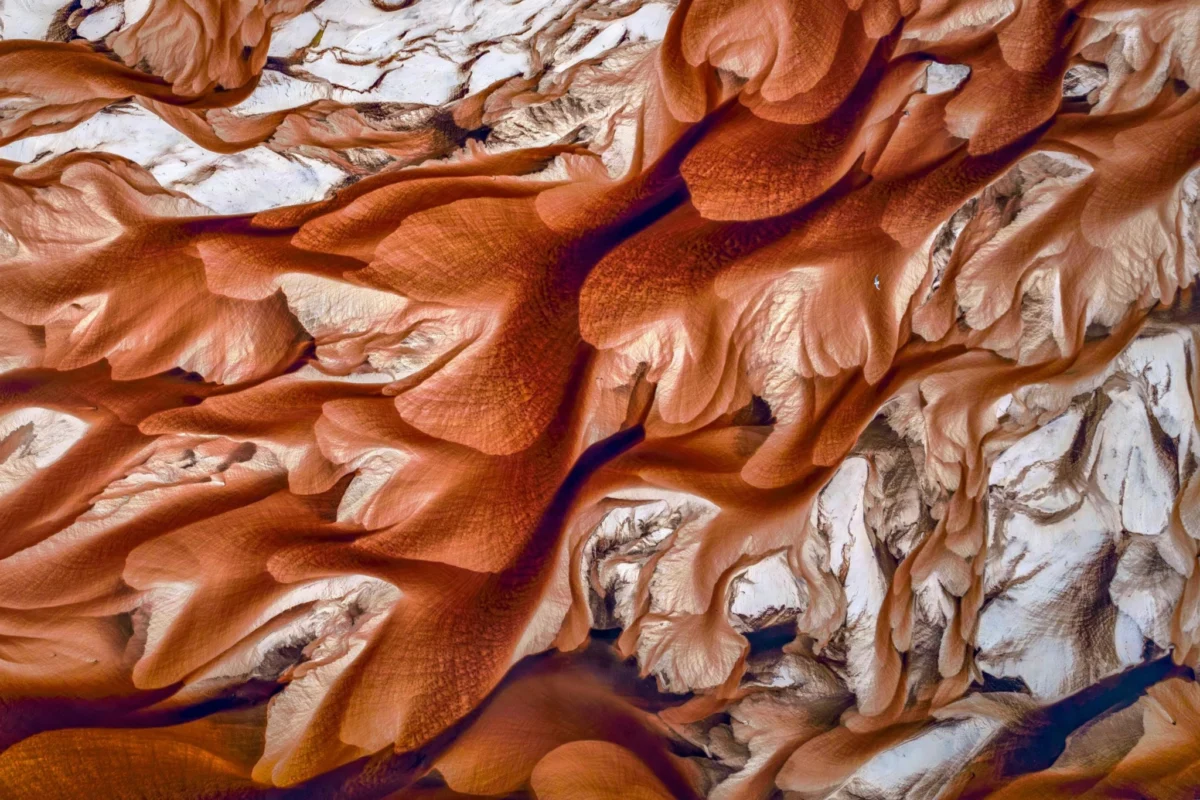
In the case of Lençóis Maranhenses, the photographer utilized drone technology to achieve an "eye-in-the-sky" view, a deliberate choice to grasp the sheer scale and grandeur of the park. The strategy involved maintaining the drone at a low altitude, allowing for the capture of intricate details while simultaneously encompassing the vast, mural-like expanse of the landscape below. This technique enabled the lens to traverse the terrain freely, revealing the nuanced textures and patterns that define this unique environment.
A Dynamic, Living Landscape
The photographic journey over Lençóis Maranhenses revealed a landscape in constant flux. Each subtle shift in the wind sculpted the ever-changing canvas of sand, toppling delicate dune formations and agitating the glassy surfaces of the lagoons. The interaction between the sand and water created a dynamic interplay of light and shadow, transforming the terrain with every passing moment.
The coloration of the landscape was particularly striking. Veins of red, deep brown, and rust, derived from tannins leached from decaying vegetation into the water, refracted across the white sands. The Black River, a prominent feature, wound its way through the coastal lowlands like a colossal serpent, its inky waters carving a distinctive path through the dunes to eventually join the Parnaíba River. The photographer described the visual experience as almost too overwhelming to behold directly, with each alteration in angle or altitude unveiling a new natural masterpiece that stretched from horizon to horizon, inducing a sense of dizzying awe.
Nature as the Ultimate Artist: A Historical Perspective
The human fascination with replicating the beauty of nature is a phenomenon that spans millennia. Archaeological evidence, such as the cave paintings of Chauvet Cave in France, dating back approximately 30,000 years to the Aurignacian period, demonstrates an early and persistent drive to capture the forms and movements of the natural world. From the Upper Paleolithic era to the Renaissance and beyond, artists across cultures and time periods have dedicated their lives to studying and interpreting nature’s artistry, striving to achieve an accurate and evocative representation.

Even with the advanced capabilities of modern digital photography, the photographer expressed a sentiment that resonates with many artists: the inherent difficulty in fully conveying the sublime beauty of nature through any single medium. The question of how an image can encapsulate the profound depth of something as vast as our planet, or as intricate as the nucleus of a cell, remains a central challenge. This ongoing dialogue between observation and representation underscores the inexhaustible complexity and wonder of the natural world.
Implications for Conservation and Tourism
The designation of Lençóis Maranhenses National Park as a UNESCO World Heritage Site in 2024, following a long process of evaluation and recommendation by international bodies like the International Union for Conservation of Nature (IUCN), underscores its global significance. This recognition is expected to bolster conservation efforts by drawing international attention and resources to protect its fragile ecosystem. The park’s unique geological formations and seasonal lagoons are a testament to ongoing natural processes, making it a valuable site for scientific research into climate change impacts and hydrological cycles.
The increased visibility brought by World Heritage status also has significant implications for tourism. While the park has long been a destination for domestic and international travelers, a surge in visitor numbers is anticipated. This presents both opportunities and challenges. On one hand, increased tourism can provide economic benefits to local communities, supporting livelihoods through guiding, accommodation, and handicraft sales. On the other hand, it necessitates careful management to mitigate potential environmental impacts, such as increased foot traffic on sensitive dunes, waste generation, and disruption to local wildlife. Sustainable tourism practices, including designated visitor paths, capacity limits, and educational programs for tourists, will be crucial to preserving the park’s ecological integrity.
A Chronology of Recognition and Exploration
The journey of Lençóis Maranhenses from a little-known natural wonder to a globally recognized heritage site involves several key milestones:
- Early 20th Century: The unique landscape begins to attract initial scientific and exploratory interest, though access remains limited.
- 1981: The Lençóis Maranhenses National Park is officially established by presidential decree, marking the first step towards its formal protection.
- Late 20th Century – Early 21st Century: Growing awareness of the park’s ecological and aesthetic value leads to increased tourism and research efforts. International conservation organizations begin to advocate for its global recognition.
- 2017-2023: Brazil formally submits its nomination dossier for UNESCO World Heritage status, detailing the park’s outstanding universal value. This period involves rigorous review and assessment by UNESCO’s World Heritage Committee and its advisory bodies.
- July 2024: The UNESCO World Heritage Committee officially inscribes the Lençóis Maranhenses National Park on the World Heritage List, acknowledging its exceptional natural beauty and ecological significance.
- Late 2024: Photographers and documentarians, such as the one featured in this article, continue to explore and capture the park’s ephemeral beauty, utilizing advanced technologies to showcase its grandeur to a global audience.
Official Responses and Future Outlook
Following the UNESCO inscription, Brazilian government officials have expressed optimism about the future of the park. The Minister of Environment and Climate Change, for example, stated that the designation would "strengthen our commitment to preserving this natural treasure for future generations and boost sustainable tourism that benefits local communities." The Ministry has indicated plans to enhance infrastructure, improve visitor management, and increase funding for research and conservation projects within the park.
Local authorities in the state of Maranhão have also welcomed the news, anticipating a positive economic impact. However, there are ongoing discussions and planning efforts to ensure that tourism development is managed responsibly. The Brazilian Institute of Environment and Renewable Natural Resources (IBAMA) and the Chico Mendes Institute for Biodiversity Conservation (ICMBio) are expected to play key roles in overseeing park management and enforcing regulations to protect its unique environment.
Broader Impact and Enduring Legacy
The story of Lençóis Maranhenses National Park serves as a powerful reminder of the intrinsic value of natural landscapes and the human desire to connect with them. The photographer’s journey, from a casual detour to a profound artistic immersion, highlights how these places can profoundly influence our perspectives. The ability to capture such vastness and detail, even with advanced technology, continues to inspire awe and underscore the complexity of the natural world.
As a UNESCO World Heritage Site, Lençóis Maranhenses now holds a protected status that signifies its importance not just to Brazil, but to the entire planet. Its future hinges on a delicate balance between conservation, scientific research, and responsible tourism. The ongoing effort to document and understand such places, through art and science alike, is a testament to our enduring relationship with the Earth’s most spectacular natural wonders, echoing Vincent van Gogh’s sentiment that nature, art, and poetry, when combined, offer a profound source of fulfillment. The preservation of Lençóis Maranhenses will undoubtedly continue to inspire awe and a deeper appreciation for the planet’s diverse and extraordinary artistry for generations to come.