The landscape of business-to-business (B2B) marketing has undergone a radical transformation over the last decade, culminating in a 2026 digital environment where video content is no longer an optional luxury but the primary driver of commercial engagement. As decision-makers face increasing "information fatigue," the demand for high-impact, authentic, and rapidly produced video advertisements has reached an all-time high. Industry data suggests that by 2026, over 80% of B2B buyers will prefer video-based product demonstrations and brand storytelling over traditional whitepapers or static case studies. However, the challenge for modern marketing departments lies in the balance between production speed and the high level of trust required to convert professional audiences.
The Shift Toward Video-First B2B Strategies
Historically, B2B advertising was characterized by long-form text, technical specifications, and highly polished, often sterile, corporate imagery. As we move through 2026, the paradigm has shifted toward "human-centric" professional content. The modern B2B buyer—often a millennial or Gen Z professional in a high-level decision-making role—values transparency and immediate problem-solving over traditional sales pitches.
This demographic shift has necessitated a change in how visual media is consumed. Short-form video, vertical formats, and user-generated content (UGC) styles have migrated from consumer social media into the professional sphere. Brands that fail to adapt their visual language to these formats often see a significant drop in conversion rates, as their content fails to capture the notoriously short attention span of the modern executive.

Core Characteristics of High-Converting B2B Visuals
To achieve success in 2026, B2B video ads must adhere to a specific set of visual and psychological triggers. Unlike B2C (business-to-consumer) advertising, which often relies on emotional impulse, B2B conversions are built on the foundation of trust and perceived ROI (Return on Investment).
Trust Over Aesthetic Perfection
In the current market, "over-produced" content can actually act as a deterrent. Buyers are increasingly skeptical of highly staged corporate videos, which they associate with high-pressure sales tactics. Instead, visuals that depict realistic office environments, diverse teams, and genuine human interactions are performing better. This "authentic" aesthetic signals transparency and helps potential clients visualize how a product or service fits into their actual daily operations.
Message Clarity and Immediate Value
The first three seconds of a B2B video ad are critical. High-converting ads in 2026 avoid long introductions, instead opting to present a specific pain point and its corresponding solution immediately. Visuals must support this by being uncluttered, allowing room for clear text overlays and strong calls to action (CTAs).
Platform-Specific Optimization
A "one size fits all" approach to video production is no longer viable. Content must be tailored to the technical and cultural nuances of the hosting platform. For instance, a video optimized for LinkedIn requires a different pacing and aspect ratio than one designed for Instagram Reels or YouTube Shorts.

A Chronology of the B2B Media Evolution (2020–2026)
The journey to the current state of B2B media can be traced through several key milestones:
- 2020–2022: The Remote Revolution. The global shift to remote work forced B2B brands to abandon high-budget on-site shoots. This led to the first major surge in the use of high-quality stock footage to maintain marketing momentum.
- 2023–2024: The Rise of Vertical Video. Platforms like TikTok and Instagram began to influence professional networking sites. B2B marketers started experimenting with vertical formats, discovering that "candid-style" professional content saw 40% higher engagement than horizontal corporate reels.
- 2025: The AI Saturation Point. The market became flooded with AI-generated visuals. While innovative, this led to a "trust deficit" as buyers struggled to distinguish between real companies and AI-generated facades.
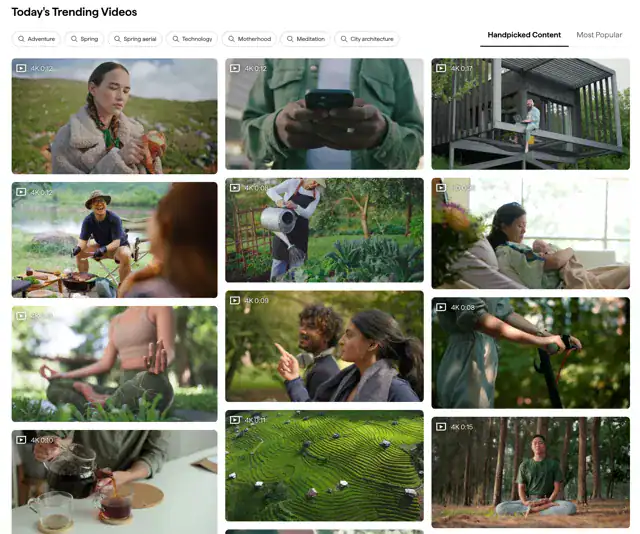
- 2026: The Authenticity Renaissance. Marketing teams have returned to high-quality, human-verified stock media and real-world footage. The focus is now on "verifiable reality," where stock libraries like Shutterstock provide the necessary balance of professional quality and human authenticity.
Analyzing Platform Performance Drivers
Different digital channels require specific visual strategies to maximize ROI. Market analysis of 2026 trends reveals the following requirements for the top-performing B2B channels:
Meta Ads (Facebook and Instagram)
On Meta’s platforms, the goal is "scroll-stopping" engagement. The most successful B2B ads utilize candid lifestyle clips that mirror the content users see from their peers. By using stock media that features real-life professional scenarios—such as collaborative meetings or technical troubleshooting—brands can blend into the user’s feed while still delivering a professional message.
YouTube Ads
YouTube remains the premier destination for mid-to-long-form B2B content. Here, scenario-based storytelling is the primary driver of conversion. Marketers use stock libraries to find diverse clips that visualize complex business problems, allowing them to build a narrative without the prohibitive cost of a multi-location film shoot.

Short-Form Campaigns (TikTok, Reels, and Shorts)
In 2026, short-form video is the fastest-growing segment of B2B spend. The requirement here is for high-velocity iteration. Brands must test dozens of creative variations to see which resonates with their niche audience. Stock footage is essential for this "test-and-learn" approach, providing the raw material for rapid editing and deployment.
The Role of Shutterstock in Operational Velocity
For many B2B organizations, the primary bottleneck in content production is not a lack of ideas, but the time and cost associated with traditional video production. Shutterstock has emerged as a critical partner in increasing "operational velocity"—the speed at which a brand can move from a creative concept to a live, revenue-generating campaign.
By providing millions of pre-formatted, high-definition clips in vertical, square, and horizontal dimensions, Shutterstock allows creative teams to bypass the logistical hurdles of hiring crews, scouting locations, and managing long post-production cycles. Furthermore, the integration of ethically sourced generative AI tools within the platform allows marketers to modify or enhance stock assets, ensuring they remain unique to the brand’s identity while maintaining a foundation of real-world imagery.
Licensing Clarity: A Pillar of Corporate Compliance
A significant but often overlooked aspect of B2B marketing is risk mitigation. In a corporate environment, legal certainty regarding media usage is paramount. Unclear licensing can lead to catastrophic legal challenges and brand damage.

Professional stock agencies provide a "safety net" that is unavailable with free media repositories or unverified AI tools. Shutterstock’s licensing model offers:
- Commercial Indemnification: Protection against copyright claims.
- Model and Property Releases: Ensuring all individuals and locations featured in the footage have legally consented to commercial use.
- Global Usage Rights: Allowing B2B brands to scale their campaigns across international borders without worrying about regional copyright variances.
This legal framework allows marketing teams to focus on performance and creativity, knowing that their assets are fully compliant with global intellectual property laws.
The Impact of AI on the 2026 Visual Landscape
As we navigate 2026, the relationship between AI and stock media has reached a state of "collaborative efficiency." While AI can generate spectacular imagery, it often lacks the subtle nuances of human professional interaction that B2B buyers look for. The "uncanny valley" effect—where AI-generated humans look almost, but not quite, real—can trigger a subconscious distrust in a professional setting.
Consequently, the most effective B2B ads in 2026 use AI for background enhancement, color grading, and versioning, but rely on high-quality stock footage for the central human elements. This hybrid approach ensures that the ad remains grounded in reality while benefiting from the speed and flexibility of modern technology.
Economic Implications and ROI Analysis
The shift toward stock-based video advertising has profound economic implications for B2B firms. On average, a custom-produced corporate video can cost between $5,000 and $50,000, with a turnaround time of several weeks. In contrast, a high-converting ad created using Shutterstock assets can be produced for a fraction of that cost—often under $500—and be ready for deployment in 24 to 48 hours.
This cost-effectiveness allows B2B marketers to diversify their spend. Instead of "betting the house" on a single expensive video, they can produce twenty different variations, targeting different industry verticals, job titles, and pain points. This "granular targeting" is what drives the high conversion rates seen in 2026, as the content feels highly personalized to the specific viewer.
Conclusion: Performance Over Perfection
The overarching theme of B2B video advertising in 2026 is the triumph of performance over aesthetic perfection. The professional audience is no longer looking for the most expensive-looking video; they are looking for the most relevant, trustworthy, and clear communication of value.
By leveraging extensive, quality-assured libraries like Shutterstock, B2B brands are able to meet the demand for high-volume, multi-channel content without sacrificing their legal security or brand integrity. In an era defined by rapid technological change and a heightened need for authenticity, the strategic use of stock media has become the cornerstone of successful B2B conversion strategies. As the year progresses, those who master the art of "authentic agility"—combining the speed of stock media with the resonance of real-world storytelling—will continue to lead the market in engagement and revenue growth.