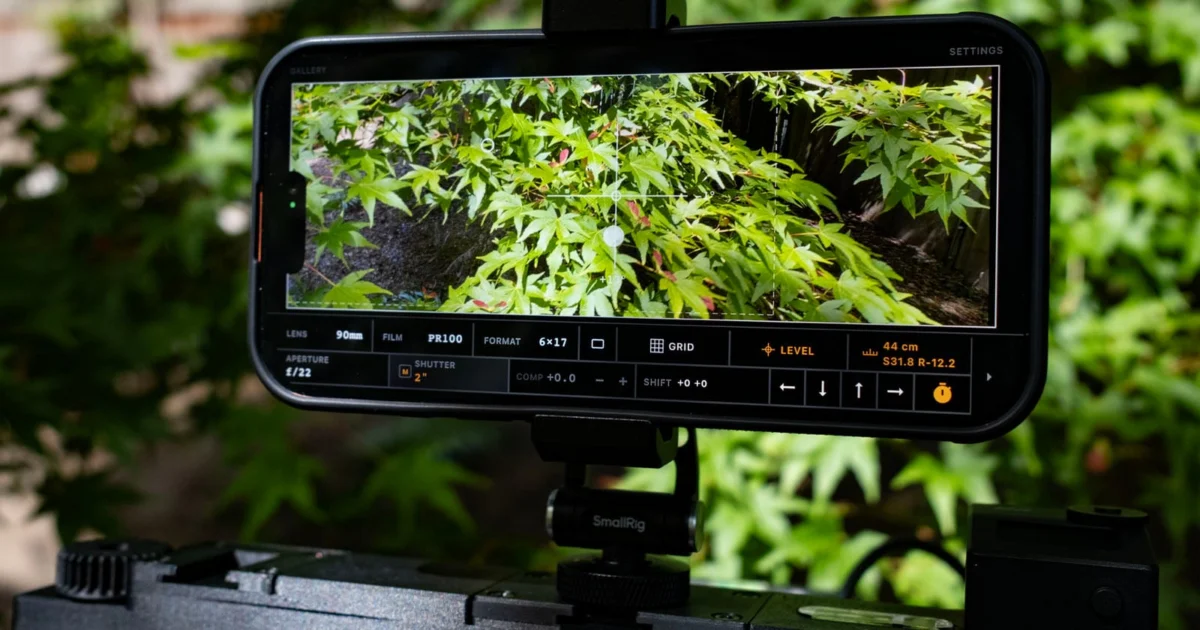
Second View, a sophisticated newly developed application, is poised to transform the workflow of analog photographers by converting an iPhone into an indispensable, all-in-one assistant device. Beyond foundational capabilities like a precise light meter and exposure timers, the app integrates advanced features such as a LiDAR-powered distance scale, real-time parallax correction, comprehensive rise/shift simulation, and accurate reciprocity correction for a vast array of film stocks. This suite of tools addresses long-standing challenges in film photography, particularly for users of cameras lacking integrated modern conveniences, thereby bridging the gap between traditional photographic craft and cutting-edge digital assistance.
The Genesis of an Analog Assistant: From Personal Need to Public Utility
The inspiration behind Second View stemmed directly from the practical needs of its developer, photographer Benoit Linard. As Linard shared with PetaPixel, the app’s origins are rooted in his personal experimentation with 3D-printed camera projects. "The app started as a side tool for my 3D-printed camera project," Linard explained, highlighting the common predicament faced by enthusiasts building custom or minimalist cameras. These bespoke cameras, often lacking integrated viewfinders, rangefinders, or light meters, necessitate external solutions for fundamental photographic tasks. The original article mentioned its perfect pairing with Exposing Engineering’s new VZ-6617 medium format panoramic camera, a prime example of a sophisticated analog device that benefits immensely from such a digital companion. Similarly, it would be invaluable for other minimalist or large format cameras, such as the CCB 617C, which also lack internal viewing or metering systems.
Linard’s initial goal was to simulate complex camera movements, such as shifts, directly from his phone before embarking on the arduous process of setting up physical gear. However, the workflow quickly became cumbersome. "I kept switching between a viewfinder app, a light meter, a timer, a bubble level, and at some point, it just made sense to put everything in one place," he recounted. This realization underscored a common pain point for many analog photographers who juggle multiple apps or external tools to achieve precise results. The consolidation of these disparate functions into a single, intuitive interface represents a significant leap forward in streamlining the analog photographic process. The development journey was also highly collaborative, with Linard emphasizing the crucial role of community input: "A lot of the features came directly from beta testers, who have been a huge part of shaping where the app is now. If anyone runs into bugs or has ideas, I really want to hear from them. The goal is to keep building on this for a long time." This iterative development approach, driven by user feedback, ensures the app remains responsive to the evolving needs of the analog photography community.
Unpacking Second View’s Core Features: A Comprehensive Toolkit for Precision
Second View distinguishes itself by offering a meticulously curated set of features designed to enhance accuracy and efficiency in analog photography. These functionalities, leveraging the advanced capabilities of modern iPhones, move beyond simple utility to provide precision tools previously unavailable in a single mobile application.
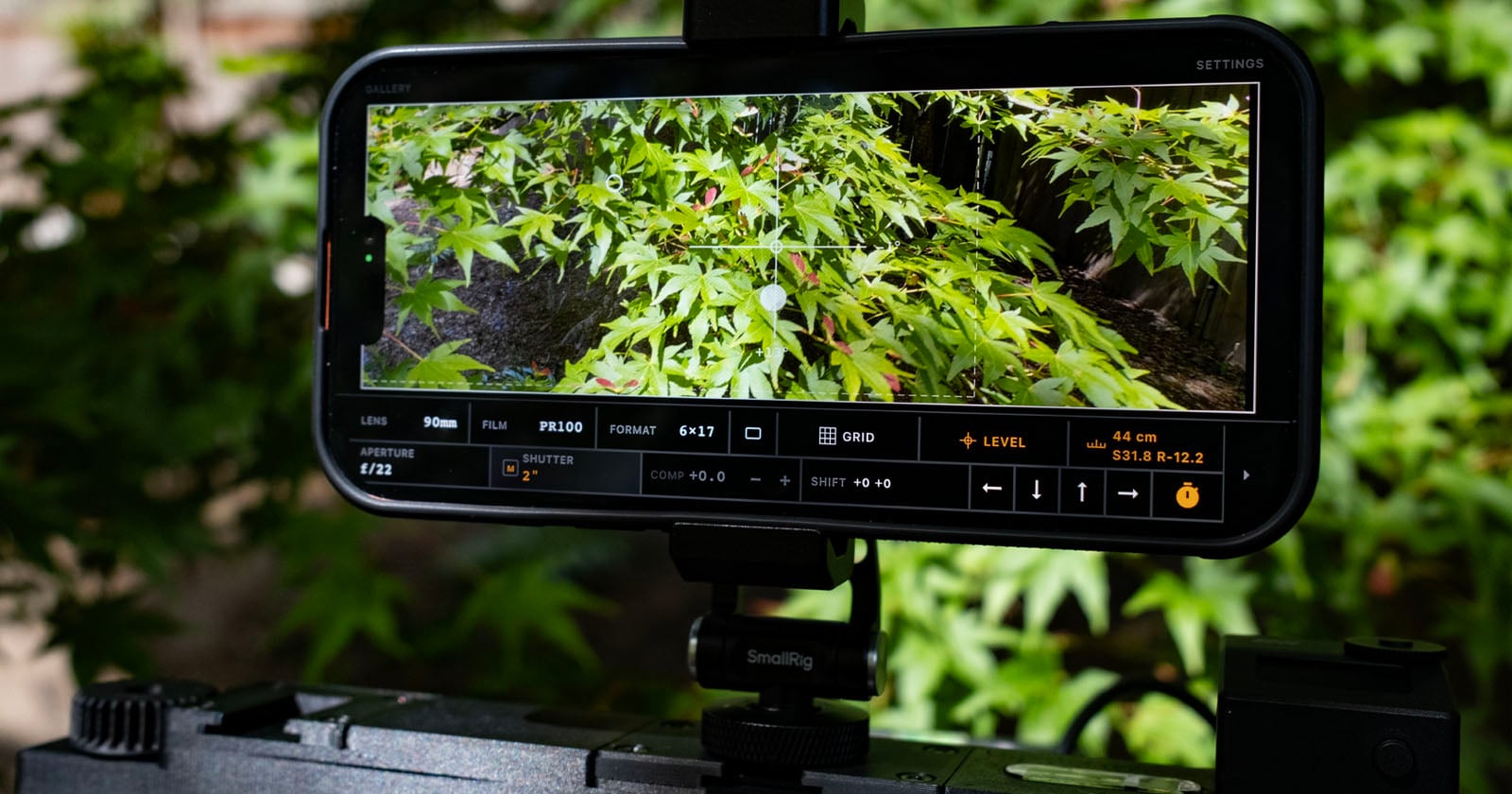
Precision Light Metering: The Foundation of Exposure
At its core, Second View incorporates a sophisticated light meter. Accurate exposure is paramount in film photography, as film has a much narrower exposure latitude compared to digital sensors. Relying on the iPhone’s high-quality camera sensor, the app measures ambient light, providing precise shutter speed, aperture, and ISO recommendations. This is critical for photographers using older cameras without built-in meters, or for those seeking more precise spot metering capabilities than their camera might offer. The app integrates this metering data seamlessly with other settings, such as film stock characteristics and reciprocity corrections, to deliver a holistic exposure solution.
LiDAR-Powered Distance Measurement: Sharpening Focus
One of the most groundbreaking features is the integration of LiDAR (Light Detection and Ranging) technology for distance measurement, available on iPhone 12 models and later. LiDAR scanners emit laser pulses and measure the time it takes for them to return, creating a highly accurate depth map of the environment. Second View leverages this technology to provide precise subject distance readings. For analog photographers, particularly those using manual focus lenses or view cameras where accurate distance setting is crucial for achieving critical sharpness and controlling depth of field, this is invaluable. It enables precise zone focusing and eliminates guesswork, leading to sharper images, especially in low light or when working with fast apertures. This capability effectively turns the iPhone into a high-tech rangefinder, a feature often absent in many vintage or specialized analog cameras.
Advanced Viewfinding and Framing: Composing with Confidence
Second View significantly enhances the framing and composition process, crucial aspects often challenging with cameras lacking dedicated viewfinders or accurate framing guides.
-
Parallax Correction: This feature is vital for cameras where the viewfinder (or in this case, the iPhone’s camera) is offset from the actual taking lens. Without correction, what appears in the viewfinder can differ slightly from what the lens captures, especially at close focusing distances. Second View’s parallax correction allows photographers to align the iPhone’s wide-angle lens with the exact perspective of the camera’s lens. This ensures that the frame displayed on the iPhone precisely matches what will be captured on film, eliminating framing errors that are particularly frustrating and costly in analog photography. This is especially beneficial for cameras like the VZ-6617 or large format systems where precise framing can be difficult.
-
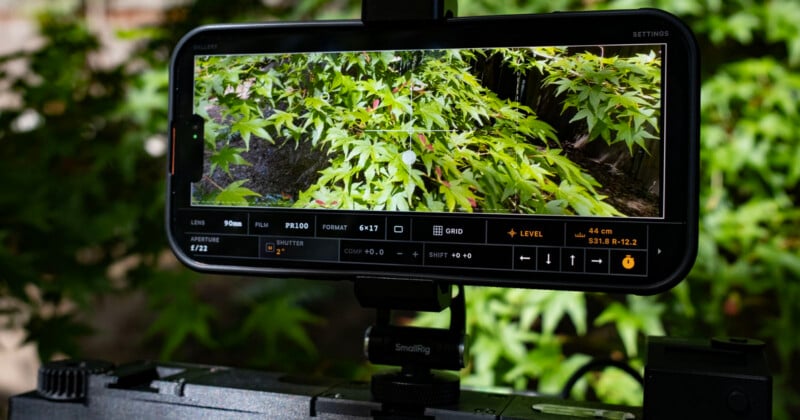
Rise/Shift Simulation: For users of view cameras or technical cameras, the ability to preview lens movements like rise, fall, shift, and tilt is a game-changer. Second View supports movement simulation, allowing photographers to offset the crop up, down, left, or right in one-millimeter steps. This visual representation on the iPhone screen enables users to accurately compose with perspective control or depth of field manipulation in mind, saving time and film by previewing complex adjustments before committing them to the physical camera.
-
Customizable Grids: To aid in composition, the app includes a fully customizable grid system. Users can choose from classic compositional aids such as the rule of thirds, the phi grid, or the golden triangle. Additionally, it offers highly detailed grids with up to 12×12 divisions, catering to photographers who prefer precise alignment and geometric composition.
-
Film Format Simulation: Second View allows photographers to input their lens and film format (e.g., 35mm, medium format like 6×4.5, 6×6, 6×7, 6×9, 6×12, 6×17 panoramic, large format like 4×5, 5×8, or even fully custom sizes). The app then intelligently crops the iPhone’s ultra-wide camera feed to display exactly the field of view and aspect ratio that the analog camera will capture. This real-time, accurate frame simulation is invaluable for visualising the final image without needing to constantly look through a ground glass or a separate external viewfinder.
Mastering Long Exposures: Reciprocity Failure Correction
One of the most nuanced challenges in film photography, particularly with long exposures, is reciprocity failure. Film is designed to respond linearly to light within a certain exposure range. However, when exposure times become very long (typically exceeding one second), this linear relationship breaks down. The film becomes less sensitive, requiring a disproportionately longer exposure time than a simple calculation would suggest. This phenomenon, known as reciprocity failure, can lead to underexposed images if not accounted for.
Second View tackles this complex issue head-on by incorporating accurate reciprocity failure curves for over 60 popular film stocks. This extensive database includes highly regarded films such as Kodak Portra, Ektar, and CineStill for color, and Ilford HP5, Tri-X, and T-Max for black and white, as well as Fujifilm Velvia and Provia for slide film, among many others. When a photographer inputs an exposure time that triggers reciprocity failure (e.g., a calculated exposure of several seconds), the app automatically calculates the corrected, longer exposure time required to achieve proper density on the film. This automated correction eliminates the need for photographers to consult external charts, perform manual calculations, or rely on guesswork, ensuring consistent and correctly exposed long-duration photographs. This feature alone can save significant frustration and wasted film, making intricate long-exposure photography more accessible and reliable for analog practitioners.
Streamlining Workflow: Camera Kits and Metadata Tracking
Beyond its real-time assistance, Second View also offers robust features for streamlining workflow and maintaining organized records, echoing the functionality of dedicated film tracking apps.
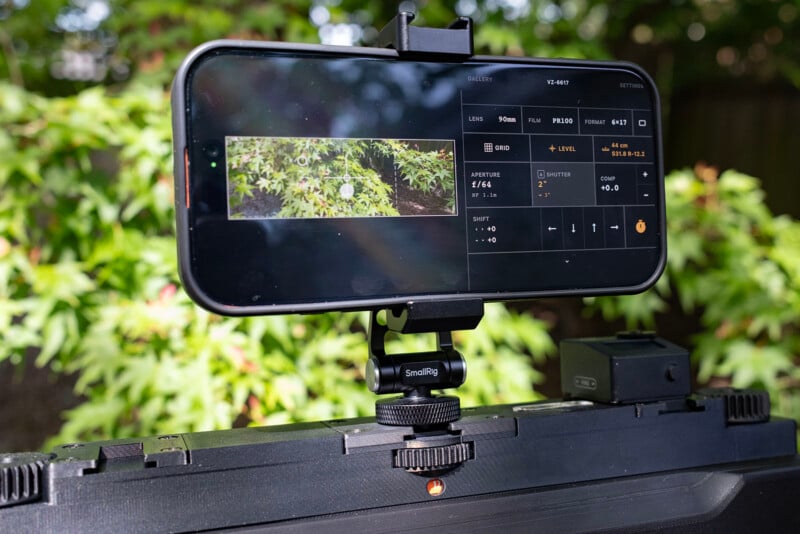
Customizable Camera Kits
Analog photographers often work with multiple cameras, lenses, and film stocks, each with its unique characteristics and preferred settings. The app addresses this by allowing users to save custom "camera kits." These kits store comprehensive information, including specific lenses, film formats, preferred film stocks, enabled features (like parallax correction or specific grid overlays), and even custom parallax offsets. This means a photographer can quickly switch between, for instance, a 35mm setup with a 50mm lens and Portra 400, and a 4×5 large format setup with a 90mm lens and Ilford HP5, without having to re-enter all settings each time. This feature significantly reduces setup time and minimizes the risk of errors, allowing photographers to focus more on the creative process.
Reference Photos and Detailed Metadata
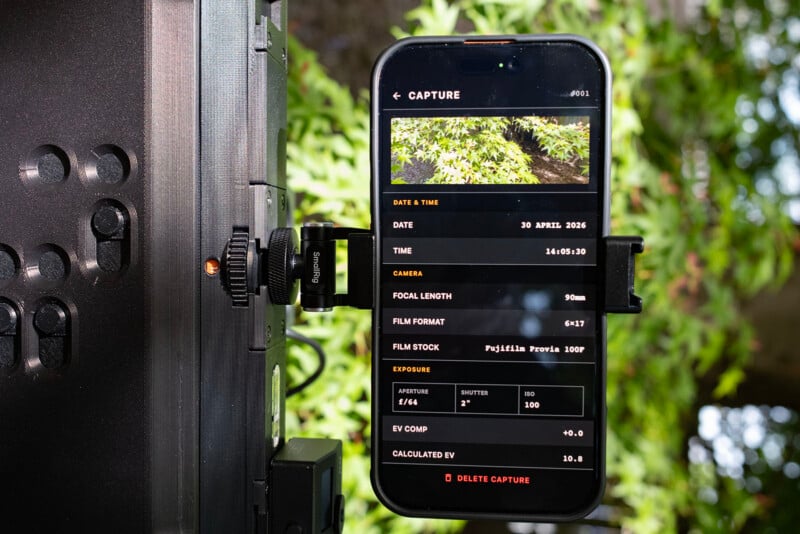
A common desire among analog photographers is to meticulously document their shots for learning, replication, or archival purposes. Second View integrates a powerful reference photo capability that captures a digital snapshot of the scene along with a comprehensive set of metadata. This includes focal length, selected film format, specific film stock, calculated shutter speed, aperture, ISO, any applied rise/shift offset, GPS coordinates of the shooting location, and a precise timestamp. When tracking a long exposure, the app not only counts down the corrected time but also records this detailed shot information. This rich metadata allows photographers to review their shooting parameters alongside a visual reference, offering invaluable insights for refining their technique, troubleshooting issues, and maintaining a digital log of their analog work. This consolidates the functions of several popular film tracking apps, providing a holistic solution within Second View.
The Broader Landscape: Digital Tools for Analog Artistry
Second View emerges in an era witnessing a significant resurgence of analog photography, fueled by a desire for tactile processes, unique aesthetics, and a more deliberate approach to image-making. This revival is not occurring in isolation but is increasingly intertwined with digital technologies that enhance and support traditional methods. The app exemplifies this "hybrid" approach, where modern digital tools are leveraged to optimize the analog workflow without compromising its core appeal.
In recent years, several companion apps have emerged to assist film photographers. Apps like FilmMeter offer light metering, while others like Frames focus on metadata tracking and syncing with film scans. Second View stands out by consolidating and expanding upon these individual functionalities into a single, comprehensive platform. By integrating a light meter, LiDAR rangefinder, advanced framing tools, and sophisticated reciprocity correction with robust metadata tracking, it sets a new benchmark for what a mobile companion app can offer.
The implications for the analog photography community are substantial. For newcomers, Second View lowers the barrier to entry by simplifying complex calculations and providing visual aids that demystify traditionally challenging aspects of film photography. For experienced practitioners, it offers unparalleled precision and efficiency, freeing them to concentrate on artistic vision rather than technical minutiae. It empowers photographers using obscure or minimalist cameras, making them more versatile and user-friendly. By bridging the gap between the tactile, chemical process of film and the computational power of a smartphone, Second View not only preserves the spirit of analog photography but also propels it forward into a new era of accessibility and precision. This trend underscores a broader shift where digital technology is no longer seen as a replacement for analog, but as a powerful ally in its continued evolution and appreciation.
Accessibility, Availability, and Future Development
Second View is exclusively available on the Apple App Store, requiring iOS 16 or later, which ensures compatibility with a wide range of recent iPhone models, crucially including those equipped with LiDAR sensors (iPhone 12 and newer). The app is offered under a subscription model with two tiers, reflecting its professional-grade features and ongoing development commitment. The full-featured Pro version is priced at $14.99 per year, offering access to all advanced functionalities. A pared-down Basic version, which provides core functionalities, is available for $7.99 per year, catering to users with more fundamental needs.
Benoit Linard’s commitment to the app’s longevity and responsiveness to its user base suggests a future of continuous improvement and feature expansion. This community-driven development model, where user feedback directly influences updates and new functionalities, positions Second View as a dynamic tool that will evolve alongside the needs of the analog photography community.
Conclusion: Empowering the Analog Revival
Second View represents a significant advancement in tools available to analog photographers, blending the tactile and artistic qualities of film with the precision and convenience of modern digital technology. By consolidating a suite of advanced features – from LiDAR-assisted focusing and parallax-corrected framing to comprehensive reciprocity failure compensation and robust metadata tracking – into a single, intuitive iPhone application, it addresses many of the inherent challenges and complexities of film photography.
This innovative app not only simplifies intricate processes but also empowers photographers to achieve a higher degree of accuracy and control over their analog work. It is particularly impactful for users of specialty cameras lacking integrated systems, making sophisticated techniques more accessible and less prone to error. In an era where analog photography is experiencing a vibrant resurgence, Second View stands as a testament to how intelligent technological integration can enhance, rather than diminish, the timeless craft of film, fostering both creativity and technical excellence for a new generation of analog artists.