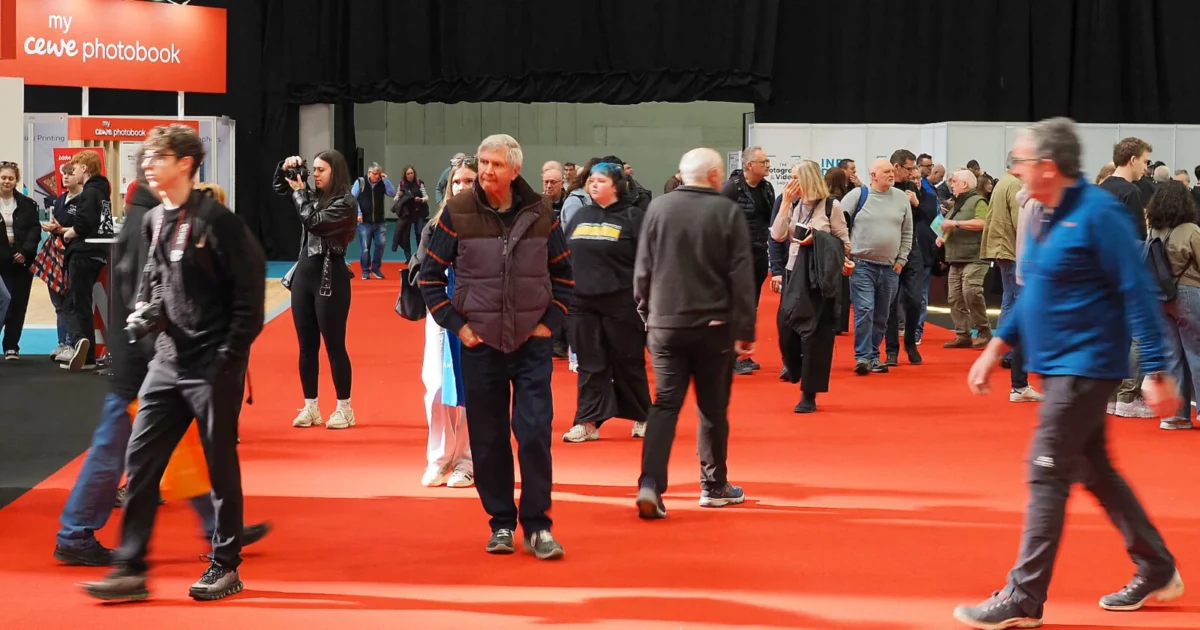
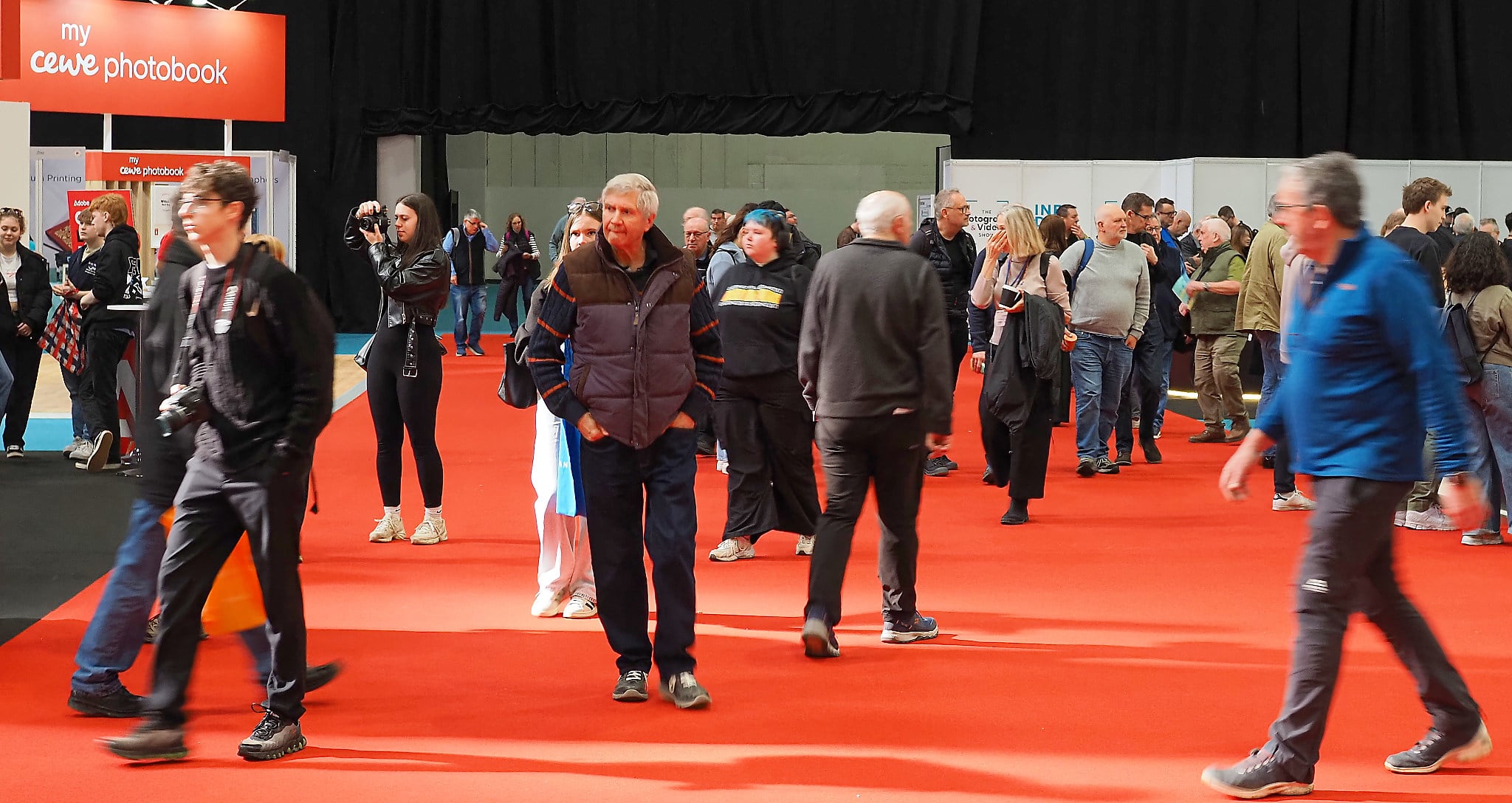
Camera trade fairs, bustling hubs of innovation and commerce, remain pivotal events for both industry professionals and passionate enthusiasts, despite the evolving landscape of digital information and online retail. The recent Photography and Video Show, hosted at the vast National Exhibition Centre (NEC) in Birmingham, England—the UK’s largest exhibition venue spanning 440 acres—offered a microcosm of the global photography industry, revealing critical insights for exhibitors and visitors alike. This analysis delves into the multifaceted experience of attending such a grand event, from strategic preparation to shifting market dynamics and the subtle nuances of exhibitor engagement.
The Enduring Appeal and Evolving Landscape of Photography Trade Fairs
Photography and video trade fairs have historically served as crucial platforms for product launches, networking, and direct consumer engagement. Events like The Photography Show at the NEC, which draws tens of thousands of attendees annually, are vital economic drivers, fostering direct sales, generating leads, and providing invaluable face-to-face interaction between manufacturers, distributors, and their user base. The sheer scale and sensory overload of these events—characterized by constant noise, dense crowds, and a palpable hum of activity—can be overwhelming, often draining attendees within a few hours. However, this intensity is also part of their allure, creating an immersive experience unparalleled by online browsing. To mitigate the physical demands, visitors often consider multi-day visits, opting for overnight stays or utilizing the comprehensive air and rail links that frequently serve such major exhibition centres, thereby optimizing their energy and time.
The NEC, a cornerstone of the UK’s exhibition circuit since 1976, has continually adapted to host a diverse array of events, including the photography show. Its extensive facilities are designed to accommodate large crowds and complex logistical demands, making it an ideal location for showcasing the latest in imaging technology. The show itself provides an annual snapshot of technological advancements and market trends, acting as a barometer for the industry’s health and direction.
Strategic Preparation for Optimal Engagement
Maximizing the value of a trade fair visit hinges on meticulous preparation, a principle equally applicable to both attendees and exhibitors. For visitors, pre-show research is paramount. Engaging with the comprehensive list of exhibitors and their product portfolios beforehand allows for a targeted approach, preventing aimless wandering and ensuring key interests are addressed. Proactive communication with specific companies, especially for potential high-value purchases, can yield personalized service and dedicated points of contact, enhancing the overall buying experience. However, an open mind is crucial; the dynamic environment of a trade show often presents unexpected alternatives or superior options, highlighting the importance of comparison shopping on-site to avoid post-purchase regret.
Exhibitors, in turn, must cultivate an engaging presence. This includes not only showcasing innovative products but also ensuring staff are knowledgeable, approachable, and enthusiastic. The contrast between smaller businesses, often run by passionate founders eager to connect, and larger corporate entities, where staff sometimes exhibit a noticeable lack of engagement, significantly impacts visitor perception. A proactive, friendly demeanor from booth personnel can transform a casual inquiry into a meaningful interaction and potential sale, building brand loyalty that transcends the event itself.
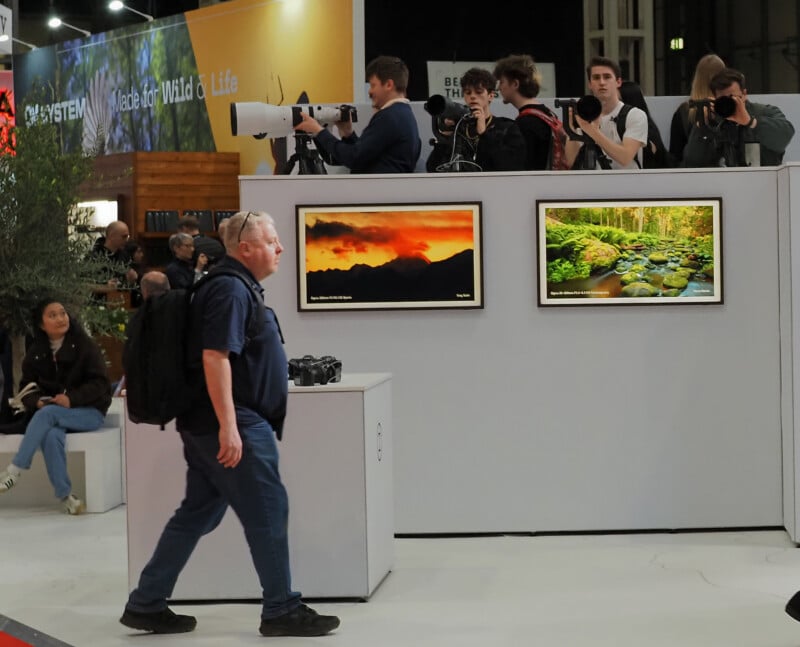
Logistical considerations are also vital. Comfortable footwear is non-negotiable for navigating vast exhibition halls, which can easily entail several miles of walking daily. Practical clothing, adaptable to significant temperature differentials between the chilly outdoor air and the often-overheated indoor spaces, is advisable. Attendees benefit immensely from carrying a small backpack to store promotional materials, programs, and discarded layers of clothing. Furthermore, planning for travel and on-site sustenance is critical; on-site food and drink, while convenient, are typically expensive and of moderate quality, making pre-packed lunches or strategic off-site dining viable alternatives for multi-day visits. Parking at major venues can also be exorbitantly priced, underscoring the benefits of public transport or pre-arranged taxi services from nearby accommodations.
Navigating the Innovation Cycle: Annual Visits and Evolving Product Lines
A recurring observation at long-standing trade fairs is the phenomenon of "déjà vu," where successive annual visits reveal limited significant changes. While major gear manufacturers consistently display their latest models, the pace of genuine innovation, particularly in core camera body design and ergonomics, can be incremental. Products that felt cumbersome or plasticky years ago may only see minor refinements in their latest iterations. This suggests that the value proposition of attending every year might diminish for some, especially if their primary interest lies in groundbreaking new releases rather than iterative updates or general market overview.
The industry’s innovation cycle plays a significant role in this perception. While software and computational photography advancements often provide continuous updates, fundamental hardware changes in cameras and lenses can occur over longer intervals. Consequently, for many visitors, a biennial or triennial visit might offer a more substantial difference in displayed technology. The sustained attendance, however, remains justified for those seeking specific new models, engaging with diverse speakers, exploring niche accessories, or networking within the community. The speaker schedules, for instance, are typically refreshed annually, offering new perspectives and educational content that justifies repeat attendance for learning-focused individuals.
The Rise of Global Manufacturing: China’s Growing Dominance
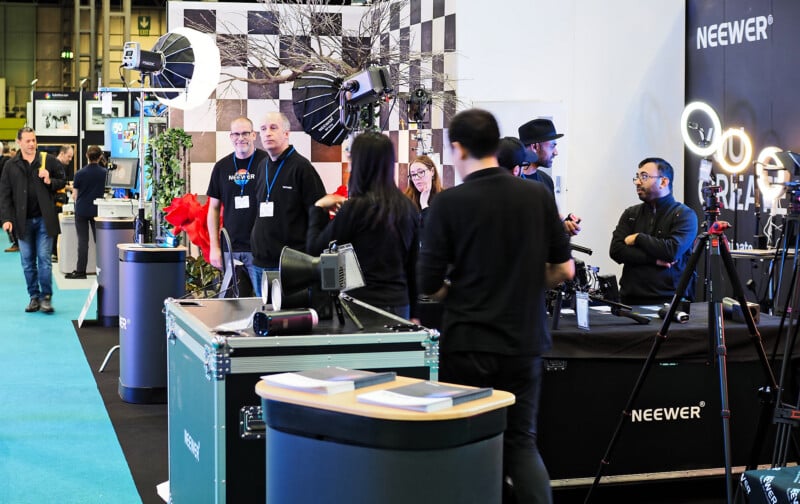
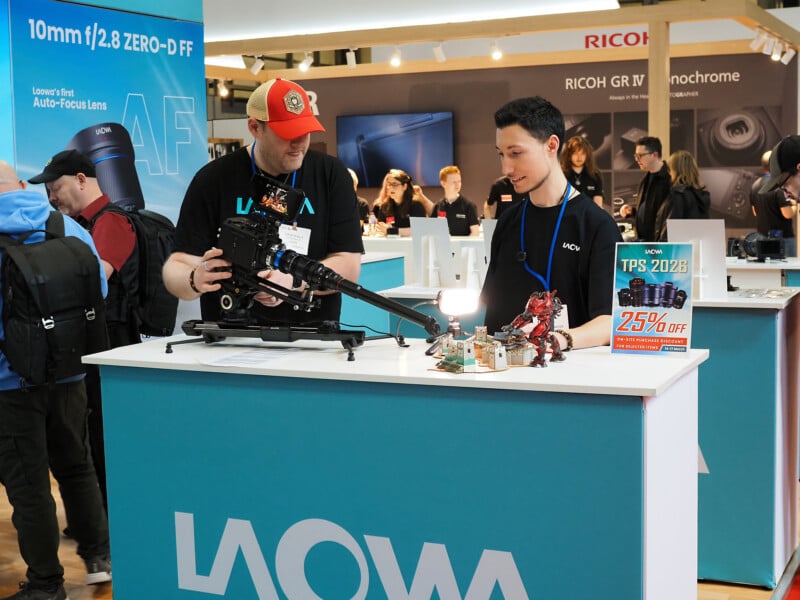
One of the most profound shifts observed in recent years at these trade fairs is the escalating presence of Chinese companies. While established Chinese brands such as Godox, Viltrox, Neewer, Benro, TTArtisan, Laowa, and Insta360 have been consistent exhibitors, their numbers have swelled dramatically. The current landscape sees a vast array of less well-known, yet rapidly emerging, companies—from Accsoon to Xencelabs, Yololiv, and Zitay—showcasing innovative and high-quality gear. This trend extends beyond accessory manufacturers, as several major camera brands also maintain significant manufacturing bases within China.
This surge reflects a broader industrial movement where Chinese manufacturers are increasingly competing on quality, innovation, and cost-effectiveness. Their ability to produce sophisticated equipment at competitive price points significantly benefits consumers globally, democratizing access to advanced photographic tools. This is not merely a quantitative increase but a qualitative evolution, with many of these brands earning reputations for reliability and performance that rival traditional industry stalwarts. The expansion of Chinese manufacturing prowess has reshaped the global supply chain and product offerings, presenting both opportunities and challenges for the established market players.
Exhibitor Engagement and Brand Presence: A Shifting Dynamic
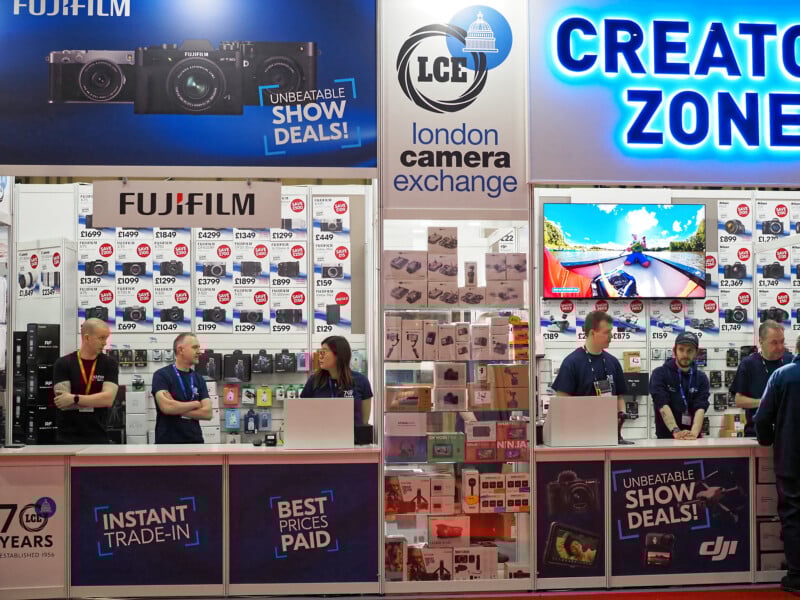
The approachability and enthusiasm of exhibitors profoundly shape the visitor experience. A noticeable dichotomy often exists between smaller, independent businesses and some of the larger, more established brands. Smaller enterprises, often driven by a direct passion for their products, tend to be highly engaging, eager to discuss innovations, and genuinely connect with potential customers. This direct interaction can foster strong brand loyalty and positive word-of-mouth. Conversely, some major brands, particularly those represented by local distributors rather than their core teams, occasionally exhibit a less enthusiastic, almost detached presence. This lack of proactive engagement, even when visitors attempt to initiate conversation, can be a significant missed opportunity, potentially alienating customers who are actively seeking information or considering a purchase.
The decision of certain prominent brands to forgo major trade shows is also noteworthy. Companies like DJI, 7Artisans, K&F Concept, SmallRig, Leica, and DxO were conspicuously absent from the recent show. This suggests an evolving marketing strategy, where some brands may perceive better returns from direct online marketing, influencer collaborations, or smaller, more targeted events. The "fear of missing out" (FOMO) that once drove universal attendance appears to be waning for some, replaced by a more strategic allocation of resources. However, for brands that do attend, leveraging social media by encouraging visitors to post about their stands can provide valuable, organic publicity.
Beyond the Mainstream: Discovering Niche Innovation and Educational Value
While the allure of the major camera brands is undeniable, the true gems of a trade fair often lie within the smaller, less prominent stalls. These independent businesses frequently showcase genuinely innovative products that differentiate them from the mass-market offerings. Exploring these stands offers a chance to discover unique solutions and cutting-edge designs that might not be widely available in mainstream retail channels. This requires a deliberate effort to look beyond the largest, most visually dominant displays.
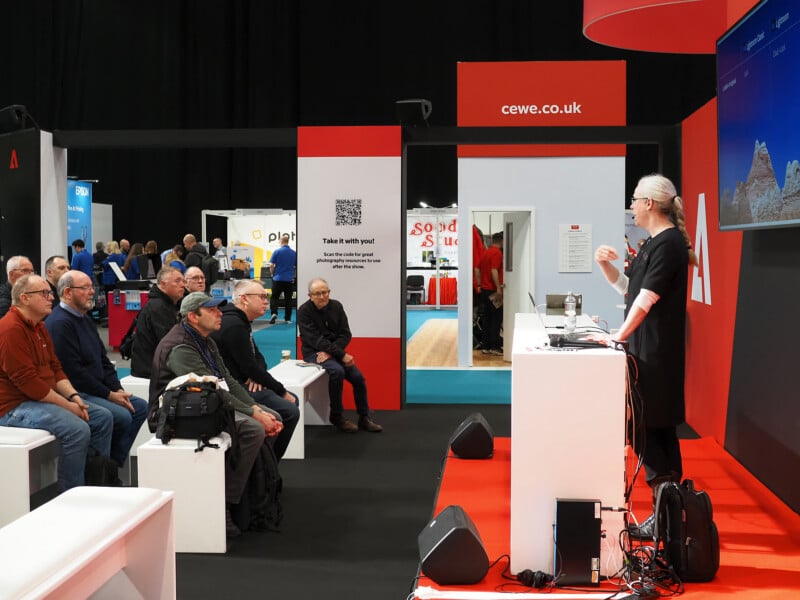
The educational component of trade fairs, primarily delivered through a comprehensive program of talks and workshops, is another significant draw. These sessions, often led by accomplished photographers and industry experts, cover a vast spectrum of genres and technical skills. While premium talks may require advance booking, many free sessions offer inspiring content and actionable advice. A strategic approach to attending talks involves not only seeking out experts in one’s primary genre but also exploring topics outside one’s comfort zone. Learning about different photographic disciplines can spark new ideas and provide transferable techniques that enrich one’s own practice, fostering creative growth and expanding technical versatility. To avoid the peak crowds at popular camera stands, visiting these exhibits in the afternoon or on the quieter final day of the show can provide a more relaxed and hands-on experience.
Community and Conscience: Networking and Charitable Engagement
Trade fairs are inherently social events, offering a unique opportunity for photographers to connect, share experiences, and foster a sense of community. Casual conversations with fellow attendees can be surprisingly insightful, leading to new perspectives, shared tips, and even future collaborations. This informal networking aspect is a significant, often understated, benefit of in-person events.
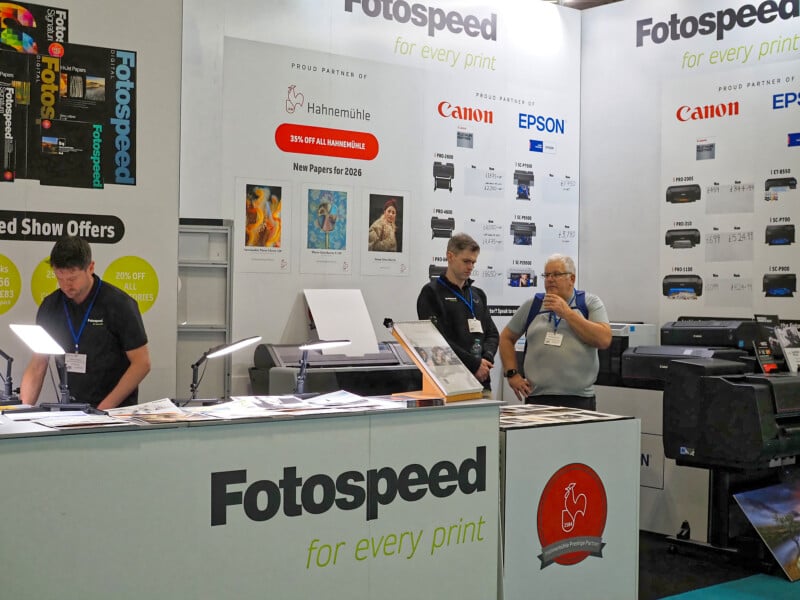
Beyond commercial interests, trade shows often host various charitable organizations that resonate with the photographic community’s values, particularly those focused on environmental conservation or social causes. For instance, charities dedicated to protecting endangered species or preserving natural landscapes frequently exhibit, appealing to photographers who document the natural world. While these organizations often engage in direct fundraising, visitors are advised to research their missions beforehand to ensure alignment with personal values and to make informed decisions about financial contributions. This thoughtful engagement allows attendees to support causes that matter to them, adding a dimension of social responsibility to their trade fair experience.
Conclusion
Modern photography trade fairs, exemplified by the Photography and Video Show at the NEC, continue to be dynamic and multifaceted events. While they demand strategic planning and physical endurance from attendees, their value as platforms for discovery, education, and commerce remains strong. The shifting landscape, marked by the increasing prominence of Chinese manufacturers, evolving exhibitor strategies, and the ongoing debate about the pace of innovation, underscores the need for both visitors and industry players to approach these events with adaptability and discernment. By embracing strategic preparation, focusing on genuine innovation, engaging actively with exhibitors, and exploring the broader community and educational offerings, participants can unlock the full potential of these vibrant industry showcases.