The contemporary landscape of visual media is undergoing a fundamental shift in how the act of photography is defined, moving away from the traditional view of "capturing reality" toward a more complex understanding of the image as a deliberate construction of the human eye. This transition, detailed in a comprehensive series of theoretical reflections by industry observers, suggests that a photograph does not exist as an independent entity within the physical world. Instead, the photographic process is initiated only when a human observer intervenes to select, isolate, and organize a specific visual field from a continuous and indifferent reality. This conceptual framework posits that an image is not discovered in the wild but is systematically constructed through a series of cognitive and technical decisions, a process that remains susceptible to failure if the imposed narrative does not align with the visual evidence.
The Cognitive Foundation of Image Construction
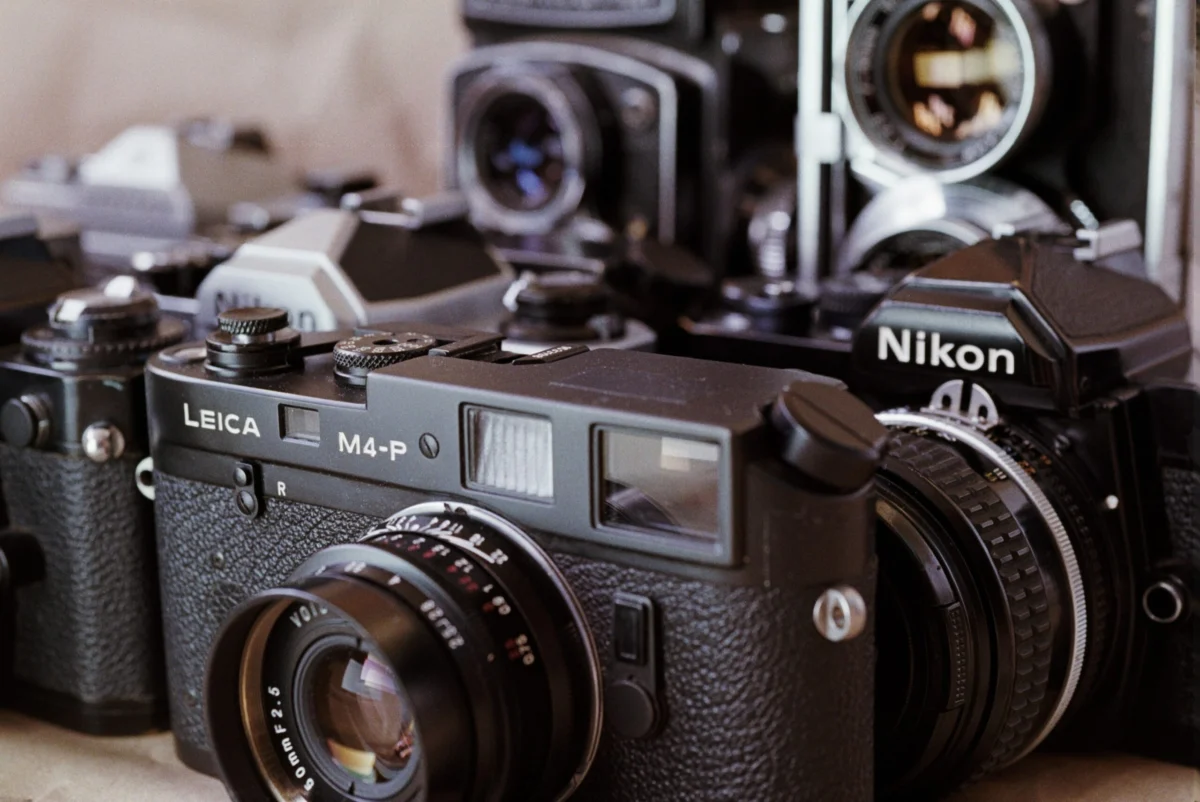
At the heart of this evolving discourse is the centrality of the observer’s eye as the true origin of any photographic work. For decades, the photography industry has been dominated by a technological arms race, with manufacturers focusing on autofocus precision, lens sharpness, and sensor dynamic range. However, current analysis suggests that the persistent attribution of photographic failure to external equipment is a fallacy. When technical errors—such as missed focus or poor framing—recur across different camera systems, they point to a deeper issue: the photographer’s own perceptual limitations.
Data from visual literacy studies indicate that the human brain processes visual information through a filter of prior knowledge and cultural bias. In a professional context, this necessitates a dual approach to training that emphasizes both technical mastery and perceptual refinement. The industry is seeing a resurgence in "slow photography" movements, which prioritize the photographer’s intent over the camera’s automated capabilities. This shift reflects a growing realization that the most sophisticated sensors cannot compensate for a lack of vision.
The Temporal Paradox of the Captured Moment
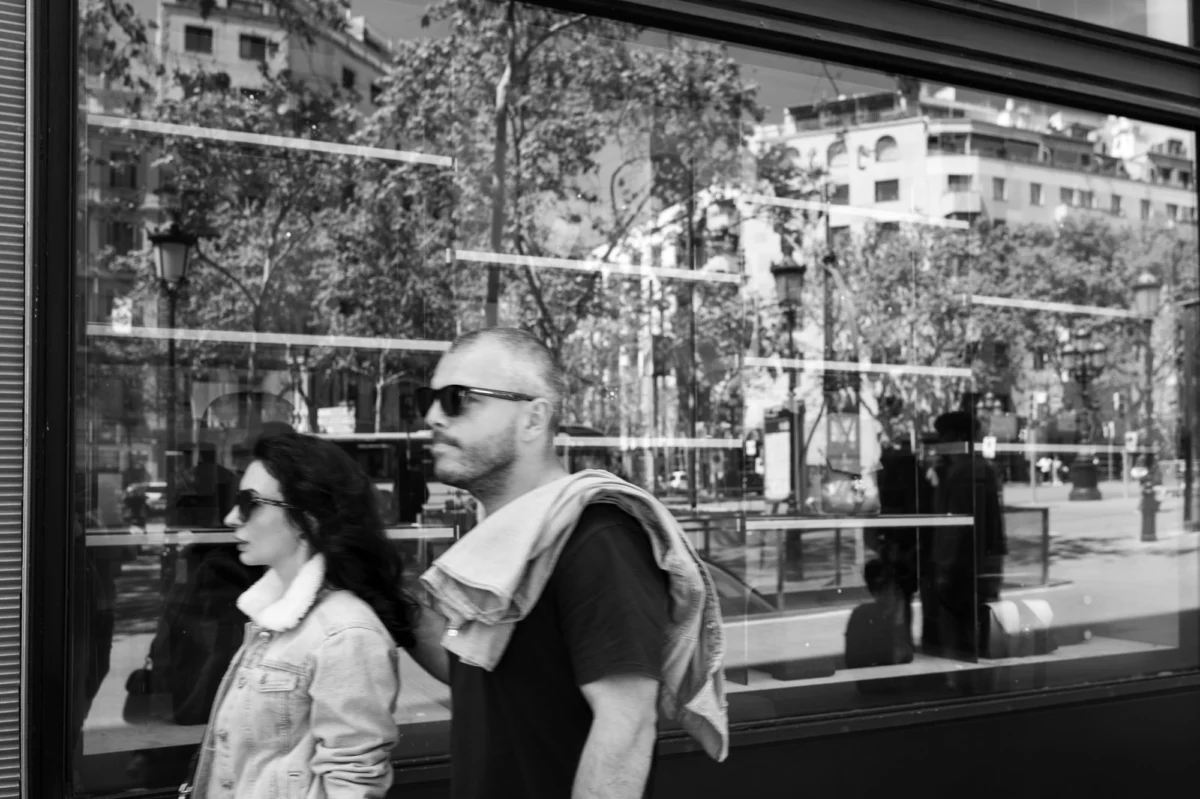
The concept of the "decisive moment," a term popularized by Henri Cartier-Bresson in the mid-20th century, is being re-examined through the lens of active construction. Traditionally viewed as a fleeting interaction that exists independently of the observer, the "moment" is now being framed as a construct of the eye. A gesture between individuals or a brief interplay of light becomes a photograph not because it occurred, but because a photographer recognized its significance and chose to isolate it.
This distinction is particularly relevant in the era of high-speed burst photography. Modern mirrorless cameras are capable of shooting upwards of 30 to 120 frames per second, a technological leap that threatens to reduce photography to a game of statistical probability. Critics argue that extracting a single frame from a thousand-shot burst lacks the intentionality of a single, deliberate exposure. While "pure luck" is acknowledged as a factor in certain iconic images, the professional consensus is leaning toward the "decisive decision" over the "lucky capture." This reflects a broader movement within the arts to validate the human element in an increasingly automated world.
Narrative Imposition and the Assignment of Meaning
The role of context in photography remains a critical point of debate among curators and visual storytellers. An image that appears mundane or lacks aesthetic weight when viewed in isolation can acquire profound significance when placed within a specific narrative framework. This phenomenon is frequently observed in documentary photography, where images of urban decay or neighborhood transformation—such as those documenting the pressure of urban development on historical districts—rely on external information to convey their message.
Psychological research into "meaning-making" suggests that viewers do not just see an image; they read it. This assignment of meaning occurs at multiple levels, from the immediate emotional response to the deeper socio-political implications revealed by a series of images. In this sense, photography functions as a vehicle for meaning that is often assigned post-factum by the photographer or the viewer, rather than being an inherent property of the light captured on the sensor.
Composition as a Reflection of Cultural Literacy
If photography is an act of construction, then composition cannot be governed by a rigid set of universal rules, such as the "rule of thirds" or the "golden ratio." Instead, composition is increasingly viewed as "learned vision." The principle that the eye sees what the mind is prepared to comprehend suggests that a photographer’s output is directly linked to their cultural and visual education.
Historians note that early photography was heavily influenced by classical painting, inheriting its compositional structures and lighting techniques. However, photography operates under radically different temporal constraints. While a painter has an almost infinite amount of time to adjust a canvas, a photographer must synthesize complex visual elements in a fraction of a second. This "real-time painting" requires a level of mental preparation that allows the photographer to anticipate visual harmony before it fully manifests. The rise of visual literacy programs in academic institutions highlights the industry’s recognition that a well-trained eye is a photographer’s most valuable asset.
The Aesthetics of Imperfection and Functional Flaws
In a market saturated with high-resolution, clinically perfect images, a counter-trend is emerging that embraces technical imperfection as a legitimate byproduct of vision. Motion blur, out-of-focus elements, and heavy grain are no longer automatically dismissed as defects. Instead, they are evaluated based on their consistency with the "logic of the image."
A blurred photograph may convey speed, tension, or the chaos of a specific moment more effectively than a sharp one. This functional approach to imperfection suggests that technical criteria are insufficient for evaluating the merit of a photograph. The primary metric of success is whether the image aligns with the photographer’s original act of seeing. However, industry experts caution that this "aesthetic of the flaw" must be intentional. Using imperfection as an ex post facto excuse for poor technique remains a point of criticism within professional circles. The distinction lies in whether the flaw enhances the narrative or merely distracts from a lack of skill.
The Impact of External Validation and the Contest Economy
The professional practice of photography is inextricably linked to systems of recognition, including awards, honorable mentions, and international competitions. While these accolades provide a sense of achievement and can advance a career, their relationship to the actual quality of photographic practice is complex.
Data from the photography competition industry suggests that the criteria for winning are often contingent on current trends and the specific biases of a judging panel. This raises fundamental questions about whether external validation reflects something intrinsic to the work or merely its alignment with contemporary tastes. Some critics argue that the pursuit of awards can distract photographers from developing a unique, individual style, leading instead to a homogenization of visual language. Consequently, a sustainable photographic practice is increasingly seen as one grounded in continuous self-reflection and refinement rather than a reliance on external accolades.
Chronology of Photographic Philosophy
The evolution of these ideas can be traced through several key periods in the history of the medium:
- 1839–1900: The era of "Objective Documentation," where photography was viewed as a scientific tool for recording reality without human interference.
- 1900–1950: The rise of Pictorialism and Modernism, where photographers began to assert their role as artists, experimenting with composition and light.
- 1950–1990: The dominance of the "Decisive Moment" and the golden age of photojournalism, emphasizing the photographer’s ability to be in the right place at the right time.
- 1990–Present: The Digital Revolution and the Post-Modern turn, where the focus shifted to the construction of reality, the fallibility of the image, and the role of the observer’s mind.
Broader Implications and Future Outlook
The conclusion drawn from this theoretical framework is that photography does not exist independently of the photographer. The medium is characterized by a symbiotic relationship where the "photo is the photographer and vice versa." This perspective has significant implications for the future of the industry, particularly in the face of artificial intelligence and computational photography.
As AI becomes capable of generating photorealistic images from text prompts, the value of traditional photography will likely reside in the "situatedness" of the human eye—the fact that a real person was present, made a decision, and constructed a reality based on their unique perspective. The future of the medium may rely less on the ability to produce a perfect image and more on the ability to justify the act of pressing the shutter through a coherent and meaningful vision.
In a world increasingly dominated by automated visual content, the emphasis on photography as an active, constructive process serves as a reminder of the unique power of human perception. The "eye" remains the final arbiter of sense and meaning, ensuring that despite technological advancements, the essence of photography remains a deeply human endeavor. Everything else—the gear, the settings, the awards—is secondary to the moment when an observer decides that what is in front of them is worth being seen.