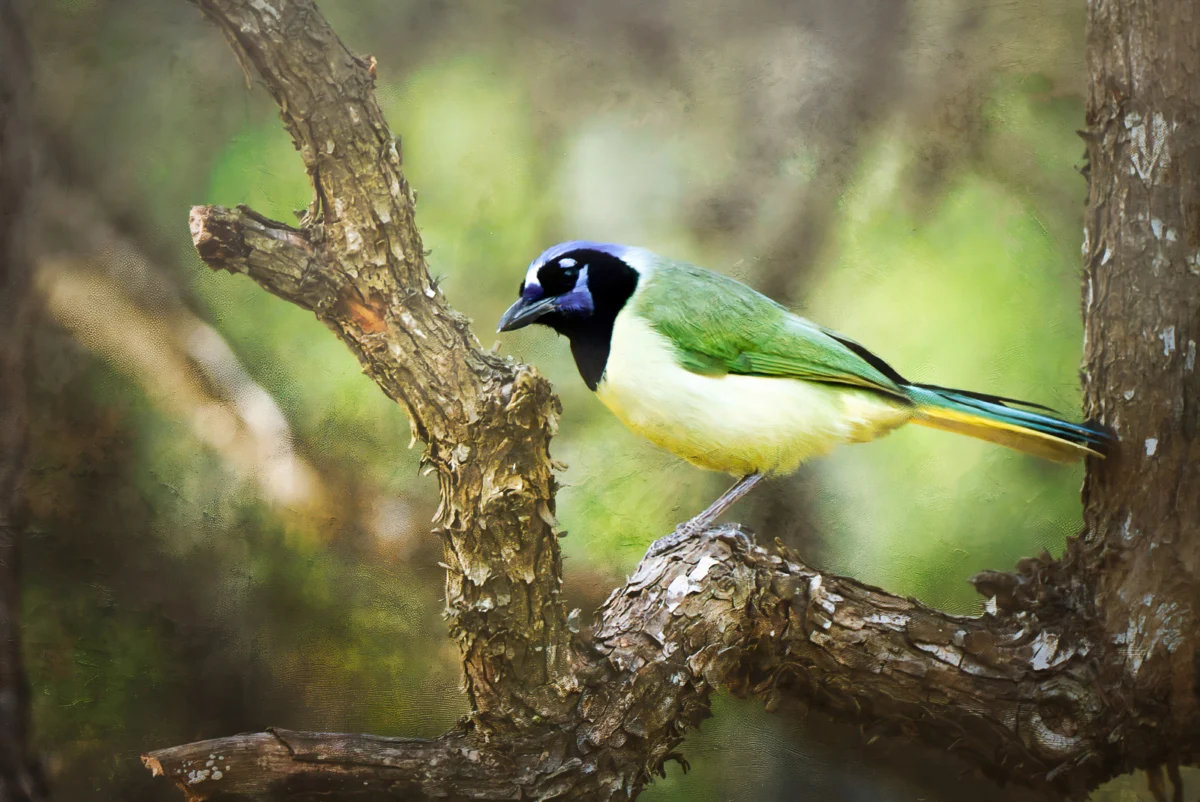
Passerine birds, scientifically classified under the order Passeriformes, represent the most diverse avian group on Earth, encompassing over 6,500 species – more than half of all known bird species. From the bustling urban sparrow to the elusive forest warbler, these perching birds are distinguished by a unique toe arrangement: three digits pointing forward and one facing backward, a natural adaptation providing exceptional grip on branches and other substrates. This anatomical feature, combined with their widespread distribution across every continent except Antarctica, makes them ubiquitous subjects for naturalists and an enduring, rewarding challenge for wildlife photographers worldwide.

The Ubiquitous Charm: A Deep Dive into Passerine Diversity and Distribution
The sheer numerical dominance of passerines underscores their ecological success and adaptability. Their habitats range from dense tropical rainforests and vast open fields to arid deserts and human-dominated urban landscapes, including gardens and parks. This remarkable adaptability contributes to their global presence and ensures their accessibility, making them ideal subjects for aspiring and seasoned wildlife photographers alike. Prominent examples include the vibrant goldfinch, the iconic European robin, various sparrows, tits, finches, warblers, and swallows. These species not only showcase a stunning array of plumages but also exhibit complex behaviours that offer rich photographic narratives.

Beyond their aesthetic appeal, passerines play critical roles in ecosystems. Many species are vital for seed dispersal, helping to regenerate forests and grasslands. Others are significant pollinators, transferring pollen between plants as they forage for nectar. Insectivorous passerines contribute to natural pest control, regulating insect populations in agricultural and natural settings. Understanding their ecological functions provides a deeper appreciation for these creatures, enhancing the photographer’s ability to capture images that convey more than just beauty – images that tell a story of their integral place in nature.
The Rise of Urban Wildlife Photography: Passerines as Accessible Subjects

The growing interest in wildlife photography, particularly within accessible urban and suburban environments, has placed passerine birds at the forefront. Advancements in digital camera technology, offering faster autofocus, higher ISO capabilities, and rapid burst rates, have democratized this once highly specialized field. What was once the exclusive domain of professionals with specialized equipment is now accessible to a broader audience, fostering a greater connection between people and local wildlife. This accessibility, coupled with the birds’ lively and often interactive nature, positions passerines as excellent subjects for honing photographic skills, from mastering technical settings to understanding animal behaviour.
Ethical Engagement and Conservation Awareness

The act of photographing passerines often leads to a heightened awareness of their delicate existence and the environmental pressures they face. Many passerine populations are experiencing declines due to habitat loss, climate change, and pesticide use. Photographers, through their work, can become powerful advocates for conservation, using their images to highlight the beauty and vulnerability of these species. Organizations like the National Audubon Society and the Cornell Lab of Ornithology frequently utilize citizen-submitted photographs to monitor populations and identify conservation priorities, demonstrating a tangible link between the art of photography and scientific understanding. This ethical engagement underscores the responsibility photographers bear to minimize disturbance and prioritize the birds’ welfare, especially during sensitive periods like nesting.
Mastering the Art: Key Photographic Strategies for Passerines

Photographing these small, fast-moving subjects demands precision, patience, and a deep understanding of both avian behaviour and camera mechanics.
1. Locating and Identifying Passerine Species:
Effective photography begins with effective scouting. Passerines are typically highly vocal, making their calls and songs invaluable for identification, particularly when they are obscured by foliage. Learning to distinguish the chirps of a house sparrow from the melodic warble of a blackbird or the intricate song of a wren is a crucial skill. Online resources, field guides, and local birdwatching groups offer excellent avenues for developing this auditory recognition. Observing their preferred perching spots, feeding habits, and interactions provides critical insights into anticipating their movements. Common habitats include gardens, parks, woodlands, wetlands, and hedgerows – environments offering ample perching opportunities and food sources.

2. Creating an Optimal Photography Environment: The Backyard Studio:
For many, the most accessible and controlled environment for passerine photography is a dedicated feeding station in a garden. This setup provides predictable opportunities, especially during colder months when natural food sources are scarce.
- Food Selection: A diverse offering attracts a wider range of species. Sunflower seeds, niger seeds, suet blocks, and mealworms are universally popular. Researching local species’ dietary preferences can further refine offerings.
- Feeder Placement: Strategic placement is key. Position feeders in areas receiving good natural light, ideally with soft, diffused light during the golden hours of sunrise and sunset. Avoid direct, harsh midday sun. Critically, ensure feeders are near protective cover (shrubs, trees) to offer birds a sense of security from predators, while also allowing for a clear line of sight for your camera.
- Hygiene: Regular cleaning of feeders with a mild bleach solution is paramount to prevent the spread of diseases, a serious concern for avian health.
- Water Source: A clean, shallow water source, such as a bird bath or a reflection pool, can attract additional species and provide dynamic photographic opportunities, capturing birds drinking, bathing, or admiring their own reflections. A rectangular planting tray, strategically positioned with a log or rock, can serve as an excellent reflection pool, reflecting natural foliage rather than an overly bright sky.
3. The Perfect Perch: Enhancing Aesthetic Appeal:
The choice of perch profoundly impacts the visual quality of an image. Natural, aesthetically pleasing perches can transform a simple feeding shot into a compelling portrait.

- Sourcing Perches: Look for moss-covered branches, lichen-encrusted twigs, or seasonal elements like blossom sprigs or berries that complement the bird’s colours and habitat. The goal is authenticity – the perch should appear natural to the bird’s environment, avoiding a contrived look.
- Positioning: Place perches where they receive optimal natural light, allowing for creative use of front-lighting, backlighting during golden hour, or the soft, even illumination of an overcast day which excels at revealing feather detail.
- Backgrounds: A clean, uncluttered background is essential. Position perches so that the background is sufficiently distant to be rendered completely out of focus, creating a pleasing bokeh effect. The choice of lens and aperture significantly influences depth of field. A long focal length combined with a wide aperture (e.g., f/2.8-f/5.6) will best isolate the subject. Consider background colours that complement, rather than clash with, the bird’s plumage, and utilize areas of shadow for dramatic, dark backdrops.
4. Technical Precision: Camera Settings for Dynamic Passerine Shots:
The rapid movements and small size of passerines necessitate specific camera settings to ensure sharp, well-exposed images.
- Shutter Speed: To freeze the frantic motion of a passerine, a minimum shutter speed of 1/1000th of a second is generally recommended. For birds in flight, this should be increased to at least 1/2500th of a second to capture crisp wing detail.
- Aperture: A wide aperture, typically between f/2.8 and f/5.6, is ideal for creating a shallow depth of field, effectively separating the bird from its background. When shooting close-up portraits or multiple birds, stopping down slightly (e.g., to f/8) may be necessary to ensure critical sharpness across the bird’s eye and chest.
- ISO: Do not shy away from increasing ISO in low-light conditions. Modern cameras handle higher ISO settings with remarkable noise suppression. A sharp image with some noise is almost always preferable to a noise-free but blurry image.
- Focus Mode: Continuous autofocus (AI Servo on Canon, AF-C on Nikon/Sony) is crucial for tracking moving subjects. Eye-detection autofocus, available on many mirrorless cameras, can be highly effective. However, if the bird is obscured or moving erratically, switching to a single-point or group focus mode, kept centrally, can offer greater control and accuracy. For anticipating flight, pre-focusing manually on a perch and firing a burst as the bird enters the focal plane can yield excellent results.
- Burst Mode: Utilizing continuous high-speed shooting mode significantly increases the chances of capturing that decisive moment, whether it’s a bird mid-flap, an interesting head turn, or an interaction.
5. Composition and Framing: Crafting Visually Striking Images:
Strong composition transforms a mere record shot into a work of art.

- Rule of Thirds: Imagine the frame divided into nine equal parts. Positioning the bird at one of the intersecting points or along the lines often creates a more dynamic and balanced image.
- Environmental Context: Incorporating elements of the bird’s natural habitat – a spray of leaves, a patch of wildflowers – provides context, tells a story, and adds depth to the image.
- Eye Level: Shooting at the bird’s eye level creates an intimate perspective, forging a stronger connection between the subject and the viewer.
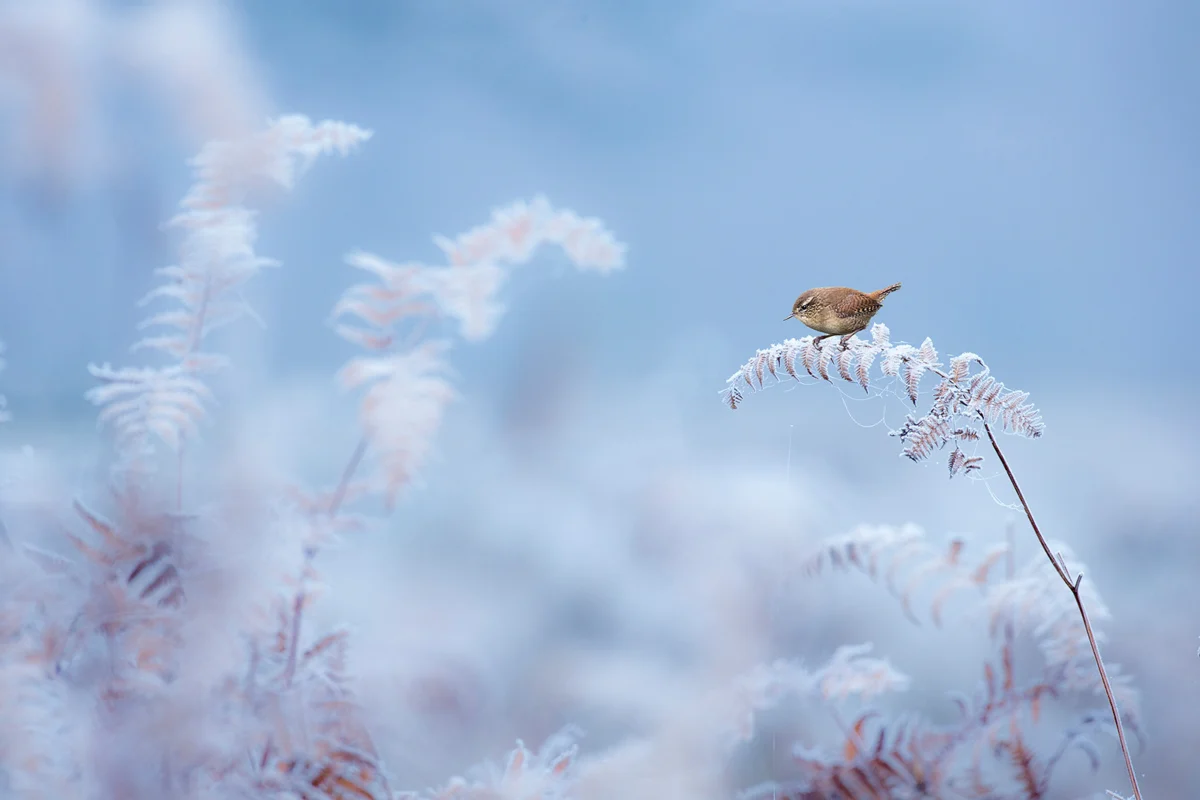
- Negative Space: Thoughtful use of negative space around the bird can emphasize its isolation, highlight its form, or convey a sense of vastness in its surroundings, particularly effective in minimalist compositions or snowy landscapes.
- Leading Lines: Natural lines within the scene, such as branches, fences, or stone walls, can be used to guide the viewer’s eye towards the subject, adding depth and visual interest.
6. Capturing Behaviour and Interactions: The Narrative Element:
The most compelling images often capture birds engaged in natural behaviours or interactions.
- Feeding Habits: Documenting birds foraging, caching food, or drinking from a water source offers insights into their daily lives.
- Vocalizations: Capturing a bird mid-song, with its beak open, conveys sound and emotion, particularly potent during the breeding season.
- Flocks and Fights: Interactions, such as territorial disputes over feeders or dynamic group formations, provide opportunities for high-action shots. When photographing multiple birds, a slightly smaller aperture may be necessary to ensure all subjects are in focus.
- Parenting: Observing and respectfully documenting parents feeding their chicks or teaching fledglings to fly offers heartwarming and impactful imagery. This requires extreme caution to avoid disturbance.
- Bathing and Preening: These intimate moments of self-care provide excellent chances for detailed portraits and dynamic action shots as water splashes.
Recommended Equipment for the Passerine Photographer:

While enthusiasm and skill are paramount, appropriate gear certainly aids in the pursuit of high-quality passerine photography.
- Camera Body: A DSLR or mirrorless camera with fast, reliable autofocus, a high frame rate (10+ frames per second), and good low-light performance (clean high ISO) is ideal. Mirrorless cameras, with their advanced eye-detection autofocus, are increasingly popular.
- Lenses: A telephoto lens of 300mm or longer is essential for maintaining a respectful distance and achieving pleasing subject isolation. Lenses in the 500mm-600mm range are often preferred for their reach and ability to create creamy bokeh. Tele-zoom lenses (e.g., 150-600mm) offer versatility in framing.
- Tripod and Gimbal Head: A sturdy tripod provides crucial stability, especially with long lenses or during extended sessions. A gimbal head allows for fluid, effortless tracking of moving birds.
- Photography Hide: A portable hide or camouflage netting allows photographers to get closer to birds without disturbing them, fostering more natural behaviour. Purpose-built garden hides can be left in situ for long-term observation.
- Remote Shutter Release: Minimizes camera shake and is particularly useful when pre-focusing on a specific spot from a hide.
- Memory Cards: High-speed, high-capacity memory cards are vital to handle continuous burst shooting without buffering delays.
In conclusion, the world of passerine bird photography is one of endless discovery and artistic potential. From the intricate details of a robin’s plumage to the dynamic squabbles at a feeder, these small, agile birds offer a wealth of opportunities for compelling images. By combining a deep understanding of their biology and behaviour with technical photographic prowess and an unwavering commitment to ethical practice, photographers can not only capture stunning visual narratives but also contribute to a broader appreciation and conservation of these invaluable members of our global ecosystem. So, armed with knowledge and respect, step outside and immerse yourself in the enchanting, rewarding pursuit of passerine photography.