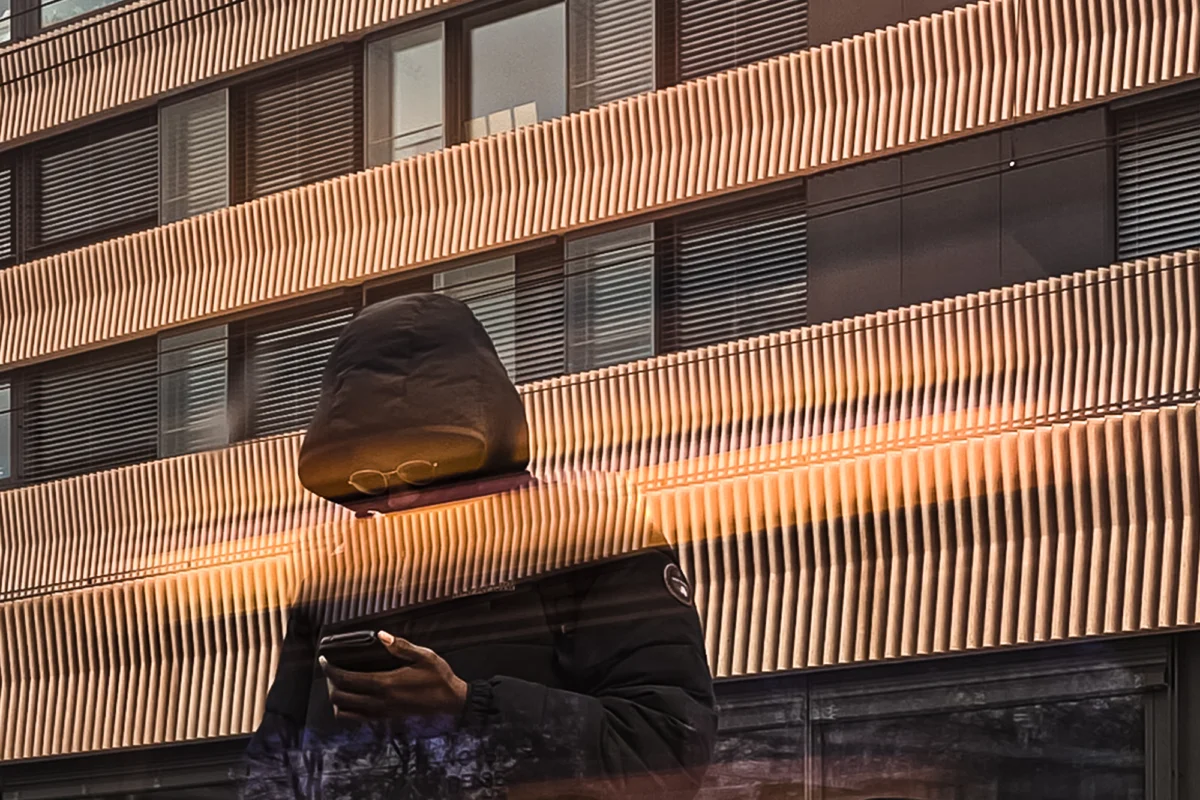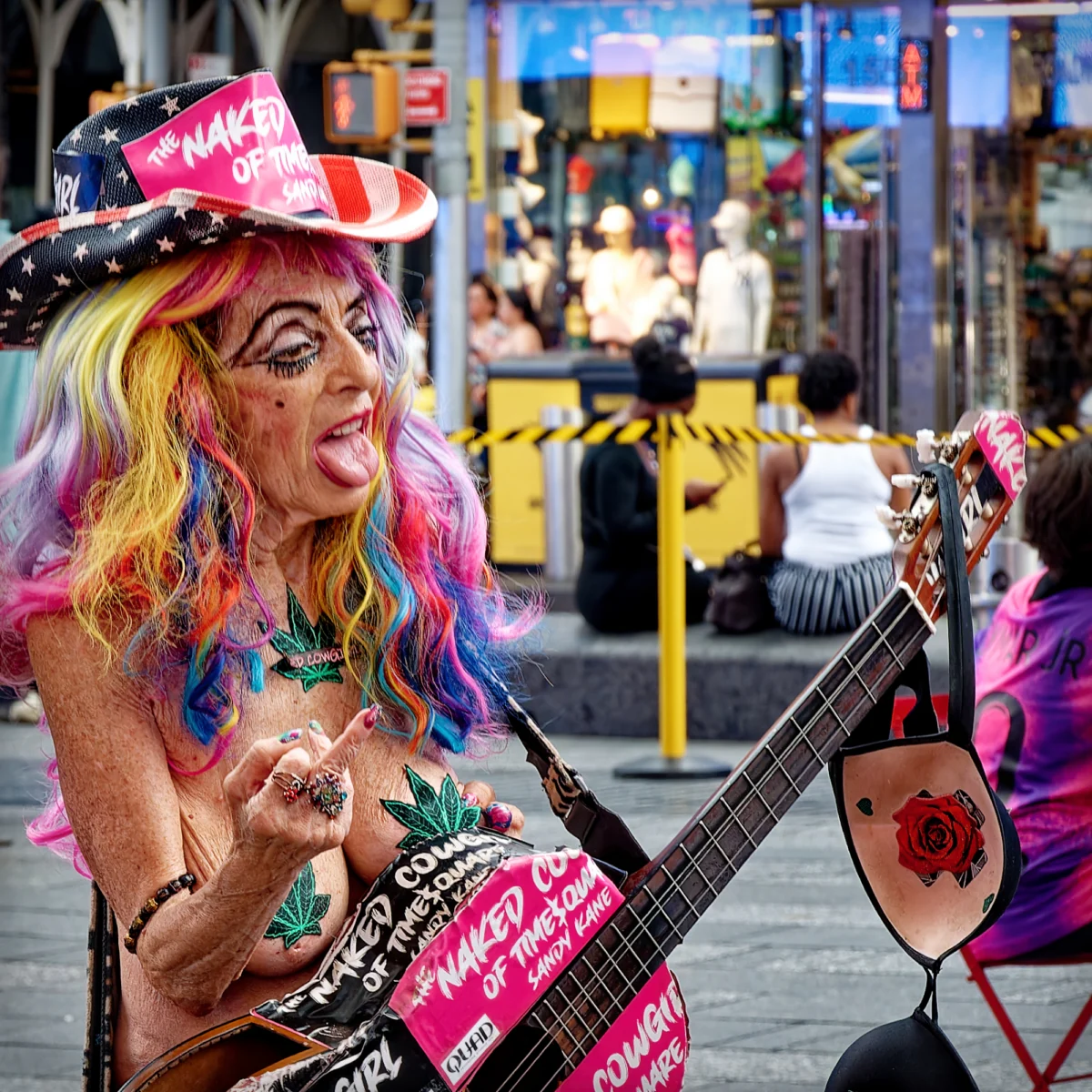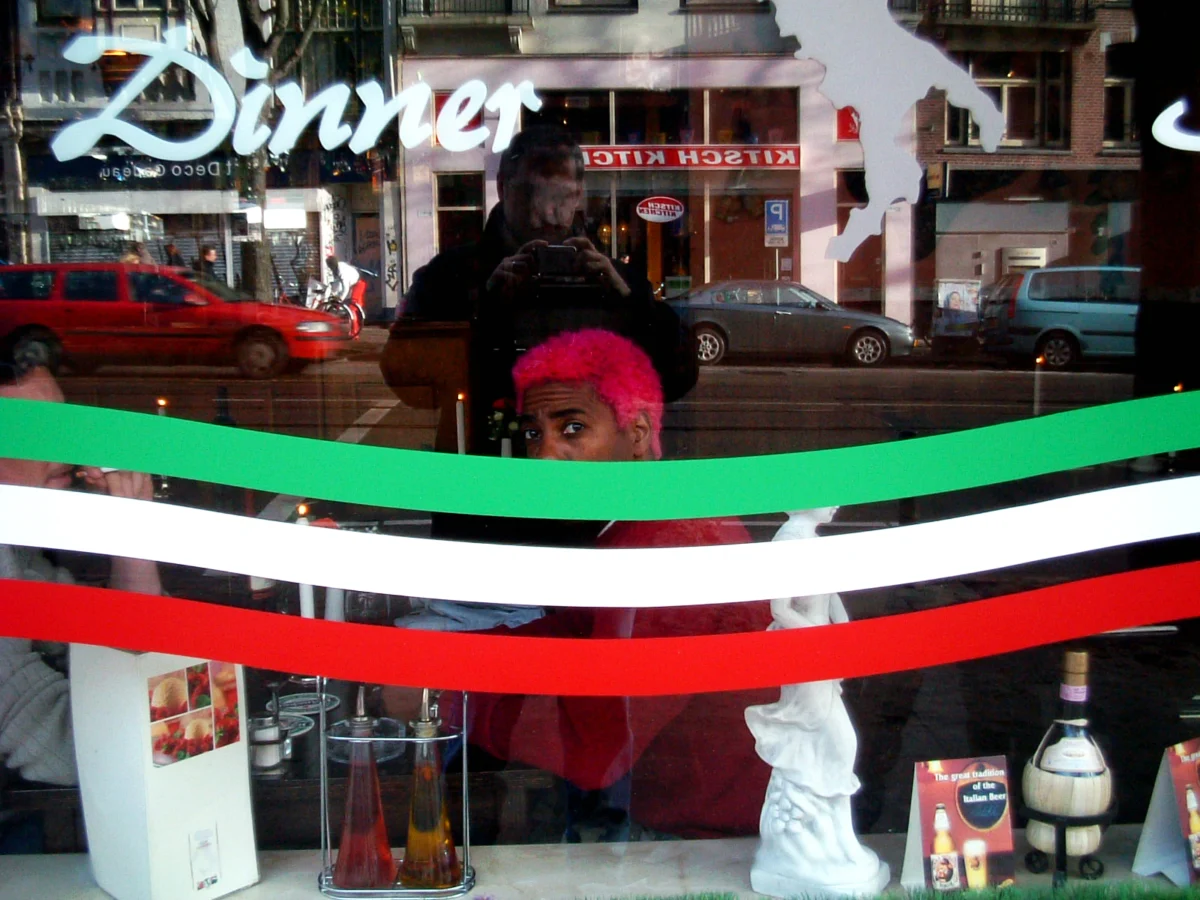
Street photography, at its core, is the art of capturing unposed, candid moments that encapsulate the human experience, cultural nuances, and the inherent rhythm of everyday life. The most compelling street photographs masterfully weave together narrative, robust composition, evocative light, expressive gestures, and genuine emotion, often within the dynamic tapestry of urban environments. These scenes are frequently described as "harmonic compositions of chaos." Cities that foster exceptional street photography typically possess a rich visual density, profound cultural diversity, an effervescent public life, and a striking juxtaposition of elements such as fashion, wealth, poverty, art, and layered histories. Based on these critical criteria, a select group of global metropolises consistently emerge as unparalleled epicenters for this evocative photographic genre.
New York City: The Unrivaled Urban Canvas
New York City is widely regarded as the quintessential city for street photography, a reputation forged by its relentless dynamism, unparalleled cultural mosaic, and iconic urban geometry that offer an inexhaustible wellspring of photographic opportunities. From the subterranean passages of its subway system to the bustling crosswalks that define its streetscape, New Yorkers often exhibit an expressive and uninhibited demeanor, providing fertile ground for candid, unguarded moments. The city’s unique light conditions, particularly the dramatic interplay of light and shadow cast by its towering skyscrapers, lend a powerful compositional depth to images.
The historical lineage of street photography in New York is profound, marked by the contributions of legendary artists such as Joel Meyerowitz, Garry Winogrand, Helen Levitt, and the indelible Bruce Gilden. These photographers, through their lenses, have not only documented the city but have also shaped our understanding of its visual language. The sheer volume of visual stimuli – from the fleeting expressions on a commuter’s face to the architectural grandeur of its avenues – ensures that a photographer can spend a lifetime exploring its streets and still uncover new perspectives. Data from urban sociology studies consistently highlight New York’s exceptionally high population density and the constant flux of people as key factors contributing to its vibrant public life, making it an endlessly fascinating subject. The city’s role as a global hub for fashion, art, and diverse subcultures further enriches its photographic potential, offering a constant stream of visual narratives.
Tokyo: A Symphony of Order and Anarchy
Tokyo presents a captivating paradox, a metropolis where meticulous order seamlessly coexists with vibrant, almost overwhelming, chaos. The city is a visual feast, characterized by its dense urban fabric, illuminated by the glow of countless neon signs, interwoven with labyrinthine narrow alleyways, and presenting layered street scenes that unfold at every turn. Despite its immense scale, Tokyo masterfully balances moments of profound quiet introspection with explosive bursts of energetic activity.
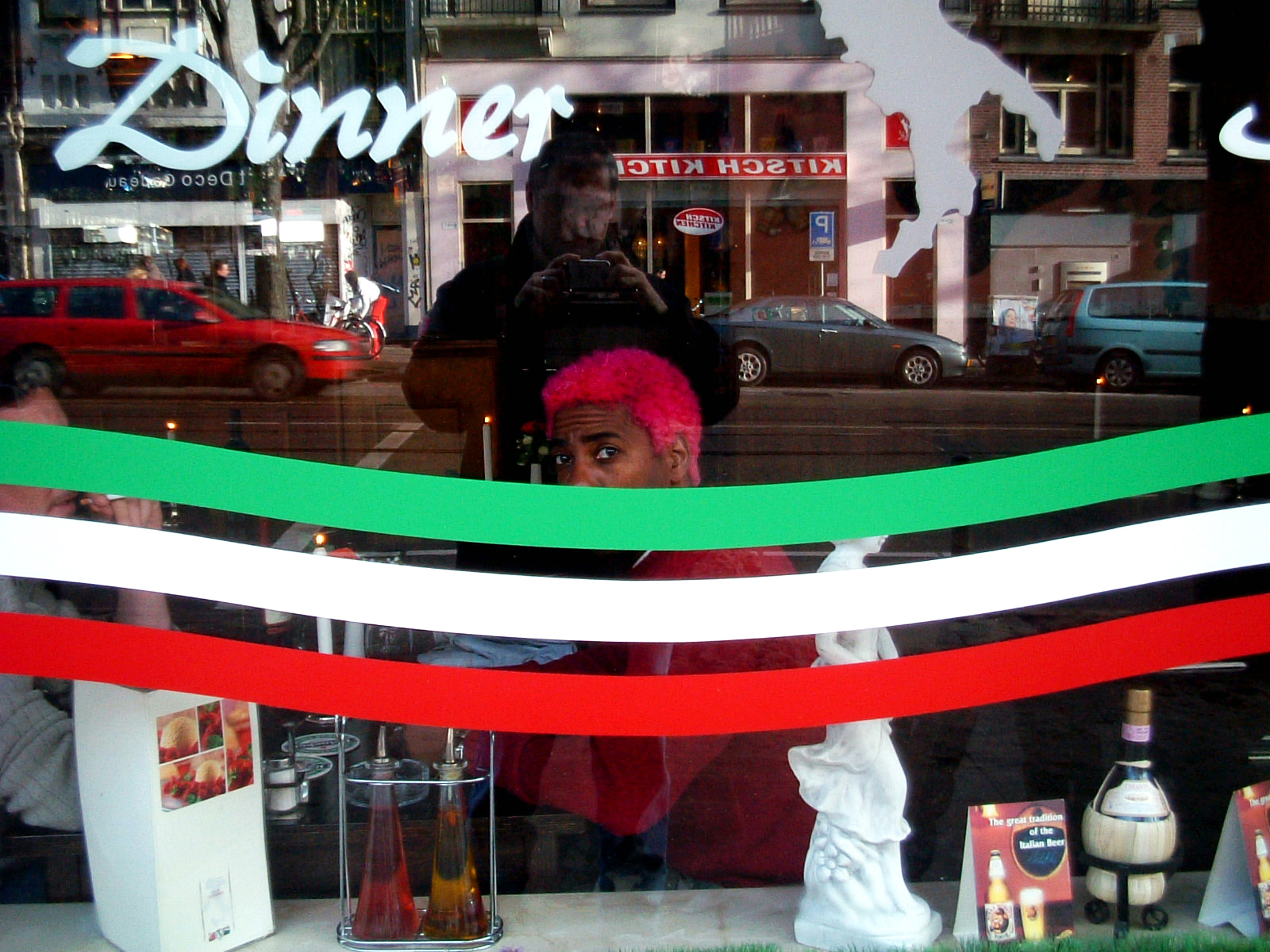
The city’s rich tapestry of fashion, distinct subcultures, and the ritualistic nature of its daily routines provide potent narrative elements for photographers. Tokyo is particularly conducive to photographers who appreciate subtle gestures, refined compositions, and the compelling tension between deeply rooted tradition and relentless modernity. Anecdotal evidence from photographers suggests a remarkable degree of public acceptance towards individuals engaging in street photography, with a general lack of interference or scrutiny. This permissive atmosphere allows for a more immersive and unobtrusive approach to capturing the city’s essence. The iconic work of Daido Moriyama, with its raw, visceral portrayal of Tokyo’s urban underbelly, stands as a testament to the city’s unique photographic allure. Statistical data on urban planning in Tokyo often emphasizes the meticulous organization of its public spaces, which, ironically, creates a framework that allows for spontaneous human interaction to flourish, providing the perfect backdrop for street photography.
Mumbai: The Raw Intensity of Public Life
While firsthand experience may vary, Mumbai is consistently reputed to be a city of raw intensity and profound emotional charge – qualities that are foundational to powerful street photography. Life in Mumbai unfolds with an unvarnished public display; bustling markets, crowded train compartments, vibrant religious rituals, and informal street economies are all integral parts of the city’s daily narrative, performed in full view. The sheer density of its population fosters dynamic compositions brimming with human interaction and a spectrum of expressions.
The city is awash in light, color, and texture, offering an abundance of visual elements that contribute to compelling human stories. The stark social contrasts present in Mumbai provide a particularly potent subject matter, making it an ideal location for street photographers who may also wish to incorporate documentary-style work and travel photography into their practice. Studies on urban development in Mumbai frequently highlight the city’s informal sector and the dense, vibrant street life as defining characteristics. The sensory overload of Mumbai – the sounds, the smells, the sights – all contribute to an immersive photographic experience that can translate into deeply resonant images. The visual language of Mumbai is characterized by its resilience and dynamism, mirroring the spirit of its inhabitants.
Paris: The Timeless Elegance of the Decisive Moment
Paris, a city synonymous with classic street photography, offers an enduring allure for photographers. Its eminently walkable streets, charming cafés, and architectural elegance provide an inherently strong compositional framework. Parisians, known for embracing much of their lives in public spaces, naturally lend themselves to candid, unforced photographic moments. The city’s characteristically softer light and its timeless aesthetic align perfectly with a poetic, observational approach to street photography, echoing the profound legacy of Henri Cartier-Bresson and his seminal concept of the "decisive moment."
Cartier-Bresson’s philosophy, which emphasized capturing the peak of an action or the most significant expression, found its ideal muse in the streets of Paris. The city’s infrastructure, designed for pedestrian exploration, facilitates the serendipitous encounters that are the lifeblood of street photography. Reports from urban planning agencies often cite Paris’s historical preservation efforts and its emphasis on public spaces as contributing factors to its enduring aesthetic appeal. The city’s cultural significance, as a global center for art and fashion, further enhances its visual richness, providing a constant source of inspiration. The inherent romance and artistic heritage of Paris continue to draw photographers seeking to capture its quintessential spirit.

Istanbul: Where East Meets West in a Visual Tapestry
Istanbul, strategically positioned at the confluence of East and West, offers an unparalleled depth of cultural layering and visual complexity. The city’s daily life is a dynamic fusion of tradition and modernity, where religious devotion and bustling commerce intertwine, and intimate human interactions unfold against a backdrop of grand scale. Street scenes in Istanbul are replete with evocative gestures, potent symbolism, and vibrant human interaction.
The city’s rich textures, from ancient bazaars to contemporary waterfronts, create visually intricate environments that reward patience and keen observation. Photographers exploring Istanbul must, however, be mindful of the cultural context and the potential reception to being photographed, navigating the perception of being either a tourist or a dedicated street photographer. Understanding these nuances can lead to more respectful and authentic interactions. Studies on Istanbul’s urban development often point to its historical significance as a crossroads of civilizations as a key factor in its unique cultural amalgamation. The city’s geographical position also influences its visual character, blending architectural styles and cultural influences from diverse regions. The constant ebb and flow of people, goods, and ideas through Istanbul provide an inexhaustible source of photographic material, making it a truly captivating destination for street photographers.
London: An Unifying Force for Street Photography
In summation, London deserves an honorable mention, if not a definitive place among the top tier, due to its embodiment of all the qualities that define exceptional street photography. Its public life is exceptionally vibrant, visually layered, and emotionally expressive, offering a kaleidoscope of experiences that resonate deeply with photographers. From the historic grandeur of its iconic landmarks to the edgier, contemporary street art scenes, London presents a constantly evolving canvas.
The city’s diverse population, a melting pot of cultures from across the globe, ensures a rich tapestry of human stories and interactions. The iconic red buses, the distinctive black cabs, and the ever-present umbrellas are just a few of the visual touchstones that have become synonymous with London. Furthermore, London’s status as a global financial and cultural hub means that its streets are perpetually alive with activity, offering endless opportunities for capturing spontaneous moments. The city’s blend of old and new architecture, its bustling markets, and its numerous public parks provide a diverse range of backdrops. London’s weather, often characterized by dramatic skies, can also contribute to a unique and evocative photographic atmosphere. The sheer scale and diversity of London make it a city that can satisfy the most demanding street photographer, offering a continuous stream of compelling narratives waiting to be discovered.
The Enduring Appeal of Vibrant Urban Life
Ultimately, the most compelling cities for street photography are those where public life thrives, where visual narratives are rich and layered, and where human emotion is openly expressed. These metropolises, consistently providing photographers with the essential raw materials, enable the creation of meaningful and timeless images that resonate with universal human experiences. The ongoing dialogue among street photographers about their favorite urban subjects underscores the subjective yet deeply informed nature of this art form. Each city offers a unique lens through which to view the world, and the enduring appeal of street photography lies in its ability to reveal the extraordinary within the ordinary. The future of street photography will undoubtedly continue to be shaped by these vibrant urban centers, as new generations of photographers explore and interpret their ever-evolving landscapes.