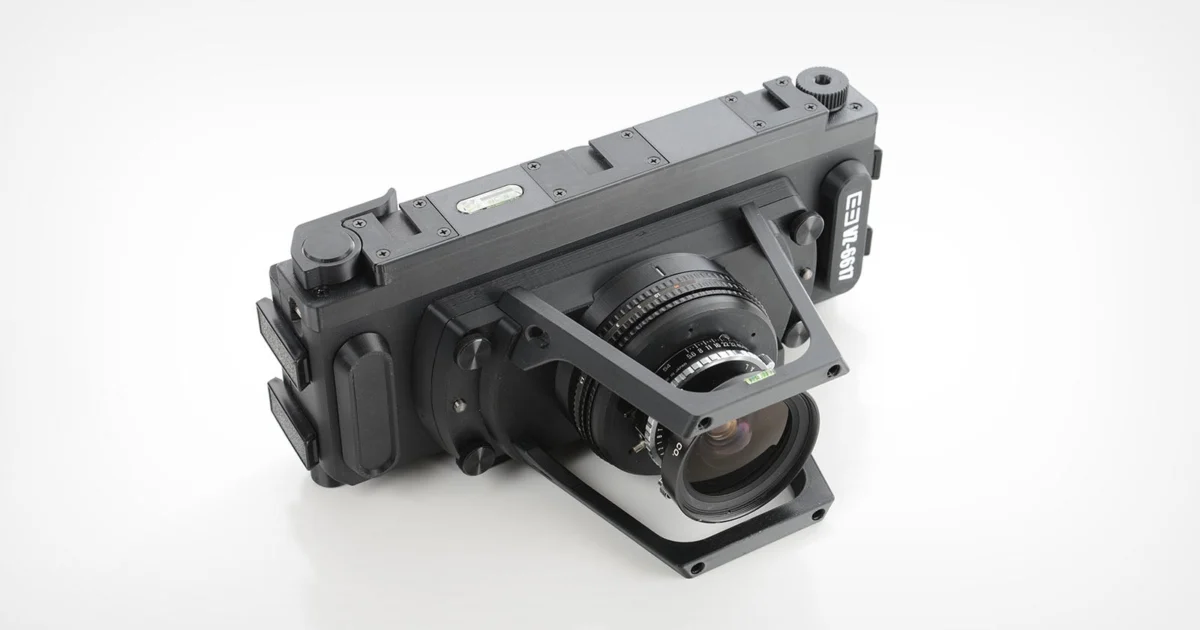
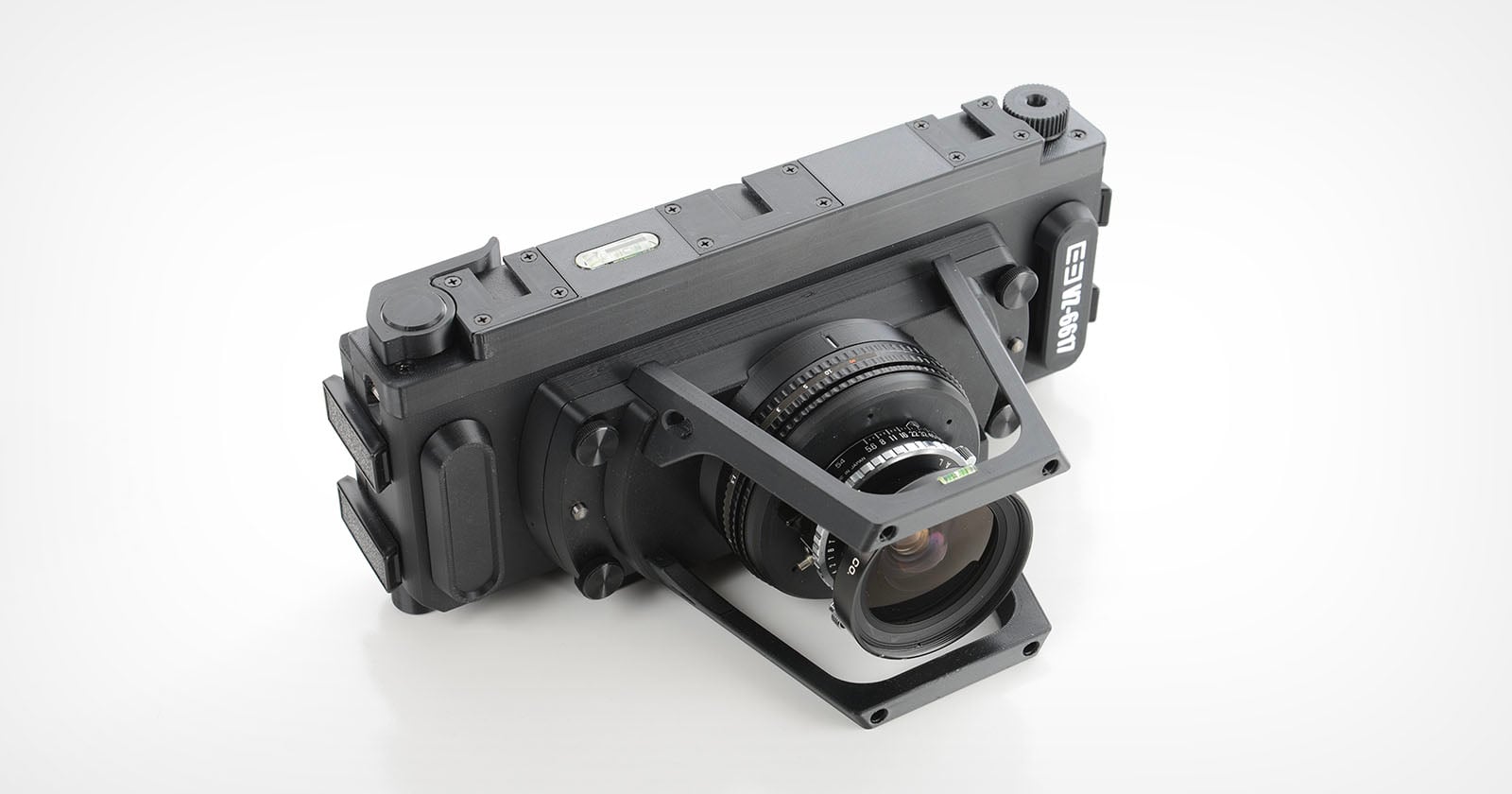
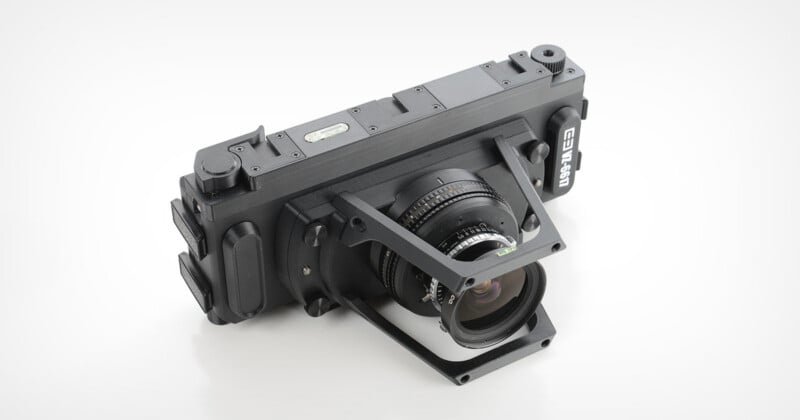
In a significant advancement for the thriving world of analog photography, a new Kickstarter campaign has unveiled the VZ-6617 variable frame medium-format film camera, a groundbreaking device engineered to liberate photographers from the constraints of fixed aspect ratios within a single roll of film. This innovative camera, developed by Francis Garing of Exposing Engineering, directly addresses a long-standing challenge faced by medium-format enthusiasts, allowing seamless transitions between diverse framing options, from the classic square 6×6 to the expansive panoramic 6×17, all on the same 120-format film.
The Genesis of an Idea: Addressing a Niche Need
The allure of medium-format photography lies inherently in its large negative size, offering unparalleled detail, tonal richness, and a distinctive aesthetic. However, a traditional limitation has been the commitment to a single aspect ratio for an entire roll of film. A photographer loading a 6×6 camera would capture only square images, while a panoramic camera user would be restricted to ultra-wide frames. This necessitates carrying multiple camera bodies or making creative compromises, often hindering spontaneous artistic expression. As Exposing Engineering articulates, "Most medium-format film cameras lock photographers into a single aspect ratio for an entire roll of film. If a photographer loads a 6×6 camera, every frame must be square. If they choose a panoramic camera, every frame must be panoramic. If they want both, they must carry multiple camera bodies with them." The VZ-6617 was conceived to dismantle this barrier, offering an unprecedented level of creative agility.
The resurgence of film photography in recent years has seen a diverse community of practitioners, from seasoned professionals to new enthusiasts, embracing analog processes for their tactile nature, unique visual characteristics, and the deliberate pace they encourage. This demographic often seeks tools that offer both traditional quality and modern flexibility. The VZ-6617 enters this landscape as a response to this demand, merging the timeless appeal of medium format with a contemporary engineering solution designed for versatility.
Unpacking the VZ-6617: A Technical Overview
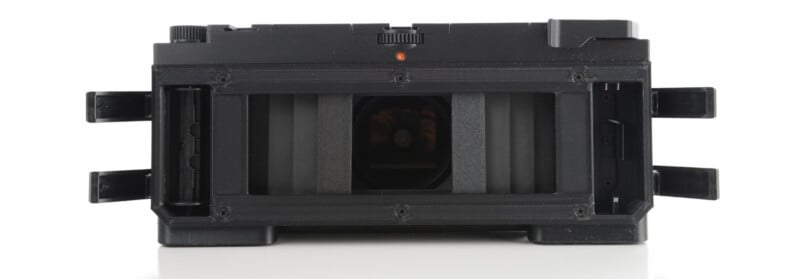
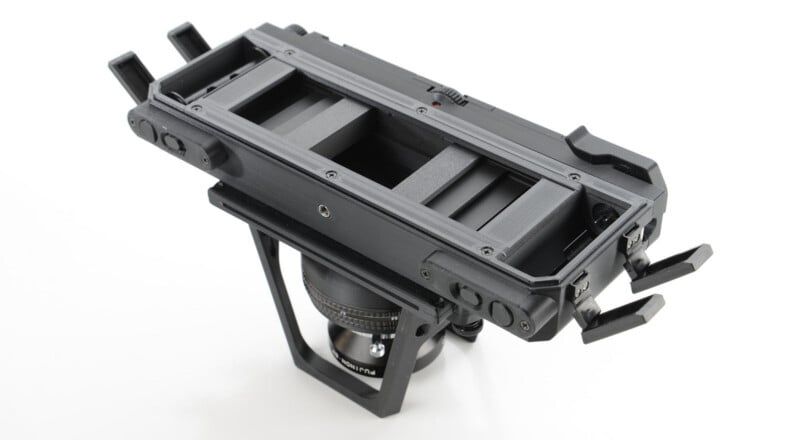
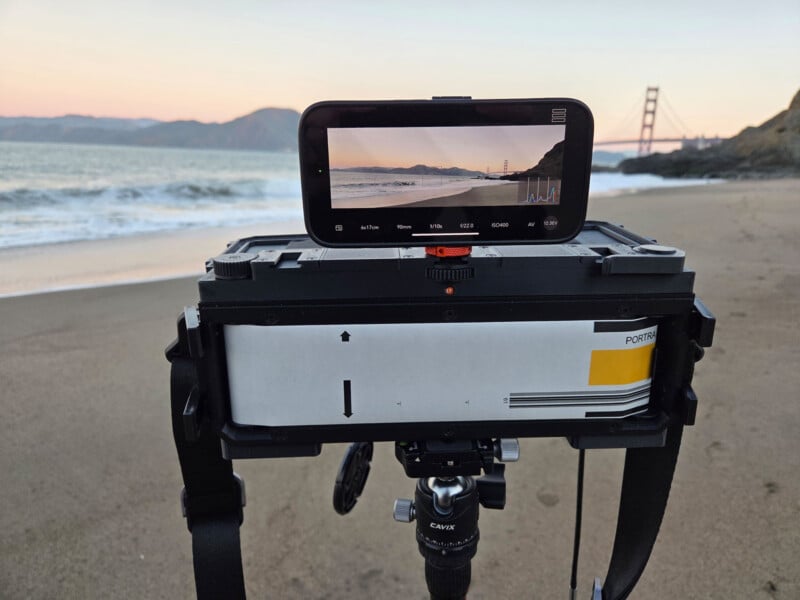
At the heart of the VZ-6617’s innovation is its stepless "Variable Zone Film Gate" mechanism. This meticulously designed system enables photographers to precisely control the exposed area of the 120 film, transitioning smoothly between formats like 6×6, 6×7, 6×9, 6×12, and the ultra-wide 6×17. The mechanism provides symmetric masking, ensuring that the composition remains centered regardless of the chosen frame size. This adjustability is achieved via a simple, intuitive knob, making mid-roll format changes a practical reality rather than a complex procedure.
Mastering the Optics: Large Format Lenses and Interoperability
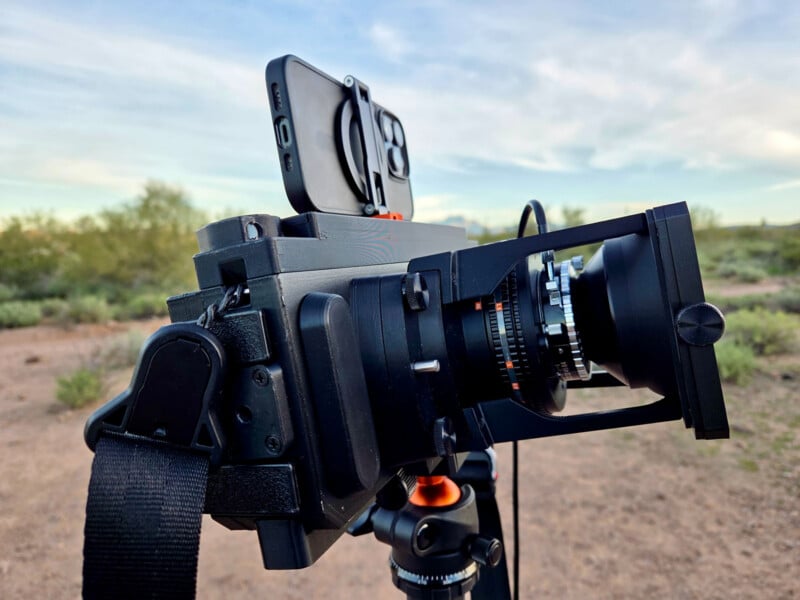
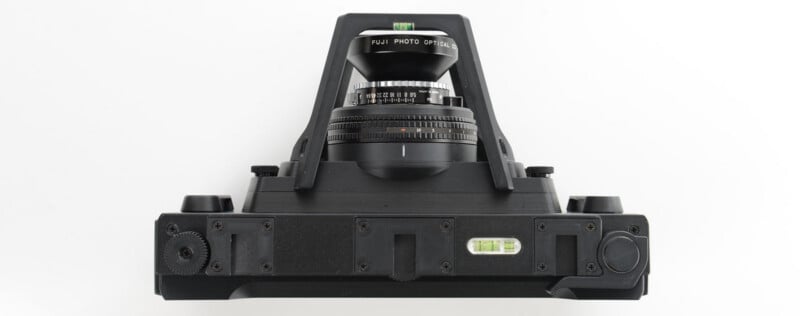
To achieve the expansive 6×17 panoramic format, a lens with a significantly large image circle is essential to cover the entire film plane without vignetting. Recognizing this, the VZ-6617 is designed to utilize "widely available large-format lenses" – optics typically associated with large-format view cameras. These lenses are renowned for their exceptional resolution and coverage, making them ideal for the VZ-6617’s ambitious capabilities.
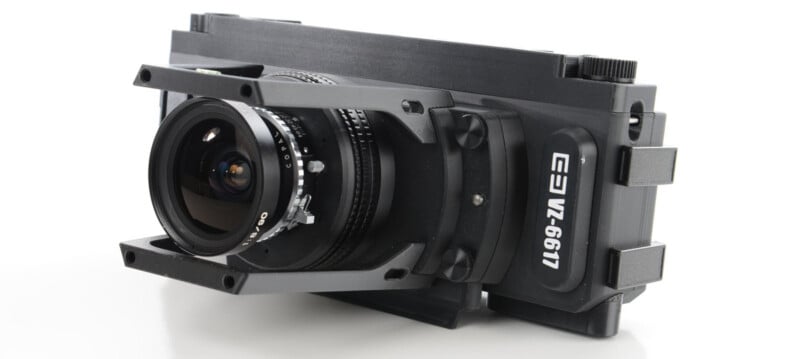
The camera incorporates interchangeable lens cones, a crucial feature that facilitates adaptability. Each lens cone is specifically designed to provide the correct flange focal distance – the precise spacing between the lens and the film plane – for various focal lengths. This modular approach allows photographers to swap lenses with ease, even mid-roll, thanks to an integrated dark slide within each cone that protects the film from exposure during the exchange. Lenses are mounted using their standard thread and retaining ring, connecting to an integrated focusing helicoid. This system accommodates large-format lenses that feature their own integrated shutter and aperture mechanisms, simplifying the camera body’s design and focusing on the core variable frame functionality.
Precision Focusing and Lens Compatibility
Focusing with the VZ-6617 is achieved primarily through zone focusing or by estimating the distance to the subject and setting a corresponding mark on the focusing helicoid. While perhaps less precise than modern autofocus systems, this method aligns with the deliberate and contemplative approach often favored by film photographers, particularly those working with large formats. The emphasis is on thoughtful composition and depth of field management rather than rapid-fire shooting.
Exposing Engineering has meticulously compiled a comprehensive list of compatible lenses, providing valuable guidance to potential users. This list includes highly regarded optics from leading manufacturers such as Schneider Kreuznach, Nikon, Rodenstock, and Fujifilm, ensuring that photographers have access to a wide array of high-quality glass to pair with their VZ-6617. This compatibility with established large-format lenses not only ensures optical excellence but also offers a degree of future-proofing and access to a robust secondary market for optics.
From Concept to Reality: Development and Rigorous Testing
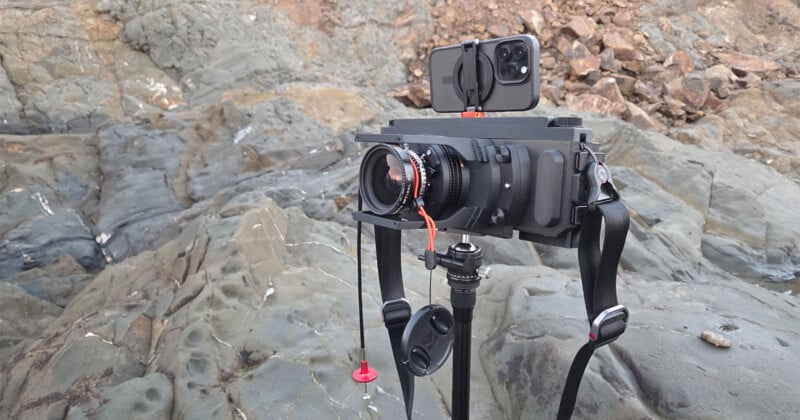
The journey of the VZ-6617 from concept to a production-ready prototype has been a testament to iterative design and rigorous testing. Francis Garing and his team at Exposing Engineering have iterated through five distinct generations of pre-production prototypes, each undergoing dozens of refinements. This extensive development cycle underscores a commitment to both functional excellence and user experience.
The camera has been subjected to a wide array of environmental conditions to ensure its durability and reliability in diverse photographic scenarios. Testing locales have spanned the historic streets of Europe, the scenic beaches of the Bay Area, the rugged desert trails of the American Southwest, and the challenging, snowy landscapes of the Rocky Mountains in Colorado. This comprehensive testing regimen aims to guarantee that the VZ-6617 can perform consistently for adventurous photographers in various climates and terrains, from urban exploration to vast wilderness landscapes.
Designed for Longevity: The Ethos of Repairability
A standout feature that distinguishes the VZ-6617 from many contemporary photographic products is its intentional design for user-repairability and serviceability. In an era often characterized by disposable electronics and complex, factory-only repairs, Exposing Engineering has taken a decidedly different approach, aligning with principles of sustainability and empowering the user.
The company has pledged to make select components and detailed instructional videos available for self-repair and servicing following the conclusion of the Kickstarter campaign. This commitment is deeply embedded in the camera’s design, with Francis Garing emphasizing that "Everything was designed with this in mind, so much so that only a single type and size of screwdriver is necessary to take the entire camera body apart." This meticulous attention to user-friendly maintenance reflects a philosophy aimed at maximizing the camera’s lifespan and fostering a deeper connection between the photographer and their tool. While the pre-production prototypes have demonstrated robust performance without significant component failures, this proactive approach to repairability ensures that the VZ-6617 is built to last and can be maintained by its owners for years to come, a significant appeal to the environmentally conscious and self-reliant analog photography community.
The Crowdfunding Journey: Pricing and Availability
The VZ-6617’s journey to market is powered by a Kickstarter campaign, a platform that has become instrumental in bringing niche and innovative photography products to life. The campaign launched with a modest funding goal of $7,500, a target that was quickly surpassed, demonstrating strong community interest and validating the product’s unique value proposition. With 26 backers and nearly a month remaining in the campaign, the project has already secured its initial funding and continues to attract support.
Backer Tiers and What They Offer
Exposing Engineering has structured its Kickstarter pledges to cater to different levels of commitment and needs:

- Starter Bundle: Priced at $549, this tier includes the VZ-6617 camera body and a 90mm focal length lens cone with an M65 focusing helicoid. It requires the buyer to supply their own lens.
- Early Release Bundle: For $649, backers receive the camera body, a 90mm focal length lens cone with helicoid, a magnetically attached cable release, and an optical viewfinder. This bundle offers a more complete shooting experience.
- System Bundle: The most comprehensive option at $799, this tier includes all items from the Early Release Bundle, plus a second lens cone of the buyer’s choice and a ground glass back, catering to photographers who desire maximum versatility and precise focusing aids.
In all configurations, it is important to note that the buyer is responsible for supplying their own large-format lens, allowing for personal preference and utilization of existing optics.
Campaign Success and Shipping Projections
The rapid success of the Kickstarter campaign, exceeding its funding goal well in advance of the deadline, signals strong demand for a variable frame medium-format solution. Exposing Engineering has outlined an ambitious shipping schedule, with early release bundles slated to ship in June, approximately one month after the campaign concludes. This relatively quick turnaround time, for a crowdfunded hardware project, further underscores the advanced stage of development and the team’s preparedness for production.

Visualizing the Potential: Sample Photography
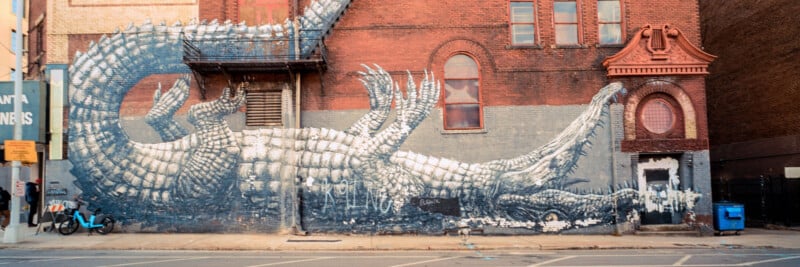
The versatility of the VZ-6617 is vividly demonstrated through its sample photographs. Images captured at 6×17 with lenses like the Fujinon 90mm f/8 on Kodak Portra 800 or 400 showcase breathtaking panoramic vistas, such as a sweeping desert sunset or the iconic Golden Gate Bridge, emphasizing the immersive storytelling potential of the ultra-wide format. These images boast incredible detail and a sense of grandeur typically reserved for dedicated panoramic systems.
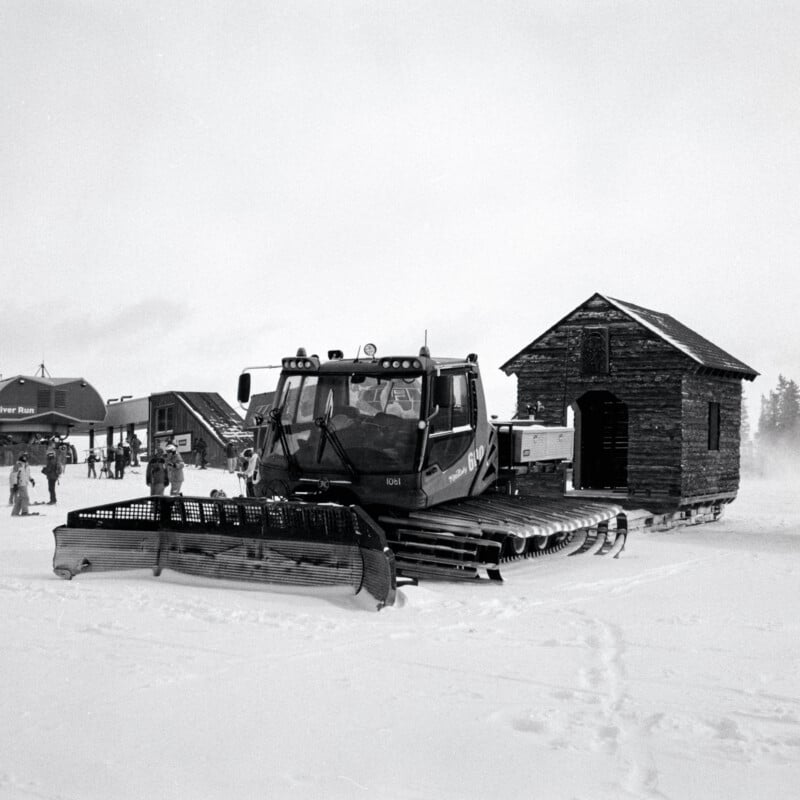
Conversely, samples set to 6×6, utilizing lenses like the Schneider Kreuznach Super Angulon 75mm f/8 with Kodak TMax 400, present the classic, balanced square composition. A photograph of a snowcat pulling a cabin in a snowy landscape exemplifies the timeless appeal and compositional strength of the 1:1 aspect ratio. Other examples at 6×12, capturing interior bar scenes or dense snowy forests, highlight a middle ground, offering a wider field of view than square but less extreme than 6×17, demonstrating the camera’s ability to adapt to diverse narrative and aesthetic requirements. These varied examples underscore the VZ-6617’s capacity to empower photographers to select the perfect frame for each individual shot, optimizing composition and visual impact.
Broader Implications for Film Photography

The introduction of the VZ-6617 marks a significant milestone in the evolution of medium-format film photography. By offering unparalleled flexibility in framing within a single camera system, it democratizes access to diverse aspect ratios that were previously compartmentalized across different camera bodies. This innovation not only streamlines the photographic process for enthusiasts but also fosters greater creative freedom, encouraging experimentation and a more intuitive approach to composition.
Furthermore, the VZ-6617’s commitment to user-repairability and sustainability sets a commendable precedent. In an industry increasingly focused on rapid consumption and upgrades, Exposing Engineering’s philosophy of designing for longevity resonates deeply with the enduring nature of analog photography itself. This approach not only provides economic benefits to users by extending the camera’s usable life but also aligns with broader environmental considerations, promoting a more responsible and sustainable approach to photographic equipment. The successful crowdfunding campaign illustrates a vibrant market for thoughtfully engineered, specialized tools that empower photographers to push the boundaries of their craft while embracing the tactile and deliberate joys of film.

Disclaimer: Make sure you do your own research into any crowdfunding project you’re considering backing. While we aim to only share legitimate and trustworthy campaigns, there’s always a real chance that you can lose your money when backing any crowdfunded project. PetaPixel does not participate in any crowdfunding affiliate programs. To hold projects accountable, all crowdfunding campaigns on which PetaPixel reports are financially backed with the lowest tier option in order to give the publication visibility into all backer-only communications. If a campaign owner acts in a manner inconsistent with its promises, PetaPixel will share that information publicly.
Image credits: Exposing Engineering