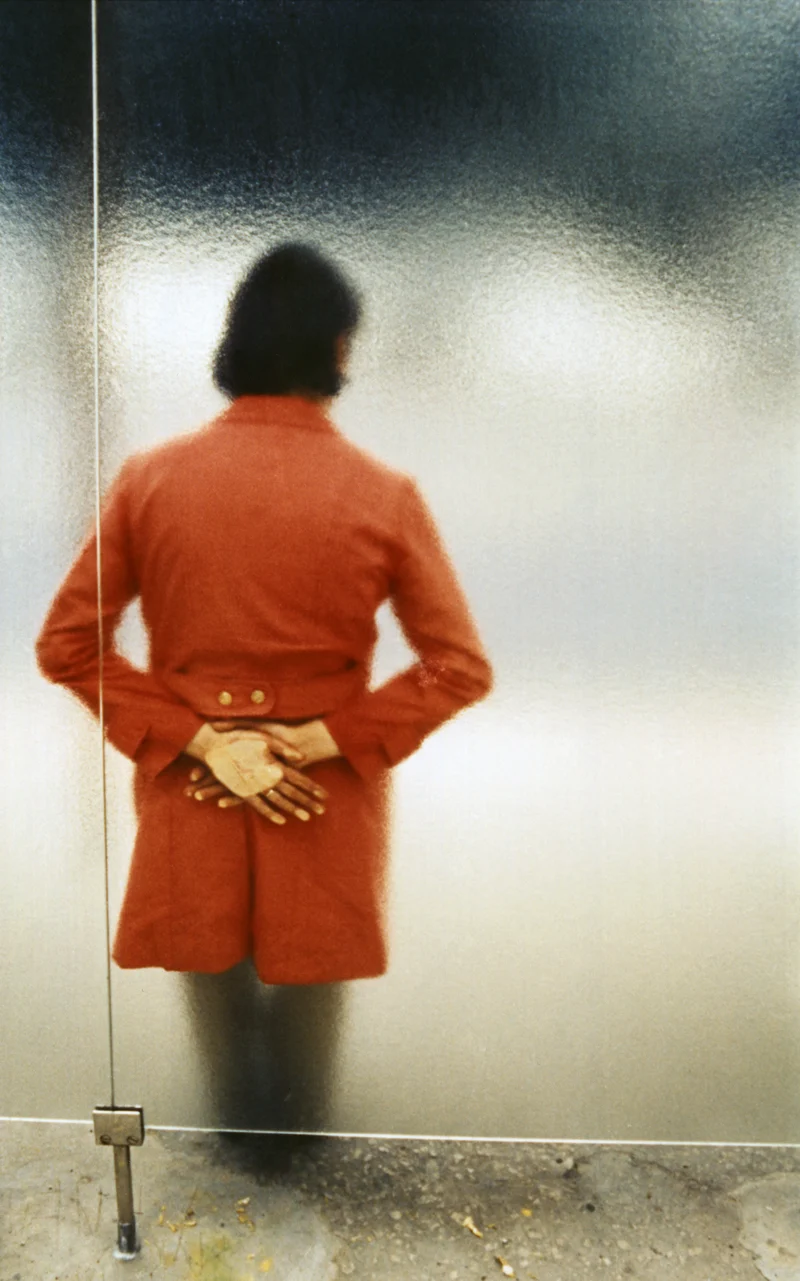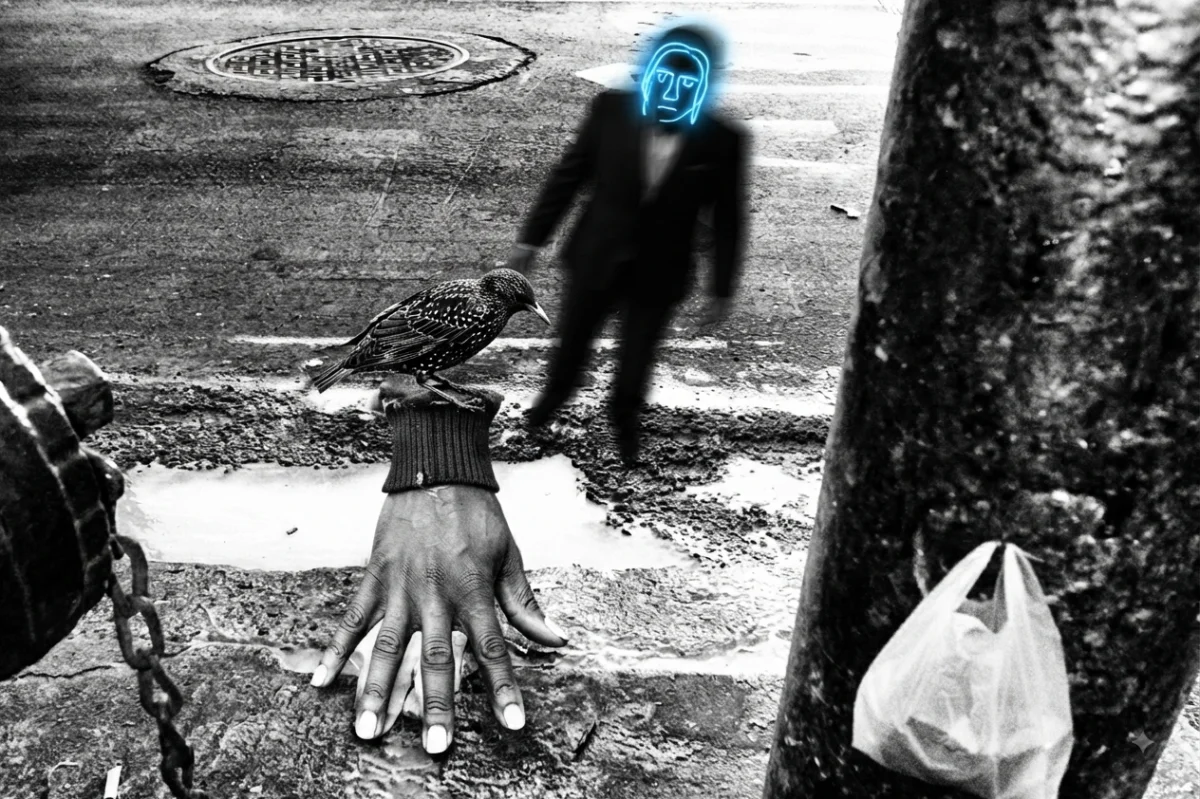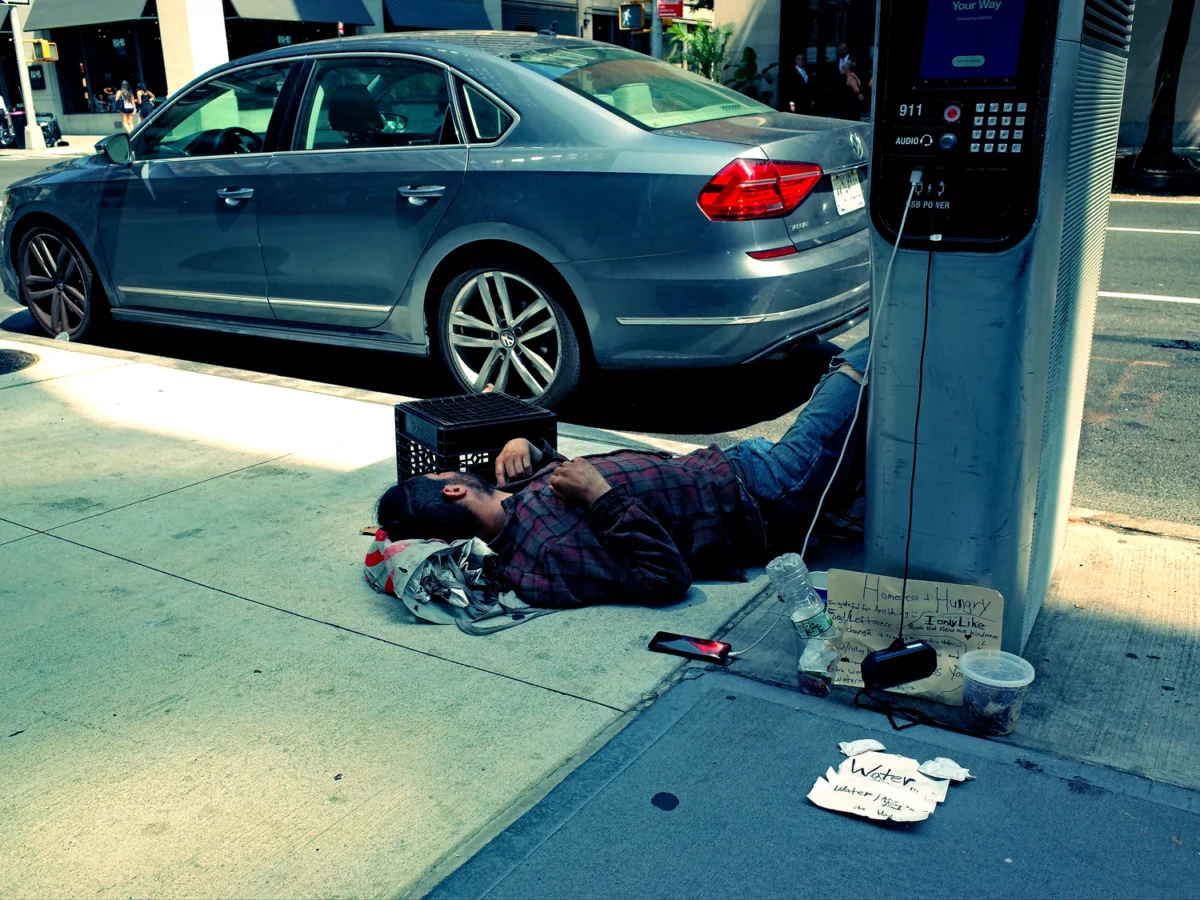
The question of "Conceptual Continuity" in a street photographer’s body of work, much like the enigmatic query posed in Frank Zappa’s 1974 album Apostrophe within the dialogue of "Stink-Foot," delves into the fundamental coherence of an artist’s vision. This exploration seeks to understand whether a unifying thematic or conceptual thread is a prerequisite for defining street photography as a distinct artistic discipline, and if so, how it manifests and why it holds significance for both creators and audiences.
Defining Conceptual Continuity in Art
At its core, conceptual continuity refers to the logical and thematic consistency of ideas or themes within a body of work. It signifies that each component builds upon previous elements, creating a cohesive narrative or exploration rather than a collection of disparate ideas. This "thread" ensures that the underlying thinking remains coherent and connected, avoiding fragmentation or contradiction. In essence, conceptual continuity means that the same core ideas, concepts, or themes are maintained consistently over time or across different parts of a larger artistic output, even as the specific details, subjects, or presentation methods evolve.
This principle is observable across various artistic domains. For instance, a painter might consistently employ a specific palette and recurring motifs to explore themes of isolation, regardless of whether their canvases depict urban landscapes or solitary figures. Similarly, a filmmaker might maintain a distinct narrative style and recurring philosophical inquiries across their filmography, linking seemingly unrelated stories through a consistent worldview. The viewer can sense that the artist’s thinking remains connected and purposeful.
The Street Photographer’s Conceptual Thread
In the realm of street photography, conceptual continuity refers to the consistent underlying idea, unique way of seeing, or visual logic that binds a collection of images together. This coherence persists even as the subjects, locations, and specific moments captured by the photographer vary dramatically. Cities may transform, countries may shift their identities, and the ephemeral nature of street life ensures constant flux. However, conceptual continuity is not about the repetitive replication of identical scenes or photographic techniques. Instead, it is about the steadfast adherence to a coherent photographic intent.
Conceptual continuity in street photography is evident when a photographer’s images consistently:

- Explore a particular theme: This could range from the fleeting nature of human connection, the unnoticed patterns of urban life, the juxtaposition of the mundane and the extraordinary, to explorations of solitude within bustling environments.
- Exhibit a distinct visual language: This might involve a characteristic use of light and shadow, a preference for certain compositional structures, a unique approach to capturing motion, or a specific way of framing subjects.
- Convey a consistent emotional tone or perspective: Whether it’s a sense of melancholy, wry observation, profound empathy, or detached documentation, this underlying feeling ties the images together.
- Demonstrate a recurring conceptual interest: This could be an ongoing fascination with architectural elements interacting with human figures, the impact of technology on public spaces, or the unspoken narratives embedded in everyday gestures.
Ideally, a viewer should be able to perceive that a body of work originates from the same artistic mind, even without prior knowledge of the photographer’s identity, the geographical locations of the shots, or the specific time periods in which they were taken. This intuitive recognition is a hallmark of strong conceptual continuity.
What Conceptual Continuity is NOT in Street Photography
It is crucial to differentiate conceptual continuity from superficial similarities. It is not:
- Shooting in the same location: While a photographer might frequently work in a particular city, this geographical consistency does not inherently create conceptual continuity.
- Using the same camera or lens: Technical consistency is a stylistic choice, not a conceptual one.
- Employing a similar editing style: Post-processing can enhance visual cohesion but does not define the underlying conceptual framework.
- Focusing on a single subject: While a photographer might be drawn to capturing a specific type of person or object, this can become repetitive rather than conceptually continuous if it lacks deeper exploration.
These elements can certainly support and enhance conceptual continuity, but they do not create it in isolation. They are tools that can be employed to express a deeper, consistent vision.
Visual Manifestations of Conceptual Continuity
Conceptual continuity often reveals itself visually through:
- Recurring motifs or symbols: These can be subtle or overt, acting as visual anchors across different images.
- A consistent approach to composition and framing: The way a photographer chooses to arrange elements within the frame and how they position themselves relative to the subject can speak volumes about their perspective.
- A characteristic use of color or monochromatic tones: The chosen palette contributes significantly to the overall mood and thematic resonance.
- The interplay of light and shadow: This can be used to create drama, evoke emotion, or emphasize certain aspects of the scene.
- The way subjects interact with their environment: How people are depicted within the urban fabric, or how they respond to the spaces they inhabit, can be a powerful indicator of a photographer’s conceptual focus.
The Enduring Significance of Conceptual Continuity
The importance of conceptual continuity in street photography is multifaceted. For the photographer, it provides a framework for their creative journey, guiding their exploration of the world and their artistic development. It allows for a deeper, more profound engagement with their chosen subject matter, moving beyond mere documentation to meaningful artistic expression.
For the audience, conceptual continuity transforms a collection of individual photographs into a cohesive and resonant experience. It allows viewers to connect with the photographer’s unique perspective and to understand the overarching narrative or inquiry that drives their work. This depth fosters a more engaged and appreciative viewing experience, inviting contemplation and interpretation.
The Invisible Thread: A Photographer’s Ongoing Conversation
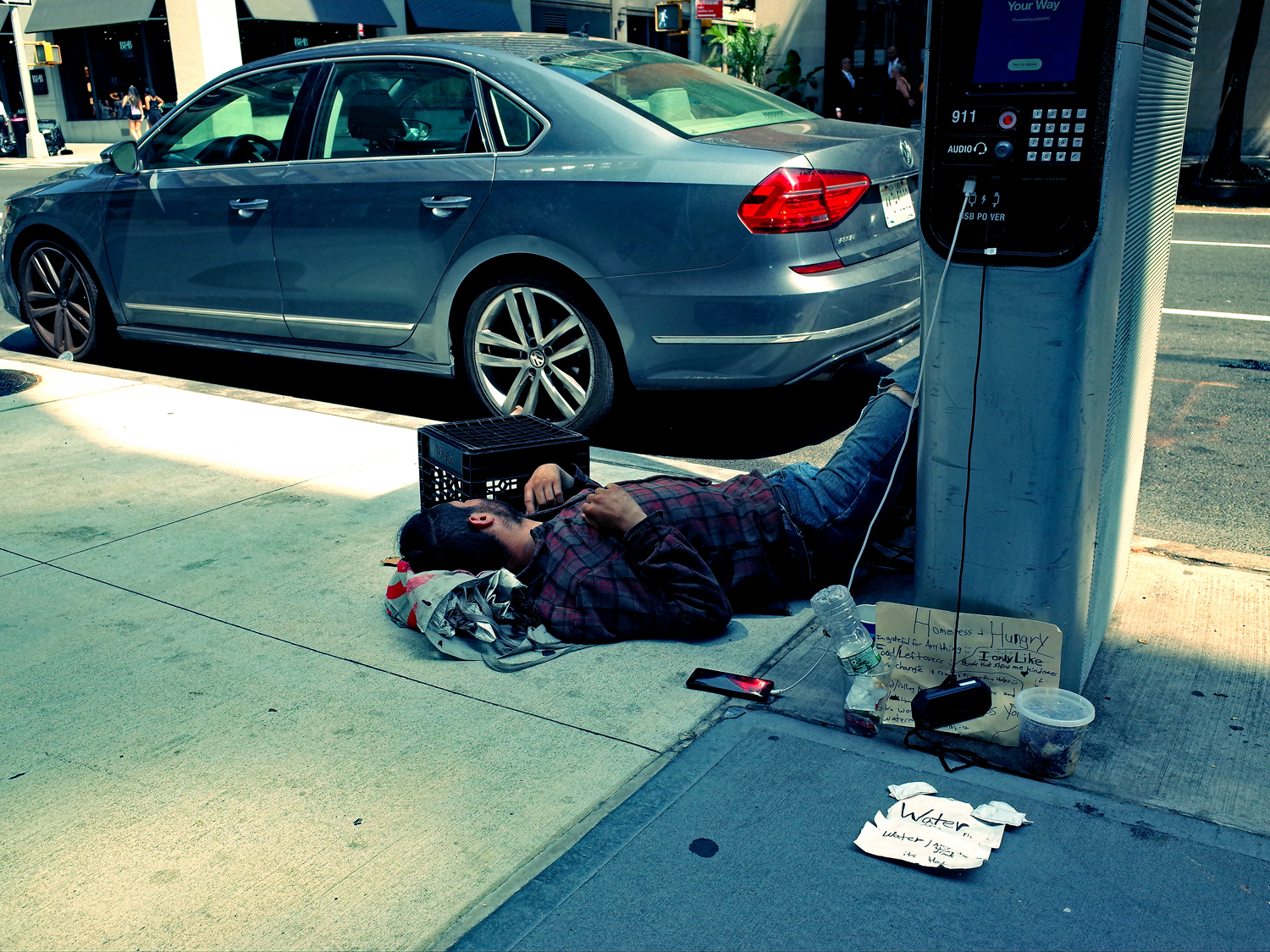
In essence, conceptual continuity is the invisible thread that connects a street photographer’s images, representing their ongoing, evolving conversation with the street. A dedicated street photographer, venturing out daily in pursuit of harmonious moments within chaos, embarking on a journey of discovery, and simultaneously engaging in a parallel dance with time, life, and motion, may, at first glance, appear to have captured entirely unrelated shots at the end of a week. However, over the years, these disparate pictures coalesce, forming distinct narrative arcs that reveal their underlying conceptual continuity. This process, unfolding over extended periods, allows for the creation of significant bodies of work, each imbued with its own unique story. Every single shot serves as a crucial link in building a chain of continuity, culminating in the revelation of a larger, unfolding narrative.
The conceptual continuity of a street photographer is not merely about amassing a collection of images. It is a profound reflection of character, personality, and, ultimately, the mental landscape of an individual, potentially spanning different personal periods of their life. It acts as a clue, a guiding signal that allows viewers to intuitively recognize the artist behind the work. Encountering an image for the first time, one might instinctively ask, "Who took this?" or "Who does this remind me of?" The names Vivian Maier, Bruce Gilden, or Elliott Erwitt might come to mind.
Even without prior exposure to a specific photograph, a discerning viewer might confidently surmise, "I bet this is an Elliott Erwitt." This ability to attribute work, even in the absence of explicit identification, speaks to the power of a distinct and consistent artistic voice. Just as one can differentiate between the styles of artists like Picasso or writers like Ernest Hemingway, or recognize the unmistakable sound of Frank Zappa or the energetic riffs of Led Zeppelin, a strong conceptual continuity in street photography allows for similar intuitive recognition. It signifies an artist whose vision is so clearly defined and consistently expressed that their work becomes instantly identifiable, a testament to their unique perspective on the human condition and the urban environment.
This journey of developing and expressing conceptual continuity is a lifelong pursuit, a continuous dialogue between the photographer and the ever-changing tapestry of the street. It is through this persistent engagement that individual images transcend their momentary existence to become part of a larger, more meaningful artistic statement.