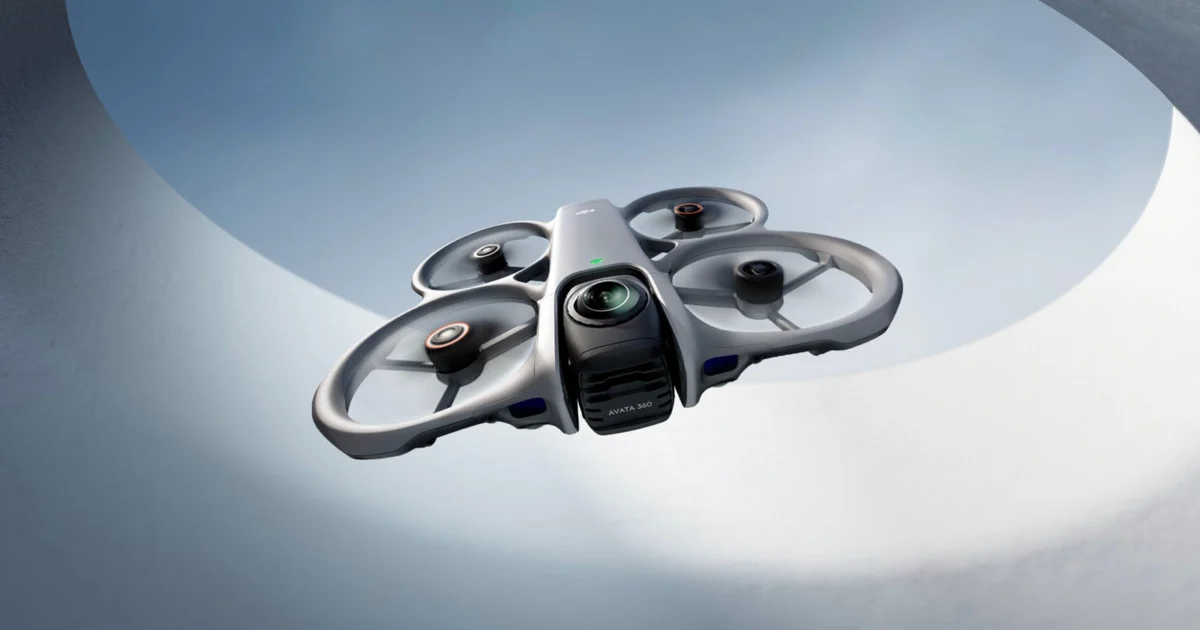
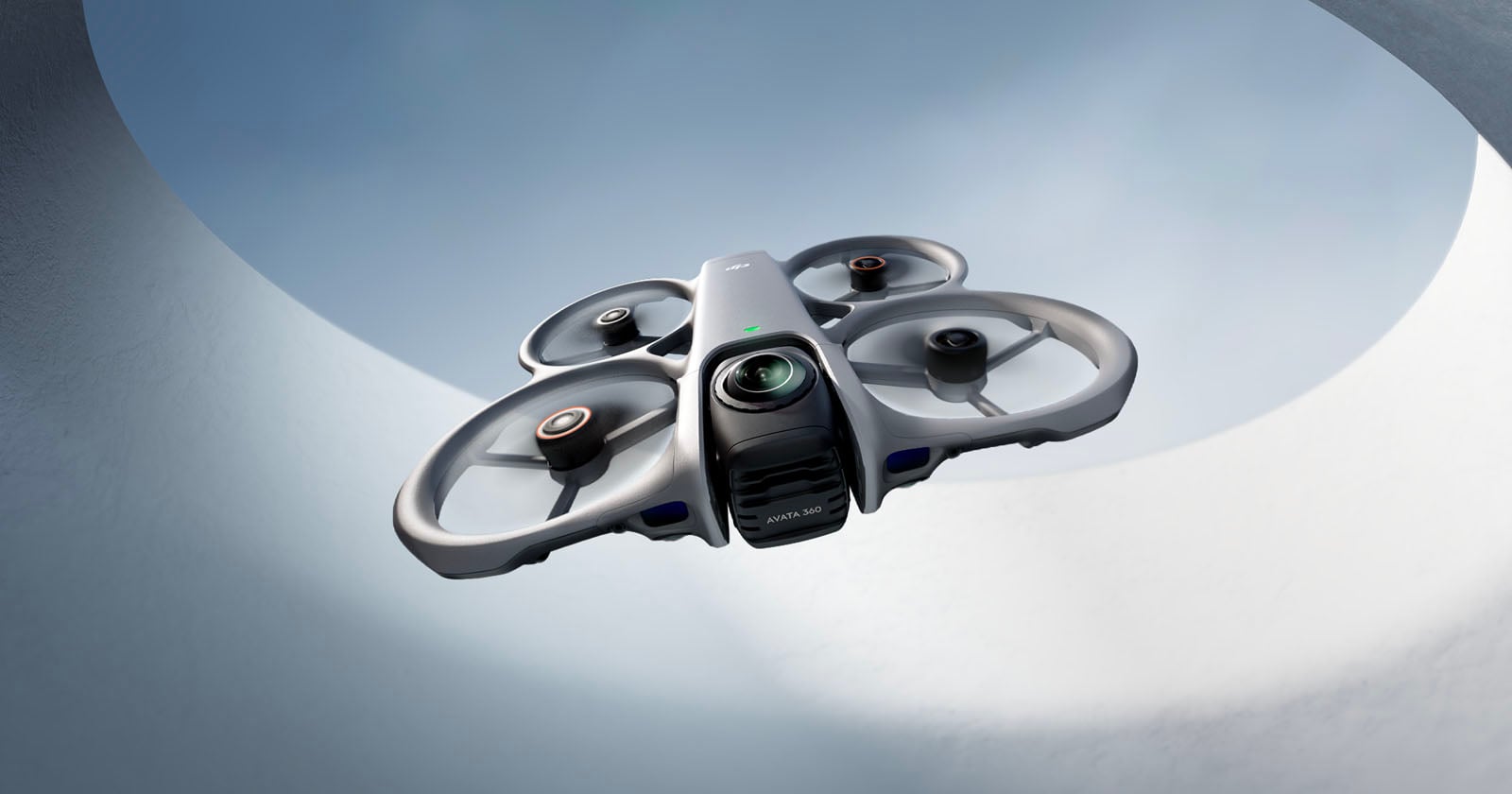
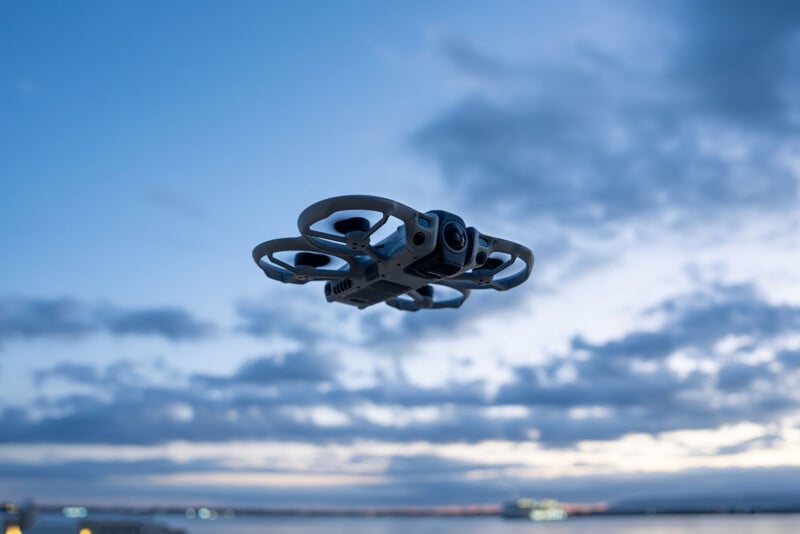
DJI has officially unveiled the Avata 360, a groundbreaking 8K immersive drone poised to redefine aerial cinematography and directly challenge emerging competitors in the 360-degree FPV (First Person View) drone market. This flagship drone integrates dual Type 1 sensors, DJI’s most advanced sensor technologies, and its renowned OcuSync transmission system, promising "exquisite clarity" in video capture and an impressive resolution of up to 120 megapixels for still photography. The launch signals DJI’s assertive move to capture a significant share of the immersive content creation segment, particularly targeting the niche pioneered by products like Insta360’s Antigravity A1.
The Dawn of Immersive Aerial Cinematography
The drone market has witnessed rapid evolution over the past decade, with DJI consistently at the forefront, pushing boundaries in terms of camera quality, flight stability, and user experience. From its early Phantom series to the highly portable Mavic lineup and the more recent Avata FPV drones, DJI has cemented its position as the global leader. However, the rise of 360-degree cameras and the burgeoning popularity of FPV drones have opened new avenues for creative expression, leading to a demand for hybrid solutions that combine the best of both worlds.
Insta360, a prominent player in the 360-degree action camera space, made a significant splash with its Antigravity A1 drone, which offered integrated 360-degree capture capabilities from an aerial platform. This innovation allowed creators to "shoot first, reframe later," freeing them from the constraints of traditional camera angles and enabling dynamic, post-production camera movements within a single spherical video. The Avata 360 represents DJI’s powerful response, leveraging its extensive drone expertise to deliver a competing, and in many aspects, superior offering.
Unpacking the Avata 360’s Core Technologies
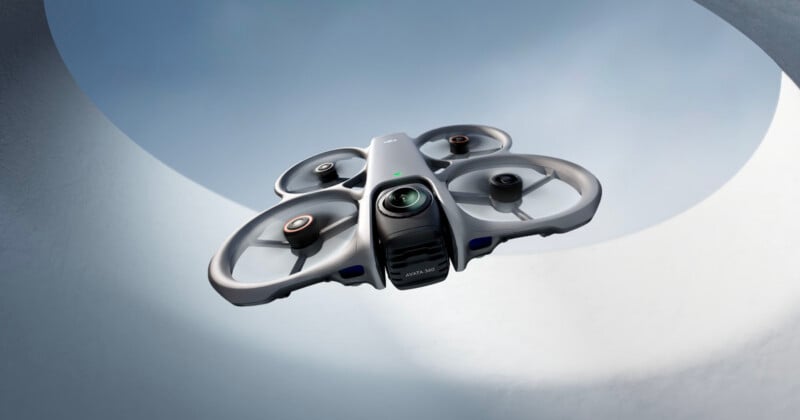
At the heart of the Avata 360 lies its sophisticated imaging system. The drone is equipped with dual Type 1 sensors, a notable upgrade that positions it at the higher end of consumer-grade drone cameras. Type 1 sensors, generally larger than those found in typical action cameras or smaller drones, are capable of capturing more light, resulting in improved dynamic range, better low-light performance, and reduced noise. This is critical for producing professional-grade footage, especially in varying light conditions common during aerial shoots.
The Avata 360 boasts the capability to record 8Kp60 HDR (High Dynamic Range) video, setting a new benchmark for aerial immersive content. This resolution provides an immense canvas for post-production reframing, allowing editors to extract multiple 1080p or 4K perspectives from a single 360-degree take. This flexibility is a game-changer for content creators, transforming a single flight into a multitude of creative possibilities. Beyond video, the drone can capture stunning 120-megapixel panoramic photos, offering unparalleled detail for immersive stills.
To cater to diverse creative needs, the Avata 360 offers two distinct recording modes. The primary 360-degree mode utilizes both sensors to capture the full spherical view, enabling the high-resolution 8K video and 120MP photos. Complementing this is a Single Lens mode, which allows the drone to operate more like a traditional single-camera gimbal system. In this mode, users can capture standard 4K video at 60 frames per second, providing versatility for projects that require a more conventional cinematic approach without the 360-degree stitching.
Seamless Control and Immersive Flight Experience
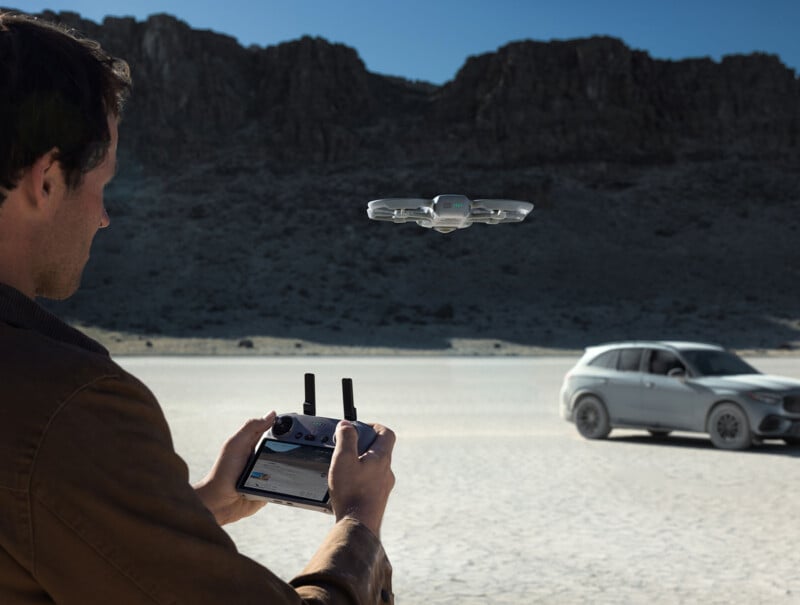
DJI’s expertise in flight control and user interface is evident in the Avata 360’s operational design. The drone offers flexible control options, appealing to both experienced drone pilots and those seeking an intuitive, immersive experience. For traditional precise flight, the Avata 360 is compatible with DJI’s established RC 2, RC-N2, and RC-N3 remote controllers, allowing pilots to fly it with familiar precision and control.
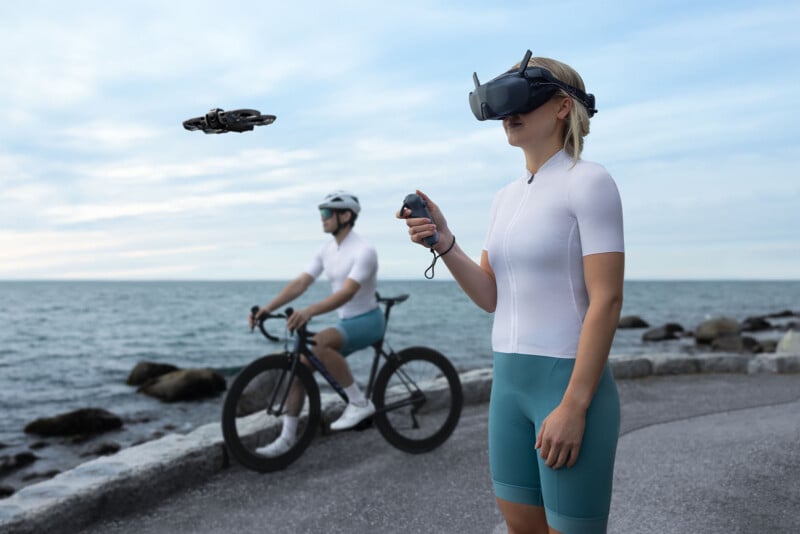
However, the true immersive potential of the Avata 360 is unlocked when paired with DJI goggles and the DJI RC Motion 3 controller. This setup delivers an exhilarating First Person View experience, allowing pilots to see the world from the drone’s perspective in real-time. The goggles provide a crisp 1080p60 live feed, rendering the full 360-degree view directly to the user’s eyes, creating an unparalleled sense of presence and control. The RC Motion 3 controller, similar in design and function to motion controllers seen in other FPV systems, allows for intuitive, gesture-based flight, making complex aerial maneuvers more accessible and engaging. This combination is particularly appealing to action sports enthusiasts, cinematic FPV pilots, and creators looking to push the boundaries of dynamic aerial footage.
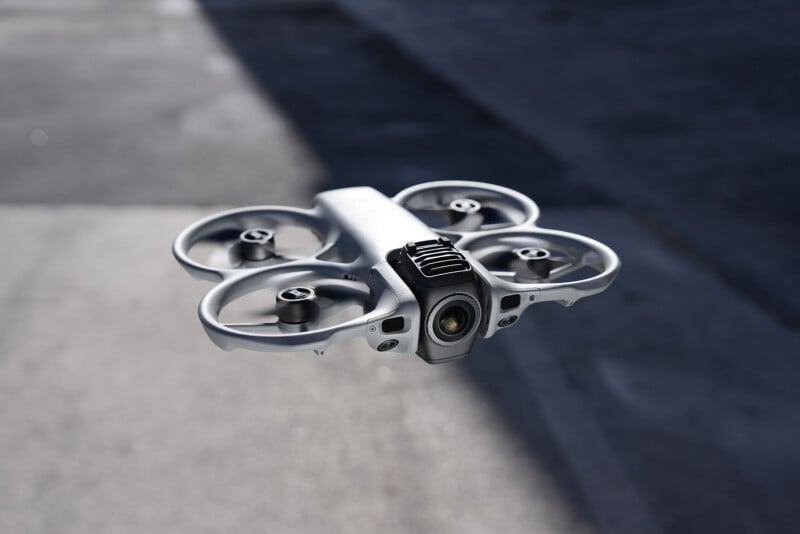
Safety remains a paramount concern for DJI, and the Avata 360 integrates the company’s advanced obstacle sensing system. This suite of sensors helps detect and avoid obstacles in the drone’s flight path, significantly enhancing safety, especially in challenging environments or for less experienced FPV pilots. This feature helps mitigate the risks associated with FPV flying, which traditionally has a steeper learning curve compared to GPS-stabilized drones.
Durability, Connectivity, and User Convenience
Understanding the demanding nature of FPV flight and the potential for bumps and scrapes, DJI has engineered the Avata 360 with durability and user-friendliness in mind. A significant feature is the replaceable front lens element. Should either of the drone’s sensitive lenses be damaged during flight or handling, DJI offers a convenient replacement lens kit, complete with the necessary tools, empowering users to perform repairs themselves. This design choice reduces downtime and maintenance costs, a crucial factor for professional users.
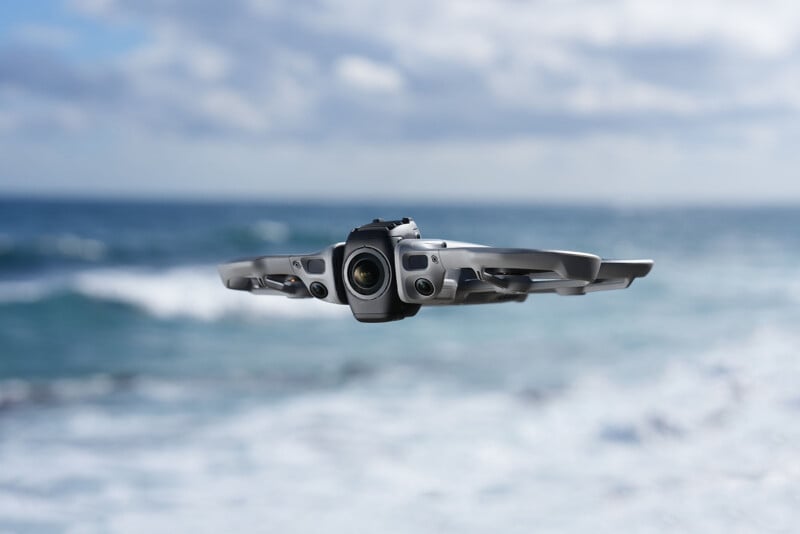
The Avata 360 delivers competitive performance metrics for flight endurance and transmission. It offers up to 23 minutes of flight time on a single charge, providing ample opportunity for extensive aerial sequences. Its advanced OcuSync transmission system ensures a robust and stable connection, boasting a maximum unobstructed transmission distance of 20 kilometers. This range is critical for maintaining reliable control and a clear video feed, even in expansive outdoor environments.
For data management, the drone comes with 42GB of internal storage, sufficient for approximately 30 minutes of 360-degree video recorded in 8K resolution. This can be further expanded via a microSD card, offering virtually limitless storage capacity for longer shoots. Offloading footage is streamlined with the integration of WiFi 6, enabling rapid wireless transfers at speeds up to 100 MB/s directly to the DJI Fly app on a connected mobile device. This quick transfer capability enhances workflow efficiency, allowing creators to review and edit their footage almost immediately after landing.
Strategic Implications and Market Dynamics
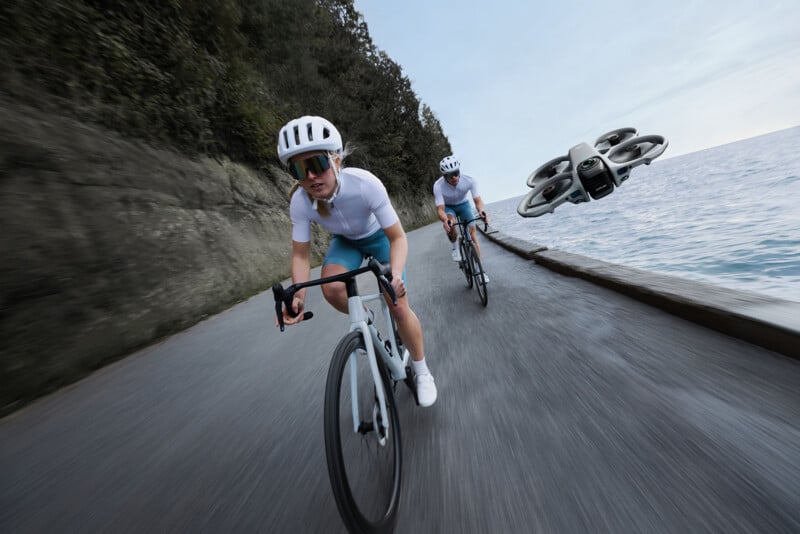
The launch of the Avata 360 marks a pivotal moment in the drone industry, particularly in the niche of immersive aerial content. DJI, with its dominant market position and extensive ecosystem of accessories and software, is directly entering a segment that Insta360 has been instrumental in developing. This move is widely interpreted as DJI leveraging its existing Avata FPV platform and integrating advanced 360-degree camera technology, rather than building an entirely new system from the ground up. This strategic efficiency allows for rapid deployment and a more mature, reliable product right from the outset.
Industry analysts suggest that DJI’s entry will inevitably intensify competition in the 360-degree drone market. While Insta360’s Antigravity A1 garnered significant attention for its innovative approach, DJI’s established brand loyalty, extensive distribution network, and comprehensive support system could give the Avata 360 a substantial advantage. This competition is ultimately beneficial for consumers, as it is expected to drive further innovation, potentially lead to more competitive pricing, and offer a wider array of advanced features across the board. The "shoot first, reframe later" paradigm, already popularized by 360-degree action cameras, is set to become a mainstream aerial videography technique with the introduction of such powerful platforms.
Global Availability and Geopolitical Considerations
The DJI Avata 360 is available immediately in China, with pre-sales commencing in other regions shortly thereafter. However, a significant point of note is its official unavailability in the United States through DJI’s direct store. This reflects the ongoing geopolitical tensions and increased regulatory scrutiny faced by Chinese drone manufacturers, including DJI, in the US market. Concerns over data security, potential surveillance capabilities, and national security implications have led to restrictions and a complex operating environment for companies like DJI in the United States.
For US consumers and professionals, this means accessing the Avata 360 will likely involve navigating grey markets or purchasing from international retailers, which can entail challenges regarding warranty, support, and compliance with local regulations. This situation underscores a broader trend affecting the global technology market, where geopolitical considerations increasingly influence product availability and market access. Despite these challenges, the demand for innovative drone technology remains high, and the Avata 360 is expected to find eager users in markets where it is officially available.
A New Horizon for Aerial Creativity
In its press release, DJI encapsulated the essence of its new offering: “Avata 360 combines the creative freedom of a 360 camera with the thrill of FPV flying like never before. Paired with DJI goggles and motion controllers, the latest addition to the popular Avata series delivers an immersive 360° flight experience for FPV thrills.” This statement perfectly highlights the drone’s dual appeal – the creative flexibility afforded by 360-degree capture and the adrenaline-pumping experience of FPV flight.
The DJI Avata 360 is more than just another drone; it represents a significant leap forward in immersive aerial content creation. By integrating top-tier imaging capabilities, advanced flight control, and robust durability into a single package, DJI is setting a new standard. This product will undoubtedly empower a new generation of content creators, filmmakers, and enthusiasts to capture breathtaking, dynamic, and truly immersive aerial perspectives, further blurring the lines between traditional cinematography and virtual reality experiences. The stage is set for an exciting new chapter in the evolution of drone technology, with the Avata 360 leading the charge into a fully immersive aerial future.