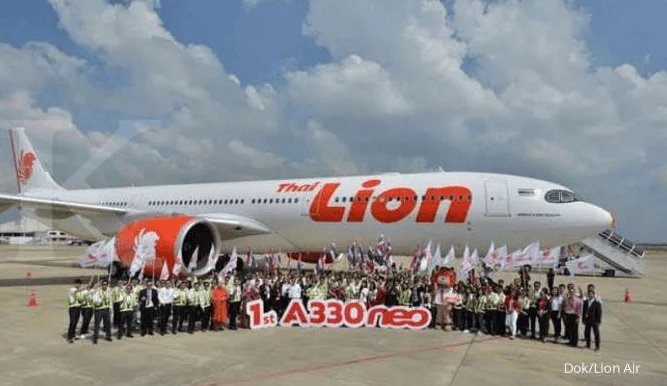
The arrival of two Airbus A330neo aircraft at Don Mueang International Airport on October 7, 2021, marked a transformative moment for Thai Lion Air, signaling a bold step forward in the airline’s long-term growth strategy. The delivery of these next-generation wide-body aircraft from the Airbus production facility in Toulouse, France, represents more than just a fleet expansion; it serves as a cornerstone for the carrier’s transition into high-capacity international markets and robust air cargo operations. The aircraft were received with a traditional blessing ceremony, a hallmark of Thai aviation culture, attended by high-ranking dignitaries including the French Ambassador to Thailand and the Head of Airbus Thailand, underscoring the international cooperation and economic significance of the delivery.
A Strategic Milestone Amid Global Challenges
The timing of the delivery was particularly noteworthy, occurring as the global aviation industry was navigating the complexities of the COVID-19 pandemic. While many airlines were downsizing or deferring deliveries, Thai Lion Air’s decision to move forward with the A330neo acquisition demonstrated a resilient outlook on the eventual recovery of the Asia-Pacific travel market. By integrating the A330-900 variant into its fleet, the airline positioned itself to capitalize on the "Phuket Sandbox" initiative and the subsequent reopening of Thailand’s borders to international tourists.
The A330neo, which stands for "New Engine Option," is the latest evolution of the highly successful A330 family. For Thai Lion Air, a subsidiary of Indonesia’s Lion Air Group, the inclusion of this aircraft type aligns its operational capabilities with its sister companies, creating synergies in maintenance, pilot training, and spare parts management across the regional group. This strategic alignment is essential for maintaining a low-cost structure while operating sophisticated, long-range hardware.
Technical Superiority and the Rolls-Royce Trent 7000
At the heart of the Airbus A330neo’s performance are the Rolls-Royce Trent 7000 engines. These powerplants are designed specifically for the A330neo, drawing on the technology used in the Trent XWB of the Airbus A350. The Trent 7000 offers a significant leap in efficiency, providing a 25% reduction in fuel consumption and CO2 emissions per seat compared to previous-generation aircraft of a similar size.
Beyond fuel efficiency, the engines are significantly quieter, which is a critical factor for operations at Don Mueang International Airport, located in a densely populated area of Bangkok. The reduced noise footprint allows the airline to comply with increasingly stringent environmental regulations while improving the overall passenger experience. For a low-cost carrier (LCC) like Thai Lion Air, the efficiency of the Trent 7000 translates directly into lower operating costs, allowing for more competitive ticket pricing on long-haul routes that were previously the sole domain of full-service carriers.
The Airspace by Airbus Cabin Experience
Thai Lion Air has configured its A330neo aircraft in a high-density, single-class layout capable of accommodating up to 436 passengers. While this configuration maximizes seat capacity, the "Airspace by Airbus" cabin ensures that passenger comfort remains a priority. This award-winning cabin design provides more personal space, larger overhead storage bins, and an advanced cabin air filtration system that refreshes the air every two to three minutes using HEPA filters.
The interior features latest-generation LED ambient lighting, which can be programmed to simulate various times of day, helping to reduce jet lag on long-distance flights. Furthermore, the A330neo cabin is noted for being one of the quietest in its class, achieved through advanced insulation and aerodynamic refinements. For Thai Lion Air, this means they can offer a premium-feel environment at an LCC price point, a combination that is highly attractive to the modern budget-conscious traveler.
Operational Chronology and Expansion Plans
The delivery of the first two units on October 7, 2021, followed a rigorous flight testing and ferry schedule. The aircraft, bearing the distinctive Thai Lion Air livery, departed Toulouse and crossed multiple time zones before touching down in Bangkok. Following their arrival, the aircraft underwent mandatory inspections by the Civil Aviation Authority of Thailand (CAAT) to ensure compliance with local safety standards and operational specifications.
Initially, the airline intended to deploy these wide-body jets on high-demand routes to North Asia, specifically targeting major cities in China, Japan, and South Korea. However, due to the fluid nature of travel restrictions during the 2021-2022 period, the airline pivoted its operational focus. The A330neo’s significant belly-hold capacity became a vital asset, allowing Thai Lion Air to ramp up its cargo services. Transporting medical supplies, e-commerce goods, and perishable items across the region provided a steady revenue stream during the period when passenger numbers were suppressed.
As international borders reopened, the airline began integrating the A330neo into its scheduled passenger services from both Don Mueang and Suvarnabhumi Airport. The aircraft’s range of 7,200 nautical miles (approximately 13,330 kilometers) gives Thai Lion Air the flexibility to explore destinations as far as Australia or even parts of Europe, should market conditions warrant such expansion.
Economic and Environmental Implications for Thailand
The introduction of the A330neo has broader implications for the Thai economy. As a tourism-dependent nation, Thailand relies heavily on efficient air links to bring in visitors. The A330neo’s ability to carry large numbers of passengers over long distances at a lower cost per seat kilometer (CASK) makes it an ideal tool for boosting tourism arrivals. By lowering the barrier to entry for international travel, Thai Lion Air supports the recovery of the hospitality and service sectors, which are vital components of the national GDP.
From an environmental perspective, the A330neo supports Thailand’s commitment to reducing its carbon footprint. The aviation industry is under increasing pressure to adopt "green" technologies, and the A330neo is a leader in this regard. Its wings are equipped with specially developed "Sharklets"—composite wingtip extensions that improve aerodynamics and further reduce fuel burn. By operating one of the youngest and most fuel-efficient fleets in the region, Thai Lion Air is contributing to a more sustainable future for Thai aviation.
Leadership Perspectives and Diplomatic Support
The presence of the French Ambassador at the welcoming ceremony highlighted the deep economic ties between Thailand and the European aerospace industry. Airbus, a European consortium with a major production hub in France, maintains a significant presence in Thailand through its flight training centers and maintenance partnerships. The delivery of the A330neo reinforces this relationship and showcases Thailand as a key hub for Airbus operations in Southeast Asia.
Industry analysts view the move as a strategic counterplay to other regional low-cost long-haul carriers. By securing the A330neo, Thai Lion Air has effectively leveled the playing field against competitors who utilize similar wide-body technology. The ability to offer a modern, efficient, and comfortable product is essential for maintaining brand loyalty in the highly competitive Southeast Asian market.
Looking Ahead: The Future of Thai Lion Air’s Wide-Body Fleet
The arrival of the first two A330neo aircraft is just the beginning of a larger narrative for Thai Lion Air. The airline continues to evaluate its fleet requirements as global travel patterns stabilize. The flexibility of the A330neo—being able to serve both high-density regional routes and long-haul international missions—makes it the "workhorse" of the airline’s future growth.
In the coming years, observers expect Thai Lion Air to further integrate digital technologies into its fleet operations, utilizing the advanced data analytics provided by the A330neo’s onboard systems to optimize flight paths and reduce maintenance downtime. This data-driven approach will be crucial for maintaining the high utilization rates required for a successful low-cost model.
Conclusion
The induction of the Airbus A330neo into the Thai Lion Air fleet represents a landmark achievement in the airline’s history. By combining the efficiency of the Rolls-Royce Trent 7000 engines with the passenger-centric design of the Airspace cabin, Thai Lion Air has equipped itself with a powerful tool for international competition. Despite the challenges posed by the global pandemic, the airline’s investment in modern, sustainable technology reflects a profound confidence in the future of Thai aviation. As these aircraft become a common sight in the skies over Bangkok, they stand as symbols of a new era of travel—one defined by greater efficiency, reduced environmental impact, and enhanced connectivity for the people of Thailand and the world.