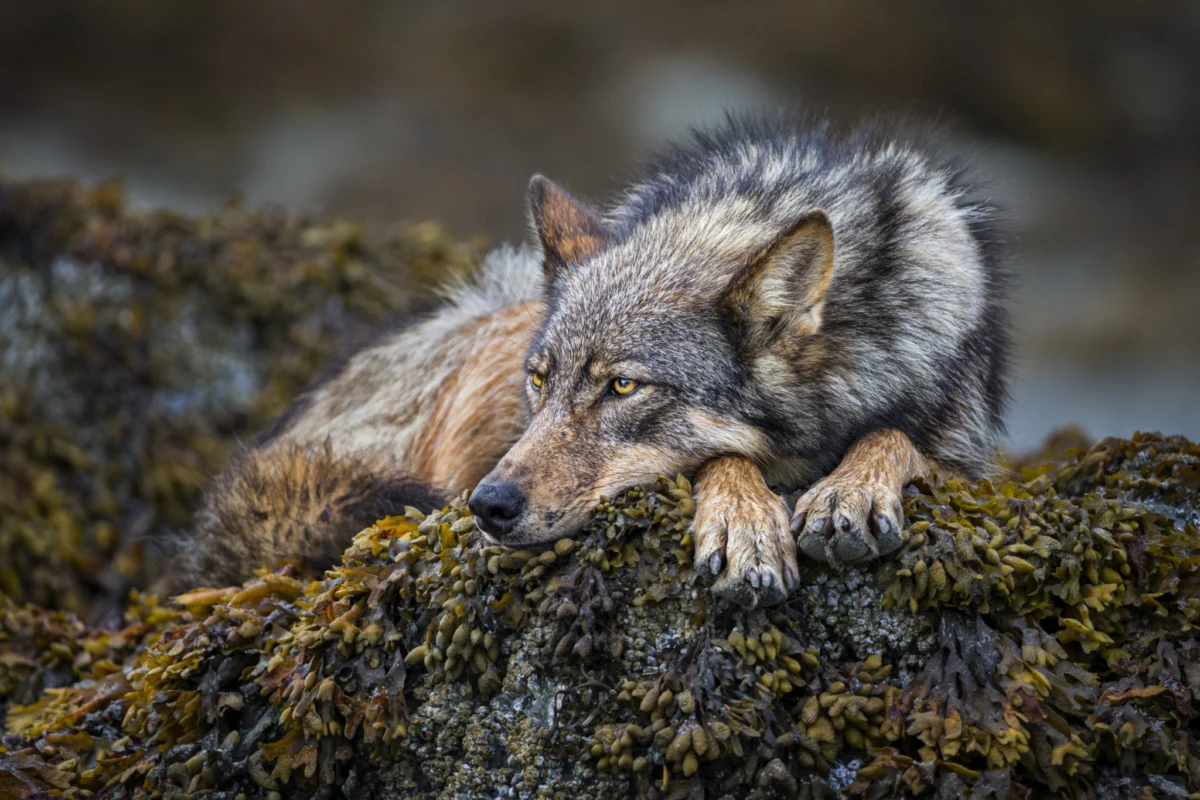
Thirty years ago, a profound immersion into the Canadian wilderness began a journey that would profoundly shape the author’s perspective on the natural world, a perspective increasingly relevant as biodiversity faces unprecedented challenges. Undertaking a solo expedition of over 600 miles on foot and 2,000 miles by canoe in the Barren Grounds, a starkly beautiful region just 300 miles north of the Arctic Circle, the initial objective was a test of personal resilience and a quest to photograph tundra wolves. This formative experience, marked by the patient observation of a lone wolf, became a gateway to understanding these often-misunderstood creatures. Subsequent encounters, including moments of tranquil proximity with relaxed wolf packs, underscored a critical lesson: the profound nature of earning trust through sustained patience. Wolves, by their inherent disposition, are creatures of caution, exhibiting a natural reticence around humans. The rarity of wolf attacks on people is statistically significant, with only a handful documented across North America in the past century, a stark contrast to the enduring archetype of the "big bad wolf" that continues to permeate fiction, film, and ancient folklore. This persistent narrative, while captivating audiences with tales of fear, often overshadows the ecological realities of these apex predators.
The Lingering Shadow of Folklore and its Ecological Consequences
The persistence of fear surrounding wolves, deeply embedded through generations via childhood stories and enduring legends, presents a significant hurdle to their conservation. Tales like "Little Red Riding Hood," seemingly benign, contribute to a cultural narrative that frames wolves as inherently villainous. As global biodiversity continues its precipitous decline, this ingrained apprehension can transform a fictional antagonist into a convenient scapegoat for complex ecological problems.
When populations of prey species, such as deer, experience a reduction, wolves are frequently the immediate suspects. This tendency to assign blame to predators overlooks a crucial historical context: wolves have been integral to the North American ecosystem for an estimated 30,000 to 50,000 years, predating the arrival of humans by millennia. Their presence has been a constant, shaping the landscapes and influencing the dynamics of countless species for eons.
Unpacking the True Drivers of Ecological Devastation
The narrative of the wolf as the primary ecological threat stands in stark contrast to the overwhelming evidence of human-induced environmental degradation. The cumulative impact of widespread habitat destruction through deforestation, the pervasive reach of mining and drilling operations, and the relentless expansion of infrastructure like roads have inflicted far more profound and lasting damage on wildlife populations than wolves ever could. Yet, a persistent belief persists that the solution to ecological restoration lies in the control and elimination of certain species, rather than addressing the root causes of environmental imbalance.
This misguided approach is demonstrably evident in ongoing government-sanctioned wolf culling programs, often presented as necessary wildlife "management" strategies. Simultaneously, corporate interests continue to aggressively pursue resource extraction through environmentally damaging practices such as oil dredging and copper mining, further exacerbating the ecological crisis. A particularly concerning example is the Canadian government’s commitment to a taxpayer-funded extermination of approximately 4,000 wolves in British Columbia. This initiative, framed as a measure to protect certain species, overlooks the broader ecological role of wolves and the detrimental effects of human activities. Until a fundamental shift occurs, wherein accountability for the true damage inflicted upon our landscapes is placed upon our own species, these detrimental cycles of environmental destruction are destined to repeat.
A Call for Ecological Empathy and Systemic Change
The author’s personal encounters with wolves are not merely anecdotal observations but profound lessons in ecological interconnectedness. By sharing the inherent beauty and ecological significance of animals like wolves, the aim is to foster a deeper understanding and appreciation of their vital role. Perpetuating the villainization of predators that have, for millennia, served as crucial regulators of ecosystem balance, only serves to deepen our descent into a destructive spiral.
Every creature, regardless of how it is perceived or misunderstood, contributes intrinsically to the richness and complexity of our planet’s biodiversity. The critical step towards genuine ecological healing lies in redirecting our focus from scapegoating individual species to confronting the systemic threats that imperil our planet. This requires a fundamental re-evaluation of our relationship with the natural world, moving from a paradigm of dominance and control to one of coexistence and stewardship.
Supporting Data and Scientific Context
The ecological significance of apex predators like wolves is well-documented by scientific research. Studies have shown that the reintroduction of wolves to areas where they were previously extirpated has led to what is known as a "trophic cascade." This phenomenon occurs when the presence of predators influences the behavior of their prey, which in turn affects plant life and ultimately the entire ecosystem. For instance, in Yellowstone National Park, the reintroduction of wolves in 1995 led to a decrease in elk populations and a change in their grazing patterns. This allowed vegetation, such as aspen and willow trees, to recover, providing habitat and food for a variety of other species, including beavers, songbirds, and fish. The recovery of these riparian areas also helped to stabilize riverbanks, reducing erosion.
Historical Context of Human-Wolf Interactions
Human-wolf interactions in North America have a long and complex history, marked by both fear and respect. Indigenous cultures often held wolves in high regard, viewing them as spiritual beings and integral parts of the natural world. However, with the arrival of European settlers and the expansion of agriculture and livestock ranching, wolves began to be perceived as threats to livestock and human safety. This perception led to widespread eradication campaigns throughout the 19th and 20th centuries, drastically reducing wolf populations across the continent. These historical extermination efforts, driven by fear and economic concerns, have had lasting ecological consequences, disrupting natural predator-prey dynamics and contributing to the overpopulation of certain herbivore species.
Current Conservation Challenges and Policy Implications
Despite the growing scientific understanding of wolves’ ecological importance, significant challenges remain in their conservation. Human-wildlife conflict, particularly concerning livestock predation, continues to be a major driver of negative public perception and policy decisions. While compensation programs and non-lethal deterrents are increasingly being implemented, their effectiveness can vary, and resistance to wolf recovery persists in many regions.
The management of wolf populations often involves complex political and social considerations, with differing opinions among stakeholders including ranchers, conservationists, Indigenous communities, and government agencies. The legal status of wolves also varies, with some populations listed as endangered or threatened under legislation like the U.S. Endangered Species Act, while others are subject to hunting and trapping seasons.
The ongoing debate surrounding wolf management highlights a broader societal challenge: how to balance human interests with the imperative of maintaining healthy ecosystems. The policy implications of current wolf management strategies are significant, potentially impacting the long-term viability of wolf populations and the ecological integrity of the landscapes they inhabit. The decision to cull wolves, for example, can have unintended consequences, such as altering pack dynamics and potentially leading to an increase in the number of lone wolves, which may be more prone to preying on livestock.
Broader Impact and Future Outlook
The re-evaluation of our relationship with predators like wolves is not merely an issue of animal welfare; it is intrinsically linked to the broader health of our planet. The ecological services provided by apex predators, from regulating prey populations to influencing vegetation growth, are essential for maintaining biodiversity and ecosystem resilience. As the author suggests, a shift in perspective is urgently needed, moving away from a human-centric view of nature towards one that recognizes the intrinsic value of all species and their interconnectedness.
The path forward requires a commitment to evidence-based conservation strategies, fostering public education and engagement, and addressing the systemic drivers of environmental degradation. By embracing the lessons learned from the natural world, as exemplified by the author’s transformative encounters with wolves, humanity can begin to mend its fractured relationship with nature and forge a more sustainable and harmonious future. The enduring archetype of the "big bad wolf" must be replaced by an understanding of the wolf as a vital keystone species, essential for the ecological well-being of the wild landscapes it calls home. The future of these magnificent creatures, and indeed, the health of our planet, depends on our collective willingness to listen to the land and recognize our integral place within it.