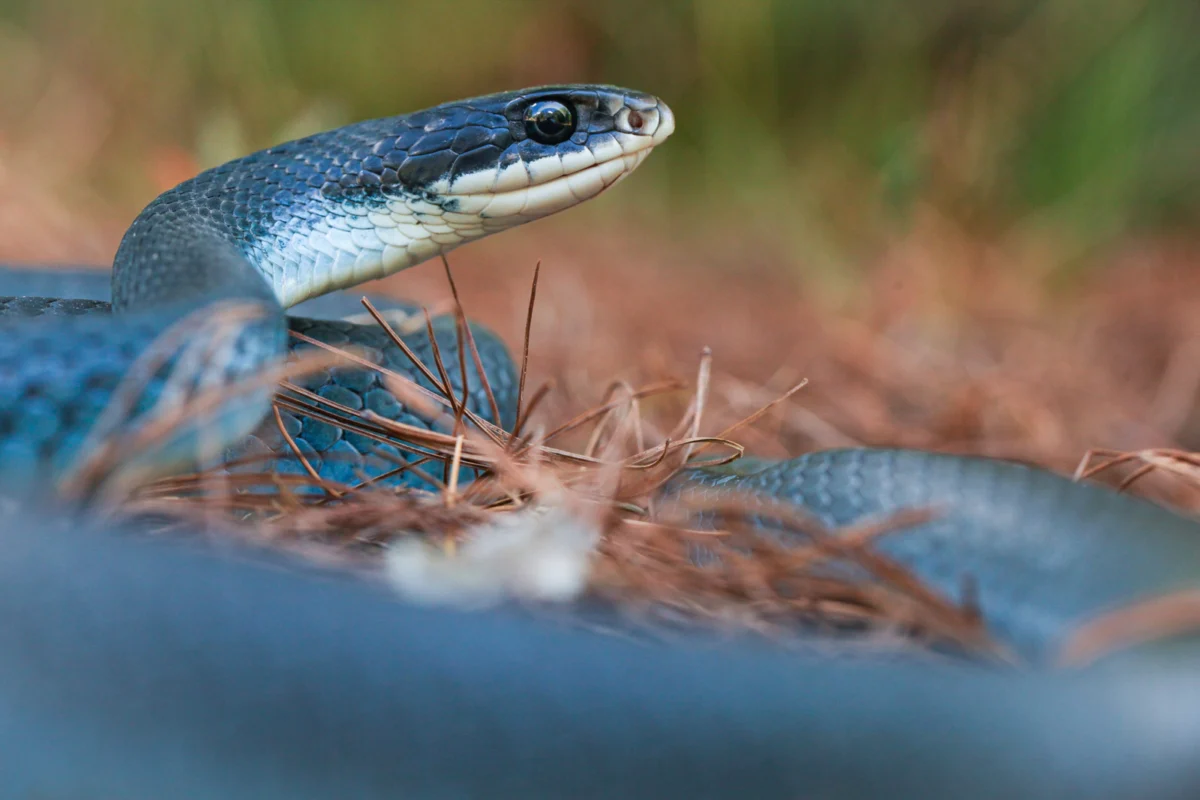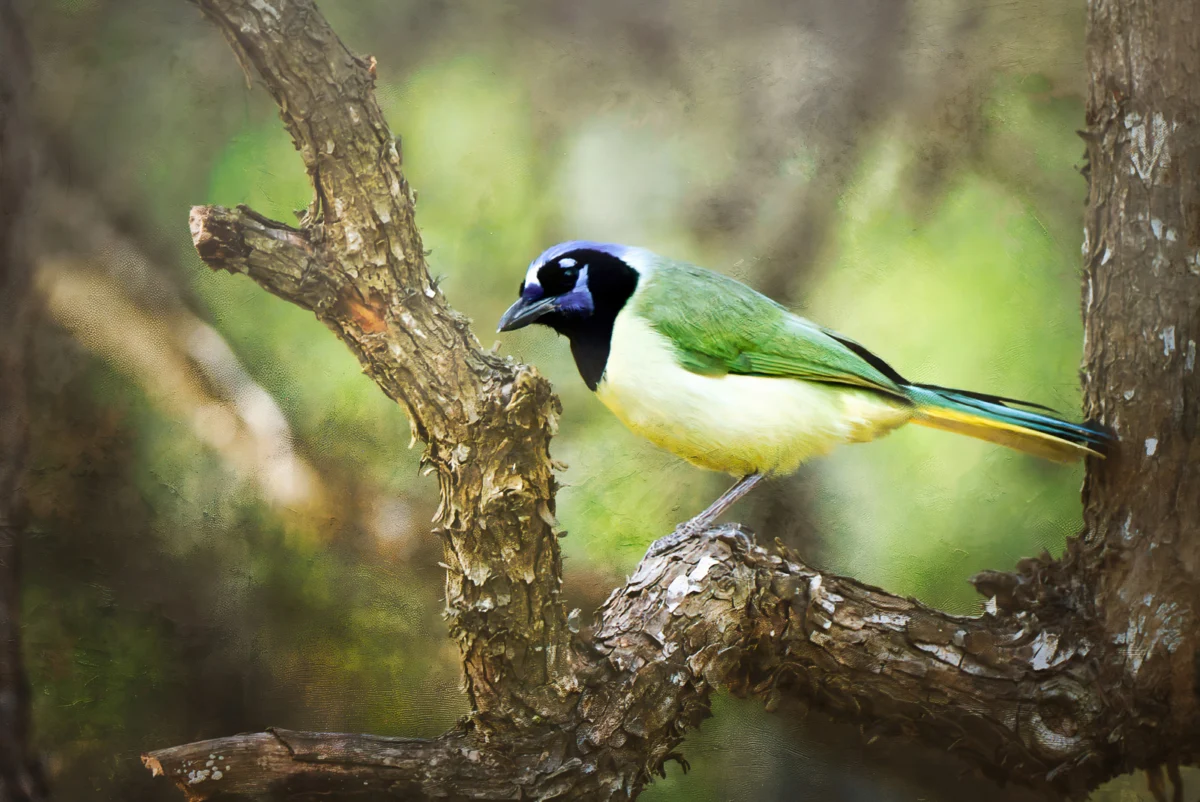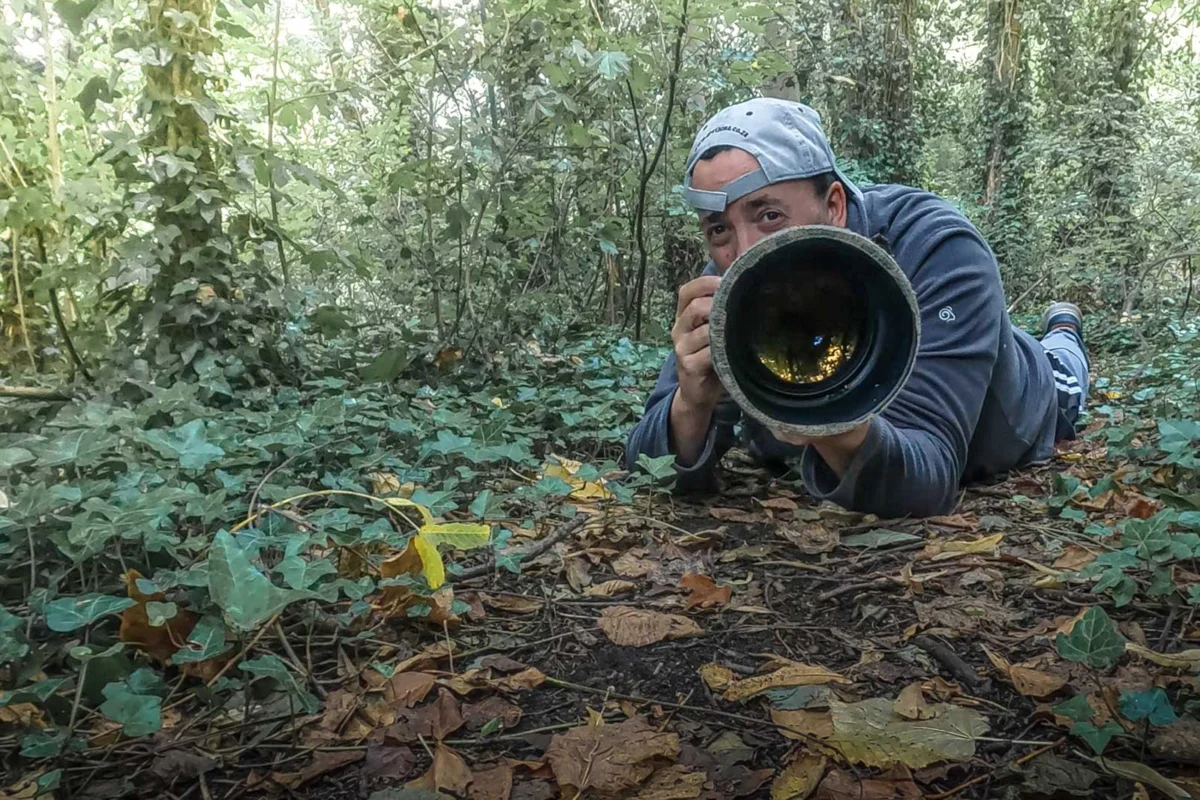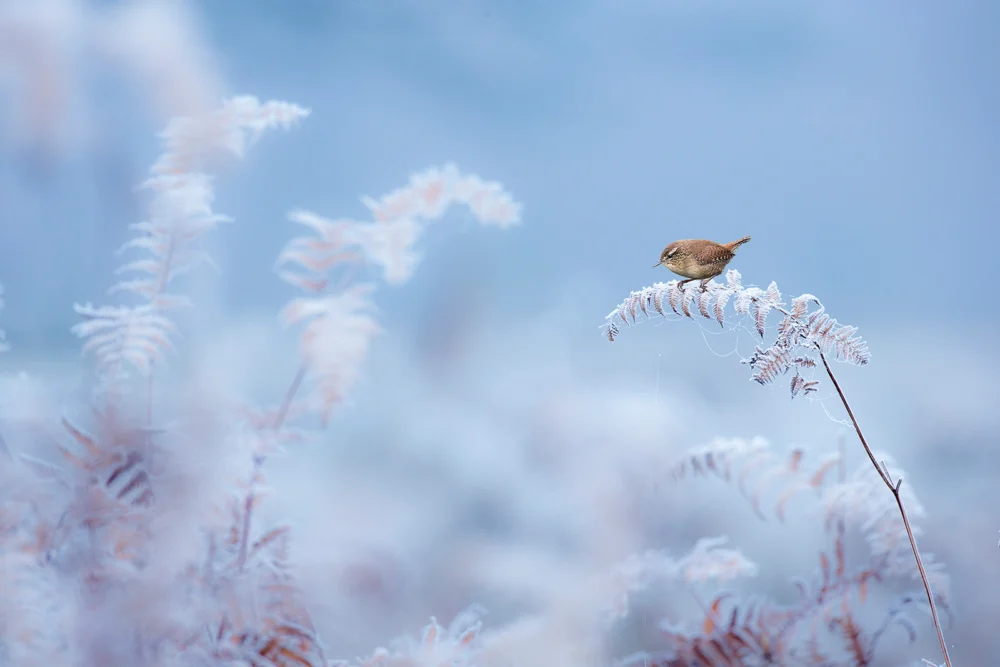
Passerine birds, often referred to as perching birds, constitute the vast and ecologically dominant order Passeriformes, representing over half of all known avian species globally. Characterized by their distinctive foot structure—three toes pointing forward and one robust toe facing backward—these agile creatures are supremely adapted for gripping branches, stems, and various perches. Their ubiquity spans diverse ecosystems, from bustling urban gardens and dense woodland canopies to expansive open fields across every continent except Antarctica, making them an accessible yet profoundly challenging subject for wildlife photographers worldwide.
The allure of passerine photography lies in this very dichotomy: their widespread presence offers frequent opportunities, while their diminutive size and rapid movements demand significant technical precision and patience. Species ranging from the vibrant goldfinch to the familiar robin exemplify the charm and dynamic nature of this order. Successfully documenting these birds not only yields personally rewarding images but also contributes to a deeper appreciation and understanding of avian biodiversity, making it an ideal pursuit for both novice and experienced wildlife photographers.

Understanding Passerines: Biology, Diversity, and Ecological Significance
The Passeriformes order is an evolutionary success story, boasting approximately 6,500 species, making it twice as speciose as the next largest avian order. This incredible diversity is reflected in their morphology, behavior, and vocalizations. Scientifically, the order is broadly divided into two suborders: the Acanthisitti (New Zealand wrens) and the more diverse Oscines (songbirds) and Suboscines. Oscines, which include familiar families like finches, warblers, sparrows, thrushes, and corvids (crows, jays), are renowned for their complex learned songs, a defining characteristic that aids in species identification and territorial defense. Suboscines, found primarily in the Neotropics, possess innate vocalizations, often simpler but equally distinctive.
Beyond their perching adaptation, passerines exhibit a wide array of specialized features. Their diets are remarkably varied, encompassing insects, seeds, fruits, nectar, and even small vertebrates, influencing their beak shapes and foraging strategies. Many species undertake arduous migratory journeys, while others remain resident, adapting to seasonal changes in their local environments. These biological intricacies provide a rich tapestry of behaviors for photographers to observe and capture, from the delicate precision of a hummingbird feeding on nectar to the robust territorial displays of a robin.

Locating and Identifying Passerine Species
Effective passerine photography begins with thorough knowledge of the subject. Common examples encountered by many include sparrows, tits, finches, warblers, swallows, thrushes, and blackbirds. A critical skill for identification, especially when birds are obscured by foliage, is the ability to recognize their distinctive calls and songs. Ornithological studies have long utilized bioacoustics to differentiate species, and this principle translates directly to fieldcraft for photographers. Investing time in learning local bird songs through field guides, online resources, and dedicated apps can significantly enhance a photographer’s ability to locate and anticipate the movements of different species.
As with any form of wildlife photography, understanding the behavior of your target species is paramount. This involves more than just identifying them; it requires delving into their daily routines, preferred feeding times, nesting habits, and social interactions. Resources such as local birding club websites, scientific journals, and specialized field guides offer invaluable insights. Spending time simply observing birds in their natural habitat, without the immediate pressure to photograph, allows for the accumulation of crucial behavioral knowledge. This observational phase helps photographers anticipate movements, understand preferred perches, and identify optimal moments for capturing authentic interactions, dramatically increasing the likelihood of successful imagery.

Crafting the Ideal Environment: Backyard and Beyond
One of the most accessible and rewarding strategies for photographing passerines involves creating an inviting environment, particularly in a garden setting. A well-designed feeding station can become a magnet for a diverse array of species, especially during challenging periods such as winter months when natural food sources become scarce, or during harsh weather conditions which often drive greater numbers of birds to feeders, sometimes leading to captivating interactions between individuals.
Setting Up a Feeding Station:

- Food Selection: To attract a broad spectrum of passerines, offer a variety of food types. High-energy options like black oil sunflower seeds appeal to many species, while nyjer seeds are favored by finches, and suet cakes provide essential fats, especially in colder weather. Live or dried mealworms can attract insectivorous birds like robins and bluebirds.
- Feeder Placement: Strategic placement is key for both bird safety and photographic opportunity. Position feeders in areas that receive ample natural light, ideally with an easterly or northerly aspect to benefit from soft morning light. Avoid overly exposed locations; instead, choose spots near dense foliage or shrubs, which offer birds immediate cover from predators and a sense of security. Ensure there’s enough distance between the feeder and any potential perches you intend to use for photography, allowing for clear shots without obstructions.
- Hygiene: Maintaining strict hygiene is crucial to prevent the spread of diseases among birds. Feeders should be cleaned regularly, ideally every few days, with a mild bleach solution (1 part bleach to 9 parts water) and thoroughly rinsed and dried before refilling. This practice safeguards avian health and ensures a consistent flow of visitors.
The Allure of Water:
Adding a reliable water source significantly enhances the attractiveness of your photography setup. A bird bath or, even better, a reflection pool, can draw in additional species and provide unique photographic opportunities. Birds frequently visit water for drinking and bathing, offering dynamic action shots or serene portraits with captivating reflections. For a reflection pool, a shallow, rectangular planting tray can be modified. Position a carefully selected rock or log within it to serve as a natural perch. Experiment with the pool’s placement to capture reflections of surrounding trees or foliage, which tend to offer more aesthetically pleasing, richly colored backgrounds compared to a bright, overpowering sky.
The Perfect Perch and Background:
The environment immediately surrounding your subject profoundly impacts the visual appeal of your photographs. Introducing attractive, natural perches can transform a functional feeding station into a stunning photographic set.
- Finding Perches: Whenever venturing outdoors, keep an eye out for interesting natural elements. Moss-covered branches, lichen-encrusted twigs, or a sprig of seasonal blossom can provide texture, color, and a strong sense of habitat. The goal is to select perches that complement the bird’s plumage and evoke its natural environment, avoiding anything that looks artificial or out of place.
- Positioning: Ensure perches are well-lit by natural light. Consider the sun’s path throughout the day; a perch might be front-lit in the morning and offer opportunities for dramatic backlighting during the golden hour. Overcast days, often overlooked, provide a giant natural diffuser, softening light and minimizing harsh shadows, which is ideal for capturing intricate feather details and subtle color variations.
- Backgrounds: To achieve professional-grade results, the background must be rendered as a soft, pleasing blur (bokeh), free from distractions. The distance between your subject, the background, and your camera, combined with your lens’s focal length and chosen aperture, determines the depth of field. A wider aperture (smaller f-number) and longer focal length will exaggerate background blur. Test shots are essential to confirm the background’s appearance. Pay attention to background colors; seek out natural tones and areas of shadow that can create a dark, dramatic backdrop, making your subject pop.
Mastering the Technicalities: Camera Settings and Equipment

Photographing fast-moving, often small passerines demands technical precision and responsiveness from your camera gear.
Recommended Equipment:
- Camera Body: A DSLR or, increasingly, a mirrorless camera with rapid, accurate autofocus capabilities is indispensable. High frame rates (10 frames per second or more) are a significant advantage for capturing fleeting moments and dynamic action sequences. Modern mirrorless cameras with advanced features like animal eye-detection autofocus can dramatically improve hit rates, though they are not strictly essential for excellent results.
- Lenses: A telephoto lens of 300mm or longer is generally required to maintain a respectful distance from birds while still achieving frame-filling shots. Lenses in the 500mm to 600mm range are highly favored for their ability to compress perspective and create beautifully diffuse backgrounds, effectively separating the subject. Tele-zoom lenses (e.g., 100-400mm, 150-600mm) offer excellent versatility for framing and composition, while prime lenses typically offer superior optical quality and wider maximum apertures.
- Support Gear: A sturdy tripod is crucial for stability, especially when using long telephoto lenses or shooting from a hide during extended sessions. A gimbal head is often recommended for lenses 500mm and above, allowing for smooth, fluid tracking of moving subjects. Portable hides or camouflage netting can help photographers get closer to birds without causing disturbance.
- Accessories: A remote shutter release minimizes camera shake, particularly useful when pre-focused on a specific spot. High-speed memory cards are essential to handle the large files generated by continuous burst shooting.
Essential Camera Settings:

- Shutter Speed: To freeze the rapid movements of a small passerine, a shutter speed of at least 1/1000th of a second is recommended for static birds. For capturing birds in flight, this needs to be increased significantly, ideally to 1/2500th of a second or faster, to ensure sharp wings and bodies.
- Aperture: A wide aperture, typically ranging from f/2.8 to f/5.6, is used to create a shallow depth of field, effectively isolating the bird from its background and creating pleasing bokeh. When photographing multiple birds or aiming for maximum sharpness across the entire bird (e.g., in a close-up portrait where both eye and chest feathers need to be sharp), stopping down to a slightly smaller aperture (e.g., f/8) may be necessary.
- ISO: Do not shy away from increasing your ISO setting in challenging low-light conditions. Modern cameras handle noise much better, and a critically sharp image with some visible noise is almost always preferable to a clean but blurry or soft image. Prioritize shutter speed and aperture for sharpness, letting ISO adjust as needed.
- Focus Mode: Continuous autofocus (known as AI Servo on Canon or AF-C on Nikon/Sony) is vital for tracking moving birds. Eye-detection autofocus, if available, can be incredibly effective. However, if the camera struggles to acquire the eye, switching to single-point or a small group-focus mode, keeping it centered on the bird, can provide maximum accuracy. Back-button focus is a popular technique among wildlife photographers, separating focus activation from the shutter release, offering greater control.
- Burst Mode: Utilizing your camera’s high-speed continuous shooting mode allows you to capture a sequence of frames in rapid succession, dramatically increasing your chances of freezing that perfect, decisive moment.
- Manual Focus for Action: For predictable action shots, such as a bird flying from a perch to a feeder, pre-focusing manually on an anticipated point of action can be highly effective. As the bird passes through this plane of focus, fire a burst of shots.
Composition and Framing: The Art of Storytelling
Strong composition elevates a simple snapshot to a compelling image. Before pressing the shutter, take a moment to visualize the final image and consider the placement of each element within the frame. While compositional guidelines exist, they should serve as tools, not rigid rules, encouraging creative expression.
- Rule of Thirds: A fundamental guideline involves mentally dividing the frame into nine equal segments using two horizontal and two vertical lines. Positioning your subject or key elements along these lines or, ideally, at their intersections (power points), often results in a more balanced and dynamic composition.
- Incorporating the Environment: Go beyond a mere portrait; include elements of the bird’s natural habitat—a sprig of leaves, a flower, or a hint of its surroundings—to provide context and tell a richer story about its life.
- Eye-Level Perspective: Photographing birds at their eye level creates a sense of intimacy and connection, drawing the viewer into the bird’s world and fostering a stronger emotional response.
- Negative Space: Thoughtful use of negative space around the bird can emphasize its solitude, highlight its form, or convey a sense of vastness in its environment. This technique is particularly effective in minimalistic compositions, such as a bird perched against a snowy backdrop. Position the bird to look or move into the open space for a balanced composition.
- Leading Lines: Utilize natural lines within the scene, such as branches, fences, or stone walls, to guide the viewer’s eye towards your avian subject, adding depth and direction to the image.
Capturing Behavior and Interactions: The Narrative Element

Passerines are highly social and exhibit a wide range of intriguing behaviors. Capturing these moments adds depth and narrative to your photography. Periods of harsh weather, for instance, often lead to increased activity around food sources, including territorial disputes that can yield dynamic action shots. When multiple birds are in the frame, you may need to adjust your aperture to ensure sufficient depth of field to keep all subjects sharp. Always monitor your shutter speed, increasing ISO if necessary to maintain a fast enough speed (e.g., 1/2500th of a second for active interactions).
- Feeding and Drinking: Documenting birds foraging, feeding young, or drinking from a water source provides compelling, naturalistic images.
- Vocalizations: Capturing a bird mid-song, especially during the breeding season when species like robins, wrens, blackbirds, and song thrushes are most vocal, adds a powerful auditory dimension to a visual medium.
- Flocks and Fights: Dynamic shots can be achieved by photographing territorial squabbles, courtship displays, or the mesmerizing movements of a murmuration.
- Parenting: During breeding season, observing parents feeding their chicks or teaching fledglings to fly offers deeply moving and intimate moments. Ethical considerations are paramount here; maintain a respectful distance and avoid any action that could disturb the birds or their nest. Garden feeders often become crucial food sources for parents with hungry fledglings, providing opportunities for observation from a distance.
- Bathing and Preening: These common behaviors offer opportunities for detailed shots of feathers and water droplets, showcasing the intricate beauty and daily rituals of birds.
Patience and keen observation are the most valuable tools in a wildlife photographer’s arsenal. Dedicate time to simply watching your subjects, learning their patterns, and anticipating their next move. This deep understanding allows you to be prepared, camera ready, for that perfect, fleeting moment.
Ethical Considerations and Broader Implications

Responsible wildlife photography prioritizes the well-being of the subjects. When photographing passerines, it is essential to minimize disturbance, avoid stressing the birds, and never engage in practices that could harm them or their habitat, such as baiting with unnatural or harmful food, or excessively altering their environment. Maintaining feeder hygiene is not just about attracting birds, but about preventing disease.
Beyond personal enjoyment, passerine photography plays a significant role in conservation and education. High-quality images can raise public awareness about avian species, highlight conservation challenges, and inspire greater appreciation for the natural world. Many photographers contribute to citizen science initiatives like eBird or iNaturalist by submitting their observations and photographs, providing valuable data for researchers tracking bird populations and distributions. The act of engaging with nature through photography also offers profound personal benefits, fostering mental well-being, mindfulness, and a deeper connection to the environment.
In conclusion, the world of passerine bird photography offers endless opportunities for creativity and discovery. From the smallest wren to the most boisterous crow, these accessible yet challenging subjects provide a perfect blend of artistic expression and technical skill development. By understanding their biology, meticulously setting up an inviting environment, mastering camera techniques, and adhering to ethical guidelines, photographers can create stunning images that not only showcase the intrinsic beauty and charm of these remarkable birds but also contribute to a broader understanding and appreciation of our shared natural heritage. So, equip yourself with knowledge and patience, step into your garden or local park, and immerse yourself in the enchanting and rewarding pursuit of passerine photography.