The esteemed interview series "From Amateur to Professional" by NatureTTL continues its exploration into the transformative journeys of established nature photographers, offering a unique glimpse into their evolving practices, techniques, and philosophies. This installment features Dani LeFrancois, a distinguished landscape photographer and photo guide whose 22-year odyssey culminates in her current role as a full-time professional immersed in the breathtaking Canadian Rockies. Her narrative provides invaluable insights into the dedication, self-discovery, and strategic shifts required to transition from a passionate amateur to a respected professional in the competitive field of nature photography. Through a retrospective of her images and reflections on her career milestones, LeFrancois illuminates the path for aspiring photographers seeking to forge their own professional destinies.
The Genesis of a Lifelong Passion: Early Encounters with Nature and the Camera
Dani LeFrancois’s connection to nature and photography began at a remarkably young age, rooted deeply in her formative experiences as an "outdoor kid." Summers spent at YMCA camps fostered an innate curiosity and fearlessness towards the natural world, from observing frogs to encountering insects. This early affinity for the outdoors laid the groundwork for her photographic journey. The pivotal moment arrived during childhood summer road trips with her mother across Ontario and the Canadian East Coast. Tasked with documenting these travels, LeFrancois was equipped with a "state-of-the-art" 2-megapixel point-and-shoot camera in anticipation of a significant trip out west to Alberta. This seemingly simple assignment ignited an "obsession with photography," transforming a childhood chore into a profound passion.
This initial spark developed further during high school, where a photography class confirmed her innate talent for composition. While her formal education in photography was brief, primarily due to a college curriculum that didn’t align with her nature-centric interests, this period solidified her commitment to finding her own unique path within the nature photography field. This early recognition of her natural eye, combined with a persistent drive to explore and capture the beauty around her, set the stage for a career defined by intuition and a deep reverence for the landscape. The Canadian Rockies, with their unparalleled vistas and dynamic environments, would later become her muse and her professional home, reflecting her enduring inspiration from the unique beauty of the Canadian wilderness.

Charting the Course to Professionalism: A Detailed Chronology
Dani LeFrancois’s transition from an amateur with a keen eye to a recognized professional was a gradual, multi-stage process spanning nearly two decades. The idea of a professional career in photography first crystallized during her high school years, sparked by the realization that formal education pathways existed for the craft. Initially, her understanding of professional photography was somewhat naive, envisioning professionals as individuals balancing "real jobs" with creative side hustles. However, a brief stint in college photography programs altered her perspective, with one professor boldly declaring the students as "professional photographers" simply by virtue of pursuing higher education in their craft. While an encouraging sentiment, LeFrancois understood the practical journey was far more extensive.
Upon leaving college, she deliberately sought diverse photographic experiences, immersing herself in genres such as wedding photography, concert photography, and portraiture. This strategic move allowed her to hone her technical skills, understand client relations, and build a foundational business acumen, effectively classifying her as a working professional long before she specialized in nature. Approximately ten years into her active pursuit of photography as a potential full-time career, LeFrancois relocated to Western Canada, drawn by the majestic landscapes that would become her signature subject.

Two years later, roughly 12 years into her overall photography journey, she officially established her own photography business. This marked a significant step towards formalizing her passion. The ultimate transition occurred seven years after moving west, and 17 years into her photography obsession, when at the age of 32, she made the decisive move to "retire" from her conventional "real job" to become a full-time professional photographer and photo guide. This milestone represented the culmination of years of dedicated effort, skill development, and strategic planning, fulfilling her childhood aspiration of either being retired or a photographer—or, in her case, both. This timeline underscores that the path to professional photography is often a marathon, requiring sustained commitment, adaptability, and a clear vision.
The Evolution of a Visual Storyteller: Early Works vs. Professional Masterpieces
The evolution of a photographer’s portfolio is a testament to growth, learning, and refinement. Dani LeFrancois often revisits her early online archives, acknowledging the deep affection she held for images she once considered "amazingly groundbreaking." While these early works, such as "Dual Vocals," might not have been universally acclaimed, they represented significant personal milestones—experiments with techniques like delayed shutter effects and the capture of fleeting moments. She cherishes these images not for their technical perfection by today’s standards, but for the memories of discovery, excitement, and the sheer joy of creation they evoke. They serve as a powerful reminder of the foundational passion that propelled her forward.

Contrasting these early works with her professional-era favorites reveals a fascinating continuity of intuitive vision, even amidst a clear progression in technical mastery and compositional sophistication. LeFrancois highlights two specific images that, despite their stylistic differences, share a common genesis: following her instincts. The first, an amateur shot of a waterlogged leaf taken during a college field trip to a waterfall, stands out because while her peers rushed to photograph the grand waterfall, she was captivated by the intricate beauty of the leaf. She spent "far too long photographing it due to the low light," a testament to her early dedication to capturing overlooked details. This image, which remains a favorite of her mother’s, symbolizes the importance of trusting one’s artistic inclinations.
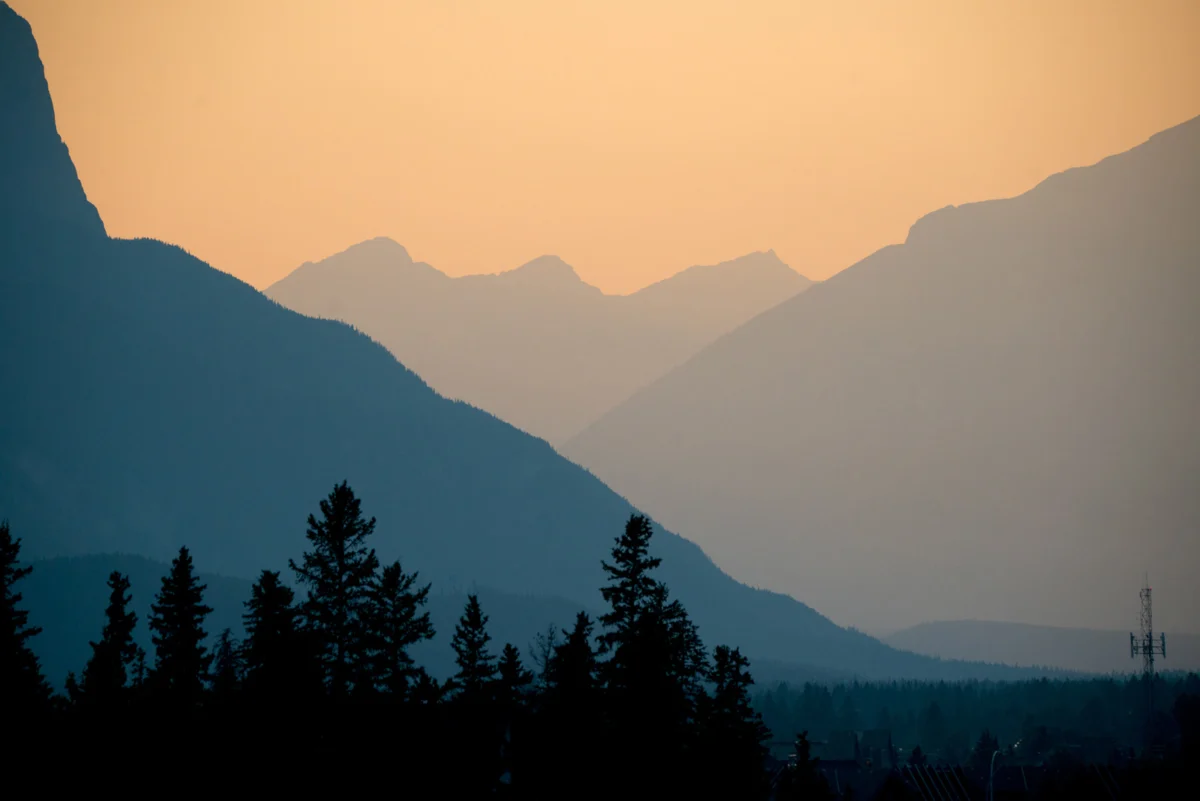
Her second favored image, a professional landscape from the Canadian Rockies captured during golden hour, similarly arose from an intuitive moment. This particular vantage point is often bypassed by photographers, including LeFrancois herself, in favor of more renowned spots nearby. However, a scene "presented itself while on the way to another spot," prompting her to pause and capture the unique perspective. Both images, she explains, make her proud because they underscore the value of following her gut feeling, demonstrating that a deep connection to the subject and an unforced approach have been consistent threads throughout her artistic development. The difference lies not in the why she took the photo, but in the heightened skill, refined aesthetic, and profound understanding of light and landscape that characterizes her professional work.

From Competition to Collaboration: The Eureka Moment of Education
A pivotal transformation in Dani LeFrancois’s career trajectory was her shift from primarily striving to be a professional photographer to embracing the role of a photo guide and educator. This "eureka moment" was catalyzed by her experience mentoring a friend, a "protégé of sorts," actively assisting them in developing their photographic skills and refining their artistic vision. This experience profoundly altered her perspective on the photography community and her place within it.
Previously, LeFrancois admits to feeling a sense of competition, a common sentiment in creative fields where the pursuit of recognition and accolades can be intense. The notion that "whoever got their image posted first would get all the glory" sometimes overshadowed the inherent joy of the craft. However, as she increasingly found herself guiding other photographers in the field, helping them fine-tune compositions, and witnessing their progress, a significant psychological shift occurred. The competitive impulses began to "melt away," replaced by a profound sense of pride in the achievements of her students and fellow enthusiasts.

This realization—that her joy was amplified through the success of others, even if it meant her own work was momentarily overshadowed—was a game-changer. It transformed her professional identity, steering her towards a career path where mentorship and education became central. Today, LeFrancois states she feels "lost if I’m not helping someone with something," indicating the deep satisfaction she derives from contributing to the growth of others. This evolution highlights a broader trend within the photography industry, where knowledge sharing, workshops, and guiding services have become increasingly vital components of a sustainable professional practice, fostering a more collaborative and supportive environment for artists. Her journey exemplifies how personal fulfillment can align with a business model that prioritizes community and education.
Revisiting Landscapes: A Deep Connection to Place and Dynamic Storytelling
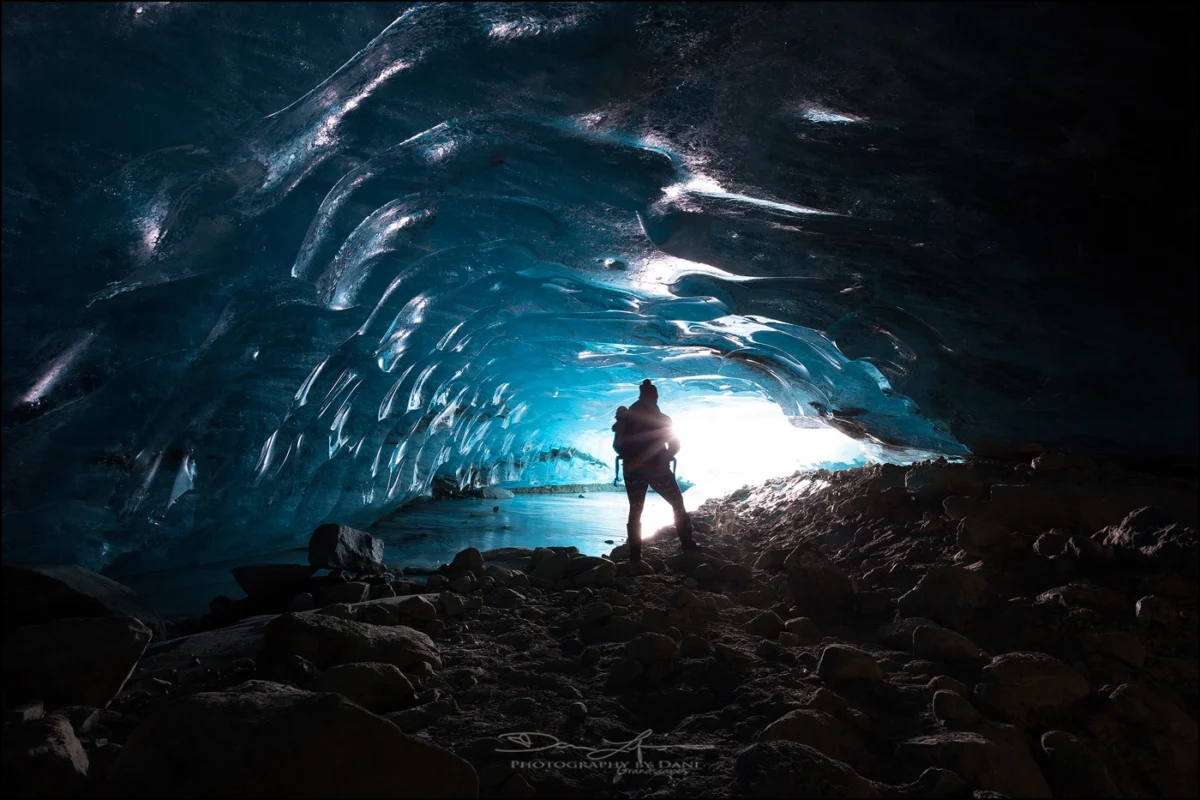
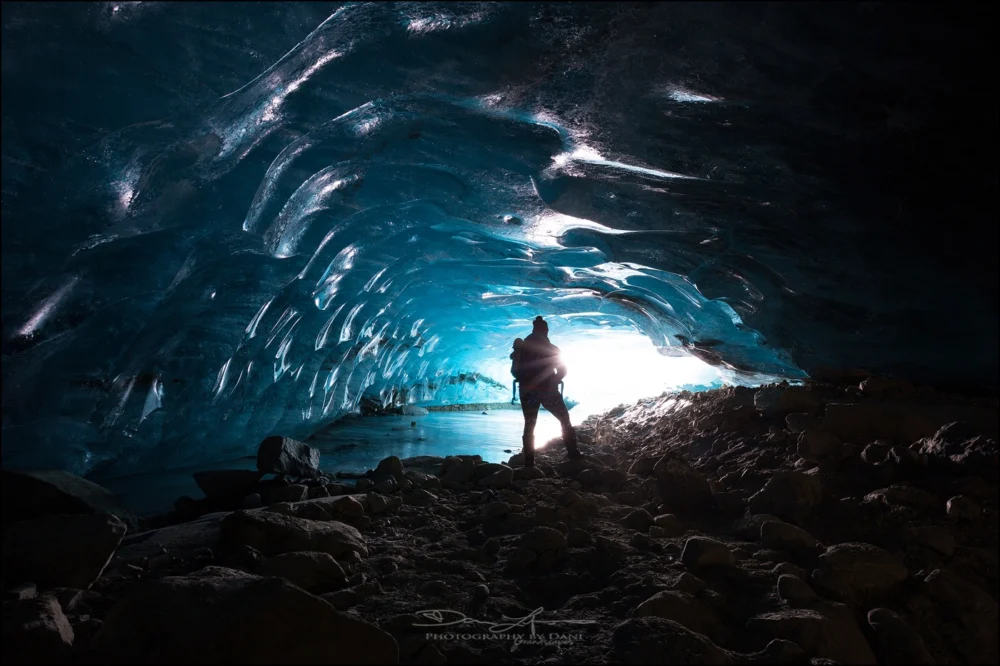
A defining characteristic of Dani LeFrancois’s photographic approach is her profound affinity for revisiting locations. Rather than constantly seeking novel, undiscovered vistas, a significant portion of her portfolio is a "story of revisiting the same place," meticulously documenting how the landscape "changes and evolves" through time and varying conditions. This iterative engagement with familiar places allows her to capture a depth and nuance often missed in single visits.

Her focus during these revisits is not merely to replicate past successes but to "capture something different from the familiar," whether it’s the play of light, atmospheric shifts, seasonal transformations, or subtle alterations in the physical landscape. This method requires patience, keen observation, and an intimate understanding of her subjects. It’s a testament to the idea that true mastery often comes from deep engagement with a few chosen subjects rather than superficial encounters with many.
LeFrancois describes her approach as "very intuitive with no real structure or forced technique." She emphasizes doing "what feels right for the moment." This intuitive method, honed over two decades, allows her to respond authentically to the dynamic environment, capturing the transient beauty of the Canadian Rockies with an unforced authenticity. This practice of deep engagement with specific locations not only enriches her personal portfolio but also provides a powerful lesson for her students, demonstrating that compelling narratives can be built from sustained observation and a respectful interaction with the natural world, rather than solely through the pursuit of novel scenery. It reinforces the idea that the "story" is as much about the photographer’s evolving relationship with a place as it is about the place itself.

Behind the Scenes: Processing, Challenges, and Enduring Wisdom
Beyond the field, the realities of professional photography encompass post-processing and navigating business complexities. Dani LeFrancois candidly shares her perspective on editing, acknowledging a consistent workflow that has remained largely unchanged for many years. She admits that the "editing process" does not inspire her, leading her to prioritize efficiency. Consequently, the majority of her images undergo swift edits, typically completed within two to five minutes. This approach, while perhaps unconventional in an era of elaborate digital manipulation, underscores her belief in capturing the image correctly in-camera and maintaining a natural aesthetic. She humorously describes herself as an "old dog new tricks" when it comes to adopting new editing techniques, expressing a resistance to invest time in learning different methods. This pragmatic stance highlights a personal preference rather than a lack of capability, emphasizing that a photographer’s workflow is deeply personal and can be effective even if it deviates from industry trends.
However, her most significant, and enduring, challenge lies not in technical aspects or creative blocks, but in "confidence in every part of photography, except when I am in the field out shooting." While actively photographing, LeFrancois is "focused and in the zone," her intuitive process allowing her to operate without "overthinking the compositions or the elements." This inherent confidence while shooting contrasts sharply with her struggles in other areas, such as promoting her work, navigating business decisions, or even defining her place within the broader photographic community. This challenge of self-assurance outside of the creative act itself is a common struggle for many artists, underscoring the multifaceted nature of a professional career that extends far beyond technical skill. It highlights the psychological demands of managing a creative business and the continuous quest to find one’s voice and validate one’s worth in a public sphere.

Lessons for Aspiring Professionals: Business Acumen and Digital Archiving
Reflecting on her extensive career, Dani LeFrancois offers two crucial pieces of advice to her younger self, insights that resonate deeply within the contemporary landscape of professional photography. Firstly, she strongly advocates for taking a "business class." This recommendation speaks to a universal challenge faced by many artists: the often-overlooked necessity of entrepreneurial skills in monetizing creative talent. While passion and artistic vision are paramount, understanding marketing, finance, client management, legal aspects, and strategic planning is equally vital for building a sustainable photography career. Many aspiring photographers, focused intensely on their craft, neglect these foundational business principles, often learning them through trial and error—a path LeFrancois clearly wishes she could have streamlined.
Secondly, her advice to "learn how to back up your old photos better" addresses a critical aspect of digital asset management. In an era where photographic archives exist predominantly in digital formats, robust backup strategies are not merely convenient but essential for preserving one’s life’s work. The heartbreaking reality of lost images—memories of capturing moments that no longer exist in her current archives—is a poignant reminder of the fragility of digital data without proper safeguarding. This counsel underscores the importance of implementing systematic and redundant backup protocols from the very beginning of one’s photographic journey. Both pieces of advice highlight practical, foundational elements that, while seemingly mundane compared to the artistic pursuit, are indispensable for long-term professional success and the preservation of a photographer’s legacy. They serve as a powerful cautionary tale and a proactive guide for the next generation of visual artists.

Broader Implications and the Future of Nature Photography Mentorship
Dani LeFrancois’s journey, as chronicled in NatureTTL’s "From Amateur to Professional" series, offers a rich tapestry of experiences and lessons pertinent to the evolving landscape of nature photography. Her career trajectory underscores several key implications for the industry and for aspiring professionals. Firstly, her story validates the power of intuitive artistic development. In an age often dominated by rigid technical rules and post-processing trends, LeFrancois’s success, built on an "intuitive" approach and a preference for minimal editing, demonstrates that authenticity and a deep connection to the subject can yield compelling results. This provides a refreshing counter-narrative and encourages photographers to trust their unique artistic voice.
Secondly, her profound shift from a competitive mindset to one rooted in mentorship and education highlights a growing trend in the photography community. As online platforms and workshops proliferate, the value of experienced guides and educators like LeFrancois is increasingly recognized. This move towards collaboration over competition not only enriches the learning experience for novices but also fosters a more supportive and sustainable ecosystem for professionals. Her joy derived from others’ success suggests a model where contributing to the collective growth can be as professionally rewarding as individual acclaim.

Finally, LeFrancois’s candid discussion of challenges, particularly confidence outside the shooting process and the practicalities of business and archiving, normalizes struggles often faced by creative entrepreneurs. By sharing these vulnerabilities and offering concrete advice, she demystifies parts of the professional journey, making it more accessible and less daunting for those starting out. Her story is a testament to perseverance, the continuous evolution of skill and philosophy, and the profound impact of finding one’s true calling within the vast and beautiful world of nature photography. Her commitment to capturing the Canadian Rockies and her dedication to teaching position her as an inspiring figure, demonstrating that a successful career can be built not just on captivating images, but on fostering a community of passionate visual storytellers.