The intersection of creative practice and clinical mental health recovery has gained significant attention in recent years, particularly as professional burnout rates among educators reach historic highs. A recent case study involving a veteran educator with 19 years of service highlights a growing trend where individuals utilize tactile, analogue technologies—specifically vintage film photography—as a structured framework for recovering from severe psychological breakdowns. This initiative, colloquially known as the "redundant camera project," involves a systematic technical review of abandoned photographic equipment to foster mindfulness and cognitive refocusing.

The Catalyst of Professional Exhaustion and the 2025 Crisis
The subject of this report, a professional teacher of nearly two decades, reached a critical psychological juncture in the final quarter of 2025. Following a prolonged period characterized by escalating anxiety and stress, the individual suffered a significant mental health breakdown, ultimately leading to a formal resignation from the teaching profession. This transition reflects a broader systemic issue within the global education sector, where high-stakes environments and administrative pressures have contributed to what sociologists term "occupational attrition."
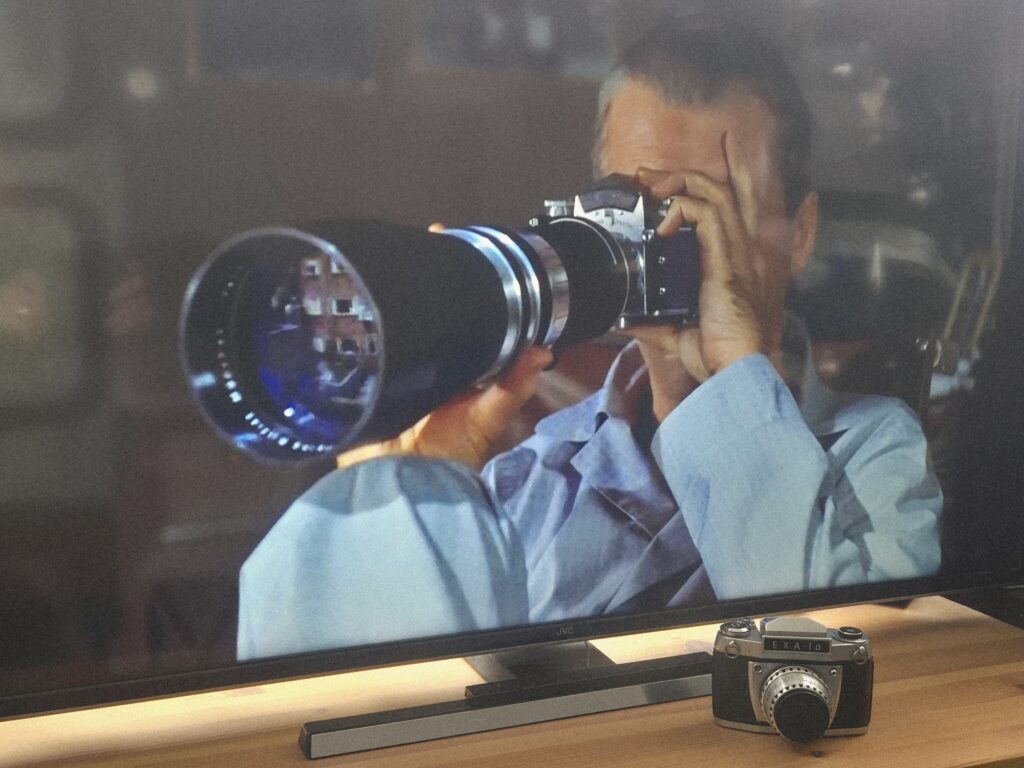
The decision to leave the profession was categorized by the subject as an act of "self-preservation." However, the immediate aftermath of the resignation was marked by a state of creative paralysis and a loss of motivation, a common symptom of clinical depression. This "dereliction of creativity" persisted until the December holiday period of 2025, when two specific cultural stimuli served as the impetus for a new recovery strategy: the gift of a monograph on the work of photographer Saul Leiter and the viewing of Alfred Hitchcock’s 1954 cinematic classic, Rear Window.
A Chronology of Creative Reawakening
The recovery process began in earnest during late December 2025 and early January 2026. The timeline of this project serves as a blueprint for the "slow technology" movement in mental health.

- Phase One (December 2025): The subject engaged in passive inspiration, perusing the cinematic and painterly compositions of Saul Leiter. This phase was critical for re-establishing the "power of photography to infiltrate the mind and soul," moving beyond the utilitarian nature of smartphone photography.
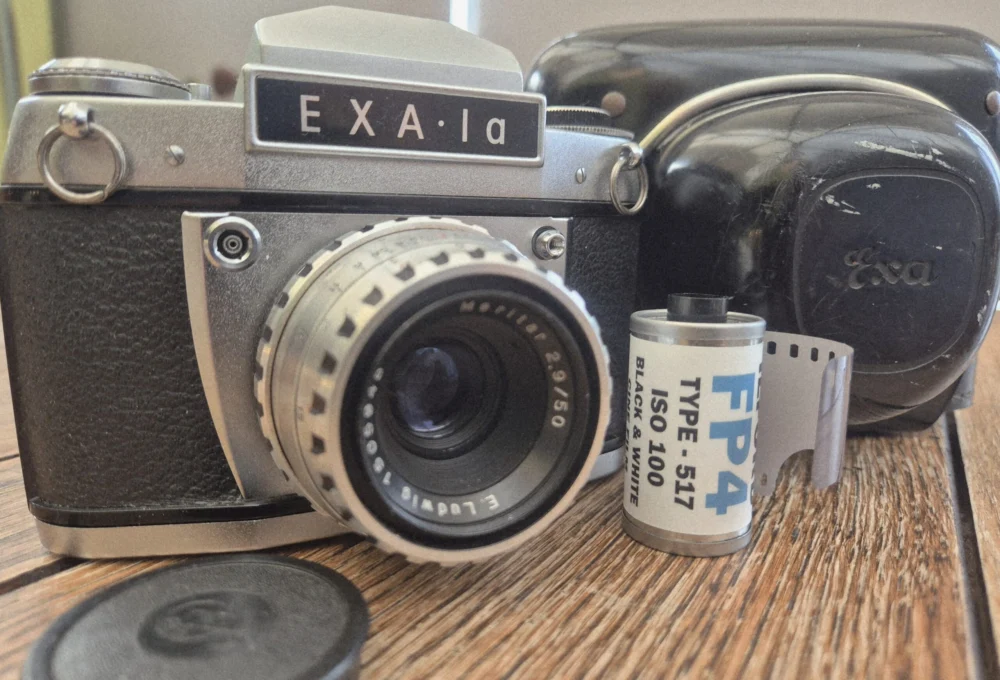
- Phase Two (Late December 2025): Identification of the Exa Ia, a vintage camera manufactured by Ihagee Dresden, as the primary tool for the first stage of recovery. The subject spent several days simply handling the equipment, noting the "vintage aroma" of its leather case and the tactile connection to a "bygone era."
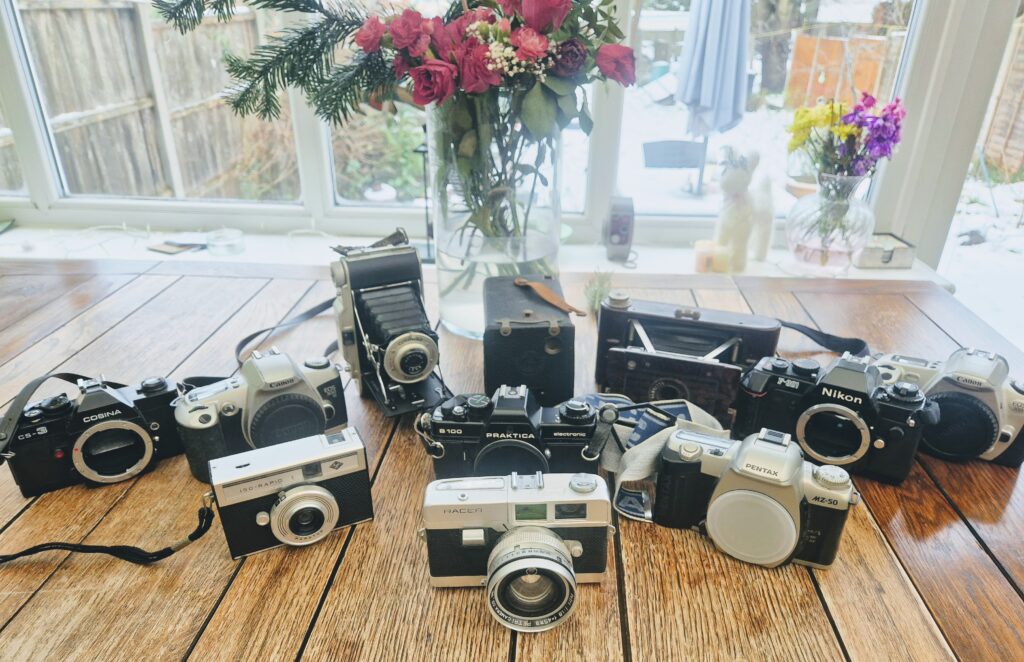
- Phase Three (Early January 2026): The formalization of the "redundant camera project." The subject established a protocol to run a single roll of film through each neglected camera in their collection, documenting the technical performance of the gear alongside a journal of its effect on their mental state.
- Phase Four (Mid-January 2026): The first field test occurred on a cold, frost-covered morning at the Stonebridge Golf Club in Meriden. This outing represented the first significant departure from the subject’s home since the breakdown, utilizing the "Hampton course" as a backdrop for both physical exercise and photographic practice.
Technical Profile: The Ihagee Exa Ia and the Meritar Lens
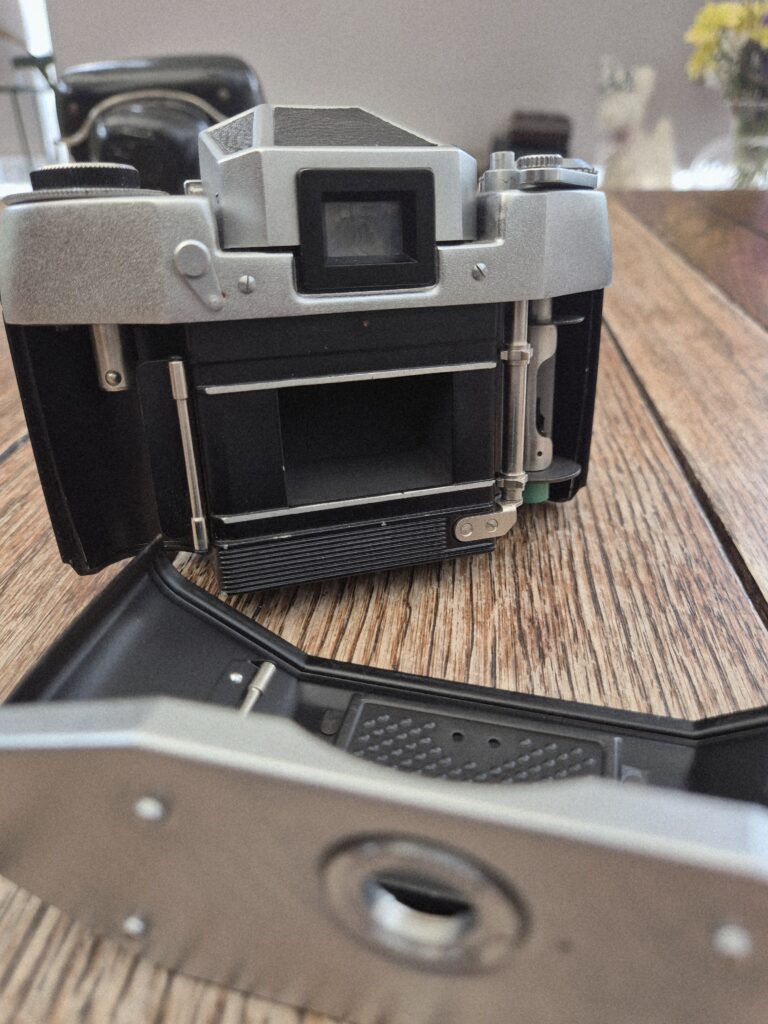
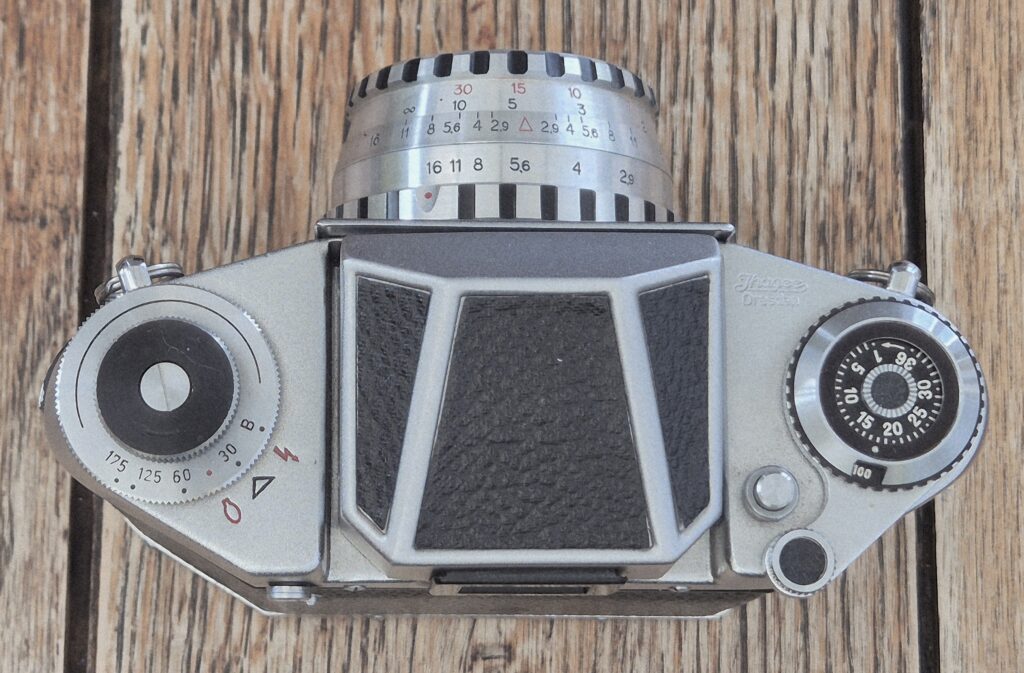
The Exa Ia occupies a unique niche in the history of East German camera manufacturing. Produced by Ihagee Dresden between 1964 and 1977, the Exa series was designed as an entry-level, simplified version of the more complex and professional Exakta line. The specific model used in this case study (Serial No. 237270) belongs to the second iteration of the Ia series, likely manufactured in the late 1960s.
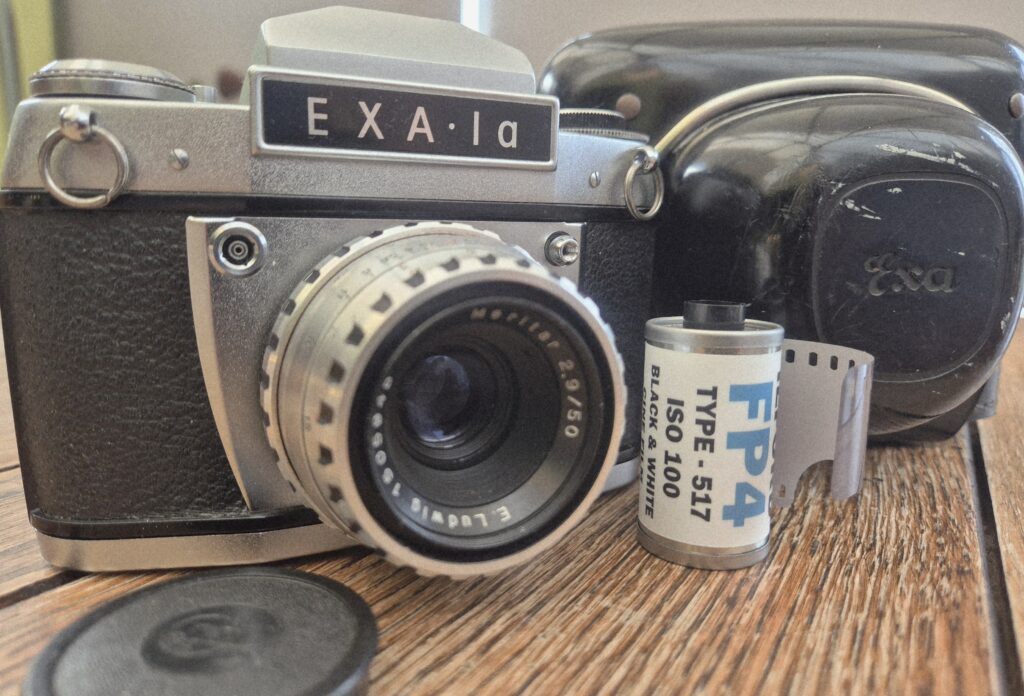
The technical limitations of the Exa Ia are central to its therapeutic value. Unlike modern digital cameras that offer near-infinite shutter speeds and automated focusing, the Exa Ia provides only four shutter settings: 1/175, 1/125, 1/60, and 1/30, plus a bulb setting for long exposures. The camera’s architecture is famously "quirky," featuring a left-handed shutter release that challenges the muscle memory of most photographers.
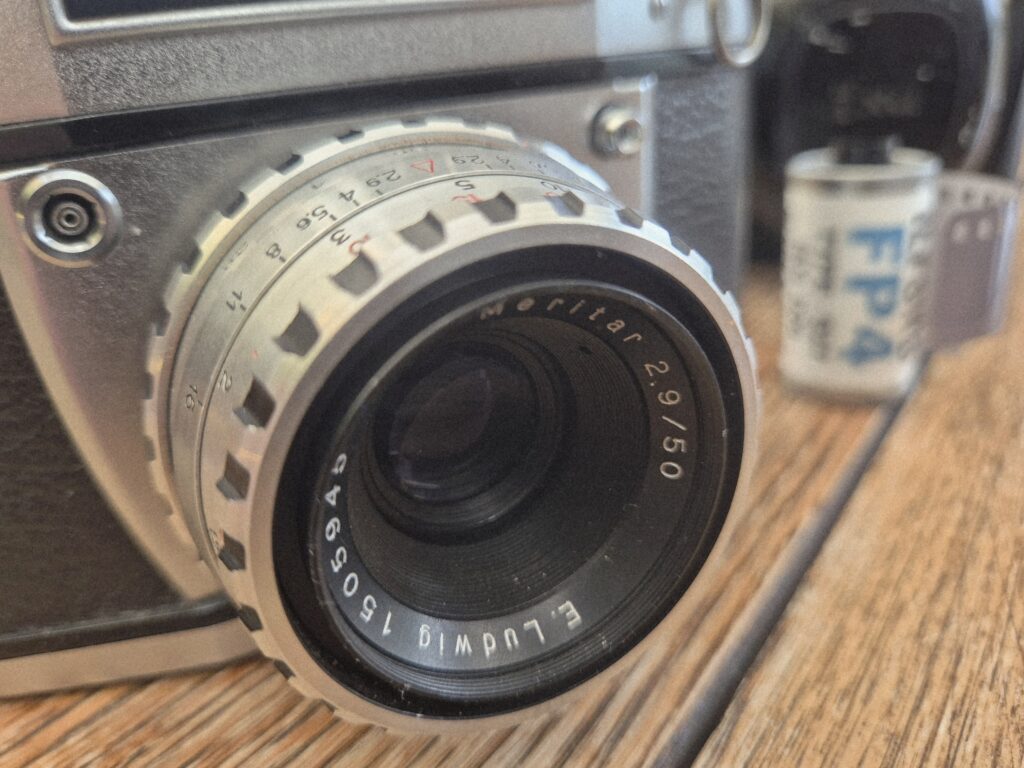
The lens paired with the body for this project was the E. Ludwig Meritar 50mm f/2.9. This lens utilizes the "Cooke Triplet" design, an optical arrangement dating back to the late 19th century consisting of three lens elements in three groups. The Meritar is noted in the analogue community for its "softness" and lack of modern coatings, which can lead to flare and reduced contrast. In a metaphorical sense, the subject noted an affinity for the lens, suggesting that its "softness" and "flaws" mirrored their own feelings of vulnerability during the recovery process.
Methodology of the Recovery Project
To ensure the project remained focused on the process rather than purely aesthetic outcomes, the subject established a standardized technical workflow. This consistency allows the photographer to focus on the sensory experience of shooting rather than the variables of different film stocks.
- Film Selection: For 35mm cameras, the project utilizes Ilford FP4 Type 517, rated at ISO 100. For medium format equipment, Fomapan 200 is the designated stock. Both choices are predicated on affordability, a necessary consideration for an individual currently out of work.
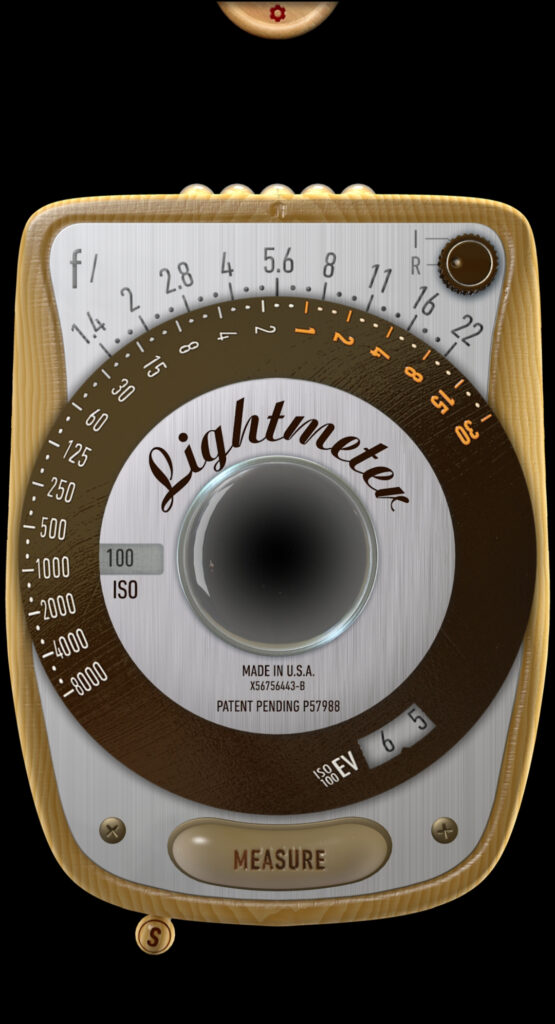
- Exposure Metering: Given the Exa Ia’s lack of internal metering, the subject utilized the "Light Meter" mobile application by David Quiles, opting for a digital tool that mimics a vintage interface.
- Chemical Processing: All film is self-developed using Bellini Hydrofen, a concentrated liquid developer known for producing fine grain and high sharpness.
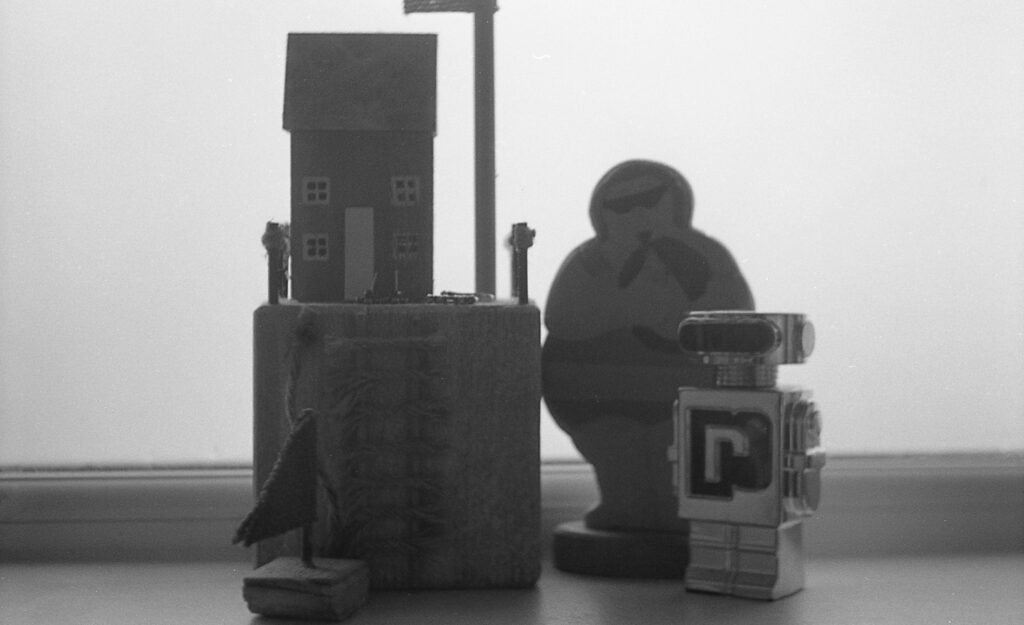
- Digital Integration: Post-development, negatives are scanned using an Epson V600 flatbed scanner. Adjustments are kept to a minimum—limited to dust removal and minor shadow/highlight tweaks—to preserve the "honest" output of the vintage optics.
Supporting Data: The Efficacy of Creative Mindfulness
The subject’s reliance on analogue photography as a recovery tool is supported by a growing body of psychological research. According to a 2023 report by the World Health Organization (WHO) on the impact of the arts on health and well-being, engaging in "maker-based" creative activities can significantly reduce cortisol levels and alleviate symptoms of post-traumatic stress.
Furthermore, the concept of "slow photography" aligns with Mindfulness-Based Cognitive Therapy (MBCT). The requirement to manually advance film, set apertures without clicks, and wait days or weeks to see the results forces a "de-acceleration" of thought processes. For individuals suffering from the "noisy mind" associated with anxiety, this focus on the present moment—specifically the tactile requirements of loading a take-up spool or calculating a 1/60 shutter speed—serves as a grounding mechanism.
The educational sector has seen a 35% increase in stress-related leaves of absence since 2021, according to data from various national teaching unions. Projects like the one documented here represent a grassroots response to the lack of formal support for educators transitioning out of high-stress careers.

Broader Societal Implications and the Analogue Revival
The "redundant camera project" is emblematic of the broader "Analogue Renaissance" occurring across the globe. Despite the dominance of high-resolution digital imaging, film sales have seen a steady year-over-year increase of approximately 5% to 10% since 2015. While some of this is driven by nostalgia, a significant portion is attributed to "digital fatigue."
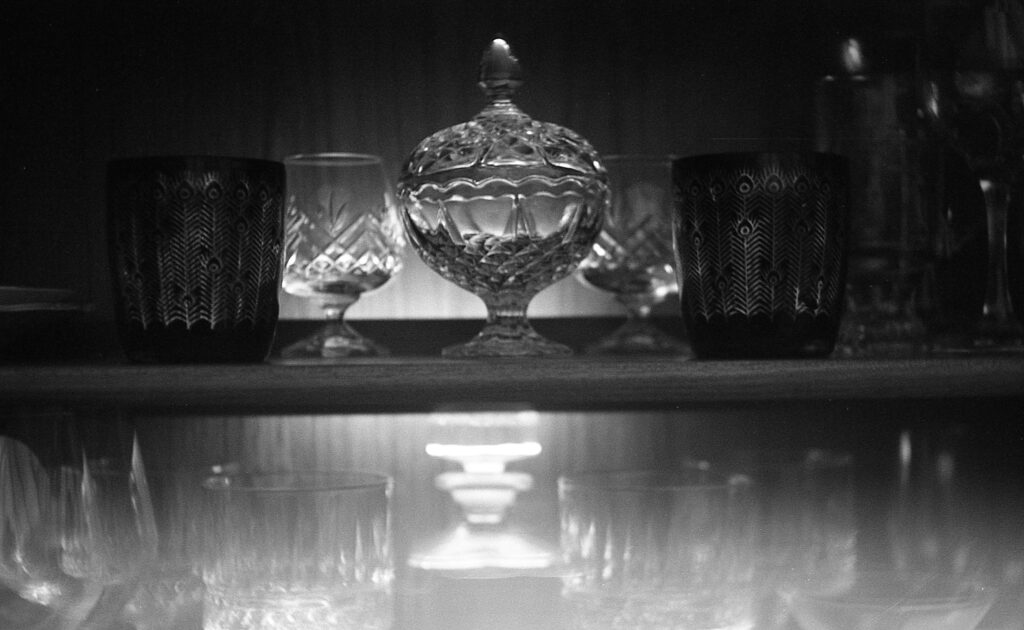
The subject’s experience suggests that the "life" remaining in these vintage tools can catalyze a similar discovery of "life" in the user. The act of "testing" a camera to see if it is still functional provides a low-stakes objective that can replace the high-stakes, often unattainable goals that lead to professional burnout.
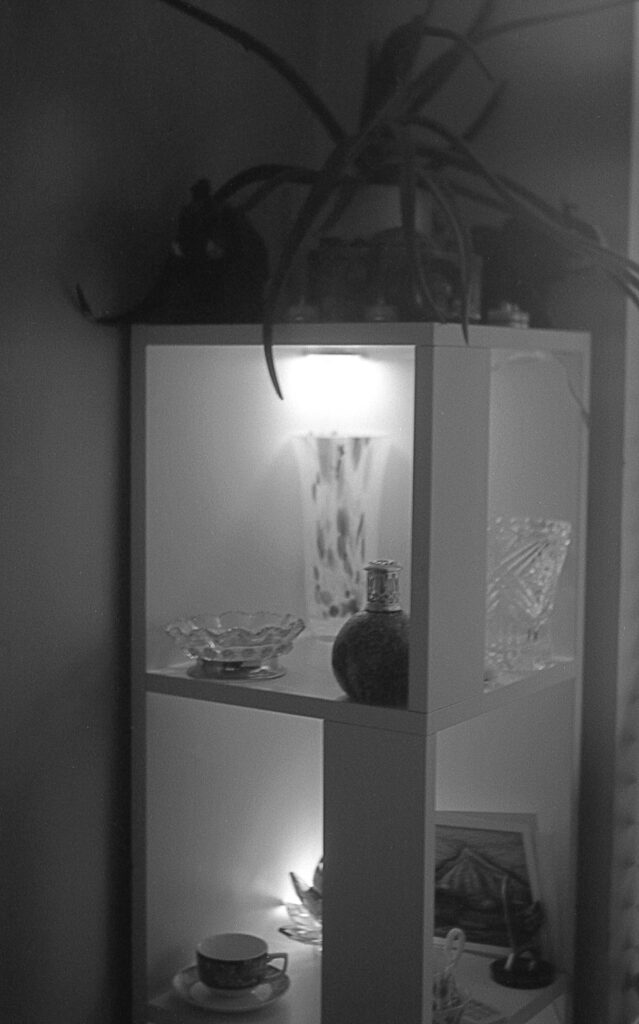
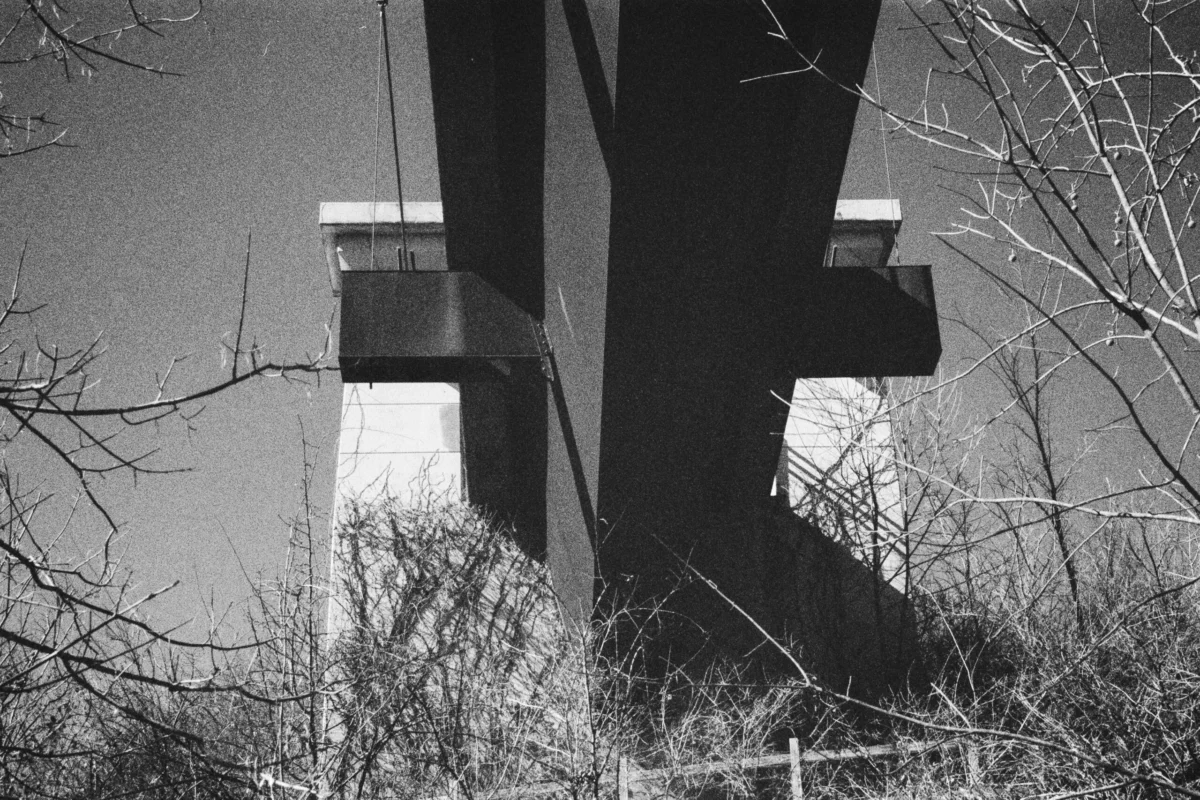
Industry experts and mental health advocates suggest that "creative journals" of this nature could eventually inform occupational therapy programs. By documenting the failures—such as the "Newton’s rings" found on the subject’s scans due to curled negatives or the frames that failed to expose—the individual learns to accept imperfection, a critical step in overcoming the perfectionism often found in the teaching profession.
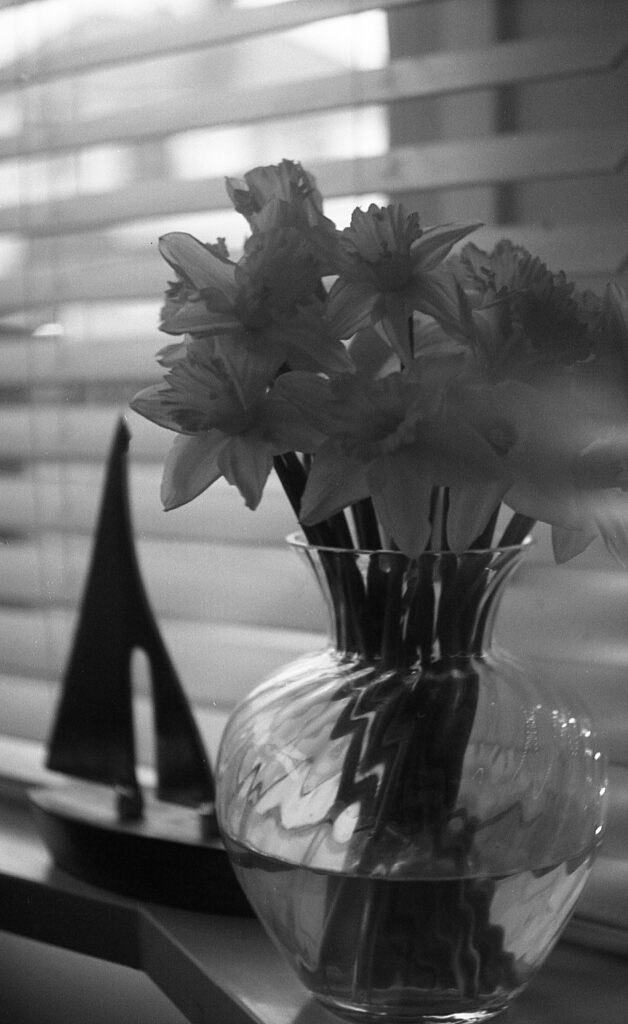
Conclusion and Future Outlook
While the subject of this case study emphasizes that they are not "fixed" and that the road to recovery remains long, the initial results of the Exa Ia experiment are promising. The transition from being "bereft of any inclination to do anything" to successfully developing a roll of film represents a measurable improvement in executive function and emotional regulation.
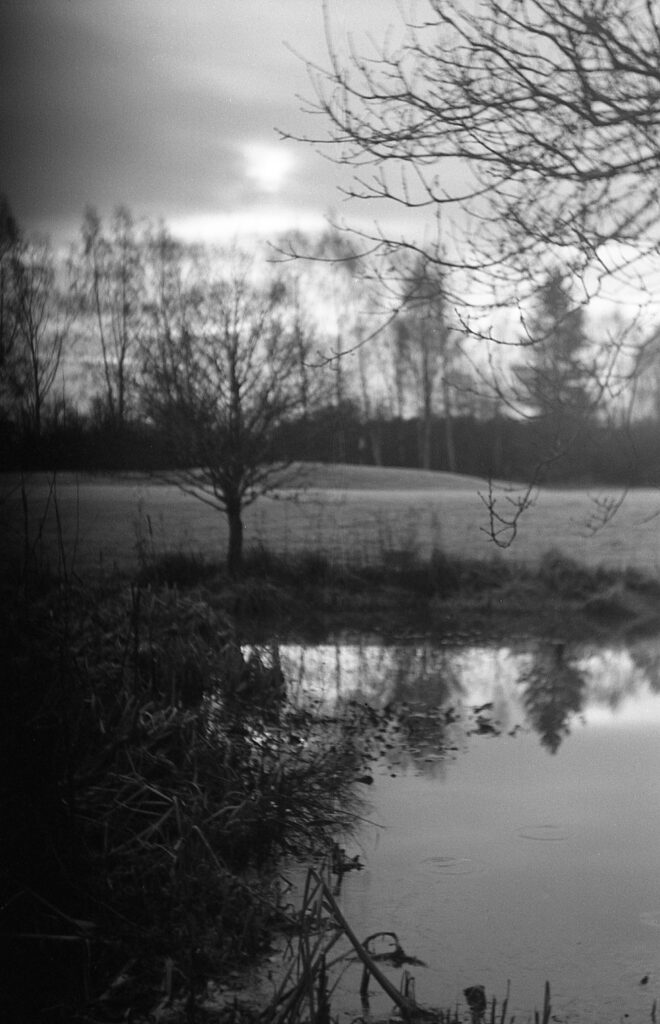
The project will continue with a roster of other "fallen" or "neglected" cameras, excluding high-end luxury brands like Leica or Hasselblad in favor of "cheap and cheerful" consumer-level kits. This focus on accessible technology reinforces the idea that the therapeutic benefits of creativity are not dependent on expensive equipment, but on the depth of the engagement with the process. As the subject moves forward, their documentation will serve as both a technical review of mid-century European optics and a personal record of psychological resilience in the face of modern professional collapse.