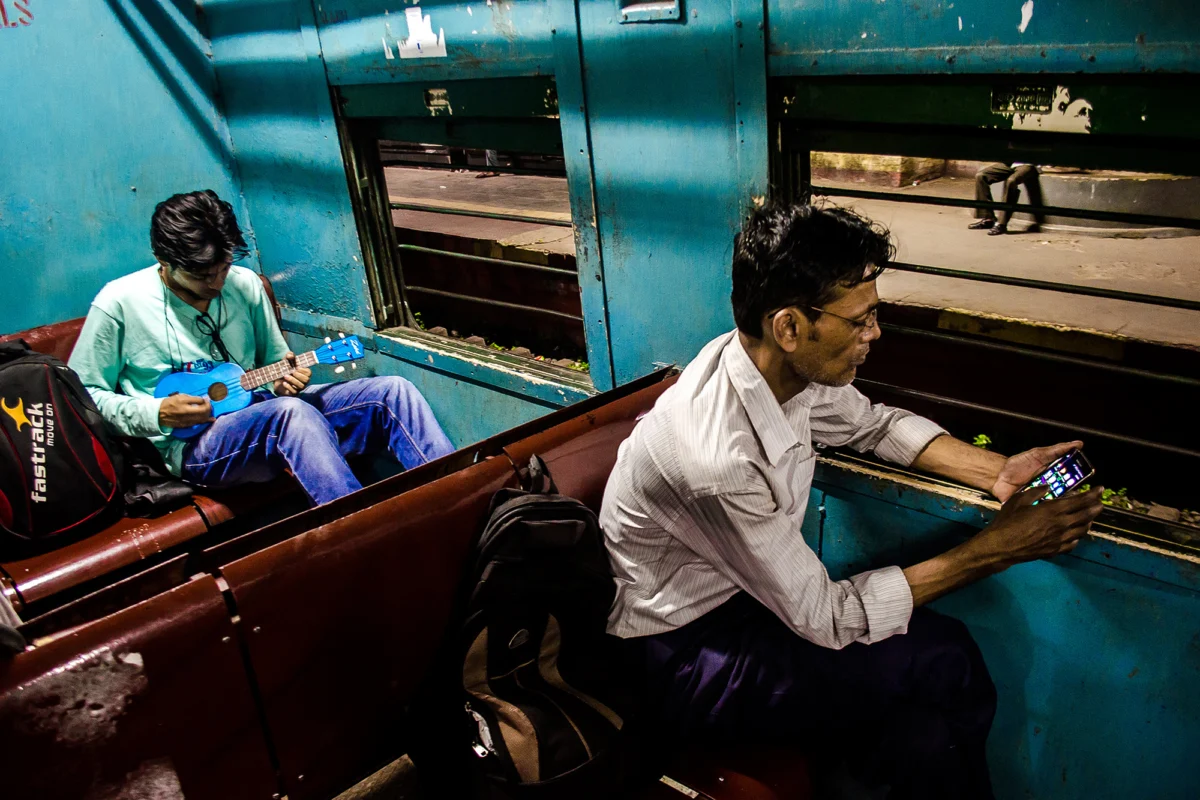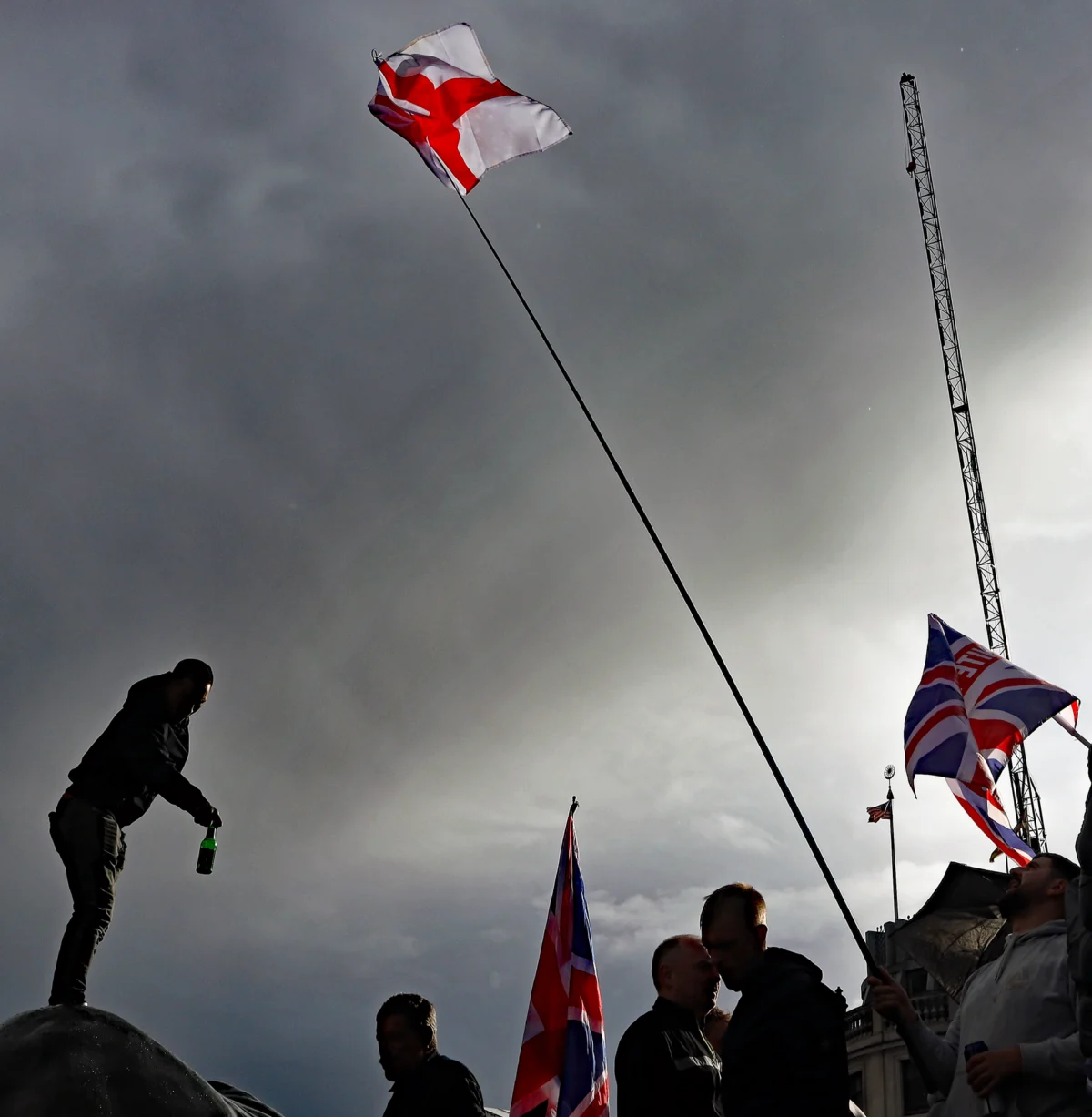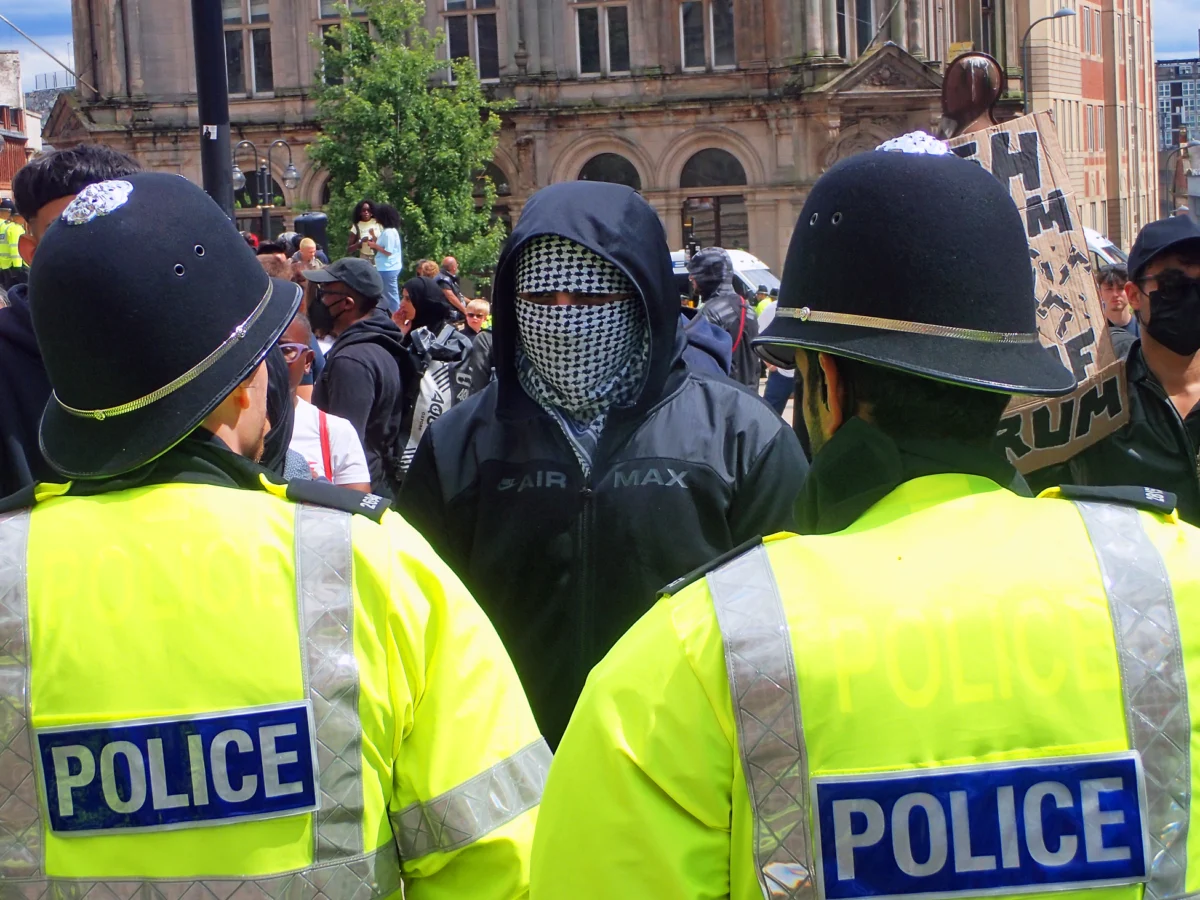
For years, the question of what elevates a street photograph from merely a captured moment to a truly "good" image has occupied the minds of photographers and critics alike. Michiel van Mens, a seasoned photographer and journalist, has dedicated significant research to this very topic, culminating in insightful articles and an upcoming book exploring the stylistic signatures of renowned street photographers. His investigations have consistently pointed to visual contrast as a crucial element, yet he acknowledges that compelling street photography often transcends this single criterion, prompting a deeper exploration into the art of suggestion and its profound impact on viewer engagement.
The journey into understanding what makes a street photograph resonate with an audience is complex, often defying simple categorization. Van Mens’s earlier work, including the article "The Photographic Signature of the Street Photographer," identified visual contrast as a fundamental condition for a successful street photograph. This contrast can manifest in various forms: thematic, such as highlighting social disparities; chromatic, through the interplay of colors; temporal, by juxtaposing different moments; kinetic, in the dynamism of action; or conceptual, by contrasting the ordinary with the extraordinary. His research has found empirical support for this, noting that in a comparative study of visitor responses to the "American Photography" exhibition at the Rijksmuseum in Amsterdam (scheduled for 2025), eight out of the ten most memorable photographs exhibited a clear visual contrast. This led to the tentative conclusion, detailed in his subsequent article "The ‘Good’ Photographs of American Photography," that visual contrast serves not only as a stylistic hallmark but also as a significant factor in how photographs are perceived and appreciated.
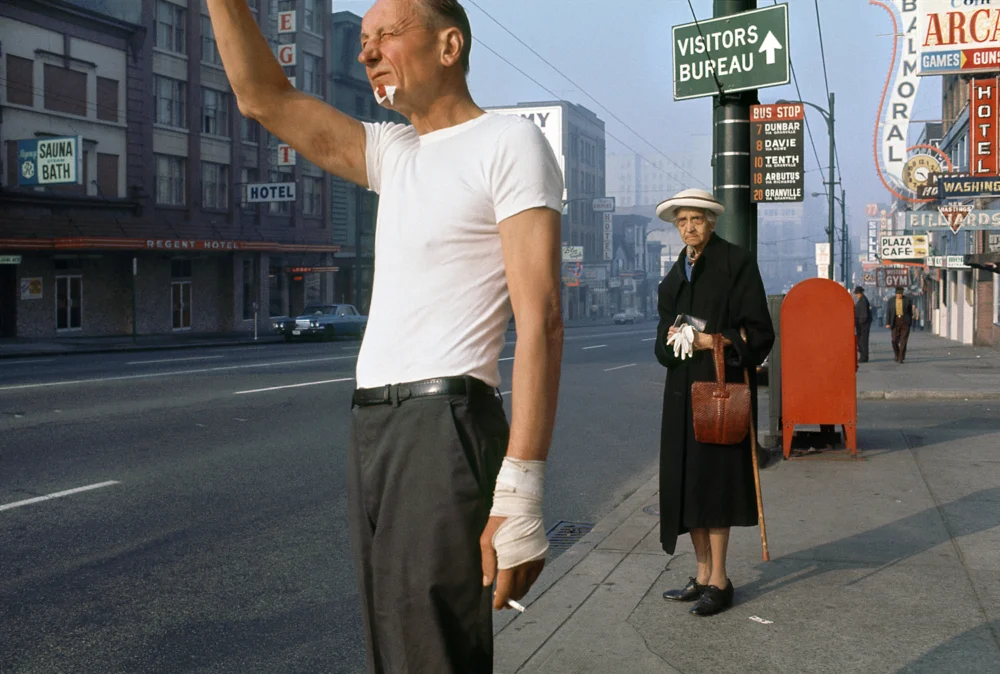
However, the narrative does not end with visual contrast. Van Mens points to Fred Herzog’s iconic "Man with Bandage" as a prime example of a street photograph that, despite a lack of overt visual contrast, remains deeply impactful. This observation necessitates a broader understanding of photographic appeal, leading to the examination of how different photographic genres are evaluated and the unique demands placed upon street photography.
Differentiating Photographic Genres: Purpose and Perception
The application of visual contrast, while relevant across genres like journalistic news photography, documentary photography, and street photography, is subject to distinct interpretative frameworks. A photograph deemed "good" in one context may not meet the same standards in another, a difference largely attributable to the intended purpose of the image.
Journalistic News Photography: The primary objective of news photography is to convey information factually and immediately. These images serve to clarify and contextualize news events, often accompanying written articles. Their power lies in their ability to encapsulate a moment of significance, becoming symbolic representations of historical occurrences. Iconic examples such as Robert Capa’s "The Falling Soldier" from the Spanish Civil War or Eddie Adams’s "Saigon Execution" (1968) exemplify this, visualizing events rather than dictating a complete narrative. The aesthetic quality, whether deemed beautiful or ugly, is secondary to the clarity and impact of the information conveyed.
Documentary Photography: In contrast, documentary photography typically operates as a series of interconnected images, constructing a narrative that unfolds across multiple frames. The meaning of an individual photograph is intrinsically linked to its companions within the series. Consequently, the overall impact and effectiveness of the series are paramount, diminishing the individual significance of any single image’s aesthetic merit or perceived "goodness" in isolation.
Street Photography: Street photography occupies a unique position. Each photograph, even when presented as part of a series, generally stands as a self-contained entity. The overarching goal is to imbue everyday urban life with a distinctive quality. Lacking the support of accompanying text or a fixed contextual framework provided by other images, a successful street photograph must possess sufficient inherent qualities to generate meaning for the viewer on its own.
The Power of Unanswered Questions: Suggestion as a Driving Force
Van Mens’s research has revealed a compelling counterpoint to the primacy of visual contrast. In his comparative study of visitor responses to the "American Photography" exhibition, two photographs that garnered significant attention—Bryan Schutmaat’s "Paul" from the series "Grays the Mountain Sends" and Amanda Lopez’s "Homegirls"—demonstrated a notable absence of clear visual contrast. What these images share, according to van Mens, is their ability to provoke rather than provide answers. They function as narrative incipits, inviting the viewer to actively participate in completing the story.
This quality of suggestion is a recurring theme in the work of many acclaimed street photographers. The strength of their images often resides in what remains unsaid, unshown, or unstated, offering more through implication than through literal depiction. This resonates with the observations of French philosopher Gilles A. Tiberghien, who, in a wall text for an exhibition of anonymous photographs collected by Marion and Philippe Jacquier at the Rencontres d’Arles in 2025, articulated that "Each image could be the beginning of a story, a poem, a film, the starting point of a series of other images which, by crossing and re-crossing one another, would form a gigantic interchange of dreams and fictions." This perspective highlights how a single photograph can act as a catalyst for imagination, weaving a complex tapestry of dreams and personal interpretations.
The cinematic realm offers compelling parallels to this principle of suggestion. Filmmakers like Alfred Hitchcock masterfully employed suspense, a technique that relies on implying rather than explicitly showing dramatic events. In "Psycho" (1960), the audience experiences terror not through graphic violence but through subtle cues like the tip of a knife, a shower curtain, and darkened water, effectively conveying the horror through suggestion alone. Similarly, Stanley Kubrick’s use of suggestion in "The Shining," where the audience witnesses Jack Torrance’s axe breaking through a bathroom door without a literal depiction of the act, creates a more potent and suspenseful experience than an explicit portrayal might achieve.
Street photography can achieve similar evocative power. Even in the absence of overt visual contrast, a photograph can become compelling by embedding elements that stimulate the viewer’s imagination. This transference of narrative and interpretation to the viewer’s mind is a hallmark of successful street photography. As Robert Doisneau eloquently put it, "The photographs that interest me, that I consider successful, are those that do not close the story, that do not tell it completely, but remain open—photographs that form a stepping stone toward a dream."
Fred Herzog’s "Man with Bandage": A Masterclass in Suggestion
Fred Herzog’s "Man with Bandage" stands as a quintessential example of a street photograph that thrives on its suggestive power, even without pronounced visual contrast. The image masterfully elicits a cascade of questions, leaving the viewer to construct potential narratives. What is the woman in the background observing? What is the man’s purpose or occupation? The reason for the bandage on his chin remains a mystery. The setting, potentially a Sunday morning, adds another layer of ambiguity. Furthermore, the sign for the "Visitors Bureau" beckons with an unspoken invitation, its destination and purpose undefined within the frame. The photograph offers no definitive answers, deliberately withholding them to grant the viewer the freedom to engage their own imagination. This deliberate ambiguity fosters careful observation and encourages the viewer to become an active participant in envisioning possible scenarios.

From Theory to Practice: Cultivating Suggestion in Street Photography
Van Mens posits that the pursuit of a "good" street photograph is not a matter of serendipity but a deliberate practice. By understanding the principles at play, photographers can actively cultivate the elements that contribute to compelling imagery. While visual contrast offers a tangible compositional tool, the principle of suggestion serves as a potent technique for enhancing the quality and impact of street photographs.
Through an analysis of numerous street photography books, van Mens has identified eight recurring forms of suggestion that photographers can employ:
-
Omission: Suggestion begins with what is intentionally left out of the frame. Just as Steven Spielberg’s "Jaws" generated immense suspense by rarely showing the shark, relying instead on audience fear and ominous music, street photography can achieve a similar effect by withholding explicit details. The unseen can often be more powerful than the seen.
-
Blur: The strategic use of blur can obscure information, whether through out-of-focus backgrounds or motion blur that hints at movement without fully revealing it. This can create a sense of mystery or draw attention to specific elements within the scene.
-
Interior/Exterior Juxtaposition: Photographs that simultaneously depict interior and exterior spaces, often captured through windows or shopfronts, can create a sense of voyeurism and draw viewers into layered realities.
-
Disruption of Normality: Images that include an element that seems out of place or incongruous can immediately pique the viewer’s curiosity, prompting them to question the context and meaning.
-
Strategic Distance: Depicting an event or subject at a distance, just beyond clear visibility, can imbue the image with an air of mystery and encourage the viewer to piece together the narrative.
-
Play with Proportions: The juxtaposition of large and small elements within a single frame can generate visual tension and invite interpretation regarding scale and significance.
-
Estrangement or Surrealism: Presenting reality in a slightly illogical or dreamlike manner can create a sense of unease or wonder, prompting viewers to question their perceptions.
-
Evocative Facial Expressions: The nuanced expression of a subject’s face can convey a wealth of emotion and untold stories, acting as a powerful catalyst for viewer empathy and speculation.
The Synergy of Contrast and Suggestion: Crafting Iconic Images
In conclusion, the creation of a "good" street photograph is an active pursuit, achievable through a conscious understanding of its constituent elements. While the presence of clear visual contrast offers a strong foundation, the deliberate application of suggestion—raising questions rather than providing definitive answers—is crucial for engaging the viewer’s imagination and fostering a lasting impression.
The ultimate goal for a street photographer, according to van Mens, is to achieve a potent synergy between these two principles. When visual contrast is combined with the art of suggestion, the potential for creating an iconic street photograph is significantly amplified. This approach transforms the street photographer from a mere observer into a "dramatist," actively orchestrating scenes and evoking emotional responses. The work of American photographer Gregory Crewdson, particularly his staged series "Eveningside," serves as a testament to this method, demonstrating how the deliberate construction of narrative and atmosphere can lead to profoundly impactful imagery.
By embracing both the tangible elements of visual composition and the intangible power of implication, street photographers can transcend the ordinary and capture moments that resonate deeply, inviting viewers into a world of ongoing exploration and imaginative discovery.