The evolution of mobile telephony has reached a critical juncture where the hardware capabilities of smartphones, specifically the Apple iPhone, are increasingly overlapping with professional-grade digital single-lens reflex (DSLR) and mirrorless camera systems. As Apple continues to integrate sophisticated multi-lens arrays into its flagship devices, the distinction between casual snapshots and professional photography has blurred. This technological leap has necessitated a new wave of educational resources, such as those provided by the iPhone Photo Academy, to assist users in navigating the complexities of Wide, Ultra Wide, and Telephoto optics. Understanding the mechanical and digital interplay of these lenses is no longer a niche requirement for enthusiasts but a fundamental skill for the modern mobile user seeking to maximize the utility of their high-end hardware.
The Architectural Shift: From Single Lens to Triple-Lens Arrays
For the first decade of its existence, the iPhone relied on a single primary lens. This constraint forced users to rely on physical movement or digital zoom—a process that involves cropping an image and sacrificing resolution—to frame their shots. The paradigm shift began in earnest with the introduction of the dual-lens system on the iPhone 7 Plus in 2016, which introduced a Telephoto lens for optical zooming and depth-of-field effects. By 2019, with the release of the iPhone 11 Pro, Apple solidified the triple-lens configuration that has become the industry standard for "Pro" designated devices.
The current flagship models typically feature three distinct focal lengths. The Wide lens, often referred to as the "Main" camera, serves as the workhorse of the system. It usually features the largest sensor and the fastest aperture, making it the most capable in low-light conditions. The Ultra Wide lens provides a much broader field of view, typically around 120 degrees, allowing for expansive landscape photography and architectural shots that would otherwise be impossible in cramped quarters. Finally, the Telephoto lens provides optical magnification, allowing users to capture distant subjects without the pixelation associated with digital zoom.
A Chronology of iPhone Optical Innovation
To understand the current state of iPhone photography, one must examine the chronological progression of its camera technology. Each iteration has introduced a specific hardware or software capability that changed how consumers interact with visual media.
- 2007–2015: The Foundation. Early iPhones featured fixed-focus cameras with small sensors. The iPhone 4 (2010) was a turning point, introducing a 5-megapixel sensor and high-definition video, which contributed to the rise of Instagram and mobile-first social media.
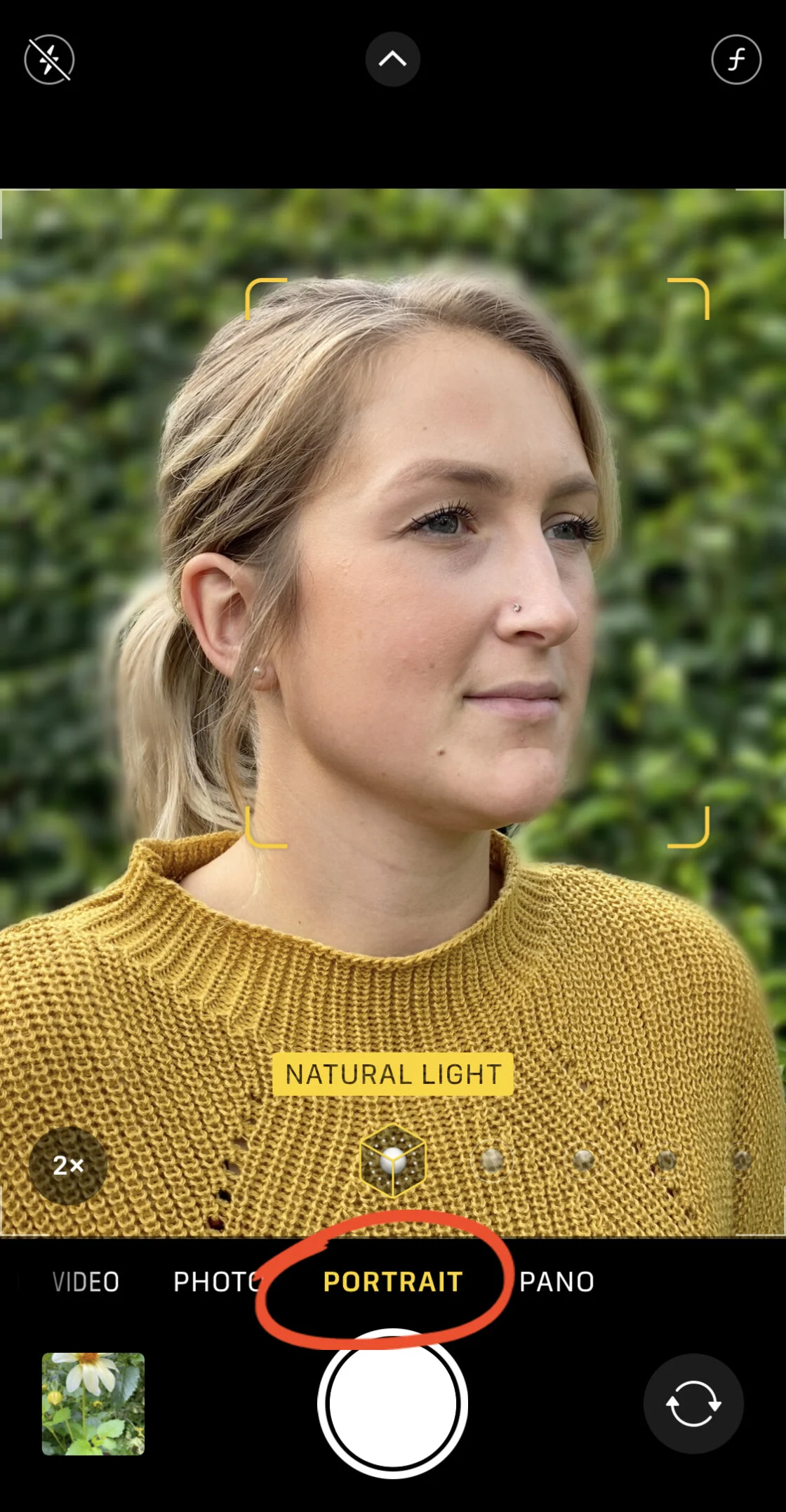
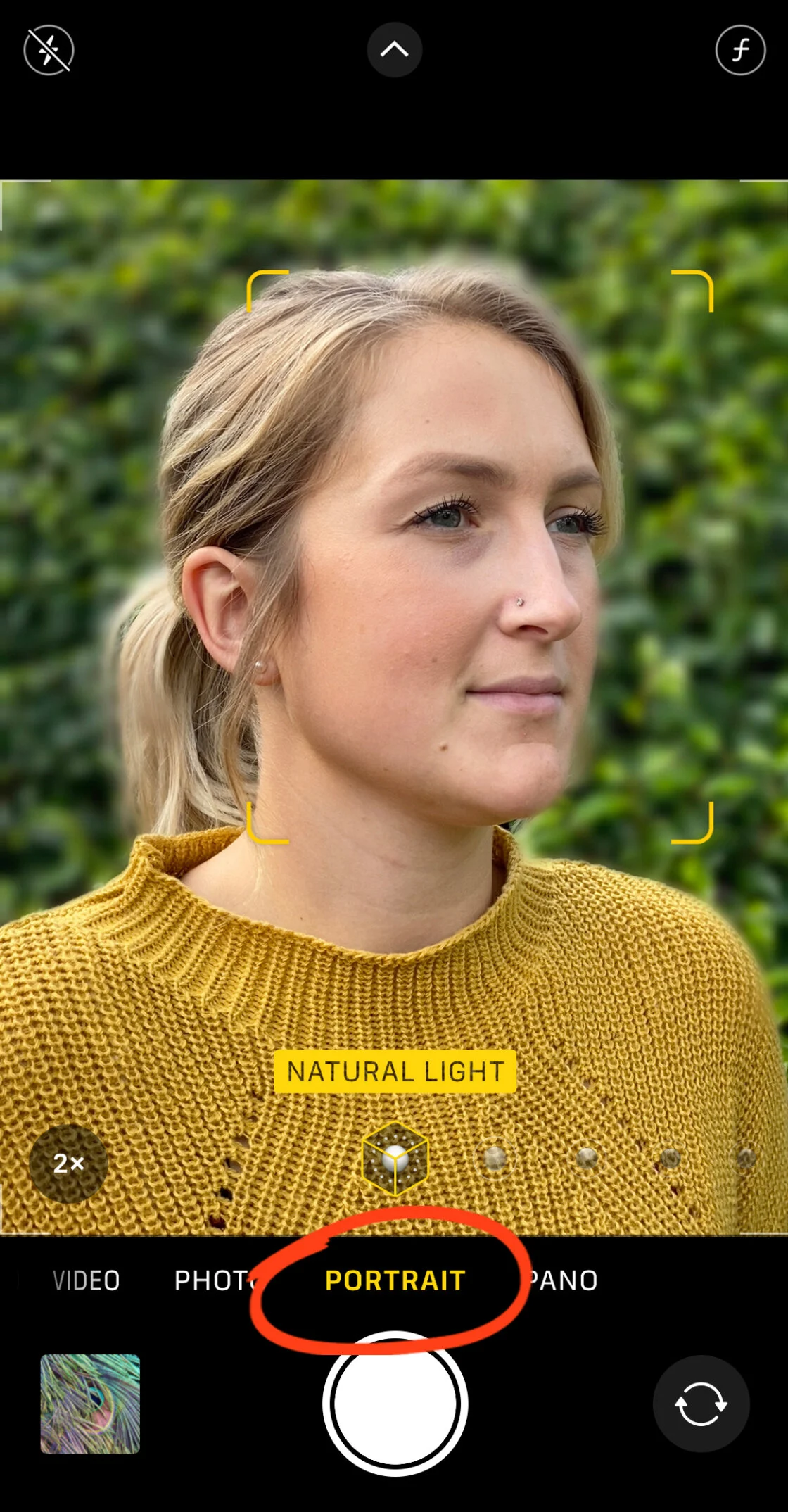
- 2016: The Dual-Lens Era. The iPhone 7 Plus introduced the second lens, enabling "Portrait Mode." This used computational photography to simulate "bokeh"—the aesthetic blur of the background—traditionally only achievable with large-sensor cameras and wide-aperture lenses.
- 2019: The Triple-Lens Standard. The iPhone 11 Pro introduced the Ultra Wide lens and Night Mode. This allowed the device to capture images in near-total darkness by using long-exposure stacking algorithms.
- 2020–2022: Sensor-Shift and ProRAW. Apple introduced sensor-shift optical image stabilization (OIS) and the ProRAW format. ProRAW gave photographers the ability to capture image data without the heavy-handed processing typical of smartphones, allowing for professional-grade post-production.
- 2023–2024: The 48-Megapixel Leap. The transition to a 48-megapixel main sensor allowed for "quad-pixel" binning, which combines four pixels into one large "super-pixel" for better low-light performance, or uses the full resolution for extreme detail in bright light.
Technical Specifications and Comparative Performance Data
The efficacy of the iPhone’s multi-lens system is rooted in its technical specifications. According to hardware analysis from industry experts, the "Main" Wide lens on recent Pro models features a 24mm equivalent focal length with an f/1.78 aperture. This wide aperture allows a significant amount of light to hit the sensor, which is crucial for maintaining a high signal-to-noise ratio.
In contrast, the Ultra Wide lens typically operates at a 13mm equivalent focal length with an f/2.2 aperture. While the aperture is narrower, the lens’s ability to capture a massive field of view makes it indispensable for creative perspectives. Data from user behavior studies suggest that the Ultra Wide lens is most frequently used in travel photography, where capturing the scale of monuments or natural vistas is a priority.
The Telephoto lens has seen the most dramatic variation in recent years. The iPhone 15 Pro Max, for instance, introduced a tetraprism design that allows for 5x optical zoom (120mm equivalent). This is a significant jump from the 3x zoom (77mm equivalent) found on previous models. For users, the choice of lens is not merely about "getting closer" to a subject; it is about "lens compression." A Telephoto lens narrows the field of view and makes the background appear closer to the subject, a technique frequently used in professional portraiture and fashion photography.
The Role of Computational Photography and AI
The physical lenses are only half of the story. The "brain" of the iPhone—the A-series Bionic or Pro chips—performs billions of operations per second to enhance the output of these lenses. This process, known as computational photography, involves techniques like Deep Fusion and Smart HDR.
Deep Fusion, for example, analyzes multiple exposures at the pixel level to optimize for texture and detail in medium-to-low light. Smart HDR 5 uses artificial intelligence to recognize subjects within a frame and adjust the lighting, skin tones, and color balance individually. This ensures that even if a user chooses the "wrong" lens for a specific lighting condition, the software can often compensate to produce a usable image. However, as instructors like Kate Wesson emphasize in the iPhone Photo Academy, software cannot replace the fundamental physics of light; choosing the correct lens for the composition remains the primary factor in photographic quality.
Educational Demands and Market Response
As the hardware has grown more complex, a significant "knowledge gap" has emerged among consumers. Market research indicates that while approximately 90% of smartphone users take photos daily, fewer than 15% understand the technical differences between their device’s multiple lenses. This discrepancy has fueled the growth of specialized educational platforms.
The iPhone Photo Academy, highlighted by Kate Wesson, represents a broader industry trend toward "mobile-first" technical education. These courses aim to demystify the hardware, teaching users about the "Goldilocks zone" for each lens. For instance, the Ultra Wide lens can cause "barrel distortion" at the edges of the frame, which can make people look stretched or unnatural. Conversely, using the Telephoto lens in low light may trigger the phone to automatically switch back to a cropped version of the Wide lens if the software determines there isn’t enough light for the Telephoto sensor’s smaller aperture. Understanding these nuances allows users to take control of the device rather than letting the auto-settings make creative decisions.
Industry Reactions and Professional Implications
The professional photography community has had a mixed but increasingly accepting reaction to the iPhone’s lens advancements. While purists argue that a smartphone can never replace a full-frame sensor due to the laws of physics regarding light gathering, many photojournalists and commercial photographers have integrated the iPhone into their workflows.
"The best camera is the one that’s with you," is a common adage in the industry, but with the advent of the 48MP sensor and 5x optical zoom, the iPhone is no longer just a backup. Agencies like Getty Images and Reuters have increasingly accepted mobile-captured content for breaking news, provided the image quality meets their stringent resolution standards. The ability to switch between a 13mm wide-angle and a 120mm telephoto instantly gives a lone reporter the versatility that previously required a heavy bag of glass lenses.
Broader Impact and Future Outlook
The democratization of high-quality optics has profound implications for digital culture. The ubiquity of the Wide and Ultra Wide lenses has changed the visual language of social media, moving away from the grainy, filtered look of the early 2010s toward a high-fidelity, "hyper-real" aesthetic.
Looking forward, industry analysts predict that the next frontier for iPhone lenses will involve periscope technology and even larger sensors. There are also rumors of "liquid lenses" or "metalenses" that could use electrical currents to change focal lengths without moving parts, potentially slimming down the "camera bump" that has become a staple of modern smartphone design.
Furthermore, the integration of LiDAR (Light Detection and Ranging) on Pro models has opened the door for enhanced Augmented Reality (AR) and improved autofocus in low light. By creating a 3D map of the environment, the iPhone can assist the lenses in finding focus almost instantaneously, even in pitch-black conditions.
In conclusion, the multi-lens system of the modern iPhone is a feat of engineering that marries traditional optical physics with cutting-edge silicon. However, the hardware is only as effective as the person operating it. As Apple continues to push the boundaries of what is possible with a mobile sensor, the importance of technical literacy—facilitated by platforms like the iPhone Photo Academy—will only grow. For the user, the decision of which lens to use is the first and most critical step in the creative process, turning a piece of consumer electronics into a powerful tool for visual storytelling.