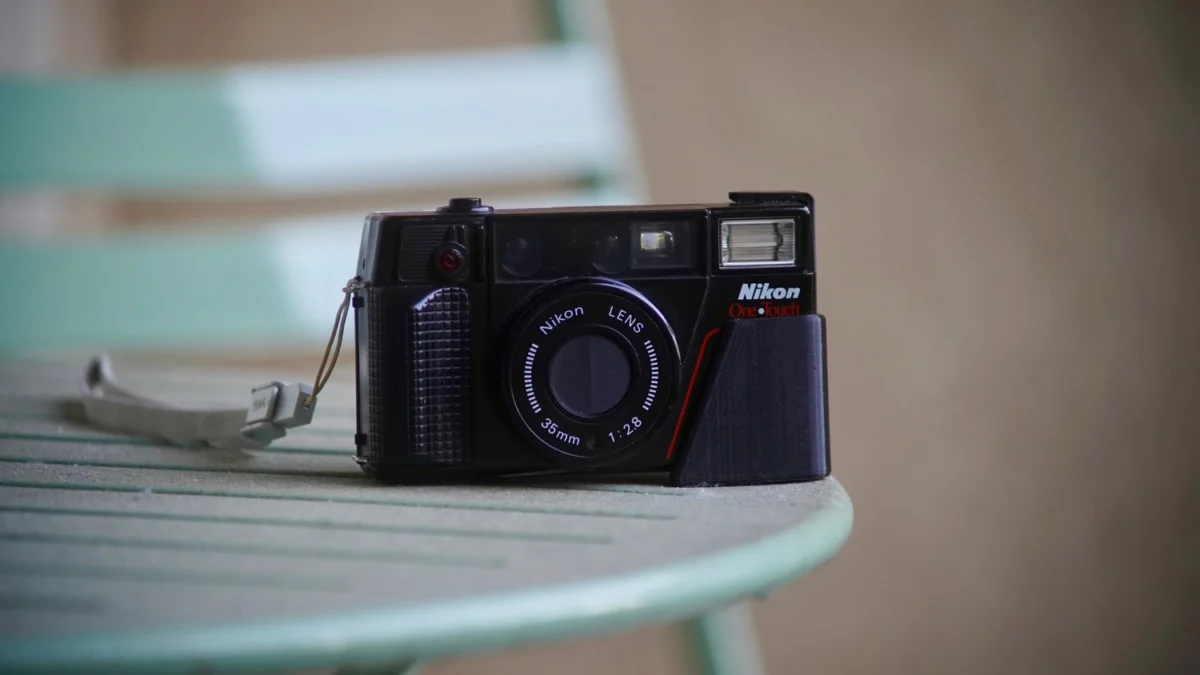
The release of the Nikon L35AF2 in 1985 marked a significant refinement in the consumer photography market, representing a pivotal era where professional-grade optics met the burgeoning demand for fully automated, "point-and-shoot" convenience. Known in various markets as the "One Touch" or the successor to the "Pikaichi" (a Japanese term meaning "top notch"), the L35AF2 consolidated Nikon’s reputation for optical excellence within a chassis designed for the everyman. In the decades following its release, the camera has transitioned from a ubiquitous household tool to a coveted artifact of the analog renaissance, driven by a global resurgence in film photography and a collective nostalgia for the aesthetic output of 1980s engineering.
Technical Specifications and Optical Engineering
At the heart of the Nikon L35AF2 is its 35mm f/2.8 lens, an optical assembly consisting of four elements in three groups. This specific configuration is frequently compared to the legendary Zeiss Sonnar design, known for delivering high contrast and edge-to-edge sharpness that often exceeds the requirements of casual snapshots. Unlike many contemporary plastic-lens competitors of the mid-1980s, the L35AF2 utilized high-quality glass, ensuring that images remained crisp even when enlarged.
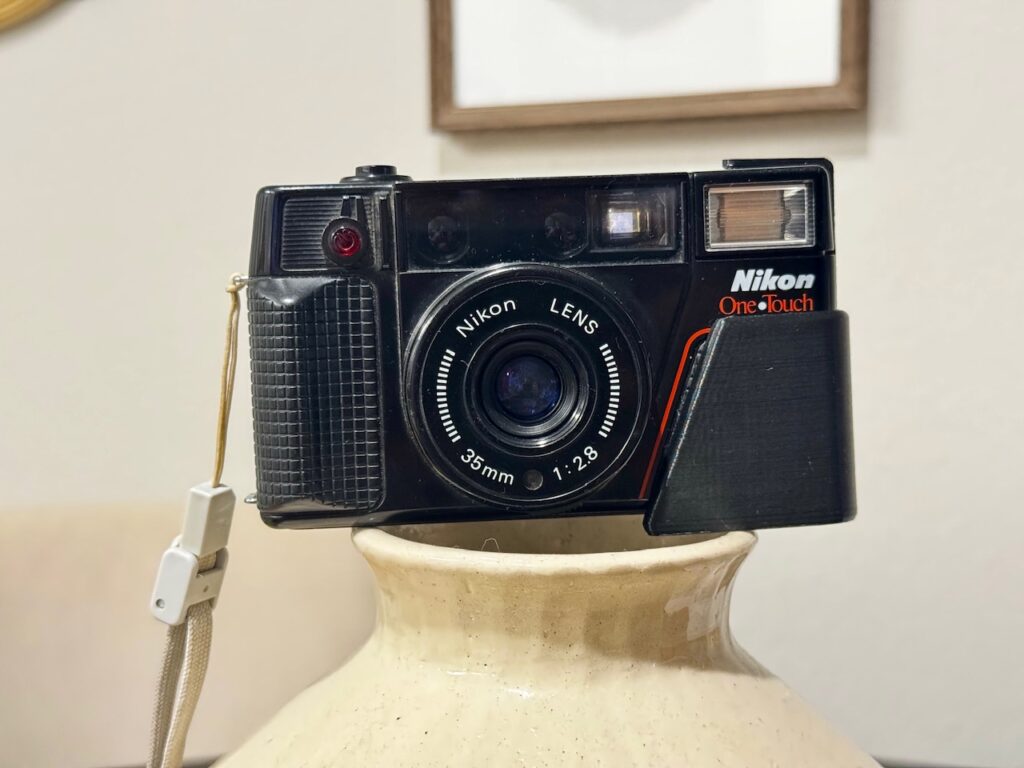
The "One Touch" branding was not merely a marketing slogan but a technical description of the camera’s operational philosophy. The device featured a fully automated exposure system, programmed to handle shutter speeds and aperture settings without user intervention. The integration of DX (Digital Exchange) coding was a major advancement over its predecessor, the L35AF. While the original model required users to manually set the ISO via a dial on the lens barrel, the L35AF2 automatically read the ISO from the film canister, supporting speeds from ISO 50 to 1600. This automation reduced the margin for human error, ensuring that film was exposed correctly based on the manufacturer’s specifications.
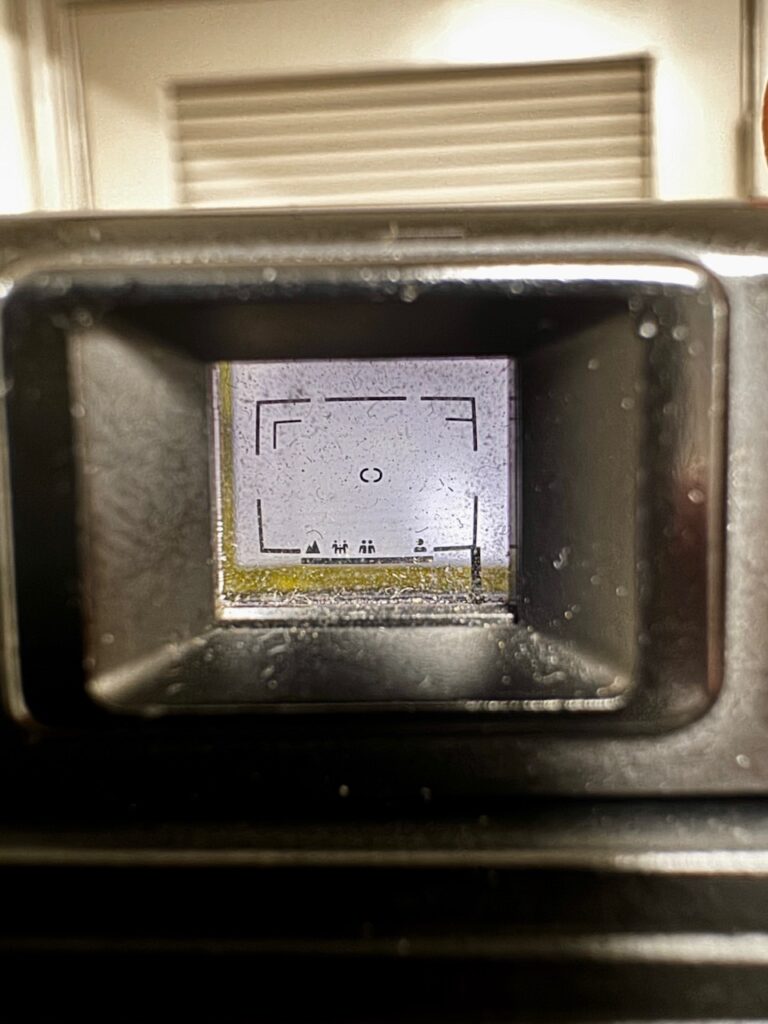
The autofocus system employed an active infrared mechanism, a hallmark of 1980s innovation. By emitting an infrared beam and measuring its reflection, the camera could determine distance even in low-light conditions where passive systems might fail. The viewfinder provided a needle-scale indicator with icons representing a single person (0.7m), two people, a group, and a mountain range (infinity), allowing the photographer to verify focus before fully depressing the shutter.
Historical Context and Product Chronology
To understand the L35AF2, one must look at the timeline of Nikon’s compact camera development. The original L35AF, released in 1983, was Nikon’s first autofocus compact camera. It was a massive commercial success, proving that the Nikon brand could thrive outside the professional SLR (Single Lens Reflex) market.
By 1985, the L35AF2 was introduced to streamline the design and address specific user feedback. Key changes included:

- The Integrated Lens Cover: The L35AF2 replaced the easily lost clip-on lens caps of the original model with a sliding physical barrier linked to the power switch.
- DX Coding: As mentioned, the automation of film speed detection.
- Flash Mechanism: The pop-up flash became more automated, though it retained a manual override feature—users could push the flash unit back into the body to prevent it from firing in sensitive environments.
- Filter Compatibility: While the original L35AF featured a 46mm filter thread, the L35AF2 moved toward a more enclosed design, which necessitated third-party or 3D-printed solutions for modern users wishing to use color filters or lens hoods.
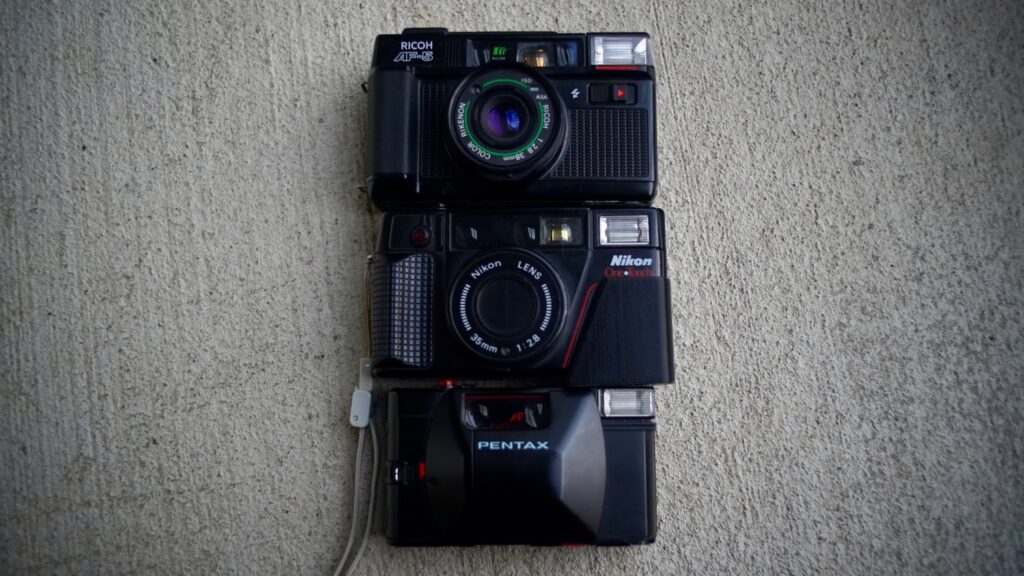
This era represented the "Golden Age" of the electronic point-and-shoot, preceding the ultra-compact "capsule" designs of the 1990s, such as the Olympus Mju series. The L35AF2 maintained a "brick-like" form factor, prioritizing internal volume for robust motor drives and AA battery compatibility over pocketability.

Market Trends and the Analog Resurgence
In the contemporary secondary market, the Nikon L35AF2 has seen a dramatic appreciation in value. Data from online auction platforms and specialized vintage camera retailers indicate that units in excellent working condition now command prices between $150 and $300 USD. This is a significant increase from the early 2010s, when such cameras were frequently found in thrift stores for less than $20.

The drivers of this price hike are multifaceted. First, the "influencer effect" has played a substantial role. High-profile photographers and social media personalities have highlighted the L35AF2 for its "vintage look"—characterized by the specific color rendering of its glass lens and the nostalgic grain of 35mm film. Second, there is a diminishing supply of functional units. Unlike mechanical SLRs from the 1960s, which can often be repaired by a skilled technician, 1980s point-and-shoots rely on proprietary integrated circuits and aging plastic gears. When the electronics fail, the cameras often become "bricked," meaning they are unrepairable. This finite supply creates a high-demand, low-supply economic environment.

Structural Integrity and the Battery Door Paradox
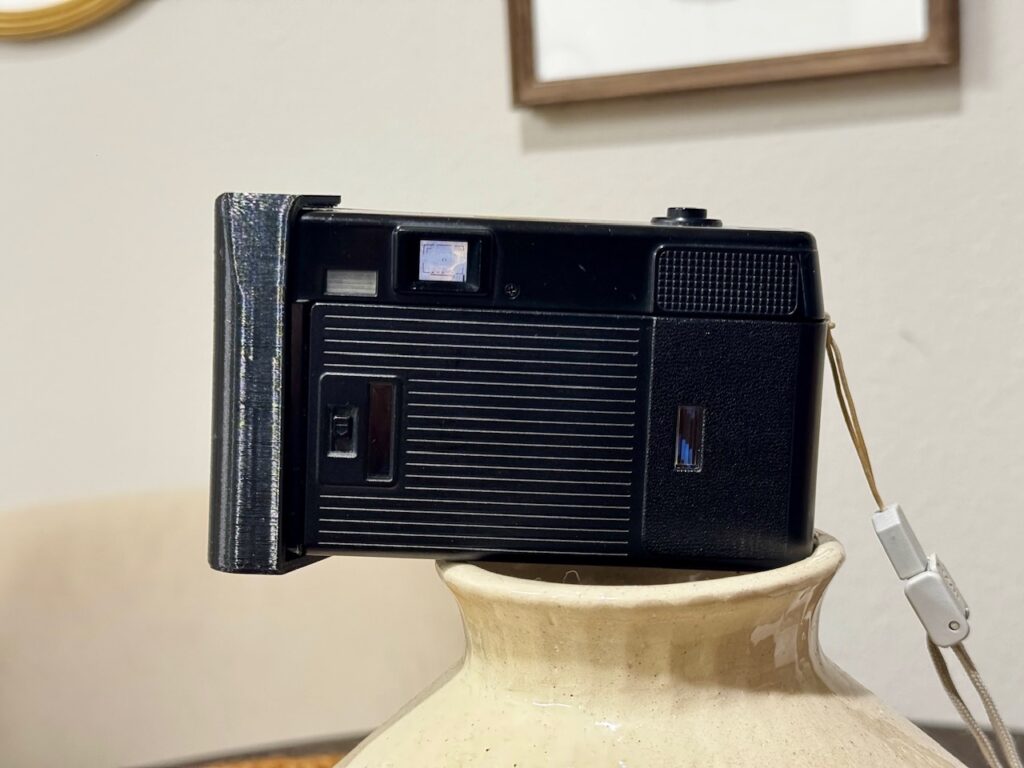
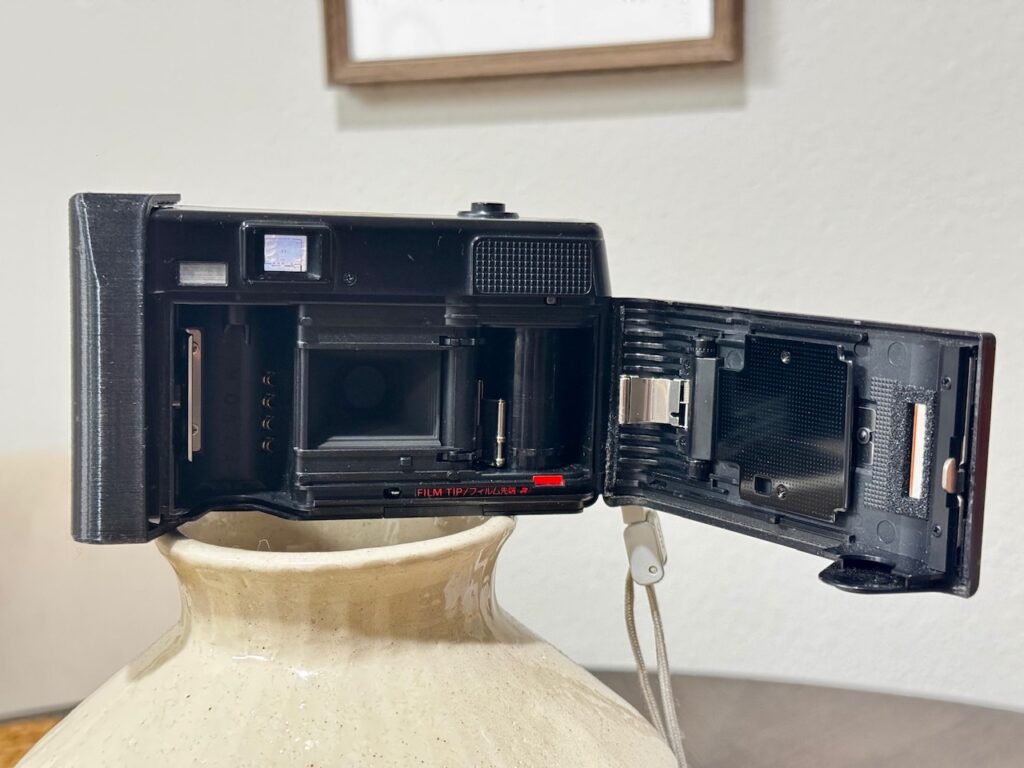
A critical point of analysis for any prospective owner of the L35AF2 is the durability of its polycarbonate construction. While the camera was built to be "consumer-tough," it possesses a well-documented engineering flaw: the battery door latch. The pressure exerted by two AA batteries against the plastic door, combined with the natural degradation of polymers over forty years, leads to frequent fractures in the latching mechanism.

This issue has birthed a niche industry within the film community. The rise of 3D printing has allowed enthusiasts to design and distribute "battery door fixes"—sleeves or replacement parts that reinforce the camera’s base. This intersection of 1980s analog hardware and 2020s digital fabrication highlights the lengths to which modern photographers will go to keep these "plastic fantastic" machines operational.

Operational Performance in Varied Environments
In field testing—ranging from the high-contrast lighting of urban Seattle to the low-light, overcast conditions of the Pacific Northwest—the L35AF2 demonstrates a remarkable ability to balance exposure. Using common consumer film stocks like Kodak Gold 200 or Kodak Ultramax 400, the camera’s metering system tends to favor a slight overexposure, which is generally preferred for color negative film as it preserves shadow detail.

The camera’s weight, approximately 320 grams without batteries, provides enough heft to stabilize the shot while remaining light enough for all-day travel. However, the operational noise is a reminder of its age. The motorized film advance and rewind produce a distinct mechanical "whir" and "clunk" that precludes candid photography in silent environments. Despite this, the speed of deployment—sliding the lens cover and firing—makes it an effective tool for street photography where the subject is in motion.

Broader Impact and Industry Implications
The enduring popularity of the Nikon L35AF2 serves as a case study for the broader photography industry. It underscores a paradox: as digital sensors become more perfect, users increasingly crave the "imperfections" of analog. The L35AF2 offers a tactile experience—the physical winding of film, the limitation of 36 exposures per roll, and the delayed gratification of waiting for lab scans—that modern smartphones cannot replicate.

Furthermore, the success of these vintage Nikon models has influenced modern manufacturing. In 2024, companies like Pentax (Ricoh Imaging) have responded to this market trend by releasing new analog cameras, such as the Pentax 17, acknowledging that there is a sustainable global market for film-based hardware.

The Nikon L35AF2 remains a testament to a period when Nikon successfully democratized high-end optics. While it may be viewed by some as a "hunk of plastic," its ability to produce professional-grade images with "One Touch" simplicity ensures its place in the pantheon of significant photographic equipment. For the collector, it is a piece of history; for the traveler, it is a reliable companion; and for the artist, it is a medium that bridges the gap between the mechanical past and the digital present. As long as 35mm film remains in production, the black brick of the 1980s will continue to capture the light of the 21st century.