The conflict in Eastern Europe has catalyzed an unprecedented shift in military doctrine, moving away from a total reliance on heavy armor and conventional artillery toward a high-tech, decentralized model of defense. At the heart of this transformation is the meteoric rise of First-Person View (FPV) drones. Since the full-scale invasion began in 2022, Ukraine has transitioned from utilizing off-the-shelf hobbyist equipment to establishing a sophisticated, multi-billion-dollar domestic industry capable of producing millions of units annually. This industrial mobilization represents one of the most significant shifts in 21st-century defense manufacturing, as Kyiv seeks to offset its neighbor’s numerical advantages through technological precision and cost-effective attrition.
The Strategic Shift: From Improvised Tools to National Priority
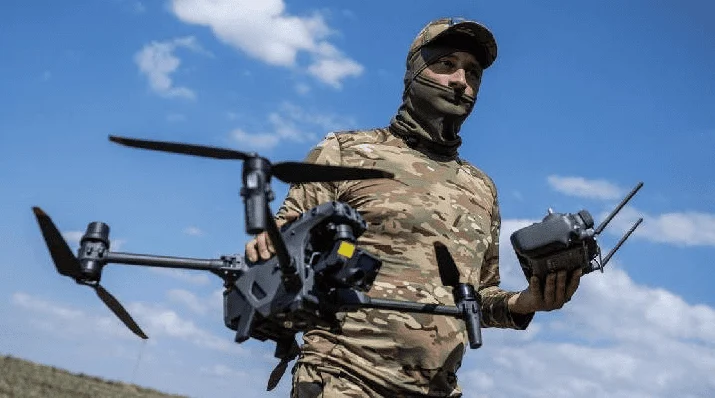
In the early months of the 2022 invasion, the use of FPV drones was largely the province of specialized volunteer units and tech-savvy soldiers who modified commercial racing drones to carry improvised explosives. These early efforts proved surprisingly effective, demonstrating that a $500 drone could disable or destroy a main battle tank costing upwards of $5 million. Recognizing this massive disparity in cost-efficiency, the Ukrainian government and the Ministry of Digital Transformation moved to institutionalize and scale the production process.
By 2024, the "Army of Drones" initiative, launched in partnership with the United platform, had evolved into a comprehensive state procurement program. The Ukrainian government has since allocated more than $2.6 billion specifically for the acquisition and development of unmanned systems. This financial commitment is aimed at achieving a monumental production target: over 4.5 million FPV drones by the end of 2025. This scale of production is intended to provide front-line units with a constant supply of expendable precision munitions, effectively creating a "digital shield" and a "long-range spear" that operates 24/7.
Chronology of Ukrainian Drone Development (2022–2025)
The evolution of Ukraine’s drone capabilities can be categorized into four distinct phases:
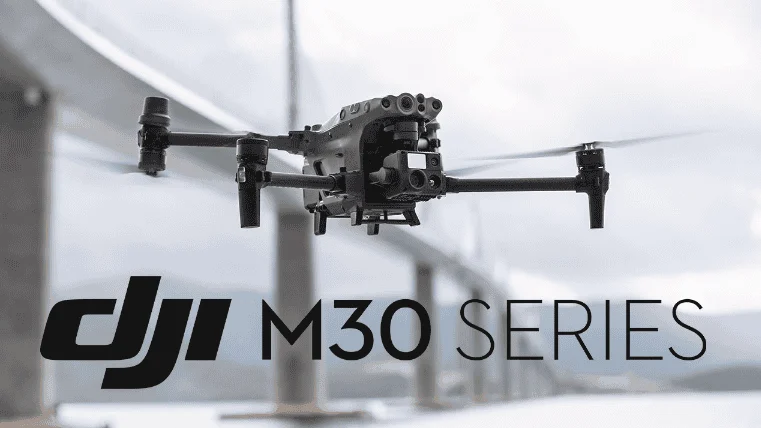
- The Improvisation Phase (Early 2022): Combatants used standard commercial drones (like the DJI Mavic series) primarily for reconnaissance. FPV racing drones began to appear as "kamikaze" tools, often held together with duct tape and zip ties, carrying RPG-7 warheads.
- The Volunteer and Startup Boom (2023): Hundreds of small-scale workshops emerged across the country. The Brave1 defense tech cluster was established to provide a bridge between private inventors and the military, streamlining the certification process for new drone models from months to weeks.
- Industrial Scaling and State Integration (2024): The government moved to domesticate the supply chain. Large-scale factories began replacing small workshops. Contracts were signed with dozens of local manufacturers to produce standardized flight controllers, frames, and motors.
- The AI and Autonomy Era (Projected 2025): The focus has shifted toward overcoming Electronic Warfare (EW). This involves integrating artificial intelligence (AI) for terminal guidance, allowing drones to hit targets even if the pilot’s signal is jammed.
Key Drivers of the FPV Production Surge
Several factors have contributed to the rapid acceleration of FPV drone manufacturing in Ukraine. Primarily, the need for precision in a resource-constrained environment is paramount. Unlike traditional artillery, which may require dozens of shells to hit a moving target, a skilled FPV pilot can steer a drone directly into a vehicle’s most vulnerable point—such as the engine deck or the turret ring—with high accuracy.
Furthermore, the decentralized nature of Ukrainian production has made the industry resilient to missile strikes. Rather than relying on a few massive "mega-factories" that could be easily targeted, the production is spread across hundreds of smaller, nondescript facilities. This "networked manufacturing" model ensures that even if one node is compromised, the overall output remains steady.
Technological Advancements and Innovations
Ukrainian manufacturers are not just building more drones; they are building smarter ones. The current generation of FPV drones features several critical upgrades:
- Frequency Hopping and Multi-Band Links: To counter the pervasive use of Russian electronic warfare jammers, Ukrainian drones now utilize sophisticated radio links that can switch frequencies mid-flight.
- Thermal Imaging for Night Operations: While early FPV drones were limited to daylight use, the integration of low-cost thermal cameras has turned them into 24-hour threats, allowing for nighttime ambushes on supply convoys and troop rotations.
- AI-Powered Terminal Guidance: One of the most significant breakthroughs is the use of "computer vision." Once a pilot identifies a target, the drone’s onboard processor takes over for the final dive. This makes the drone immune to jamming in the final seconds of its flight, which is when EW is typically most effective.
- Heavy-Lift "Bomber" Drones: Beyond the small kamikaze units, larger FPV platforms (often nicknamed "Baba Yaga" by opposing forces) are designed to drop multiple munitions and return to base, providing a reusable tactical bomber capability at a fraction of the cost of traditional aviation.
Economic Impact and the "Brave1" Initiative
The surge in drone production has also become a significant driver of the Ukrainian tech economy. The Brave1 platform has become the epicenter of this activity, serving as a government-led incubator that provides grants, testing grounds, and legal frameworks for defense startups. As of mid-2024, over 500 companies are reportedly working on unmanned systems in Ukraine, ranging from hardware manufacturers to software developers specializing in autonomous navigation.
This industrial boom has created thousands of jobs in the high-tech sector, fostering a new generation of engineers and combat-experienced technicians. Government officials have noted that the "battlefield-tested" status of Ukrainian drones has generated significant interest from international defense partners, positioning Ukraine as a future global leader in low-cost unmanned aerial vehicle (UAV) technology.
Challenges: Supply Chains and Electronic Warfare
Despite the rapid growth, the industry faces formidable obstacles. The most pressing is the reliance on imported components. While frames and software are largely domestic, critical parts such as microchips, optical sensors, and battery cells often originate from global markets, particularly China. Navigating export restrictions and ensuring a steady flow of these components remains a constant logistical struggle for the Ministry of Strategic Industries.
Another challenge is the "cat and mouse" game of electronic warfare. As Ukraine deploys more drones, Russian forces increase the density of their jamming equipment. This has led to a rapid cycle of innovation where a new drone frequency or modulation may only be effective for a few weeks before a countermeasure is developed, necessitating constant hardware and software iterations.
Strategic Implications and Global Reaction
The success of Ukraine’s FPV program is being closely monitored by military observers worldwide. Traditional defense contractors in the West are reassessing the value of high-cost, low-volume platforms in favor of the high-volume, low-cost models demonstrated in Ukraine.
Military analysts suggest that the Ukrainian experience proves that "quantity has a quality of its own" in the digital age. In February 2025, reports indicated a 22% month-on-month increase in successful FPV strikes, a statistic that underscores the growing maturity of the technology and the increasing proficiency of the operators. This trend suggests that the future of land warfare will likely involve "swarms" of autonomous or semi-autonomous drones that can overwhelm traditional air defense systems through sheer numbers.
Future Outlook: 2025 and Beyond
Looking toward the end of 2025, the Ukrainian government intends to further localize production, aiming to manufacture 100% of the components for FPV drones within national borders. This includes the development of domestic motor manufacturing and the production of specialized explosive payloads tailored for drone delivery.
There is also a significant push toward "systemic integration," where FPV drones are linked into broader battlefield management systems. In this vision, reconnaissance drones automatically pass target coordinates to FPV "hunter-killer" teams, who then deploy AI-guided drones to neutralize the threat—all within a matter of minutes.
Conclusion
The evolution of FPV drone production in Ukraine from a grassroots volunteer effort to a cornerstone of national defense policy is a testament to the country’s adaptability and technical ingenuity. By investing $2.6 billion and targeting an output of 4.5 million units, Kyiv is not just fighting a war; it is redefining the requirements of modern sovereignty. While challenges in the supply chain and electronic warfare persist, the industrial base established over the last three years has created a permanent shift in how military power is projected. As these technologies continue to mature, the lessons learned on the battlefields of Ukraine will undoubtedly shape global defense strategies for decades to come, marking the dawn of an era where the silicon chip is as vital as the artillery shell.