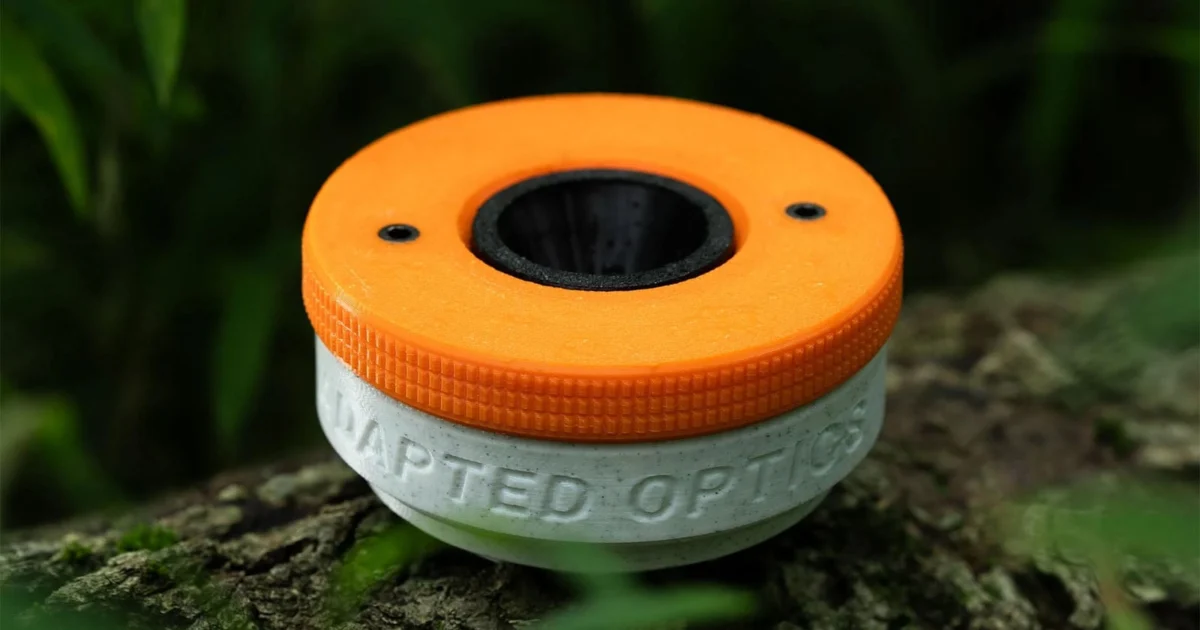
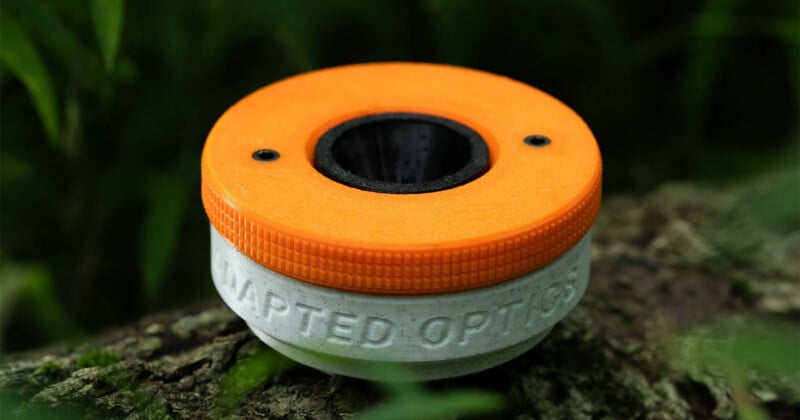
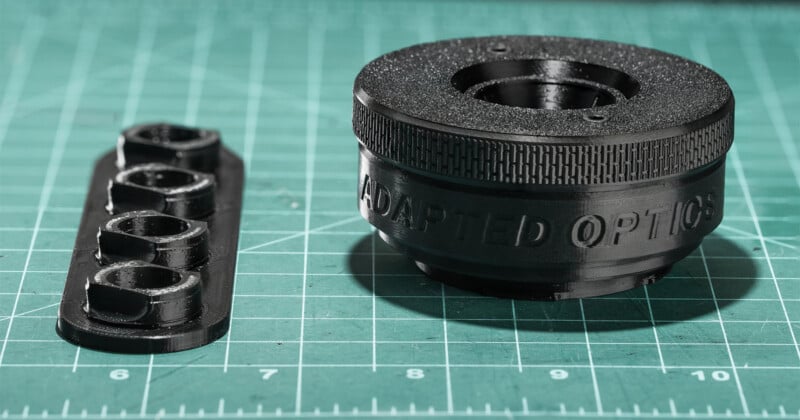
Photographer Thomas Spicher has officially launched Adapted Optics, introducing his innovative "Everyday Lens" to the market. This unique camera lens features a robust 3D-printed body, housing a salvaged optical element typically found in disposable film cameras. The Everyday Lens aims to bridge the gap between the distinctive, often imperfect, character of classic disposable film photography and the sophisticated control and build quality expected by contemporary digital photographers. This venture represents a significant step for Spicher, transforming a personal experimentation project into a commercial product available for a wide range of mirrorless camera systems.
The Resurgence of Character Lenses and the Lo-Fi Aesthetic
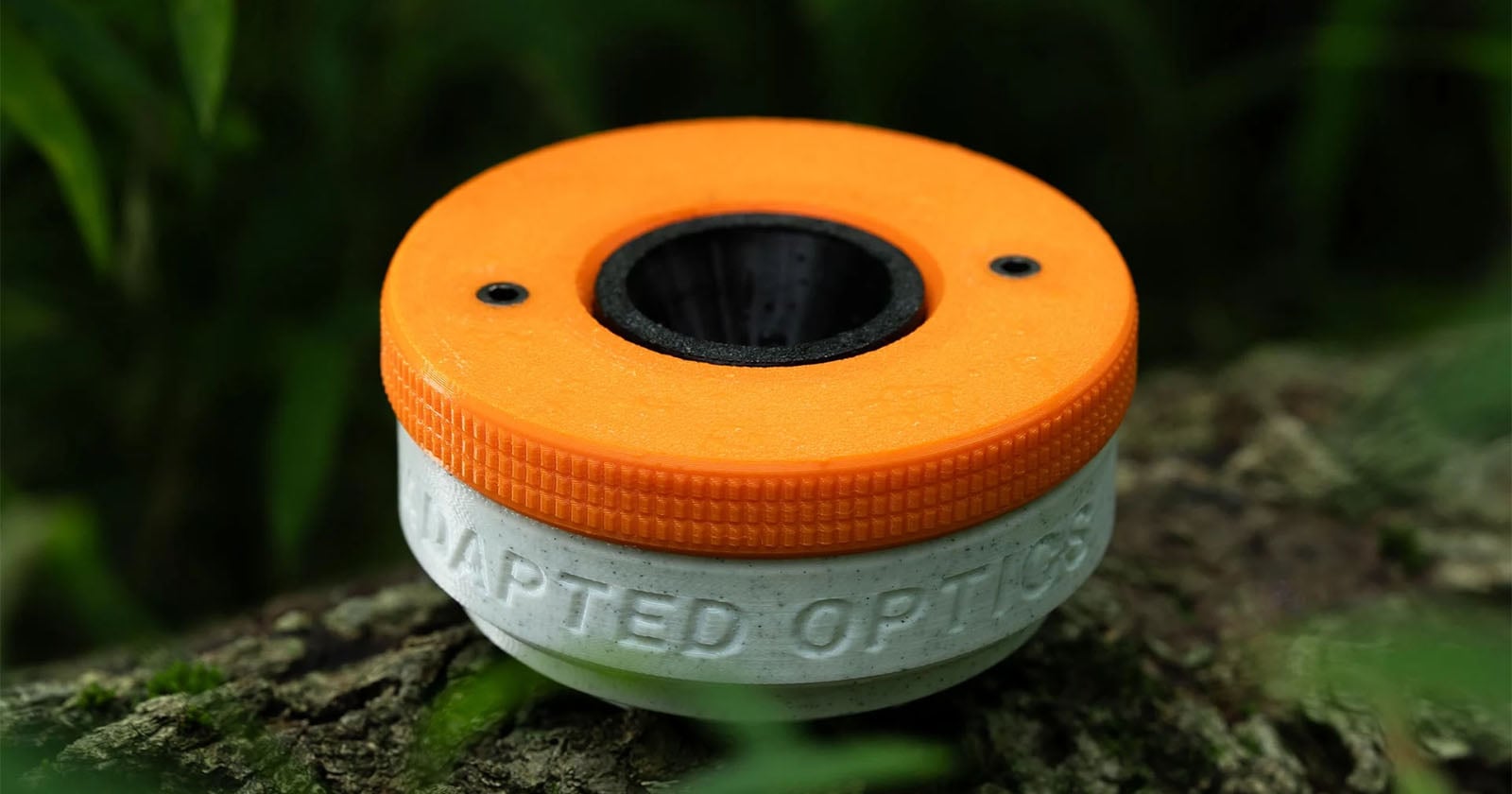
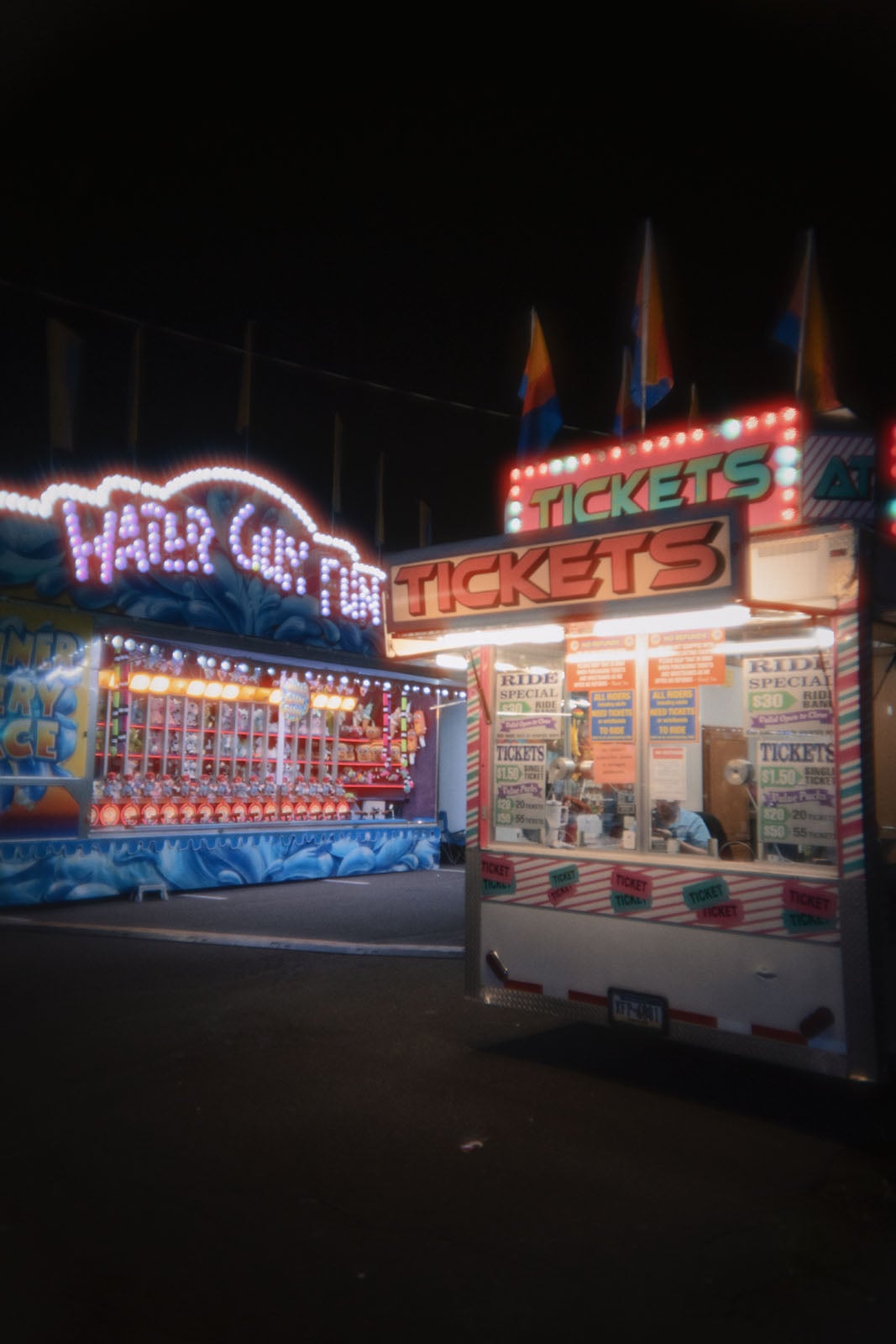
The photography landscape has witnessed a notable shift in recent years, with a growing appreciation for aesthetics that deviate from the clinically perfect, ultra-sharp images often produced by modern, high-end optics. This trend, often termed the "lo-fi" or "character lens" movement, embraces imperfections such as vignetting, unique bokeh, subtle chromatic aberrations, and a softer overall rendition. Disposable cameras, once a ubiquitous novelty item, have become unlikely icons of this movement, cherished for their simplicity, affordability, and the unpredictable, nostalgic quality of their images. This renewed interest in film-like qualities and unconventional optics forms the fertile ground upon which Adapted Optics is building its brand.
While digital cameras offer unparalleled resolution and dynamic range, many photographers find themselves seeking a more organic, less sterile visual signature. Adapting vintage lenses or utilizing specialized artistic lenses has become popular, but Spicher’s approach taps directly into the charm of the most basic photographic tools: those found in disposable cameras. These lenses, designed for minimal cost and single-use functionality, possess a distinct optical signature that can evoke a sense of nostalgia, rawness, and authenticity, qualities highly sought after in an increasingly digital and often over-processed visual world. The "Everyday Lens" is designed to deliver this specific aesthetic, offering a departure from the pursuit of absolute technical perfection.
From Thrift Store Find to Entrepreneurial Vision: The Genesis of Adapted Optics
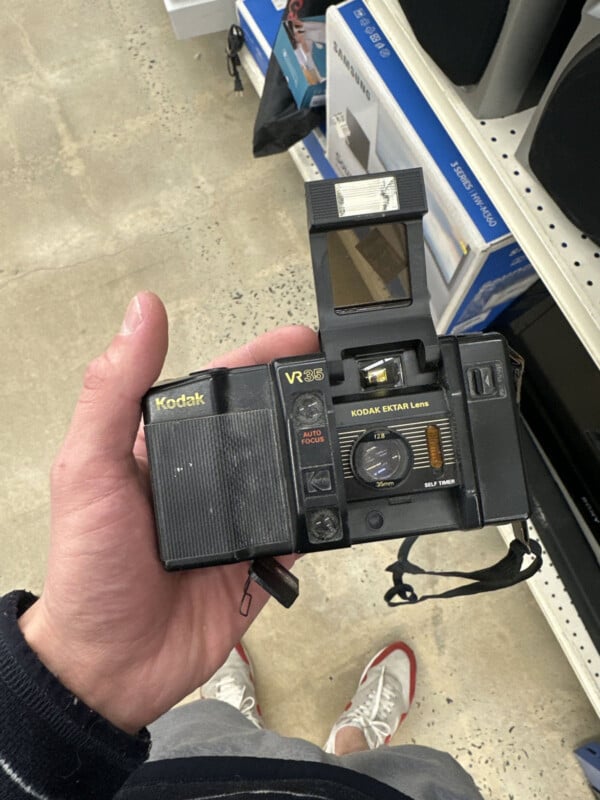
The genesis of the Everyday Lens can be traced back to Thomas Spicher’s personal curiosity and a serendipitous thrift store discovery. As Spicher recounted to PetaPixel, the initial spark ignited when he acquired a Kodak VR35 K12 point-and-shoot camera. His intention was simple yet ambitious: to extract its unassuming lens and integrate it with his modern mirrorless camera. This seemingly straightforward act of repurposing quickly revealed unexpected potential.
Spicher’s initial adaptation of the Kodak VR35 K12 lens proved remarkably successful. "The Kodak VR35 K12 was the very first camera that I decided to tear apart and adapt to my mirrorless camera," Spicher explained. He was fortunate to find that this particular lens featured small helical teeth and a brass ring, components that facilitated a relatively straightforward integration. By press-fitting the optic into a custom base designed to interface with his mirrorless camera, he achieved a usable focus range and a surprisingly sharp prime lens. This initial success was a pivotal moment, validating the feasibility of his concept and opening a new avenue for optical experimentation.
Inspired by this achievement, Spicher embarked on a journey of adapting various other optics. He experimented with a diverse array of lenses, each yielding different results – some were sharp, others produced a dreamy quality, and some proved unsuitable. Throughout this period of intense experimentation, Spicher documented his process and shared his findings with his audience on YouTube. The consistent refrain in the comments section – "Someday we’ll be able to buy Tom’s lens" – served as a powerful catalyst. This repeated demand from his community underscored a clear market interest and eventually propelled him to transform his personal project into a legitimate product, leading to the establishment of Adapted Optics. This chronology highlights a classic entrepreneurial narrative: identifying a niche, prototyping a solution, validating demand, and then scaling the vision into a commercial enterprise.
Engineering the Everyday Lens: Design, Functionality, and Customization
While the Kodak VR35 K12 lens proved effective in Spicher’s initial experiments, its scarcity presented a significant hurdle for mass production. Consequently, for the commercial release of the Everyday Lens, Spicher opted for a more readily available optical element sourced from common disposable cameras. Though the specific donor lens is not publicly disclosed, Spicher assures that it is easily sourced, ensuring consistency across all Everyday Lens units. This decision underscores a practical approach to manufacturing and scalability, balancing unique aesthetics with logistical viability.
The Everyday Lens is meticulously designed to offer versatility across a broad spectrum of modern mirrorless cameras. It is available in mounts for popular systems including Sony E, Canon RF, Nikon Z, L-Mount, Fujifilm X, and Micro Four Thirds. A core feature of the lens is its manual focus capability, providing photographers with tactile control over their images, a characteristic often favored by those seeking a more deliberate photographic process.
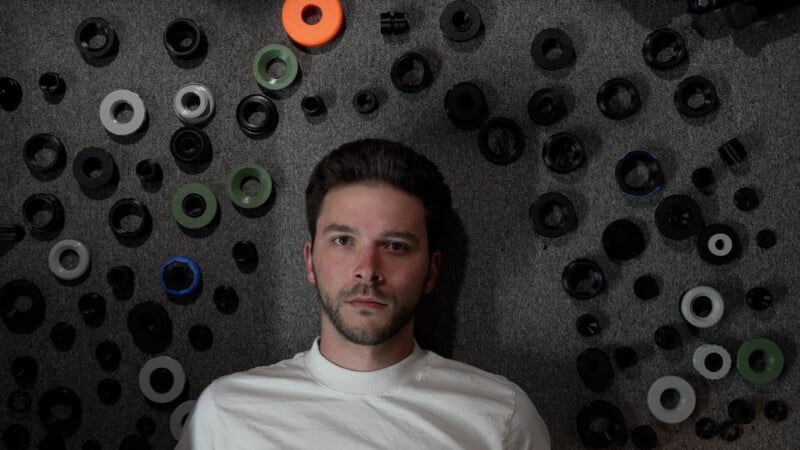
One of the most innovative aspects of the Everyday Lens is its system of interchangeable apertures. Photographers can easily swap between five distinct aperture settings: f/7 (open), f/10 (everyday), f/16 (control), f/23 (motion), and a unique cross-shaped creative aperture designed to impart a distinctive bokeh effect. This level of aperture control is unusual for lenses derived from disposable cameras, which typically feature a fixed, non-adjustable aperture. These options allow photographers to precisely manage depth of field, control light intake, and experiment with creative visual styles, adapting the lens’s character to specific shooting conditions or artistic intentions. The inclusion of a cross-shaped aperture, for instance, offers a playful nod to experimental photography, allowing users to create star-shaped light sources or unique background blur.
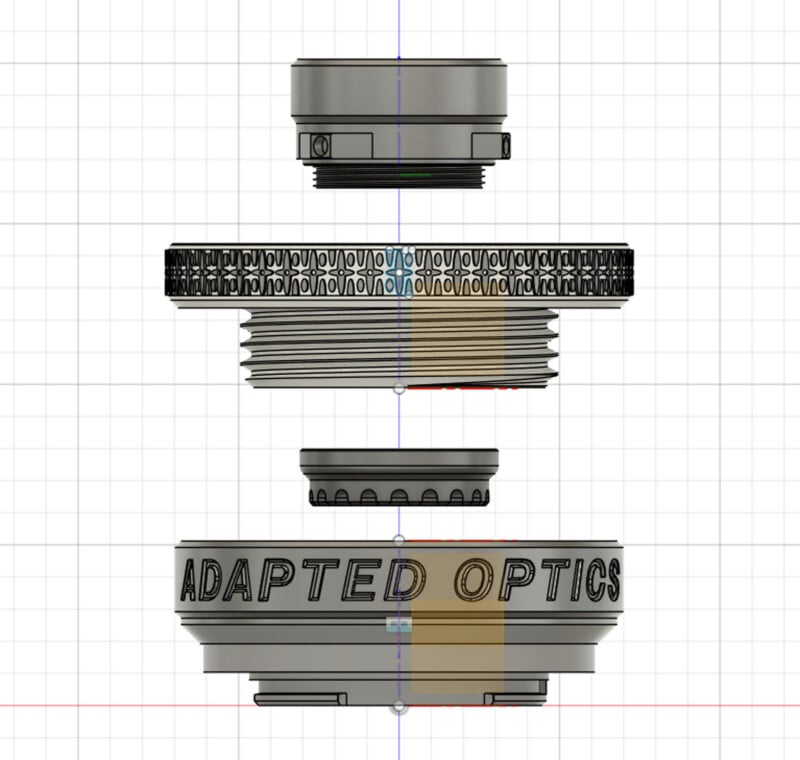
The design also addresses the critical technical challenge of varying flange distances across different camera mounts. Flange distance refers to the distance between the lens mounting flange and the camera’s sensor plane. Spicher elaborated on this, noting, "Leica and Canon have the largest flange distances among the mounts I offer, so the lens needs to sit closer to the camera body. Nikon has the shortest, so the lens needs to be positioned farther forward to focus properly at infinity." This means each lens body is precisely engineered for its specific mount, ensuring proper infinity focus and a consistent user experience despite the optical element’s inherent simplicity. Furthermore, achieving close-up focus requires positioning the optic farther from the sensor, a mechanism meticulously integrated into the manual focus system of each mount variation. This attention to detail in adapting a simple optic to complex modern camera systems highlights Spicher’s engineering acumen.
Beyond its optical and mechanical design, customization is a cornerstone of the Everyday Lens philosophy. Spicher firmly believes that "creative people like to express themselves, so why shouldn’t they be able to choose the colors, textures, and details of something they carry every day?" This ethos translates into customizable elements such as the focus ring’s texture and color. For cinematographers, a specialized version of the lens includes industry-standard mod gears, enabling seamless integration with professional follow-focus systems. While Spicher expresses a strong commitment to offering extensive customization, he also realistically acknowledges that operational efficiency and company growth might necessitate some simplification of options in the future.
The Entrepreneurial Journey and the Vision for Adapted Optics
Thomas Spicher’s journey into lens manufacturing was far from a predetermined path. With a background in graphic design, a field he admits he never felt deeply passionate about, the transition to founding a camera lens company was an unexpected turn. "If someone had told me a few years ago that I would have started a company selling camera lenses, I’d have laughed in their face," Spicher candidly shared. His story is a testament to the unpredictable nature of passion and the rewards of exploratory learning.
The process of forming Adapted Optics and bringing the Everyday Lens to fruition has been an arduous yet profoundly fulfilling endeavor. Spicher describes it as "the most in-depth project I have ever tackled in my life," requiring an immense investment of time and effort. While the technical design of the lens itself presented considerable challenges, Spicher reveals that the ancillary tasks associated with establishing a business were equally, if not more, demanding. This included the multifaceted work of branding, developing marketing strategies, building an e-commerce website, designing packaging, and drafting comprehensive instruction manuals. These non-glamorous but essential aspects of entrepreneurship often test the resilience of innovators. "There is so much to tackle, and it’s really easy to get burned out after you finish the fun stuff," Spicher reflected, highlighting the sheer scope of responsibilities involved in a startup. His biggest challenge, he notes, has been meticulously "locking things down and crossing off every task needed to get my product ready for launch."
Spicher’s vision for Adapted Optics is clear and distinct. He explicitly states that he does not aspire for his company to be known for producing the sharpest or fastest lenses in the market, a pursuit that often dominates the mainstream optical industry. Instead, he aims for Adapted Optics to be recognized for its commitment to "doing unique things." This philosophy positions the company as an alternative for photographers who prioritize artistic expression and distinctive visual character over clinical optical perfection. It’s a strategy that resonates with a growing segment of the photography community seeking tools that inspire creativity rather than merely delivering technical specifications.
Market Positioning and Broader Implications
While the concept of adapting disposable camera lenses is not entirely new, with various DIY projects and smaller independent creators having explored similar avenues, Adapted Optics distinguishes itself through its comprehensive approach and enhanced control. Spicher acknowledges the existence of competitors but asserts that many compromise on crucial aspects of user control. The Everyday Lens, in contrast, offers precise manual focus and a versatile system of swappable apertures, providing photographers with a level of creative agency not typically associated with such minimalist optics.

The customizable design elements, from focus ring textures to color options, further set Adapted Optics apart. This emphasis on personalization caters to a demographic of photographers who view their gear as an extension of their creative identity. The inclusion of a cinema-specific version with industry-standard mod gears also broadens its appeal, offering a unique aesthetic tool for independent filmmakers and content creators looking to infuse their visuals with a distinct, nostalgic quality.
The launch of the Everyday Lens carries broader implications for the photography industry and the maker movement. It serves as an inspiring example of how individual innovation, fueled by passion and enabled by accessible technologies like 3D printing, can challenge established norms and create viable commercial products. In an era dominated by large corporations and incremental technological advancements, Adapted Optics demonstrates the power of a niche vision. By upcycling and repurposing components from mass-produced items, there’s also an inherent element of sustainability, transforming discarded optics into valuable creative tools.
Ultimately, Spicher hopes the Everyday Lens will serve as more than just a camera accessory. He envisions it as a catalyst for renewed photographic passion and experimentation. "I might be biased, but this lens reignited my passion for photography. I mean that wholeheartedly," he shared. His aspiration is that other photographers, encountering the lens’s unique character and the tactile joy of its manual operation, will similarly find their creative spark rekindled. His personal journey, from unfulfilled graphic designer to innovative lens maker, also delivers a powerful message: "Try something new. It could pay off."
Pricing and Availability
The Adapted Optics Everyday Lens is slated to be available for pre-order in the near future. The initial production run will be limited to 50 lenses, emphasizing a boutique, built-to-order approach that allows for customer-specified configurations. Interested photographers are encouraged to sign up on the Adapted Optics website to receive notifications regarding the official launch and pre-order availability. This limited release strategy further underscores the artisanal nature of the product, catering to early adopters and enthusiasts eager to experience this blend of vintage aesthetic and modern control.