The FIFA World Cup 2026, culminating in a series of unforgettable matches, has left an indelible mark not only for its athletic drama but also for its groundbreaking technological integration, setting a new benchmark for global sports broadcasting. As the tournament expanded across 16 venues in the United States, Canada, and Mexico, delivering 104 matches to an unprecedented global audience, the scale of its technical ambition became clear. From the moment the first whistle blew to the final trophy lift, fans worldwide were treated to an immersive viewing experience, meticulously crafted by cutting-edge innovations designed to bring every angle, every emotion, and every crucial decision closer than ever before. This technological leap, meticulously planned and executed by FIFA and its host broadcast partners, transformed the traditional sports spectacle into a cinematic event, providing minute-by-minute updates and insights previously deemed impossible.
A New Era of Broadcast Immersion: The 2026 Vision
The FIFA World Cup 2026 represented a strategic pivot in sports broadcasting, moving beyond conventional camera setups to embrace a multi-layered approach that blended high-definition visuals with real-time data and augmented reality. This comprehensive technological overhaul was driven by FIFA’s long-standing commitment to enhance fan engagement and provide officials with tools for unparalleled accuracy. The tournament, the first to feature 48 teams, necessitated a robust and scalable broadcast infrastructure capable of handling the increased match load and the logistical complexities of three host nations. Host Broadcast Services (HBS), FIFA’s dedicated broadcast production arm, spearheaded these efforts, deploying a suite of advanced technologies that redefined viewer expectations.
Elevating the Aerial Perspective: The Evolution of Spidercam
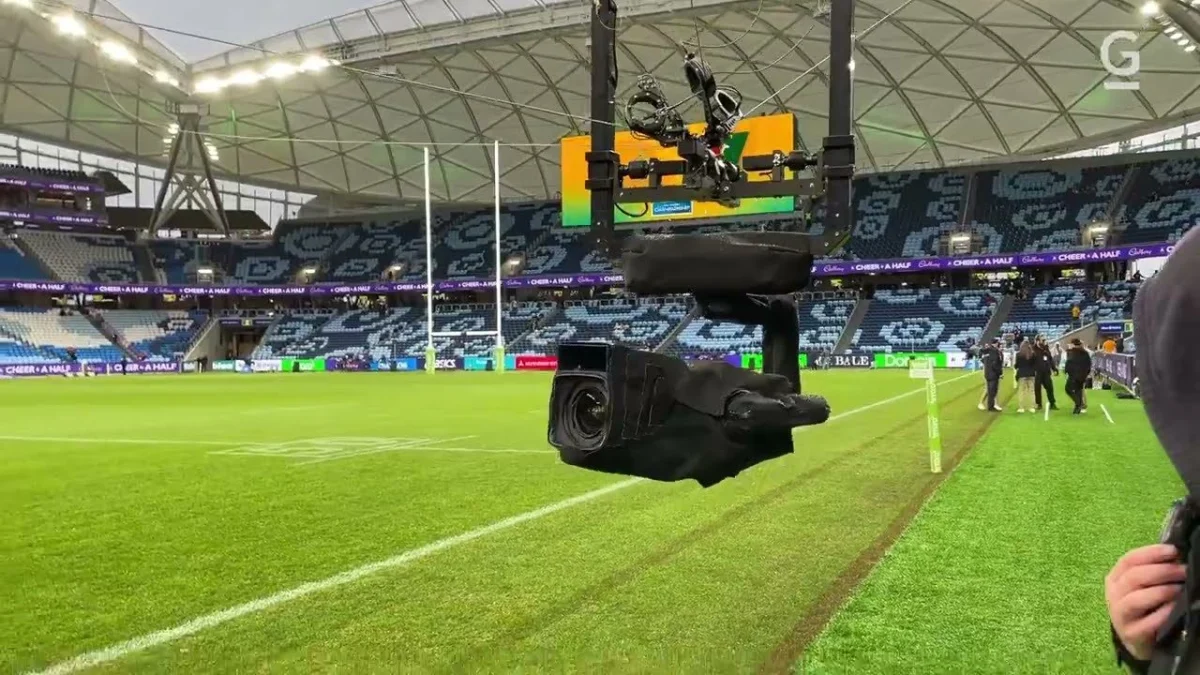
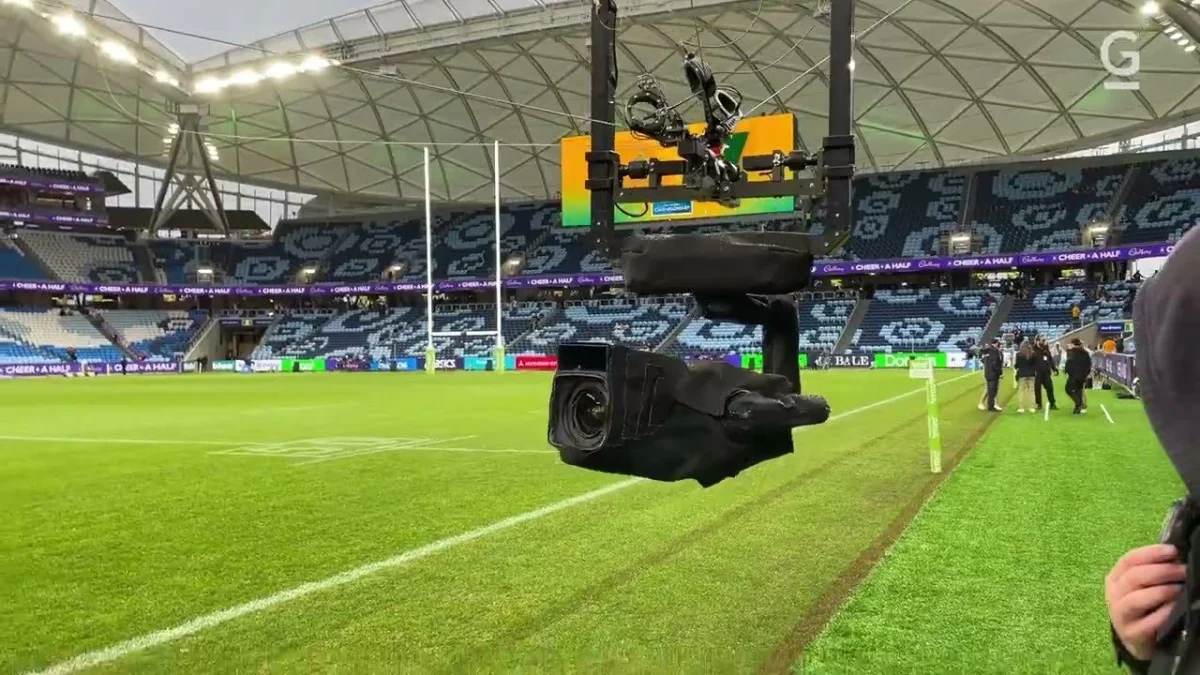
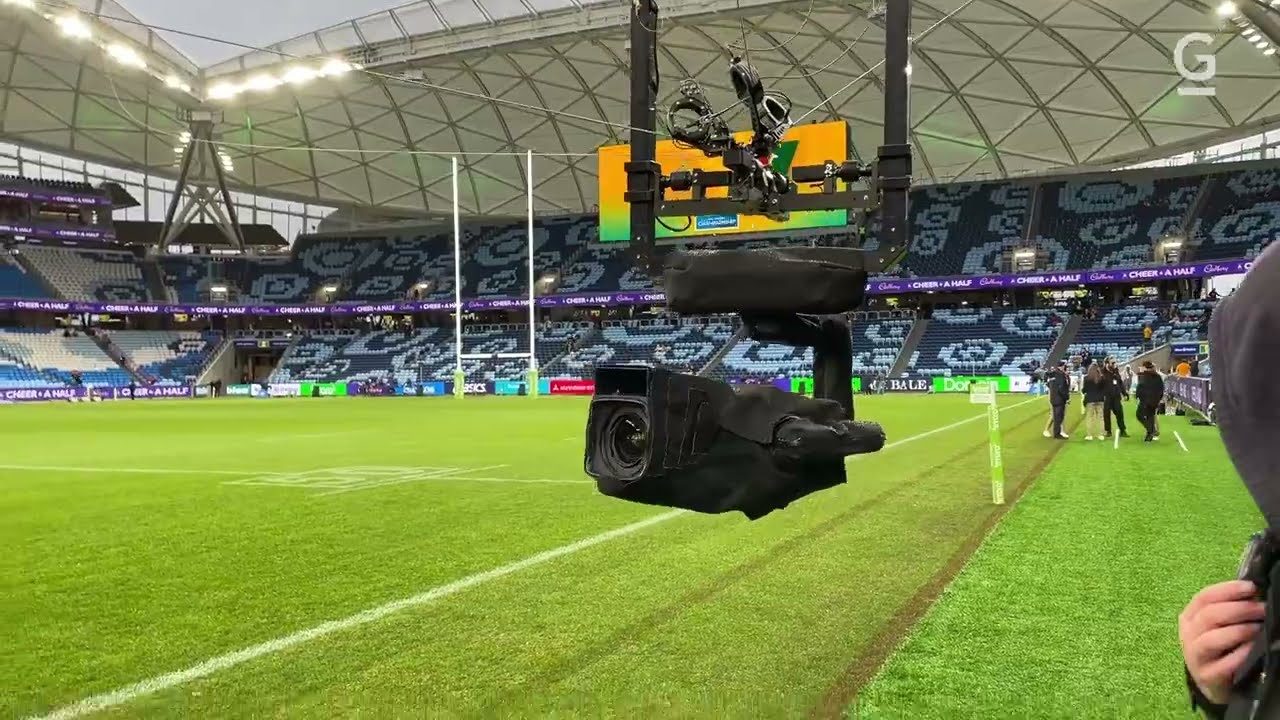
Among the most visually striking technological advancements was the pervasive and dynamic deployment of the Spidercam system. While cable-suspended cameras have been a fixture in major sporting events for years, their application at the 2026 World Cup pushed boundaries, transforming them from occasional spectacle providers into integral storytelling devices. The familiar floating camera, a high-tech, stabilized rig suspended from a network of motorized Kevlar cables, was utilized with unprecedented frequency and agility throughout the tournament.
Previously, Spidercams were often restricted to pre-match ceremonies, halftime sequences, or post-goal celebrations due to concerns about player distraction and safety. However, advancements in software zoning and real-time kinematic (RTK) GPS tracking allowed these systems to be actively integrated into live play. Sophisticated algorithms ensured the camera rig maintained a strict, safe altitude above the ball’s trajectory, dynamically adjusting its position to capture sweeping, tactical angles of unfolding attacks without interfering with the game. This provided viewers with a "God’s eye view" of team formations and player movements, offering a tactical clarity that traditional sideline cameras could not achieve.
A significant innovation for the 2026 tournament was the deployment of Spidercams directly during penalty shootouts. Positioning dynamically behind or slightly above the kicker, these cameras captured the immense psychological tension, the keeper’s precise movements, and the ball’s trajectory with an intimacy that brought viewers into the heart of one of football’s most dramatic moments. This marked a broadcast first for the World Cup, following successful pilot programs at the 2025 Club World Cup Final.
To achieve this level of comprehensive immersion across multiple venues, HBS introduced multiple cablecam systems per stadium. Alongside the traditional 4-point Spidercam, select marquee stadiums featured secondary, high-speed point-to-point cable cameras running parallel to the touchline. These additional rigs allowed for simultaneous, multi-angle aerial tracking of fast-break counters and rapid transitions, enriching the broadcast with diverse perspectives. These next-generation rigs were outfitted with ultra-lightweight 4K HDR broadcast cameras, capable of capturing stunning detail and dynamic range. Crucially, they were paired with real-time augmented reality (AR) graphics tracking, allowing live stats, player speeds, and tactical grids to be seamlessly overlaid onto the aerial feed with virtually no latency. The result was a viewing experience that transcended traditional sports broadcasting, merging the strategic depth of a video game with the high-stakes drama of a cinematic blockbuster. The precision required for such dynamic operation necessitated highly skilled operators, often working in tandem, one controlling horizontal/vertical movement and another managing the camera’s pan, tilt, and zoom.
The Referee’s Perspective: Unveiling RefCam
Perhaps the most talked-about and immediately impactful innovation of the 2026 World Cup was the official global deployment of the RefCam. This small, high-definition camera, mounted discreetly onto each referee’s headset, offered fans an unprecedented, literal point-of-view perspective of the match. Developed jointly by FIFA’s Football Technology & Innovation team and its refereeing department, with advanced AI stabilization provided by partners like Lenovo, the RefCam delivered footage unlike anything fans had ever seen.

The RefCam plunged viewers directly into the heart of the action, showcasing players closing space at full speed, the utter chaos of a crowded penalty box scramble, and the intense, split-second nature of officiating decisions. Weighing less than 100 grams, these ruggedized cameras were designed to withstand the rigors of professional football, transmitting 1080p or even 4K footage wirelessly using robust COFDM protocols to ensure minimal latency and interference. While the technology underwent extensive testing at the 2025 Club World Cup and gained prominence in the Premier League, where Australian referee Jarred Gillett famously wore one in 2024, its widespread deployment across all 104 matches of the 2026 World Cup fundamentally redefined how the global audience understood the game and the immense pressure on its officials.
The integration of RefCam provided unparalleled transparency into refereeing decisions. While the footage was primarily for broadcast entertainment, it also offered a new layer of understanding for VAR officials, providing an additional, subjective angle for reviewing contentious plays. Fans, players, and pundits alike reacted with a mix of fascination and debate, with many praising the increased empathy it fostered for referees, while others raised concerns about potential distractions or the “purity” of the game. Nevertheless, its impact on viewer engagement was undeniable, offering a visceral connection to the intensity of top-tier football.
Cinematic Storytelling: Cine Cameras in Live Broadcast
Building on trends established at the 2022 World Cup in Qatar, FIFA deepened its integration of high-end cinema cameras into live broadcasts for 2026. These were not traditional broadcast cameras but the very same gear used in Hollywood movies, high-budget commercials, and music videos. The distinction lies in their larger sensors, superior dynamic range, and ability to achieve a super-shallow depth of field that conventional broadcast cameras cannot match.
These cinematic rigs were a permanent fixture at every match, capturing pre-game tunnel walks, emotional fan reactions in the stands, dramatic close-ups of coaches stressing on the sideline, and the raw intensity in players’ eyes. The resulting footage, characterized by its beautiful bokeh and rich color science, transformed isolated moments into poignant, artistic narratives. Shots of a player’s face with razor-sharp focus against a softly blurred stadium background, or the dramatic slow-motion capture of a goal celebration, infused the broadcast with a high-budget movie aesthetic.
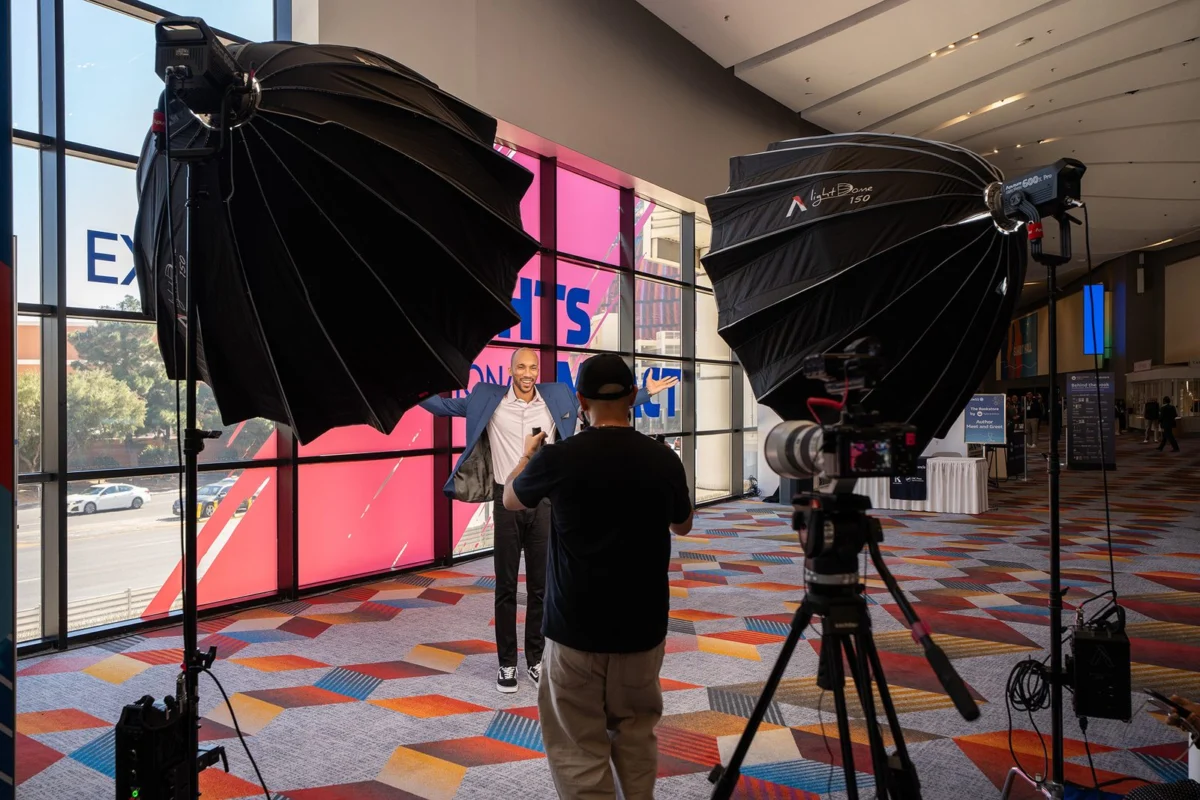
Integrating these cinema cameras, such as the RED Komodo-X 6K, into a fast-paced live broadcast environment presented unique technical challenges. Operators required specialized skills, distinct from those of traditional sports camera personnel. Workflows had to be meticulously managed to ensure color grading consistency, frame rate synchronization, and seamless transition between cinematic and conventional broadcast feeds. The use of versatile, high-quality lenses like the Canon RF 24-105mm f/2.8L IS USM Z allowed for both wide establishing shots and tight, emotionally resonant close-ups, further enhancing the storytelling potential. This artistic choice reflected FIFA’s vision to elevate the World Cup beyond a sporting contest into a global cultural phenomenon, where every moment was presented with the gravitas of a blockbuster film.
Precision and Transparency: Semi-Automated Offside Technology and Ball Sensors
The pursuit of fair play and swift decision-making saw significant advancements in semi-automated offside technology (SAOT) for the 2026 World Cup. Building upon its successful introduction at Qatar 2022, the system was refined to offer even greater speed and accuracy. The core of SAOT relies on 12 dedicated tracking cameras strategically positioned under the stadium roof, which track 29 data points on each player’s body, 50 times per second. This volumetric data is fed into an advanced artificial intelligence system that can precisely determine the exact moment the ball is played and the position of attacking players relative to the second-to-last defender.
Crucially, the official match ball itself was equipped with an Inertial Measurement Unit (IMU) sensor, transmitting data at 500 hertz. This sensor provided an exact timestamp of when the ball was kicked, allowing the SAOT system to synchronize player positions with the ball’s contact point with unprecedented precision. When a tight offside situation occurred, the system generated a 3D animated reconstruction of the play within seconds, which was then reviewed by VAR officials. This rapid analysis and visualization significantly reduced decision-making time, minimizing stoppages and maintaining the flow of the game. The 3D visualizations were also made available to broadcasters for near-immediate playback, offering fans a clear and interactive explanation of complex offside calls.
Beyond offside decisions, the ball’s internal sensor provided a wealth of real-time data, including ball speed, spin rate, and impact force. This information, integrated into on-screen graphics, offered commentators and fans deeper insights into player performance and the dynamics of each play. Imagine a powerful strike’s speed displayed instantly or the precise spin on a corner kick, enriching the statistical analysis and tactical understanding of the game in real-time. This blend of precision officiating and enhanced data presentation underscored FIFA’s commitment to both integrity and audience engagement.
The Unseen Backbone: Production Hardware and Infrastructure
Behind the seamless broadcast experience was a vast and complex network of production hardware and infrastructure. While specific rental orders are typically proprietary, insights into the types of equipment utilized by HBS and its partners for such a monumental event illuminate the sheer scale of the operation. The integration of high-resolution cinematic cameras, for instance, necessitated robust recording and ingest systems.
For recording and processing the high-bandwidth video streams from RED Komodo-X 6K cameras and other sources, systems like the BlackMagic Design HyperDeck Studio 4K Pro were critical. These versatile units are designed for professional recording, playback, and format conversion, essential in a multi-camera, multi-format environment where 4K HDR signals are the standard. They facilitated the efficient management of vast amounts of data, ensuring that every frame was captured, stored, and made available for live broadcast and post-production.
The intricate web of connectivity within each stadium and across the 16 host cities relied heavily on high-quality cabling. Belden 12G-SDI BNC cables, extending up to 150 feet or more, were foundational. Their capability to transmit uncompressed 4K video signals over long distances with minimal loss was crucial for linking cameras, control rooms, replay systems, and transmission hubs. Such robust infrastructure is paramount for maintaining signal integrity and reliability in a live, high-stakes environment.
Powering the array of portable and specialized camera systems required an "army" of compact, high-capacity batteries. Micro-V Mount batteries, known for their efficiency and reliability, were essential for ensuring continuous operation of cinema cameras, RefCams, and other peripheral devices, especially in dynamic, fast-moving scenarios where access to mains power was limited. Complementary gear, from camera cages offering protection and accessory mounting to professional tripods providing stable platforms for traditional broadcast cameras, underscored the meticulous planning required for every aspect of the production.
Broader Implications and the Future of Sports Broadcasting
The technological innovations unveiled at the FIFA World Cup 2026 represent a significant milestone in sports broadcasting, with profound implications for fan engagement, officiating, and the commercial landscape of global sports. The primary driver behind these advancements is the desire to create an increasingly immersive and informative viewing experience. By bringing fans closer to the action, offering new perspectives, and providing real-time data, FIFA aims to deepen the connection between the audience and the beautiful game.
From an officiating standpoint, technologies like SAOT and, to a lesser extent, RefCam, contribute to greater transparency and accuracy. While debates about the "purity of the sport" and the extent of technology’s interference may persist, the undeniable trend is towards leveraging tools that reduce human error and provide clearer justifications for decisions. This fosters greater trust in the integrity of the game.
Commercially, the enhanced broadcast capabilities open new avenues for sponsorship and data monetization. Augmented reality overlays create premium advertising space, while the wealth of real-time player and ball data can be packaged for sports analytics, fantasy leagues, and interactive fan applications. The cinematic quality achieved with high-end cameras also elevates the perceived value of the broadcast, potentially attracting new demographics and higher advertising revenues.
However, these advancements come with challenges. The substantial investment required for implementing and maintaining such sophisticated systems is immense. Training specialized personnel—from Spidercam operators to cine camera cinematographers—is a continuous process. Ensuring technical reliability across 16 geographically dispersed venues, often under varying environmental conditions, demands robust planning and execution.
Looking ahead, the 2026 World Cup serves as a blueprint for the future of live sports. We can anticipate further integration of virtual reality (VR) and augmented reality (AR) for home viewers, offering personalized camera angles and interactive statistics directly into their living rooms. AI-driven commentary, predictive analytics, and even more sophisticated player tracking systems are likely to become standard. The convergence of high-quality visuals, real-time data, and immersive experiences is not just a fleeting trend but the definitive trajectory for how global sporting events will be consumed. Regardless of individual perspectives on technology’s role in sports, its presence is now undeniable, offering unparalleled insights and camera angles that continue to redefine the boundaries of possibility.