By Heather Woolery | October 22, 2024

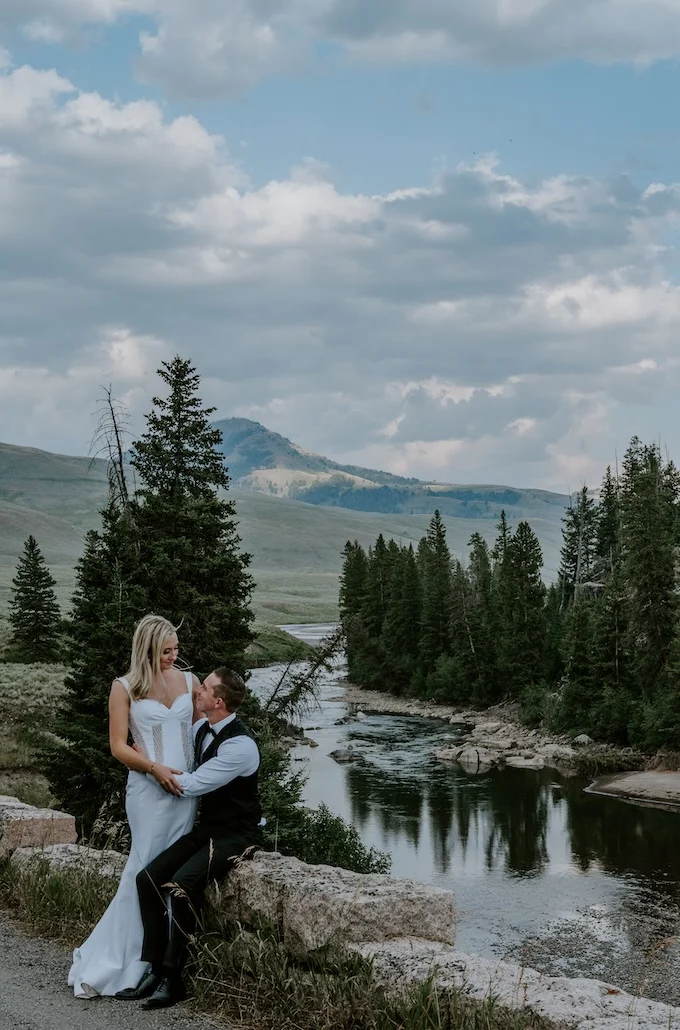
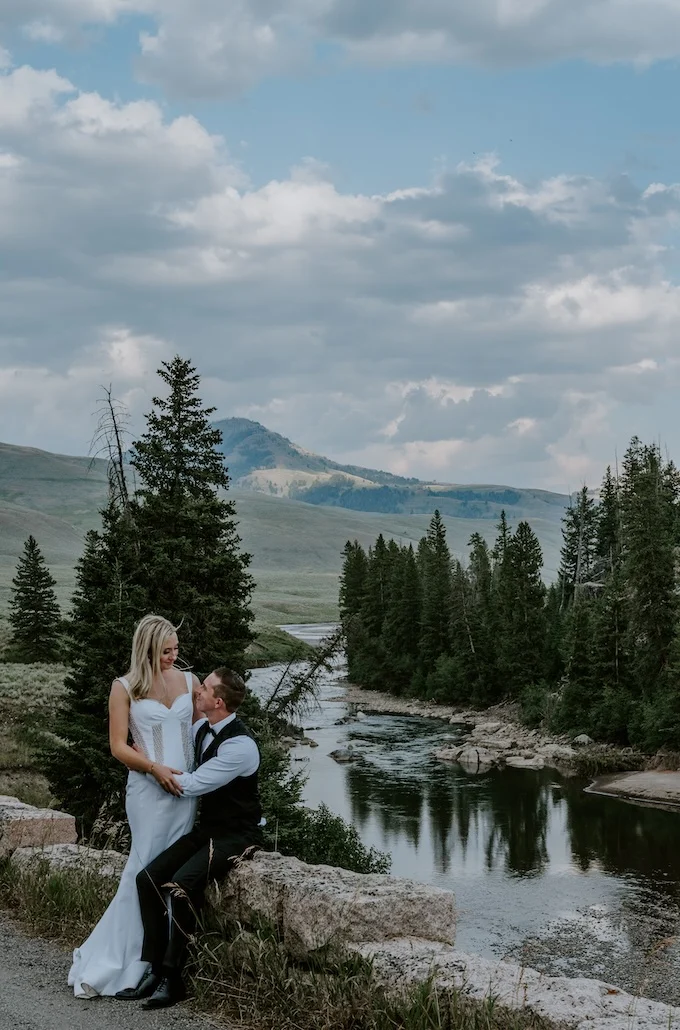
The allure of national parks as wedding and elopement destinations has surged dramatically over the past five years, with Yellowstone National Park emerging as a particularly sought-after locale. This trend, which began to accelerate around 2020, has been attributed to a confluence of factors, including the popularity of the hit television series "Yellowstone," the park’s celebration of its 150th anniversary, and the lingering effects of the pandemic, which saw record-breaking tourist numbers once parks reopened. With 63 national parks across the United States, each offering unique landscapes, amenities, and accessibility, these natural wonders present an increasingly attractive alternative to traditional wedding venues. For photographers considering specializing in national park wedding and elopement photography, understanding the operational and logistical landscape is crucial. This article delves into the advantages and challenges inherent in capturing these significant life events within protected natural environments.
The Growing Appeal of National Park Weddings
The phenomenon of couples choosing national parks for their nuptials is not a new one, but its recent amplification is notable. Parks like Yellowstone, Yosemite, Zion, and the Grand Canyon are becoming increasingly popular. Data from the National Park Service (NPS) indicates a consistent rise in permit applications for special events, including weddings, over the last decade. For instance, Yellowstone alone has seen a significant uptick in requests for wedding and elopement permits, mirroring the broader trend observed across the park system. This surge can be partly explained by a desire for more intimate, nature-centric celebrations, a response to the desire for authentic experiences, and the inherently stunning backdrops these parks provide. The accessibility of many parks, with well-maintained paths and infrastructure, also makes them feasible for a range of guests, further contributing to their appeal.

Navigating the Landscape: A Photographer’s Perspective
Heather Woolery, a photographer based in the Pacific Northwest, has witnessed this trend firsthand. Her journey into national park wedding photography began in 2018 with a micro-wedding in Joshua Tree National Park. Since then, she has documented events in eleven different parks, with Yellowstone becoming a recurring and significant location.
"My first national park elopement was back in 2018," Woolery recalls. "Since then, I’ve been all over, visiting 11 of the parks for weddings and elopements, with Yellowstone being the number one park."

Her experience in Yellowstone, a park she visited as a child, has evolved from a tourist’s perspective to a professional one. "I have been visiting Yellowstone since I was a child and never thought I would be trekking all over the park in some of the most beautiful and enigmatic locations for couples on their wedding day," she states. After her first Yellowstone elopement in 2020, Woolery began meticulously mapping out locations within the park. Her detailed notes include information on the optimal time of day for photography, visitor density, and the best seasons for specific spots. This granular understanding allows her to serve her clients on a "higher level," moving beyond just capturing images to offering informed guidance.
The Crucial Role of Photographer as Advisor
Unlike traditional wedding venues that often provide comprehensive planning services, officiants, and vendor lists, national parks operate under a different paradigm. Photographers specializing in these locations frequently find themselves stepping into roles that extend beyond their primary service.

"Though we, the photographer, are most often are not also the wedding planner or day-of-coordinator, when it comes to couples getting married in these national parks, planning assistance becomes indispensable," Woolery explains. "National park wedding and elopement photography, though gaining popularity, is still a fairly new concept and couples are struggling to plan not only a wedding but also navigate the intricate details of park permits, transportation, experiences, and more to make their national park wedding visions a reality. This is where elopement photographers really can come into play and serve their couples on that higher level."
The process of obtaining permits is a critical component. While in the past, photographers in Yellowstone were required to obtain a Commercial Use Authorization (CUA), a process that was both extensive and costly, regulations have evolved. Currently, Yellowstone requires couples to obtain a Special Use Permit (SUP) for elopements, which also serves as the photographer’s permit. This streamlined process, implemented in recent years, aims to simplify logistics for couples and vendors while maintaining park preservation. However, understanding the nuances of these permits, including limitations on group sizes, specific locations where ceremonies can be held, and any associated fees, remains paramount for photographers.

Challenges and Considerations for National Park Weddings
The popularity of national parks for weddings also presents significant logistical challenges, particularly concerning crowd management. Yellowstone, as one of the most visited parks in the United States, experiences high visitor numbers, especially during peak seasons.
"Yellowstone is not only the next seemingly hot spot to get married but also one of the most visited parks in the United States," Woolery notes. "This means couples and their photographers will really need to pay close attention to the time of year the couple wants to get married and alternative locations within the park for the ceremony and photos to avoid being surrounded by literally hundreds of park visitors. This frequently happens at popular tourist locations such as Old Faithful, Grand Prismatic, and Mammoth Hot Springs."

Photographers must be adept at scouting less-crowded locations and advising couples on optimal timing. This often involves early morning ceremonies or late afternoon shoots to avoid the midday throngs. Furthermore, weather conditions in national parks can be unpredictable and change rapidly. Photographers need to be prepared for a wide range of conditions, from intense sun and heat to snow and high winds, depending on the season and elevation.
The Pros and Cons of National Park Wedding Photography
The decision to incorporate national park wedding and elopement photography into a professional offering involves weighing its unique advantages against its inherent difficulties.

Advantages:
- Unparalleled Natural Beauty: National parks offer breathtaking backdrops that are virtually unmatched by any man-made venue. The dramatic landscapes, diverse flora and fauna, and vast open spaces provide a unique and memorable setting for wedding photography.
- Unique Client Experiences: Couples seeking an adventurous and distinctive wedding often gravitate towards national parks. This allows photographers to cater to a niche market that values experiences over conventional celebrations.
- Potential for Off-Peak Business: While popular parks have peak seasons, some can offer stunning photographic opportunities during shoulder seasons or even winter, potentially extending a photographer’s working year.
- Personal Fulfillment: For photographers who appreciate nature and outdoor adventures, documenting weddings in these settings can be incredibly rewarding.
- Evolving Regulatory Landscape: As parks become more accommodating to special events, the process for obtaining permits and coordinating with park services is becoming more streamlined, though still requires diligent attention.
Disadvantages:

- Permitting and Regulations: Navigating the permit process for national parks can be complex and time-consuming. Each park has its own set of rules and regulations regarding events, photography, and visitor access, which photographers must thoroughly understand.
- Crowd Management: Popular parks can be heavily trafficked, making it challenging to find secluded spots for ceremonies and portraits. Photographers must be skilled in working around other visitors or scouting less-known locations.
- Logistical Challenges: Access to remote locations may require special transportation, and facilities like restrooms or changing areas might be limited. Photographers need to be prepared for extended periods in remote areas with varying levels of comfort and amenities.
- Weather Dependency: National parks are subject to unpredictable weather patterns. Photographers must be equipped to handle diverse conditions and have contingency plans for inclement weather.
- Limited Vendor Support: Unlike traditional venues, national parks do not typically offer on-site vendor services such as catering, floral arrangements, or officiants. Couples and their photographers often need to coordinate these elements independently.
- Safety Concerns: Wildlife encounters, challenging terrain, and the sheer scale of some parks can present safety risks that require careful planning and awareness.
The Future of National Park Elopements
The trend of national park weddings and elopements is expected to continue its upward trajectory. As more couples seek authentic, nature-focused experiences, and as photographers develop specialized expertise in navigating these environments, the niche will likely grow. The NPS is continually refining its policies to balance visitor access with preservation, which may lead to further adjustments in how events are managed.
Ultimately, the decision to specialize in national park wedding and elopement photography is a strategic one. It demands a unique skill set, a deep understanding of logistics, and a commitment to working within the framework of conservation. For those willing to invest the time and effort in mastering these elements, the rewards—both professional and personal—can be immense, offering the opportunity to capture love stories against the backdrop of some of the most awe-inspiring landscapes on Earth. The ability to guide couples through the complexities of park permits, location scouting, and timing, while ensuring a seamless photographic experience, positions these photographers as invaluable partners in creating unforgettable wedding days.