As the digital landscape enters the mid-2020s, the paradigm of web design has shifted from simple functionality to a complex interplay of psychological trust-building and high-speed performance. In 2026, a website relaunch is no longer merely a cosmetic update but a strategic pivot aimed at capturing the increasingly fragmented attention of global users. At the center of this transition is the strategic use of visual assets. Far from being decorative afterthoughts, images have become the primary drivers of user experience (UX) and conversion rate optimization (CRO). Industry analysts note that as generative AI tools have democratized high-end design, the premium on authenticity and professional-grade curation has never been higher.
The Evolution of Web Imagery: A Timeline of Visual Standards
The journey to the current visual standards of 2026 has been marked by several distinct eras of digital aesthetics. In the early 2010s, websites were often cluttered with low-resolution, literal interpretations of services. This was followed by the "minimalist revolution" of the late 2010s, which prioritized whitespace and vector graphics. However, by the early 2020s, a "visual fatigue" set in as users became weary of overly polished, obviously staged corporate photography.
By 2024, the rise of generative AI began to flood the internet with hyper-realistic but often soulless imagery. This created a counter-movement in 2025 and 2026 toward "curated authenticity." Modern users now demand visuals that feel lived-in and relatable, yet maintain the technical perfection required for high-density displays. The current standard for a 2026 relaunch involves a sophisticated blend of professional stock photography, AI-augmented customization, and lightning-fast loading formats like AVIF and WebP 2.

The Psychology of First Impressions and Conversion Rates
Data from web usability studies in 2025 indicates that users form an opinion about a website’s credibility in approximately 50 milliseconds. This "thin-slicing" behavior means that before a single word of copy is read, the visual language has already determined the bounce rate. High-quality imagery signals that a brand is established, solvent, and attentive to detail. Conversely, poor visual choices act as "trust leaks," where even a minor inconsistency can lead a potential customer to abandon their cart or inquiry.
Supporting data from recent E-commerce benchmarks shows that websites utilizing professional, contextually relevant imagery see a 27% higher conversion rate compared to those using generic or low-quality assets. Furthermore, eye-tracking heatmaps consistently show that "hero" images—the large banners at the top of a page—are the most viewed elements on any site, often receiving more attention than the primary call-to-action (CTA) button itself.
Critical Mistakes in Modern Website Relaunches
Despite the known benefits of high-quality visuals, many organizations continue to falter during the relaunch phase. Industry experts identify four primary "conversion killers" that plague modern redesigns:

1. The Generic Hero Image Trap
A common error is the selection of abstract or irrelevant visuals for the hero section. For example, a fintech firm using a generic cityscape or a "handshake" photo fails to communicate its unique value proposition. In 2026, the hero image must answer the user’s immediate question: "Does this company understand my specific problem?"
2. Inconsistent Visual Branding
A "visual identity crisis" occurs when a website mixes various styles—such as gritty, high-contrast editorial photos on the homepage and bright, airy lifestyle shots on the product pages. This inconsistency disrupts the user’s cognitive flow and creates a sense of amateurism.
3. The Legacy Image Carryover
Many brands invest heavily in new UI/UX frameworks but attempt to save costs by migrating old, low-resolution assets from their previous site. On the 4K and 8K displays common in 2026, these legacy images appear pixelated and dated, immediately undermining the "modern" feel of the relaunch.

4. Overreliance on Visual Clichés
The "staged meeting" or the "smiling customer with a headset" have become digital white noise. Users have developed a subconscious filter for these overused tropes. Authenticity in 2026 requires images that capture candid moments, diverse perspectives, and realistic environments.
The Economic Case: Stock Imagery vs. Custom Photography
For a comprehensive website relaunch, which may require hundreds of assets across landing pages, blog posts, and product galleries, the debate between custom shoots and stock libraries remains a central concern for Chief Marketing Officers (CMOs).
While bespoke photography offers total exclusivity, the logistical and financial hurdles are significant. A professional commercial shoot in 2026 can cost upwards of $15,000 to $50,000 when accounting for photographers, models, location scouting, and post-production. Furthermore, the turnaround time for custom shoots often clashes with the agile development cycles of modern web projects.

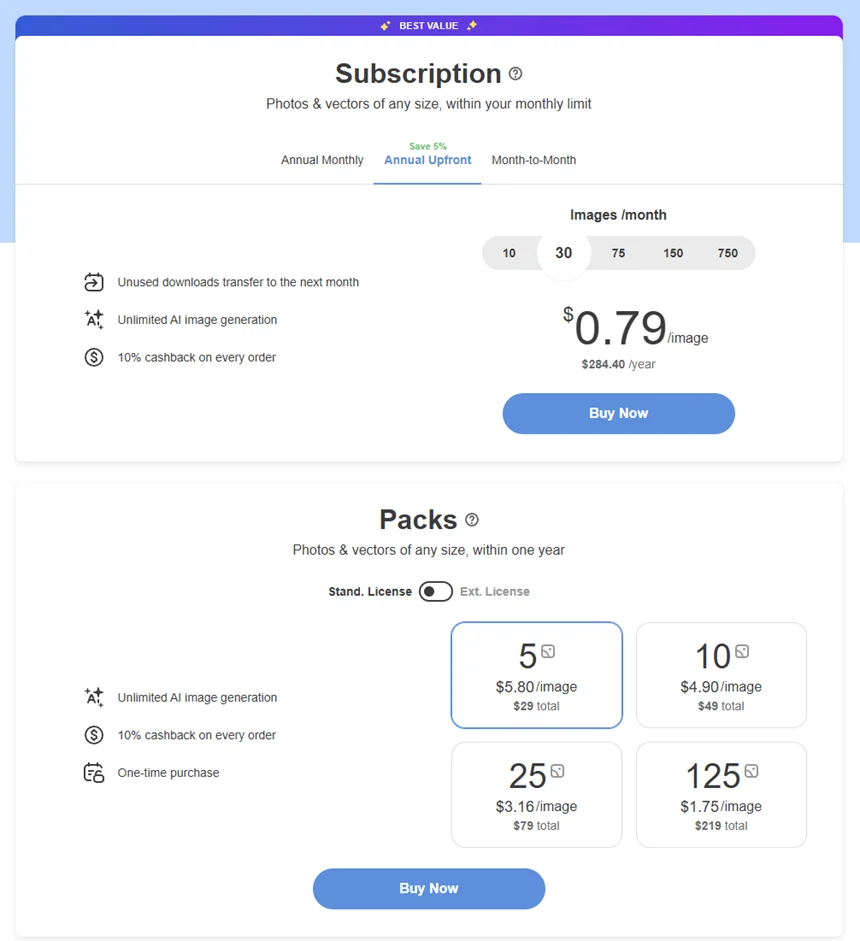
Professional stock platforms like Shutterstock have responded to this by offering "Enterprise-grade" libraries that provide:
- Speed to Market: Instant access to millions of high-resolution files.
- Scalability: The ability to populate a 500-page site with cohesive imagery in days rather than months.
- Diversity and Inclusion: Ready-made collections featuring a global spectrum of ages, ethnicities, and abilities, which is a mandatory requirement for brand equity in 2026.
- Legal Indemnification: Comprehensive licensing that protects businesses from copyright infringement—a growing risk in the age of AI-generated content.
Expert Analysis: The Role of AI in Stock Media Selection
Dr. Elena Vance, a lead UX strategist at a top-tier digital agency, suggests that the "smart" use of stock imagery in 2026 involves more than just downloading a file. "We are seeing a trend where stock images serve as the foundation, which are then subtly modified using AI design tools to match the brand’s specific color palette or lighting style," Vance notes. "This ‘Hybrid Model’ allows for the cost-effectiveness of stock with the unique feel of custom work."
Furthermore, the integration of AI-powered search within stock platforms has revolutionized the curation process. Instead of searching for keywords like "team meeting," designers now use "reverse image search" or "style descriptors" to find assets that match the exact emotional resonance of their brand.

Supporting Data: Visuals and SEO in 2026
Search Engine Optimization (SEO) has also become inextricably linked to imagery. Google’s 2026 algorithms place a heavy emphasis on "Visual Search" and "Image Context." Websites that use original, high-quality images with proper metadata (Alt-text, schema markup) rank significantly higher in search results.
Additionally, technical performance metrics—specifically Core Web Vitals—are heavily influenced by how images are served. Modern stock providers now offer assets that are pre-optimized for various breakpoints, ensuring that a high-resolution desktop image does not bog down a mobile user’s experience. According to a 2025 performance report, sites that optimized their image delivery saw an average decrease in "Largest Contentful Paint" (LCP) by 40%, directly correlating to a 12% lift in organic traffic.
Official Responses and Industry Sentiment
In a recent industry roundtable, representatives from leading stock agencies emphasized the shift toward "Ethical Content." As concerns over AI-generated "deepfakes" and non-consensual imagery rise, professional stock providers are positioning themselves as the "Safe Harbor" for brands.

"Our focus for 2026 is on verified, contributor-led content," stated a spokesperson for a major visual content provider. "Brands are realizing that the ‘wild west’ of free image libraries or unverified AI outputs carries too much reputational and legal risk. Trust is the currency of the 2026 web, and that trust starts with the provenance of the image."
Strategic Implications for Future Relaunches
As businesses look toward the second half of the decade, the strategy for website relaunches must prioritize visual storytelling as a core business function. The implications are clear:
- Budget Allocation: Marketing budgets must shift from pure development to high-quality asset acquisition.
- Brand Cohesion: Visual style guides must be as rigorous as brand voice guidelines.
- User-Centric Selection: Images should be chosen based on their ability to guide the user through the conversion funnel, rather than simply filling space.
In conclusion, a website relaunch in 2026 is a high-stakes endeavor where the margin for error is razor-thin. By leveraging professional stock imagery through a strategic, data-driven lens, brands can bridge the "trust gap," enhance their visual authority, and drive measurable conversion growth. The visual landscape will continue to evolve, but the fundamental human response to high-quality, authentic imagery remains the most powerful tool in the digital marketer’s arsenal. Organizations that recognize images as essential infrastructure rather than decoration will be the ones that thrive in the hyper-competitive digital economy of the future.