Macro wildlife photography stands as one of the most compelling and intrinsically rewarding disciplines within the vast realm of photographic pursuits. By purposefully shifting focus from grand landscapes and large fauna to the intricate details of smaller subjects, photographers are granted an extraordinary opportunity to unveil an entire universe of often-overlooked wonders. This specialized approach not only reveals hidden textures, patterns, and behaviors but also enables the creation of truly captivating imagery, bringing into public view creatures and phenomena that many individuals rarely, if ever, encounter in their daily lives.
A Historical Lens: Tracing the Evolution of Macro Capture
The fascination with the minute world is far from new. From the early scientific illustrations meticulously rendered by naturalists to the advent of microscopy, humanity has long sought to understand the complexities of life beyond the naked eye’s perception. Photography’s entry into this field marked a revolutionary turning point. Early photographic pioneers, limited by bulky equipment and slow film speeds, experimented with close-up techniques, primarily for scientific documentation. The term "macro photography" itself gained prominence as lenses and cameras evolved to achieve magnifications approaching or exceeding life-size (1:1 ratio or greater) on the film plane or sensor.
The mid-20th century saw significant advancements in lens design, with specialized macro lenses becoming more accessible. However, it was the digital revolution of the late 20th and early 21st centuries that truly democratized macro photography. Digital single-lens reflex (DSLR) and later mirrorless cameras, combined with advanced autofocus systems, high ISO capabilities, and increasingly sophisticated macro optics, transformed a niche scientific tool into a widespread artistic and observational hobby. This technological leap enabled photographers to capture fleeting moments of tiny subjects with unprecedented detail and ease, moving beyond static studio setups to dynamic field conditions. The immediate feedback offered by digital screens also accelerated the learning curve for aspiring macro enthusiasts, fostering a global community dedicated to exploring and sharing the micro-wonders of the natural world.
Beyond the Bloom and Bug: Expanding the Macro Subject Spectrum

While insects and flowers have historically dominated the macro photography landscape—and for good reason, given their abundant and visually striking characteristics—the discipline offers a far richer palette of subjects awaiting discovery. From the iridescent exoskeletons of jumping spiders to the delicate veins of a dew-kissed petal, these conventional subjects certainly deliver "eye-catching visuals" and tick all the boxes for revealing rarely seen beauty. However, the true potential of macro wildlife photography lies in daring to look beyond the most popular and conventional, exploring alternatives that are often much closer than one might imagine. This exploration enriches both the photographer’s portfolio and the viewer’s understanding of biodiversity.
Reptiles and Amphibians: Scaled Wonders
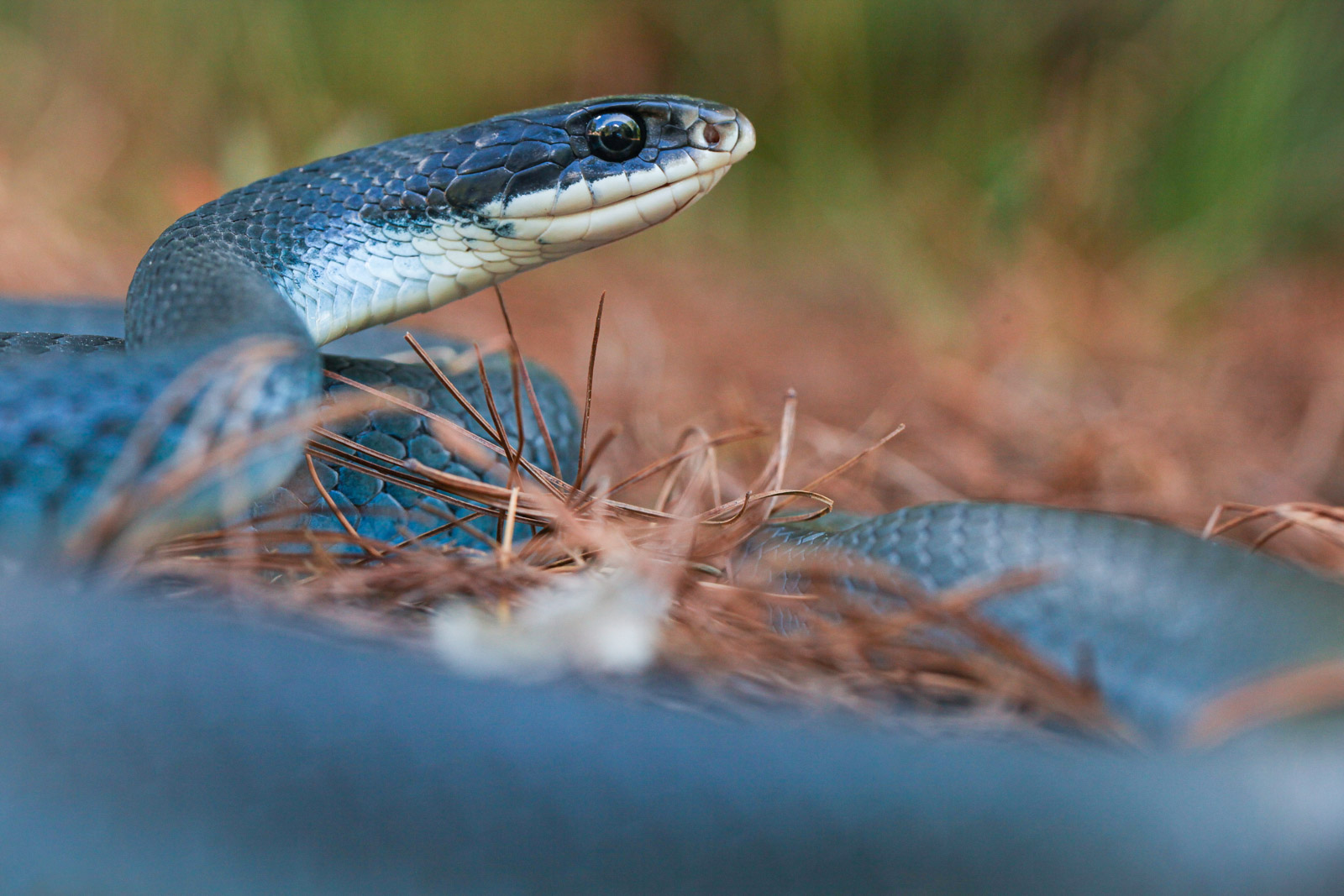
Snakes, lizards, frogs, and other cold-blooded creatures present a magnificent opportunity for macro-level investigation. Their skin, often a mosaic of scales, patterns, and textures, becomes a canvas of abstract art under high magnification. The intricate details of a chameleon’s eye, the subtle iridescence on a snake’s scale, or the translucent skin of a glass frog revealing its internal organs are all elements that transform these creatures into ideal subjects for close-up photography. Such images contribute not only to artistic expression but also to herpetological studies, offering unique insights into species identification and physiological characteristics.
Avian Details: Feathers, Talons, and Beaks Up Close
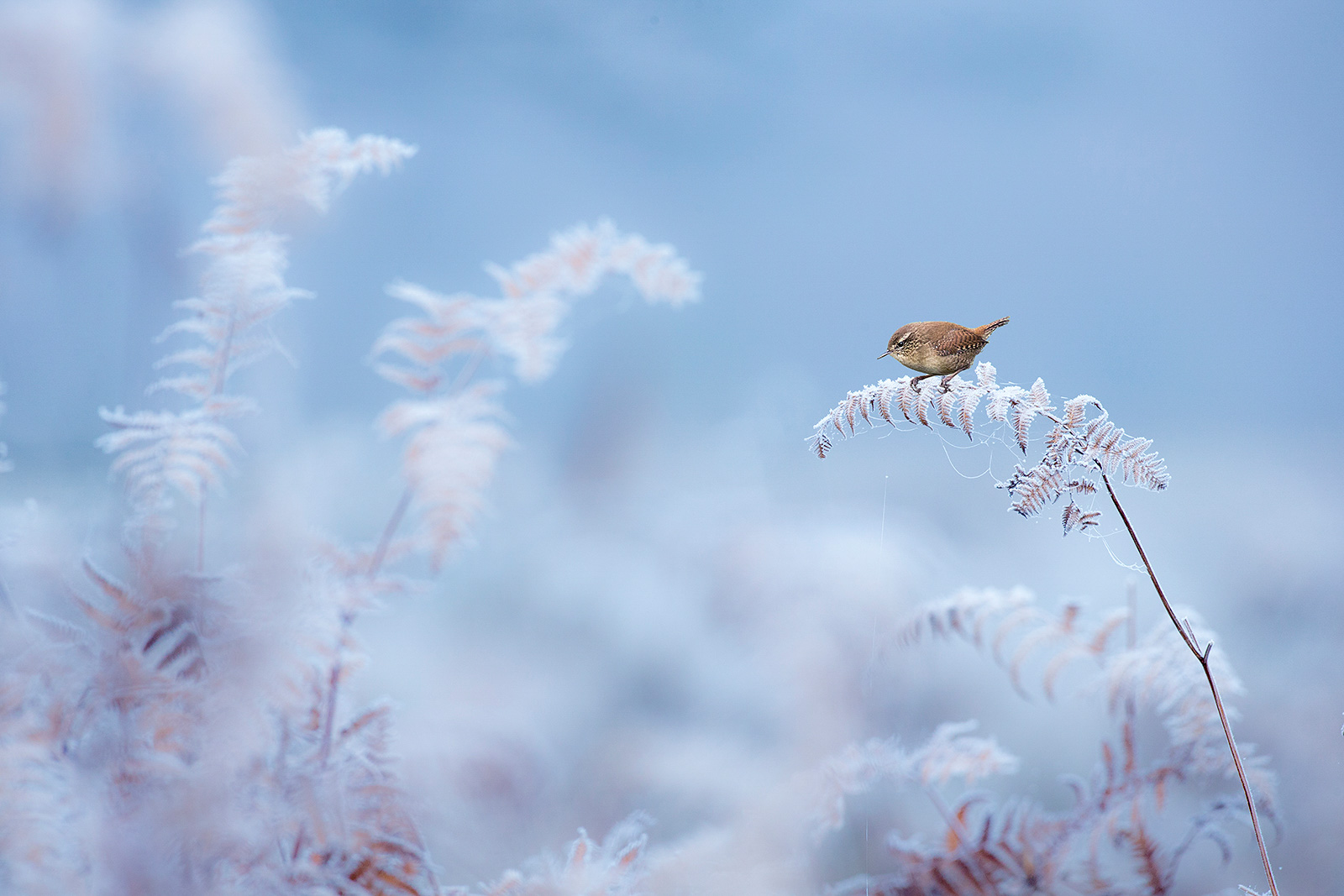
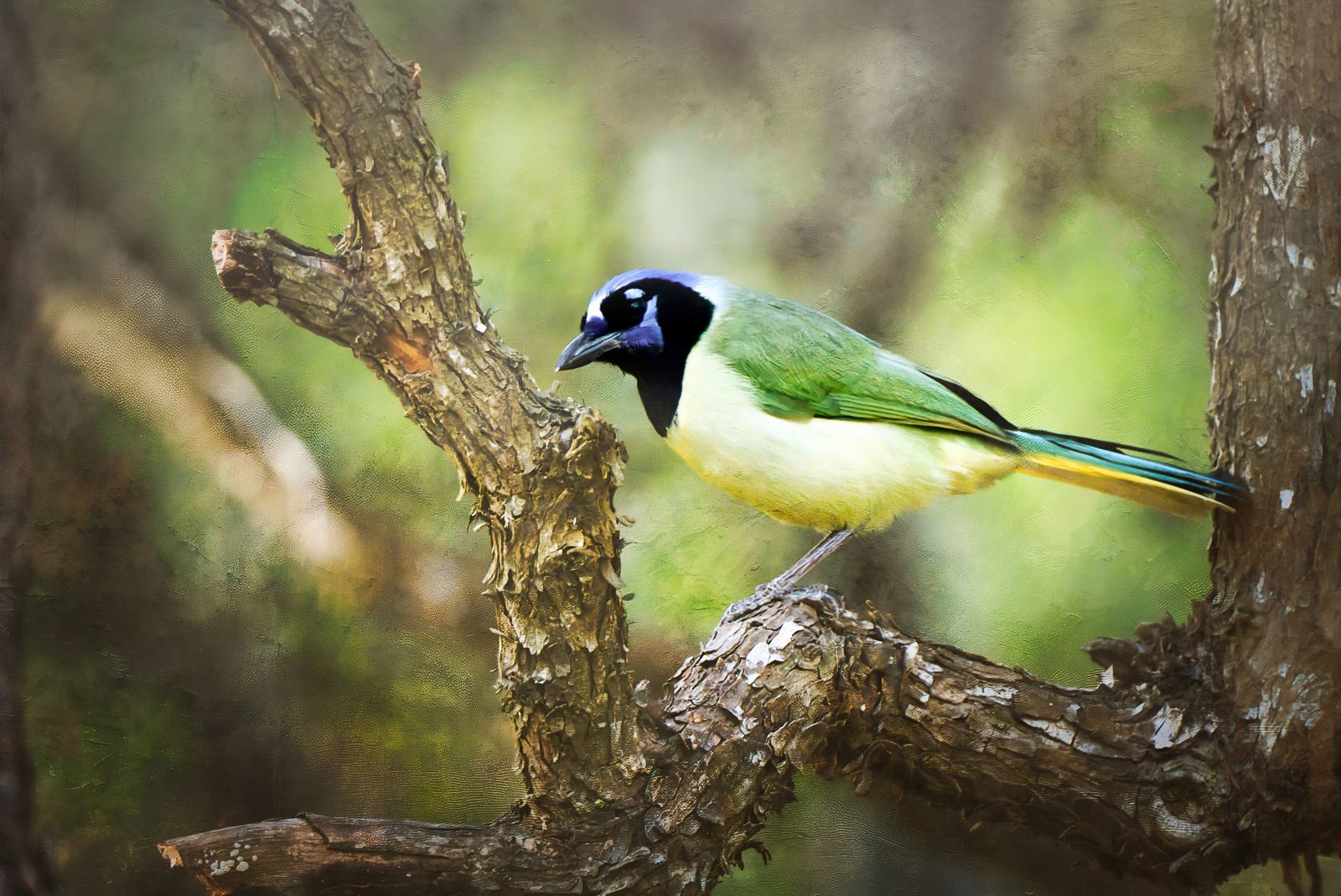
While bird photography typically involves telephoto lenses to capture subjects from a distance, macro opportunities can arise for the patient and observant photographer. Focusing on specific avian body elements like feathers, talons, or beaks can yield surprisingly intimate and unique perspectives. The barbules and barbs of a feather, the razor-sharp precision of a raptor’s talon, or the specialized structure of a hummingbird’s beak, often overlooked in wide shots, reveal exquisite adaptations for survival. These details, when captured in macro, tell stories of evolution and environmental interaction.

Mammalian Miniatures: Capturing Fur and Form
Similar to birds, photographing larger mammalian subjects often involves distance. However, for smaller mammals like rodents, bats, or even parts of larger animals, macro photography becomes possible. The texture of fur, the sensitivity of whiskers, the complexity of an eye, or the delicate structure of a paw can offer compelling macro subjects. The intricate patterns of a squirrel’s fur, the translucent membranes of a bat’s wing, or the expressive micro-details of a primate’s hand can reveal an unexpected beauty and connection to the larger animal kingdom.
The Aquatic Realm: Unveiling Underwater Intricacies
With the correct underwater photographic setup, an entirely new world of macro subjects unfurls. Marine life, including various fish species, the vibrant nudibranchs, and a plethora of crustaceans, offers an astonishing spectrum of colors, forms, and unique features. These creatures, often diminutive and dwelling in inaccessible underwater environments, possess elaborate details rarely observed or documented. Macro photography here plays a crucial role in marine biology, helping to identify species, document behaviors, and raise awareness about the fragile ecosystems of our oceans.
Fungi: Static Marvels of the Forest Floor
Perhaps one of the most accessible yet overlooked macro subjects is fungi. These organisms, which do not move, offer ample time for composition and focus. Fungi often boast a bewildering array of unique surfaces, intricate gill structures, and diverse textures. When captured with a macro lens, these seemingly simple organisms transform into abstract and visually exciting imagery, highlighting their vital role in forest ecosystems and their often otherworldly beauty. Whether in a dense rainforest, a sun-drenched desert, or even a local backyard, a worthy macro wildlife photography subject is invariably within reach, awaiting discovery.

The Essential Toolkit: Gear for the Macro Enthusiast
Successful macro wildlife photography hinges not just on keen observation but also on possessing the right equipment. The core requirement is a lens capable of rendering small subjects larger than life, often complemented by additional lighting to illuminate these tiny worlds.
Specialized Optics: Lenses and Adaptations
A dedicated macro lens is paramount for achieving true close-up magnification. These lenses are designed to focus much closer than standard lenses, often achieving a 1:1 reproduction ratio or even higher. The choice of macro lens depends on factors such as budget, the specific subjects one intends to photograph, and practical considerations for field use. For those new to the discipline, more budget-friendly alternatives exist, such as extension tubes (which increase the lens-to-sensor distance, allowing for closer focusing) or close-up filters (magnifying elements that screw onto the front of a standard lens). While these options provide an entry point, a dedicated macro lens generally offers superior optical quality and working distance.

Illuminating the Microcosm: The Role of Lighting
Beyond the lens, effective lighting is arguably just as, if not more, critical in macro photography. The extreme close-up distances often mean that ambient light is insufficient or casts harsh shadows. To achieve standout images with optimal detail and dimension, a combination of a light source, typically a flash, and a diffuser is almost always necessary. A dedicated external flash, ideally an off-camera flash or a ring flash, provides much greater control over light direction and intensity compared to a camera’s built-in flash. This flexibility allows photographers to sculpt light, highlighting textures and separating the subject from its background.
Mastering the Art: Techniques for Optimal Macro Results
Beyond equipment, several fundamental techniques are crucial for producing compelling macro wildlife photographs.

Stabilization Strategies for Pin-Sharp Images
Unlike landscape photography where a tripod is often indispensable, dynamic macro wildlife photography often demands mobility. While a tripod can be beneficial for static subjects like fungi or flowers, it can hinder the pursuit of elusive, moving creatures. For handheld shots, stability is achieved by gripping the camera body firmly with both hands, often with the flash mounted directly to the hot shoe. When photographing ground-dwelling subjects, a beanbag or even a rolled-up towel can provide a versatile and quick stabilization platform, offering a low-angle perspective and reducing camera shake more effectively than trying to balance on uneven terrain.
Controlling Light: Shaping the Narrative
Initial attempts with flash are often best made with the flash mounted on the camera. Once comfortable with the results, experimenting with off-camera flash positions opens up a world of creative possibilities. Directing light from the top, side, or even back of the subject can dramatically alter the mood and visual impact of an image. Backlighting, for instance, can create striking silhouettes or highlight translucent elements, while side lighting can accentuate textures and create a sense of depth. The use of a diffuser is paramount, softening the harsh light of a flash to create more natural-looking and flattering illumination, minimizing specular highlights and deep shadows. The choice of diffuser—from foldable softboxes to custom-built solutions—often comes down to personal preference and the specific shooting conditions.
Precision Focusing and Aperture Choices
Achieving precise focus in macro photography is critical due to the extremely shallow depth of field inherent at high magnifications. The choice of focusing mode is often personal. Some photographers prefer AI Servo (or continuous autofocus) for moving subjects, while others opt for "one-shot" AF for more deliberate control. For ultimate precision, manual focusing is often preferred, allowing the photographer to fine-tune the point of focus. Generally, the most important detail, such as an animal’s eye, a specific scale, or a prominent texture, should be the primary focus point. Regarding aperture, a starting point of f/11 is often recommended for small-subject macro shots, providing a reasonable depth of field while maintaining sharpness. Experimentation around this aperture is encouraged to find the optimal balance between sharpness and background blur for different subjects and creative visions.

The RAW Advantage: Maximizing Post-Production Potential
Shooting in RAW format is standard practice for any serious photographer, and it is particularly beneficial in macro wildlife photography. RAW files retain significantly more image data than compressed JPEG files, offering far greater flexibility and latitude for adjustments in post-processing. This is invaluable in wildlife encounters, where conditions can be unpredictable and opportunities fleeting. RAW allows for comprehensive corrections to exposure, white balance, color, and contrast that might have been missed in the field, ensuring that even a slightly imperfect capture can be transformed into a high-quality image.
Cultivating Patience: The Unsung Skill
Beyond technical proficiency, patience is an indispensable virtue in macro wildlife photography. The subjects are often small, shy, and unpredictable. Mistakes will be made—missed shots, blurry images, uncooperative subjects. The ability to remain calm, clear the mind of frustration, and calmly refocus on the task at hand is crucial for achieving consistent success. This mental resilience allows photographers to wait for the perfect moment, observe subtle behaviors, and ultimately capture the truly extraordinary.
Ethical Frameworks: Responsible Macro Wildlife Photography

In all forms of wildlife photography, but especially when working at such close proximity, ethical considerations must always be paramount. The welfare of the plant or animal subject should unequivocally be the top priority. No photograph, regardless of its artistic merit or potential impact, is worth causing harm, distress, or disturbance to a living creature.
Minimize Disturbance: Responsible photographers are capable of achieving outstanding imagery without altering the natural behavior or environment of their subjects. This requires a deep understanding of animal behavior and the ability to work quickly and quietly. Practicing techniques at home in a controlled environment, as mentioned previously, can significantly improve efficiency in the field, reducing the time spent near a sensitive subject. This approach not only protects the animal but also often yields more authentic and compelling photographs.
Know Your Subject: Entering the field with prior knowledge about the animals likely to be encountered is a critical ethical step. Understanding if a species is protected, venomous, poisonous, or particularly susceptible to human contact is vital for both the photographer’s safety and the animal’s well-being. Consulting local field guides, conservation websites, or wildlife blogs provides essential information. This knowledge informs decisions on how close to approach, how to position oneself, and whether to even attempt a photograph, especially if the subject appears stressed or agitated.

By consistently prioritizing the animal’s welfare, photographers set a positive example for peers and contribute directly to conservation efforts. This commitment ensures that the captivating creatures we enjoy observing and photographing will continue to thrive for future generations, fostering a deeper appreciation for the delicate balance of the natural world.
A Deeper Connection: The Broader Impact of Macro Photography
It is easy to understand why macro photography enjoys immense popularity, particularly among hobbyists and across social media platforms. The unique ability to capture often-overlooked subjects at a magnification that reveals their hidden qualities is profoundly compelling. These images do more than just entertain; they serve as powerful educational tools, allowing viewers to interpret the natural world in an entirely new light.

Beyond the immediate visual appeal, engaging in macro wildlife photography fosters a heightened sense of awareness in the photographer. One begins to notice the smaller details of the natural world—the intricate structure of a butterfly’s wing, the subtle patterns on a snake’s scales, or the surprisingly human-like dexterity of a monkey’s hand (if approached ethically and carefully). This shift in perception deepens one’s connection to the environment and highlights the incredible biodiversity present even in seemingly mundane locations.
Moreover, macro photography contributes significantly to scientific research and conservation. By documenting minute species, especially those that are rare or newly discovered, photographers can provide invaluable data to biologists and ecologists. These images can aid in species identification, behavioral studies, and monitoring population health. In a broader context, the stunning visuals produced by macro photographers can inspire public interest in conservation, turning abstract scientific concepts into relatable and awe-inspiring experiences.
In conclusion, the journey into macro wildlife photography is rarely a dull experience. It is a quest for discovery, a blend of technical skill and artistic vision, and a profound exercise in patience and ethical responsibility. For those eager to peel back the layers of the unseen world and reveal the microscopic marvels that abound, the time is now to equip oneself, hone one’s skills, and venture forth to discover the captivating macro world firsthand.