Brazil’s Lençóis Maranhenses National Park, a UNESCO World Heritage Site, offers a breathtaking spectacle of natural artistry, a vast 600-square-mile expanse where colossal white sand dunes intertwine with crystal-clear lagoons and serpentine river systems. This unique ecosystem, located in the northeastern corner of Brazil, transcends the typical focus on wildlife portraiture and habitat portrayal, presenting a landscape so profoundly moving that it demands exploration through a different lens – the aerial perspective. What began as a planned stopover en route to Patagonia for photographer Paul Nicklen transformed into an immersive artistic journey, revealing the park’s extraordinary ecological and geological significance.
A Landscape Forged by Wind and Water
The Lençóis Maranhenses, meaning "sheets of the Maranhão," is characterized by its striking topography: immense, undulating dunes of pure white sand that are seasonally replenished by rainfall, creating thousands of ephemeral lagoons. These freshwater pools, often shimmering in vibrant shades of turquoise and jade, offer a stark and beautiful contrast to the bleached sands. The park’s eastern boundary is defined by over 40 miles of coastline, interspersed with small fishing villages, which gently slopes into the vastness of the Atlantic Ocean. Winding rivers, stained a rich, tannin-laden brown from decaying vegetation, carve their paths through the dunes, eventually merging with the sea. To the west, the landscape gradually transitions from this desert-like terrain and wetland mosaic to the native Brazilian cerrado, a savanna-like biome, and then to dense forests, before ultimately giving way to agricultural lands.
The geological formation of the Lençóis Maranhenses is a testament to the dynamic interplay of wind and water. Over millennia, prevailing winds have transported sand from the São Luís basin, depositing it to form the massive dune fields. The region experiences a distinct rainy season, typically from January to June, during which an average annual rainfall of around 1,200 millimeters (approximately 47 inches) saturates the landscape. This rainfall accumulates in the depressions between the dunes, forming the iconic lagoons. However, as the dry season approaches, from July to December, evaporation intensifies, and the lagoons begin to recede, some disappearing entirely. This cyclical transformation makes the park a constantly evolving natural masterpiece.
Embracing the Aerial Viewpoint
Traditionally, capturing expansive aerial views of such landscapes involved the use of cramped, open-door aircraft like Ultralights or Cessnas, presenting inherent logistical and safety challenges. However, the advent of drone technology and Unmanned Aerial Vehicles (UAVs) has revolutionized the possibilities for aerial photography. Nicklen’s approach in the Lençóis Maranhenses involved strategically deploying a drone, maintaining a low altitude to meticulously capture the intricate details of the terrain while simultaneously encompassing the grand scale of the park. This technique allowed his lens to traverse the "mural below," revealing the nuanced textures and sweeping vistas of this unique environment.
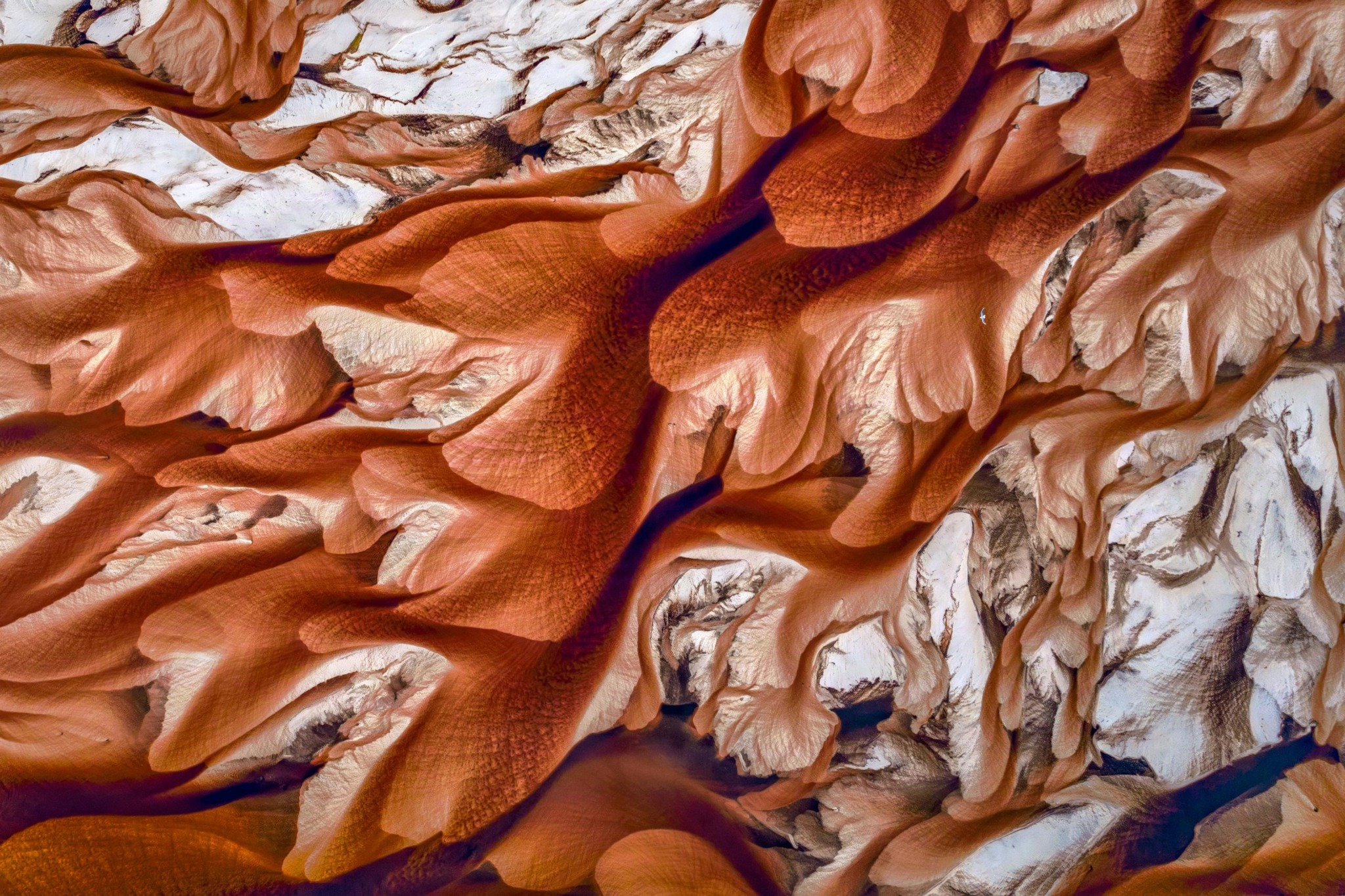
The dynamic nature of the park is amplified when viewed from above. Each subtle shift in the wind reshapes the sand dunes, creating delicate peaks and valleys. The glassy surfaces of the lagoons reflect the vast sky, creating a mesmerizing interplay of light and color. The leached tannins from the surrounding vegetation dye the slow-moving waters with striking hues of red, deep brown, and rust, which refract across the landscape like intricate veins. The Black River, a significant waterway in the region, snakes its way through the coastal lowlands, its dark, inky waters a stark counterpoint to the pale sand as it makes its journey to meet the Parnaíba River in the northeast. The sheer visual complexity, the constantly shifting patterns, and the vastness of the panorama from horizon to horizon created an almost overwhelming sensory experience, challenging the photographer to distill its essence into a single frame.
A Historical Pursuit of Nature’s Artistry
The human endeavor to represent and understand the natural world through art is an ancient and persistent one. From the earliest cave paintings, such as those found in the Chauvet Cave in France dating back approximately 30,000 years, to the meticulous scientific illustrations of the Renaissance, artists have dedicated their lives to observing and replicating nature’s forms. This pursuit reflects a deep-seated human connection to the environment and a desire to capture its ephemeral beauty.

In the context of photography, the challenge remains: how can a two-dimensional image fully convey the depth, scale, and dynamism of the natural world? Even with the sophisticated technology of modern digital cameras, the inherent limitations persist. The vastness of a planetary landscape or the intricate molecular structure of a cell’s nucleus present profound challenges to complete visual translation. This inherent difficulty, however, does not diminish the value of the attempt. Instead, it highlights the profound artistic and scientific endeavor involved in trying to capture even a fraction of nature’s magnificence.
Data and Conservation Implications
The Lençóis Maranhenses National Park, established in 1981, spans an area of approximately 1,550 square kilometers (600 square miles). The delicate balance of this ecosystem is sensitive to climatic changes and human activities. The UNESCO World Heritage inscription, granted in 2014, underscores its "outstanding universal value" and the critical need for its conservation.
Key Data Points:
- Rainfall Patterns: The seasonal formation and disappearance of lagoons are directly tied to the region’s distinct wet and dry seasons. Fluctuations in rainfall patterns due to climate change could significantly impact the hydrological cycle of the park.
- Dune Dynamics: The colossal dunes are active geological features, constantly shaped by wind. Their movement and stability are crucial for the ecosystem.
- Biodiversity: Despite its arid appearance, the park supports a unique array of flora and fauna adapted to its harsh conditions, including various fish species that inhabit the lagoons during the wet season and then survive in smaller pools or as eggs during the dry season. Migratory birds also rely on the lagoons as vital stopover points.
- Tourism Impact: The park attracts a significant number of tourists annually, estimated to be over one million visitors in pre-pandemic years. Sustainable tourism practices are essential to mitigate the impact on the fragile dune systems and water bodies.
Official Recognition and Conservation Efforts
The designation of Lençóis Maranhenses National Park as a UNESCO World Heritage Site in 2014 marked a significant milestone, elevating its global recognition and reinforcing the commitment to its preservation. This designation is based on specific criteria, including the park’s status as an outstanding example of ongoing ecological and biological processes in the evolution and development of terrestrial, freshwater, coastal, and marine ecosystems and plant and animal communities.
Brazilian environmental agencies, such as the Chico Mendes Institute for Biodiversity Conservation (ICMBio), are responsible for the management and protection of the park. Conservation efforts focus on monitoring ecological conditions, managing visitor access, preventing illegal activities like sand extraction or unregulated development, and promoting environmental education. International collaboration and research play a vital role in understanding and safeguarding this unique natural heritage.
Broader Impact and Future Outlook
The Lençóis Maranhenses National Park serves as a potent reminder of the Earth’s extraordinary natural beauty and the urgent need for its protection. The photographer’s journey, transcending a mere visual documentation to an artistic and spiritual exploration, highlights the profound connection between humanity and the natural world. As climate change continues to present challenges to ecosystems globally, such landscapes become even more critical to study, understand, and preserve.
The ability to witness and share these environments, particularly through innovative technologies like aerial drone photography, plays a crucial role in fostering public awareness and support for conservation initiatives. The images captured in the Lençóis Maranhenses not only showcase a visually stunning landscape but also serve as a testament to the intricate processes that shape our planet. The ongoing challenge lies in balancing the allure of such natural wonders with the imperative to protect them for future generations, ensuring that the vibrant blues of the lagoons and the sweeping contours of the dunes remain a source of inspiration and wonder. The pursuit of capturing nature’s artistry, as exemplified by Nicklen’s work, is not just about creating beautiful images; it is about fostering a deeper appreciation for the planet and a commitment to its stewardship.