When my parents chose to move our small family from Saskatchewan to the remote Arctic and undertake the biggest adventure of our lives, we had to let go of certain comforts. Both my mother and father came from farming families and inherited the unyielding work ethic that serves as the backbone of Canada’s heartland. Still, we found joy in the simple pleasures afforded by society—easy access to family, mild summer evenings, and the predictable cycles of the seasons. Uprooting to the Arctic meant trading the familiar for the unknown, but I quickly found that the benefits of living closer to nature far exceeded what we left behind.
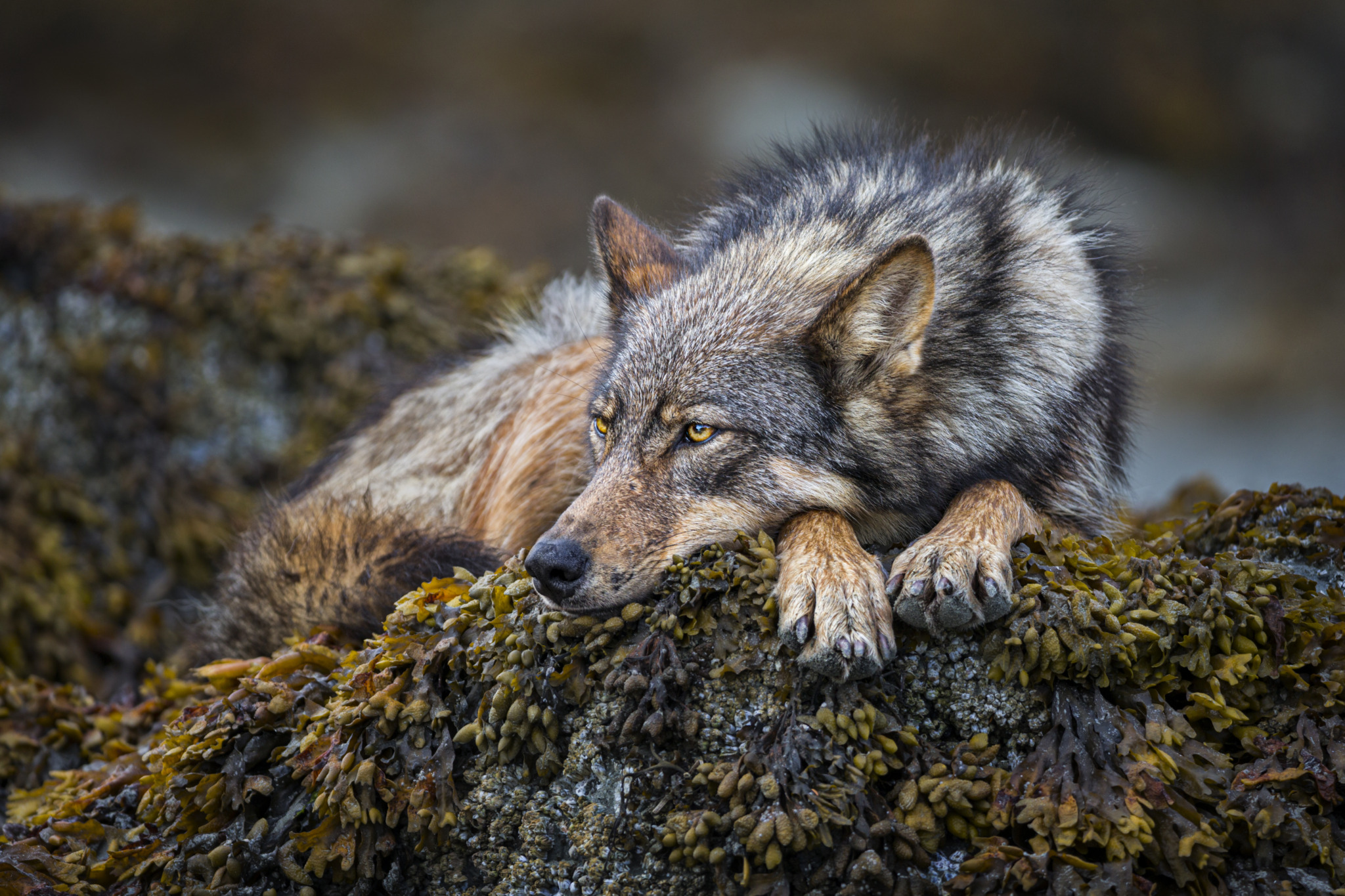
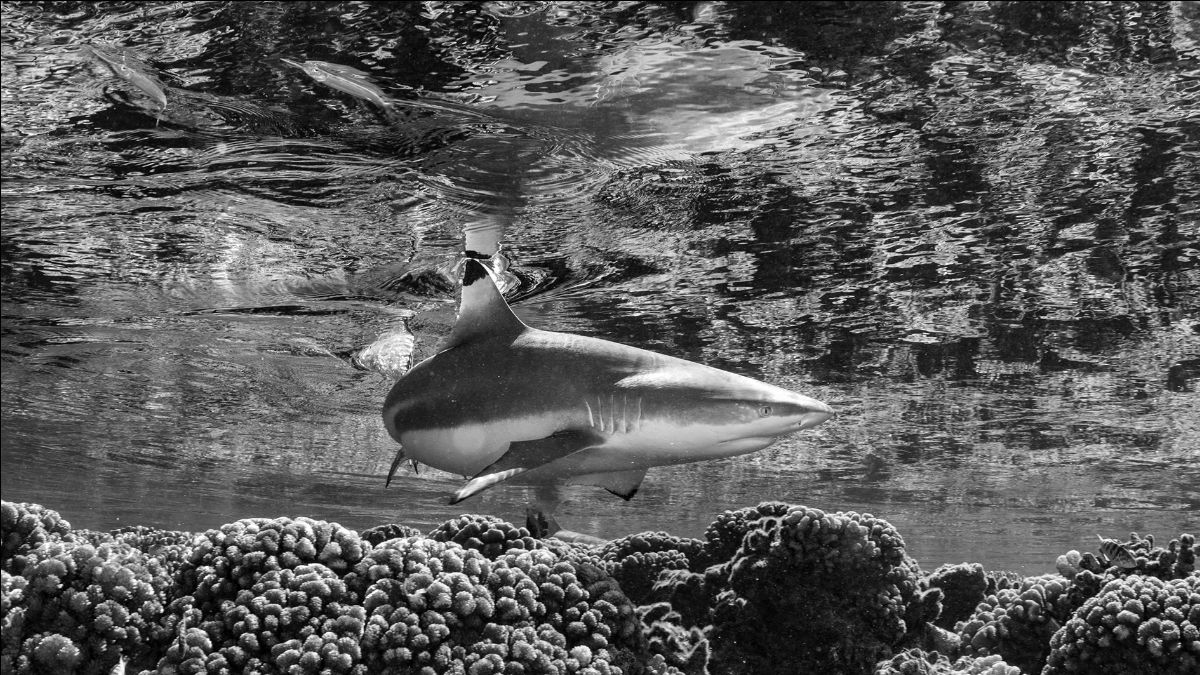
Since those early years, the best gifts in my life have always come from nature. After becoming a photographer, I used my camera to get closer to our wild kin. Wolves, penguins, lynx, sharks, and even the more elusive animals like spirit bears all became subjects of my lens. In my eyes, there is no greater privilege than living each day on a planet overflowing with more species and beauty than we could ever fully grasp. Of all the encounters I have shared with wildlife around the world, my experiences with whales, the true giants of Earth, have been some of the greatest gifts.
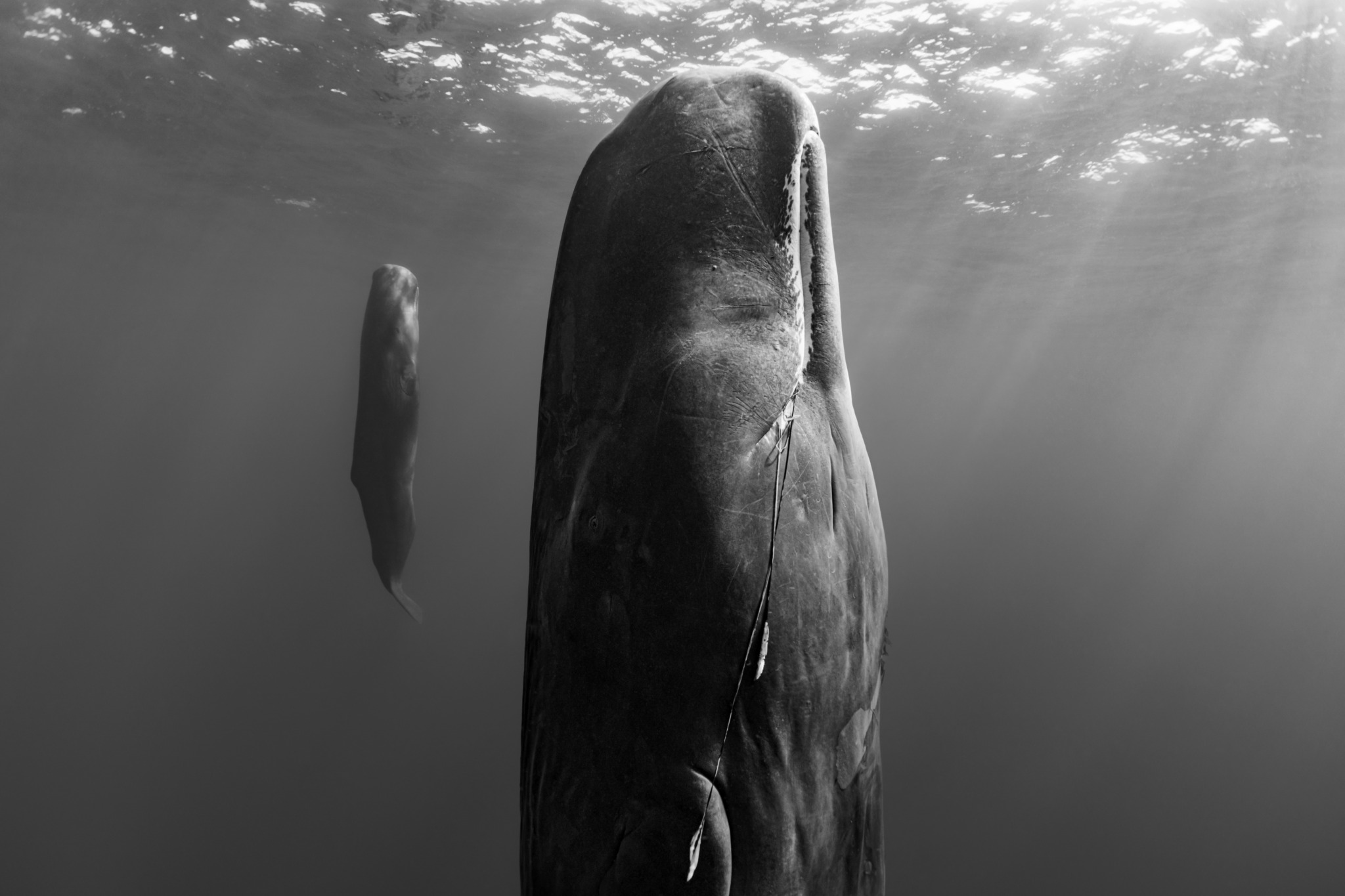
Like the Arctic wildlife I grew up with, such as wolves and polar bears, creatures like orcas and sperm whales inspire a mix of fear and awe in people. Despite their size and status as some of the ocean’s greatest hunters, there is no definitive record of orcas or sperm whales ever killing anyone. In fact, my own experiences have revealed their gentle nature and deep intelligence—a side that often goes unnoticed beneath the myths and misconceptions. Sperm whales, in particular, have garnered a reputation fueled in part by works of fiction, stories, and legends. Of all my encounters with whales, however, swimming with a pod off the coast of Dominica proved to be one of the most wholesome and eye-opening experiences of my life. Free-diving with a snorkel, I was able to get fairly close to a group dozing vertically in the water column. Sperm whales spend most of their time deep below the surface until they finally come up to breathe and rest, suspended with their heads pointed skyward.
The Arctic Genesis: A Foundation of Resilience and Wonder
The decision by the author’s parents to relocate their family from the agrarian plains of Saskatchewan to the stark, untamed beauty of the Arctic was a profound shift, representing not just a geographical move but a fundamental reorientation of their lives. This transition, undertaken in the late 20th century, was driven by a desire for a life less ordinary, a pursuit that demanded a shedding of the conveniences previously taken for granted. Saskatchewan, known as the "breadbasket of Canada," instilled in the family a deep-seated work ethic, a legacy inherited from generations of farming communities. This inherent resilience was crucial as they navigated the unique challenges and profound rewards of Arctic living.
The initial comforts relinquished were manifold: the proximity of extended family, the gentle predictability of mild summer evenings, and the easily discernible rhythm of the changing seasons. The Arctic, conversely, presented an environment characterized by extremes – vast, unforgiving winters, a fleeting but vibrant summer, and an isolation that required self-sufficiency and a profound connection to the natural world. Yet, as the author recounts, this deliberate embrace of the unknown yielded benefits that far surpassed the familiar comforts left behind. The stark beauty of the Arctic landscape, the unique adaptations of its wildlife, and the sheer scale of its natural phenomena fostered a deep appreciation for the planet’s intrinsic value. This early immersion in a wild environment laid the groundwork for a lifelong fascination with the natural world and its inhabitants.
The Lens of Discovery: A Career Dedicated to Wildlife Photography
The author’s transition from a childhood shaped by the Arctic wilderness to a career as a wildlife photographer is a testament to the enduring impact of early experiences. The camera became an extension of the author’s desire to understand and connect with the natural world on a deeper level. This professional pursuit has taken the author across the globe, documenting an extraordinary array of species. From the charismatic power of wolves and the stark elegance of penguins to the elusive mystery of spirit bears and the primal presence of sharks, each subject offered a unique window into the intricate tapestry of life on Earth.
This photographic journey is not merely about capturing images; it is about fostering a profound sense of connection and respect for the animal kingdom. The author’s perspective highlights the immense privilege of witnessing the planet’s biodiversity firsthand. This daily immersion in the wild serves as a constant reminder of the sheer abundance and complexity of life, a beauty that often eludes casual observation in our increasingly urbanized world. The act of photographing these creatures requires patience, dedication, and an intimate understanding of their behaviors and habitats, further deepening the author’s bond with nature.

Giants of the Deep: The Captivating World of Whales
Among the myriad of wildlife encounters that have shaped the author’s career, experiences with whales, often referred to as the "true giants of Earth," stand out as particularly transformative. These magnificent marine mammals, with their immense size and often-misunderstood nature, evoke a powerful blend of awe and apprehension in the human psyche. Species such as orcas and sperm whales, despite their formidable predatory capabilities, have no documented history of unprovoked fatal attacks on humans. This fact often contrasts sharply with their portrayal in popular culture, which frequently leans into their formidable power and perceived ferocity.
The author’s personal encounters, however, consistently reveal a different narrative – one of remarkable gentleness and profound intelligence. These observations challenge the prevailing myths and misconceptions that often shroud these creatures, offering a glimpse into a more nuanced reality. Sperm whales, in particular, have been subject to a rich legacy of fictional portrayals and folklore, contributing to an image that can be both captivating and intimidating. The author’s direct interactions aim to demystify these giants, showcasing their intrinsic value and the importance of their conservation.
The Dominica Encounter: A Calf’s Curious Charm
One of the most cherished and eye-opening experiences detailed by the author occurred off the coast of Dominica, while free-diving with a pod of sperm whales. This encounter provided an intimate perspective on the social dynamics and individual personalities within these complex marine societies. Sperm whales, known for their deep-diving habits, ascend to the surface primarily for respiration and rest, often adopting a vertical posture with their heads pointed towards the sky. This behavior allows for brief periods of surface activity before they descend back into the ocean’s depths.
During this particular dive, the author maintained a respectful distance, observing a matriarch and her group as they rested. The whales were clearly aware of the photographer’s presence and exhibited a remarkable degree of comfort and acceptance. This peaceful observation was dramatically punctuated by the unexpected approach of a young calf, affectionately nicknamed "Ariel" by local residents. This playful juvenile, evidently less inclined to rest than its elders, broke away from its mother and approached the author with surprising speed.
A Gentle Giant’s Game: The Playful Nature of Ariel
The encounter with Ariel, the young sperm whale, served as a pivotal moment, dismantling any lingering apprehension the author might have held. As the calf, estimated to be around 20 feet in length, surged towards the photographer, the author instinctively braced for contact. However, instead of any aggressive action, Ariel opened her mouth, which, notably, is toothless in calves, and began playfully gumming the camera housing. This behavior, described as akin to an "overgrown toddler," was characterized by curiosity and a gentle, almost affectionate, interaction.
Years of experience working with large and potentially unpredictable wildlife allowed the author to remain calm and react appropriately. By gently backing away, the author created space while Ariel continued her playful exploration. This interaction starkly contrasted with the monstrous image of the sperm whale often depicted in literature, such as the formidable Moby Dick, a creature that haunted Captain Ahab. Ariel’s actions were a clear demonstration of youthful exuberance, inquisitiveness, and a surprising, inherent gentleness, offering a profound insight into the individual personalities of these magnificent animals. The image accompanying this narrative, capturing Ariel emitting a stream of playful bubbles as she maneuvers past the photographer, encapsulates this tender and memorable moment.
The Enduring Legacy of Nature’s Embrace
Reflecting on a life rich with natural encounters, the author recognizes the foundational role played by those early years in the Arctic. The experiences of following in the tracks of bears and foxes, and later engaging with the magnificent whales, have fostered an even deeper connection with Earth’s wildest inhabitants. This profound bond is not merely an emotional response but a consequence of sustained immersion in natural environments. The more time individuals spend in communion with nature, the more the world reveals its wonders and offers new perspectives.
Beyond the material comforts and conveniences offered by the rapid pace of modern society, nature provides something far more valuable: genuine connection. This connection is characterized by a sense of belonging, an understanding of our place within the larger ecological web, and an appreciation for the intrinsic value of all living things. The author posits that this deep, authentic connection to the natural world is, in essence, the greatest gift of all. This sentiment underscores the critical importance of preserving natural habitats and fostering a culture of respect and stewardship for the planet’s biodiversity. The ongoing work of conservation organizations, supported by individuals and governments, aims to ensure that future generations can also experience these profound gifts of nature. Data from organizations like the International Union for Conservation of Nature (IUCN) consistently highlights the increasing threats to marine ecosystems, including those inhabited by whales, due to factors such as pollution, overfishing, and climate change. Efforts to mitigate these threats, such as the establishment of marine protected areas and the implementation of sustainable fishing practices, are crucial for safeguarding these vital species and the ecosystems they inhabit. The author’s personal narrative serves as a powerful reminder of the profound impact that direct engagement with the natural world can have on an individual’s life and worldview, advocating for a broader societal recognition of nature’s irreplaceable value.