The landscape of analog photography has undergone a significant financial transformation over the last decade, with niche formats such as panoramic photography seeing the most dramatic price escalations. Central to this trend is the Hasselblad XPan and its twin, the Fuji TX series, which have transitioned from specialized professional tools to luxury collector items. As secondary market prices for these dedicated panoramic systems reach unprecedented heights, a growing segment of the film photography community is re-evaluating the "Panoramic Mode" found in consumer-grade 35mm Single Lens Reflex (SLR) cameras of the 1990s. This shift represents a pragmatic approach to panoramic composition, prioritizing accessibility and creative intent over the raw negative size of high-end dual-format systems.
The Rise of the Dedicated Panoramic System
The Hasselblad XPan, introduced in 1998 in partnership with Fujifilm, revolutionized the panoramic format by allowing photographers to switch between standard 24x36mm frames and 24x65mm panoramic frames on the same roll of 35mm film. The system’s ability to produce a wide-aspect negative without cropping provided a level of detail and resolution that became the industry benchmark. However, the discontinuation of the series and the subsequent "analog renaissance" have pushed the cost of a functioning XPan or Fuji TX-2 into the range of £4,000 to £6,000, depending on condition and lens pairings.
For many enthusiasts, this price point has rendered the format inaccessible. The depreciation of these cameras was once so significant that they were frequently traded for nominal sums; however, current market dynamics have categorized them as "deep pocket" investments. This economic barrier has led to a resurgence of interest in the "P-mode" or panoramic masking feature found in many late-era 35mm SLRs and point-and-shoot cameras, which offers a similar aspect ratio through internal masking rather than an expanded negative.
The Technical Mechanism of Panoramic Masking
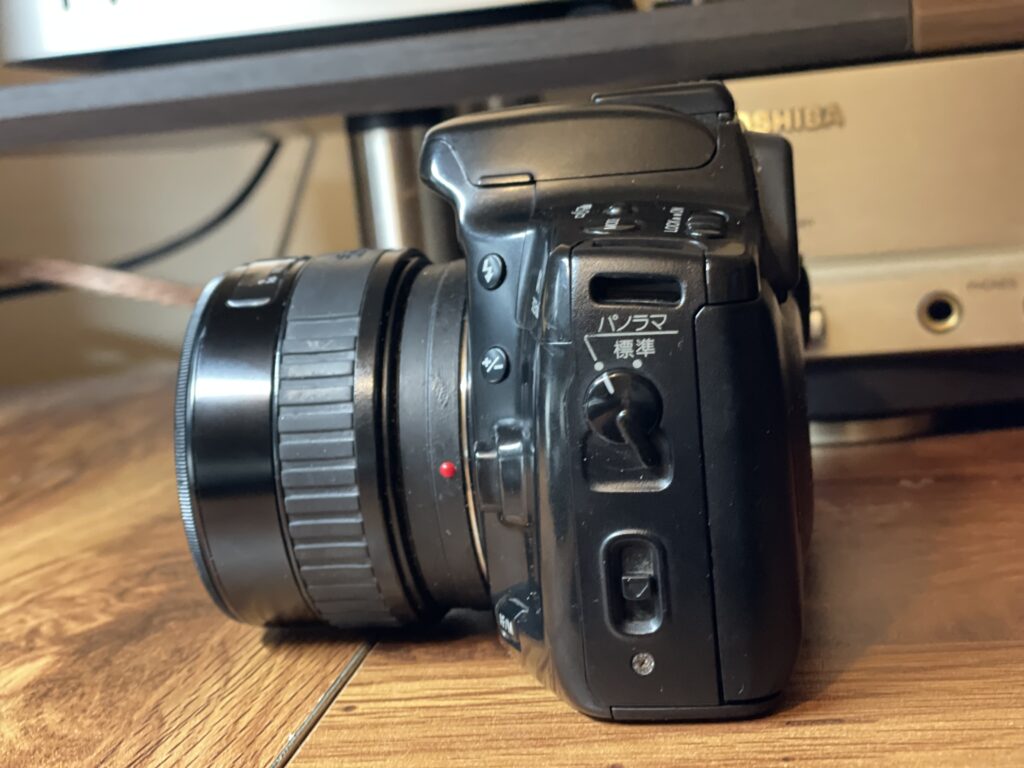
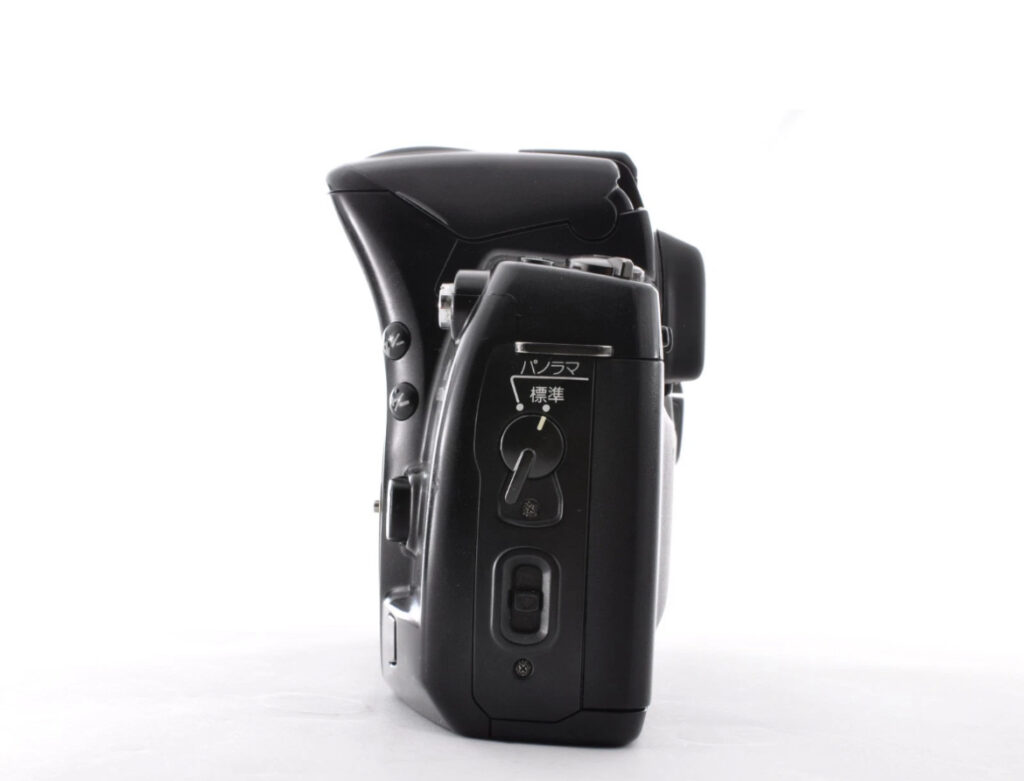
To understand the viability of consumer SLRs as panoramic alternatives, it is necessary to distinguish between "true" panoramic and "masked" panoramic formats. A dedicated system like the XPan physically exposes a larger area of film. In contrast, consumer cameras with a "P" option utilize two plastic masks—one located in the film gate and another in the viewfinder—to block out the top and bottom of a standard 35mm frame.
While critics often argue that masking a standard frame results in a loss of resolution (effectively "cropping in-camera"), proponents of the method emphasize the psychological and artistic importance of composition. The ability to see the panoramic frame through the viewfinder allows the photographer to arrange elements according to the 2.7:1 or 3:1 aspect ratio in real-time. This "composition-first" approach is often cited as superior to cropping in post-production, as it forces the creator to engage with the panoramic format at the moment of capture.
The Minolta Alpha Series: A Strategic JDM Alternative
Among the various manufacturers that experimented with panoramic masks, Minolta (marketed as Maxxum in North America and Dynax in Europe) produced some of the most capable and overlooked options. Specifically, the Japanese Domestic Market (JDM) "Alpha" series frequently included panoramic switches that were omitted from Western releases.
The Alpha Sweet II (Dynax 5)
The Minolta Alpha Sweet II, known in Europe as the Dynax 5, is often cited as the pinnacle of the "plastic fantastic" SLR era. Despite its lightweight construction, it features a sophisticated autofocus system, high-speed shutter capabilities, and a reliable metering system. The JDM version includes a dedicated panoramic toggle that masks both the film plane and the viewfinder, providing a seamless transition between formats.
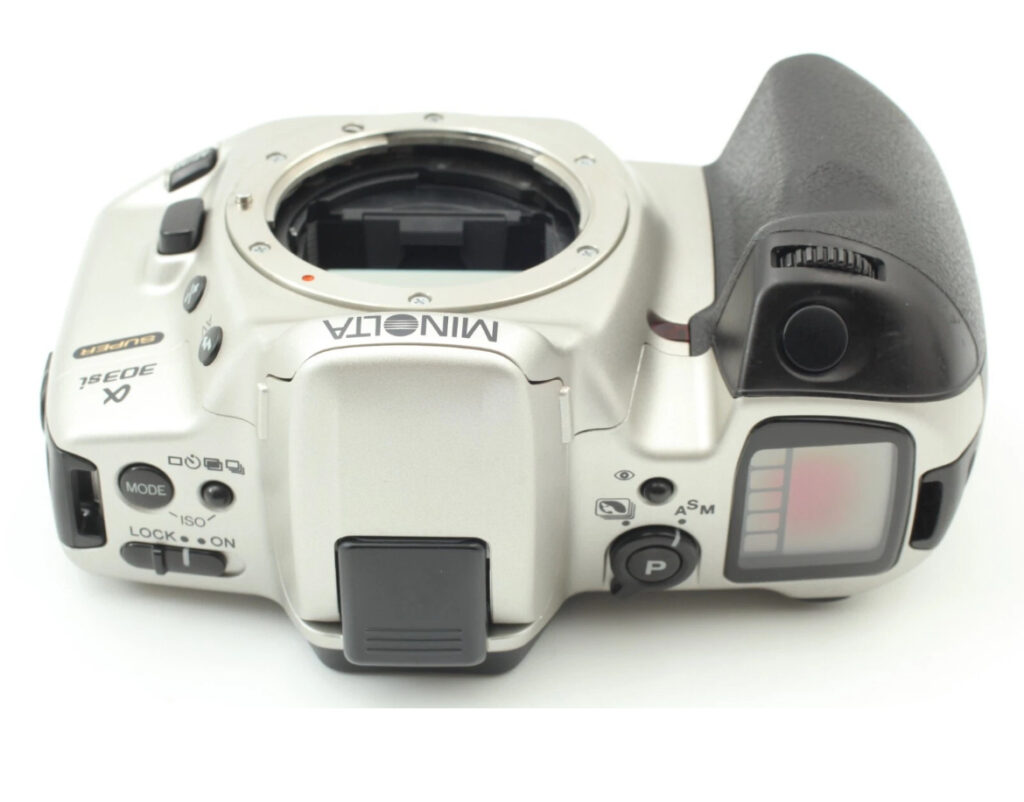
The Alpha 303si and 303si Super
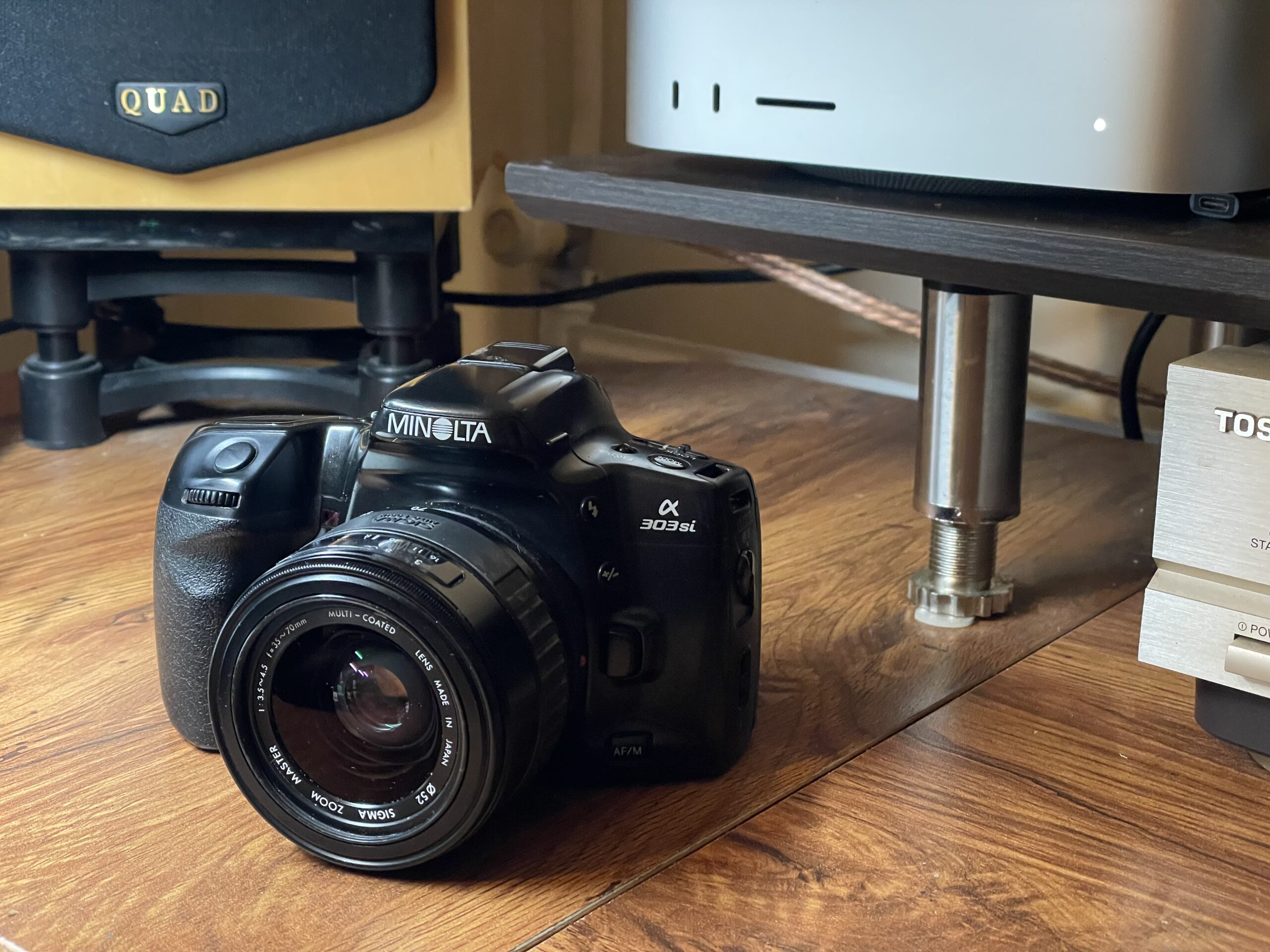
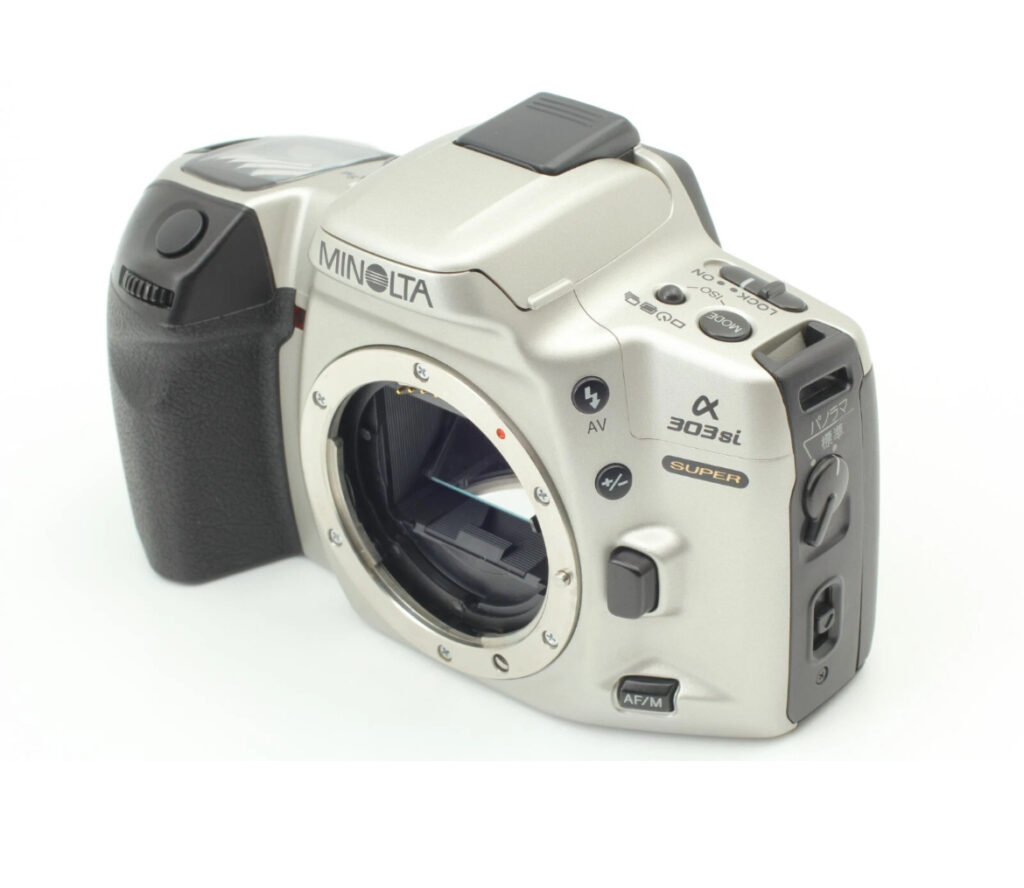
For photographers operating on a minimal budget, the Minolta Alpha 303si offers a basic but functional entry point. Acquirable on secondary markets for as little as £15, including a kit lens, the 303si features a pentamirror viewfinder and a simple interface. While it lacks advanced features such as manual ISO selection—a significant drawback for users of black-and-white film who wish to push or pull their exposure—the "Super" variant of the 303si addresses these limitations with an expanded feature set.

The Alpha 807si (Maxxum 800si)
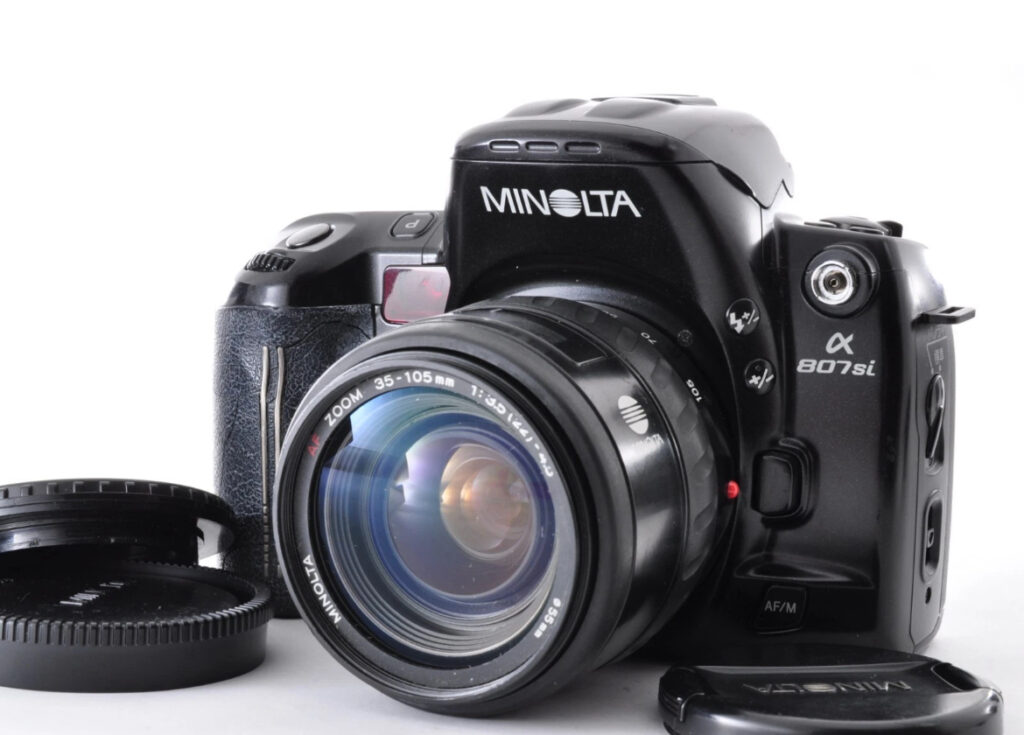
For those seeking a more professional experience, the Alpha 807si (the JDM version of the 800si) represents a significant upgrade. Unlike the entry-level models, the 807si features a large, bright pentaprism viewfinder, which is essential for precise panoramic framing. It offers advanced metering, high-speed sync, and robust build quality, positioning it as a semi-professional bridge between consumer masking and high-end dedicated systems.
Comparative Quality and the Half-Frame Parallel
The primary argument against masked panoramic photography is the reduction in negative real estate. By masking a 24x36mm frame to approximately 13x36mm, the photographer loses nearly 50% of the potential resolution. However, recent market trends in the film industry suggest that resolution is not the sole metric of value for modern analog users.
The recent success of the Pentax 17 and the enduring popularity of vintage Olympus Pen cameras demonstrate a robust market for the "Half-Frame" format. A half-frame negative (17x24mm) is actually smaller in total surface area than a masked panoramic frame (13x36mm). If the photographic community accepts the quality of half-frame images for their aesthetic and economic benefits (72 exposures per roll), the "quality loss" argument against masked panoramas becomes logically inconsistent. When paired with fine-grained film stocks like Kodak Ektar 100 or professional cinema films like Cinestill 800T, masked panoramic frames can produce sharp, high-quality prints and scans that rival standard 35mm photography.
Field Test Analysis: The Norwich Excursion
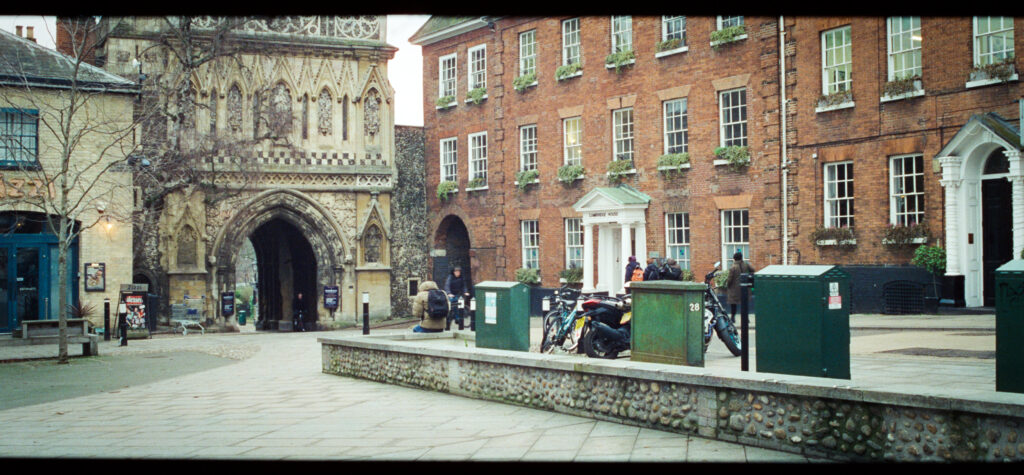
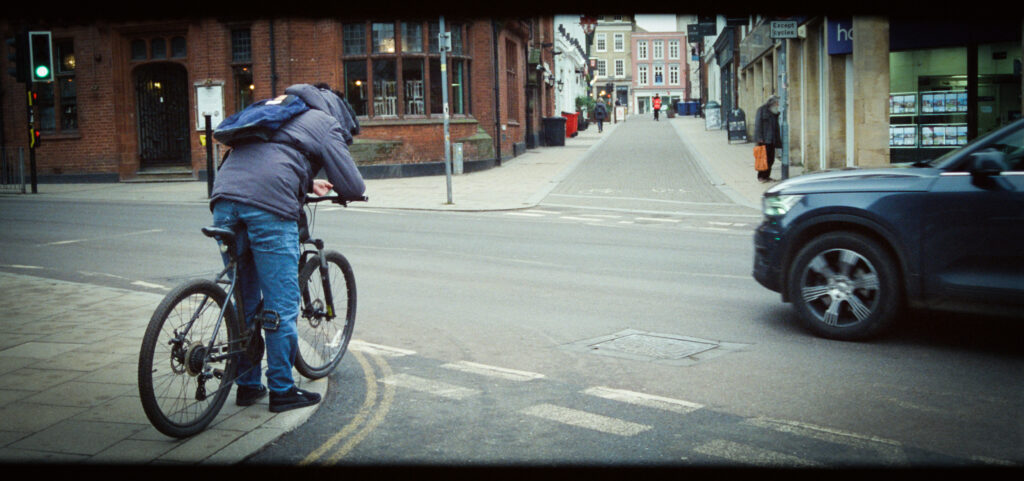
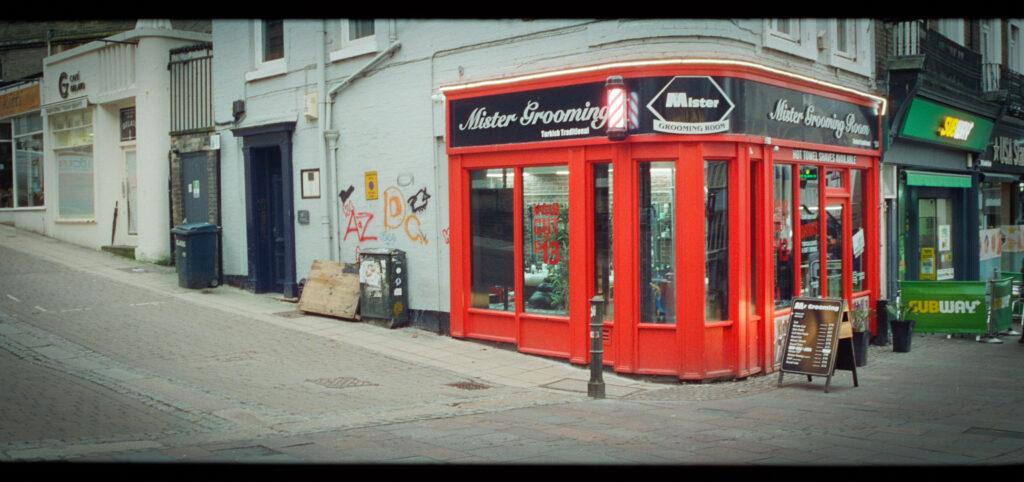
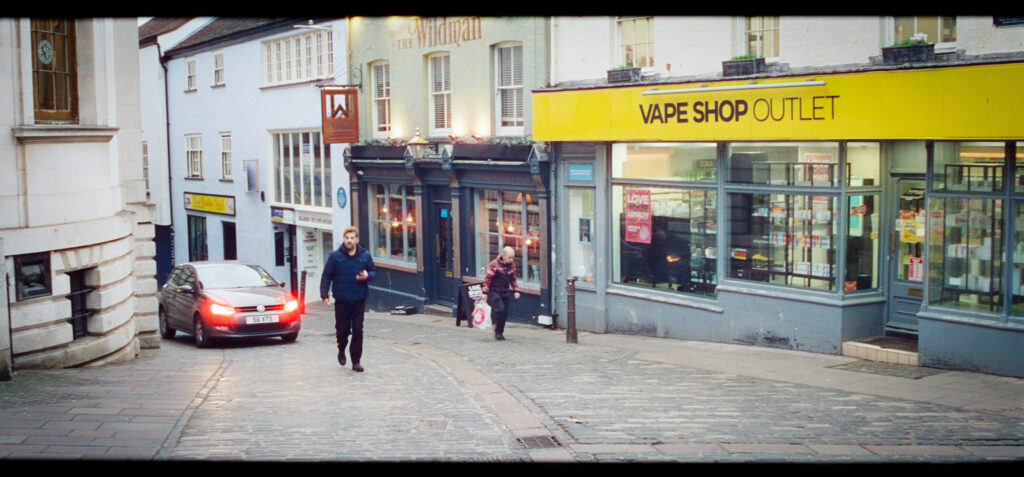
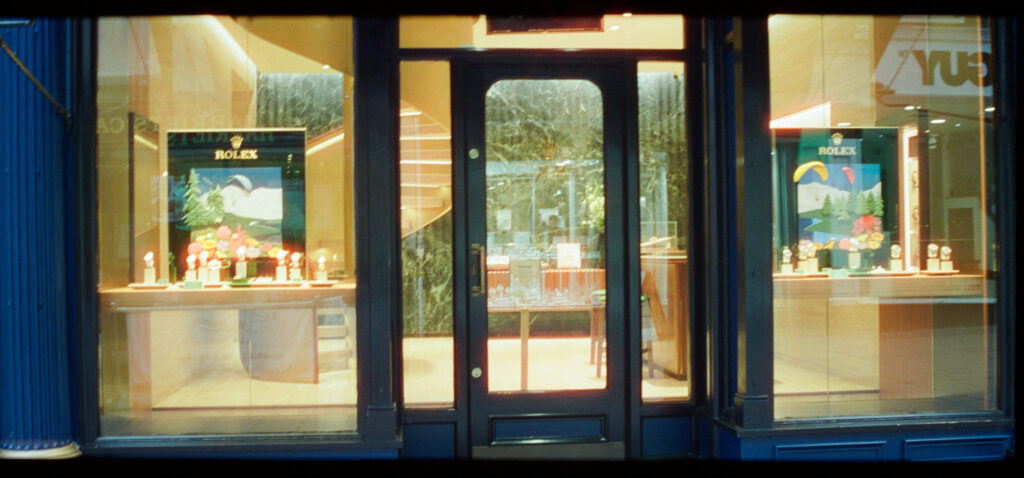
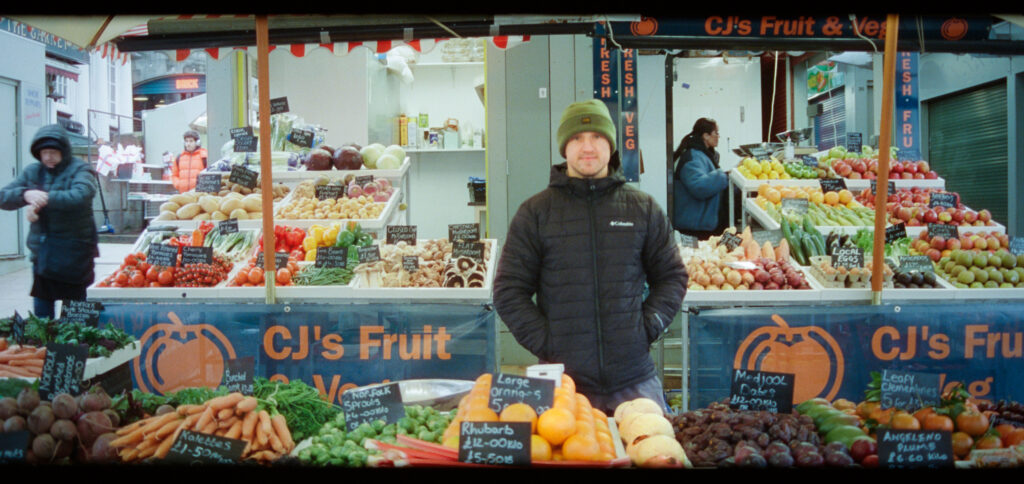
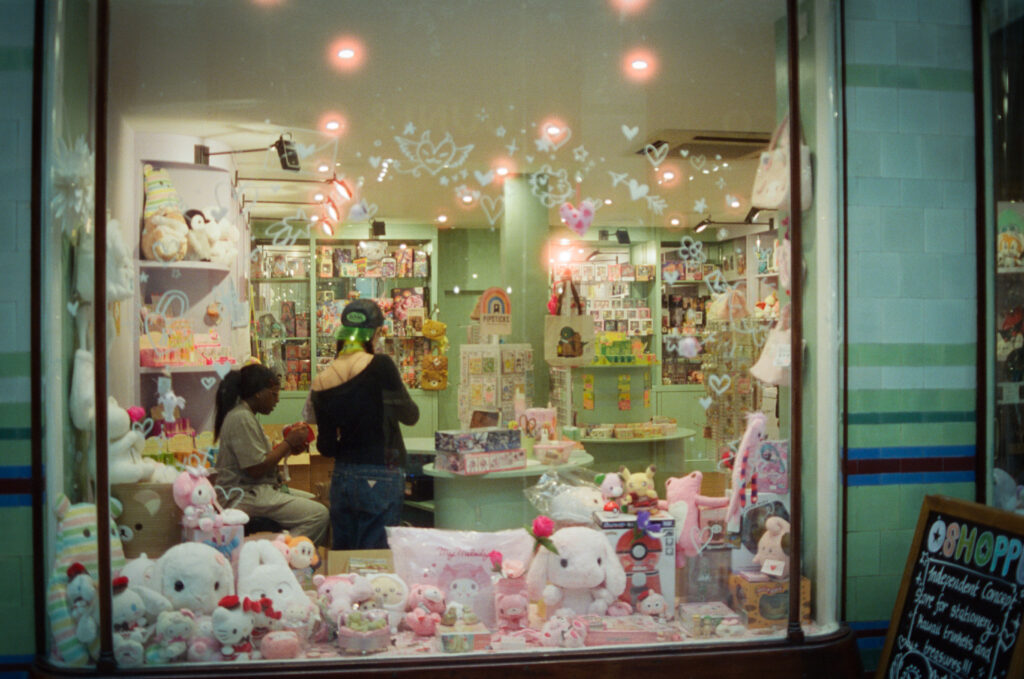
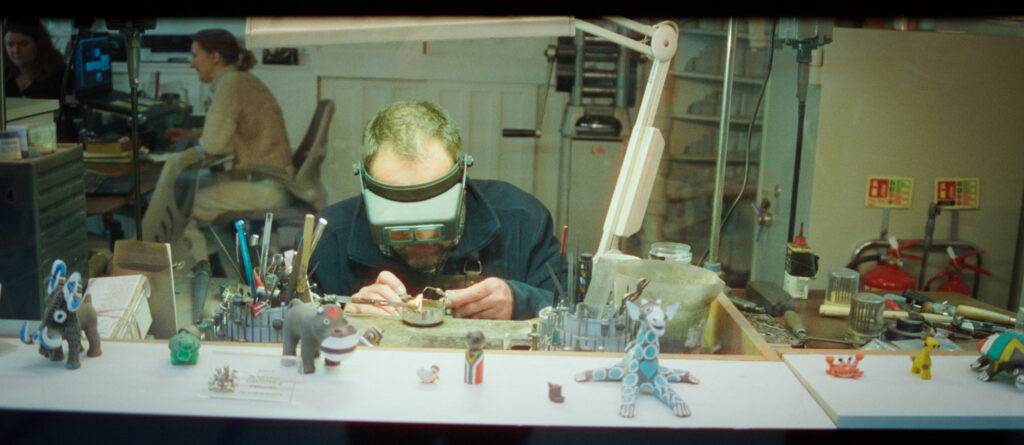
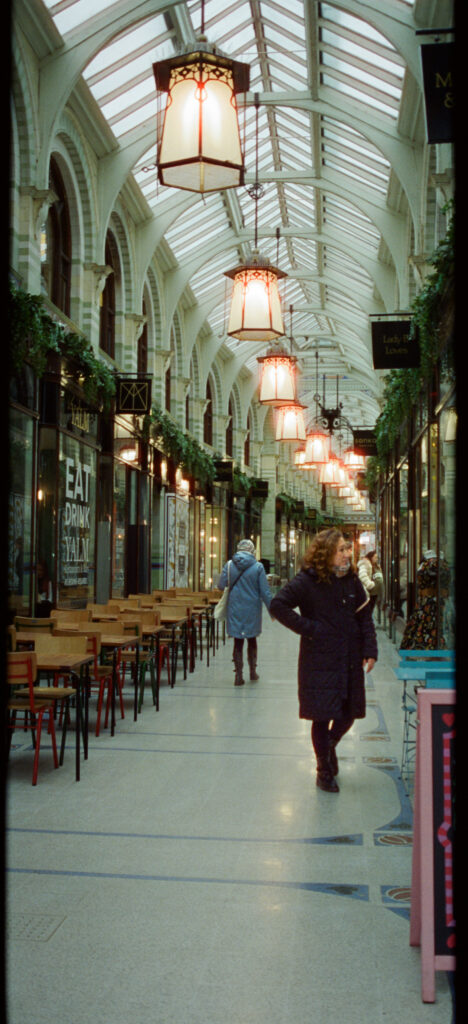
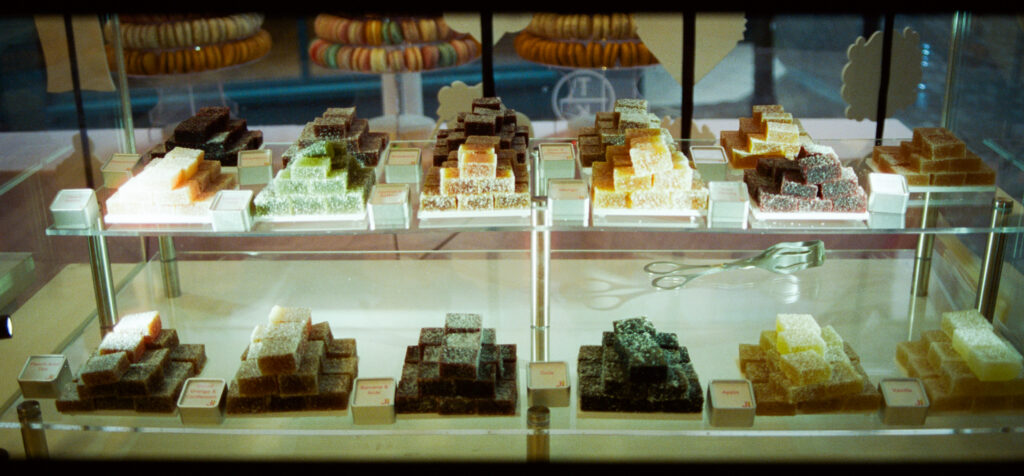
A practical evaluation of the Minolta Alpha 303si was recently conducted in Norwich, UK, to test the viability of low-cost panoramic systems in an urban environment. The setup consisted of a 303si body and a Sigma Zoom Master 35-70mm f/3.5-4.5 lens, representing a total investment of less than £20.

The test utilized Cinestill 800T, a tungsten-balanced film often used for its cinematic "halation" effect. Despite the overcast conditions and the use of a budget-grade zoom lens, the results indicated that the panoramic format excels in urban snapshots and street portraiture. The internal masking allowed for immediate compositional decisions, such as isolating architectural lines or framing subjects within the elongated horizontal space.
Technical observations from the test included:
- Autofocus Performance: The 303si, while slower than the Alpha Sweet II, proved adequate for static and slow-moving subjects.
- Metering Accuracy: The Minolta honeycomb metering system handled the challenging light of an overcast day with high precision, requiring little to no exposure compensation.
- Lens Equivalency: To replicate the 45mm field of view of a standard Hasselblad XPan lens, a 24mm lens is required on a masked 35mm SLR. The 35mm focal length used in the test provided a more "standard" panoramic view, highlighting the versatility of using zoom lenses with the format.
Broader Impact on the Analog Community
The move toward "budget panoramas" reflects a broader democratization of film photography. As professional gear becomes a commodity for collectors, the use of JDM SLRs and consumer-grade equipment ensures that the artistic possibilities of the panoramic format remain open to a wider demographic.
The ease of acquisition through international platforms like eBay has also facilitated this trend. Japanese sellers, in particular, have become a primary source for "Mint" condition Alpha-series cameras, often providing expedited shipping to Europe and North America. This globalized supply chain allows photographers to bypass inflated local prices and experiment with niche formats at a fraction of the cost.
Conclusion and Future Implications
The era of the "peanuts" priced Hasselblad XPan is unlikely to return. As long as the demand for dedicated panoramic systems outstrips the finite supply of aging electronics and precision optics, prices will remain prohibitive for the average enthusiast. However, the technical and artistic success of the Minolta Alpha series and similar masked-format cameras proves that the panoramic experience is not tied to a specific price tag.
By focusing on composition, utilizing high-quality lenses on affordable bodies, and leveraging the similarities between masked panoramic and half-frame photography, the analog community can continue to explore the cinematic aspect ratio. The shift from "prestige gear" to "functional tools" marks a maturing of the analog market, where the final image and the process of creation take precedence over the pedigree of the camera body. As more photographers discover the "Plastic Fantastics" of the 1990s, the panoramic format is poised for a creative revival that is both economically sustainable and artistically fulfilling.